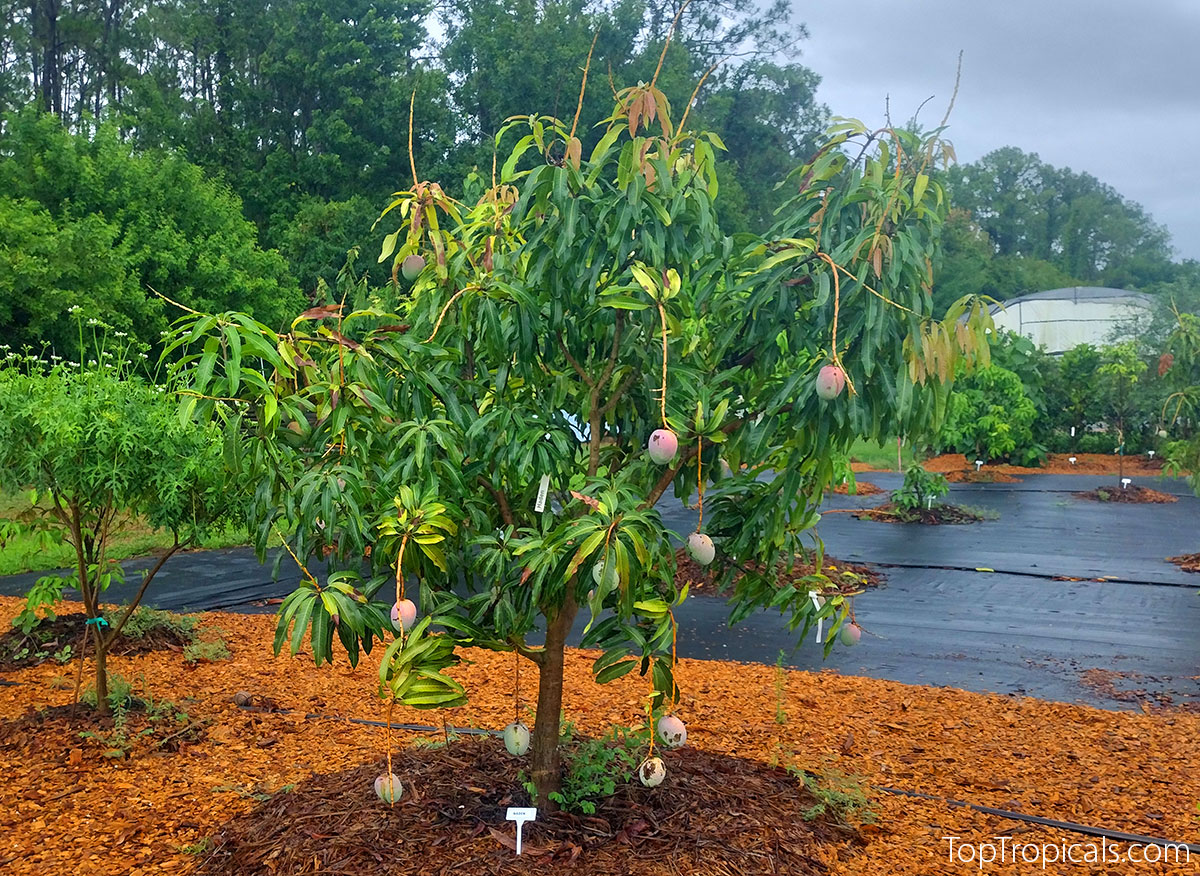
Date: 6 Feb 2025
How to get mango trees to bloom and set fruit
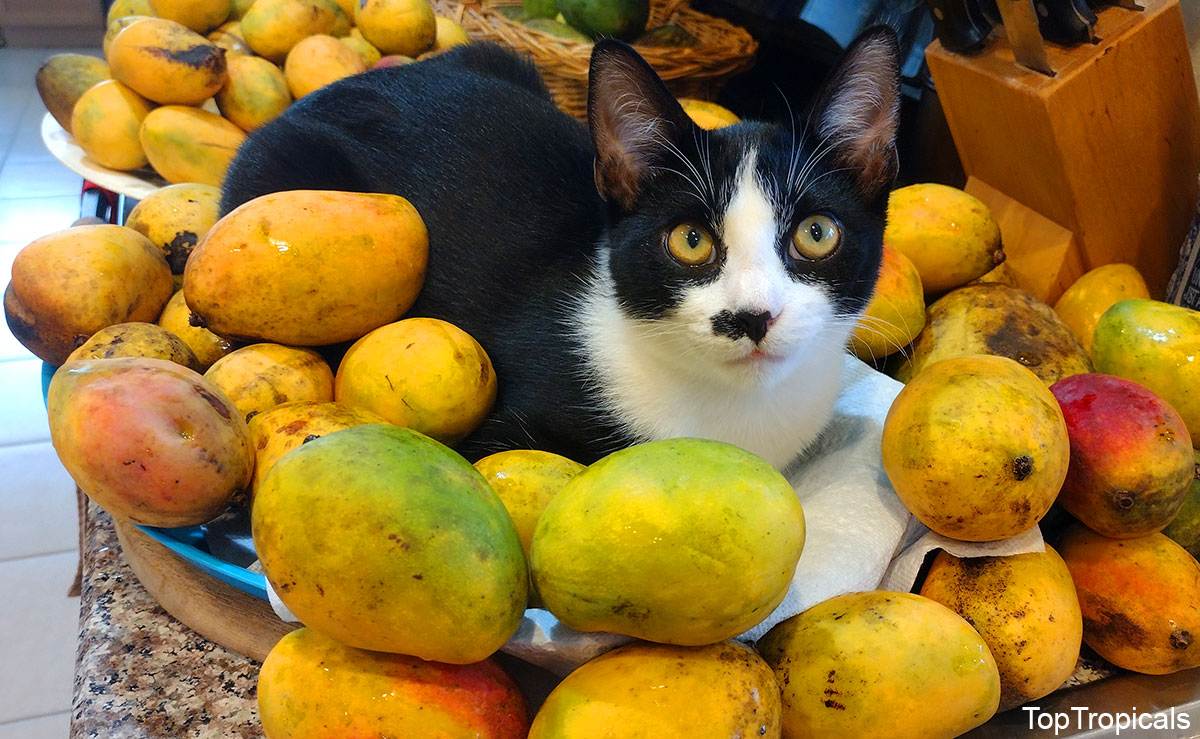
Q: Is there any way to make a mango tree set more fruit? My mango trees bloomed like crazy last year but most of the flowers dropped and I had only a few fruit. What do I need to do to get more fruit?
A: Mango trees flower from late Winter to Spring, with the peak blooming season varying based on variety. During this time, mango trees produce hundreds of small, fragrant flowers in large panicles. A healthy mango tree can produce anywhere from 500 to 2,000 flowers per panicle. However, only a small fraction of the flowers will be successfully pollinated and develop into fruit, depending on the tree's size and health.
To support healthy flowering and fruit set, mango trees need dry weather, as excessive moisture can inhibit pollination and fruit development. During flowering period, it's important not to overwater, as the tree is less active in water uptake.
Avoid dry fertilizers during flowering since the tree is focused on reproduction rather than vegetative growth. Continue applying Sunshine Boosters Mango Tango liquid fertilizer to support the tree's overall health and vigor which will encourage fruit quantity and quality. Sunshine Boosters deliver essential nutrients in optimum amounts, proportionally to water intake.
Ensuring a dry, sunny environment and mild fertilizer Mango Tango will help the tree set fruit successfully.
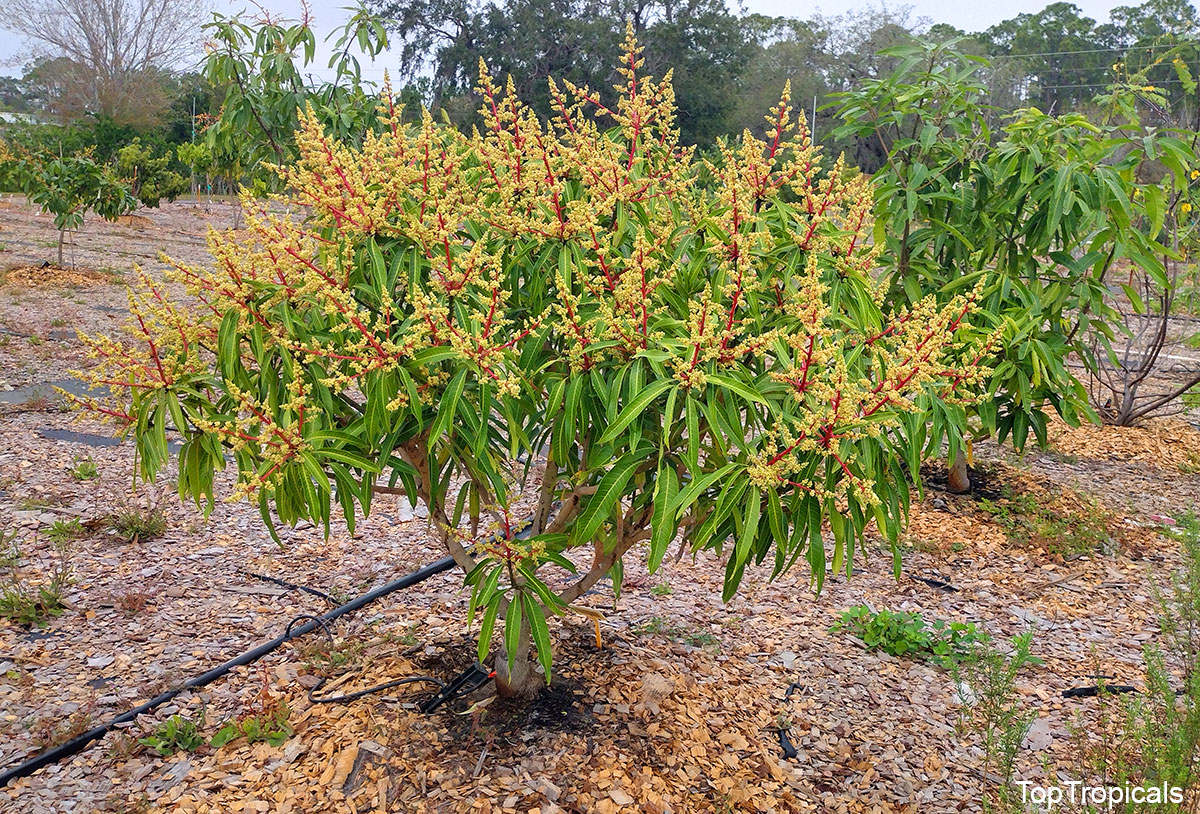
Photo above: Our Mango garden in Sebring, FL is in full bloom now! Early spring in Florida started in January 2025. Surprisingly, all our mango varieties decided to start blooming: - early, mid- and late- season cultivars. It's a stunning view! Check out a short Video.
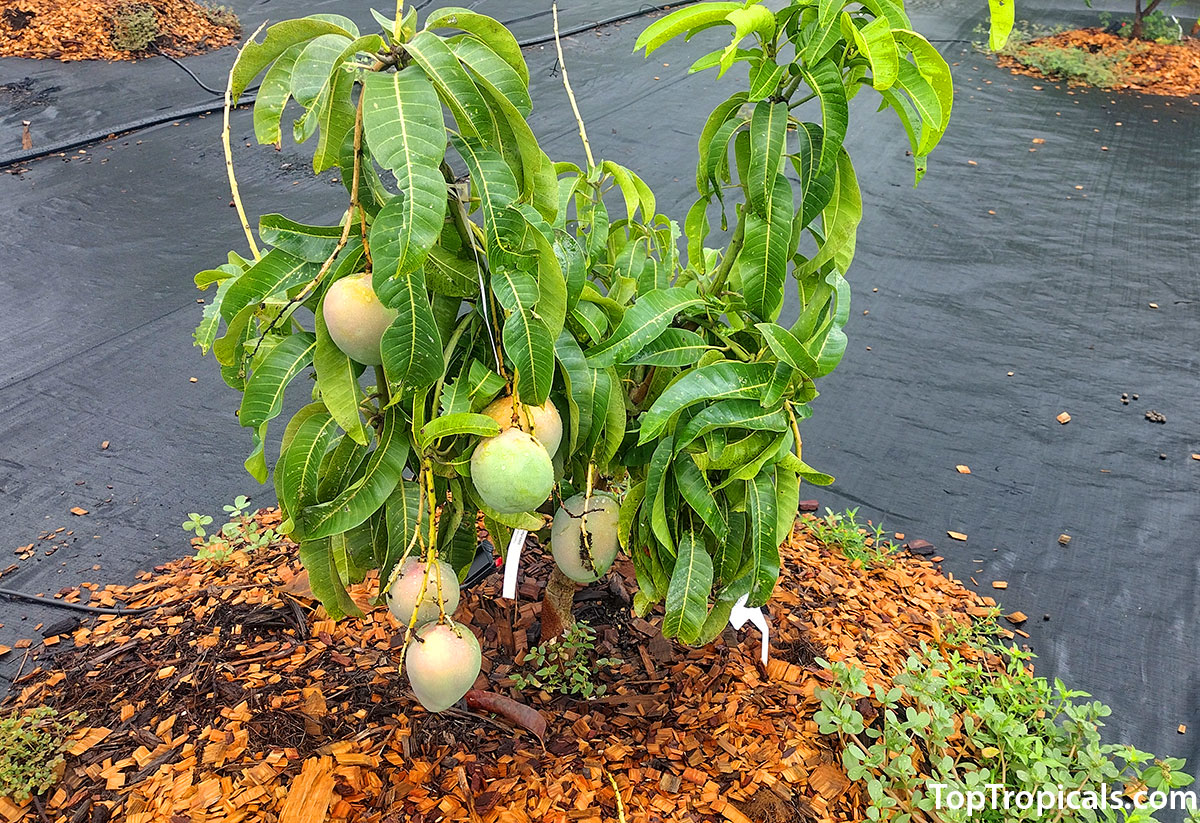
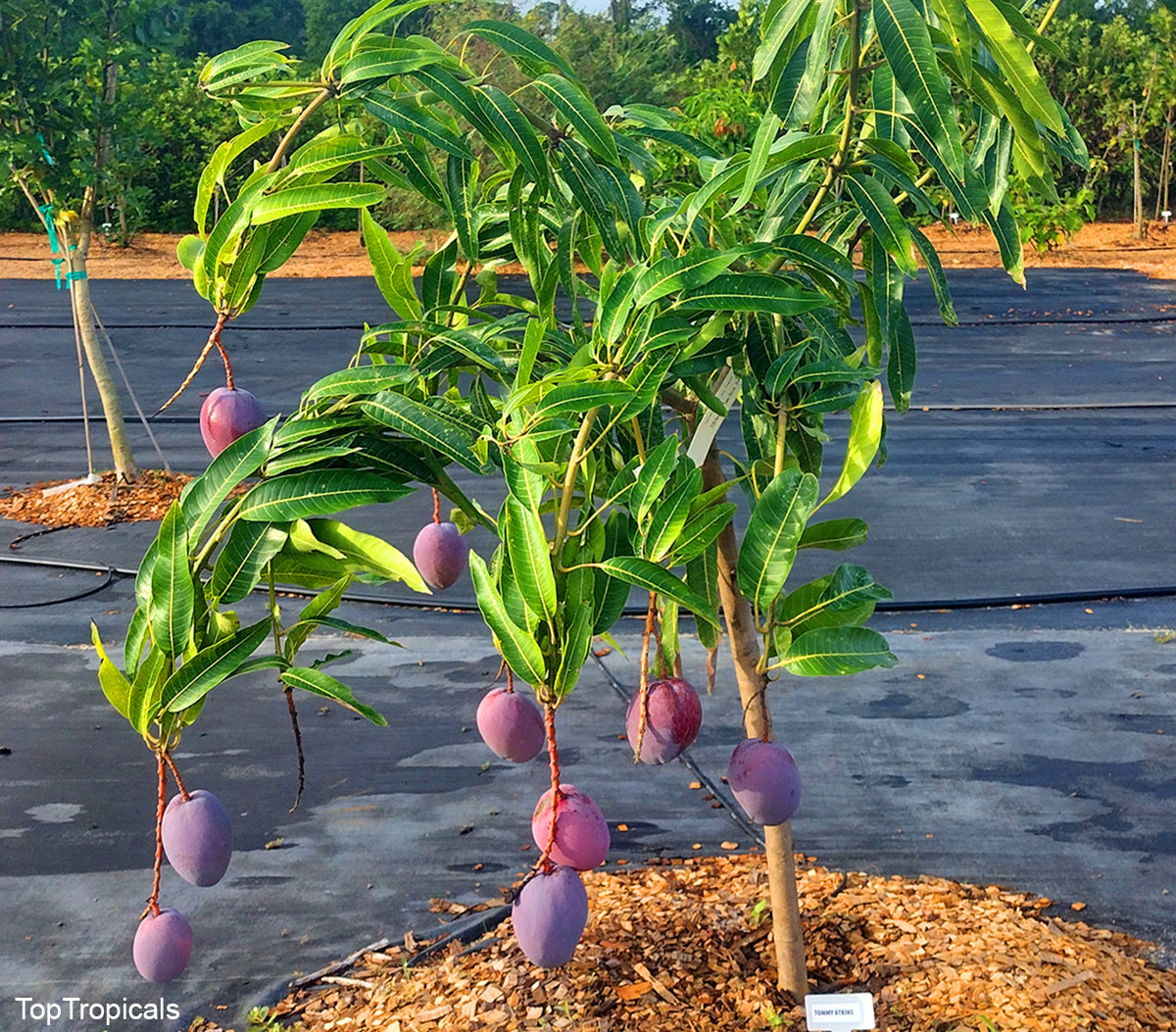
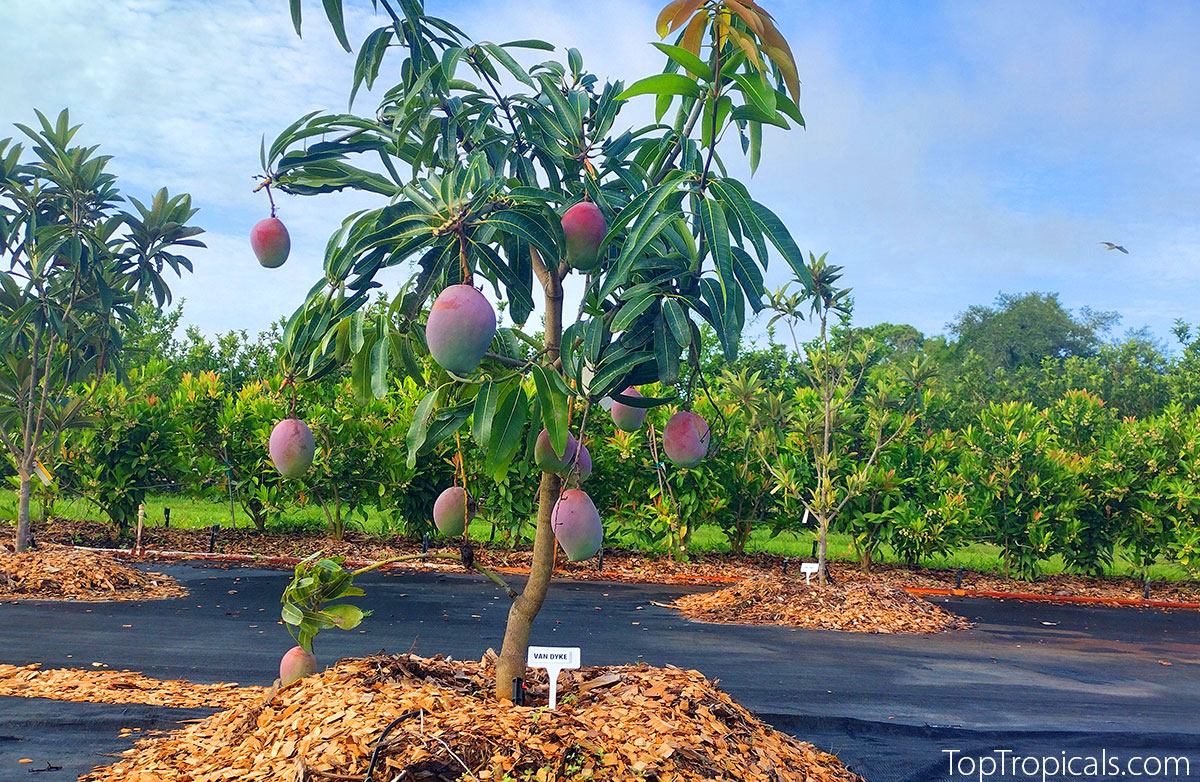
Photo below: 2024 fruiting trees. We use Sunshine Mango Tango year around.
Date: 27 Oct 2025
Large Grafted Mango Trees - Plant Now Before Winter!

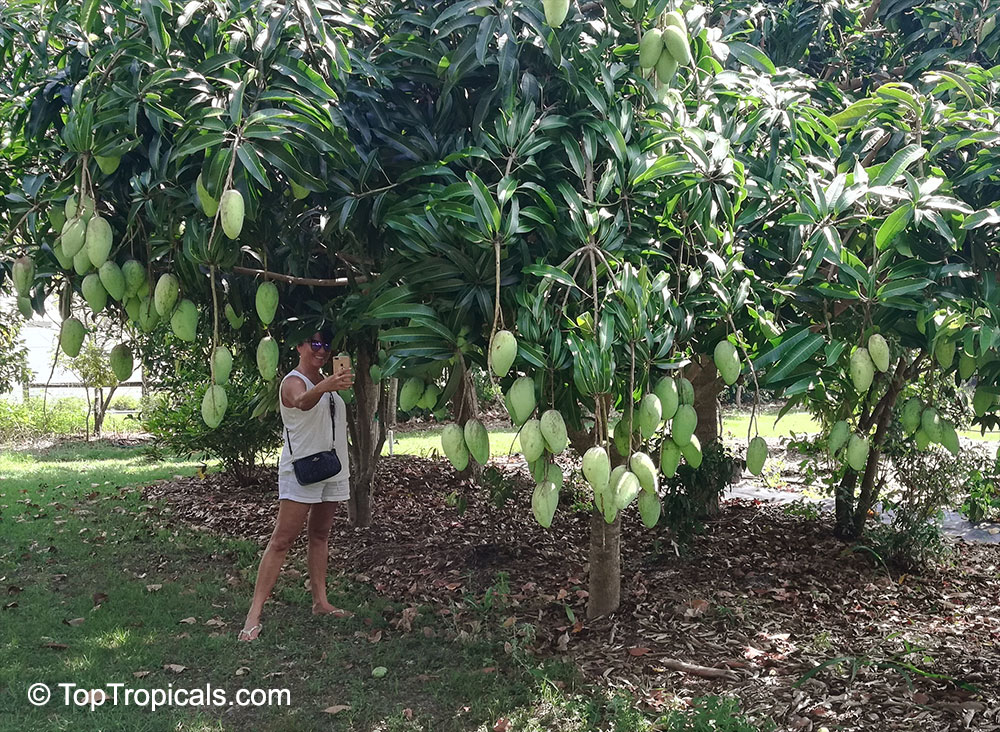
"Next Time We'll Specify - A TREE!" - Smokey and Sunshine Plant a Giant Mango
🌡️ Why plant now?
Fall is the perfect time to plant tropical fruit trees. The soil is still warm, the air is mild, and your trees can quietly build strong roots. By spring, they’ll already be settled and ready to grow fast.
Imagine walking outside next summer and picking your own mangoes from a tree you planted this fall!
💲 Special Offer – 20% off Large Mango Trees: 7-15 gal
Get 20% OFF large grafted Mango trees (7-25 gal) with code
MANGO2025
Min order 150 (excluding S/H), valid online only, cannot be combined with other offers.
Hurry, offer expires November 03, 2025!
👉 Explore Mango Varieties:
15 gal pots: pick up or delivery
Date: 17 Sep 2025
 Mulberry Care and Growing Tips
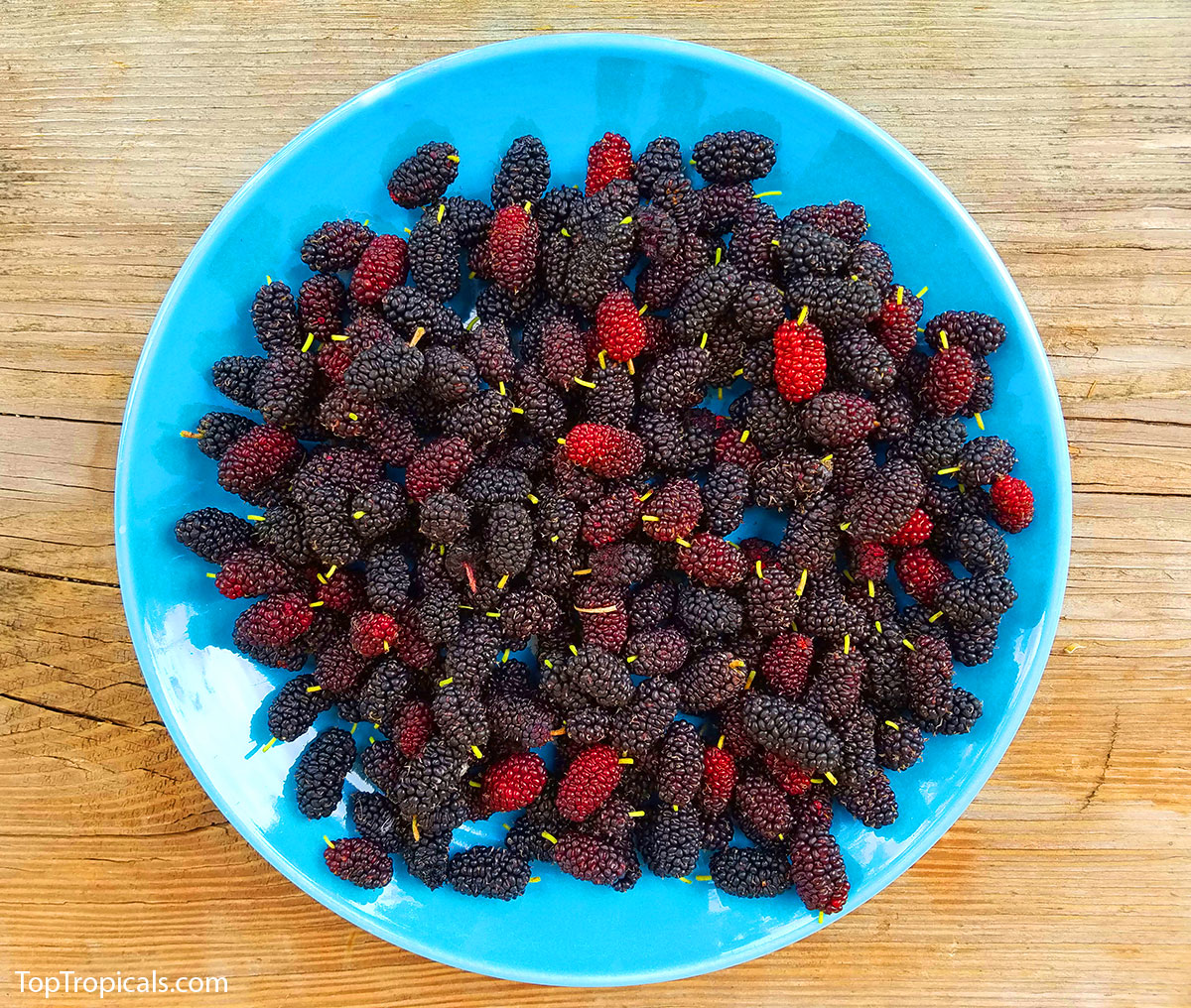
Mulberries are tough, low-maintenance fruit trees that adapt to many conditions.
- Climate: Hardy from USDA zone 5 to 10.
- Soil: Grow well in almost any soil; prefer good drainage.
- Watering: Regular watering during dry spells; drought tolerant once etablished.
- Growth: 3–5 feet per year, producing fruit early.
- Pruning: Annual pruning controls size and improves branching.
- Pot culture: Dwarf types thrive in containers, staying 6–7 feet tall. Use a large pot, water consistently, and prune lightly. Use Abundance potting mix for best results.
- Fertilizer: For reliable production, fertilizer regularly. Apply Sunshine C-Cibus liquid booster with every watering, or Green Magic controlled release fertilizer every 5-6 months.
❓ Mulberry FAQ
How soon will a mulberry fruit?
One to two years, sometimes the very first season.
What climates are suitable?
USDA zones 5–10, from -20F winters to hot summers.
How tall do they get?
Standard trees 20–30 ft; dwarfs 6–10 ft in pots.
Do I need more than one tree?
No, they are self-pollinating.
What do they taste like?
Sweet and juicy, like a blend of blackberry and raspberry.
How long is the harvest?
Everbearing types ripen gradually from summer into fall.
Do birds eat them?
Yes, but trees are so productive there’s plenty to share.
Are they messy?
Dark-fruited varieties can stain; white mulberries do not.
Can I grow them in containers?
Yes, dwarf types (Dwarf Everbearing, Issai) fruit well in pots.
How long do they live?
Many live for decades; Illinois Everbearing can endure for generations.
What are the health benefits?
Mulberries are low-glycemic, support healthy blood sugar, improve heart health, and are rich in antioxidants.
Date: 30 May 2019
Triple Sec Mango
By Onika Amell, tropical plant specialist
Q: I live in Mesa, Arizona. I am considering purchasing two of you Triple Sec Mango trees. Can you please give me some information on this variety and how to grow it successfully here in hot and arid Arizona, if at all?
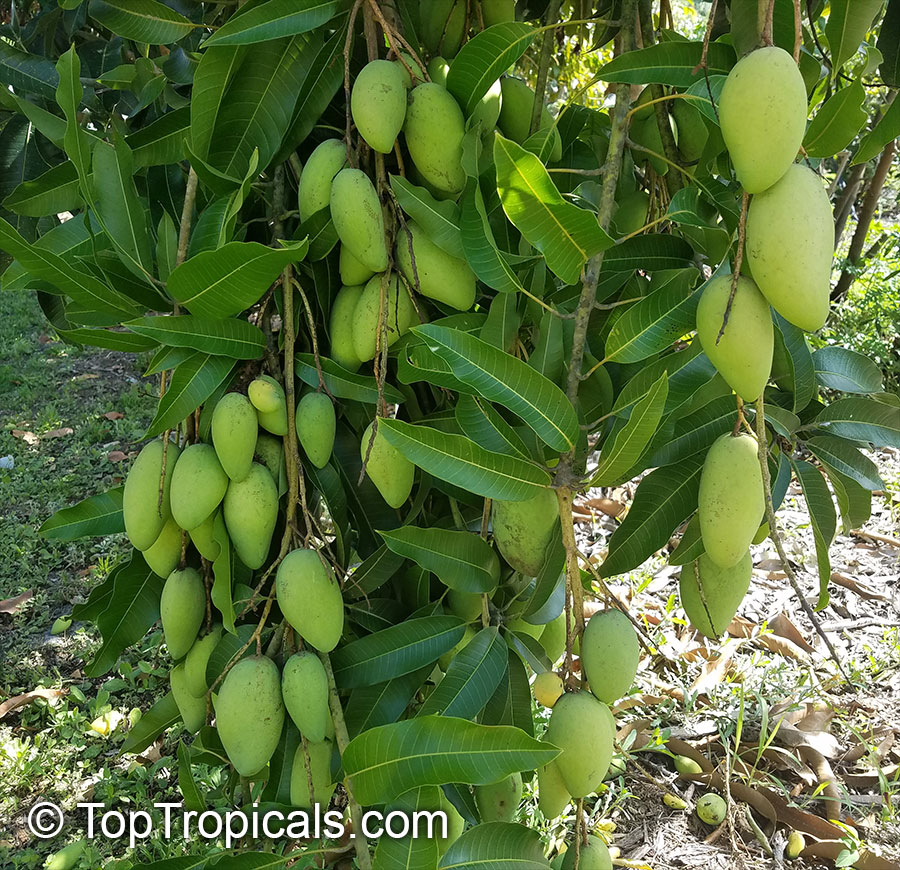
A: Triple Sec Mango is a new name for the superior variety Seacrest. The
aroma of this fruit resembles Triple Sec - an orange liqueur. It's a juicy,
mid-season variety that has good disease resistance.
Mango has pretty good heat and drought tolerance. It loves sun, but there
are a lot of factors to consider when growing Mango in your area.
Check your soil. Soil quality is always first and foremost: when you
live in an area of Arizona with
hardpan (extremely compacted desert soil) or caliche (layers of soil
cemented by calcium carbonate) you
will have to learn how to deal with such soil types. Amend the soil as
needed.
The best time to plant is spring or fall to give your Mango a chance to
get established before the really intense Summer heat starts. Alternatively,
protect the tree with a shade cloth. Tender, new growth will not stand a
chance unprotected, especially newly planted and/or young trees.
Mangoes are tropical and sensitive to frost and freeze damage. Young
trees especially will also need winter protection when temperatures go near or
below freezing. Always plant trees in a location where they will be protected
from cold wind. Consider staking your newly planted Mango trees for the
first year. It's never a bad idea to even stake during periods of high winds.
Make sure your planting site has very good drainage. Always use a good
quality mulch around your tree as it helps to trap moisture, keeping the
ground and the roots beneath it cool. Keep mulch a couple of inches from the
trunk of the tree. Avoid a location that gets full day sun. Morning sun,
afternoon shade is ideal. Give regular watering until the tree is established. Once
established, water only when the soil feels dry.
Fertilizer with a Mango-Food. A foliar spray of micronutrient solution is always
recommended during the active growing period. Use plant stimulants and microelements to improve cold hardiness and vigor.
See more info on growing mango in hot climate and container grown mangoes in Arizona.

Date: 5 Jan 2025
Condo (Dwarf)
Mango Practical Guide:
What varieties are good for container culture
or small yards
Q: "Our winters are too cold for a mango tree, but I'd like to grow one in a pot so I can bring it inside during cold nights. Which varieties do you recommend for container gardening? I've heard of Condo Mango - do you carry them?"
A: Yes, we always carry Condo Mango varieties: they are a fantastic choice for gardeners with limited space or in cooler climates. They grow well in containers and can be easily maintained through pruning. Whether you're growing them on a balcony, in a greenhouse, or in a backyard, Condo Mangos provide the perfect mix of beauty and practicality.
What Are Condo Mangos?
Condo Mangos, also known as dwarf mango trees, are perfect for small spaces. These trees can be grown in containers, making them ideal for balconies, greenhouses, or small suburban backyards. With proper care, they can be maintained at a manageable height of 6-10 feet through regular pruning. Some plant enthusiasts even manage growing Mango tree as an indoor plant!
The term Condo Mango
Condo Mango refers to mango varieties that thrive in containers and are small by nature, allowing them to be easily kept even smaller with selective pruning.
Size and Growth
Unlike traditional mango trees, Condo Mangos are compact. They naturally grow to around 6-10 feet, but with proper pruning, they can be kept small, making them an excellent choice for limited space.
Growing in Containers
- Condo Mango trees thrive in pots and containers.
- A 15-20 gallon pot is ideal to give the roots enough room to grow.
- Ensure your container has drainage holes to prevent root rot.
Planting Tips
- Plant Condo Mangos in full sun, where they'll get plenty of heat and
light.
- Use well-draining soil for optimal growth.
- Fertilizer regularly with quality plant food. Out best choice is Sunshine Mango Tango for edibles.
- Late Winter to early Spring is the best time to plant in containers,
before the rainy season starts.
- Mangoes grow well in USDA zones 9-10, but if you live in cooler climates,
you can grow them indoors or in a greenhouse, as long as you meet their heat
and light needs.
Pruning and Maintenance
- Prune Condo Mango trees once a year to keep them at the desired height
(6-10 feet), right after harvesting (late Summer to Fall)
- Trim the tips of the branches to maintain a compact shape and encourage
healthy growth.
- Regular pruning will help keep the tree manageable and ensure better
fruit production.
Learn more: Find out what are Top 10 Dwarf Condo Mango - great for container culture.