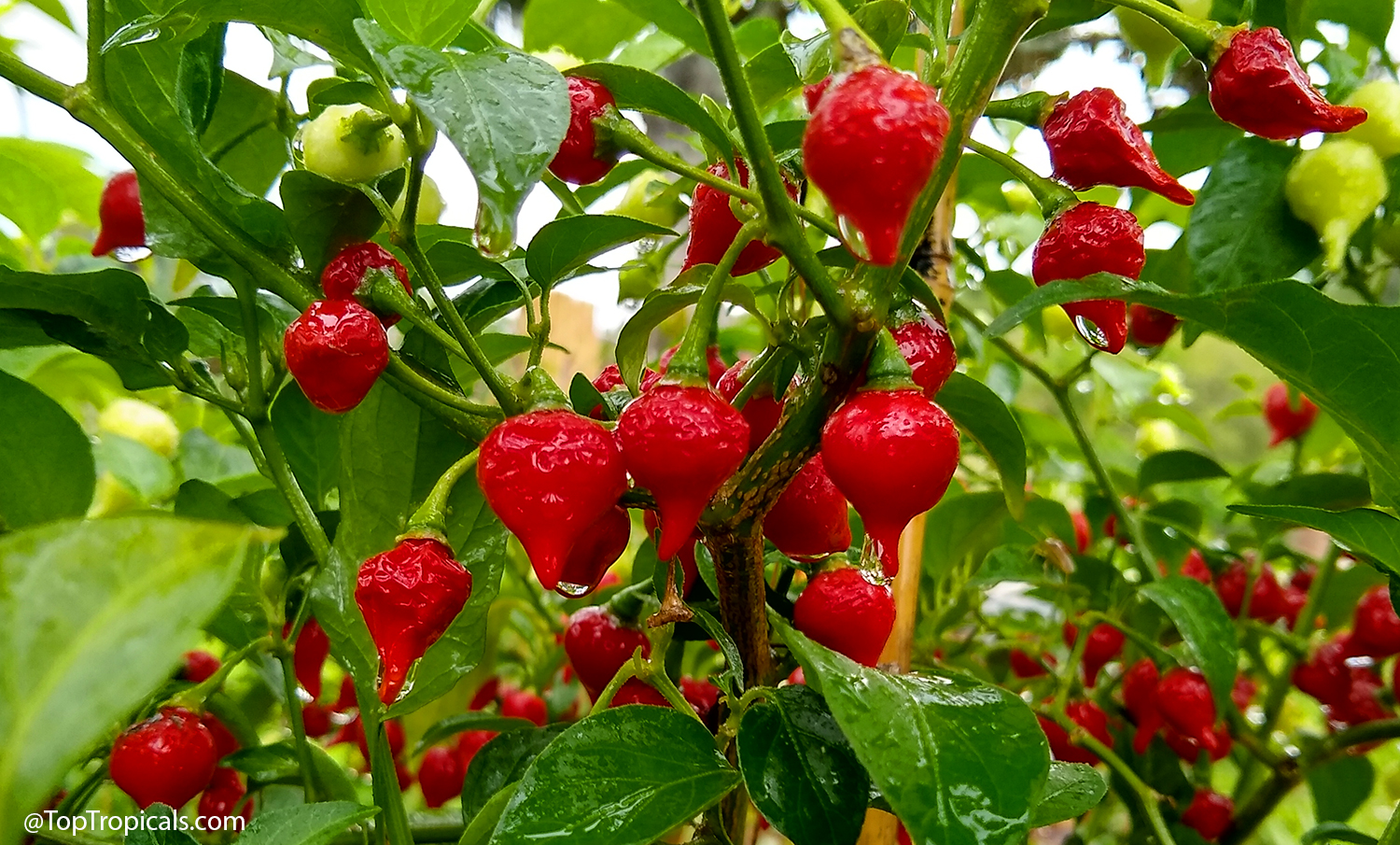
Biquinho
pepper loaded with fruit - small, beak-shaped peppers ripen
from green to bright red, offering intense fruity habanero flavor with
little to no heat on a compact, heavy-producing plant.
Sweet Pepper Plant Facts
Botanical name: Capsicum annuum Also known as: Sweet Pepper, Chilli Pepper, Cayenne Pepper, Paprika, Ornamental pepper
USDA Zone: 4 - 10
Highligths
A lot of plants that thrive in Florida heat have deep roots in Mexico, and
not just as ornamentals. Think coral vine or flame vine climbing a fence in
summer, or bird of paradise
sitting at the edge of a patio like it owns the place. These are not plants
that need coaxing. They grow fast, full, and unapologetically.
Then there are the plants you actually eat: peppers,
prickly
pear, sweetleaf,
and fruit trees like avocado, guava,
and sapodilla.
They do not just decorate the yard. They change how the yard works, and how
the kitchen feels all year.
Avocado Plant Facts
Botanical name: Persea americana, Persea gratissima Also known as: Avocado, Alligator Pear, Aguacate, Abacate
USDA Zone: 9 - 11
Highligths
That is the part that sneaks up on you. Gardening stops being about having a
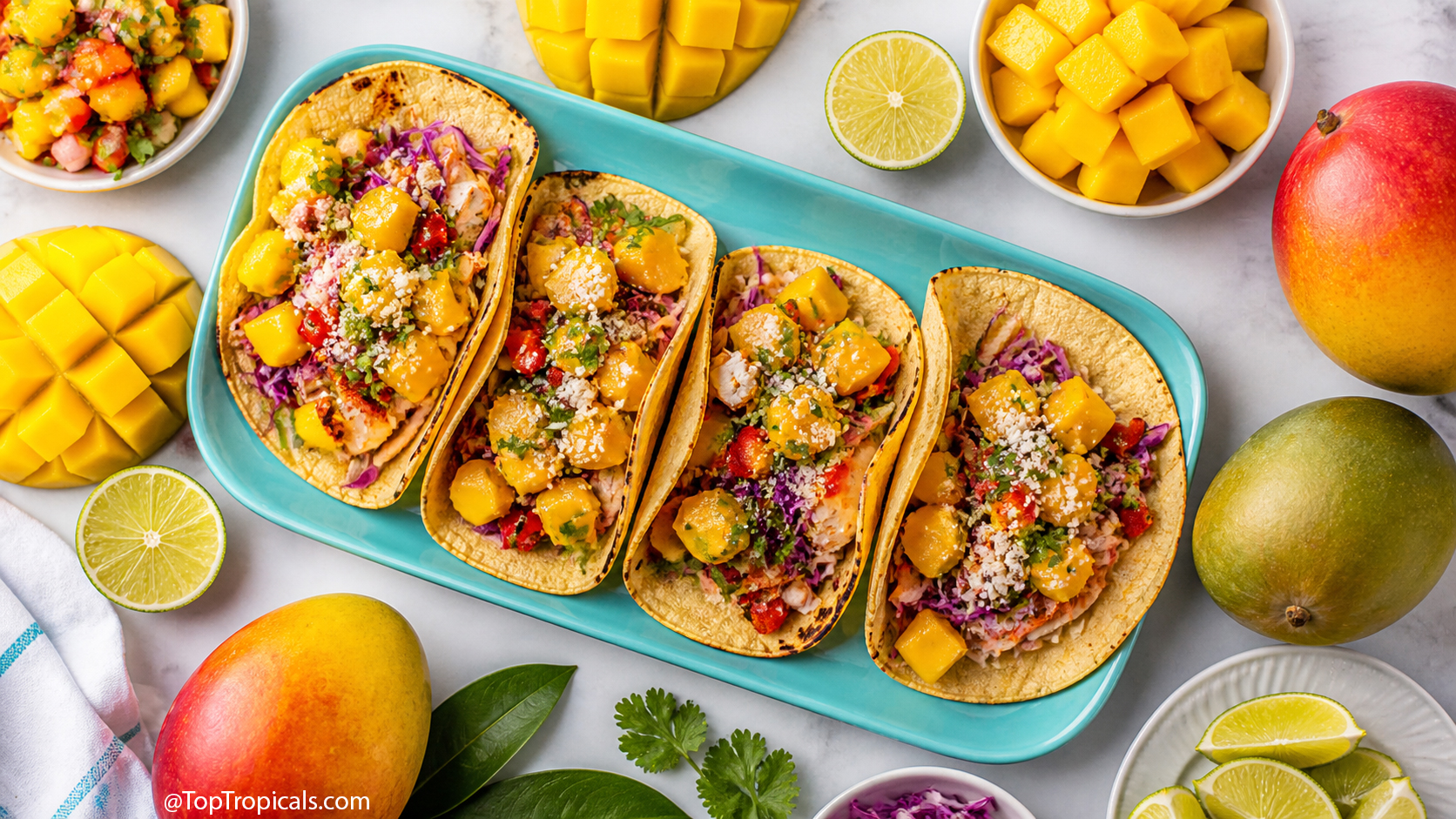
pretty yard and starts becoming a way of living. Mango tacos taste
different when you picked the mango yourself. Everything does.
Mango Plant Facts
Botanical name: Mangifera indica Also known as: Mango
USDA Zone: 9 - 11
Highligths
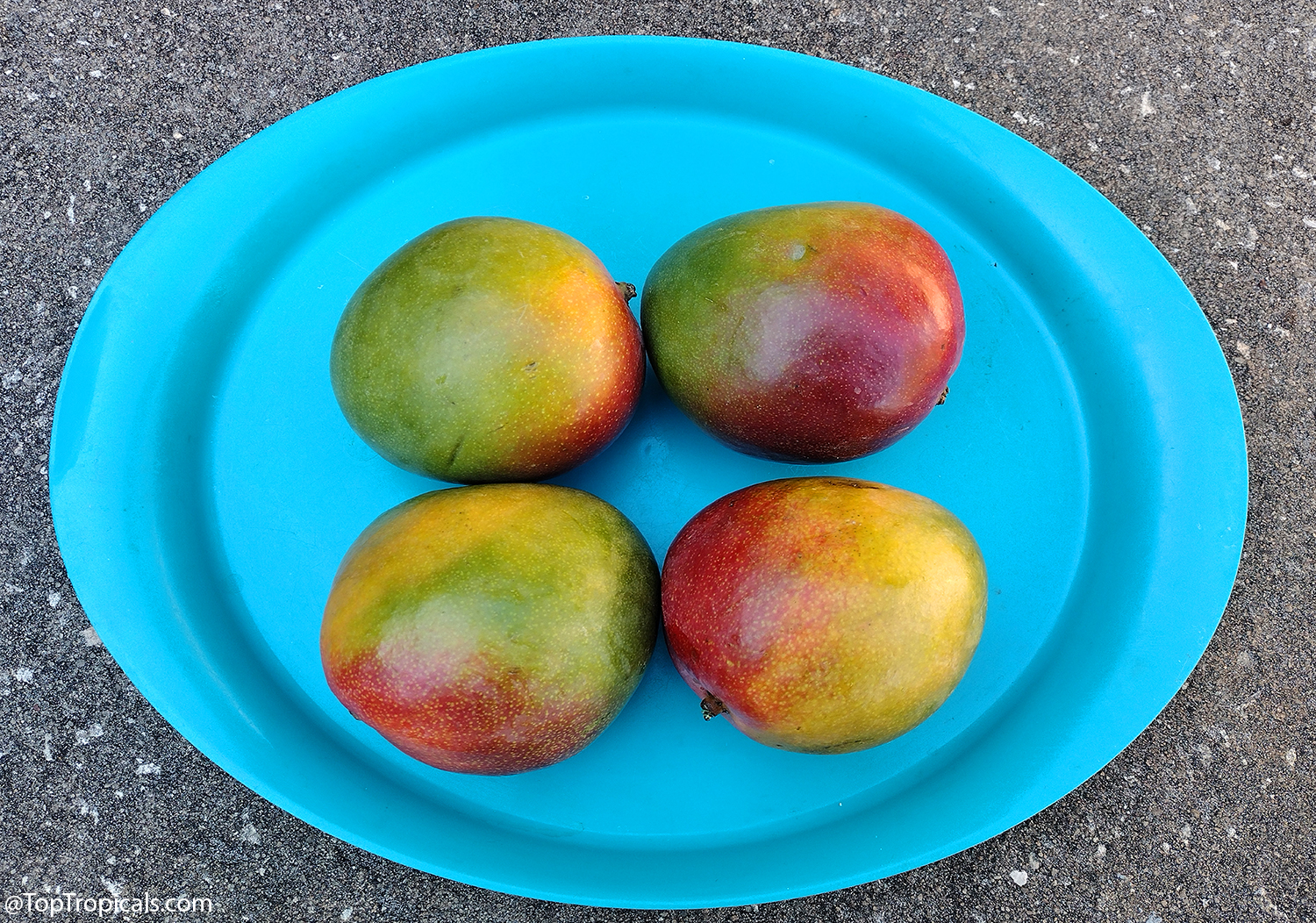
Kent mango - classic late-season variety with smooth,
fiberless flesh and rich, sweet flavor.
🍀Mexican
Plants That Thrive With Minimal Effort
by Tatiana Anderson, Top Tropicals Garden
Expert
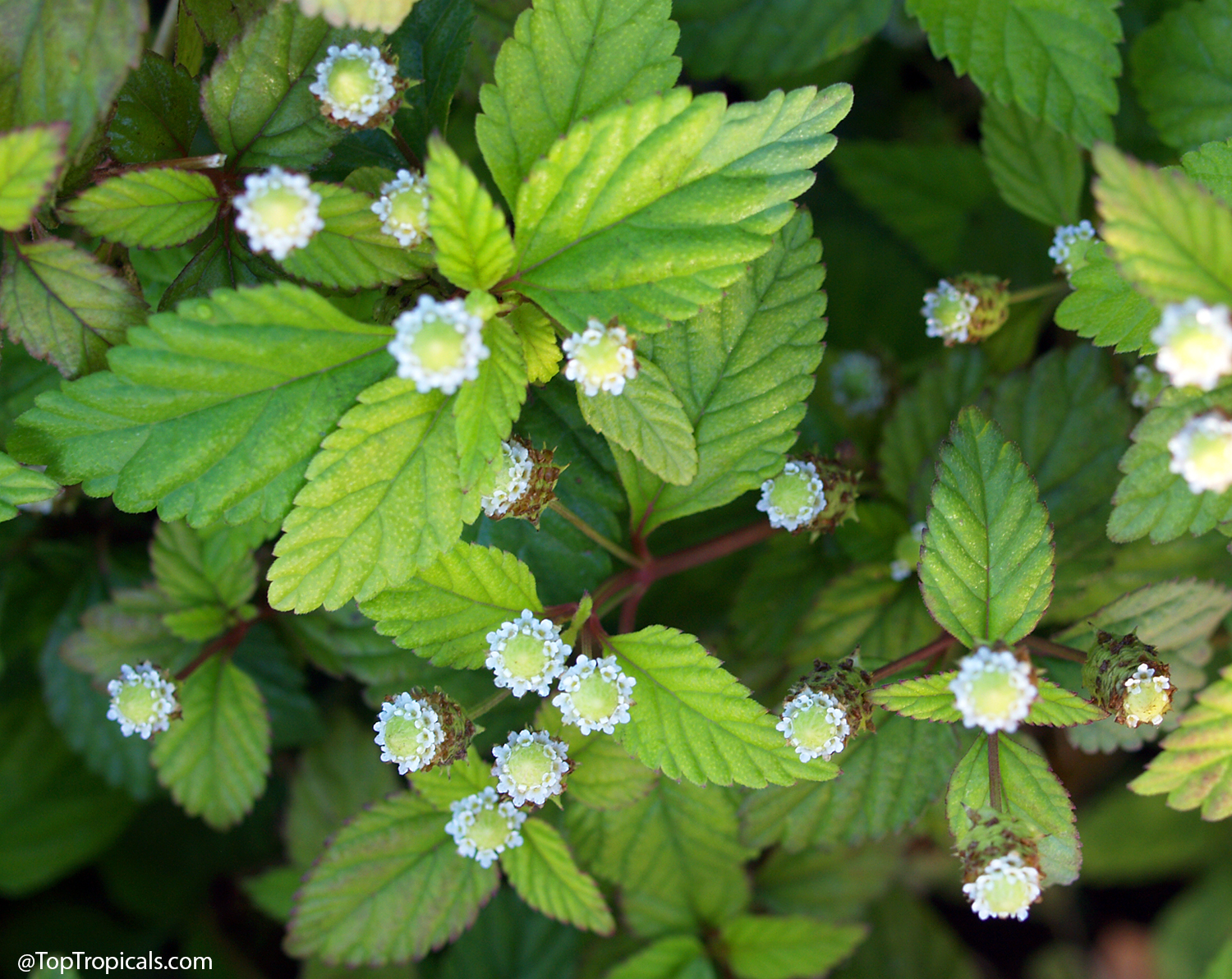
Lippia
dulcis - Aztec Sweet Herb in bloom - a low-growing Mexican herb
with tiny white flowers and remarkably sweet leaves that can be eaten fresh
or added to fruit dishes, traditionally used since Aztec times for coughs
and colds.
Aztec Sweet Herb Plant Facts
Botanical name: Phyla dulcis, Lippia dulcis, Phyla scaberrima, Lippia mexicana Also known as: Aztec Sweet Herb, Sweetleaf
USDA Zone: 9 - 11
Highligths
These Mexican plants are surprisingly easy to grow if you give them what
they expect: sun, heat, and good drainage. Most of them are built for tough
conditions and will grow fast with minimal care once established.
The one rule that matters: fill the planting hole with water. If it does
not drain in 5-10 seconds, plant on a mound or use a container.
Flowering
vines will take off quickly, edibles like peppers and sweetleaf
lippia
are very forgiving, and cactus types prefer to be left alone rather than
overwatered.
For full, step-by-step growing tips and plant-specific advice, read our blog
- we break everything down in practical, real-world terms.
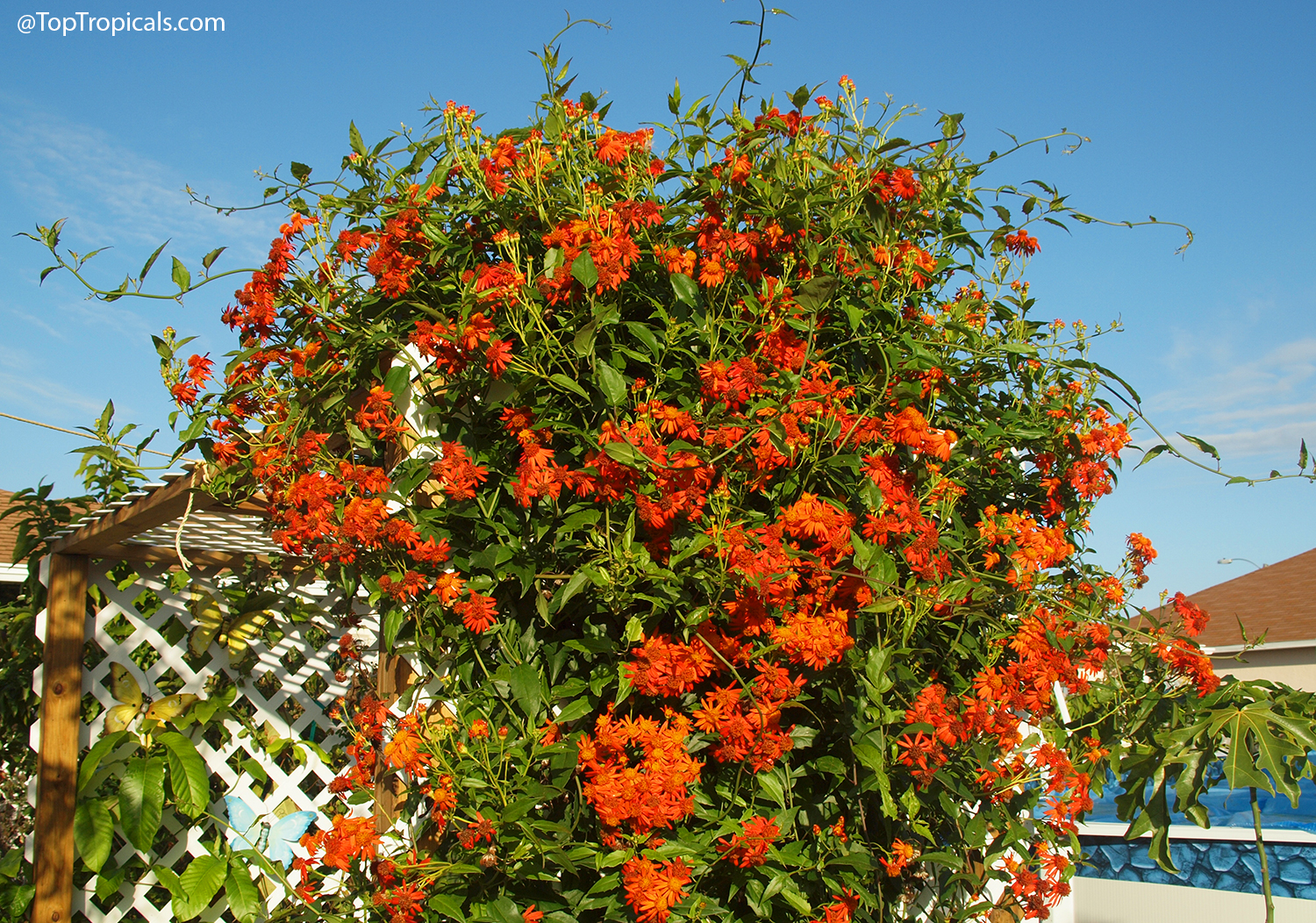
Mexican Flame Vine in full bloom - a fast-growing,
drought-tolerant climber that quickly covers fences with vivid red flowers,
attracting
pollinators and adding bold color with minimal care.
Mexican Flame Vine Plant Facts
Botanical name: Pseudogynoxys chenopodioides, Senecio confusus Also known as: Mexican Flame Vine, Orangeglow Vine
Bold reds and ruby tones - plumerias with real intensity
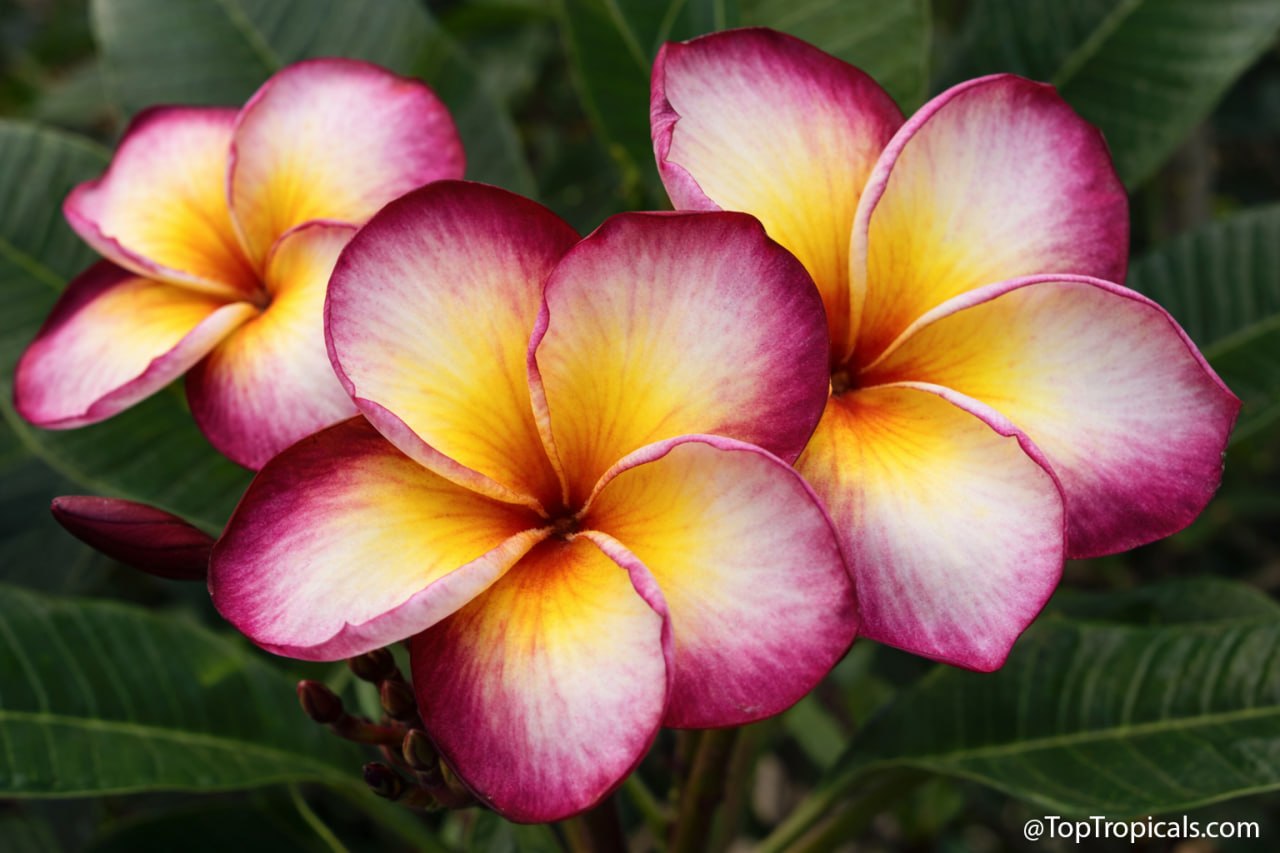
Plumeria Maneerat
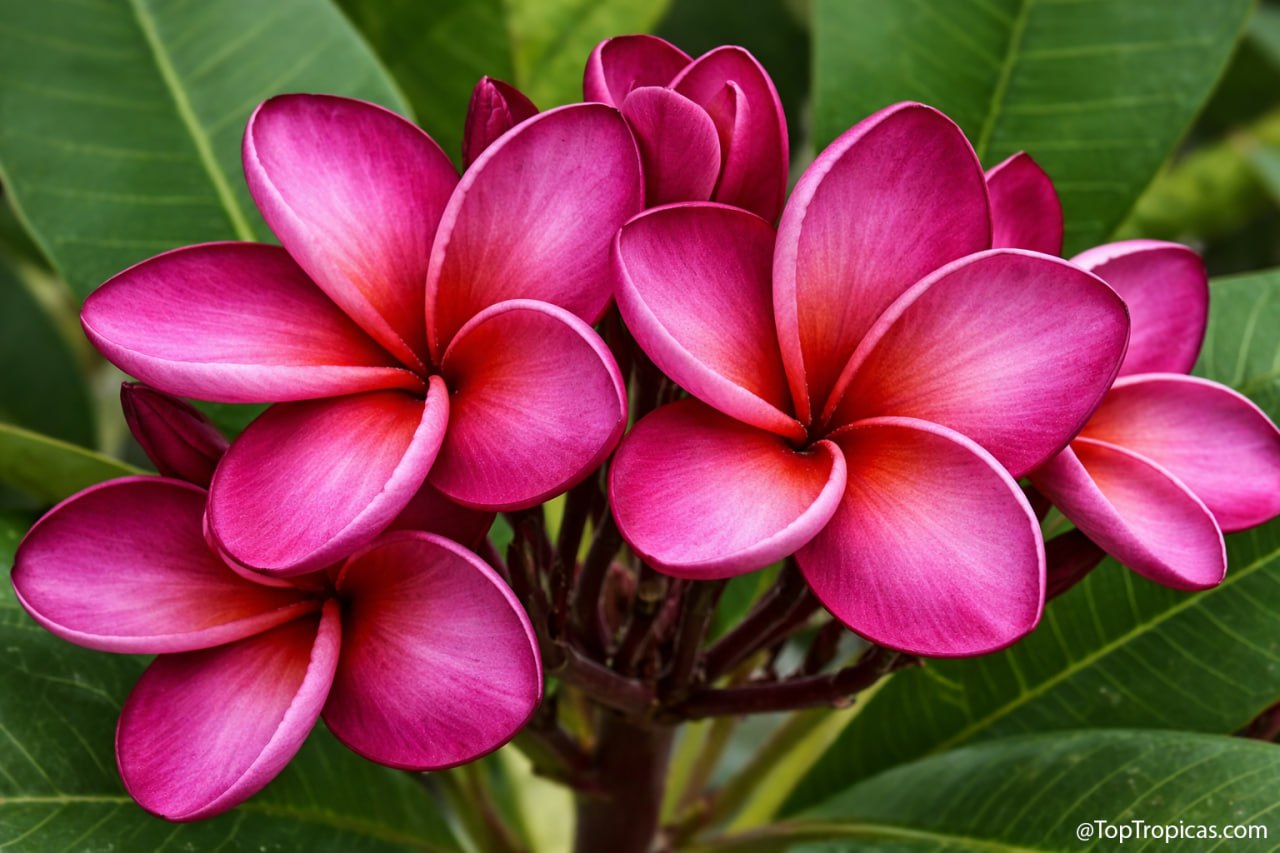
Plumeria Siam Ruby
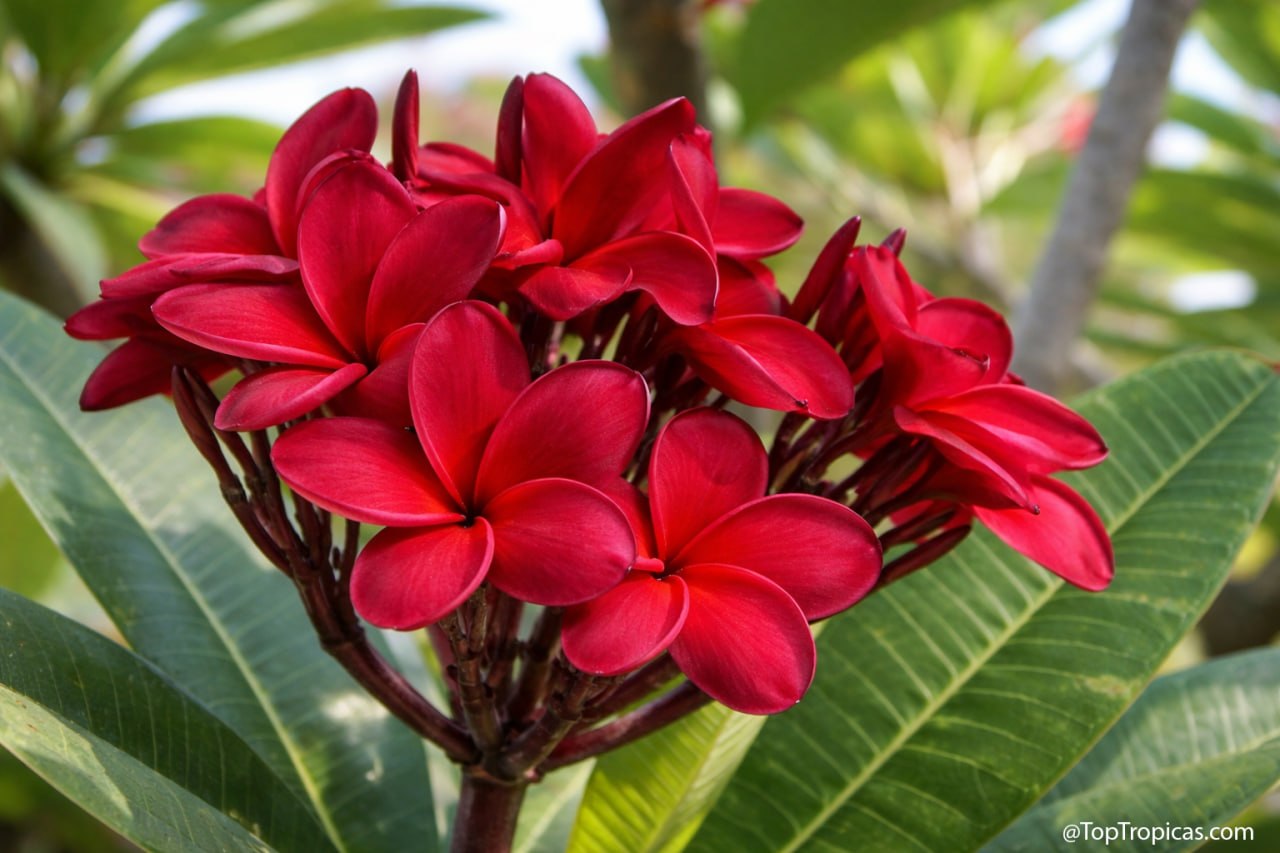
Plumeria Red Siam
Plumeria Kled Tabtim
Bold reds and ruby tones - plumerias with real intensity. Feeding tip 🌈
Plumeria Plant Facts
Botanical name: Plumeria sp. Also known as: Plumeria, Frangipani
USDA Zone: 9 - 11
Highligths
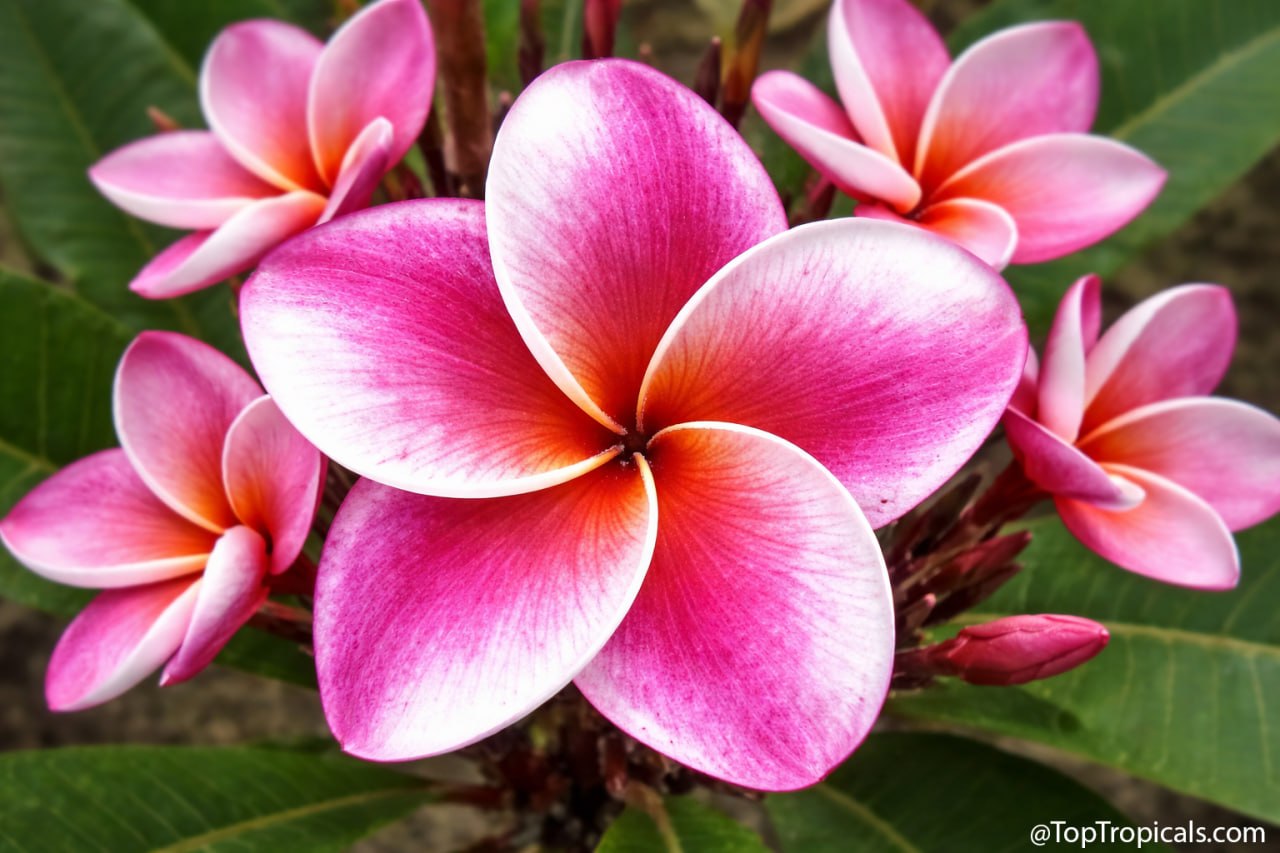
This set is all about depth, richness, and that unmistakable red glow. From ruby shades to deep velvety tones, these plumerias bring strong color and a luxurious feel - the kind that instantly draws your eye.
🌸 Today's featured plumerias:
✦ Plumeria Maneerat - golden-yellow center fading into creamy tones and strong pink to red edges, creating a radiant, glowing effect. Full, layered blooms with a rich, jewel-like look. ✦ Plumeria Siam Ruby - deep ruby pink petals with softer rosy highlights and a luminous center. Smooth, rounded blooms with a polished, gemstone feel. ✦ Plumeria Red Siam - rich, velvety red flowers with deep, consistent color and a soft satin finish. Dense clusters create a bold, classic tropical look. ✦ Plumeria Kled Tabtim - vibrant pink petals deepening toward a warm orange-red center, outlined with a clean white edge. Bright, refined, and glowing with a ruby-like effect.
💡 Plumeria tip: feeding for flowers
Plumerias are heavy feeders, especially when actively growing.
Use a fertilizer higher in phosphorus to push blooming.
Liquid feeding like Sunshine Megaflor can be used regularly, while a controlled release like Green Magic gives steady nutrition over time.
Yes, you can grow a mango tree on your patio - here is how to do it right
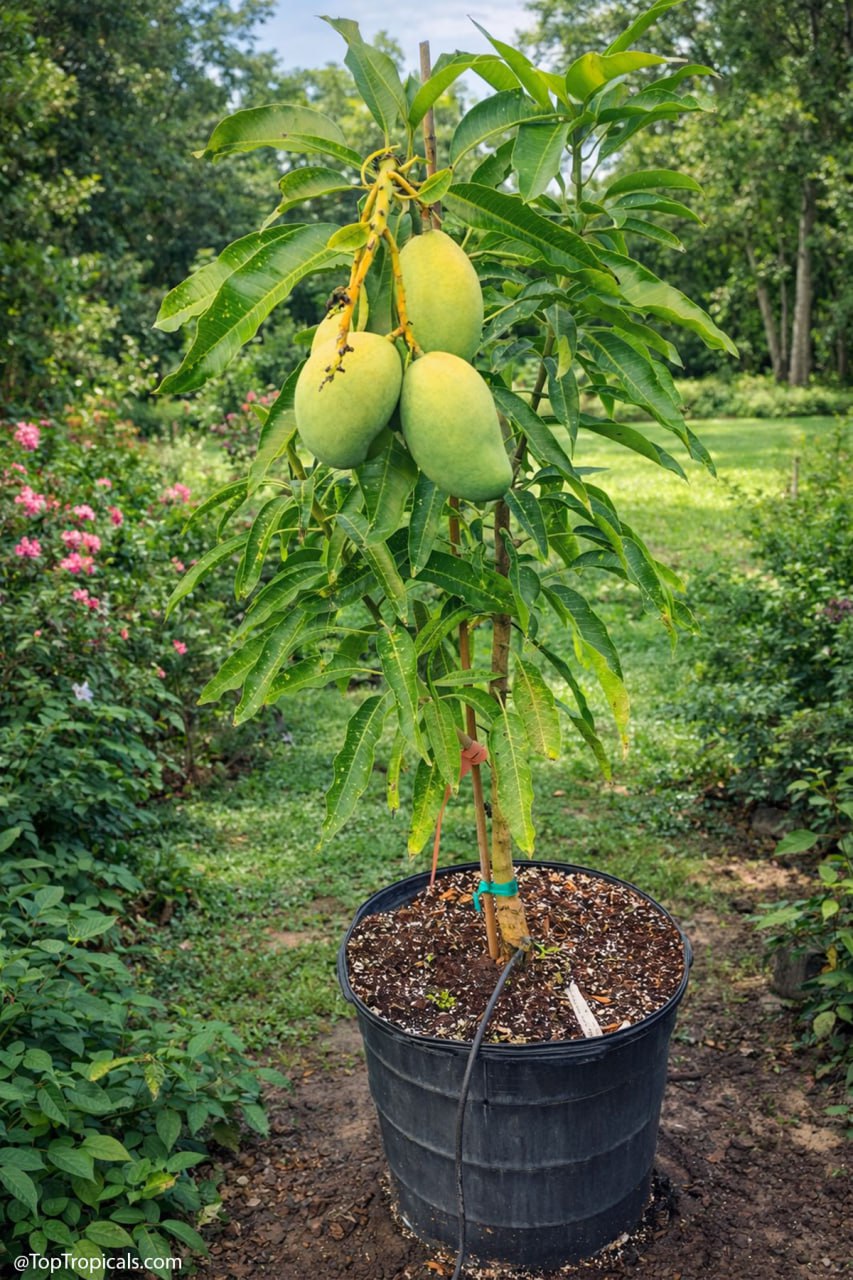
Mango fruiting in container
🥭 Yes, you can grow a container mango tree on your patio - here is how to do it right
Think you need a backyard orchard to grow mangoes? You don't. Mango trees grow very well in containers. Compact varieties, often called condo mangoes, stay naturally smaller and are well suited for pots, patios, and small yards. We grow and ship mango trees nationwide and have seen which varieties perform best in containers.
Mango Plant Facts
Botanical name: Mangifera indica Also known as: Mango
USDA Zone: 9 - 11
Highligths
Growing mangoes in pots is also practical in cooler climates. The tree can be moved to protection during cold weather while still producing real fruit. Here is how to do it right.
🥭 Pick the right condo mango tree variety
Choose condo or semi-dwarf mango varieties that stay smaller and respond well to pruning. These mango trees usually stay 6 to 10 feet tall in containers with light pruning. Fruit size is full-size, just fewer than on large trees.
Good mango choices for pots include:
· Cogshall - compact and productive
· Pickering - naturally small and reliable
· Carrie - manageable size, great flavor
· Ice Cream - slow growing, narrow canopy
· Julie - classic Caribbean type
· more condo varieties...
🥭 Choose the right pot
Start small. Young mango trees do best in a 5- to 7-gallon pot. Oversized containers too early often cause overwatering and root issues.
Increase size gradually:
First pot: 5-7 gallons
Next size: 10-15 gallons
Mature container: 20-25 gallons
The pot must drain well. Mango roots dislike wet soil. Add holes if needed. Plastic, ceramic, and fabric pots all work.
🥭 Use fast-draining soil
Mango trees need air around their roots.
Use a loose, fast-draining mix, such as Abundance Professional Soilless Mix. Improve drainage with perlite, pine bark, or coarse sand. Avoid heavy or water-holding soils. Drainage matters more than fancy ingredients.
🥭 Water carefully
Mango trees prefer a wet-dry cycle.
Water deeply, then allow the top few inches of soil to dry before watering again. Always check with your finger first.
In warm weather, water once or twice a week. In winter, much less. Overwatering is the most common container mistake.
🥭 Give plenty of sun
Mango trees love sun and heat.
Place the pot in full sun with at least 8 hours daily. More sun improves growth and flowering.
If overwintered indoors, use the brightest window possible. Grow lights help, but outdoor sun is best when weather allows.
🥭 Fertilize lightly but consistently
Potted mango trees benefit from regular feeding during active growth.
Use a balanced mango or fruit tree fertilizer such as Sunshine Mango Tango (safe to use with every watering, year-around). Controlled-release fertilizer Green Magic (every 6 months) work well too. Avoid excess feeding, which promotes leaves over flowers.
If leaves pale, check watering first, then nutrition.
🥭 Prune to stay compact
Pruning is essential for mangoes in pots.
Light tipping and trimming control size, encourage branching, and increase flowering points. Keep the canopy open and balanced. Watch how simple tipping works in real life: .
Avoid heavy pruning before flowering. Most pruning is best right after harvest.
🥭 Protect from cold
Mango trees are tropical and cold-sensitive.
When temperatures drop below 40F, move the pot to protection or indoors. Young trees are especially vulnerable.
During winter, reduce watering and stop fertilizing. Growth slows and the tree rests.
When warm weather returns, reintroduce the tree to sun gradually to prevent leaf burn.
🥭 Final thoughts
Growing a mango tree in a pot is practical and rewarding. With the right variety, good drainage, full sun, and careful watering, a potted mango can thrive and fruit for years, even in small spaces.
Ready to start? Choose a compact mango variety.
Yes, you can grow an Avocado tree on your patio - here is how to do it right
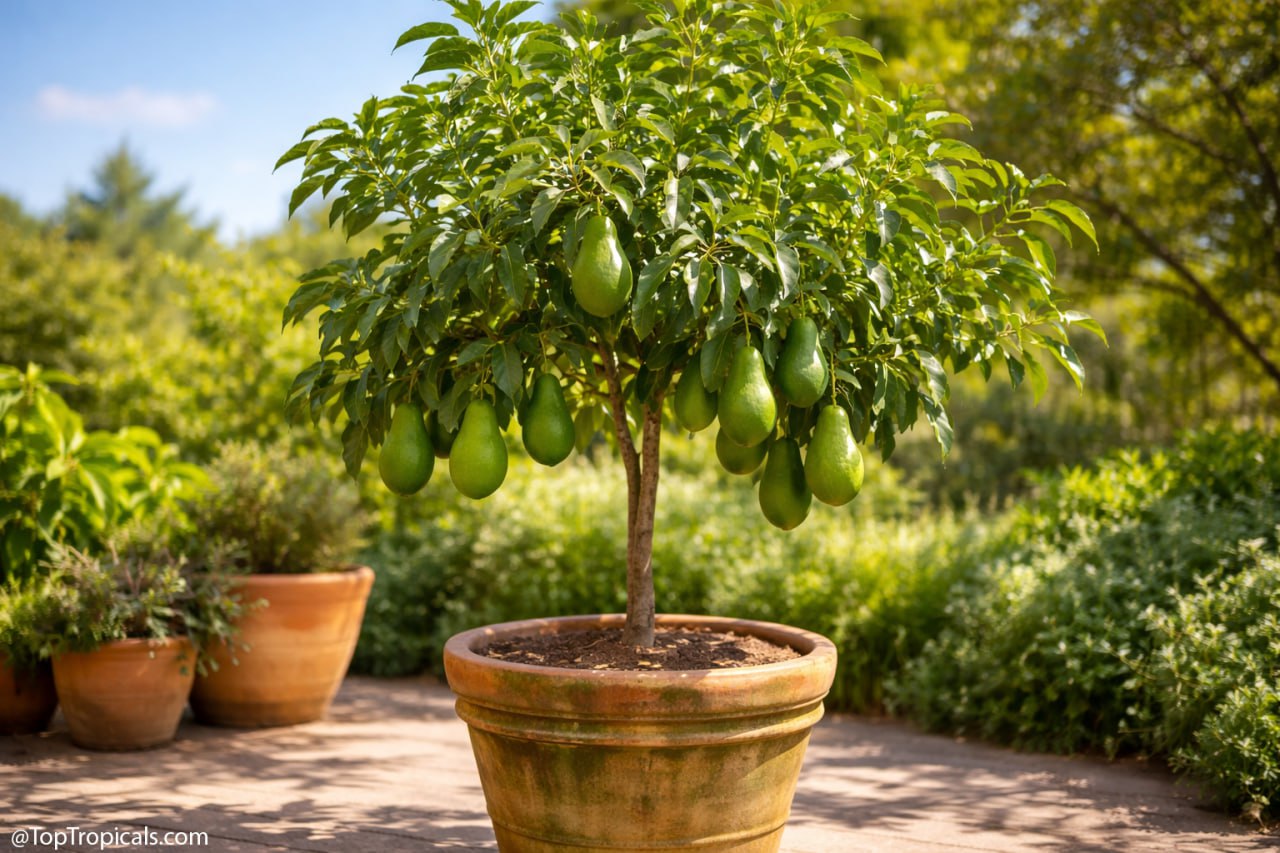
If you would love to grow your own avocado but don’t have a big yard, good news - avocado trees can grow very well in containers. Compact or dwarf varieties, often called condo avocados, are especially suited for pots, patios, balconies, and even indoor growing near a sunny window.
Avocado Plant Facts
Botanical name: Persea americana, Persea gratissima Also known as: Avocado, Alligator Pear, Aguacate, Abacate
USDA Zone: 9 - 11
Highligths
Growing avocados in pots is also a smart choice in cooler climates, since you can move the tree indoors when temperatures drop. With the right variety and basic care, potted avocado trees are easy to manage.
Pick a compact avocado variety
Choosing the right variety is the most important step. Standard avocado trees grow very large, but condo or compact varieties stay much smaller and adapt well to containers.
Good choices for pots include:
· Wurtz (Little Cado) - a true dwarf, perfect for containers
· Fuerte - a semi-dwarf that stays manageable with pruning
· Joey - naturally compact and easy to keep smaller
Dwarf avocado trees usually grow 6 to 10 feet tall. Fruit size is normal, but yields are smaller than on large trees.
Choose the right pot
Start with a pot about 12 inches wide (around 5 gallons). This size is easier to water correctly and helps prevent root rot. Avoid planting a small tree into a very large pot too soon.
As the tree grows, move up gradually. A mature potted avocado will need an 18- to 24-inch container. Repot every couple of years when roots show through drainage holes.
Always use a pot with excellent drainage.
Use well-draining soil
Avocados love water but hate wet feet. Use a loose, fast-draining mix, such as Abundance Professional Soilless Mix. You can improve drainage by adding perlite or coarse sand. Avoid heavy garden soil.
Water deeply, but not too often.
Water thoroughly, then let the soil dry before watering again. Always check moisture first. In summer, watering may be needed once or twice a week; in cooler weather, much less.
Overwatering is the fastest way to kill a potted avocado.
Give plenty of sun
Avocado trees need at least 6 to 8 hours of full sun daily. Outdoors is best, but indoors place the tree near a bright south- or west-facing window. Grow lights can help if light is limited.
Fertilize and prune
Feed during the growing season with a balanced fertilizer such as Green Magic (every 6 months) or liquid Sunshine Boosters (safe to use with every watering, year-around). Prune lightly to keep the tree compact and well-shaped.
Protect from cold
Most Avocados are sensitive to hard freeze. When temperatures drop below 35F, move the pot indoors or into a protected space. Reduce watering in winter as growth slows. Cold hardy varieties can take cooler temperatures down to 18F once established. For example, Joey is both cold hardy and dwarf - perfect choice.
Final thoughts
Growing an avocado tree in a pot is practical and rewarding. With good drainage, sun, careful watering, and the right variety, you can enjoy homegrown avocados even without a yard.
Small space? No problem. Just think condo avocado. According to Southern Living, Lemons can be grown in pots - and so can Avocados!
✔️ Check outAvocado Variety Guide interactive chart. Sort them by flower type A or B, tree habit, fruit shape and quality, cold hardiness, origin, season and more!
Compact size, ideal for patios, balconies, and windows
Form unique, sculptural caudex shapes
Decorative even when not in bloom
Produce stunning, long-lasting flowers
Often blooming in a few months
🌸 Adenium Care
Basics
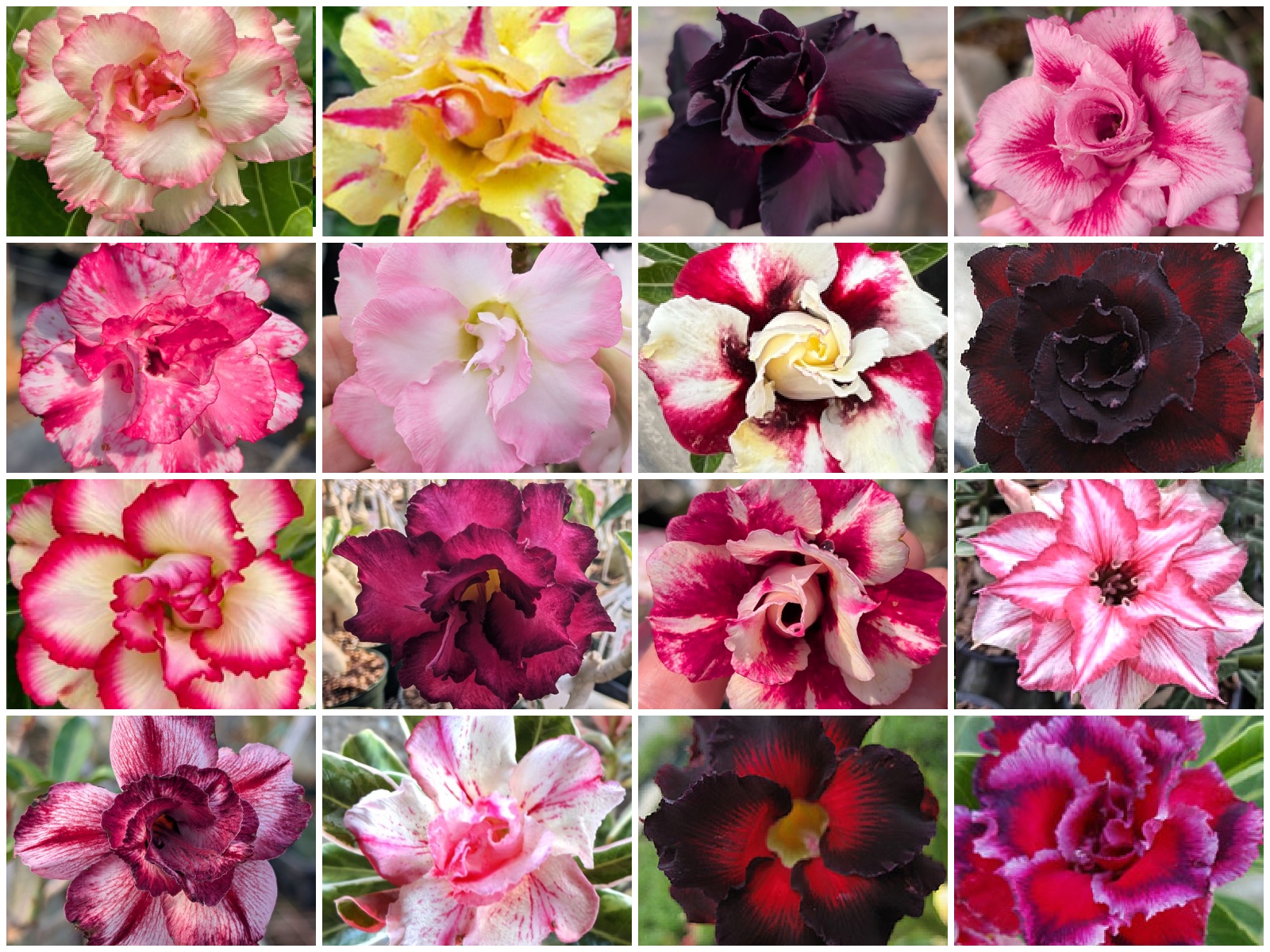
Adeniums have many spectacular hybrids, and their basic culture is closer to
orchids than to typical houseplants.
The key is a small pot, excellent drainage, bright light, and careful
watering.
Adenium Plant Facts
Botanical name: Adenium sp. Also known as: Adenium, Desert Rose, Impala Lily
USDA Zone: 9 - 10
Highligths
Pot and Soil
Use a small pot sized to the root system.
Excellent drainage is required.
Use a very well-drained mix. We recommend specially formulated for
Adeniums Desert
Rose Soilless Mix
Light and Blooming
Give lots of light for heavy flowering.
In warm conditions and longer days, most hybrids and species begin
blooming in spring.
In warmer climates they can keep blooming through fall and winter.
Watering (Most Important)
Adeniums dislike both extremes: over-watering and drying out too
often.
Use neutral to hard water when possible.
Acidic water can sour the mix quickly and may cause root rot.
Water in the early morning so the plant can drink through the day.
Watering frequency can range from daily to every few days, depending on
heat, light, and how fast the mix dries.
Never let the pot sit in a saucer of water.
Do not let the plant dry out too often, or it may go into early
dormancy.
Do not wet the leaves.
Fertilizer (Caudex + Flowers)
To build a large swollen base/trunk (caudex), use a good quality
fertilizer.
A fertilizer that helps trunk swelling also supports flowering. The best
choice for this is Sunshine
Megaflor.
Avoid fertilizers that are too high in nitrogen; choose a formula where
the middle number is the highest.
Never apply fertilizer directly on roots.
Do not liquid feed a thirsty plant.
Always water lightly first, then feed, to avoid root burn and leaf
drop.
The Caudex "Secret" (Shaping the Base)
At each repotting, lift the plant slightly so the upper roots are a
little exposed.
This encourages new roots to grow downward and helps create a thicker,
more interesting caudex shape.
Multi-Grafted Plants (Important Note)
Adenium hybrids can be multi-grafted with several colors/varieties on
the same plant.
The swollen base forms only when the rootstock plant is grown from
seed.
✍️ Adenium
FAQ
How much light do Adeniums need?
Adeniums need lots of light for heavy flowering. Most hybrids and species
start blooming when conditions are warm and days get longer, and in
warmer climates they can keep blooming through fall and winter.
What is the best pot size for Adeniums?
Use a small pot sized to the root system, with excellent drainage. A small
pot with excellent drainage is a must.
What kind of soil mix should I use?
Use only a well-drained mix. Adeniums do best in very well-drained soil. A
small pot plus excellent drainage is the foundation of success.
How often should I water Adeniums?
Adeniums do not like both over-watering and drying-out too often. Water
preferably in the early morning and do not water again until the mix dries
on the surface. Watering can range from daily to every few days depending on
heat, light, and how fast the mix dries.
Can Adeniums sit in a saucer of water?
No. Never allow your Adenium to sit in a saucer of water.
Should I wet the leaves when watering?
No. Do not wet the leaves.
What kind of water do Adeniums prefer?
Adeniums prefer neutral to hard water. Acidic water tends to sour the soil
too fast and may cause root rot.
How do I create a large, swollen caudex?
At each repotting, lift the plant slightly so the upper parts of the roots
are a little exposed. This encourages the plant to form more roots that grow
downward and helps create a thicker, more interesting caudex.
What fertilizer should I use for caudex growth and blooms?
Use a good quality fertilizer to support both trunk swelling and flowering.
Avoid formulas that are too high in nitrogen; the middle number should be
the highest. Never apply fertilizer directly on roots, and do not liquid
feed when the plant is thirsty. Water lightly first, then feed, to avoid
root burn and leaf drop.
Can an Adenium have multiple flower colors on one plant?
Yes. Adenium hybrids can be multi-grafted with several colors or varieties
on the same plant. Note that the swollen base forms only when the rootstock
plant is grown from seed.