Garden Blog - Top Tropicals

Date: 8 Nov 2024

Why you should grow your own Pomegranate Tree:
The "Fruit of Miracles" in your backyard
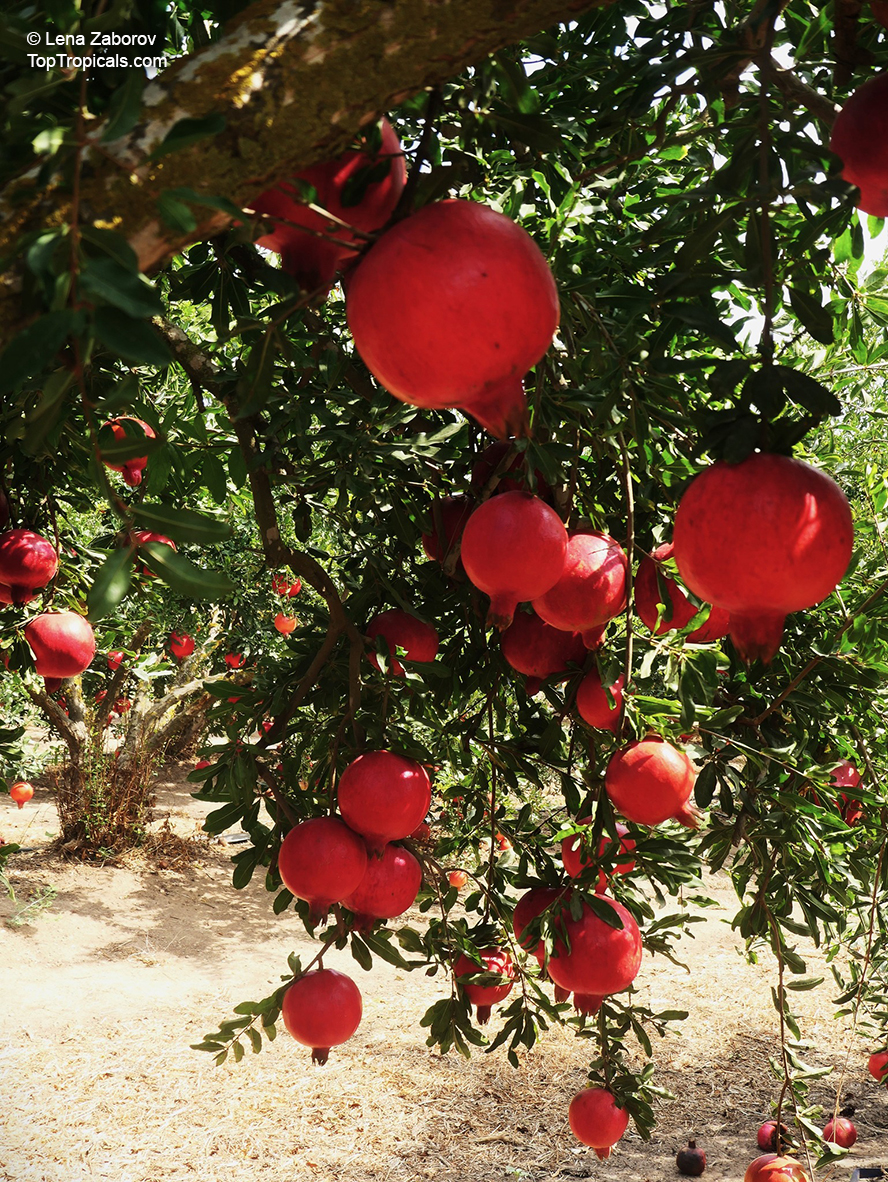
Pomegranate  tree  with  fruit

Pomegranates aren't just pretty to look at - they're packed with nutrients that make them a true "fruit of miracles". Adding a pomegranate tree to your garden can offer you a bountiful supply of this health-boosting superfruit and bring a bit of Mediterranean charm to your backyard.

Health Boosters in Every Bite

Pomegranates are loaded with antioxidants, vitamins, amino acids, and minerals. These nutrients work wonders for your health, from boosting hemoglobin levels to strengthening your immune system. Here's why this gem of a fruit deserves a spot in your diet (and your garden):

Antioxidant Power: Pomegranates are rich in antioxidants that fight off free radicals - those pesky molecules that can damage cells and lead to various diseases.

Heart Health Hero: They can reduce cholesterol and improve blood flow, lowering your risk of cardiovascular issues. Plus, they're known for increasing hemoglobin!

Blood Sugar Support: Pomegranate helps regulate blood sugar and offers a whole range of benefits, from diuretic and anti-inflammatory effects to even a little pain relief!

Beauty Booster: This fruit has benefits for your teeth, can help prevent hair loss, and even promotes youthful-looking skin.

Seeds of Goodness

Ever thought about tossing those pomegranate seeds? Think again! Eating the seeds can help keep your gut and hormones in check. These tiny bits are packed with oils that do wonders for your skin, blood vessels, and heart.

How often to indulge?

To enjoy the maximum benefits, you can eat one pomegranate daily or drink 300 ml of juice. Try to do this 30-40 minutes before a meal to prepare your stomach for digestion.

So, why not give this "miracle fruit" a home in your garden? You'll have a natural health booster right at your fingertips, ready to add a pop of flavor and color to your meals!
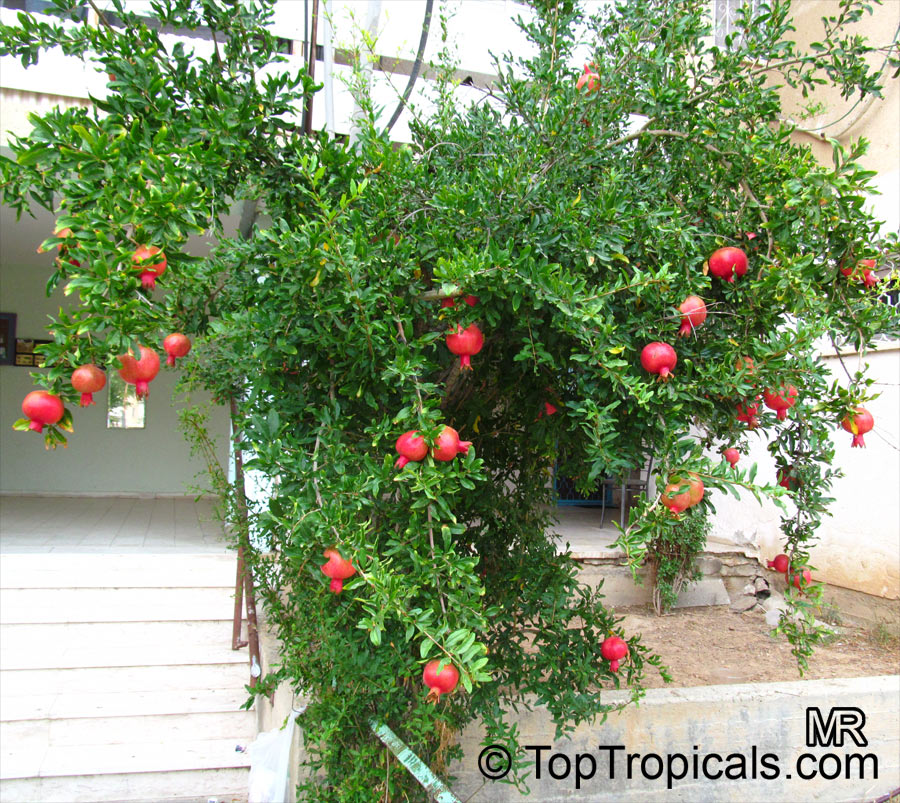
Pomegranate  tree  with  fruit

Date: 5 Apr 2025

10 reasons why chocolate is actually good for you and how you can grow your own

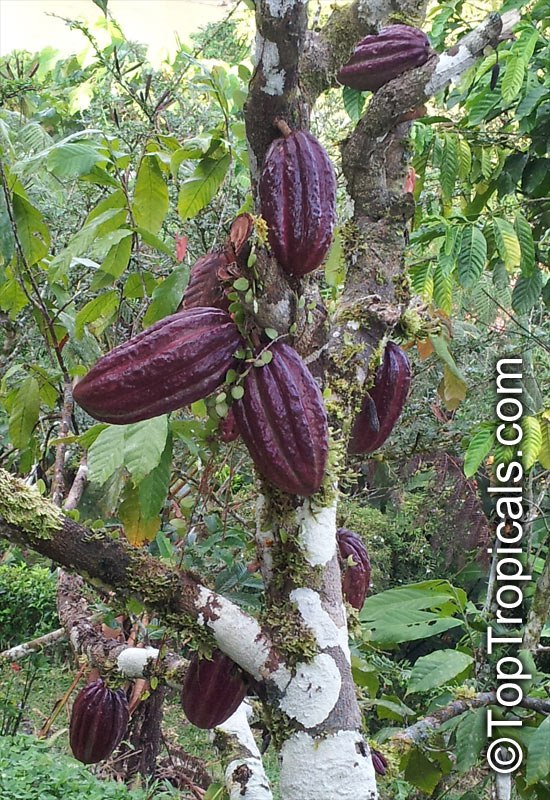
Chocolate Tree (Theobroma cacao) fruit on a tree

Chocolate Tree (Theobroma cacao) fruit on a tree

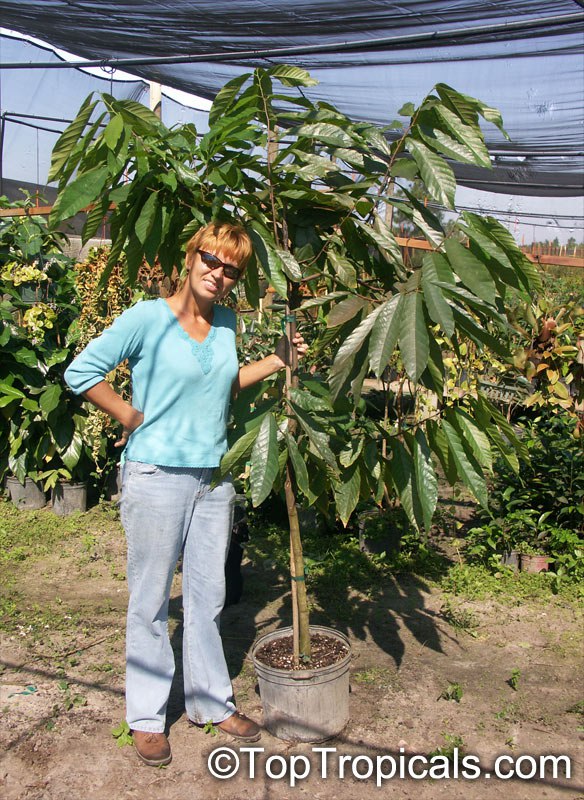
Chocolate Tree (Theobroma cacao) tree in a pot

Chocolate Tree (Theobroma cacao) tree in a pot

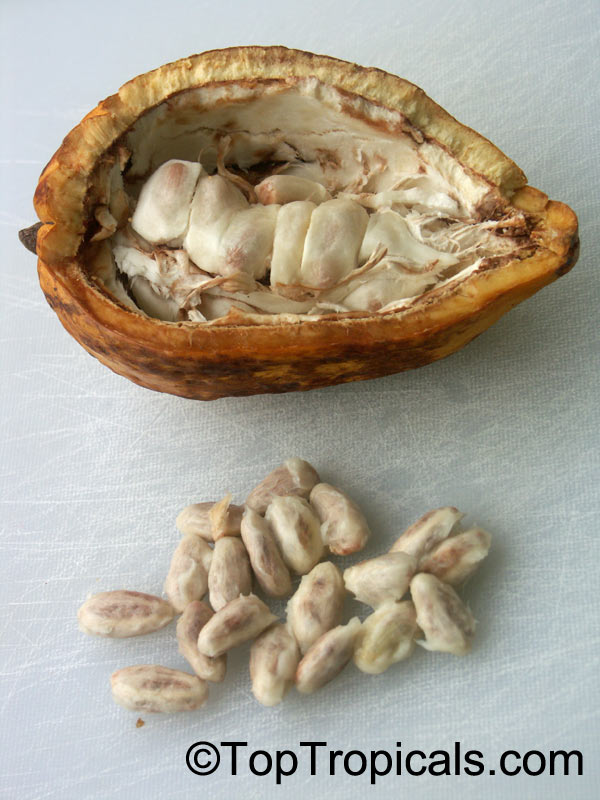
Chocolate Tree (Theobroma cacao) opened fruit with cacao beans

Chocolate Tree (Theobroma cacao) opened fruit with cacao beans

💩 10 reasons why chocolate is actually good for you and how you can grow your own


☕️ That's right - the source of your favorite sweet treat, the Chocolate Tree (Theobroma cacao) we introduced in earlier post, produces cocoa that's packed with powerful health benefits. Growing your own chocolate tree isn't just fun and rewarding - it's a way to bring a superfood right into your backyard!

☕️ Here are 10 reasons why cocoa is a health hero:


🍫 Loaded with Antioxidants - Fights free radicals and supports overall cell health.

🍫 Heart Healthy - Helps lower blood pressure and improve circulation.

🍫 Mood Booster - Promotes feel-good chemicals like serotonin and endorphins.

🍫 Brain Power - Flavanols support memory, focus, and cognitive function.

🍫 Fights Inflammation - Natural compounds help reduce chronic inflammation.

🍫 Supports Blood Sugar Balance - May improve insulin sensitivity.

🍫 Glowing Skin - Boosts hydration and protects against UV damage.

🍫 Aids in Weight Management - May reduce cravings and support metabolism.

🍫 Rich in Minerals - Packed with magnesium, iron, copper, and more.

🍫 Good for Gut Health - Acts as a prebiotic to feed good bacteria.

☕️ With all these benefits, why not grow your own source of chocolate? Plant a Theobroma cacao tree and enjoy the magic of harvesting your very own cocoa pods. It's not just a tree - it's a conversation starter, a wellness booster, and your personal chocolate factory in the making.

🛒 Get your Chocolate Tree today and grow your own goodness

#Food_Forest #Fun_Facts #Discover

🔴 Join 👉 TopTropicals

Date: 4 Jul 2019

Super RARE: the Honduran Moon-Torch Cactus

by Mark Hooten, the Garden Doc

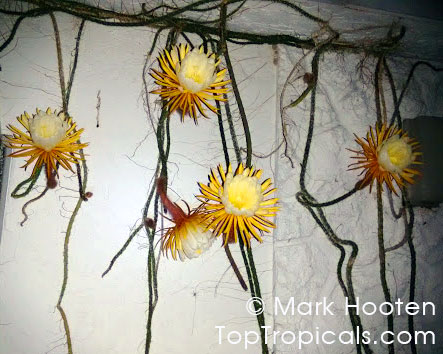
The most wonderful, easily growing, giant flowering, fragrant, and floriferous species of Selenicereus I have grown is an almost unknown species called Selenicerius hondurensis.  While its climbing stems are rarely thicker than a Sharpie marker, it's flowers measure 12 to 14 inches across (!), open as the sun is setting, and produce a most incredible fragrance... very rich and spreading thru the area. It smells like a combination of both white chocolate and vanilla. S. hondurensis also develops the most richly colored flowers of the Selenicerei, the outermost petals being a glowing orangey-gold. It's very stunning and provocative!  It flowers magnificently, several times during the summer... Continue reading...

Recommended fertilizers:

Tropical Greenhouse Plus - Plant Booster
Tropical Allure - Smart-Release Booster

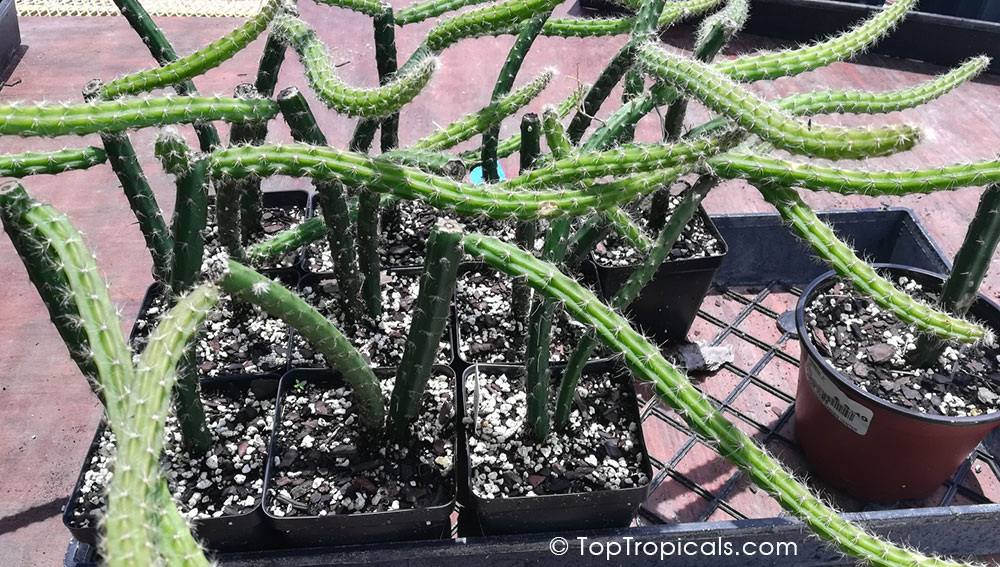
Picture of the actual plants for sale:

Date: 8 Nov 2019

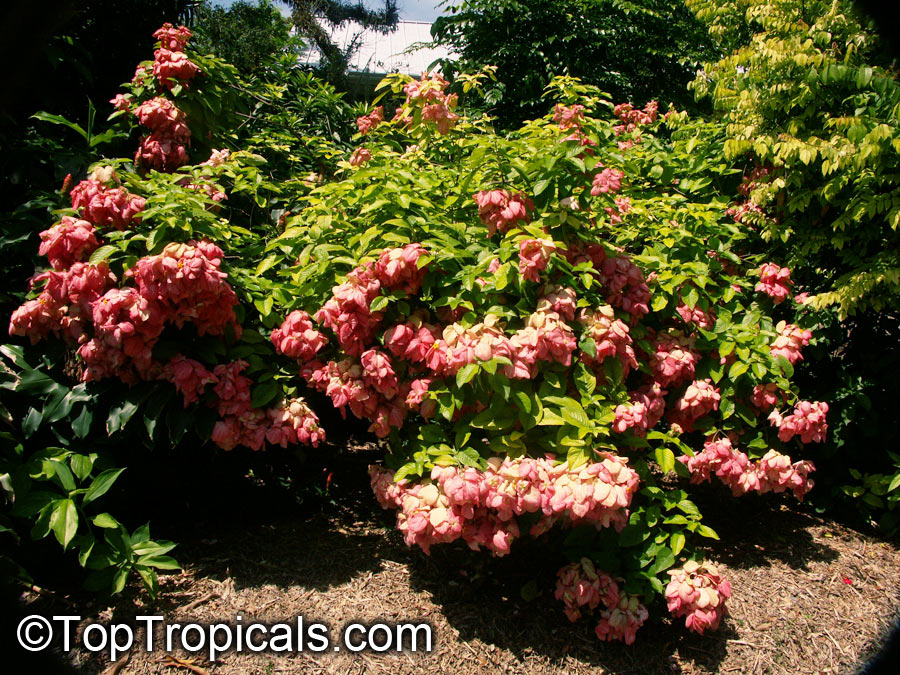
Trimming Mussaenda bush

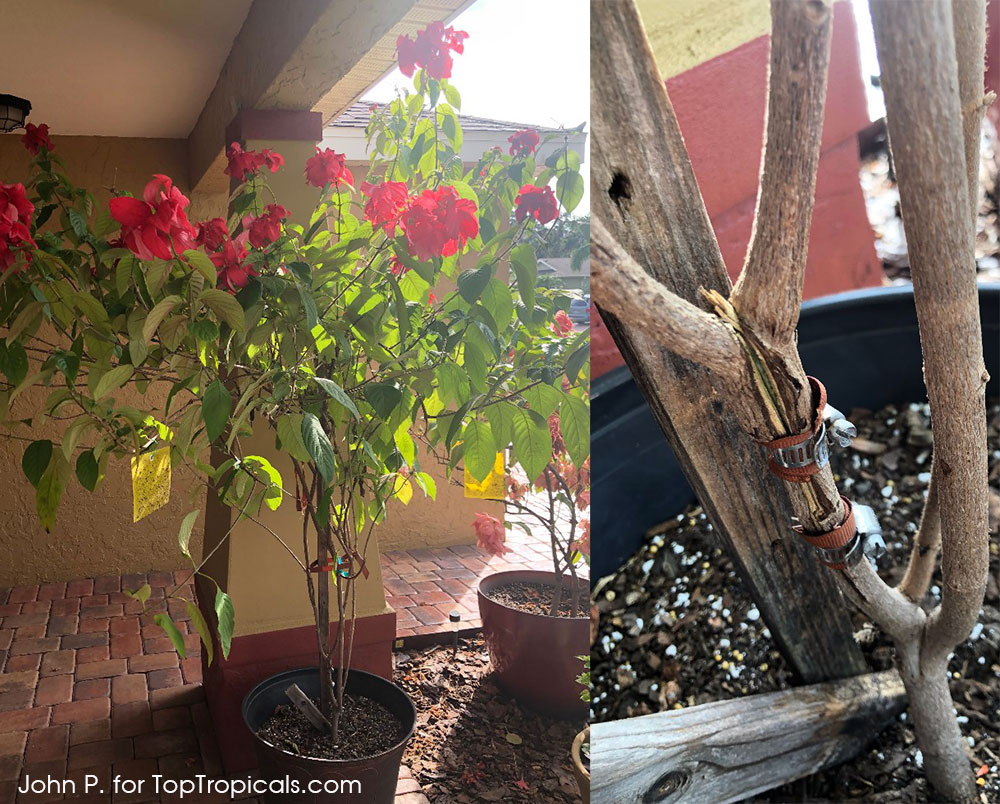
Q: My wife and I bought a Dona Evangelina from you this year. It thriving and has grown to 6-8 ft. It has become top-heavy and in wind, it falls over. Main stems have split twice but still continues to grow. I usually prune Dona Luz back to 3-4 ft and am wondering how much you would advise me to lop off your plant. Any advise will be appreciated.

A: Mussaendas, indeed, have very fragile stems that break often, especially in Florida wind storms. The good news is, these plants grow vigorously once established.
You did a good job trying to tie together the split stems and in fact, cracks do grow back together as long as the dressing is tight. Try to use green tape or even electric tape to tighten the broken spot.
However, do such repairs only if it is critical for a plant. When possible, simply cut off the broken branch and give the plant a chance to grow a new stronger branch. You may trim the bush pretty short. Mussaendas respond well to pruning which promotes more side growth and makes the plant bushier.
Keep in mind that during cold weather, Mussaenda may drop all leaves and go into dormancy until spring.

RECOMMENDED FERTILIZERS:
Pink N Good Daily Plant Food - Flower Booster
Tropical Allure - Smart-Release Booster

Date: 30 Oct 2019

Fragrant Gold Leaf Orchid Vine

By Onika Amell, tropical plant specialist

Q: I am absolutely thrilled to see you have this vine. I've tried for years to get this plant! It is so, so rare. It just seemed impossible to find in this country. How do I make it thrive? I am ordering two.

A: We are happy to confirm that indeed we do have this rare vine!
Bauhinia aureifolia - Gold Leaf Orchid Vine - was discovered in Thailand in 1983. It is endemic to Pattani, Narathiwat, and Yala in Southern Thailand. Danish botanist Kai Larsen named this plant and hailed it as one of the rarest plant species of the world when it was discovered in the eighties.
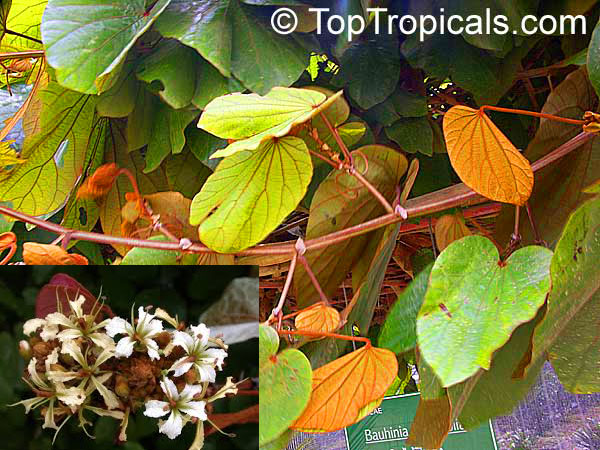
The Thai people call this vine Bai Mai Si Thong. It is a beautiful climber with large, bi-loped leaves (7 inches or more!) and good branching.
Young leaves are a stunning burnt orange to terracotta color for about a week and as they reach full size, they turn green over a couple of days. This is a very rare color for Bauhinia. It produces leaves all the time and this means this vine is always full of beautiful color. With its golden leaves, it sure is reminiscent of Autumn.
This vine blooms from May to November. It bears bunches of small flowers that are delicately fragrant in the evenings. The cultivated plants range flower color from pure white to purple and pink, while the wild ones have often white petals with pinkish patches.
Bauhinia aureifolia needs well-drained soil, full light and good humidity to thrive. It will tolerate a light freeze once established and it is very important to protect young plants.
Gold Leaf Orchid Vine also makes a wonderful container plant with staking or support. It is a must for every rare plant collection!

RECOMMENDED FERTILIZERS:
Pink N Good Daily Plant Food - Flower Booster
Tropical Allure - Smart-Release Booster