Date: 19 Jul 2021
Healthy Plants: Q&A from Mr Booster - Mango Talk

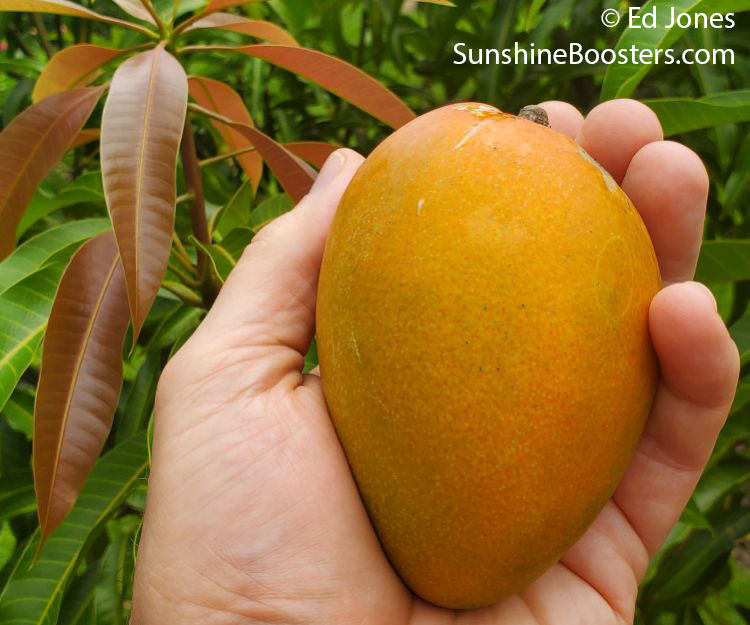
Today we are introducing a new column - Mango Talk! Everybody loves Mango
- the most delicious fruit in the world. Fruit experts like to talk about
varieties, how to grow a Mango tree better, and the fruit bigger and sweeter.
And beginners want to know more! What variety to get? How to take care of it?
How to get more fruit sooner than later?
This easy-read blog from Ed Jones is about the first steps - what to do
when you get your first Mango tree...
In our future publications, you will hear from Mango experts and have a
tour on Mango varieties...
Fertilize your Mango trees
By Ed Jones, the Booster Guy
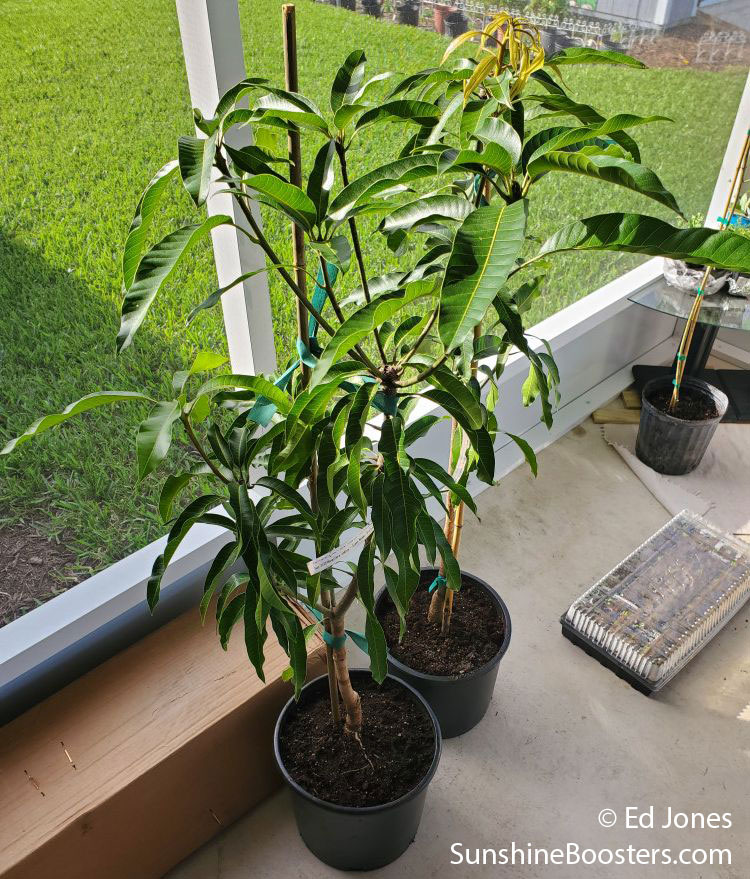
Ok, you finally did it. You bought your first mango tree. Now what? Well, you have to love it and feed it and trim it and love it some more. But today, lets talk about how to fertilize your mango tree. The photo above shows some very small grafted mango trees. This is probably how yours will look when you bring them home or have them delivered....
CONTINUE READING >>

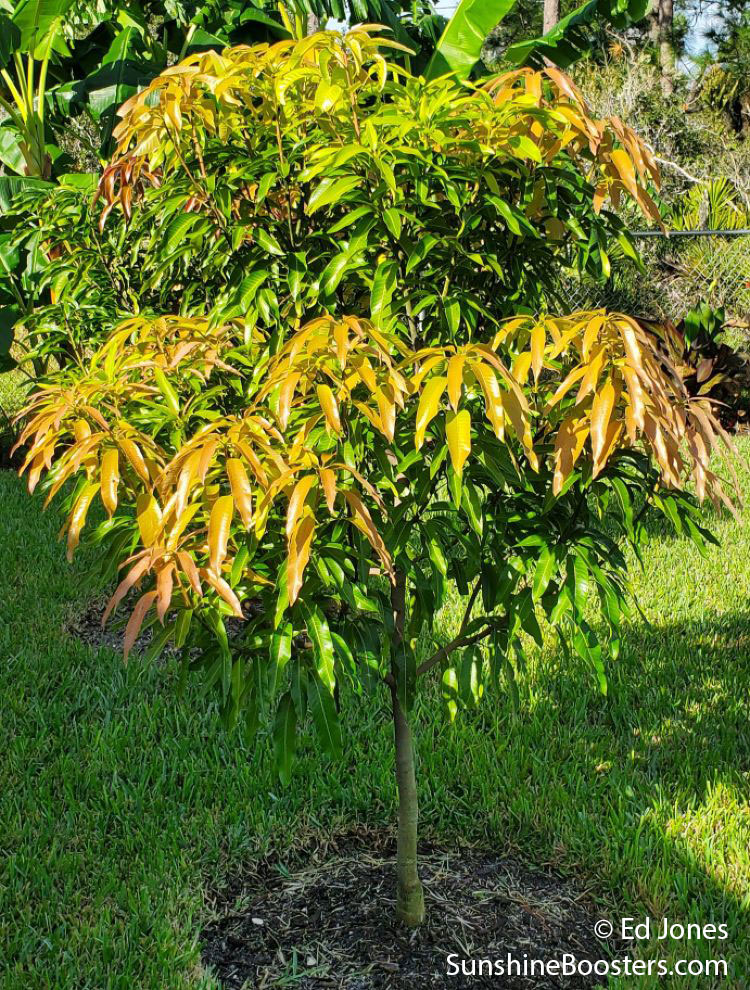
The photo above is of the two trees at the beginning of this blog after just under 10 months of TLC.

Date: 25 Jan 2021
Healthy Plants: Q&A from Mr Booster
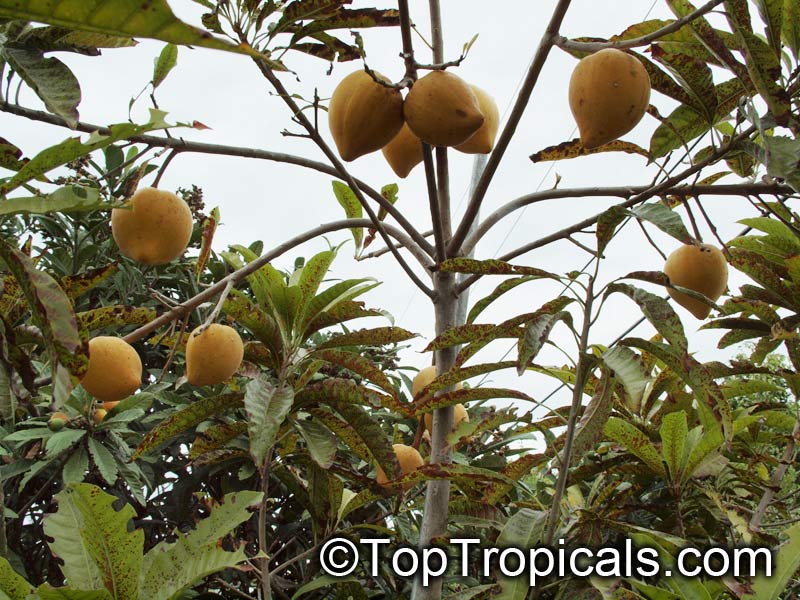
How to get Canistel tree to produce
without dropping flowers and fruit
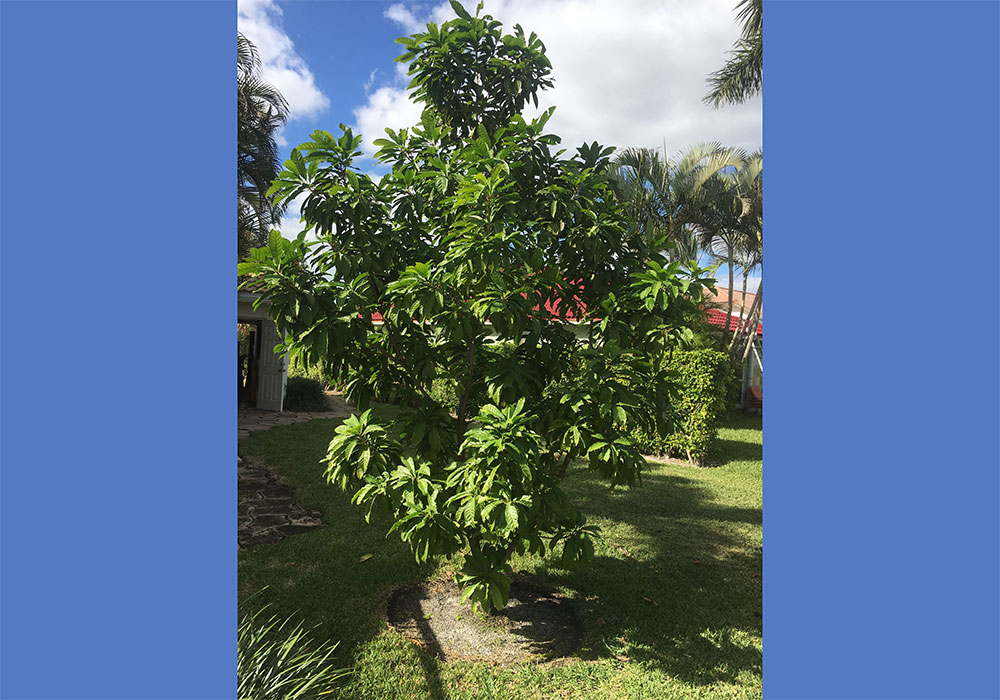
Q: My Canistel tree is 3 1/2 years old and is growing very well, see the picture below. It gets hundreds of pea sized "berries" but then they fall off. No canistel fruit. What's wrong?
A: You have such a nice looking tree, it is a shame you can't get
any fruit to ripen.
In our experience, Pouteria trees dropping fruit prematurely is a very common problem.
There may be one of the following reasons, or a combination of them:
- Cold winters may affect production, and while Canistel is generally
pretty hardy tropical plant that can easily withstand short periods of chill, the
fruit may never form properly if it had a cold winter.
- Lack of water. Canistel tree is pretty drought tolerant, but for the
proper production cycle it needs regular irrigation. Especially during hot
summer.
- The tree may be not strong enough; young trees drop fruit very often when
they don't have enough "fruiting energy" built up in their system.
Your tree looks well established and vigorous, however, flower/fruit drop
is often a sign of insufficient nutrients of particular kind, usually Boron
(B) and/or Molybdenum (Mo): either when a tree is too young and not strong
enough, or because of poor soils and lack of necessary elements.
Here is what can be done, considering you live in a warm, frost-free climate.
1. Provide regular fertilizing program. We recommend liquid
fertilizers Sunshine Boosters that are safe to use with every watering and year
around. It is beneficial to switch plants from traditional "slow-release"
fertilizer to the liquid one because it makes a huge difference in plant growth
and flower/fruit quality and quantity. See also:
- Why liquid fertilizers are better than dry
- Article about benefits of liquid fertilizers.
Use this plant food for your Canistel tree:
SUNSHINE C-Cibus - Crop Nutrition Booster
2. Apply micro-element remedies that are very effective for improving fruit production, especially when flower or fruit drop occurs:
SUNSHINE Honey - promotes more efficient blossoming and pollination, makes
flowers bigger and reduces bud drop.
SUNSHINE SuperFood - improves plant vigor and quality and size of
flowers
These are all natural, eco-friendly supplements that work great for fruit
trees and other edibles.
Date: 11 Jan 2021
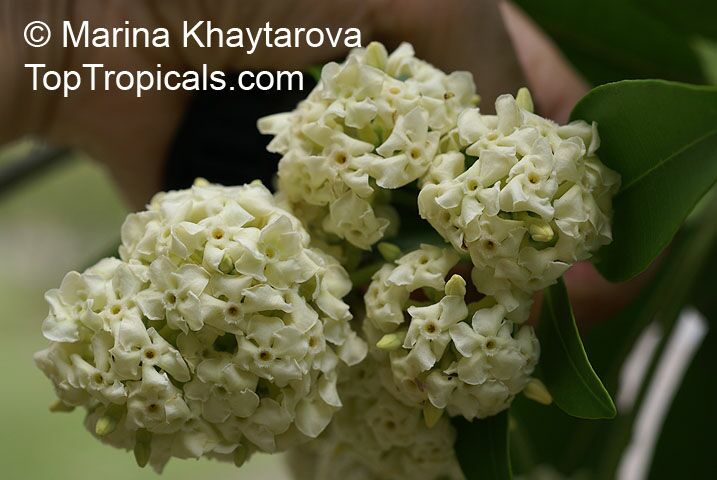
Alstonia scolaris - Indian Devil Tree
A Scholar's Award with intoxicating fragrance
By Alex Butova, the Witch of Herbs and Cats
...This fascinating rare plant with white, strongly perfumed flowers is
valued as a fast growing, impressive ornamental shade tree and is used to
serve as an alternative to quinine...
Popularly known as Devil Tree, as plant is believed to the devil's abode -
probably due to the intoxicating fragrance emitted by flowering trees,
especially at night.
The tree is of great cultural significance in the intellectual circle, as
traditionally its leaves were awarded to scholars and teachers during
convocation ceremonies by the Visva Bharati University (can't think of a better name
than Alstonia scholaris!). This tradition was started by Rabindranath
Tagore...
CONTINUE READING >>
Date: 13 Aug 2019
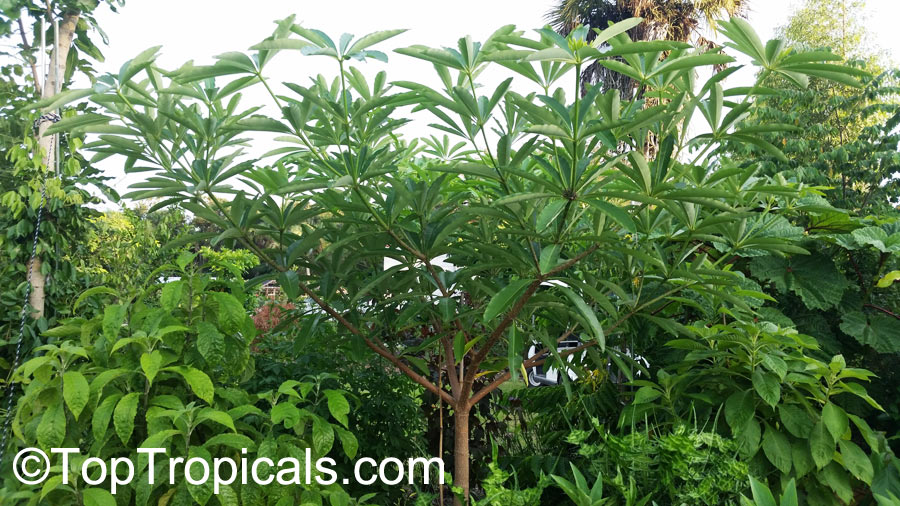
What are the most rare fruit trees?
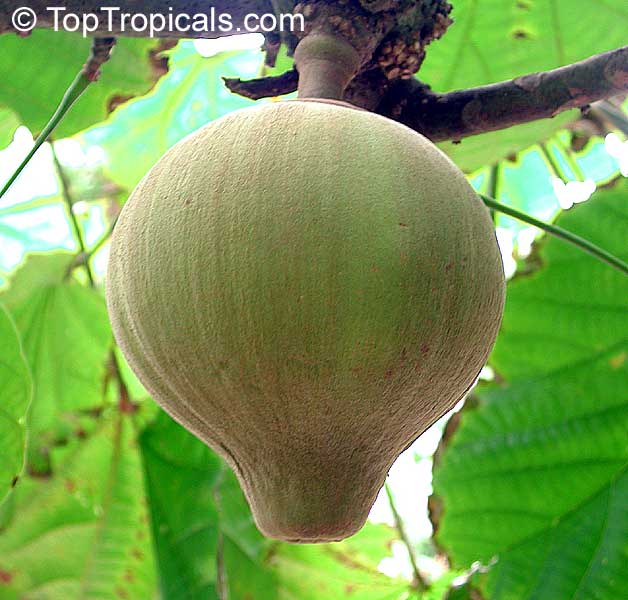
Q: What is the rarest and unusual plant that you have? I want something special for my tropical fruit tree collection. I already have everything I could possibly get...
A: Are you sure you have everything? Check out our rare plant section, and look at these couple plants we just received... these won't last long, we have only a few!
Quararibea cordata - Zapote Chupachupa, South American Sapote (with express shipping)
Chupa-chupa, Zapote, South American Sapote... One of the most amazing and showy tropical fruit trees with huge heart-shaped leaves, heart-shaped fruit, and fast-growing habit. The fruit has a bizarre shape like a large breast with a nipple, and the pulp is very tasty. For best performance, the tree needs full sun, rich soil, plenty of moisture and fertilizer.

Garcinia mangostana - Mangosteen
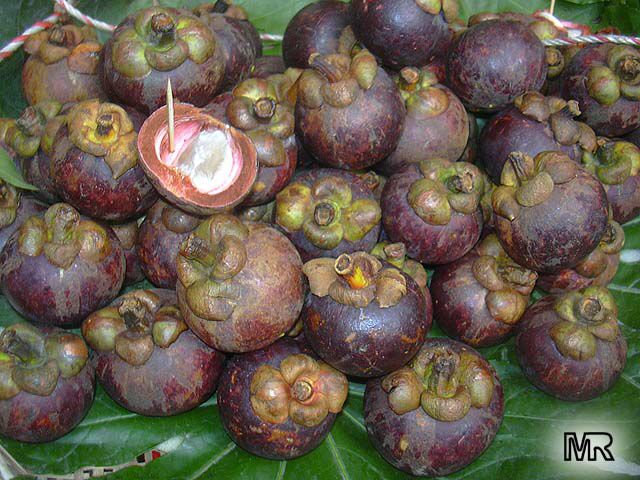
Mangosteen... This delicious fruit has a thick, dark-red skin, inside which are creamy-white segments with a sweet, slightly tart flavor. Purported by many who have had the luxury of tasting it as being the best tasting fruit in the world.
Date: 19 Jul 2019
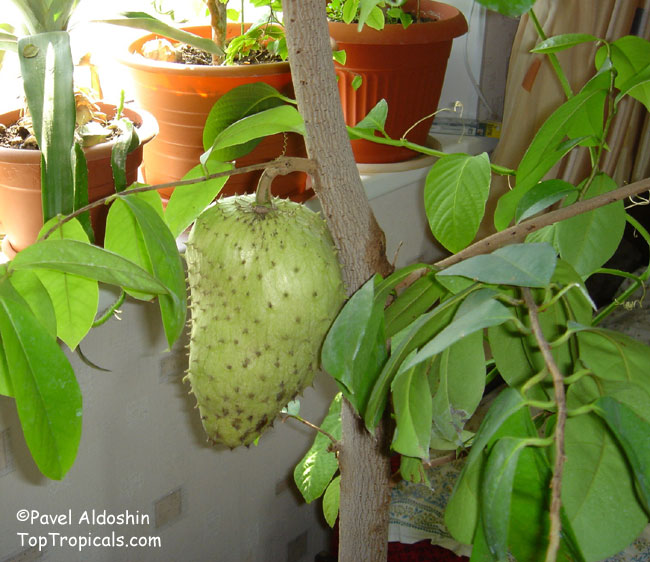
How to grow Soursop in a pot
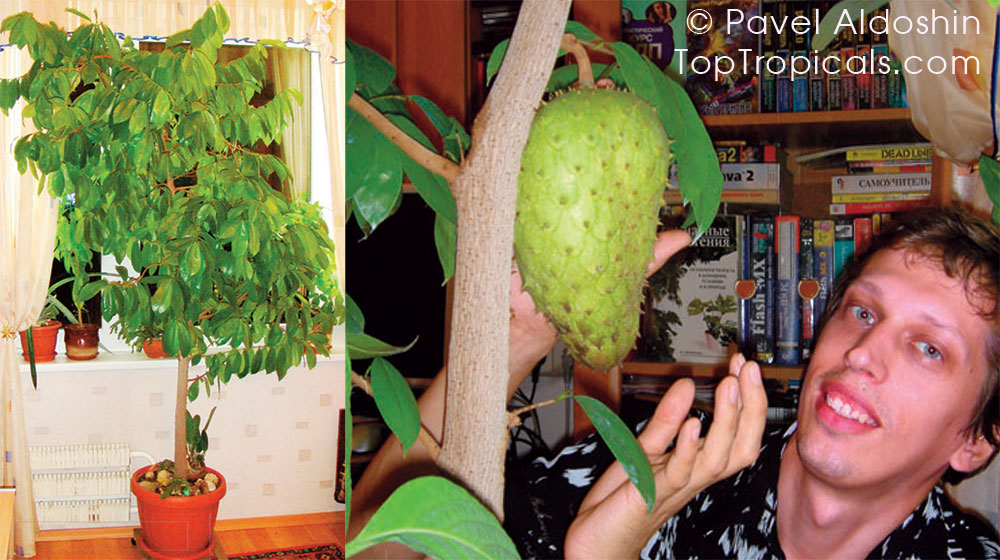
Q: Is it possible to grow soursop in a large pot for life?
A: Soursop, or Guanabana - Annona muricata - is actually one of those tropicals fruit trees that
can be easily cultivated in a container. Most plants of genus Annona have compact nature, and these fruit trees usually start
production at a young age, as early as 3 years from seed. Annona muricata
seedlings take a little longer to fruit, this is why we offer grafted trees, which can start producing right away.
We have a very interesting article about growing Soursop in an
apartment. The article was written by an indoor gardener who lives in a very small
apartment in Moscow, Russia. He grew this tree from seed and after years of
cultivation fun, he finally got several large delicious fruit! It is an amazing
story. We have it published in our Tropical Treasures magazine, download the whole issue #7, get a hard copy, or you may download PDF file of the single article.
Recommended fertilizers and supplements:
Fruit Festival Plant Food - Super Crop Booster
Mango-Food - Smart Release Fruit Tree Booster
SUNSHINE-Honey - sugar booster