Garden Blog - Top Tropicals

Date: 9 Apr 2024

How to start a tropical garden?

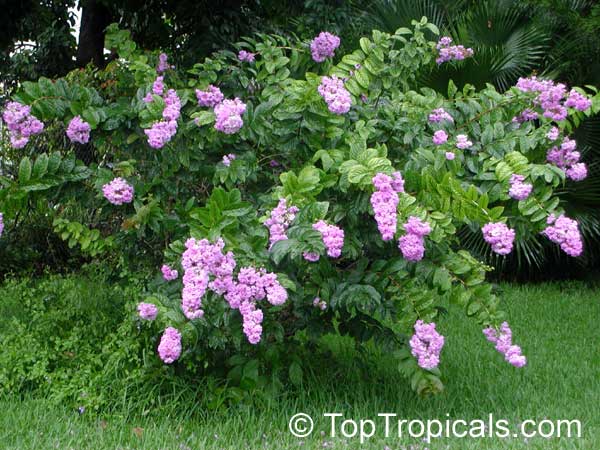
Lagerstroemia

Photo above: Lagerstroemia speciosa - Queen Crape Myrtle. Gorgeous flowering tree with cascades of lilac flowers. One of the most popular trees in Southern gardens.

Q: It's spring, finally! I can't wait to plant my paradise garden with lots of tropical flowers. We moved into a nice new house but the yard has nothing but grass. Where do I start?

A: When you start your garden from scratch, you need to plant your trees first. It's a perfect timing!
Getting tropical flowering trees now is really important for making your garden strong and beautiful. Trees are like the bones of your garden, giving it shape and shade. If you plant them in spring, they have enough time to grow strong roots before winter. This helps them survive better.
Trees also give shade to other plants so they can grow well too. It's like building a house - you need to start with the frame before adding other parts. So, it's a good idea to get those trees now before moving on to shrubs and vines.
Remember to provide regular fertilizing program which is the most important during season of active growth. The more food your tree gets, the stronger and faster it grows! For flowering trees, we recommend Sunshine Boosters Megaflor formula.

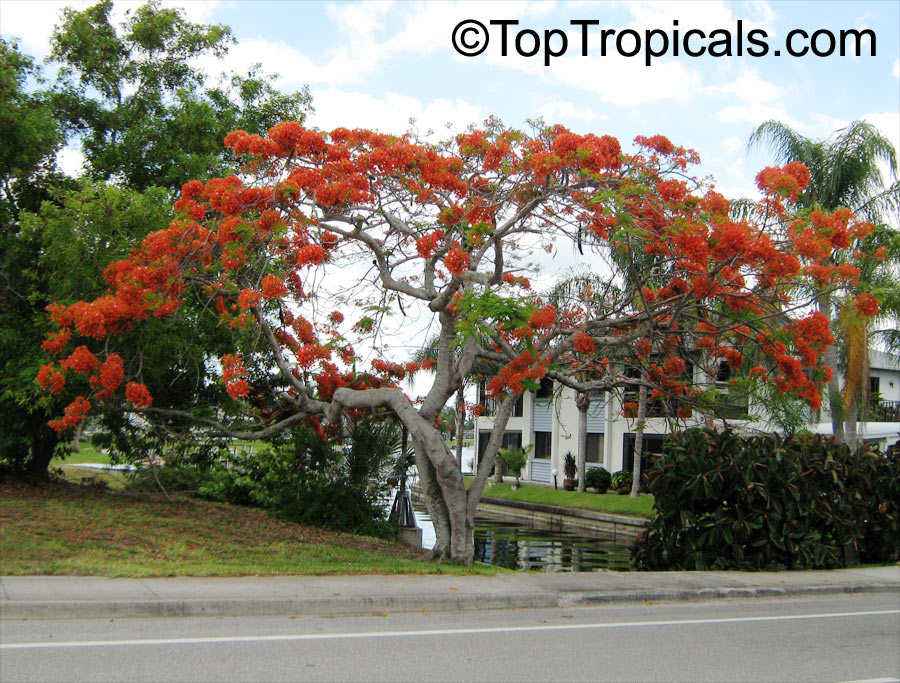
Royal  poinciana,  Flamboyant  tree,  Delonix  regia

Photo above: Royal poinciana, Flamboyant tree - Delonix regia."The Royal Poinciana is one of the most spectacular flowering trees in the USA, and probably among the top 10 on this planet. In full bloom, it is like a regal elephant caparisoned in red and yellow brilliance."(Larry M. Schokman, The Kampong, National Tropical Botanic Garden)

Date: 9 Apr 2026

*️⃣ Stop Babysitting Your Trees - Grow Cold Hardy Avocados Instead

Smokey  the  black-and-white  cat  with  glasses  sits  on  a  patio  taking 
 notes  while  Sunshine,  a  fluffy  orange  cat  wearing  bunny  ears,  holds  a  small 
 potted  mango  tree  with  light  yellow  flowers.
Sunshine: I love these crazy guacamole donuts… but I’m tired babysitting trees during cold.

Smokey: Then stop planting trees that need babysitting. Plant cold hardy avocado.

Read more about Smokey & Sunshine

You always wanted an avocado tree. Not in Miami - right there in Central Florida, in your own yard. You planted one, it grew well for a few years, and it felt like you finally figured it out. Then 2026 hit. A few cold nights, temperatures dropped below what your area usually sees, and the tree was gone.

Avocado Plant Facts

Botanical name: Persea americana, Persea gratissima
Also known as: Avocado, Alligator Pear, Aguacate, Abacate
USDA Zone: 9 - 11
Highligths Large tree taller than 20 ftSmall tree 10-20 ftFull sunWatering: Regular. Let topsoil dry slightlyEdible plantSubtropical plant. Mature plant cold hardy at least to 30s F for a short time
Get personalized tips for your region

Here is the part most people miss: USDA zones are based on average minimums, not the worst freezes. One bad night can erase years of growth.

That does not mean avocado will not work. It means you planted the wrong variety. Cold hardy avocados are built for exactly this kind of surprise.
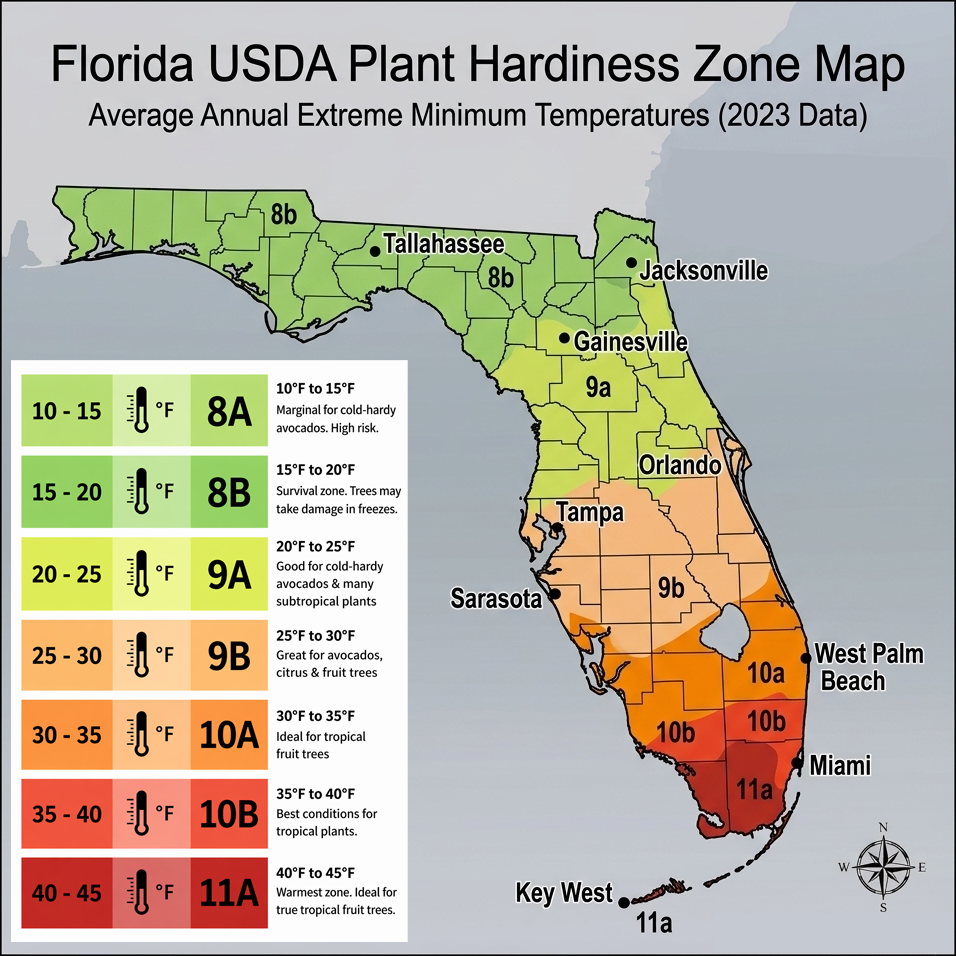
Florida  USDA  plant  hardiness  zone  map  showing  zones  8a  through  11a  with
   temperature  ranges

USDA zone map

This USDA Zone map makes one thing clear: all of Florida can grow avocado. The question is not if - it is which variety. From North Florida (8b) to South Florida (11a), there is always an option that fits your conditions.

If you are outside Florida - in Texas, Louisiana, California, or anywhere else - the same rule applies. Start with your USDA zone, then choose the right type of avocado for it. You can check your local zone here

So what does this mean for your yard? It is not about trying again and hoping for a warmer winter. It is about choosing a tree that actually matches your zone.

Cold Hardy Avocado Varieties for Reliable Harvests

Swipe left/right to see all data <->
🌡️ Threshold 🛡️ Resistance Profile Primary Varieties & Type Culinary Profile 📍 Geographic Best Fit
15°F+ High Resistance: Mexican-type selections. Short freezes near 15°F are survivable with minor leaf burn. Fantastic (A), Joey (B), Lila (A), Poncho (B) High Oil / Nutty USDA Zone 8b / 9a transition regions. Central/North Florida, Texas, Arizona
20°F+ Moderate: Brief freezes usually survivable. Full recovery may take an entire growing season. Bacon (B), Brogdon (B), Day (A), Fuerte (B), Mexicola Grande (A), Ulala "Super Hass" (A), Winter Mexican (B) Medium Oil / Creamy Coastal 9a. Inland Florida and colder microclimates.
25°F+ Light: Visible canopy damage and branch dieback are common. Survival depends on wind protection. Choquette (A), Oro Negro (B), Lula (A) Rich / "Black Gold" Zone 9b/10a. Coastal Central Florida and protected microclimates.
30°F+ Frost Tolerant Only: Even brief freezes cause rapid damage. Best for South Florida. Simmonds (A), Black Prince (A) Mild / Large Slicing USDA Zone 10a / 10b. S. Florida, Miami, Keys, Coast.
  Compact: Move inside during cold Dwarf Wurtz (A&B) and Fuerte (B) Rich / High Oil Patio Growers & Containers

See more varieties in our Master Avocado Varieties table

Microclimate matters more than your zone. The same yard can have warm and cold pockets. Plant near a south-facing wall, under light canopy, or in a spot protected from wind, and you gain a few critical degrees on cold nights.

Young avocado trees need protection during their first winters. They have not built enough wood or root strength yet, so even a short cold snap can damage them. Simple steps like frost cloth, wind protection, or temporary covers can make the difference between a setback and a loss.

You may see avocados labeled as Type A or Type B. This refers to how the flowers open, not cold hardiness. Some people mix both types to improve pollination, and while a single tree can still produce fruit, having two different types is beneficial and can increase your harvest.

Practical Planting Advice

  • Plant on a mound
    Raise the root zone 4-8 inches for fast drainage.
  • Avoid low spots
    Standing water is worse than drought for avocados.
  • Full sun
    Maximum light = stronger growth and better recovery.
  • Use microclimate
    South-facing wall, light canopy, or wind protection adds critical warmth.
  • Do not overwater
    Let the top layer dry slightly between watering.
  • Protect first winter
    Cover young trees during cold nights.

✅ Stop Guessing. Plant What Works.

Cold hardy avocados are not theory - they are proven to handle real conditions. Choose the right variety for your zone, plant it correctly, and you stop replacing trees after every cold snap.

🎥 Watch cold hardy avocado videos

✨ Grow More. Save More.

Get 10% off when you buy 2 or more 3 gal avocado trees. Mix varieties, combine Type A and Type B, and set yourself up for better pollination and bigger harvests.
Offer valid through 04/15/2026. No code needed - discount applied automatically at checkout.
Discount applies to 3 gal avocado plants only. Not valid on previous purchases and cannot be combined with other promotions or discounts. Offer subject to change without notice.
🛒 Shop cold hardy avocado
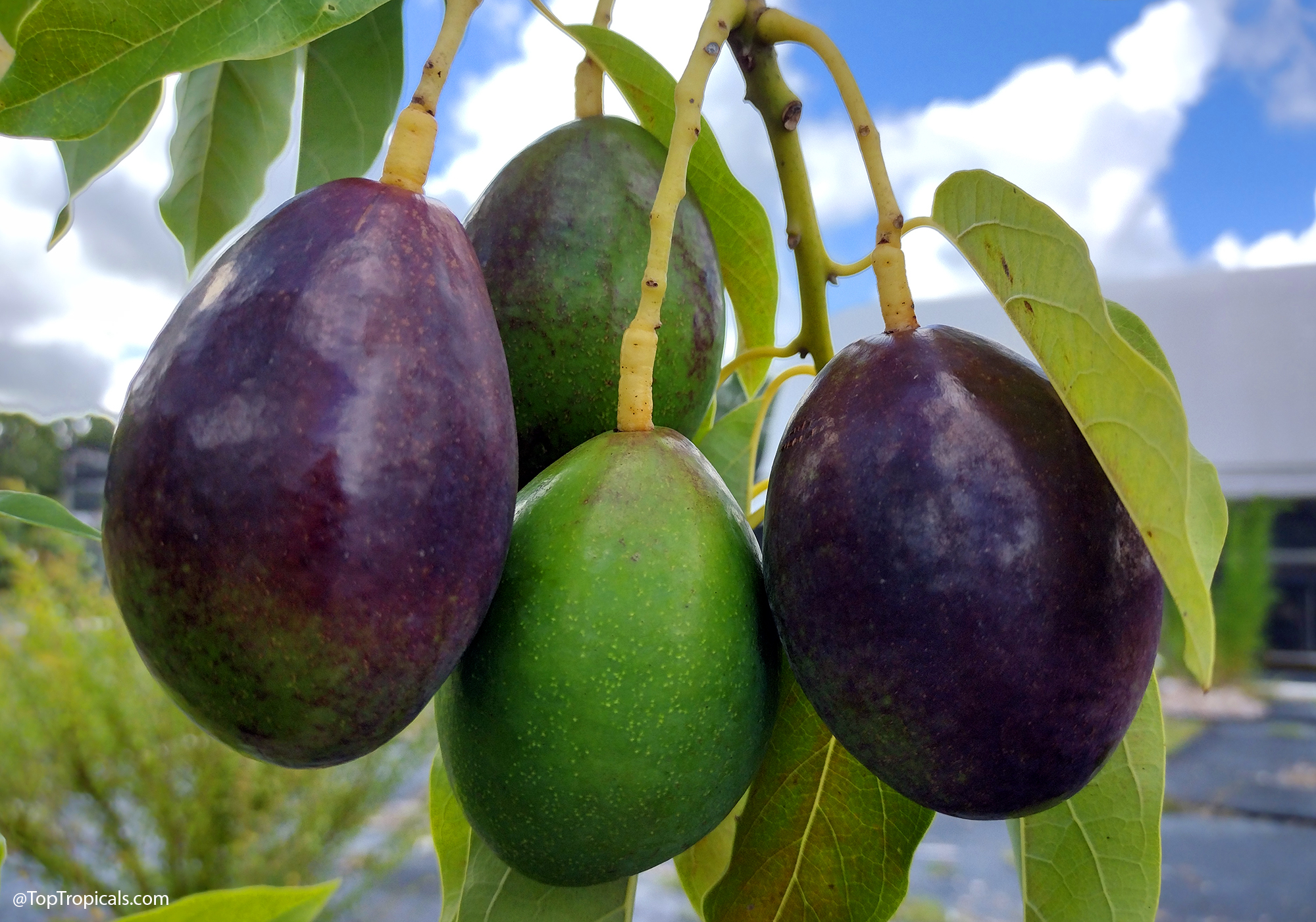
Avocado  tree  Joey,  Semi-Dwarf,  Cold  Hardy  (Persea  americana)  -  purple 
 and  green  fruit  on  a  branch

Joey is one of the most cold hardy Avocado trees with a compact habit and very pretty fruit. The flesh is nutty, smooth, and mildly sweet.
Date: 28 Dec 2020

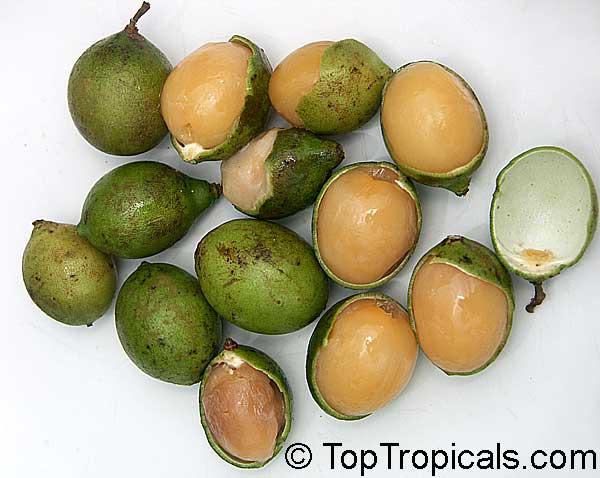
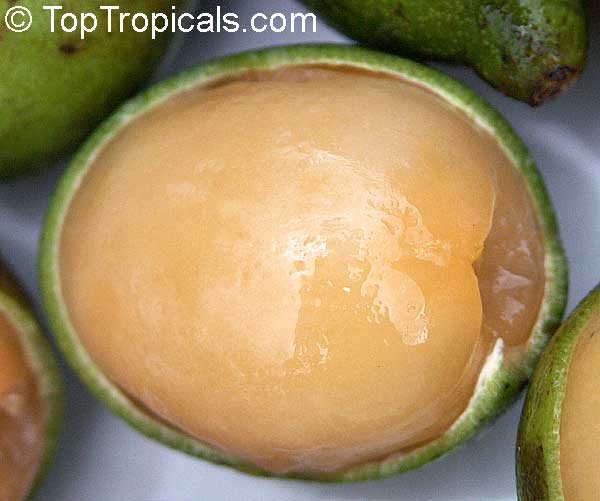
Spanish Lime Tree

Q: Do I need two plants of the Spanish lime to have fruits? Do you have a grafted tree that I would only need one plant?

A: From our experience with Spanish Lime trees - Melicoccus bijugatus, fruiting habit really depends on variety. There are self-pollinating varieties that only require one tree. Seedling usually require cross-pollination between two trees for better production. It doesn't mean that one tree won't bloom or fruit - it will, but production may be lower than if they were cross-pollinated.
The Spanish Lime trees we currently have in stock are seedlings from a good, self-pollinating variety Key West, however, only grafted trees are precisely true to variety since they are technically clones. Seedlings normally take a few years (3-4) until they start fruiting. Spanish Limes don't have to be grafted to produce quality fruit, however, grafted trees may take less time till they fruit.
This species is really hard to obtain and we do not have any grafted trees now, and probably not for another year. So if you really want this fruit tree, you may want to try at least with a seedling. We only have a few left in stock and many people want them. Otherwise, you may sign up for the wish list and wait until we (hopefully) have grafted specimens (enter Melicoccus bijugatus in wish list).

Date: 19 Nov 2025

5 fruits that help manage gout (high uric acid)

5 fruits that help manage gout

5 fruits that help manage gout

🍒 5 fruits that help manage gout (high uric acid)


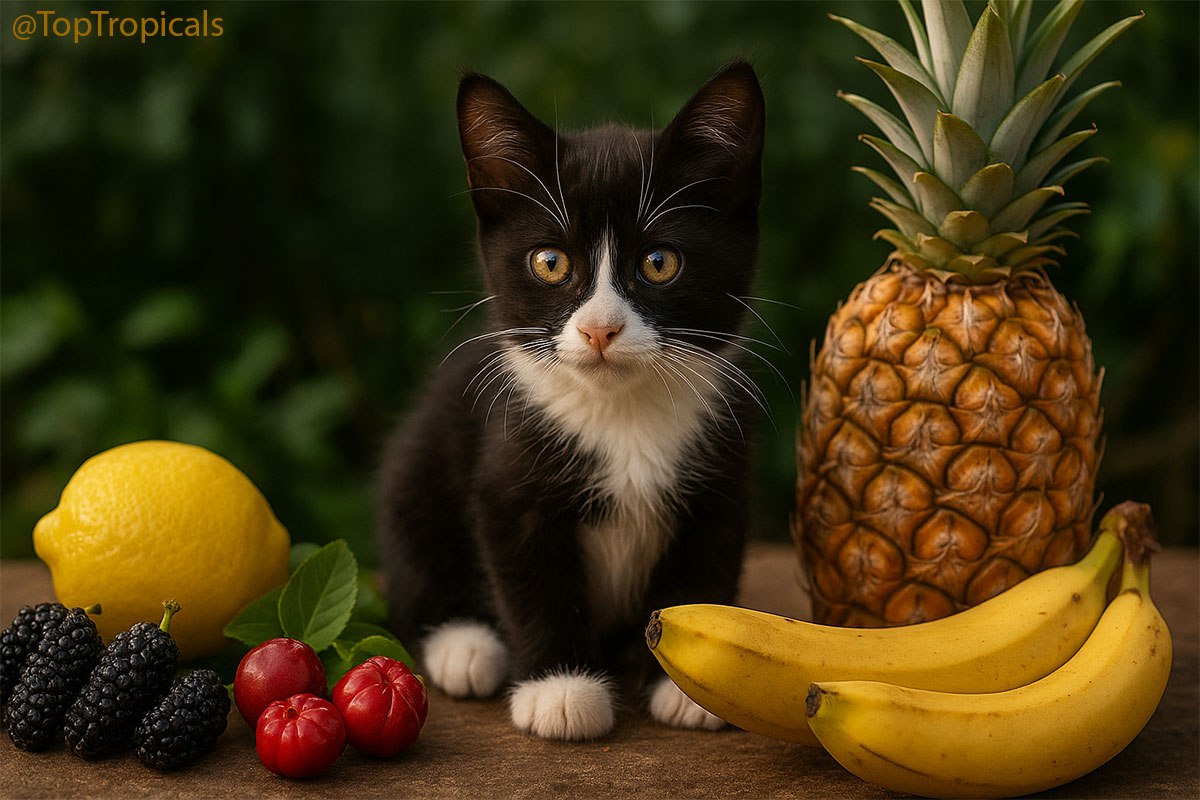
💥 High uric acid, hyperuricemia, also called gout, causes painful swelling in joints and can affect kidney health over time. Medicine helps, but so does what you grow and eat. Some fruits can naturally flush out excess uric acid and reduce inflammation. Here are five easy fruit trees and plants that can help:

🍋 Citrus


Citrus trees are great to grow in pots or sunny yards. Lemons and oranges are rich in vitamin C, which helps kidneys remove uric acid and keeps the body’s pH balanced. A glass of lemon water in the morning or a fresh orange during the day can help. Studies in Science Direct show lemon juice lowers uric acid levels in the blood.

Berries (mulberries, blackberries, blueberries, strawberries)


Berries are packed with antioxidants that fight inflammation and support kidney health. Mulberry trees are perennial trees and bushes that produce berries year after year. They grow well in both temperate and warm areas, and are an easy choice for all backyard gardeners. Mulberry high water content helps flush out toxins. Research from the National Institute of Health shows berries rich in polyphenols can lower uric acid naturally.

🍒 Cherries


Cherries are one of the best fruits for gout. They’re rich in anthocyanins, compounds that reduce inflammation and uric acid levels. National Institute of Health studies have found regular cherry intake helps lower gout attacks. Dwarf cherry trees can grow in large pots if space is limited.

🍌 Bananas


Bananas are rich in potassium, which helps the kidneys remove uric acid more efficiently, according to PubMed central. They’re also low in purines, the compounds that form uric acid. Dwarf banana varieties grow well in containers and add a tropical look while supporting healthy digestion and uric acid balance.

🍍 Pineapple


Pineapple contains bromelain, a natural enzyme that eases swelling and pain caused by gout. It’s also refreshing and supports kidney function. Studies by global health science group show pineapple juice can help reduce inflammation and uric acid. It’s easy to grow in a pot or sunny garden bed.

These fruits won’t replace medicine, but they can support your body’s natural detox system. Grow them, eat them fresh, and enjoy both their flavor and health benefits.

🛒 Explore Fruit trees and grow your own natural remedies

📚
Learn more:
Grow your own brain food: avocado and cacao
Plant a fruit tree - and breathe easier: fruit might be the surprising key to healthier lungs
11 tropical fruits to eat instead of taking a fiber supplement
Tropical fruit health benefits guide - what fruit and edibles can help with health issues and vitamin deficiencies, Part 1 and Part 2.
Top 10 fruiting plants you'll ever need for your health benefits

#Food_Forest #Mango #Remedies #Discover

🟢 Join 👉 TopTropicals

Date: 22 Apr 2026

When Mango Ripens on the Tree, Everything Changes

Smokey  and  Sunshine  enjoying  fresh  homegrown  mango  harvest  in  garden
Sunshine: Never understood the passion for Mango. I tried store Mangoes. I really tried. Just disappointment. So this is what real Mango is supposed to taste like?

Smokey: Now you know.

There is a moment when a Mango is perfectly ripe — soft to the touch, warm from the sun, fragrant before you even cut it open. The skin gives way, and suddenly there is color, juice, and a sweetness that feels almost unreal. Not sugary, but deep and layered, like something that took its time to become what it is. In that moment, it feels less like fruit and more like something truly given, exactly as it should be.

Mango Plant Facts

Botanical name: Mangifera indica
Also known as: Mango
USDA Zone: 9 - 11
Highligths Large tree taller than 20 ftSmall tree 10-20 ftFull sunWatering: Moderate. Water when top soil feels dryYellow, orange flowersPink flowersEdible plantSeaside, salt tolerant plant
Get personalized tips for your region

What you find in most supermarkets is something else entirely. Picked early so it can survive shipping, it never gets the chance to finish ripening process. It softens, it turns yellow, but the depth never comes. The flavor stays thin, and the texture often turns fibrous — strings in the flesh that get stuck in your teeth instead of melting away. That fiber is not an accident. It helps the fruit stay firm enough to handle transport without damage. It looks like a Mango, but it never becomes one.

The only way to close that gap is simple — let the fruit ripe where it belongs. On the tree. When you grow your own Mango, you control that moment. You pick it when it is actually ready, not when it has to survive a truck ride across the country. And that one difference is everything you taste.

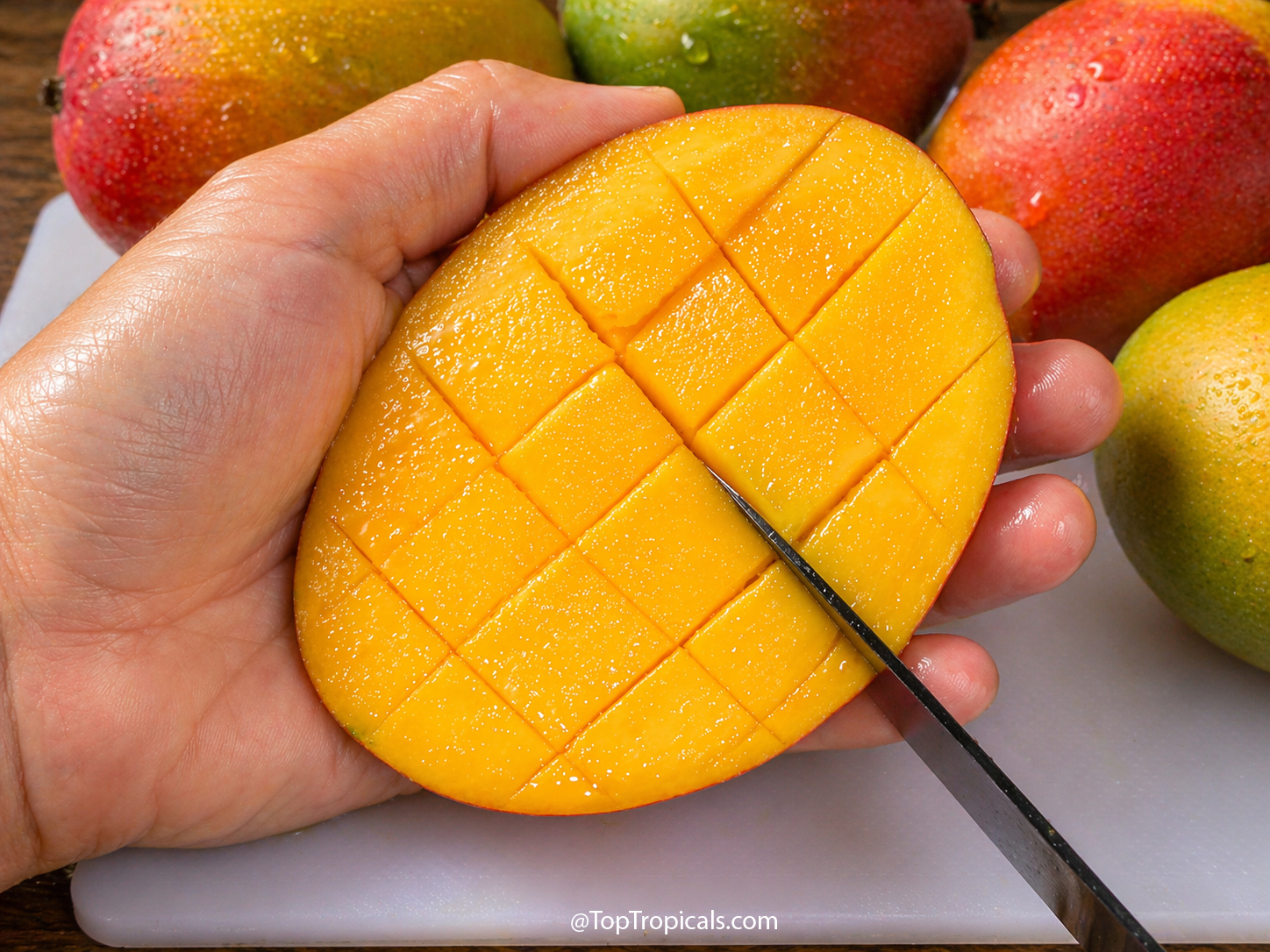
Close-up  of  a  hand  holding  a  mango  cheek  while  scoring  the  bright 
 orange  flesh  into  a  grid  pattern  with  a  knife,  with  whole  mangoes  in  the 
 background.

Scoring a Mango cheek into cubes - the easiest way to prepare clean, ready-to-eat pieces.

📚 Learn more about Mango varieties

🛒 Shop Mango Trees

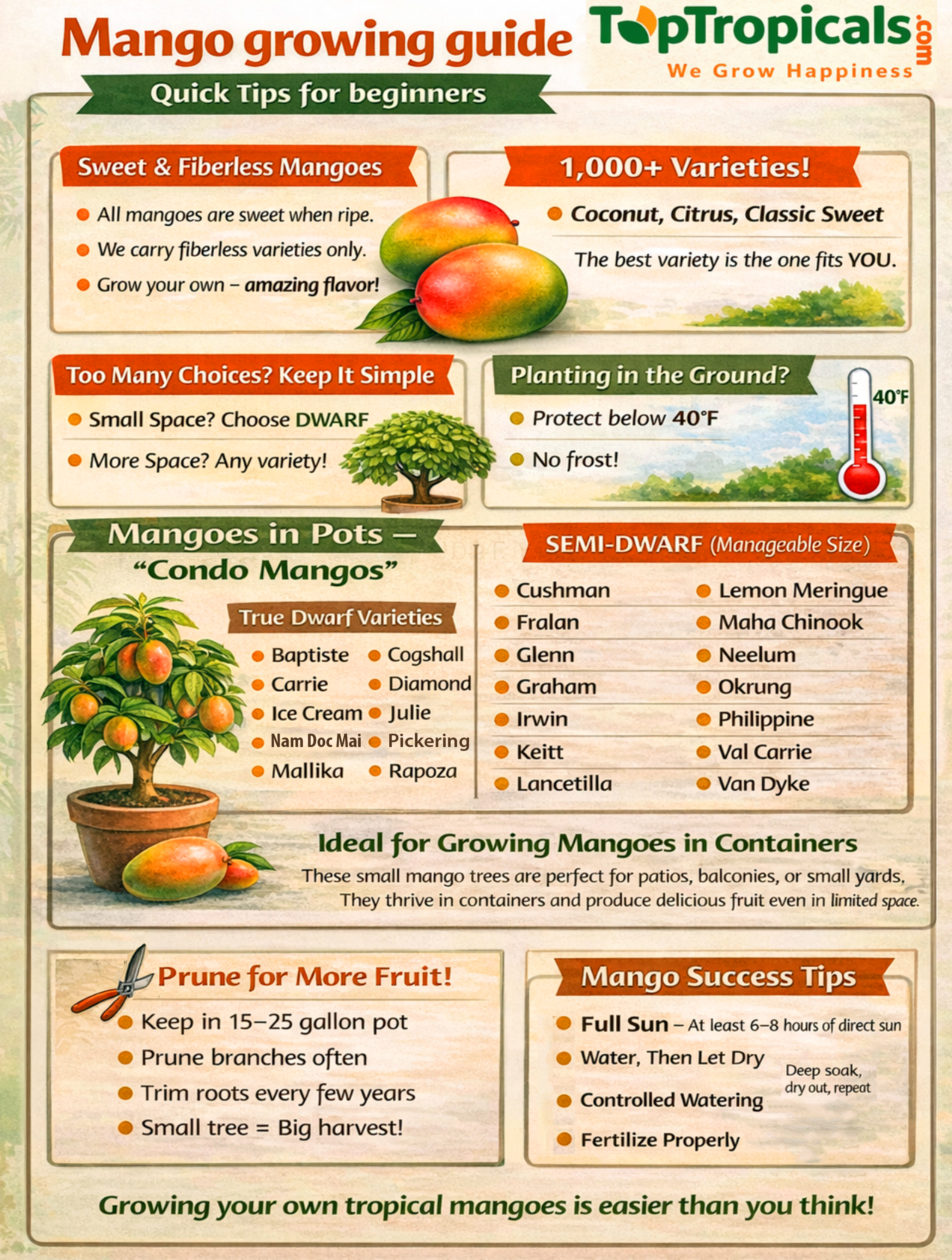
Educational  infographic  titled  mango  growing  guide  showing  beginner 
 tips  for  growing  mango  trees,  including  sweet  fiberless  varieties,  dwarf  and
   semi-dwarf  options  for  containers,  planting  tips,  pruning  advice,  watering,
   sunlight,  and  fertilizing  recommendations,  with  illustrated  mango  trees  and
   fruit.

Quick beginner guide to growing Mango trees - from choosing the right variety to pruning, watering, and container growing tips.