Garden Blog - Top Tropicals

Date: 18 Oct 2025

Avocado leaf tea: island secret for a calm heart and blood pressure

Avocado leaf tea: island secret for a calm heart and blood pressure Avocado leaf tea: island secret for a calm heart and blood pressure

Avocado leaf tea: island secret for a calm heart and blood pressure


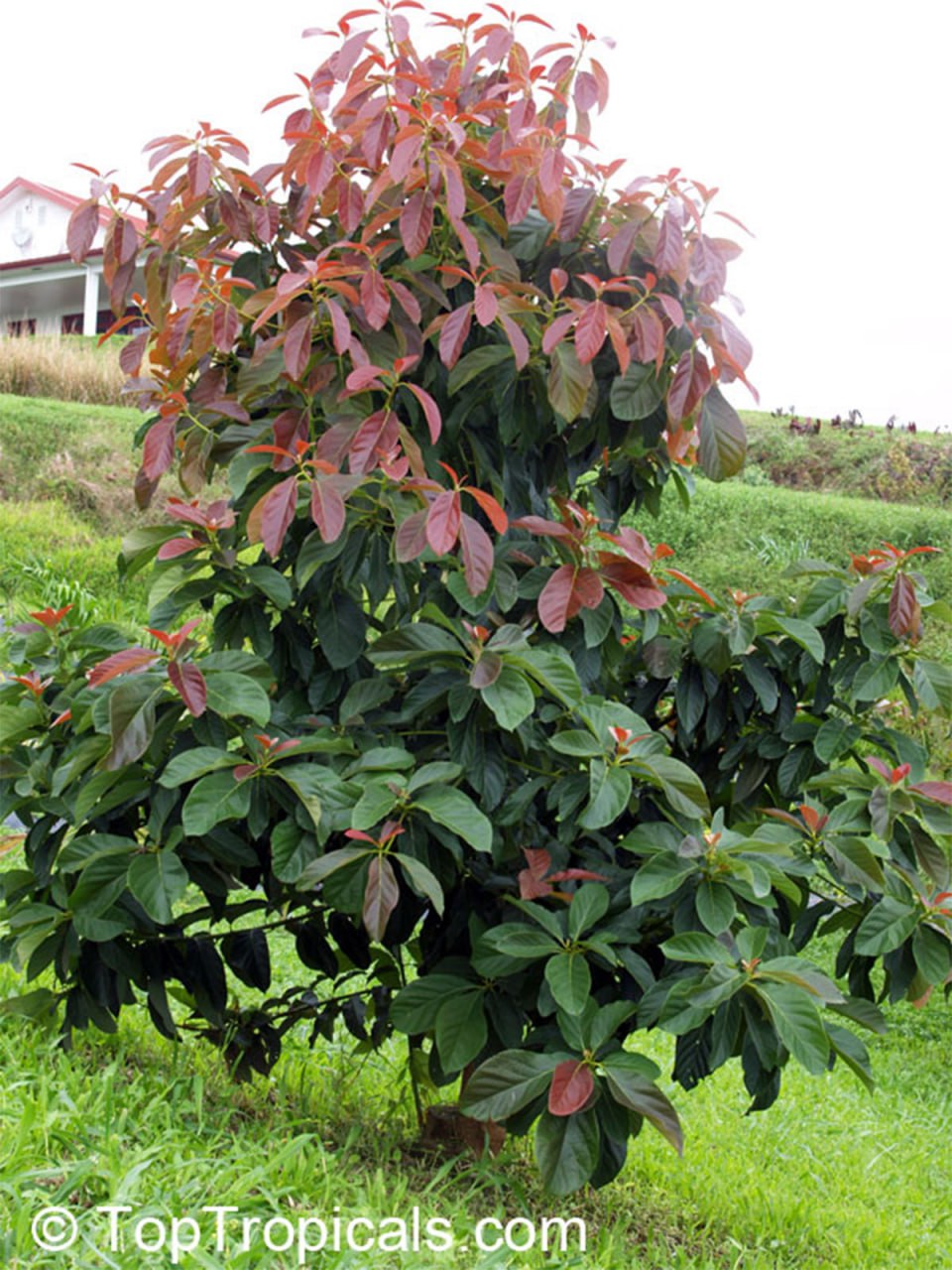
  • 🍃 You see that Avocado tree in your yard? Don't just love it for the fruit - the leaves carry magic too! Old folks in the tropics will tell you - never throw away the avocado leaves. They’ve been used for generations to brew a tea that helps steady the heart and ease high blood pressure.

  • 🍃 When life gets busy and your heart starts beating too fast, this tea helps it find its rhythm again. The leaf holds flavonoids and quercetin - fancy words for what nature been doing all along: keeping the blood flowing smooth and the body at peace. Folks say it also helps with digestion and keeps the liver happy.

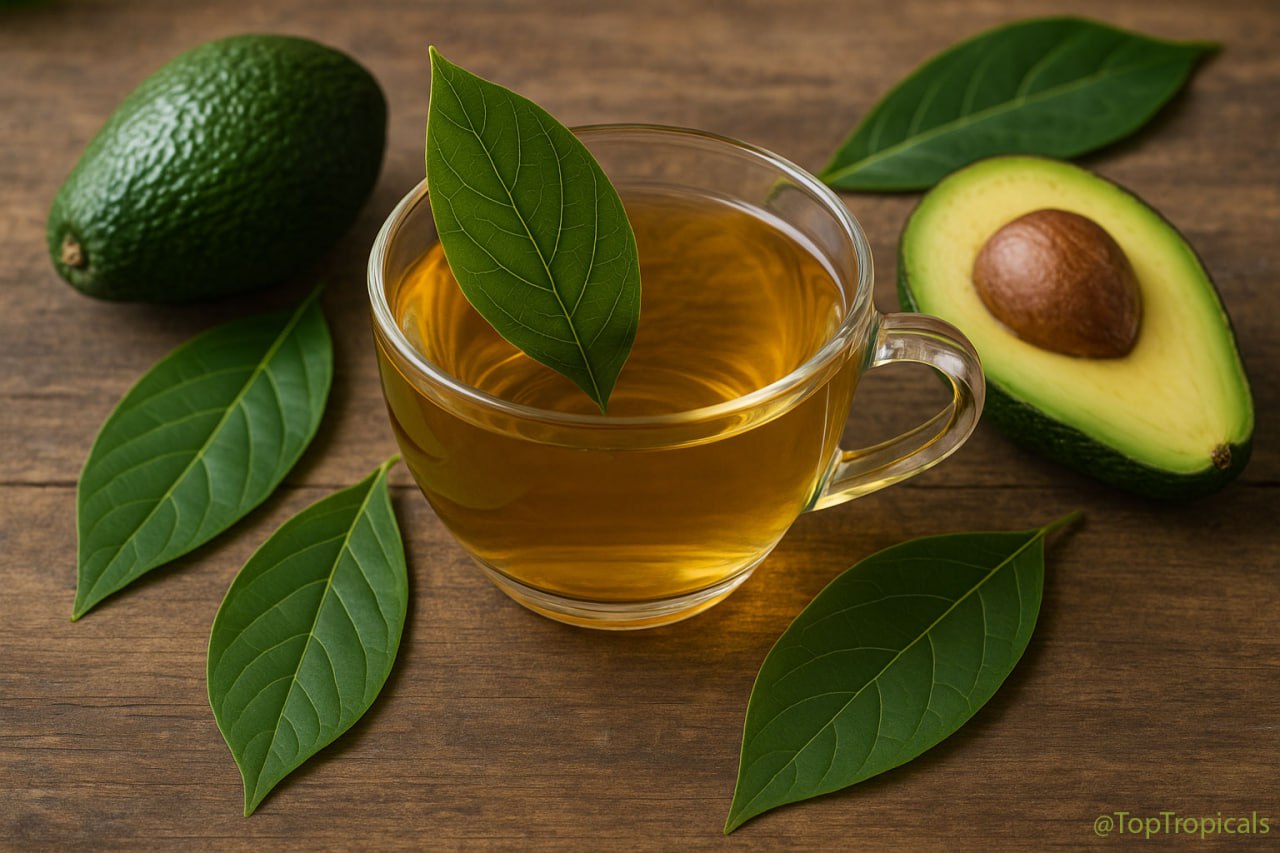
  • 🍃 Avocado leaf tea

    Ingredients

    • 3 to 4 fresh avocado leaves
    • 2 cups water
    • Optional: honey, lemon, or cinnamon stick

    Instructions

    1. Rinse the avocado leaves well.
    2. Place them in a small pot with 2 cups of water.
    3. Bring to a gentle simmer and let it cook for about 10 minutes.
    4. Strain the tea and add honey, lemon, or cinnamon if desired.
    5. Sip slowly and enjoy the calm, earthy flavor.

  • 🍃 They say it helps the belly, calms the mind, and keeps the liver strong. Maybe that’s science, maybe it’s just island truth - but it surely does the body good! Some call it bush medicine, others just call it good sense. Either way, it’s a simple garden remedy that’s been soothing hearts long before pills and prescriptions came around.


🛒 Plant an Avocado tree and help your body stay healthy

📚 Learn more:


Tropical fruit and plants that help keep blood pressure in balance, Part 1, and Part 2.

#Food_Forest #Remedies #Discover #How_to

🟢 Join 👉 TopTropicals

Date: 9 Mar 2026

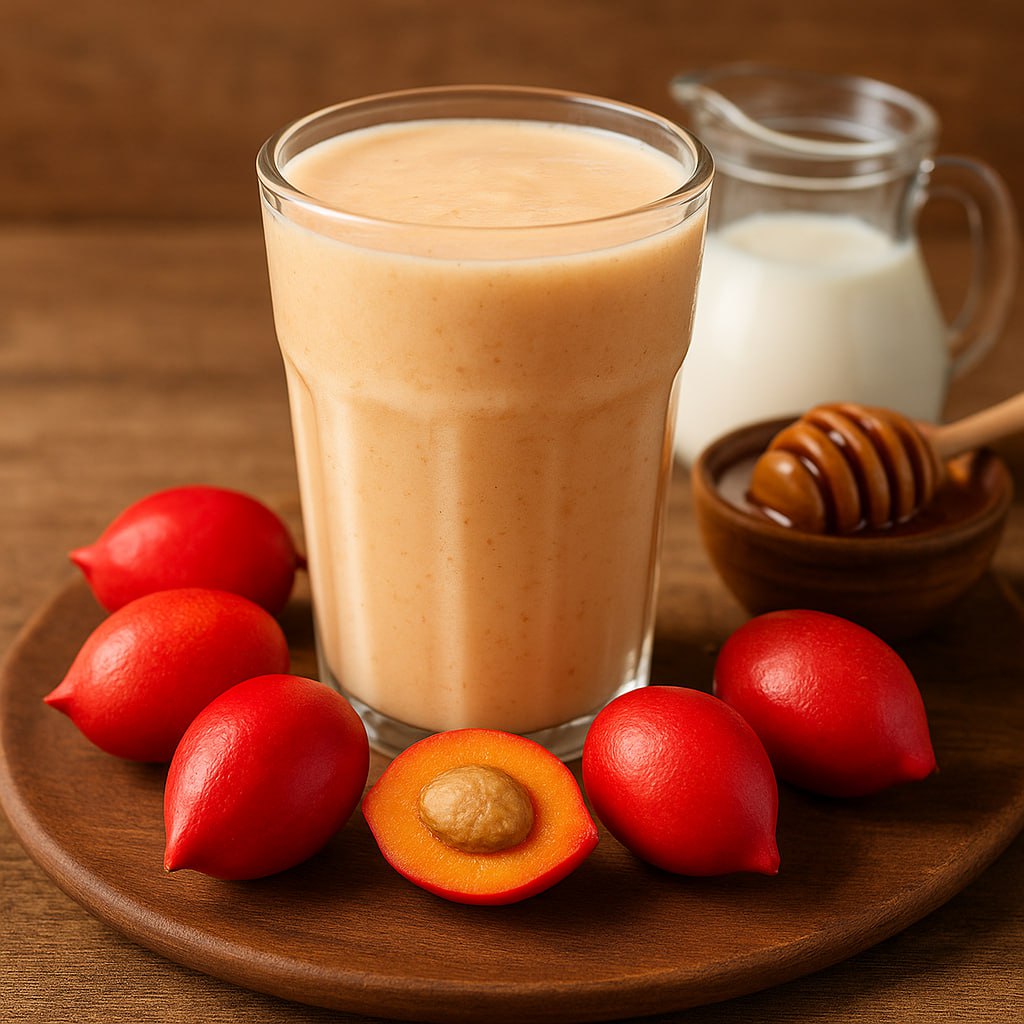
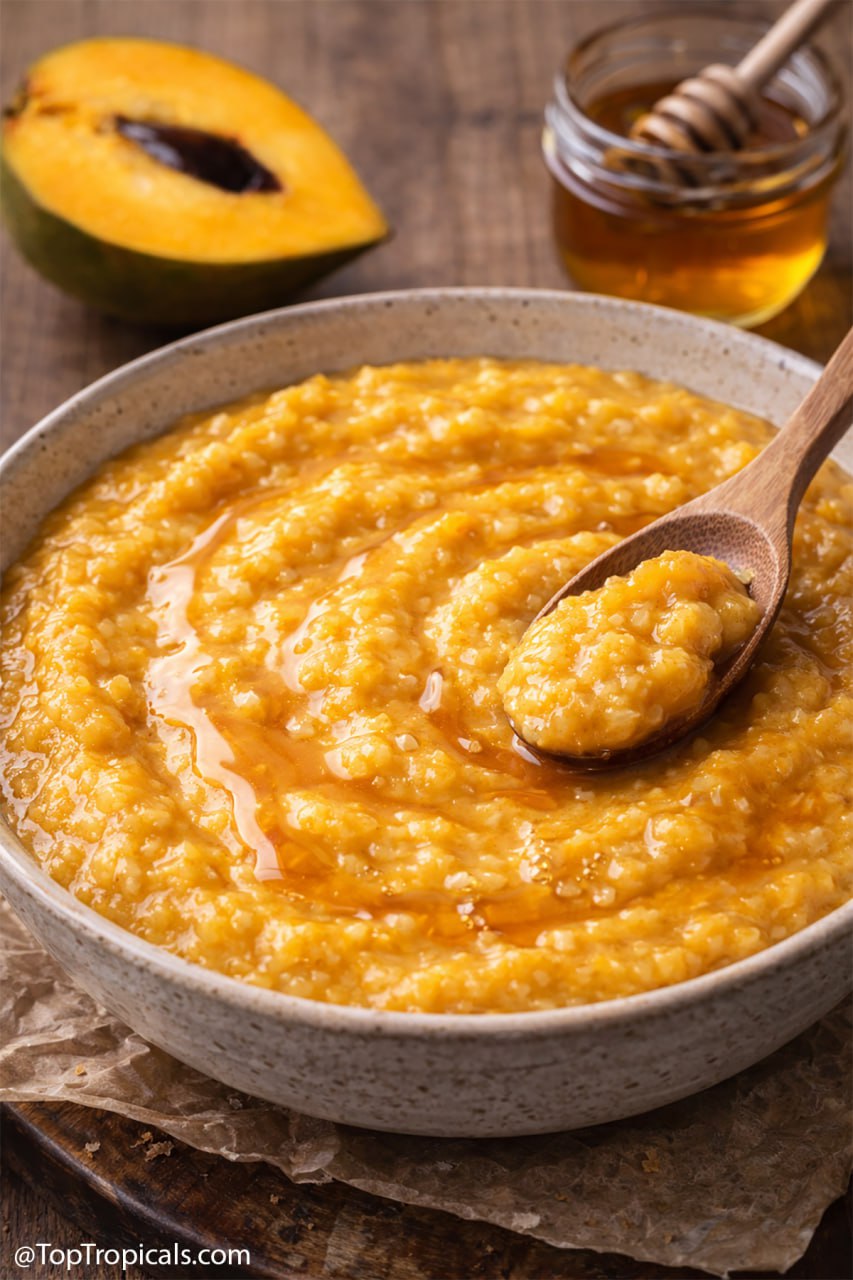
Golden canistel cream: quick-n-fun exotic recipes

Golden canistel cream

Golden canistel cream

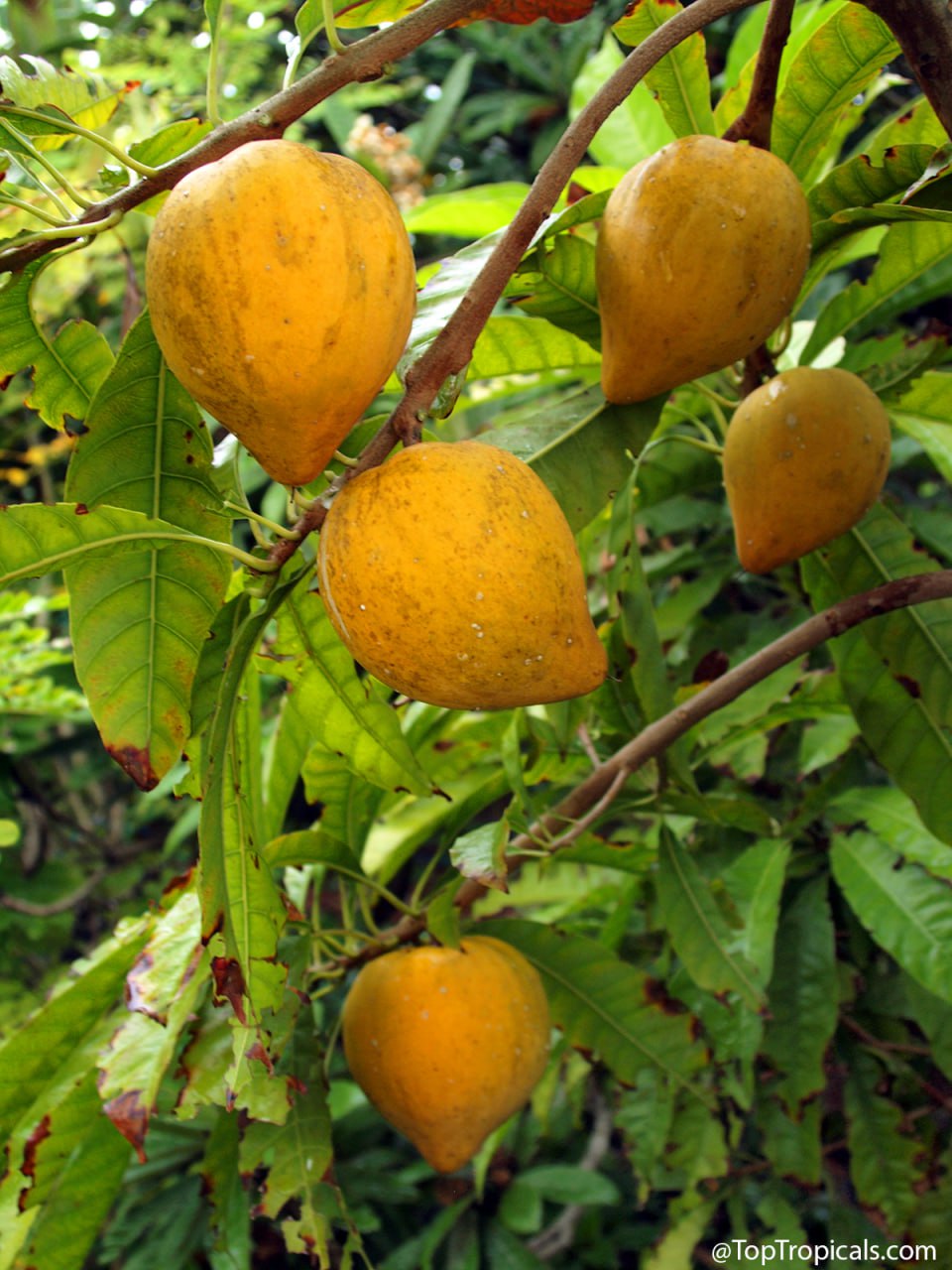
Pouteria campechiana - Canistel, Eggfruit

Pouteria campechiana - Canistel, Eggfruit

🍴 Golden canistel cream: quick-n-fun exotic recipes


Golden Canistel Cream

Ingredients

  • 1 ripe canistel (eggfruit)
  • 2 to 3 tbsp milk
  • 1 to 2 tsp honey

Instructions

  1. Scoop the ripe canistel flesh into a bowl.
  2. Add milk and honey.
  3. Mash until smooth and creamy.
  4. Warm gently in a small pan if desired.
  5. Serve warm like a thick tropical porridge.

🌿 About the plant:


Also called Eggfruit, canistel has bright yellow flesh that is dense and slightly dry when ripe.

🏡 In the garden:


Grows well in warm climates with good drainage. Compact growth makes it suitable for small yards.

🛒 Plant Canistel Egg Fruit tree - grows well in container too

📚 Learn more:


#Food_Forest #Recipes

🟢 Join 👉 TopTropicals

Date: 31 Jan 2026

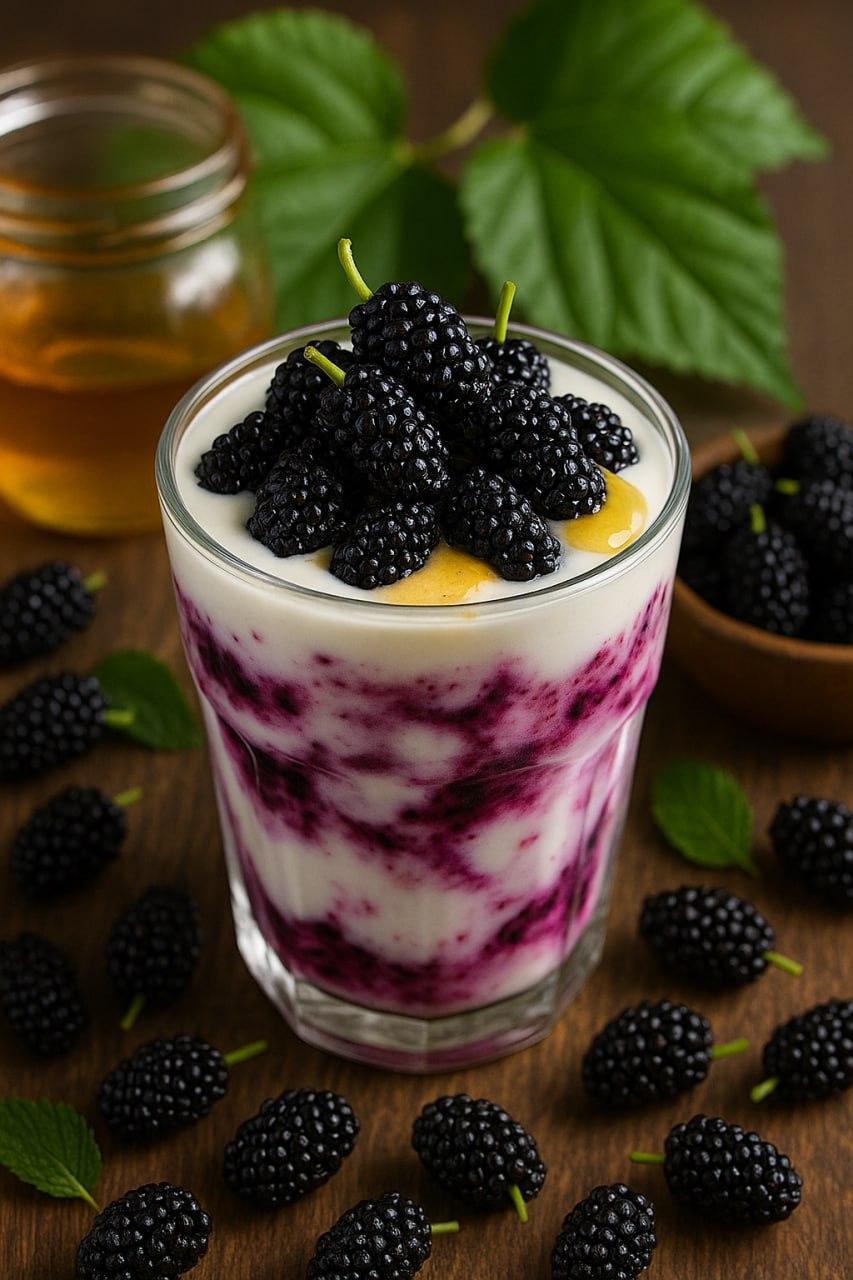
Pitomba pop cups: quick-n-fun exotic recipes

Frozen pitomba pops with mint

Frozen pitomba pops with mint

Eugenia luschnathiana - Pitomba

Eugenia luschnathiana - Pitomba

🍴 Pitomba pop cups: quick-n-fun exotic recipes


Pitomba Pop Cups

Ingredients

  • 1 cup pitomba pulp
  • 1 teaspoon honey
  • 1 tablespoon water
  • Fresh mint leaves (optional)

Instructions

  1. Scoop pitomba pulp into a small bowl.
  2. Mix with honey and a little water to soften the texture.
  3. Spoon the mixture into small cups or molds.
  4. Freeze until icy-soft.
  5. Serve topped with fresh mint for a refreshing tropical snack.


🌿 About the plant:


Pitomba (Eugenia luschnathiana) is a tropical fruit native to Brazil, prized for its bright, citrusy pulp with a sweet-sour kick. The flavor is often compared to a mix of apricot, citrus, and mild resin, making it refreshing and snack-worthy straight from the fruit.

🌱 In the garden:


Pitomba grows as a small to medium-sized slow growing tree with glossy evergreen leaves. It thrives in warm climates, prefers full sun to light shade, suitable for USDA zones 10-11, it can also be grown in large containers and responds well to pruning, making it manageable for home gardens.

🛒 Plant exotic Pitomba cherry in your garden

📚 Learn more:


Eugenia luschnathiana - Pitomba - in Plant Encyclopedia

#Food_Forest #Recipes

🟢 Join 👉 TopTropicals

Date: 15 Aug 2021

How to grow Cerbera and make it flower

Q: I purchased Cerbera manghas - Enchanted Incense a year ago. As you see from the photo, it's doing great however, no blooms. I fertilize properly and very often and use worm castings for micronutrients. Yes it's not "your" fertilizer, but my plumerias, that are also in pots they are over 5 feet tall and blooming like crazy. I don't see any inflows coming on the Cerbera at all and it is hot and humid here in North Carolina, so it's happy but no sign of blooming. What is your advice?

A: Top Tropicals first brought Cerbera manghas into the US plant market a few years ago, it was recommended to us by our friend, plant taxonomist John Mood who visited Thailand, and among other exotic plants noted this fragrant beauty. Since then we've been successfully growing this plant, it has become one of everybody's favorites.

Generally speaking, Cerbera culture is very similar to Plumerias. These plants are closely related. So if you know how to grow Plumeria, you sure will succeed with Cerbera. Hot and sunny location, well-drained mix, moderate water and bloom boom fertilizer will do the trick. However, we have noticed a few distinctive features that make this plant somewhat challenging at times.

1) Flowers

For past years, we've been studying what triggers its flowering. Sometimes these plants start flowering in 1 gal pot, 1 ft tall. Other times a large developed tree 5-6 ft tall, in 5-7 gal pot, grows beautiful foliage with no signs of flowers. Eventually all of them bloom, no matter how stubborn they are, it's just some individual plants start flowering sooner than others, all grown in the same conditions.
One of our plants in the ground, a well-branched tree, was covered with flowers for a few months, but only on the 3d year after planting. Before that, it only produced a few random blooms. Others bloomed in pots at very young age.
The following factors benefit to Cerbera flowering:
- full sun at least 10 hours a day
- hot temperatures above 85F
- regular water but not heavy rains
- regular fertilizer - Bloom Booster type
- very good drainage and drying out before waterings. If root ball stays moist, the plant may look healthy but won't set flower buds. Keeping on a dry side will encourage flowering. Very similar to Jasmines: they bloom like crazy in April while it's hot and dry in Florida, but once our summer rainy season starts, they reduce blooming.

We highly recommend using Sunshine Megaflor bloom booster or SUNSHINE Pikake in combination with micro-element supplements Sunshine Honey (B-Mo) and Sunshine Superfood (complex micro) that induce flowering. Dry and granulated fertilizers may not supply exactly what a plant needs: certain elements that trigger flowering may be missing. Sunshine Boosters formulas are scientifically balanced, they contain precise amounts of nutrients needed for setting flowers. Besides, excessive salts from regular dry fertilizers create nutrient lock up that may retard plant metabolism; with liquid amino-acid based Sunshine boosters, plants consume the whole menu of elements without building them up in the soil.

2) Fruit

Fruit of Cerbera are very pretty and cover the tree after profuse flowering. To inexperienced eye they may look very much like small mango or avocado fruit - so make sure kids or visitors don't try to eat them! Cerbera seeds are extremely poisonous.

3) Leaves

If you ever grew Passiflora or Milkweed, you know how leaves can be eaten by caterpillars overnight. This may happen to Cerbera too, as we discovered. In Florida environment this exotic plant doesn't have natural predators for protection from certain insect species that may feed on it. So watch out and if noticed first signs of leaves damage - its time for insect control.
Other than that, Cerbera foliage is usually beautiful and colorful, here in Florida it looks much healthier than that of Plumerias often affected with rusty residue during high humidity months.

Hope this helps. The Cerbera fragrance is enchanting, it is worth the efforts and waiting!

Date: 30 Dec 2022

Cold protection for tropical plants

greenhouse  and  cold  protection  covers  on  tropical  plants

Pushing the limits of tropical gardening

The year is almost over but the winter is not. This Christmas weekend at our Sebring B-farm we had it down to 30F. As a tropical gardener, winter can be challenging, especially if you grow plants outside of tropical zones.

greenhouse  with  tropical  plants

To protect your garden from the cold, consider the following:

1. Monitor freeze watches and be prepared to take action if necessary.
2. Create temporary structures like mini-greenhouses using PVC pipes, carport frames, or bamboo sticks to support covers.
3. Use covers such as frost cloth, cardboard boxes, blankets, and bed sheets.
4. Use Christmas lights and other heating elements, including propane heaters, to keep plants warm.
5. Add a layer of heavy mulch around plant trunks to protect them from the cold.
6. Apply plant boosters that improve cold hardiness, such as Sunshine Epi, Sunshine-Si, and Sunshine Superfood.

At TopTropicals B-Farm, we sprayed our plants with a special cold hardiness treatment Sunshine-Si and covered and wrapped everything we could. We also moved cold sensitive species inside greenhouses. All of our plants are looking great and happy!

Mulching  mango  trunks  and  using  Christmas  lights  for  cold  protection

Photo above: Mulching mango trunks and using Christmas lights for cold protection

Read more about this special treatment plan: Cold Hardiness Improvement Kit.

Covering  plants  during  cold  night

Plastic  warm  house  wrapping

Photo above: Temporary wrapping of a section of a greenhouse with a plastic or frost cloth protects from a windchill. It may also win you a few degrees even without a heater. In this particular case, according to our temp sensors, it was 30F outside, and 41F inside this "dome", no heaters used.


Sunshine Boosters:

Last chance to stock up
at a lower price!

Sunshine Boosters are natural, amino acid-based liquid fertilizers made with only the highest quality ingredients. Starting in 2023, the pricing for Sunshine Boosters will be adjusting to reflect the increasing cost of supplies. This is your last chance to stock up on Sunshine Boosters before the end of the year! Sunshine Boosters are safe to use year around, with every watering.

Don't miss out on this opportunity to get the best value for your money!

Use discount for even better deal:

22FOR22
for 22% off orders $220+

Min order $220. Offer expires 12-31-22

Sunshine  boosters  for  different  plant  types