Garden Blog - Top Tropicals

Date: 20 Feb 2017

Flowering plant for a front yard
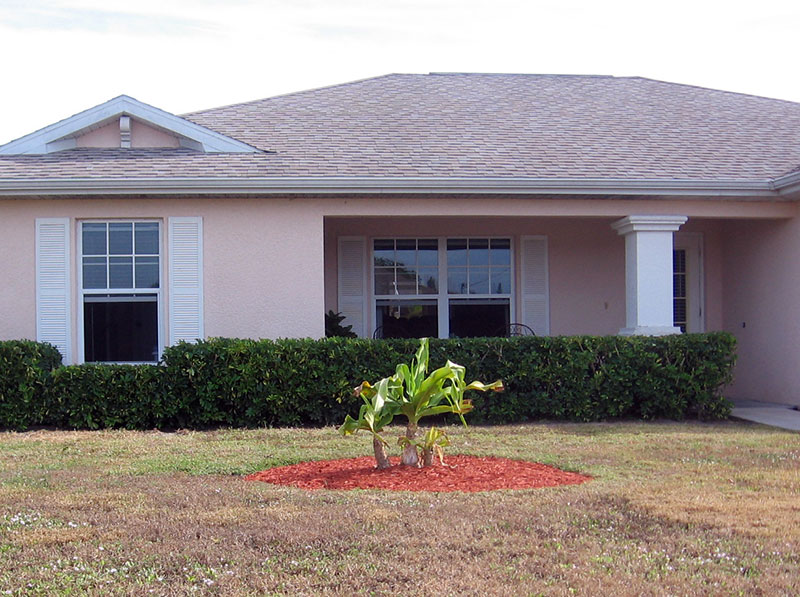
Q: I need your expertise. I had a plant in the front of my house that when I moved in (two years ago) wasn't doing well. It was infested with grasshoppers and snails. I treated it with a pesticide and fertilizer and it flourished. Had beautiful flowerings and was almost the size of the mulch area. Then the property management company hired some terrible grass cutters that I believed destroyed it. I would come home and find the red mulch and leaves from the plant all over the front lawn. And since then it has gone down hill. I am attaching a picture. As of now the larger of the remaining two trunks (out of six that were there) is falling over and it doesn't seem to be doing well. So I was wondering if you can recommend a nice plant that I can replace this one with. Nothing extravagant but nice enough to fill in that area. Also since I only lease here don't want to get to pricey either. Thanks for any advice and plants you have.

A: The plant you have is called Spider Lily. It is one of the easiest landscape plants that doesn't require much care and is great for low maintenance yards. In your case, besides possible damage from the grass cutter, looks like the plant is very old judging by the thick woody stem. It is not a bad idea to replace it with something more pretty rather than trying to baby it. Other suggestions for this location would be something easy and low maintenance, especially if you don't have reliable sprinkler system in that area of your yard and don't want to spend time hand-watering with a house:
Sweet mimosa - grows into very large bush, Pony tail, Dwarf poinciana, Powderpuff, Clusia, Devils backbone (smaller bush 3 ft tall), Cordyline, Ti leaf - these are very colorful.
There are more low maintenance plants you can chose from.
And always remember that traditional "landscapers" that only mow grass, may not be experts on plants. You may always call TopTropicals Garden Doctor and get professional help with keeping your plants healthy. We are always here to help your garden!
Date: 4 Feb 2017

Groundhog Day Feb 2

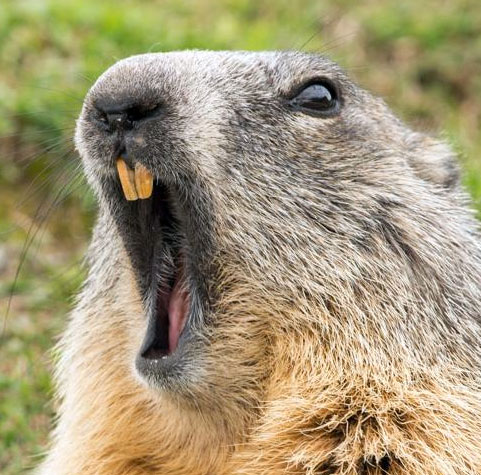
On Groundhog Day Feb 2: Groundhog Punxsutawney Phil saw his shadow on Thursday morning, predicting six more weeks of winter during Groundhog Day festivities at Gobbler's Knob, a small hill just outside Phil's hometown.
According to folklore, if it is cloudy when a groundhog emerges from its burrow on this day, then the spring season will come soon; if it is sunny, the groundhog will supposedly see its shadow and retreat back into its den, and winter weather will persist for six more weeks.
Phil promised long winter, however, we should not cry in despair but starting to get ready for Spring!

Spring Check List:
- Make sure min temperatures are above 45F before you start bringing potted plants outside.
- When active new growth appears from buds, after-winter pruning can be done.
- You may start weekly fertilizing as soon as night temperatures raise above 55F.
- Start planting in the ground as soon as there are no more chances of frost, until then keep newly arrived plants in pots so they get better established.
- Low chill cold hardy fruit trees including Peaches, Nectarines, Plums, Apples, Mulberry, Loquats go in the ground first, so you can enjoy their blooms and early fruit set. Plant Pomegranates, blueberries and cranberries, raspberries and blackberries, grapes.
- Water as needed, still keeping on dry side until afternoons get hot and plants start using more water.
- Start seeds indoors. The sooner the better, to give seedlings more time to establish before planting out in the ground.

Overwintering Magnolia (Michelia)

Michelia alba Question: I have a question about Michelia alba. My Michelia alba leaves turning yellow and losing leaves. When I brought it inside for the winter, after the leaves falling off new one grow back not all of them grow back and now the new the branches start to die. I water once a week.

A: Whenever moving a plant in or out of the home it is always best to do it gradually. Moving a plant all in one day will cause stress to the plant due to environmental changes such as, new humidity levels, new light levels and new watering requirements. Michelias usually loose their leaves once in the spring and once before winter but grow them back right away. Now that your plant is inside with less humidity, light and leaves, you only need to water once the soil as almost dried out. You will need to stick your finger in the soil to see if it is still wet as the top layer dries before the under layer. If the branches are starting to die at the tips this usually means too much water. Move the plant to a bright light window, decrease water and you may want to also use a humidifier.

Date: 12 Sep 2019

Helping Citrus and other fruit trees with Nutritional Supplements

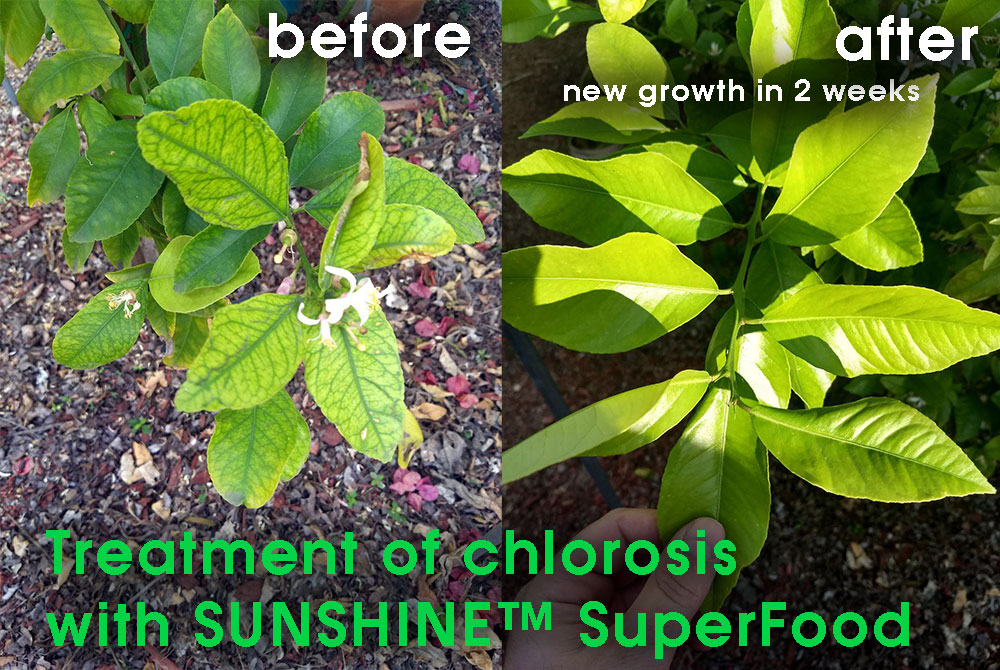
Q: Can you recommended a product to help with my citrus? Combating greening and chlorosis.

A: Citrus greening is spread by an insect called the Asian citrus psyllid. The psyllid feeds on the stems and leaves of the trees, infecting the trees with the bacteria that causes citrus greening. Florida Citrus growers dedicated the last decade to researching citrus greening. Officially, currently there is still no cure, however, some Nutritional solutions have shown promising results. To slow the progression of citrus greening in infected trees, nutrients are applied to the leaves and to the roots. Providing better nutrition helps trees fight against citrus greening and enables them to continue to produce quality fruit.

We recommend the following products for use on regular basis:

SUNSHINE Epi is a natural Brassinosteroid plant hormone and a bio-stimulant that may be very effective as citrus greening treatment. It works through plant's immune system and shows amazing results of recovery of weak and sick plants.

SUNSHINE Superfood, a complex micro-element supplement, maintains plant's health and provides vigorous growth.

SUNSHINE-Honey is a basic nutritional complement, it contains essential plant micronutrients Boron (B) and Molybdenum (Mo). These elements are essential to vegetative and reproductive growth, cell expansion, tissue growth, and fertility. A very common problem for most unimproved garden soils is lack of Molybdenum and Boron as soil micro-component. This results in underdeveloped / low quality fruit and/or premature fruit drop. Applying SUNSHINE Honey on your fruit trees will fill that gap and help a fruit tree to form a healthy fruit.

Macro-nutrients should be applied in combination with micro-nutrients on regular basis:

Mango-Food - Smart Release Fruit Tree Booster (works great for all tropical fruit trees)
Fruit Festival Plant Food - Ideal blend designed to improve fruit trees health and vigor, and increase crop yield.

See SUNSHINE Boosters page for the complete list of plant boosters.

Date: 16 May 2024

When Bigger means Better

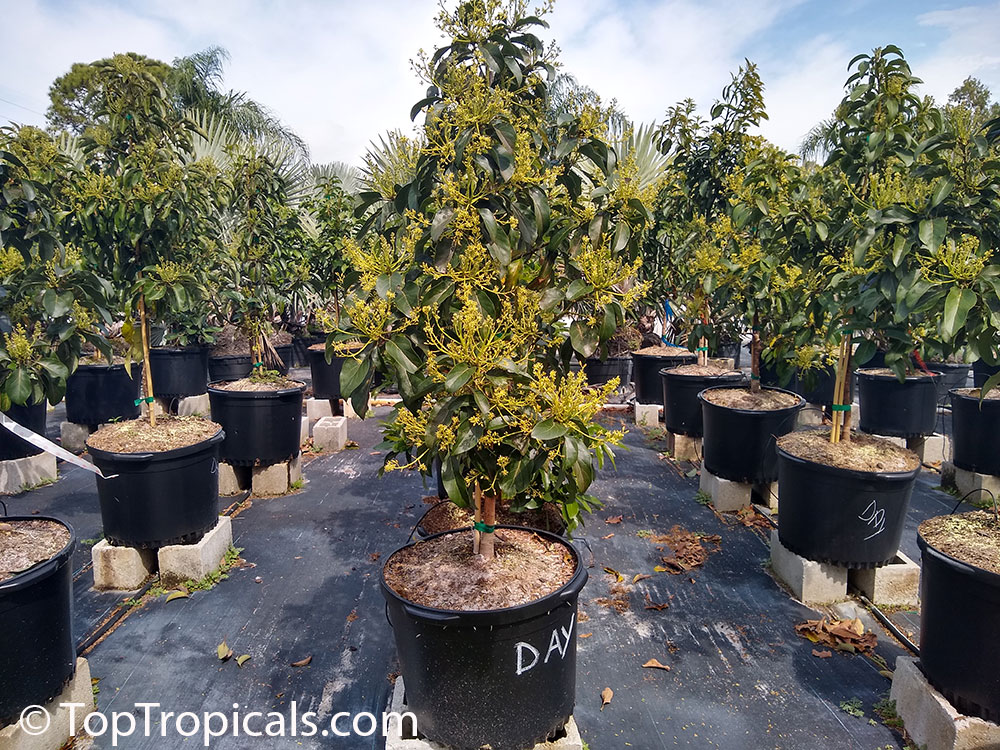
Large  Avocado  trees  in  containers

Everybody loves shopping online nowadays, and plants are no exception. Buying plants by mail order is not uncommon anymore; it only takes one click, and luckily, there are many sources - from big shopping malls like Amazon to small backyard nurseries that sell their seedlings on eBay or Facebook - all delivered to your door. But plants are alive... So when doing your online plant shopping, you must ensure that you fully enjoy your experience and are happy with a healthy plant that a) doesn't die; b) recovers quickly; and c) starts growing fast, so you can see flowers and fruit as soon as possible.

The rule of thumb for shipping plants: bigger plants undergo shipping better, experience less stress, less leaf drop, and recover quicker than plants with smaller root systems. So when it comes to buying plants online, the bigger, the better. Unfortunately, many mail-order plant sources may sell you a tiny twig that has very few chances of surviving. Shipping is very expensive today, so shipping a bigger size plant may cost more than the plant itself.

Below is a piece of advice on how to make the best plant selection for your garden...

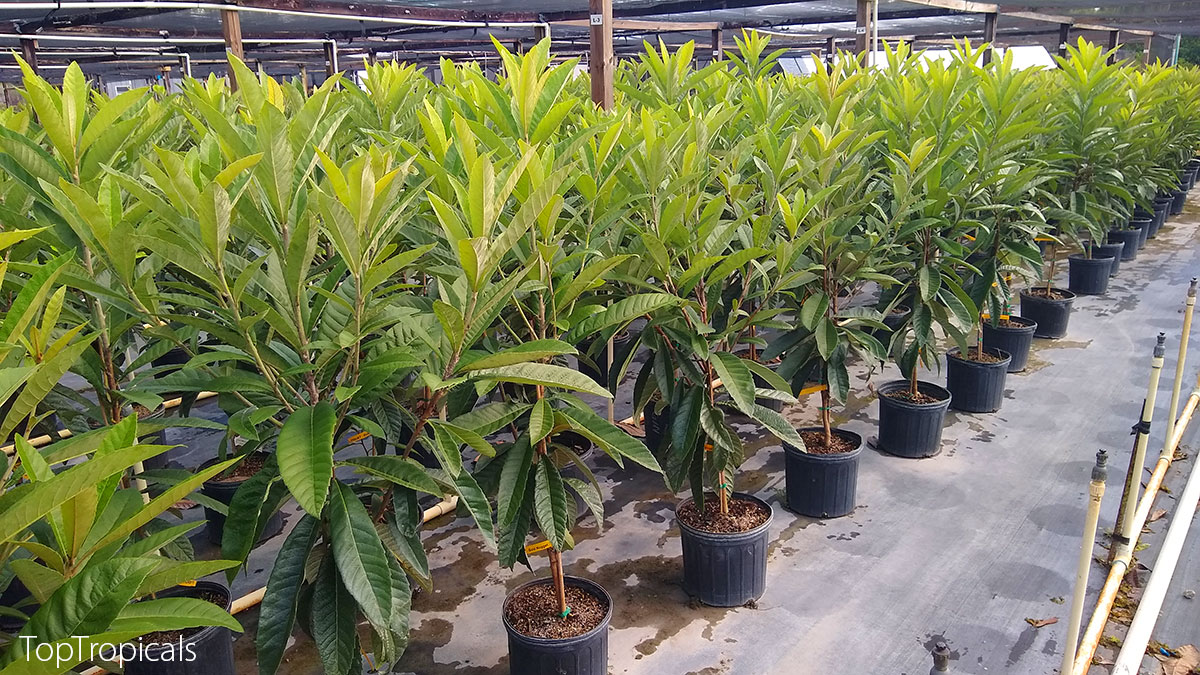
Loquat  trees  in  containers

Photo above: Loquat trees in 3 gal containers.

5 important rules on how to buy trees online

1. Find a source with bigger plants. Check reviews, ask friends for recommendations, inquire from the company about the size of their plants and how they pack their plants for shipping.
TopTropicals offers well-established, strong plants with developed root system, in container sizes 1, 3, 7, 15 gallon, directly from a tropical Florida growing farm. Our unique plant-packing techniques are state of the art!

2. Price not always reflects the size and quality of the plant
TopTropicals offers many deals, discounts and sales, while still providing the biggest and strongest plants grown in real tropical conditions.

3. Most fruit trees must be grafted to produce good fruit. Make sure you are not purchasing a seedling when it comes to Mango, Avocado, Peaches and some other trees with named varieties that don't come true to seed.
TopTropicals offers only grafted - Mango, Avocado and a large number of other tropical cultivars.

4. Pick up when possible from the nursery your ordered from, or get a delivery, instead of shipping the plants. A drive to the nursery will save you more time and money in the future, plus you can hand-pick the biggest and healthiest specimens.
TopTropicals is open 7 days a week for your convenience. Visit our Ft Myers Garden Center or Sebring Farm to select the biggest plants.

5. Take advantage of X-Large size plant material if you live outside the tropical zone and are trying to zone-push your tropical garden. Bigger plants will establish faster and have more chances to survive cold winters. Again, it will save you money in a long run (although bigger plants may be more expensive, but their survival rate is much higher when it comes to cold nights).
TopTropicals offers X-Large flowering and fruiting trees (7-15-25 gallons), and most of the varieties you see in our online store can be custom-ordered in big sizes. Delivery and installation available.

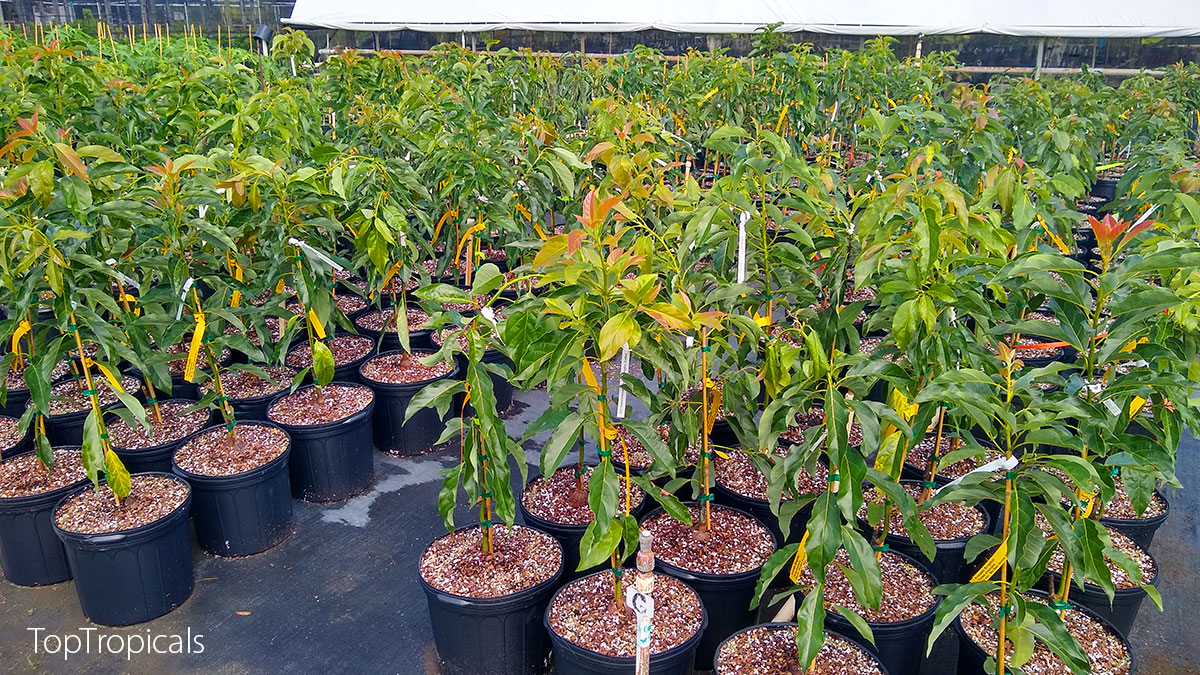
Avocado  trees  in  containers

Photo above: Avocado trees in 7 gal containers.

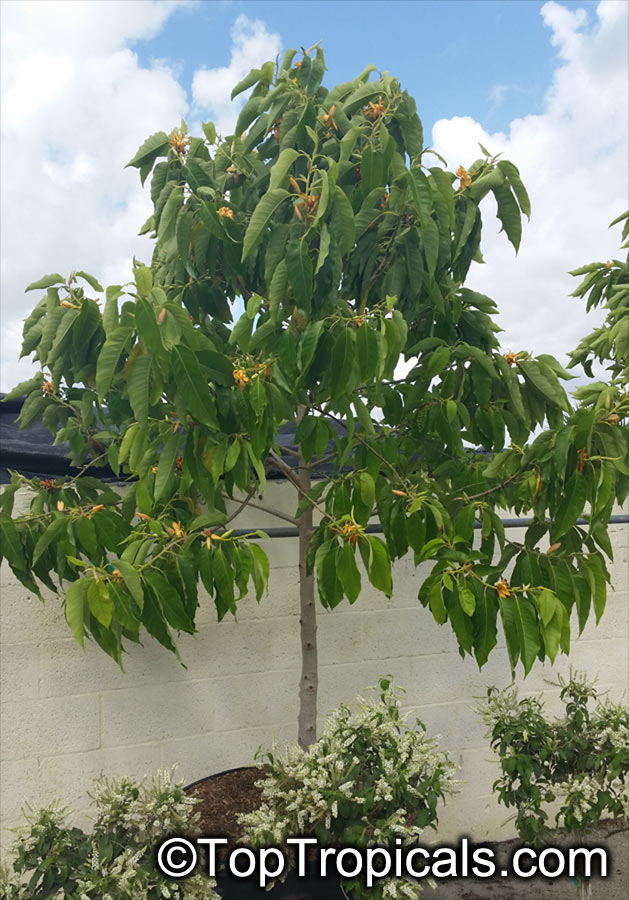
Large  Champaka  tree  in  container

Photo above: Magnolia champaca - Joy Perfume Tree in 25 gal container.

Date: 23 Jul 2025

Five best fruit trees to plant in Summer

James Coconuts and Bob introducing Five best fruit trees

🌳 Five best fruit trees to plant in Summer


☀️ Summer might be scorching, but it’s actually a great time to plant fruit trees that love the heat. If you've got sunshine and a little space, these five tropical picks will reward you with fresh, homegrown fruit - some you’ll never find in a store!

1.🥭 Mango - the King of all fruit, a must have in every garden. Fiberlress varieties only! You can't buy those in the store.

2. Avocado - a must have super-fruit in everyone's diet, grow your own!

3.🐲 Dragon fruit - heat tolerant easy plant with low water needs, sweet fruit-bearing cactus

4. 🍉 Guava - by far the most flavorful tropical fruit, great for Summer drinks

5. 🍐 Black Sapote - fast growing, heat- and flood-tolerant, fruit tastes like chocolate pudding

📚 Learn more from previous posts:
🟡10 best fruit trees to grow in Florida and Southern landscapes
🟡Top 10 fast-fruiting trees
🟡Top 10 fruit you'll ever need for your health benefits

🛒 Explore the finest rare tropical fruit trees

#Food_Forest #Discover

🟢 Join 👉 TopTropicals