Garden Blog - Top Tropicals

Date: 7 Aug 2025

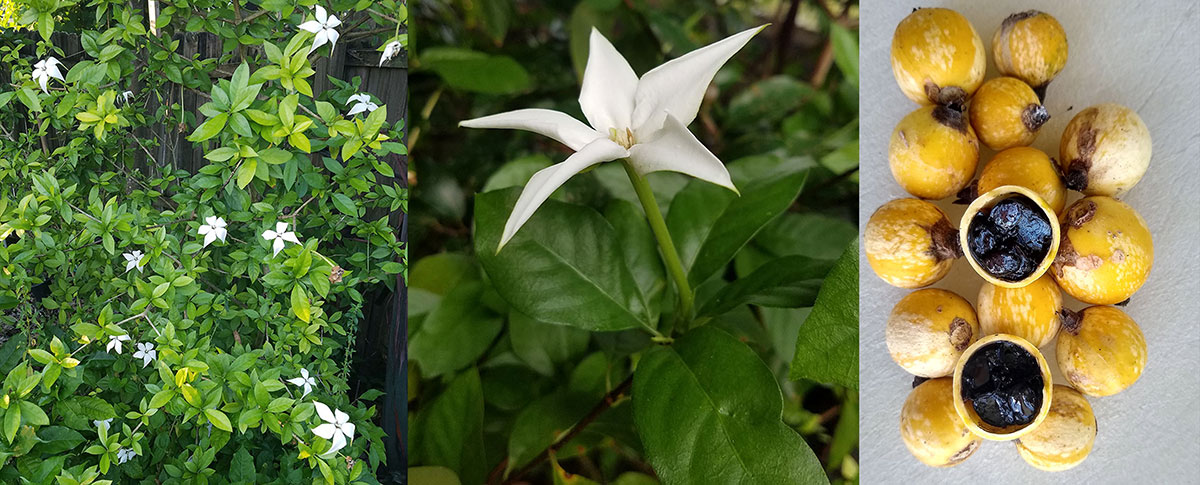
Randia  formosa  shrub  in  bloom  with  white  star-shaped  flowers,  close-up  of  single  bloom,  and  ripe  yellow  fruit  with  black  pulp  that  looks  like  blackberry  jam

Randia formosa - Blackberry Jam Fruit Tree with Flowers and Ripe Fruit

You know how some plants just surprise you?

That's Randia formosa - the Blackberry Jam Fruit Tree. At first, it just looks like a cute little gardenia-type shrub. Glossy leaves, sweet white flowers. Nice enough. But then the fruit shows up… and you crack one open and go, “Wait - this tastes like jam?!”

And not just any jam - like real, fresh blackberry jam. No sugar, no cooking. Just soft black pulp inside this golden little fruit. It's weirdly satisfying. One of those things you make everyone taste just to see their face.

What's even cooler is how easy it is. This thing starts blooming and fruiting when it's barely 2 feet tall. You can grow it in a pot on your porch, or even inside if it gets enough light. And while most of your other plants take the winter off, this one keeps going - flowers, fruit, the whole show.

If you've got a spot with filtered light and a little curiosity, it's absolutely worth a try. Honestly, it's just… fun.

This rare South American evergreen shrub checks all the boxes: fragrant, compact, easy, and edible.

✅ Grows in pots ✅ Indoors ✅ Small yards

Randia formosa – Blackberry Jam Fruit Tree – FAQ

What is Randia formosa?

Randia formosa, also known as Blackberry Jam Fruit or Jasmin de Rosa, is a compact tropical shrub that produces fragrant white flowers and small yellow fruits filled with soft, black pulp that tastes remarkably like blackberry jam. It belongs to the Rubiaceae family, the same as Gardenia and Coffea.

Why gardeners love Randia

  • Delicious jam-flavored fruit – no sugar needed.
  • Compact grower – perfect for patios and indoor spaces.
  • Fast results – blooms and fruits within 1–1.5 years.
  • Big yield in a small pot – 25–30 fruits at once!
  • Fall–Winter performer – keeps going when others stop.
  • Kid favorite – fun to grow, fun to eat.

What does the fruit taste like?

The pulp inside the fruit tastes just like fresh blackberry jam - sweet, tangy, and rich. It is edible fresh, without any processing or sweeteners, and is loved by both kids and adults.

How big does the plant get?

In the ground, Randia formosa typically reaches 4 to 5 feet tall. In containers, it usually stays smaller, around 3 to 4 feet, making it perfect for small gardens, patios, or indoor growing.

How soon will it fruit?

Very quickly! This is one of the fastest fruiting tropicals. Plants begin to flower and produce fruit within two years from seed. Еstablished plants in 3 gallon containers may begin fruiting at just 2 feet tall.

Does it need full sun?

No. It actually prefers filtered light or partial shade, especially in hot climates. Leaves tend to look healthier and greener when grown in dappled light.

Can I grow Randia formosa indoors?

Yes! Its compact size and shade tolerance make it an excellent choice for bright indoor spaces. Just be sure to provide good air circulation, high humidity if possible, and avoid cold drafts.

How cold-hardy is it?

Mature plants can tolerate temperatures down to about 26F for short period of time, but young plants are more sensitive and should be protected from frost. It is best grown outdoors in USDA zones 9b and up or kept as a container plant that can be brought indoors in winter.

What kind of soil does it need?

Randia formosa requires acidic, well-draining soil. Avoid alkaline soils, which may cause leaf chlorosis (yellowing with green veins).

How often should I water it?

Keep soil evenly moist but not soggy. It is sensitive to overwatering, especially in cooler weather. During winter, reduce watering. Underwatering may cause sudden leaf drop - but the plant usually recovers quickly once watered again.

What fertilizer does it need?

Yes. Use a slow-release fertilizer formulated for acid-loving plants. Regular applications of micronutrients (especially iron and magnesium) help prevent chlorosis. Foliar sprays can also be helpful. Apply Sunshine C-Cibus Booster or Green Magic controlled release fertilizer to keep your plant happy: Blackberry Jam Fruit is a heavy feeder!

When does it flower and fruit?

This plant can bloom and fruit for several months, often from summer through winter. It is known to bloom off-season, making it a fun and productive plant when others are dormant.

Are the flowers fragrant?

Yes, the white star-shaped tubular flowers have a light, sweet fragrance, similar to gardenias but less intense. The flowers open at night.

Is it self-pollinating?

Yes. A single plant can set fruit on its own, although insect activity can improve fruit set.

Are there any common problems?

The most common issue is chlorosis, which shows up as yellowing leaves with green veins - usually due to overwatering, poor drainage, or alkaline soil. It's fixable with acidification and micronutrients. The plant may also drop leaves suddenly if underwatered but tends to bounce back.

Is this plant related to Gardenia?

Yes. It is in the same plant family (Rubiaceae) as Gardenia and Coffee. That's why the flowers look similar and why it tolerates similar care needs.

Can it be used for bonsai or miniature tree styling?

Yes, due to its slow growth and branching habit, Randia formosa can be shaped into a miniature tree form and is quite attractive when trained.

Is it drought-tolerant?

Once established, it shows moderate drought tolerance. However, young plants need regular watering and are more vulnerable to drying out.
Read Garden Blog about Blackberry Jam Fruit

Get your Blackberry Jam Fruit

Date: 1 Aug 2023

Yuca Fries Recipe

Food from your garden

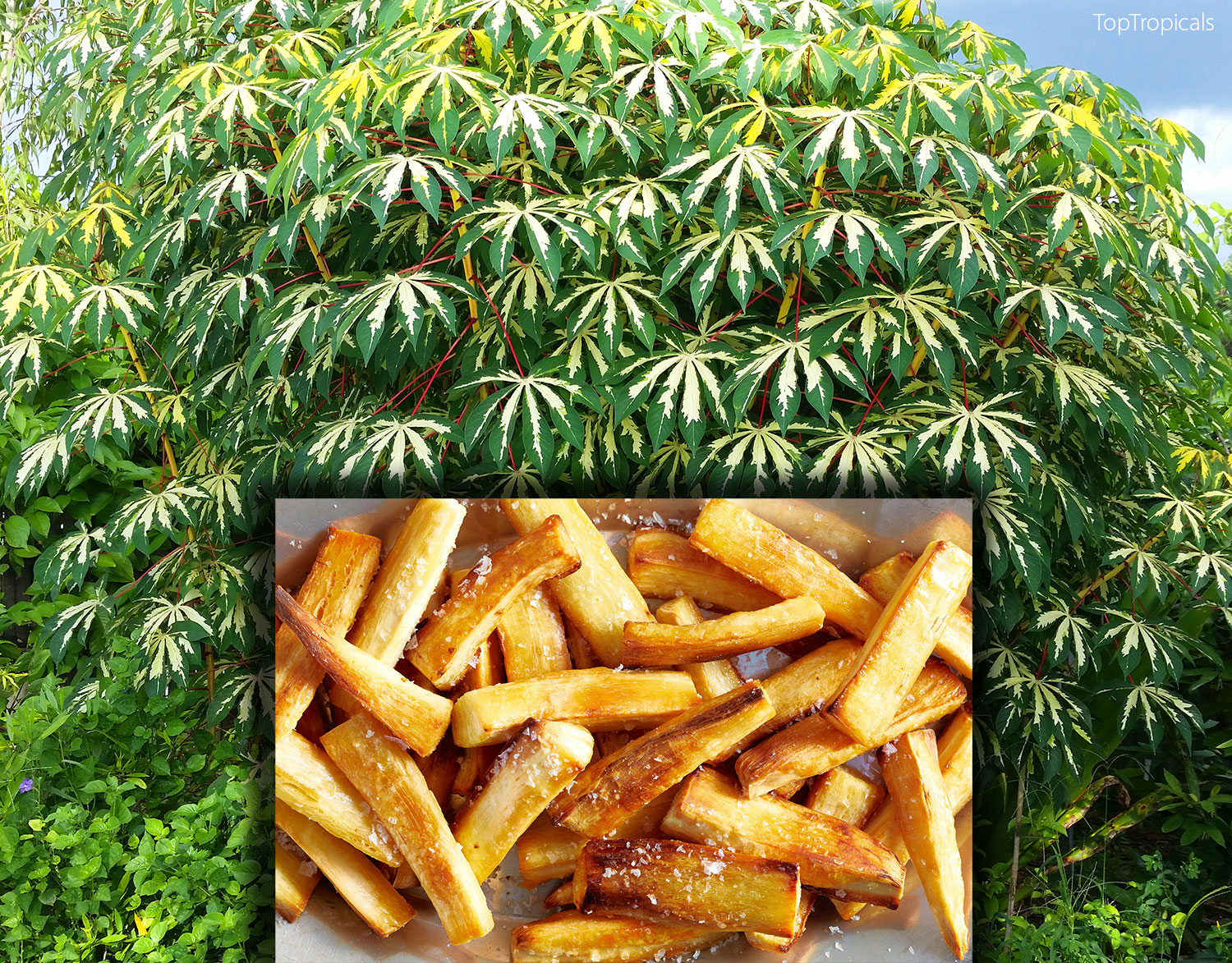
Yuca  root  fries  recipe

Ingredients:

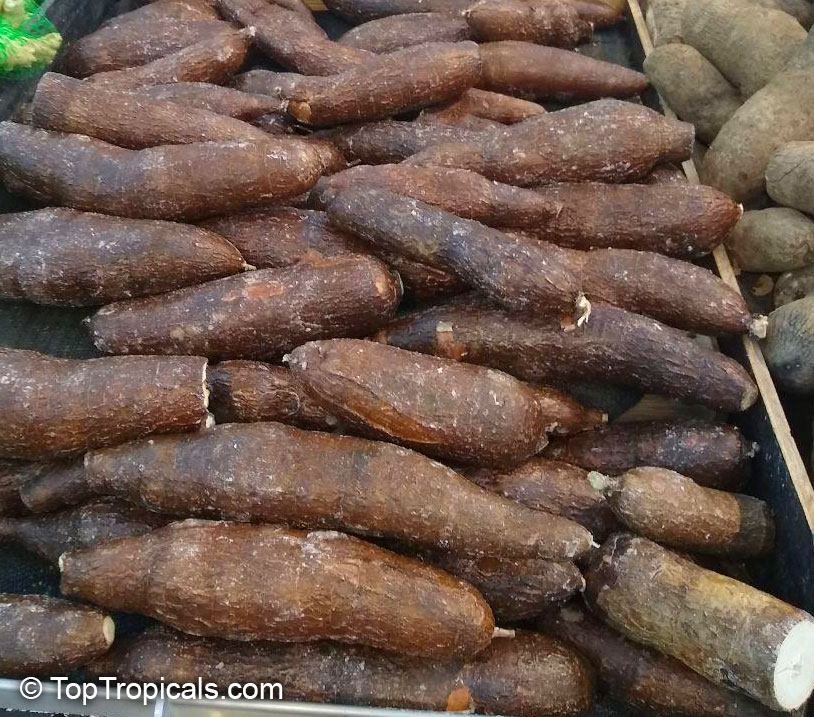
1 medium-sized Yuca Root
2 tablespoons olive oil
Salt, to taste
Optional: spices or herbs of your choice (paprika, garlic powder, cayenne pepper, etc.)

Instructions:

Prep the Yuca: Peel the Yuca root with a sharp knife and remove any fibrous parts. Cut the Yuca into evenly sized sticks or fries.

Boil the Yuca: Bring a pot of salted water to a boil and add the Yuca fries. Cook for about 10-15 minutes until the fries become tender but not mushy. You should be able to pierce them easily with a fork.

Drain and Cool: Drain the boiled Yuca fries and let them cool for a few minutes. Preheat your oven to 425F during this time.

Seasoning: Toss the slightly cooled Yuca fries in olive oil, ensuring they are evenly coated. Add a pinch of salt and any additional spices or herbs you prefer for added flavor.

Baking: Arrange the seasoned Yuca fries in a single layer on a baking sheet lined with parchment paper or aluminum foil.

Bake: Place the baking sheet in the preheated oven and bake the Yuca fries for about 25-30 minutes, flipping them halfway through to ensure even browning.

Serve: Once they turn golden and crispy on the outside, take the Yuca fries out of the oven. Serve them hot as a delicious and unique alternative to regular fries. You can enjoy them as a side dish with your favorite dipping sauce or as a snack on their own.

These Yuca fries are not only tasty but also a great way to introduce friends and family to this delightful tropical root vegetable! Enjoy your yuca-culinary adventure!

Manihot  esculenta,  Yuca  Root,  roots

Date: 27 Jul 2023

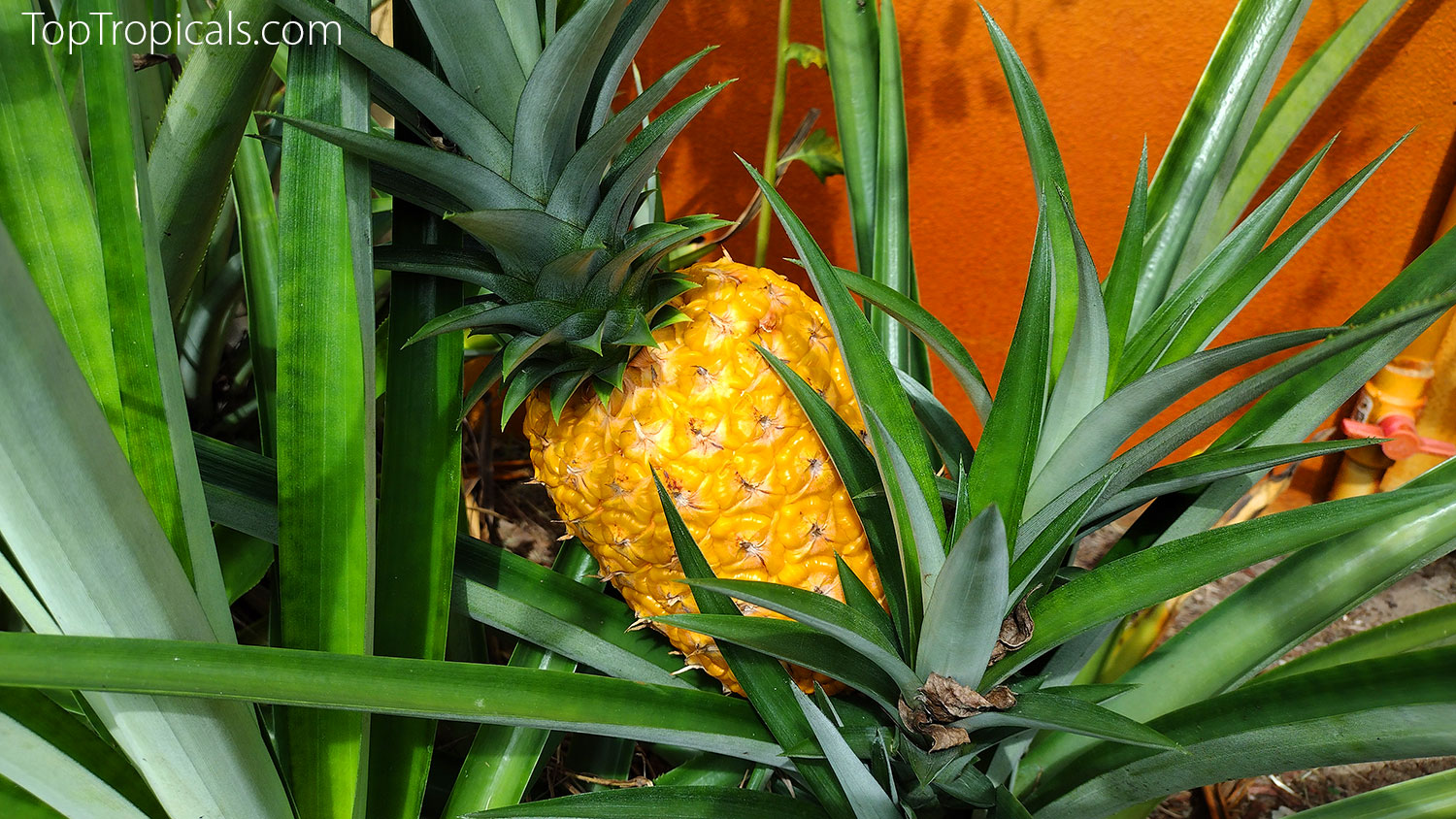
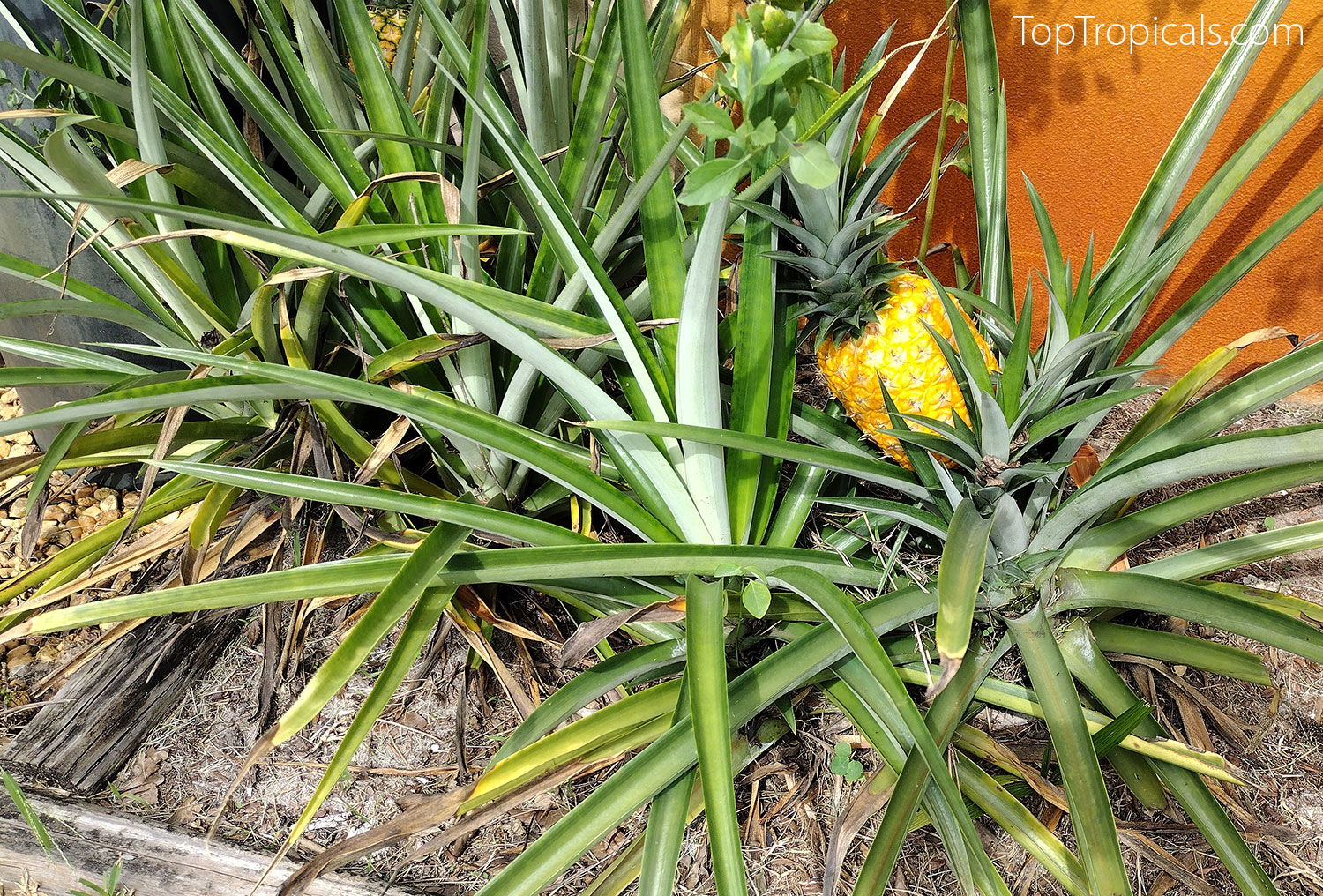
Top varieties of pineapples

Pineapple

Q: I want to grow my own pineapples, which varieties do you recommend for the best production? Do I need any special organic fertilizer?

A: Growing your own pineapple is pure bliss. Watching the transformation from a small crown into a luscious fruit is immensely rewarding. Every tropical gardener should experience the joy of growing this tropical gem and relishing its sun-kissed sweetness straight from the garden. Pineapples are easy to grow and can fruit in containers too, so if you live in a colder climate, no problem! They will take very little space in your greenhouse or sunroom. Just remember to feed your pineapple plants with Sunshine Boosters so they will feed you the biggest and the sweetest fruit! Sunshine Boosters are natural, organic-amino-acid based plant nutrients that are perfect for any edibles.
There are several varieties of pineapples in commercial cultivation. Below are the most interesting cultivars. Discover the pineapple paradise!

Elite Gold: Bursting with tropical flavor and vibrant gold flesh, Elite Gold dazzles with its unique taste and ornamental beauty.

Florida Special: Perfectly balanced sweetness and acidity, this variety thrives in warmer climates, gifting you a taste of Florida's sunshine.

Sugar Loaf: Irresistibly sweet with a hint of citrus, Sugar Loaf's compact size makes it an ideal choice for container gardening.

White Jade (Spineless Sweet): Exceptionally sweet and without spines, White Jade pampers you with a delectable, thorn-free harvest.

Lava Burst (Burgundy Variegated Rainbow): This visually stunning ornamental pineapple variety boasts striking burgundy and green leaves, resembling a rainbow of colors. Its fruit edible but small; its exceptional beauty adds a touch of exotic elegance to any garden or indoor space. Lava Burst is a delightful conversation starter and a captivating addition to your plant collection, making it a favorite among pineapple enthusiasts for its aesthetic appeal.

Embrace the sense of accomplishment and the satisfaction of savoring homegrown, mouthwatering pineapples - nature's sweetest gift!

Read more about Pineapples: The most luscious Hospitality Fruit.

Pineapple

Date: 6 Feb 2023

Cat Zodiac
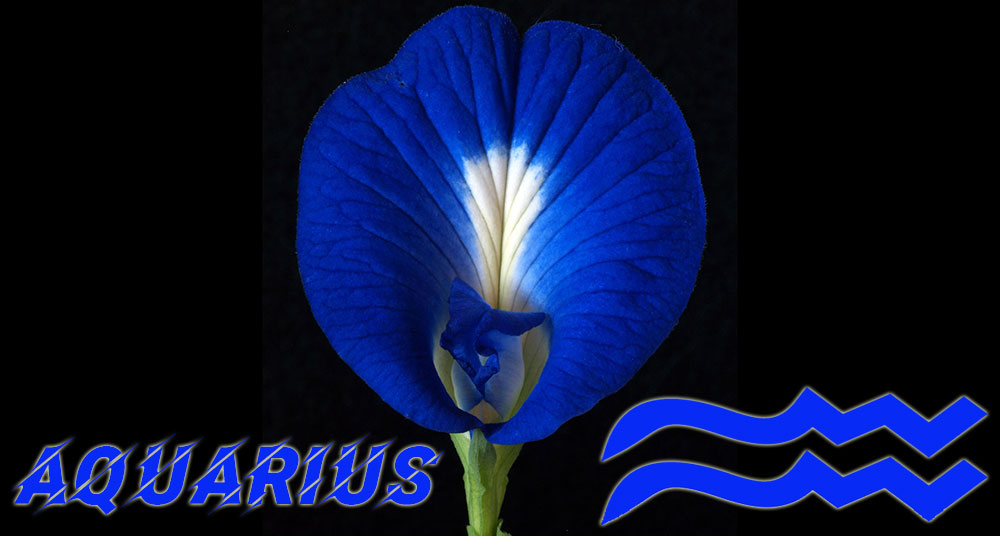
Aquarius Cats 1/20-2/18

Aquarius  zodiac  cat  laying  on  a  bed  with  pillows

By Alex Butova, the Witch of Herbs and Cats

The astrological sign of a cat can be determined by either their date of birth or adoption, as adoption is often considered a second birth for cats. With this information, one can discover the astrological traits that describe the cat, such as their independence, diva-like tendencies, sense of humor, intelligence, and more. Additionally, it's also important to consider the astrological relationship between cats and plants...

The Aquarius cat is a very popular purrson. These cats have a unique ability to form a network of friends and allies, not just among other cats, but also with dogs, koi-koi fish in the ponds, goldfish in aquariums, parrots, and other pets and creatures in the neighborhood. The humans in their lives are also fully integrated into this pack, and the Aquarius cat takes great pride in being a central figure and leader within this community. They view themselves as the "Sheriff of the regional district," commanding respect and authority among their fellow creatures, humans including...
...Tired of the hustle and bustle of society, Aquarius cats often seek out secluded places surrounded by tall grass and fragrant plants, which can even be a simple pot with your favorite plant...
CONTINUE READING >>

Aquarius  zodiac  cat  laying  on  a  bed  with  pillows

Date: 2 Jun 2022

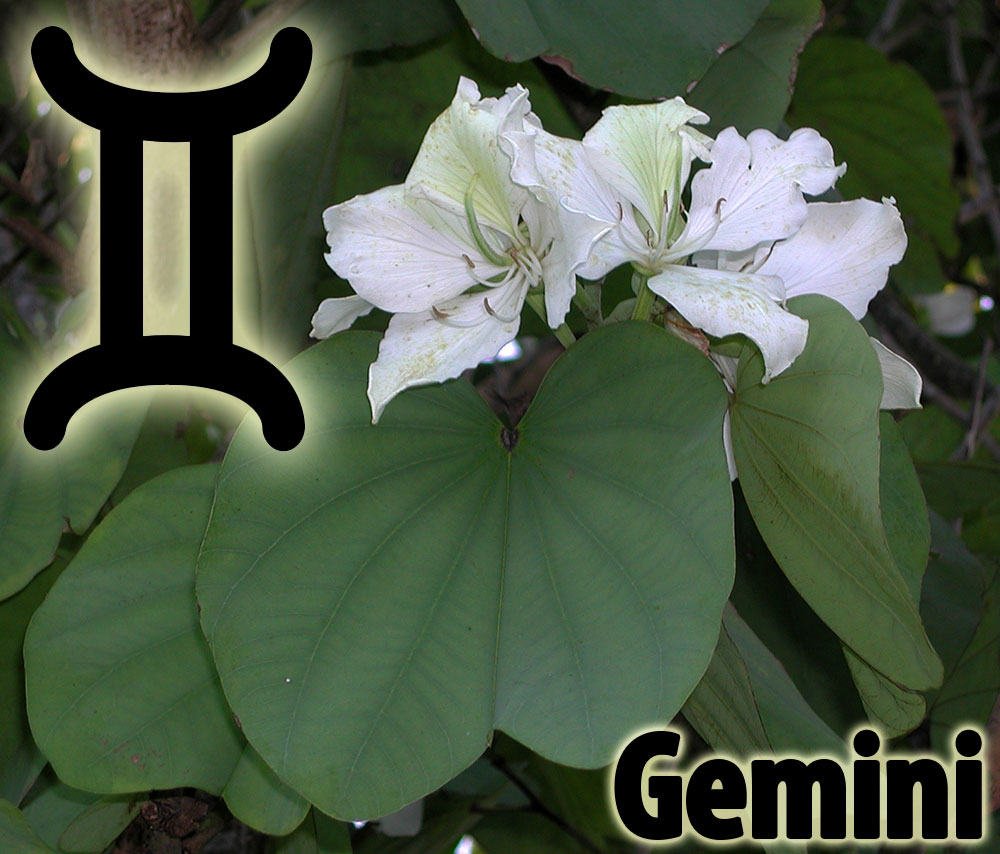
Plant Horoscope - Gemini

What is your lucky Zodiac plant?

Plant  Horoscope  -  Gemini

By Alex Butova, the Witch of Herbs and Cats

... Gemini are very fond of plants, especially flowers. They are able to devote their lives to favorite plants, selecting new varieties, planting gardens, parks and arboretums. In addition, the planet-ruler Mercury gives them with business ability - Gemini are excellent flower merchants of any level: from flower growers who sell their plants to everyone, to wholesalers who supply their delicate fragrant goods around the world. In their house, Gemini do not keep too many plants, they have enough of those that grow outside in their nursery and garden. However, among those who nevertheless became piece of the family (exactly this way Gemini perceive their house plants), preference is given to graceful forms, pubescent and curly, like Farfugium, Monstrous epyphyllum, often carved leaves (Monstera) and plants with aroma. All these properties not only improve the physical well-being of Gemini, but also helps save the spiritual and mental balance of their contradictory but all while tender and romantic nature. Gemini don't care about common spices, they love unusual plants and especially those with a sweet scent. Their favorite aroma is rose and similar, like fragrances of Clerodendrums, Jasmines, Gardenias, Plumeria, and Brunfelsia. At critical moments sweet scents awaken them into the life!..