Rare Orchid Tree you may never find again and everyone wants
Bauhinia madagascariensis - Red Butterfly Orchid Tree
🌺Rare Orchid Tree you may never find again and everyone wants
🌺 Bauhinia madagascariensis, the Red Butterfly Orchid Tree, is one of the most dazzling flowering trees you can grow.
🌺 Its scarlet blooms open like bright butterflies, each petal painted with a golden stripe at the base. When in full bloom, the tree looks alive with fluttering wings.
🌺 It's fast-growing, can be kept as a small tree or a large bush, and thrives in full sun. A rare orchid tree species and a true collector’s prize. Grow it in a pot or in the ground.
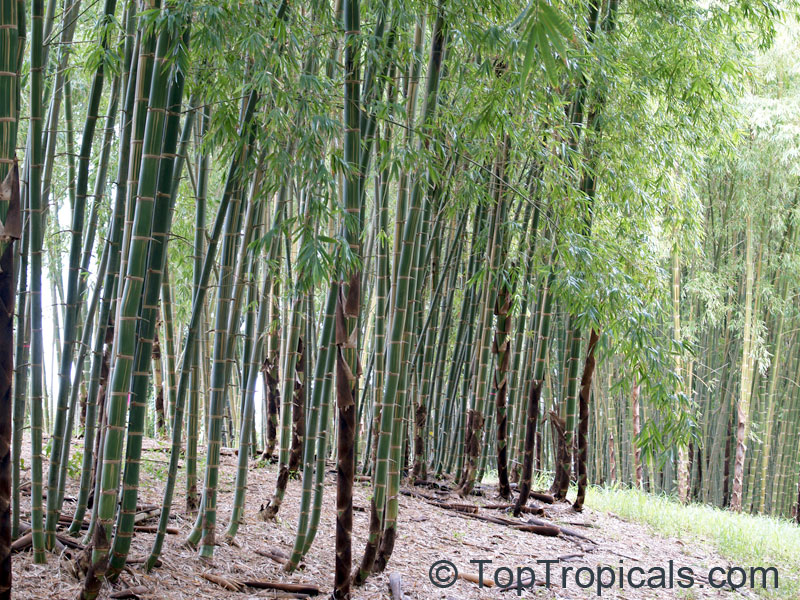
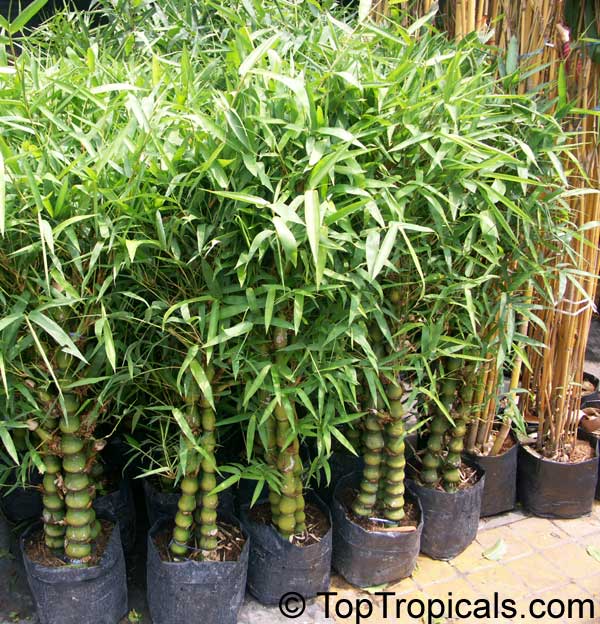
Q: When do you fertilize new bamboo trees and can you use the
same fertilizer you use for mango trees?
A:Bamboo is a tropical to subtropical plant with growing season
year-round. You can start fertilizing it right away with the exception of colder
months when temperatures drop below 65F.
Mango fertilizer is formulated for fruit trees, so bamboo won't benefit
from it. Bamboo is not a fruiting plant and is not even cultivated for
flowers. Its beauty is in healthy green foliage and beautiful stems. So you will
need foliage-type of fertilizers for it.
Remember to always use micro-elements that are essential for every green plant.
Date: 16 Jun 2019
Repotting Artocarpus with a taproot in ground
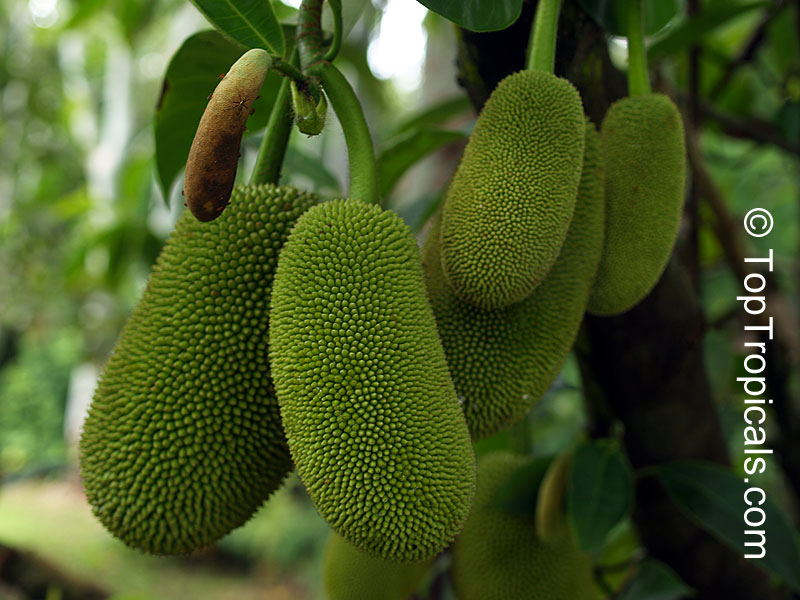
Q: The Chempedak I bought from you almost 3 years ago which I had
repotted twice has a thick taproot growing in the ground, which I noticed
this past winter. I was going to repot into the largest size pot almost half of
a 55-g rain barrel. Can I try to dig/save as much of the taproot before
repotting, will it die if I had to shorten/cut what I can't dig out completely? I
hate to put it in the ground for fear it may not make it when we have severe
cold/long hours of frost. I live in west Cocoa, Central Florida, 9b.
A: Yes, you can repot the tree and keep it in reasonable size
container after trimming the roots. Most of the tropical trees (fruit trees not
an exception) can be grown in containers even if in Nature they grow into
vigorous large trees. The key is, trim the roots every time you transplant it.
The process is similar to trimming branches and both don't hurt the plant as
long as done right and moderately. You should trim the overgrown and spreading
limbs at the same time. You may trim as much as 10% off root system at the
time of repotting. This will cause the root system to branch out and become
fuller, similar to branches, which is a good thing.
If a tree grows a taproot like in your case, it is not necessary to try
"saving" and digging out the whole root that may go down for a few feet. You may
cut it off without major damage to the tree since the rest of its root
system will continue to support the plant metabolism. Just keep in mind that the
plant will be stressed for a while - so put it in bright shade and water
regularly until signs of stress go away (wilted or dropping leaves may occur).
This particular type of tree - Artocarpus - is pretty strong and vigorous so the stress should be
minimal.
Date: 9 Mar 2026
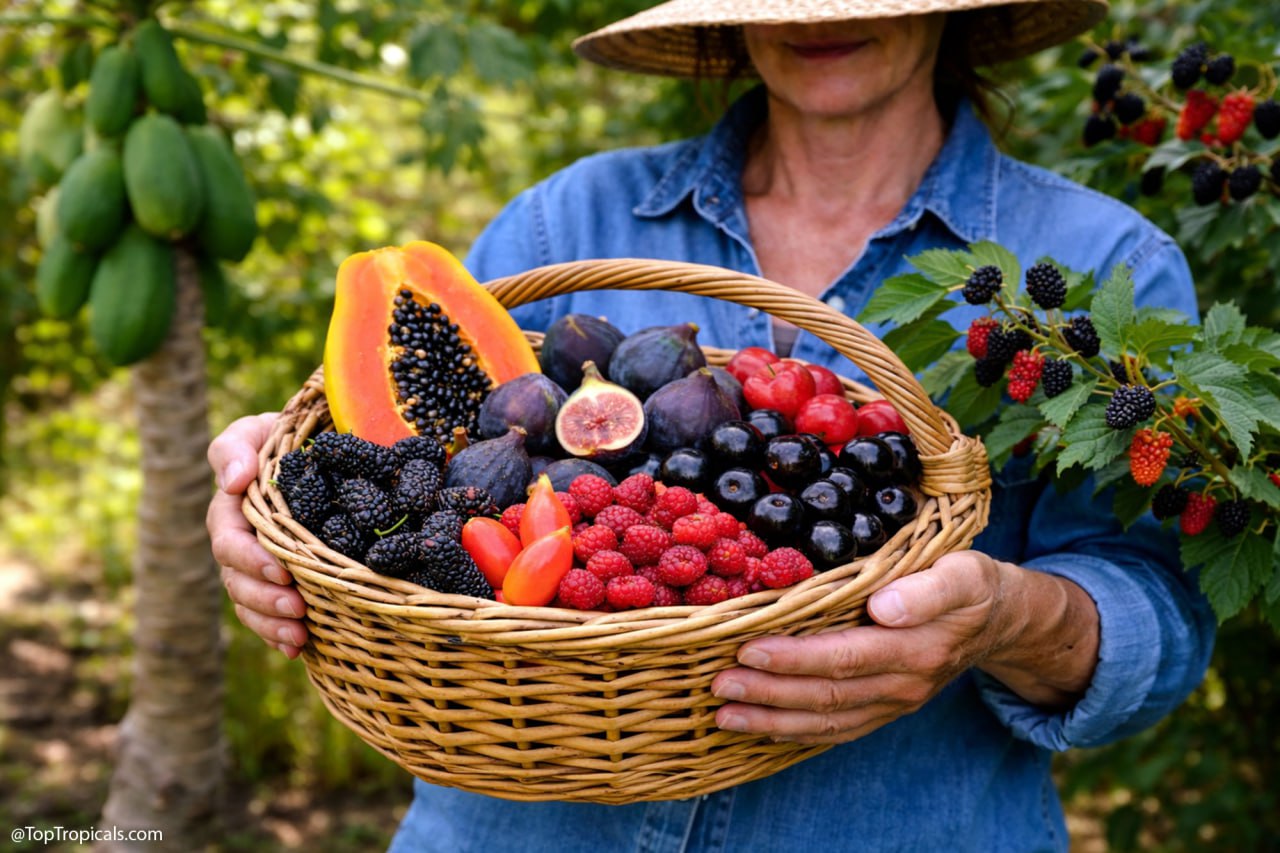
Dont Wait Years: 8 Fruit Plants You Can Harvest the Same Season
Don't wait years for fruit! Harvest papayas, berries, figs, and more in the very same season you plant them with these fast-growing varieties.
Don't Wait Years: 8 Fruit Plants You Can Harvest the Same Season 🍒
Growing fruit at home usually requires years of patience. Most gardeners view fruit trees as a long-term investment that may not pay off for a decade.
But you don't have to wait.
Certain tropical and subtropical plants are "fast-track" growers. In warm climates like Florida, choosing the right varieties means you can see flowers and fruit within months of planting - often in the very same season.
If you want a backyard harvest without the wait, here are the fastest-producing fruits you can plant today.
A compact shrub perfect for containers. It produces star-shaped flowers and dark purple fruit that tastes exactly like blackberry preserves. Established plants often fruit in their first season.
This fast-growing large shrub produces orange pulp with the uncanny flavor and texture of peanut butter. Expect flowers and bright red berries within months of planting in warm conditions.
The "giant herb" of the fruit world. Papayas are legendary for their speed, often flowering just months after planting and providing sweet, vitamin-rich fruit within the same year.
The 'Lolita' cultivar is a game-changer. It grows quickly as an edible hedge and produces nearly black, resin-free fruit that is significantly sweeter than the common red varieties.
Unlike traditional berries that require chill hours, these Rubus species thrive in the heat. Their vigorous canes grow rapidly, often fruiting the same season they hit the soil.
Mulberries are incredibly generous. Everbearing varieties produce sweet berries over an extended window and often begin fruiting the very first year they are planted.
Figs are the champions of container gardening. They are highly drought-tolerant and famous for setting honey-sweet fruit even at a very young age—often just months after being established.
📷 Freshly picked tropical fruit bounty: don't wait years for fruit! Harvest papayas, berries, figs, and more in the very same season you plant them with these fast-growing varieties.
10 plants that can make you happy.
3D garden ideas.
3D garden ideas. Q: Can you make my yard bigger and prevent it from freezing?
A:Yes, we can make your backyard bigger by adding a 3rd dimension - trees as a upper level, shrubs as a second level, vines in between, low growing perennials below them. Add ground covers and potted plants as separate specimens in between in-ground planted trees and shrubs. One more separate dimension is orchids and other epiphytes that happily grow on the trees. This multi-level structure will allow you not only collect so many plants, but also maintain them in a natural environment, similar to how they grow in a wild.
As far as preventing from freezing - it depends. You can use greenhouse, cover plants, create microclimate under large canopies, etc. Some tropical plants are tolerant to light frost, once established. If it gets below freezing in your area for more than a few hours, and especially if you have numerous nights with frost throughout winter, we recommend to keep plants in pots (BTW, this way you save space and can collect even more!). Pots can be moved to protected area during cold nights. The more established the tree, the more chances to survive colder temperatures. You may also use propane heaters during cold nights.
We also use plant booster SUNSHINE boosters to increase plants cold tolerance.
Cold protection is a lengthy subject. Here is some more information on cold protection.
Also, we recommend to check out our magazine Tropical Treasures (about pushing the limits of tropical gardening) for a detailed article on cold protection.
These are specific articles on Zone-Pushing in different issue #s regarding dealing with cold. See downloadable issues:
(#1) Growing Tropicals in Nontropical Climate, Three Freezing Nights in Southwest Florida
(#2) Temperature drops - an alert or a rehearsal?
(#5) Dealing with cold snaps, Cold hardy beauties
(#7) When winter is around the corner, Growing exotic Cordyline in colder climate
(#8) When the weather outside is frightful
(#9) Winter champions
(#11) Ready-for-winter checklist for in-ground plants
(#13) Winter checklist
(#18) Dealing with cold damaged plants
You may also order hard copies.
If temperatures drop below freezing in your area, remember to add Heat Pack to your order!
10 plants that will make you happy.
Everyone wants to be happy. Did you know that growing plants is not only fun but can also make you happy? In our new series we will introduce to you 10 plants for your tropical collection that will make you happy.
Visit our Facebook, YouTube Channel and stay happy!