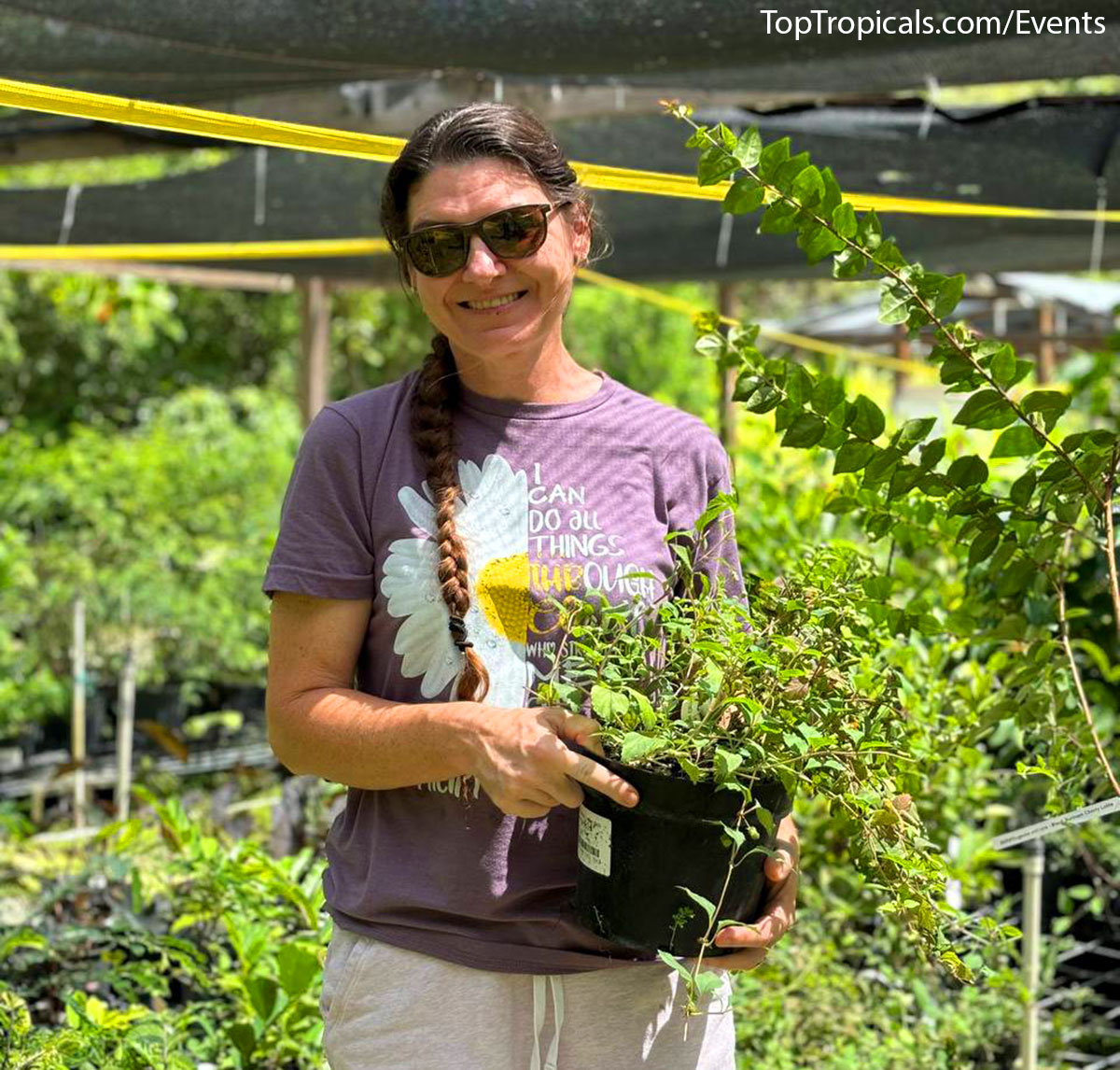
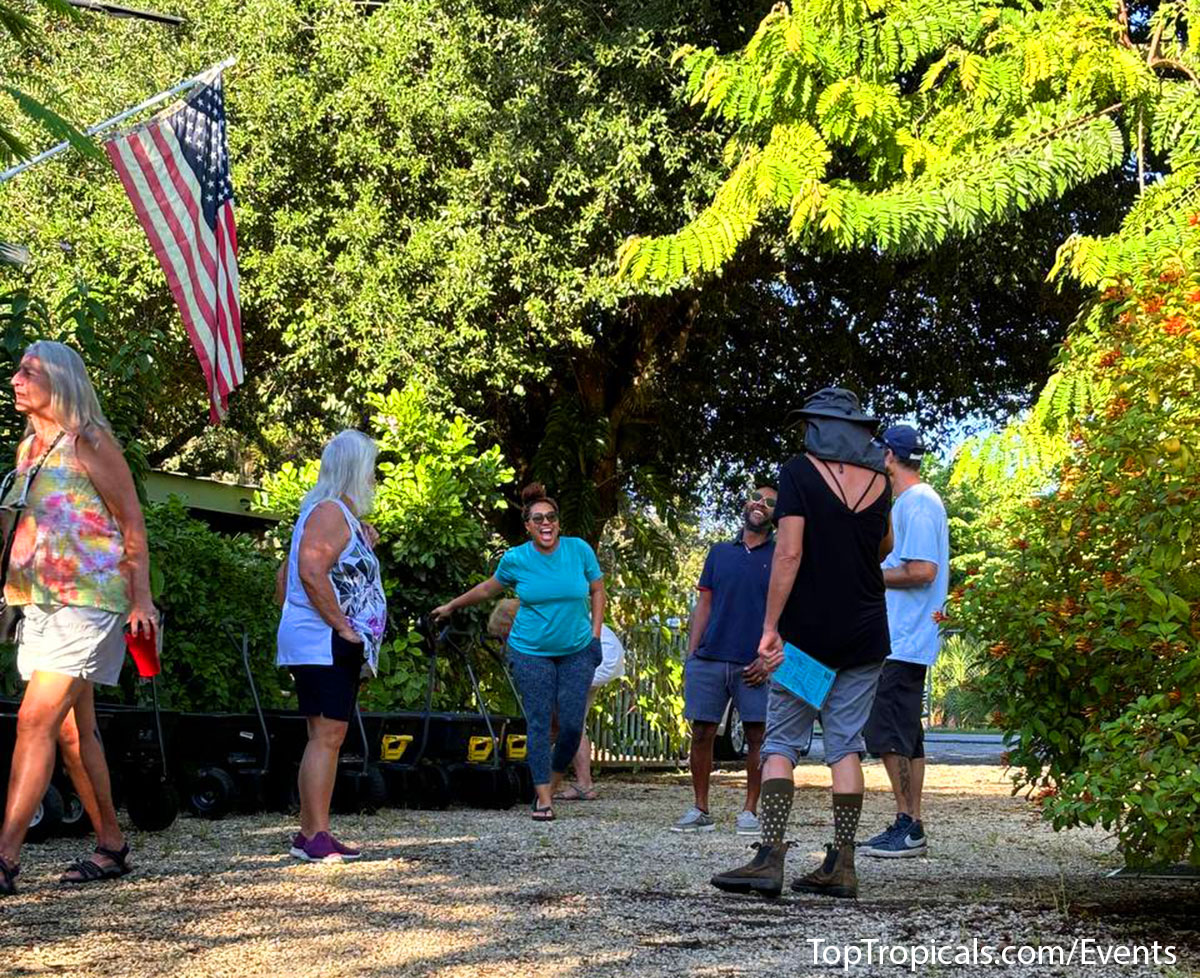
A big thank you to everyone who came to our Fall Plant Market! last Saturday! We had a fantastic time, and we hope
you did too. It was a day filled with fun, plants, and smiles all around.
Check out these happy moments captured during the event! If you spot your friends in
the photos, feel free to share the joy and forward the pics to them.
We can't wait to see you again at our December Holiday Market. Stay
tuned for more details!
The first 25 customers received the most beautiful handcrafted gift
bags, made with love by Kristi and Onika, which added an extra special touch
to the day!
Date: 10 Sep 2024
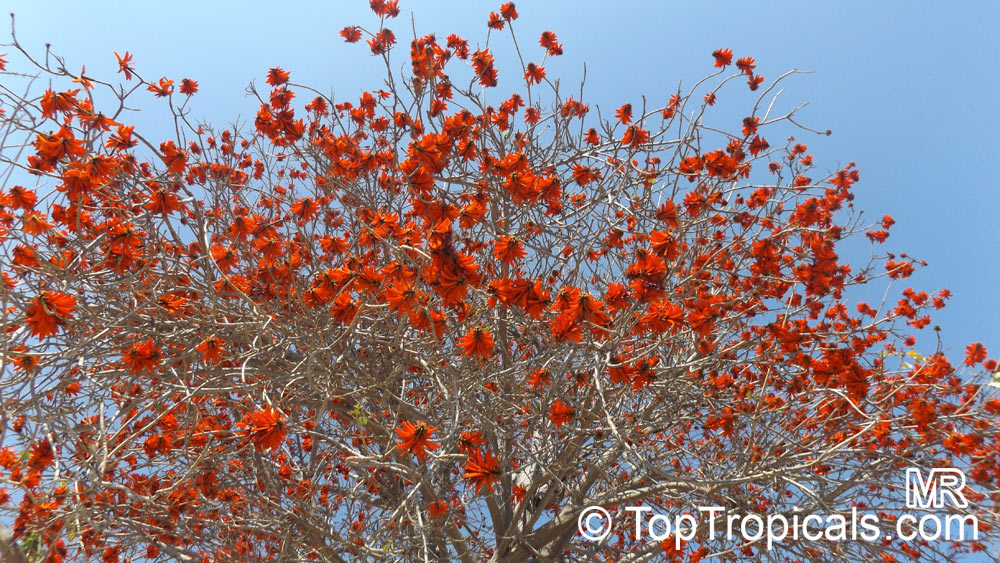
Discover Coral Trees - Erythrinas
the brightest flowers of the Tropics
Q: What tropical tree do you recommend that has a
small size and bright showy flowers, specifically red? I love red flowers,
they are the most beautiful!
A: Erythrinas are small trees with a legendary
beauty and are often considered a symbol of exotic allure. They bring a touch
of the extraordinary to a Southern landscape.
Vivid red blooms: striking, coral-red flowers that create a
breathtaking visual display.
Eye-catching: makes a stunning focal point with its bold and
vibrant floral clusters.
Fast-growing: quickly develops into a magnificent tree.
Unique branch structure: an interesting, sculptural form that
adds architectural interest even when not in bloom.
Pollinator magnet: attracts hummingbirds, bees, and butterflies,
supporting local wildlife.
Drought tolerant: withstands dry conditions once
established.
Adaptable: thrives in a range of soils, demonstrating
versatility and hardiness.
Low maintenance: requires minimal care.
The Erythrina tree is a must-have for any tropical garden, with its
stunning coral-red blooms and unique branch structure that add beauty year-round.
Fast-growing, drought-tolerant, and low-maintenance, this eye-catching tree
supports pollinators like hummingbirds and butterflies while thriving in a
variety of conditions. It's the perfect addition for those seeking a vibrant,
exotic touch to their landscape.
This Event will be featuring the largest selection of flowering and fruiting plants! Get unbeatable deals with plants starting at just $2, $5,
and $10. Plus, enjoy a free plant with every purchase, and if you're one of the first 25 guests to spend $50, you'll receive a special gift bag!
Our plants have grown big and beautiful over the summer, so don't miss this chance to fill your yard at fantastic prices. Bring friends and family, and let our friendly PeopleCats guide you around the garden. We look
forward to seeing you there!
Highlights of the event:
30% OFF online prices, one day only!
(excluding 15 gallon material and rare plants) Gift bags - for first 25 customers with $50 order $2, $5 and $10 plants Raffle Free plant with any purchase as a token of our appreciation
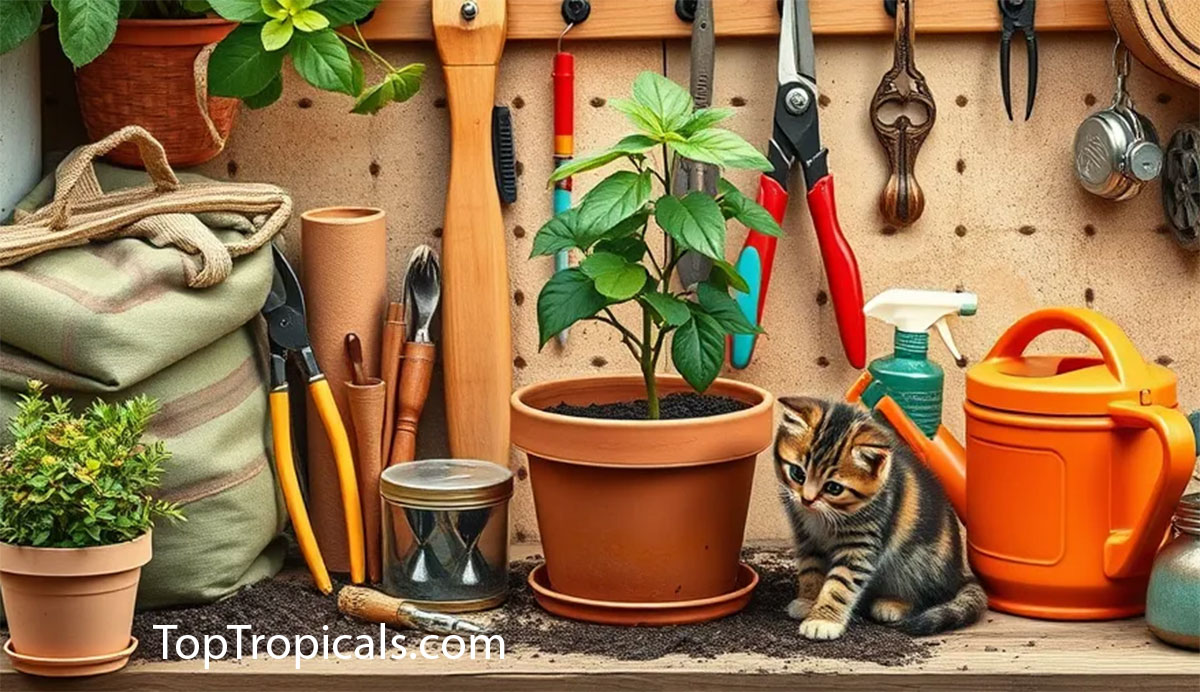
10 common mistakes to avoid
with mail order plants
Q: How to get happy and healthy plants from mail order? Will they survive the trip and grow well after
transportation? What mistakes should I avoid?
A: At Top Tropicals, we have over 20 years of
experience shipping plants. We know how to pack them properly and ensure the safest journey
possible. We ship the biggest and healthiest plants, and our customers are often
amazed at how great they look after a few days in a dark box. But receiving a healthy plant is
only half the adventure. Now that the plant is in your hands, it's up to you to keep
it thriving. The first couple of weeks after shipping are critical. With the
right care, your new plant can reward you with beautiful flowers and fruit for
years to come. Here are 10 common mistakes to avoid when buying plants by mail order.
1. Not unpacking plants immediately
Leaving plants in the box too long can cause stress or damage. Unpack them as soon as they arrive to let them
breathe and adjust.
2. Ignoring acclimation
Plants need time to adjust to their new environment. Don't place them in full sun or
extreme conditions (heat, wind) right away.
3. Overwatering right after arrival
Many people water their new plants too much. Plants often need time to recover from transit, and too much water can cause root rot.
4. Stepping up too soon
Repotting immediately in a large pot can cause root rot. Plant in a pot just the size of a root ball, step up only after the plant is showing new growth.
5. Ignoring the plant's needs
Research the specific needs of your plant before it arrives. Light, water, and soil requirements vary greatly, and misunderstanding them can lead to issues.
6. Placing the plant in the wrong environment
It's important to give your plant the right temperature, light, and humidity based on its natural habitat. We grow tropical plants. They
won't survive in areas with freezing temperatures.
7. Not trimming damaged branches.
Transit can cause minor damage to leaves or branches. Trimming these parts can help the plant recover faster.
8. Expecting immediate growth
Plants need time to adjust after the trip. Give them a chance to settle for a few weeks before expecting new growth or blooms.
9. Fertilizing too soon
Do not fertilize your plant right after arrival. Let it get established first - usually a few weeks - before adding fertilizer to avoid stressing the
plant.
10. Not checking for pests
Always inspect new plants for pests. Shipping stress can lead to infestations, so a close check is vital.
By avoiding these mistakes and following the planting instructions included with your order, you'll be on the right path to creating your tropical paradise. Take care of your new plant, and it will thrive, rewarding you with vibrant growth for years to come.
Four must-have herbal edibles for your instant Food
Forest
Q: What attractive and useful edibles or herbs
can I grow in my yard landscape without needing dedicated garden beds?
A: When we think of an "herb garden," parsley and
chives often come to mind -plants that aren't particularly showy and
typically require a dedicated vegetable garden, space, and regular maintenance.
However, creating a food forest in your yard doesn't have to be a complex
project. Useful edibles and medicinal herbs can also be exotic and beautiful,
enhancing the charm of your landscape. Here are some examples of unusual tropical edibles that are not only stunning ornamentals but also bring
delicious goodness to your kitchen.
1. For drinks: Jamaica Tea flower - Karkade
Hibiscus
Hibiscus
sabdariffa - Flor de Jamaica, Karkade Sorrel, Roselle, or Jamaica Tea flower
(Karkade Tea) - yes, many hibiscus species are edible!
- Flowers of Roselle hibiscus are used to make a tea "Agua de Flor de
Jamaica". To be exact, those are flower bracts around flowers and seed pods.
- Medical studies show that it lowers blood pressure and has diuretic
effects.
- The pleasant flavor is similar to a cranberry juice and it's so good, you
may not even want to add any sugar. We make this cold tea every day -
perfect for hot summer.
- Karkade Hibiscus grows into a large bush within just one season from
seed! Lots of flowers to harvest will last you the whole winter. It can be
treated as annual in cooler areas due to its fast growth and same-year harvest.
Thrives in full sun.
- Short video:
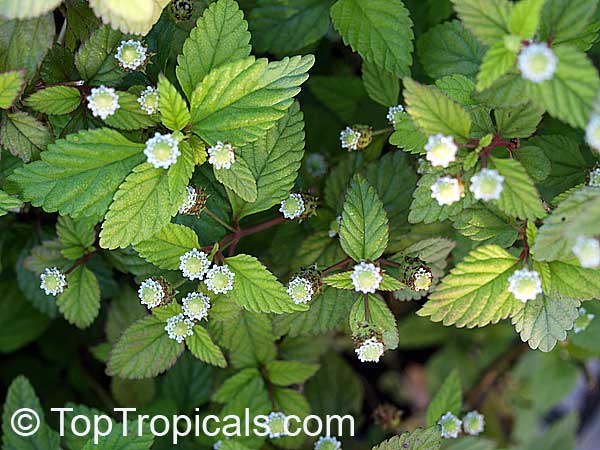
Lippia dulcis
- Aztec Sweet Herb, Sweetleaf is a wonderful fragrant groundcover.
- Fragrant Mexican herb with incredibly sweet and aromatic leaves.
- The fresh leaves can be eaten from the plant like candy or tossed into
fruit salads for an unusual addition, or used for making a healing tea.
- It has been used since the time of the Aztecs for coughs and colds.
- The sweetness tastes great, and can be used by diabetic patients. We add
this herb to Karkade or Mint tea as a sweetener, instead of sugar or
honey.
- Grows like a ground cover, in shade or semi-shade, great perennial
container plant.
3. For salads and stews: Longevity Spinach, or
Cholesterol spinach
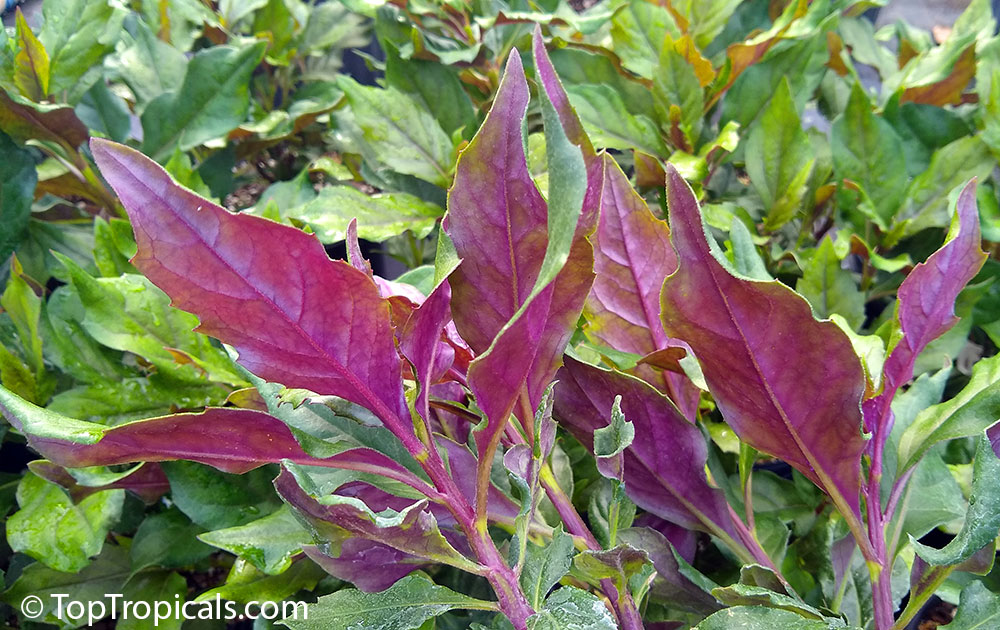
Gynura
procubens - Longevity Spinach, or Cholesterol spinach is a perennial spinach, and
once you plant it, you have it for many years, and can grow many more easily
from cuttings!
- Longevity Spinach is one of the Superfoods, and there are many claims
that it lowers cholesterol.
- We use Longevity Spinach in our cooking all the time and so far we are
all alive, so it works! :)
- Longevity spinach can be eaten raw in salads or cooked wherever you would
use a regular spinach.
- Grows as a large spreading herbal bush, in full sun.
- See some recipes with more pictures
4. For meat wraps: Vietnamese Pepper or Wild Betel
Leaf
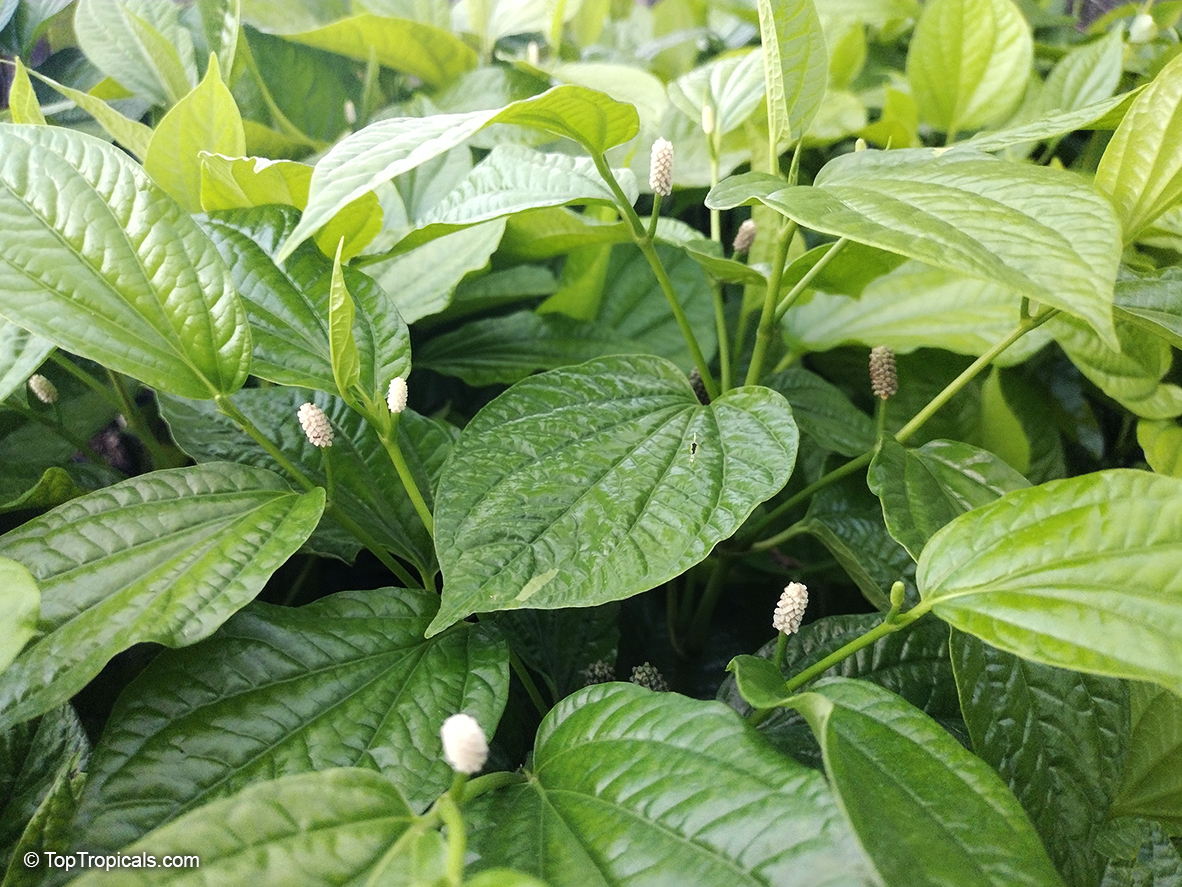
Piper
sarmentosum - Vietnamese Pepper, Lalot, Wild Betel Leaf, Chaa-plu adds wonderful
peppery flavor to meats and is great for wrapping meats and cooking in the oven,
on a stove or grill. We use it all the time, wrapping ground beef of turkey
and putting wraps on a grill or on a frying pan, very easy!
- Vietnamese Pepper leaves are eaten raw in salads or cooked with other
greens or dishes.
- The leaves are used as food wraps in Vietnam. It is used medicinally in
India and SE Asia.
- It is also chewed with Betel Nut as a tonic and medicine, very similar to
Betel Leaf (Piper Betel) which is very popular tonic in Indian culture.
- Vietnamese Pepper grows as a vining herbaceous shrub or ground cover, in
both sun or shade, and spreads with runners so you can have plenty if you
want to have more. Can be grown in container and indoors, too.
- Check out recipes of meat wraps for grilling