Garden Blog - Top Tropicals

Date: 19 May 2025

What fruit can reduce your blood pressure. Tropical fruit and plants that help keep blood pressure in balance

Tropical fruit that can reduce your blood pressure

Tropical fruit that can reduce your blood pressure

❤️ Tropical fruit and plants that help keep blood pressure in balance.
Part 1: What fruit can reduce your blood pressure?


💲 You don’t need to spend $$$ on doctors and medications to stay healthy and young. By eating right and adding a few powerful plants and fruits to your diet, you can naturally keep your blood pressure in check. Plant them today and harvest your own medicine tomorrow! And don’t forget - gardening itself is therapeutic! It keeps you active, reduces stress, and helps your whole body stay in balance.

💚 Tropical fruit that help reduce blood pressure:

  • Jackfruit (Artabotrys hexapetallus) - Contains potassium and magnesium, which help relax blood vessels and regulate blood pressure.
  • Guava (Psidium sp.) - Rich in potassium and fiber, supports vascular health and may help lower blood pressure.
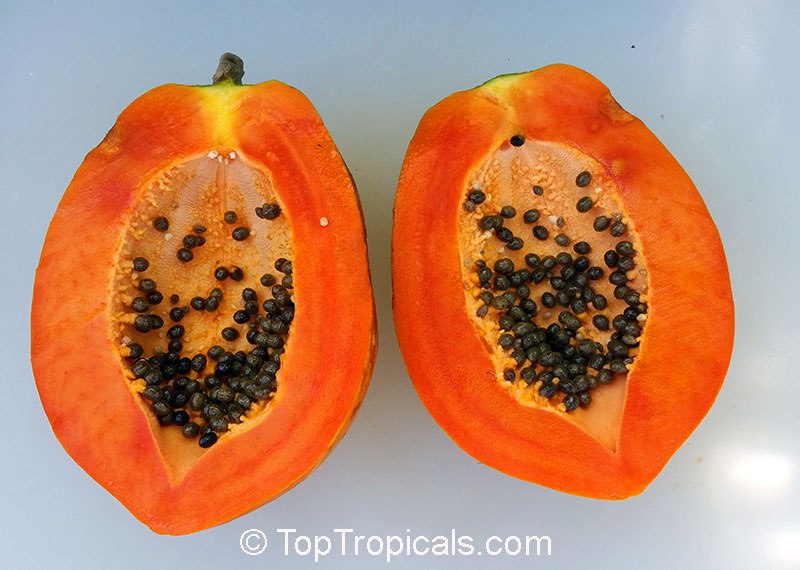
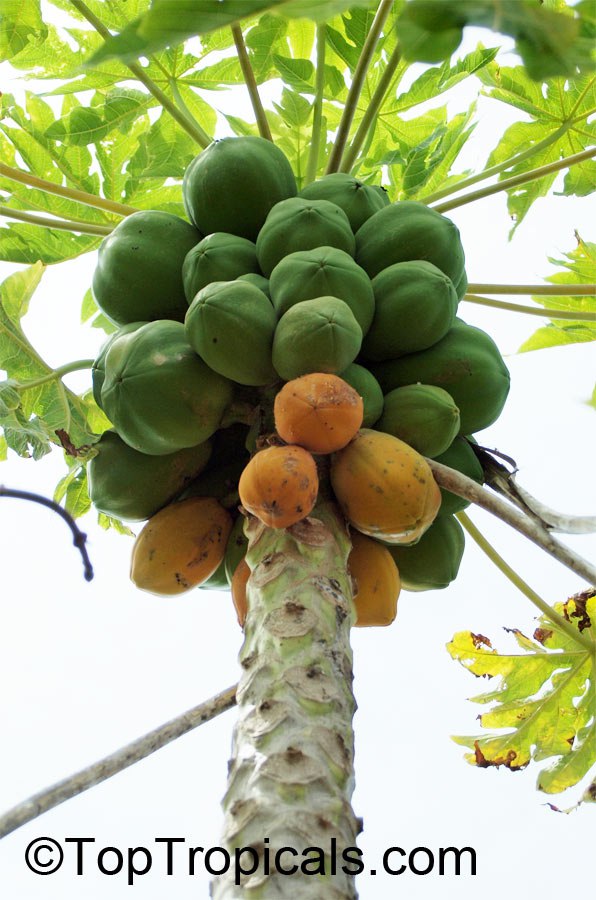
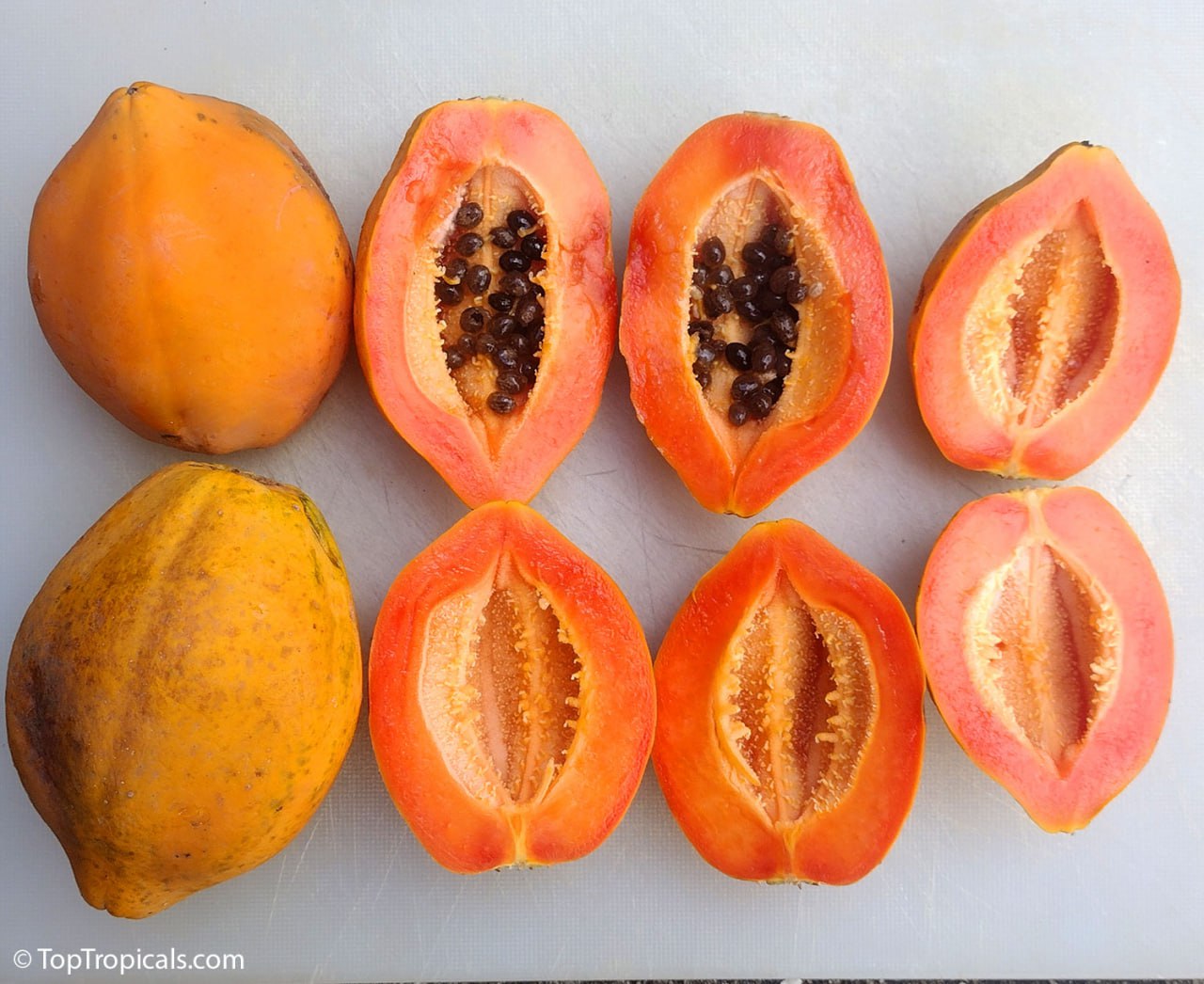
  • Papaya (Carica papaya) - High in potassium and antioxidants, promoting healthy blood pressure.
  • Banana (Musa sp.) - Well-known for its high potassium content, which helps counteract sodium and lower blood pressure.
  • Pineapple (Ananas comosus) - Contains potassium and bromelain, which may support circulation and reduce inflammation.
  • Persimmon - High in fiber and antioxidants, which can contribute to better heart and vascular function.
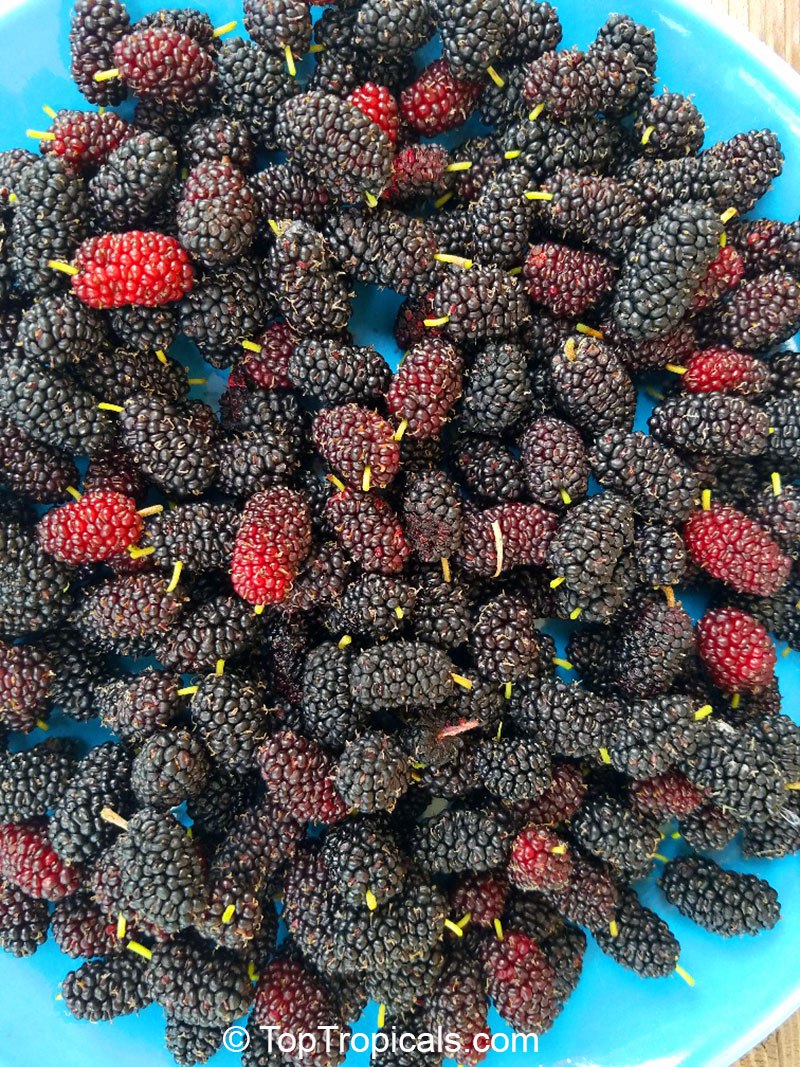
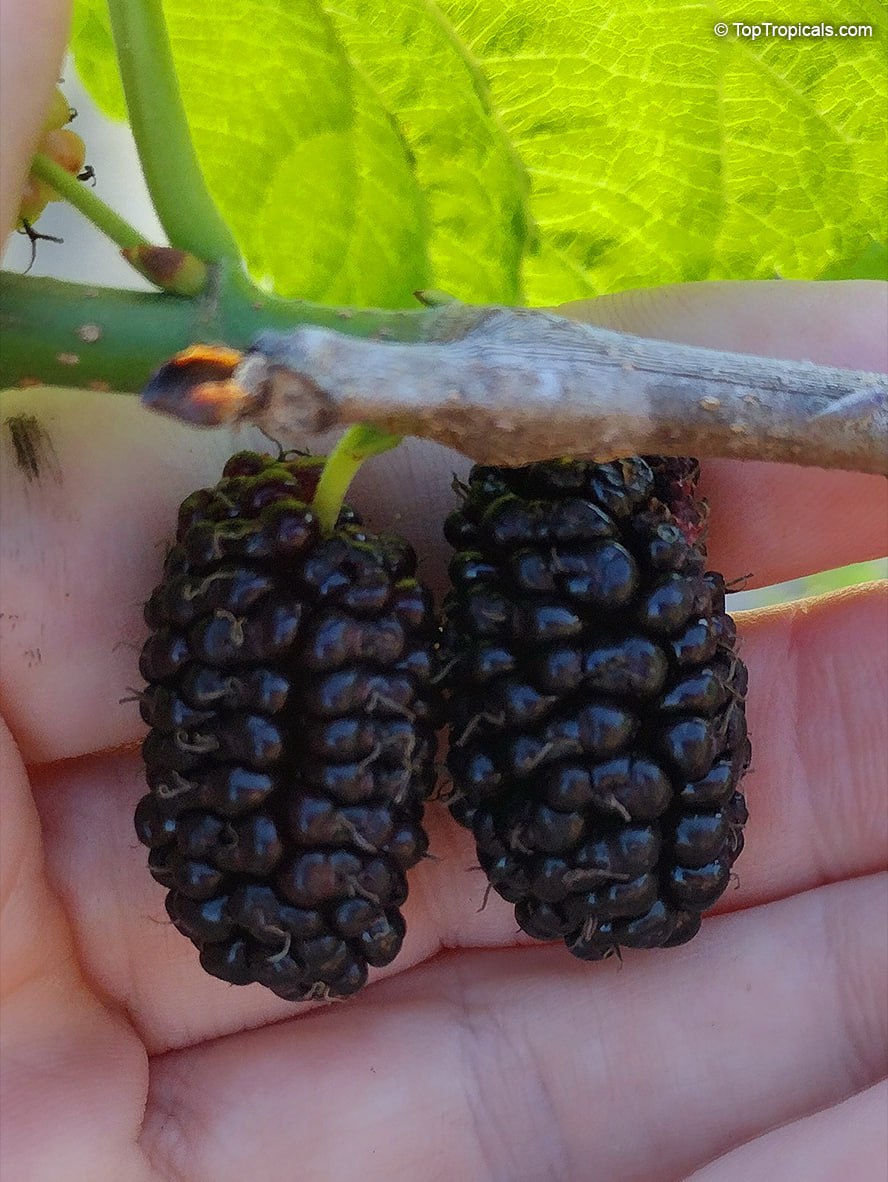
  • Mulberry (Morus sp.) - Contains resveratrol and other antioxidants linked to heart health and blood pressure support.
  • Tamarind (Tamarindus indica) - Rich in potassium and fiber, may help regulate blood pressure and support arterial health.
  • Loquat (Eriobotrya japonica) - Contains potassium, aiding in fluid balance and blood pressure control.
  • ✅🍒 Tropical Cherry (Eugenia) - Contains antioxidants and supports healthy circulation.

Part 2: Edible plants reducing blood pressure - see next post⤵️

🛒 Shop tropical fruit trees that boost your health

📚 Learn more:


Tropical fruit health benefits guide
#Disover more #Remedies and #Fruit_Forest

🔴 Join 👉 TopTropicals

Date: 1 Jul 2025

Starry fruit and rusty leaves: the tropical tree full of surprises

Chrysophyllum cainito - Caimito, Star Apple

🌟 Starry fruit and rusty leaves: the tropical tree full of surprises


Is it Star Apple, Star Fruit, Cainito or Caimito? Are you lost? Don't be - and here is the truth:
  • ⭐️ Don't confuse Chrysophyllum cainito (Caimito) with Pouteria caimito (Abiu), or Averrhoa carambola (Star Fruit) - which are all different fruit entirely!
  • ⭐️ The Star Apple tree - Chrysophyllum cainito, also known as Caimito, is a tropical treasure admired for both its fruit and foliage. It is related to Sapote and Sapodilla and produces round, glossy fruit that comes in stunning purple and green varieties.
  • ⭐️ When sliced open, the juicy flesh reveals a star-shaped pattern - hence the name "Star Apple"!
  • ⭐️ The flavor is mildly sweet, often described as a mix of grape, lychee, and apple with a hint of caramel.
  • ⭐️ The tree also features lush green leaves with a striking rusty-red underside, making it as beautiful as it is bountiful.
  • ⭐️ Caimito thrives in warm climates and is popular in the Caribbean, Central America, and Southeast Asia.


🛒 Plant your own exotic Star Apple tree

📚 Learn more:


#Food_Forest #Nature_Wonders

🟢 Join 👉 TopTropicals

Date: 9 Apr 2023

Discovering the Amazing Guava Fruit Tree

Guava  fruit  collage

A Gardener's Delight:
How to grow Guava Tree, delicious recipes and more...

Imagine stepping into your garden, plucking a fresh, juicy guava off a tree, and savoring its sweet, tropical flavor. Sounds delightful, doesn't it? Guava trees are not only a wonderful addition to any garden but also offer an array of delicious and nutritious fruits. Let's explore the fascinating world of guava fruit trees, dive into the different species, and share some tasty ways to enjoy this remarkable fruit.

If you're blessed with a warm climate, find a sunny spot with well-drained soil for your tree. Water it regularly, especially during dry spells, and keep it well-fed with a balanced fertilizer. Pruning is essential for maintaining a bushy, healthy tree that'll reward you with an abundance of fruits...

Guava  tree  fruiting  in  a  pot

Shop Guava Trees

Date: 25 Dec 2022

Surinam Cherry Lolita and Bermuda Christmas Pie

By Alex Butova, the Witch of Herbs and Cats

Black  Surinam  Cherry  Lolita,  fruit

Eugenia uniflora Lolita also known as Black Surinam Cherry, is a tropical fruit tree native to South America. Black fruited Surinam Cherry starts as red and turns black as it ripens and has exceptional flavor.  The plant is vigorous and ready to fruit the same year. The fruit is very sweet, without aftertaste, large 1-1.2 inch, very juicy.  The fruits are being eaten fresh, and also used in jams, jellies, and pies.

One popular use of Surinam Cherry is in Christmas cherry pie - Bermuda Pie, a traditional dessert served during the holiday season. The fruit is cooked down with sugar and spices to create a thick, flavorful filling for the pie. The dark red to really black color of the fruit adds a festive touch to the dessert.

Bermuda  cherry  pie  from  Surinam  cherry

In addition to being used in culinary applications, Surinam Cherry has a number of other uses. The tree is often grown as an ornamental plant due to its attractive foliage and bright ribbed fruit. The fruit is also used in traditional medicine in some parts of South America, where it is believed to have antioxidant and anti-inflammatory properties. The pulp is a good source of calcium, and a fair source of phosphorus and iron. Its juice is fermented into wine or vinegar.

Black  Surinam  Cherry  on  plate

Despite its many uses, Surinam Cherry is not widely grown outside of its native range in South America. However, it is becoming increasingly popular in tropical and subtropical regions around the world, where it is prized for its attractive appearance and flavorful fruit. This tropical plant can successfully be grown in a pot indoors in the cooler zones.

See Video:

Black  Surinam  Cherry  Lolita,  tree

Date: 6 Nov 2022

Annona montana - Mountain Soursop
Grow Your Own Food

Annona  montana  -  Mountain  Soursop  spiny  fruit

Exotic fruit, a cold hardy alternative to a Soursop

Not only tasty, this exotic fruit has the most unusual looks! This exotic beauty grows up to a pound and just look at these curious and life-like spines! We guarantee that everyone who sees this fruit in your garden will ask for seeds even before they taste the fruit. And you will have lots of seeds to share because Mountain Soursop is very reliable producer with many seeds in each fruit.
Mountain Soursop tastes similar to regular Soursop (better known as the Guanabana), with slightly milder flavor. The pulp is highly scented, with good aroma. It is eaten out of hand or can be used in milkshakes and smoothies. The fruit is softball sized with orange-yellow flesh, somewhat smaller and rounder than the regular Soursop. The tree is medium sized, with beautiful, large, leathery dark green leaves that emit a strong aroma when crushed.

How to grow Mountain Soursop?

Mountain Soursop is a very easy to grow, medium size exotic fruit tree that is great for beginners. This species is much more cold hardy than the Soursop, established trees can take temperatures a few degrees below freezing, tolerating cold spells down to 24F when full grown. Mountain Soursop tolerates a variety of soil types and will grow well in dry conditions. Trees produce within just 2-3 years from seed, like many Annonas, and can happily grow and produce in a large container.

Annona  montana  -  Mountain  Soursop  fruit  with  pulp