Garden Blog - Top Tropicals

Date: 21 Aug 2025

💖 Featured Variety: Lolita Surinam Cherry

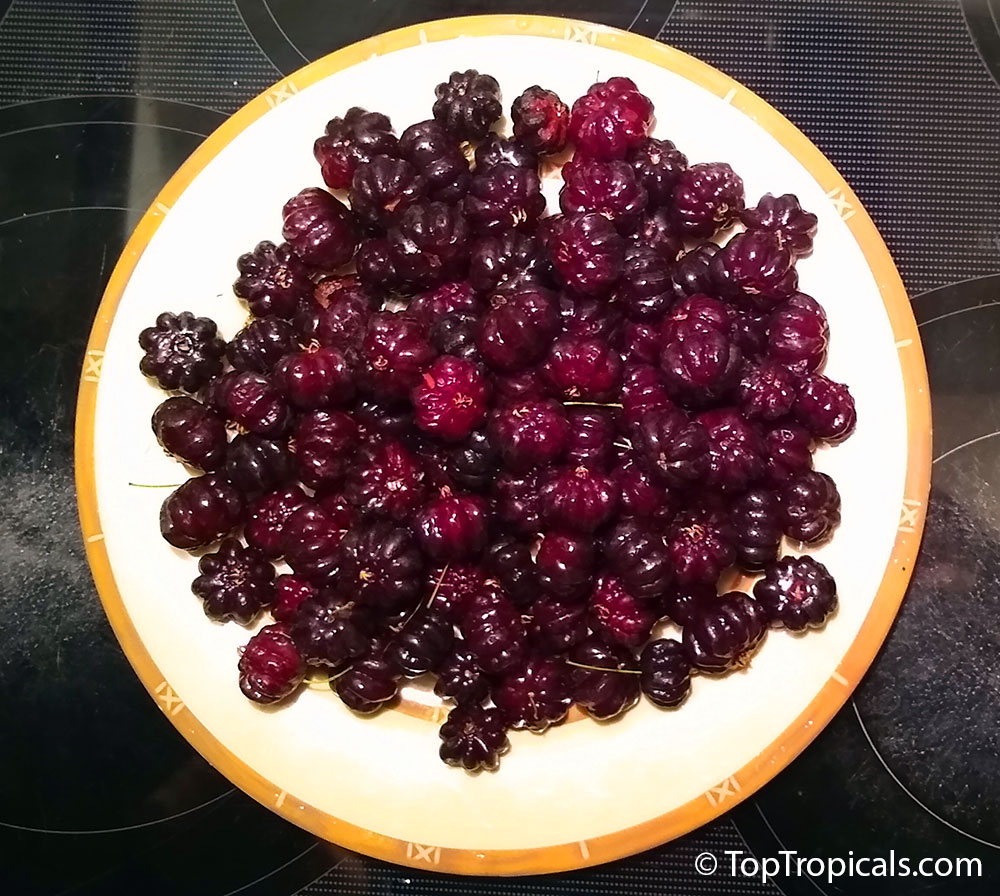
Freshly  harvested  Lolita  Surinam  cherries,  dark  purple  to  black,  on  a  plate.

The Lolita is a special form of Surinam cherry. Fruits ripen nearly black, turning sweet and rich without the resinous bite of the common red type. The taste is often compared to a mix of grape and cherry with a tropical twist.

  • Fruit Season: Mainly spring into early summer, often with a smaller second crop in fall
  • Plant Size: Usually 6–8 ft in the ground, 4–5 ft in containers
  • Container Friendly: Thrives in larger pots, stays compact with pruning
  • Pollination: Self-fruiting — no partner tree needed

Health Benefits

  • High vitamin C content for immunity and skin health
  • Antioxidants that help reduce inflammation
  • Fiber to support digestion
  • A versatile kitchen fruit — eaten fresh, made into jams, sauces, or desserts

Shop Lolita Surinam Cherry

Date: 6 Sep 2025

What is Neem and why do millions use it daily? The tree that makes toothpaste and bug spray

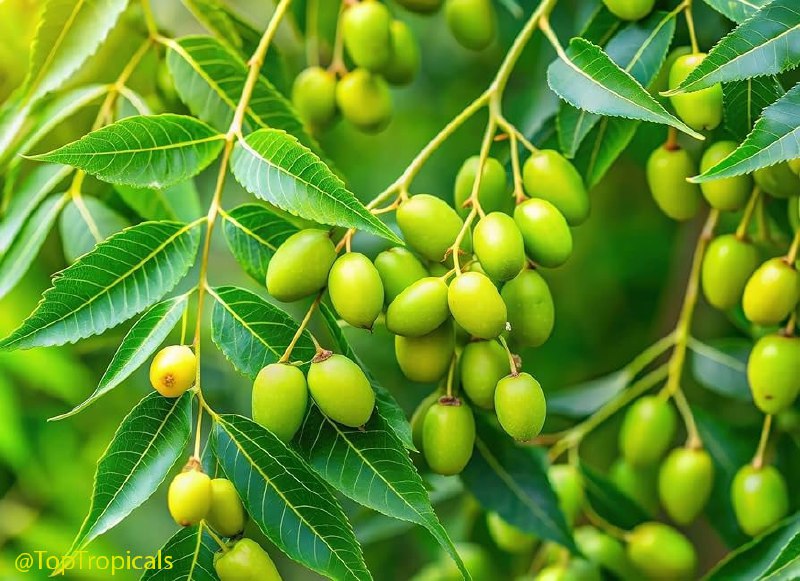
Neem Tree - Azadirachta indica

Neem Tree - Azadirachta indica

🌿 What is Neem and why do millions use it daily? The tree that makes toothpaste and bug spray.

  • 💚 Ever notice Neem listed in toothpaste or skin cream? Or even in natural insecticides and garden treatments? What is this tree and why is it everywhere? Neem products come from the Neem Tree - Azadirachta indica, native to India. It's been used for thousands of years in medicine, farming, and daily life.
  • 💚 How can you use Neem?


    Almost every part of the tree has a purpose.

The leaves are brewed as tea, applied to skin for soothing, and used in villages to ward off mosquitoes or protect stored clothes from insects. They are bitter but medicinal, valued for treating malaria and even for lowering blood sugar in diabetics.
  • Dental cure. Neem twigs, thin and pencil-sized, are chewed and used as toothbrushes to strengthen gums and fight bacteria. Today, toothpicks and dental sticks are still made from them.
  • Neem oil for your Garden. The seeds produce neem oil, a natural insect repellent and fungicide for the garden that doesn’t harm bees or butterflies.
  • Bark extracts are used in medicine
  • Ripe fruits are eaten fresh and considered beneficial too.


💚 Why do people plant Neem?


It’s more than a medicine chest. In India, Neem is planted along streets and in villages as a source of shade, air purifier, and natural pest control. One tree supports health, provides garden protection, and even supplies food.

💚 Is it easy to grow?


Yes. Neem tree thrives in hot, dry conditions and needs little care. Once established, it only needs low to medium water and grows well even without irrigation. It can be grown as a street tree, in the yard for shade, or in poor soils where other trees struggle. Hardy, fast-growing, and evergreen, Neem is one of the most practical trees you can add to a tropical or subtropical garden.

🛒 Plant a Neem Tree and Explore Neem benefits

#Food_Forest #Remedies #Discover

🟢 Join 👉 TopTropicals

Date: 10 Sep 2025

Pitaya vs Dragon fruit - what is the difference and how to grow it?

Pitaya vs Dragon fruit - what is the difference and how to grow it?

🌵 Pitaya vs Dragon fruit - what is the difference and how to grow it?

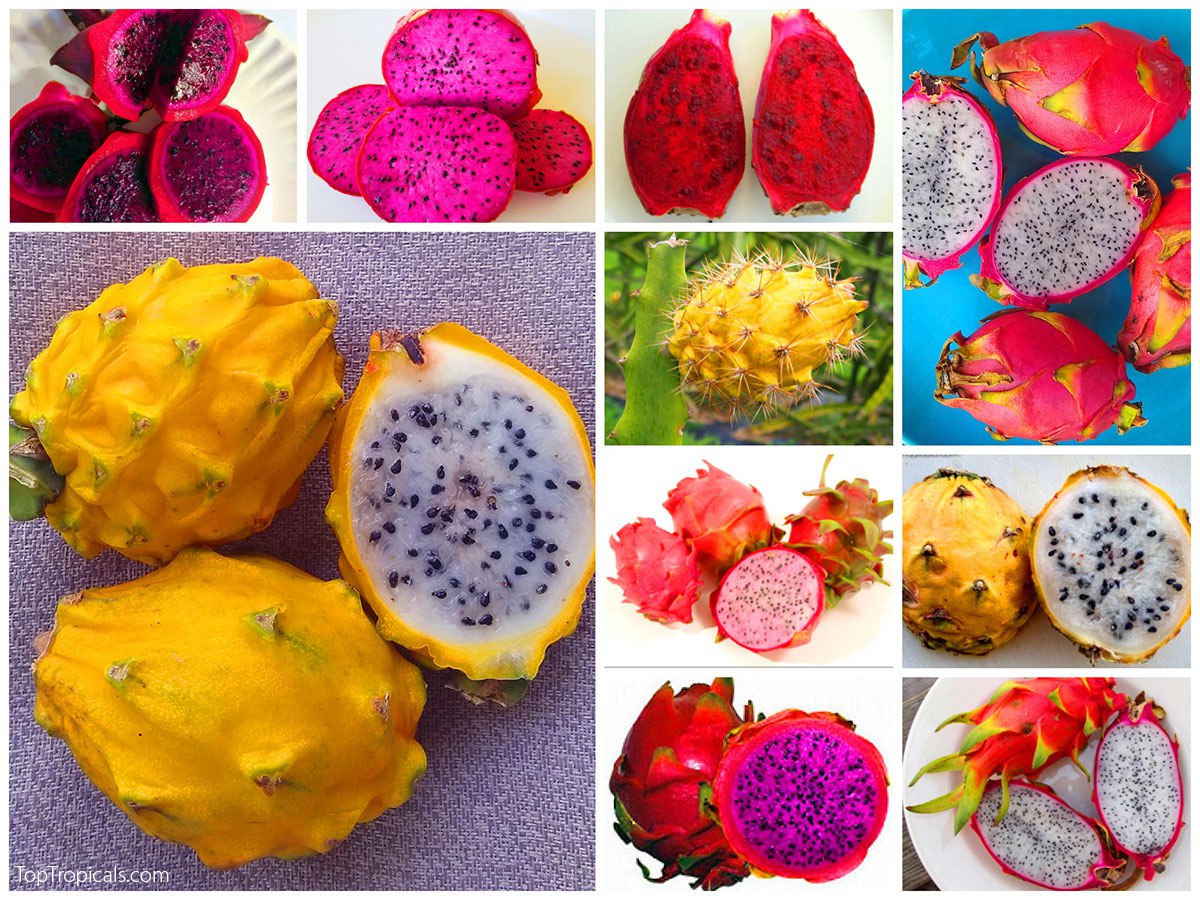
Both names refer to climbing cacti in the genus Hylocereus. The word pitaya is more common in Latin America, while dragon fruit is the name used in Asia and English-speaking countries. They come in different types: white-fleshed (Hylocereus undatus), red-fleshed (Hylocereus costaricensis), and yellow-skinned (Hylocereus, or Selenicereus megalanthus). All share the same growth habit and care needs. Pitaya or dragon fruit - whichever name you use, it's one of the easiest exotic fruits to grow at home.

  • 🍉 How to grow Dragon Fruit


  • Get a desired variety or start from a cutting - let the cut end dry for a few days before planting to prevent rot.
  • Plant in well-draining soil with lots of sun.
  • Give it a strong support to climb on - it's a vining cactus.
  • Water deeply but let the soil dry between waterings.
  • Flowers open at night and need pollination - some types are self-fertile, others need cross-pollination.
  • With care, you can enjoy fruit in 1-2 years. Remember to ferilize!


🍉 Dragon fruit varieties


  • 🔴 ⚪️ Red skin, white flesh (Hylocereus undatus) - The most popular type, and the biggest fruit. Mildly sweet, refreshing, and often compared to a kiwi crossed with a pear.
  • Varieties: David Bowie, Delight, Hana, Lake Atitlan, Seoul Kitchen, Vietnamese Jaina, Hana

  • 🔴🔴 Red skin, red flesh (Hylocereus costaricensis) - Sweeter, juicier, and more intense in flavor. The deep red juice can stain, but it’s loaded with antioxidants.
  • Varieties: American Beauty, Bloody Mary, Eureka Red, Costa Rican Sunset, Mac Edwin, Halleys Comet, Mac Edwin, Makisupa, Mega Red, Physical Graffiti, Sweet Red

  • 🔴🟣 Red flesh, purple/magenta flesh (Hylocereus x costaricensis) - Hybrids, usually between red and white varieties.
Varieties: Cosmic Charlie, Edgar's Baby, Halleys Comet, Natural Mystic, Physical Graffiti, Purple Haze, Tricia, Voodoo Child, Zamorano

🟡⚪️ Yellow skin, white flesh (Hylocereus, or Selenicereus megalanthus) - Smaller fruit, but the sweetest of all. Crisp, juicy, and tropical with notes of pineapple or honey.
Varieties: Amarilla (Kirin), Colimbiana, Godlen Dragon, Palora, Thai Gold (Hawaiian)

Each type looks stunning and tastes slightly different, but all are easy to grow once you give them sun, support, and patience.

🛒 Explore and collect Dragon Fruit varieties

📚 Learn more:


#Food_Forest #How_to #Dragon_Fruit

🟢 Join 👉 TopTropicals

Date: 6 Oct 2025

The hot Guyanese secret to perfect skin

Biquinho Pepper (Capsicum annuum x chinense) and Wiri Wiri Pepper (Capsicum frutescens)

❗️ The hot Guyanese secret to perfect skin 💥
  • 🌶 Who said Peppers can't be cute? These two little fireballs prove otherwise! They might look small, but they’re full of personality, flavor, and heat.
  • 🌶 Biquinho Pepper (Capsicum annuum x chinense)
  • This heart-shaped hottie is an ancient hybrid between bird pepper and habanero is as beautiful as it is flavorful. Each tiny 1-inch red pepper packs a fruity, tangy punch with just enough heat to make your taste buds dance. Perfect for container gardens, Biquinho peppers decorate the plant like tiny red ornaments – and they’re just as tasty in pickles, salsas, or fresh salads.
  • 🌶 Wiri Wiri Pepper (Capsicum frutescens)
From the kitchens of Guyana comes a true legend - the Wiri Wiri pepper. These little berry-shaped peppers turn from green to orange to bright red, bursting with intense heat and flavor. Guyanese chefs swear by it - it's the secret behind their famously spicy, flavorful dishes. Locals even say it’s the reason they live long, have glowing skin, and look amazing… it's not just spice, it's magic!
  • 🌶 Fun facts:


· Both peppers belong to the same botanical family as potatoes, tomatoes and eggplants.
  • · What makes them special isn't just the heat - it's the flavor!
  • · True pepper lovers know that great peppers are about depth, aroma, and the fruity fire they bring to every meal.


🌶 Growing tips:
Feed your peppers with Sunshine C-Cibus plant booster for abundant crops and extra flavorful fruits. These compact plants thrive in containers and bring tropical flair to patios, balconies, or edible gardens.

💥 These two peppers are a must for spice lovers - intense fruity habanero flavor packs quite a bang!
Extremely showy, these ornamental peppers have culinary benefits and are great for container garden.

🛒 Add the flavor of Hot Peppers to your garden and kitchen

📚 Learn more:


📱 How to grow the hot Wiri Wiri and Biquino Peppers

#Food_Forest #Container_Garden

🟢 Join 👉 TopTropicals

Date: 3 Oct 2025

Plant for birds: feast for wildlife and people from a tiny vine!

Passiflora suberosa - Corkystem Passion Vine

Plant for birds: feast for wildlife and people from a tiny vine!

  • Passiflora suberosa - Corkystem Passion Flower: did you know this Florida native passion vine is more than just a butterfly host? Birds love it too - they’ll happily snack on the little fruits and sing you thank-you songs all day long!
  • And yes, the fruit is edible for people as well! The berries are small, but they make a fun and exotic treat.
  • The plants has a tiny flower and a tiny fruit – both only about half an inch – but together they create a mighty native habitat.
  • It's a triple win: butterflies, birds, and people can all enjoy something from this charming little plant. Plus, it’s the larval host for Gulf Fritillary, Zebra Longwing, and Julia butterflies, and its tiny greenish flowers provide nectar all year long. Fast-growing, easy, and full of life – a real gem for any Florida garden.
  • This vine is delicate and compact, perfect for a medium trellis or climbing a small tree. Unlike the big, aggressive passion vines that can cover a whole fence, this one stays manageable.
  • This Passion vine is not just charming and wildlife-friendly, it’s also tough as nails. Cold hardy and easy to grow, this native vine takes whatever Florida throws at it – heavy rains, long droughts and heat, poor sandy soils, even total neglect – and still thrives. A perfect choice if you want beauty, wildlife, and resilience all in one little plant.


🛒 Plant this small and tough vine with food and wildlife benefits

📚 Learn more:


#Food_Forest #Hedges_with_benefits #Butterfly_Plants #How_to

🟢 Join 👉 TopTropicals