Soft peach tones - calm and glowing plumerias. Pruning tip 🌈
Plumeria Plant Facts
Botanical name: Plumeria sp. Also known as: Plumeria, Frangipani
USDA Zone: 9 - 11
Highligths
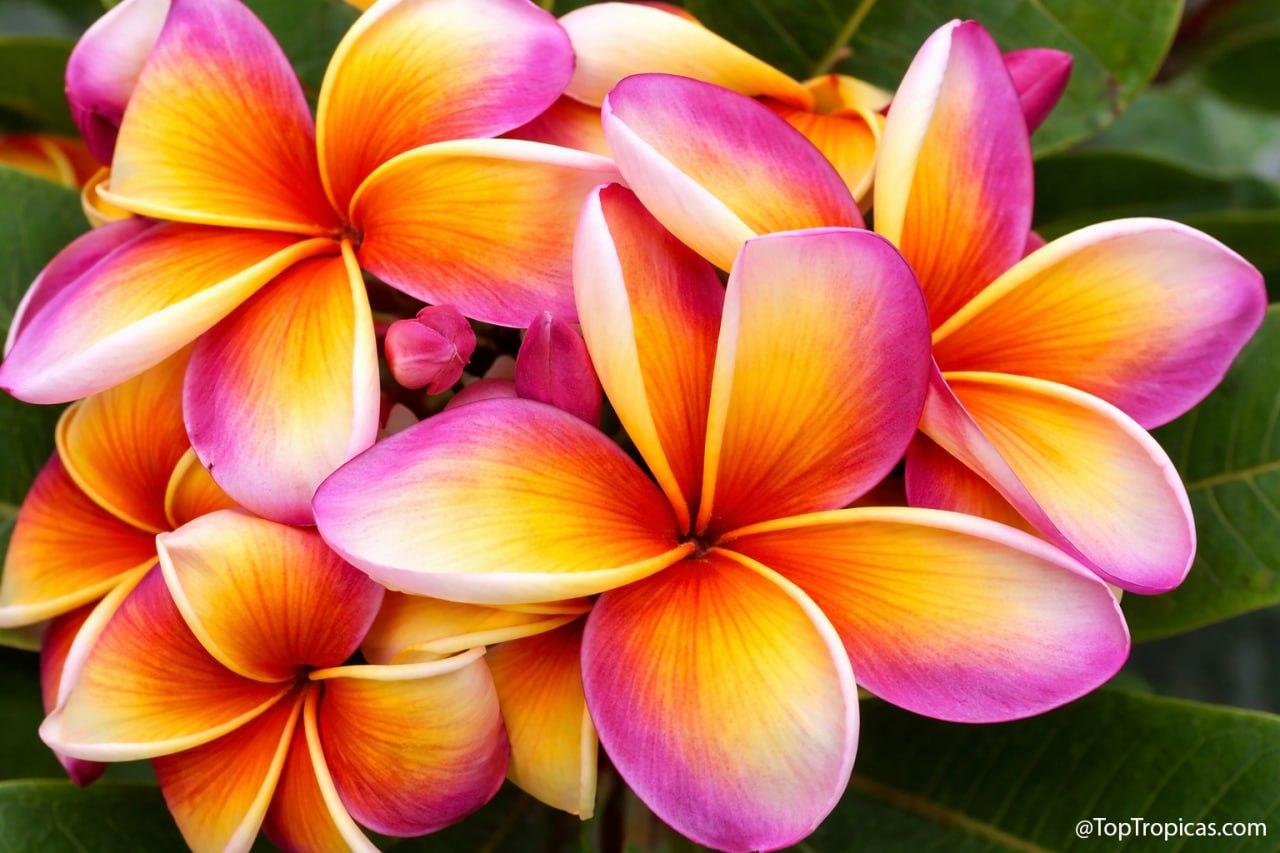
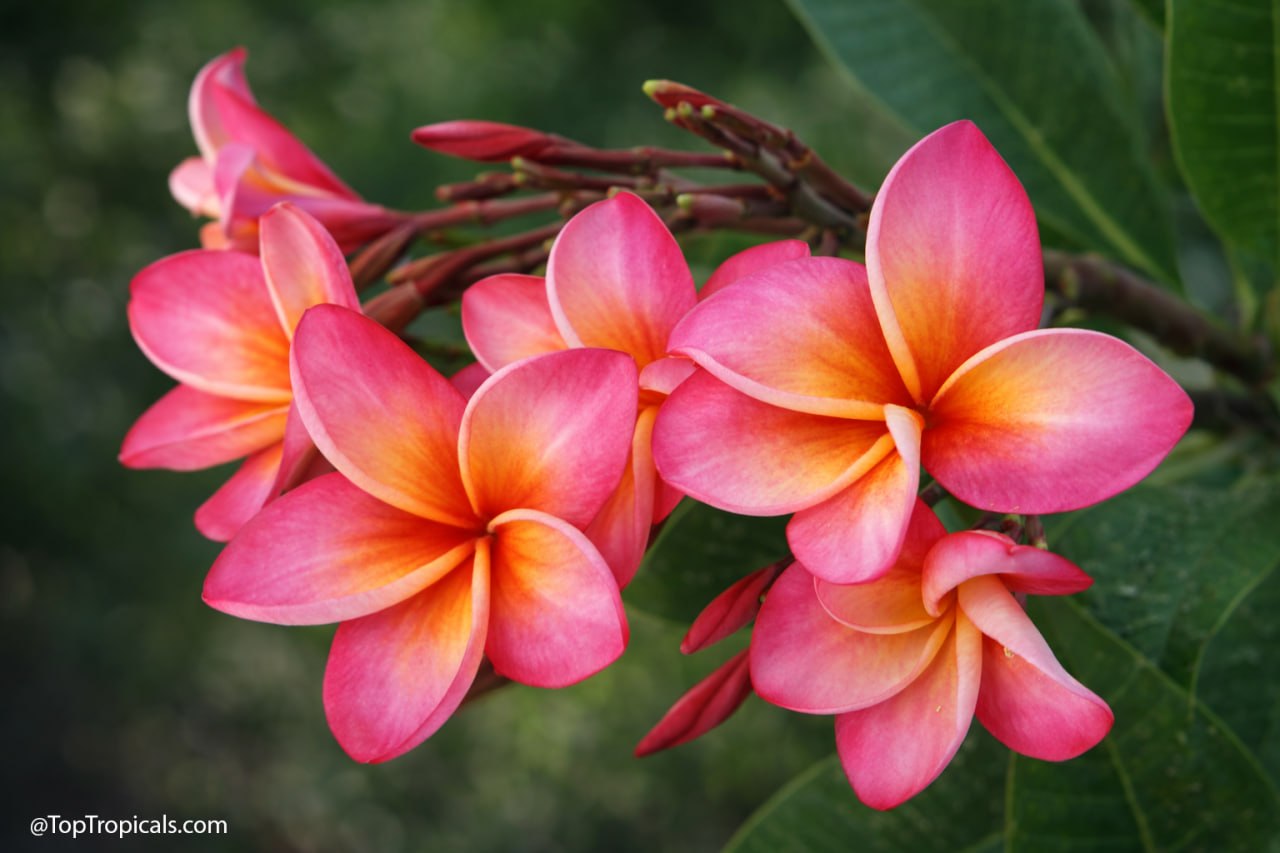
This set is all about warmth without intensity - soft peach, coral, and golden tones that feel calm, balanced, and easy on the eyes. These are the plumerias you enjoy up close, where the subtle color blends really shine.
🌸 Today's featured plumerias:
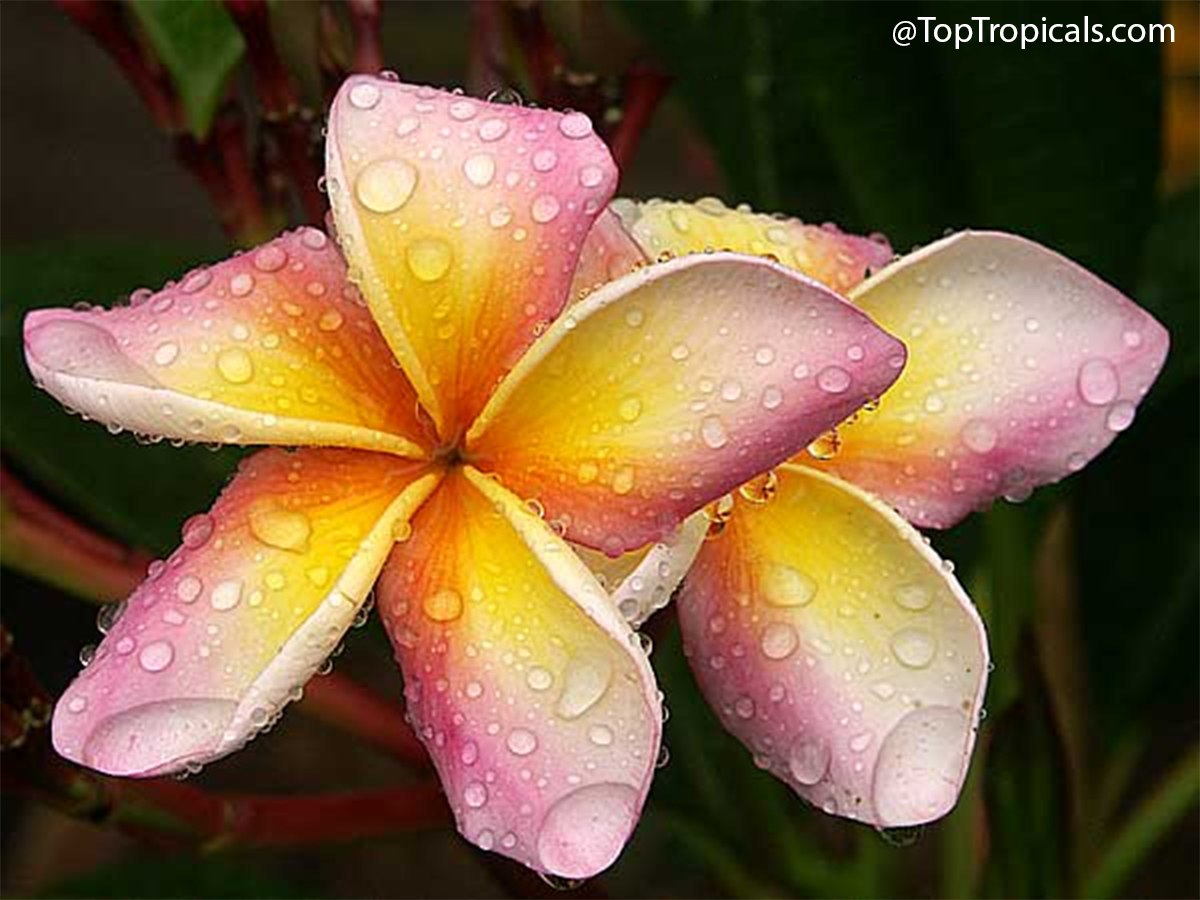
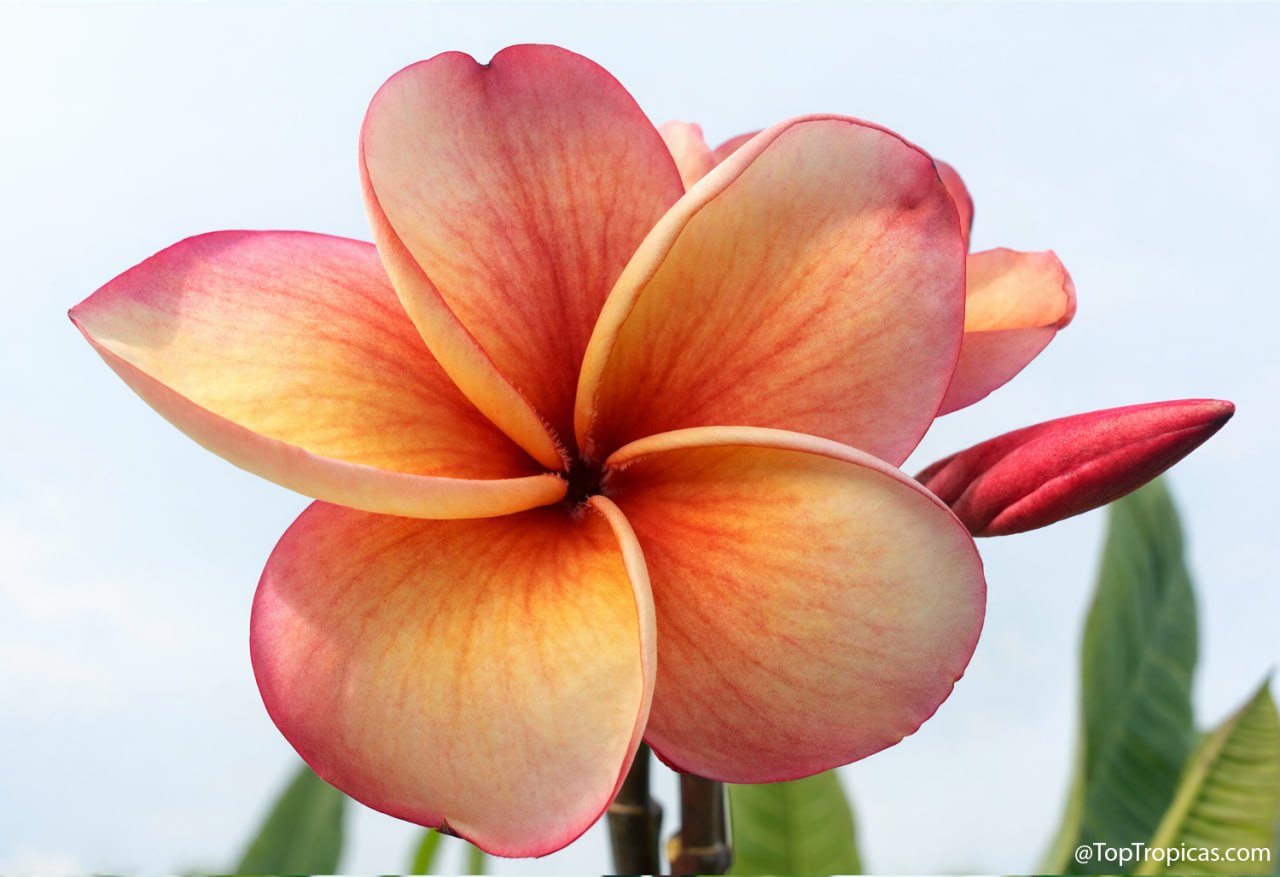
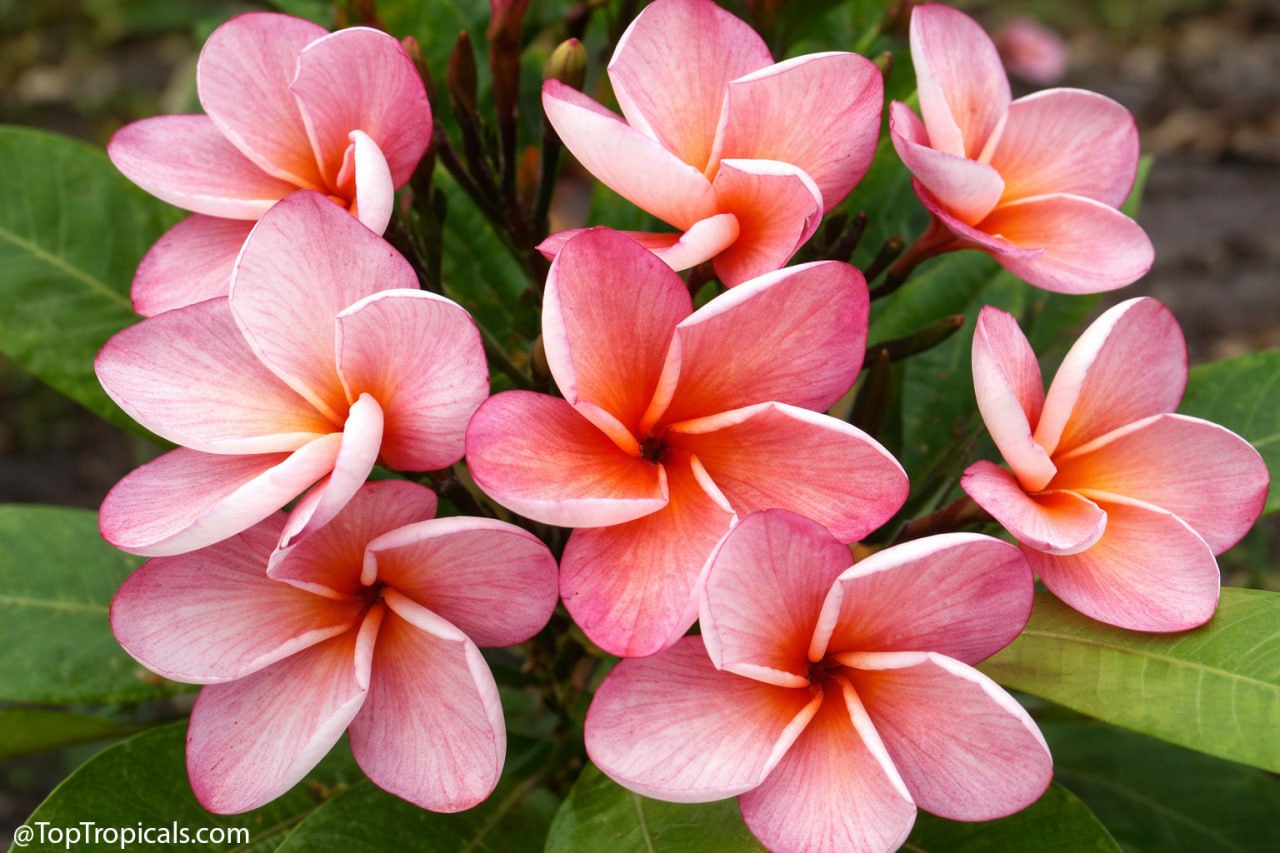
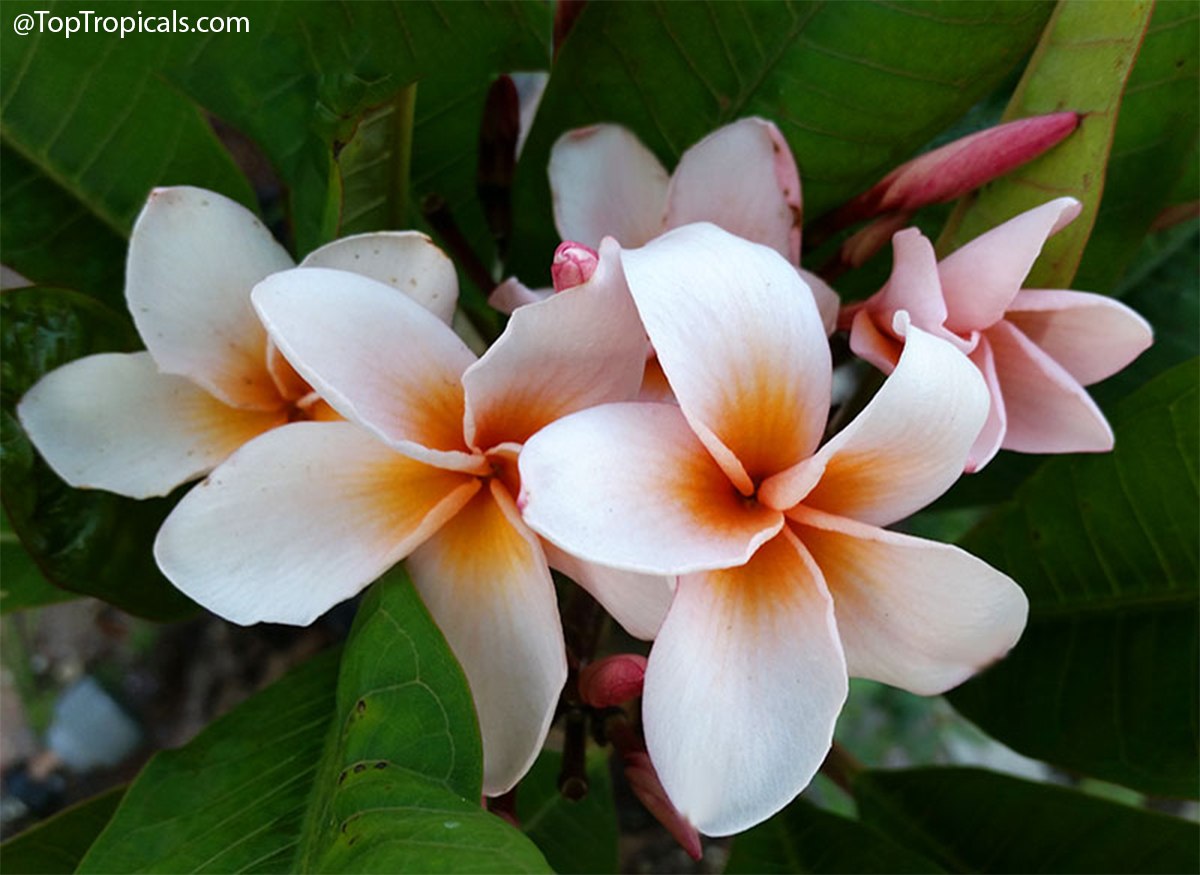
✦ Plumeria Morland - soft pink petals with a creamy yellow center fading into white edges. Gentle gradient with a fresh, radiant look and light fragrance. ✦ Plumeria Thong Taweechok - warm golden-yellow petals infused with orange and coral, softening into creamy edges with a light pink blush. Smooth, glowing and well-balanced. ✦ Plumeria Gred Gaew - soft coral and peach tones with a glowing orange center and a clean white edge. Refined, crisp, and quietly elegant. ✦ Plumeria Moung Sangeam - creamy white to pale blush petals with a warm golden-orange center and a hint of peach at the edges. Soft, delicate, and naturally graceful.
💡 Plumeria tip: pruning for more blooms
Light pruning encourages branching - and more branches mean more flower tips. Trim after a bloom cycle or in early growing season, and your plumeria will come back fuller, bushier, and ready to produce more flowers.
Rainbow plumerias - the wild side of color. Winter dormancy tip 🌈
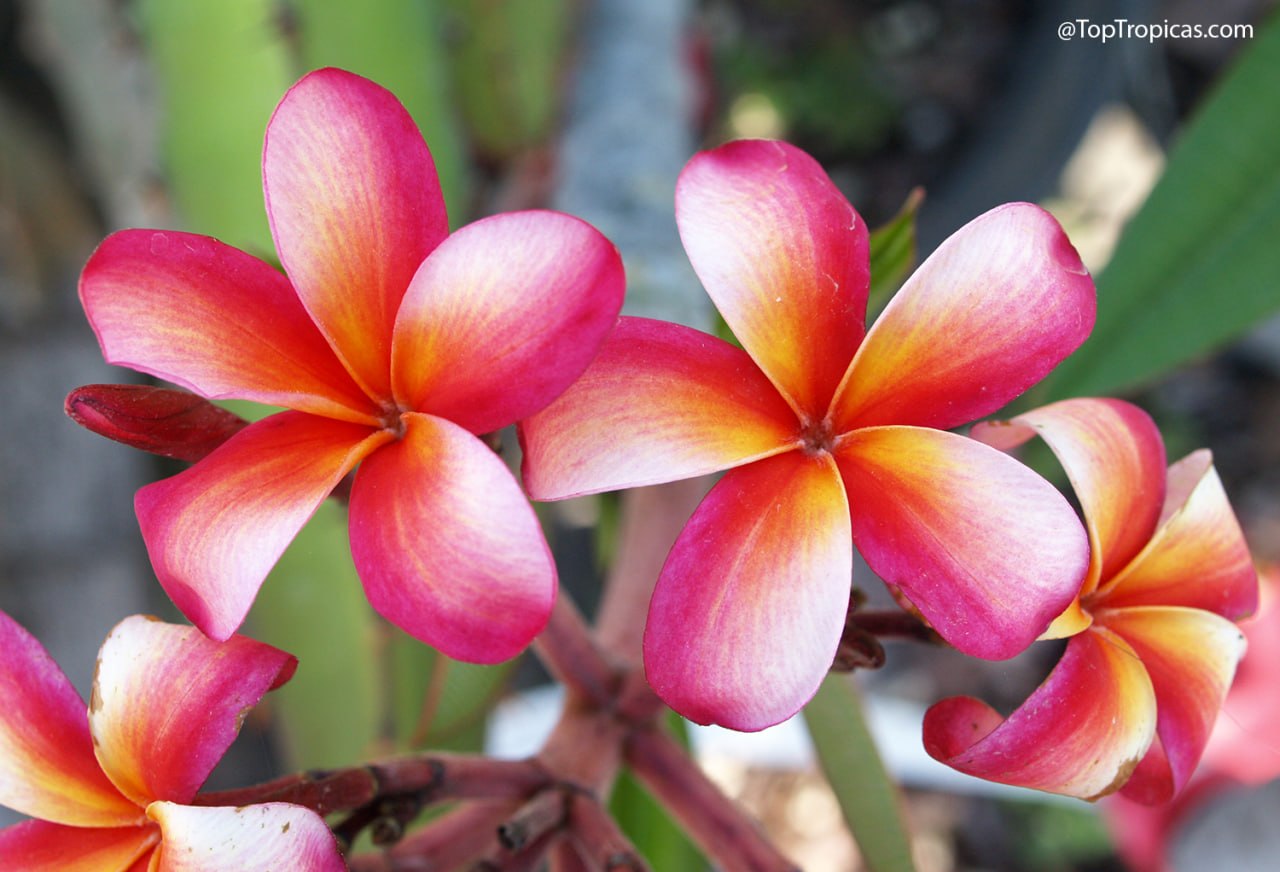
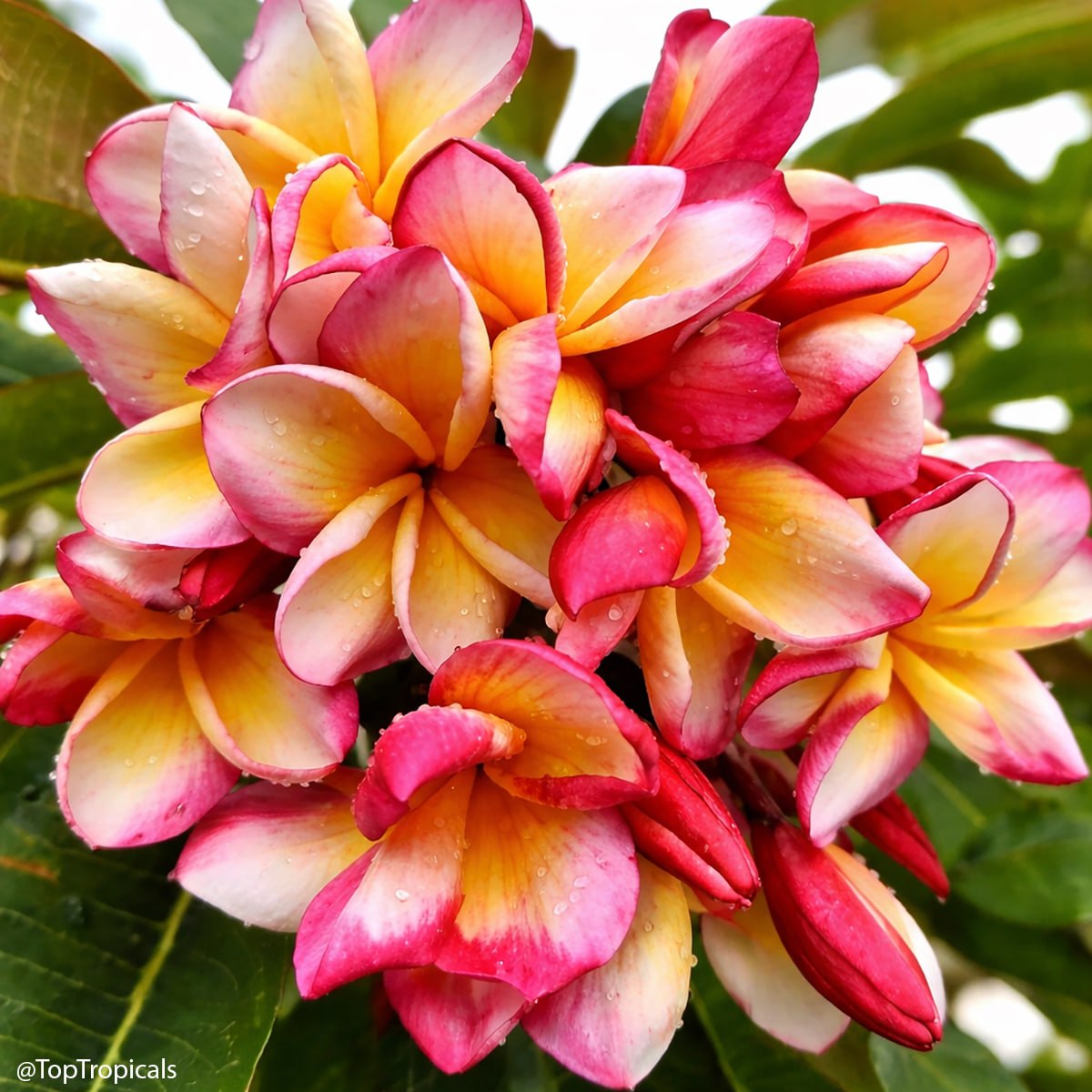
Some plumerias don’t follow rules - they mix, swirl, and splash colors all over the petals like a tropical sunset in motion. These “rainbow” types are the most playful and unpredictable, with every bloom looking a little different from the next.
Plumeria Plant Facts
Botanical name: Plumeria sp. Also known as: Plumeria, Frangipani
USDA Zone: 9 - 11
Highligths
🌸 Today's featured plumerias:
✦ Plumeria Mui Rainbow - deep orange-red center blending into golden yellow and finishing with pink to magenta edges. Bright, fiery colors with a smooth, glowing transition. ✦ Plumeria Pink Jaopraya - a bold swirl of red, white, pink, and yellow all in one flower. Complex, eye-catching, and impossible to ignore. ✦ Plumeria Sunset Symphony - creamy ivory, golden yellow, and coral-pink tones with deeper rose edges, creating a layered sunset effect that shifts from bloom to bloom. ✦ Plumeria Dook - rich pink petals melting into a glowing orange and golden center. Bright, warm, and full of tropical energy that stands out from a distance.
💡 Plumeria tip: winter dormancy
In cooler months, plumerias slow down and may drop all leaves. That’s normal.
During this rest period, cut watering way back and let the plant sleep.
Growth will restart when temperatures rise.
🎁 Mothers Day plant gift guide: something for
every
kind of mom
Skip the bouquet, give her something that
grows
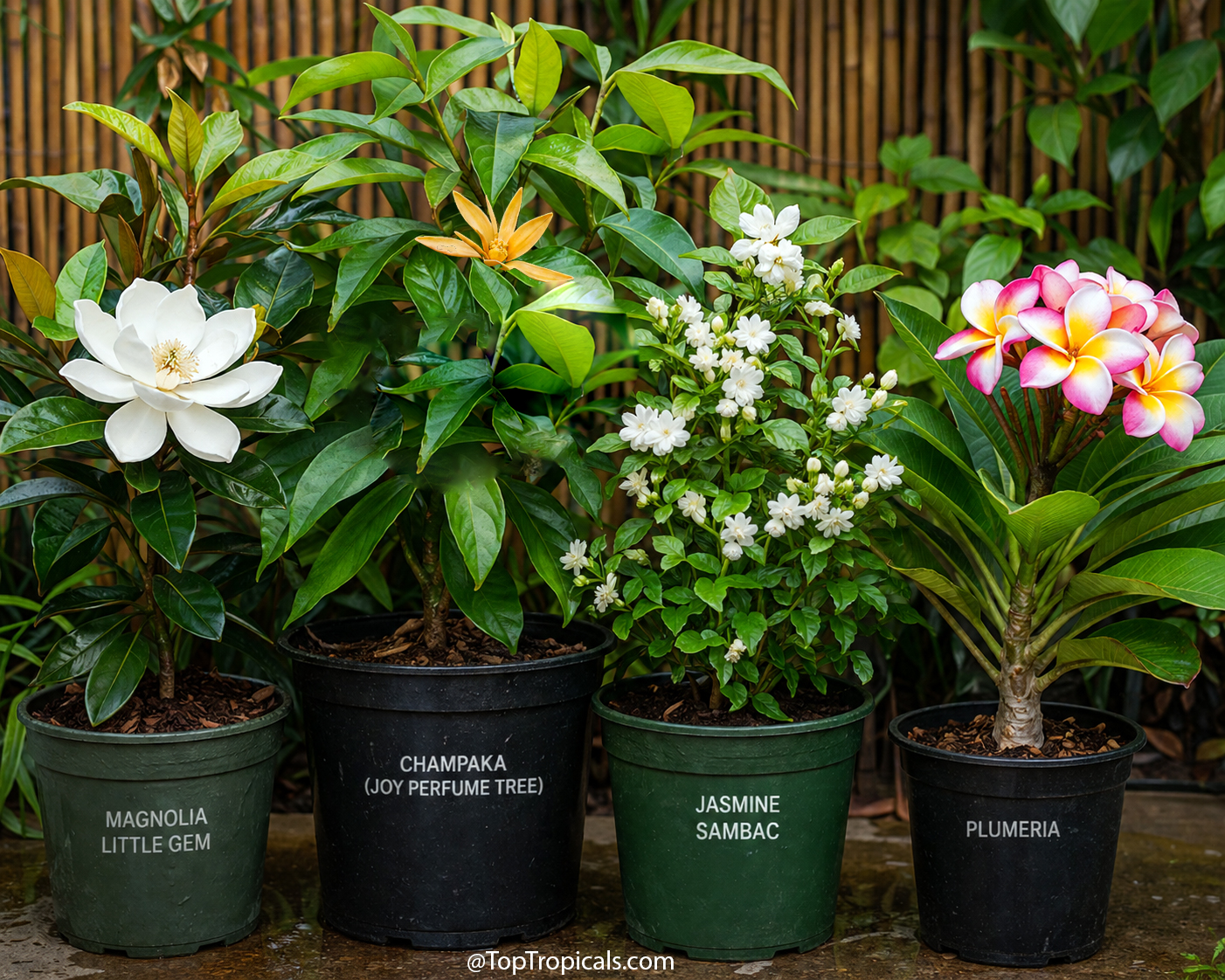
Magnolia Little Gem, Champaka, Jasmine Sambac, and Plumeria
Some gifts last a few days. These don't. Right now, these plants are at
their best in our nursery - full, established, and ready to impress the
moment she sees them. This year, give her something that doesn’t fade.
Pick
a plant that will keep growing, blooming, and reminding her of you long
after
Mother's Day is over. Here are a few easy ways to choose the right one.
Plumeria Plant Facts
Botanical name: Plumeria sp. Also known as: Plumeria, Frangipani
USDA Zone: 9 - 11
Highligths
All of these grow well in containers and are beginner-friendly.
1. For moms who love fragrance - give her living perfume ✨
These are the plants people remember. Soft, rich scent that fills the
garden, patio, or even a warm evening indoors.
Champaka Joy Perfume Tree - the legendary Joy perfume flower - rich,
sweet, and unmistakably bubble gum-like.
Magnolia Little Gem - the classic Southern magnolia in a smaller form -
big, creamy, fragrant blooms that never go out of style.
Wrightia religiosa - a sacred Buddhist tree - delicate white flowers
with a soft jasmine fragrance that feels calm and refined.
href="https://toptropicals.com/store/findname/Jasminum-Sambac.htm?utm_source=mlist"
>Jasmine Sambac - intensely fragrant and impossible to ignore - once you
have it, you won’t want a garden without it
Plumeria - the iconic Aloha flower - bold color, rich perfume, and pure
tropical feeling in bloom.
Parijat Tree Jasmine (Nyctanthes arbor-tristis) - blooms at night and
fills the air with a gentle, unforgettable fragrance.
4. For the fruit lover - grow something she can enjoy and taste
🍒
A gift that turns into harvest. Fresh fruit, right from her own
garden.
Mango Plant Facts
Botanical name: Mangifera indica Also known as: Mango
USDA Zone: 9 - 11
Highligths
Avocado Plant Facts
Botanical name: Persea americana, Persea gratissima Also known as: Avocado, Alligator Pear, Aguacate, Abacate
USDA Zone: 9 - 11
Highligths
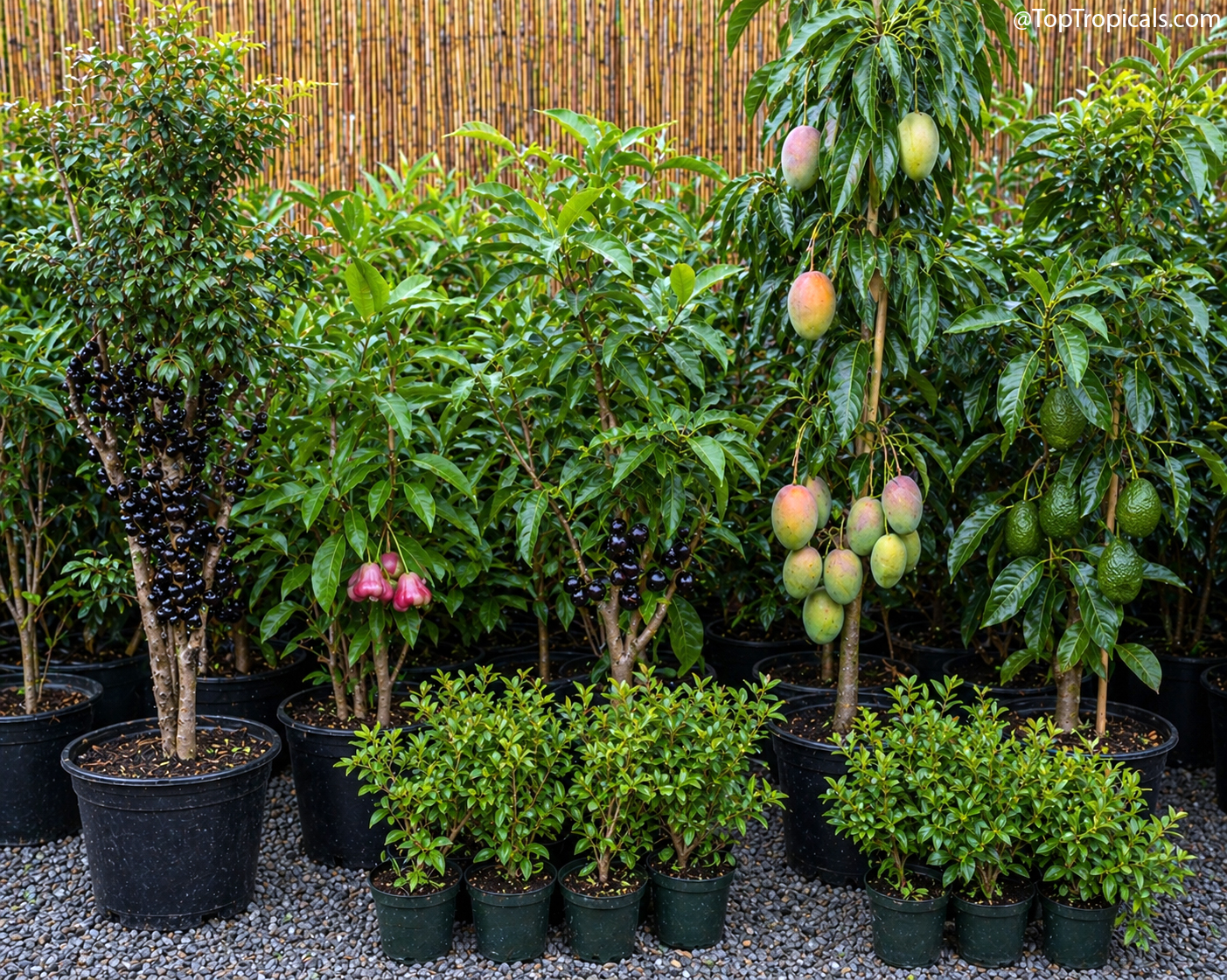
Jaboticaba - a truly unique fruit tree that produces sweet, grape-like
fruit right on the trunk, turning it into a conversation piece.
Rose Apple - crisp, refreshing fruit with a light floral taste and a
beautiful ornamental tree to match.
Java Plum (Jambolan) - deep purple fruit with a sweet-tart flavor,
loved for both its taste and its shade tree presence.
Mango - the king of tropical fruit - rich, sweet, and incredibly
rewarding to grow in your own garden.
Avocado - creamy, nutrient-rich fruit from a tree that becomes a
long-term staple in the garden.
Eugenia cherries - Surinam Cherry, Rio Grande and Grumichama - compact
trees with glossy foliage and delicious, dark cherries that are easy to grow
and quick to fruit.
Tropical fruit trees selection - from Jaboticaba fruiting on the trunk to
Mango, Avocado, and rare Eugenia cherries - a great mix for building a
productive food forest.
Mothers Day Gift Card
💌
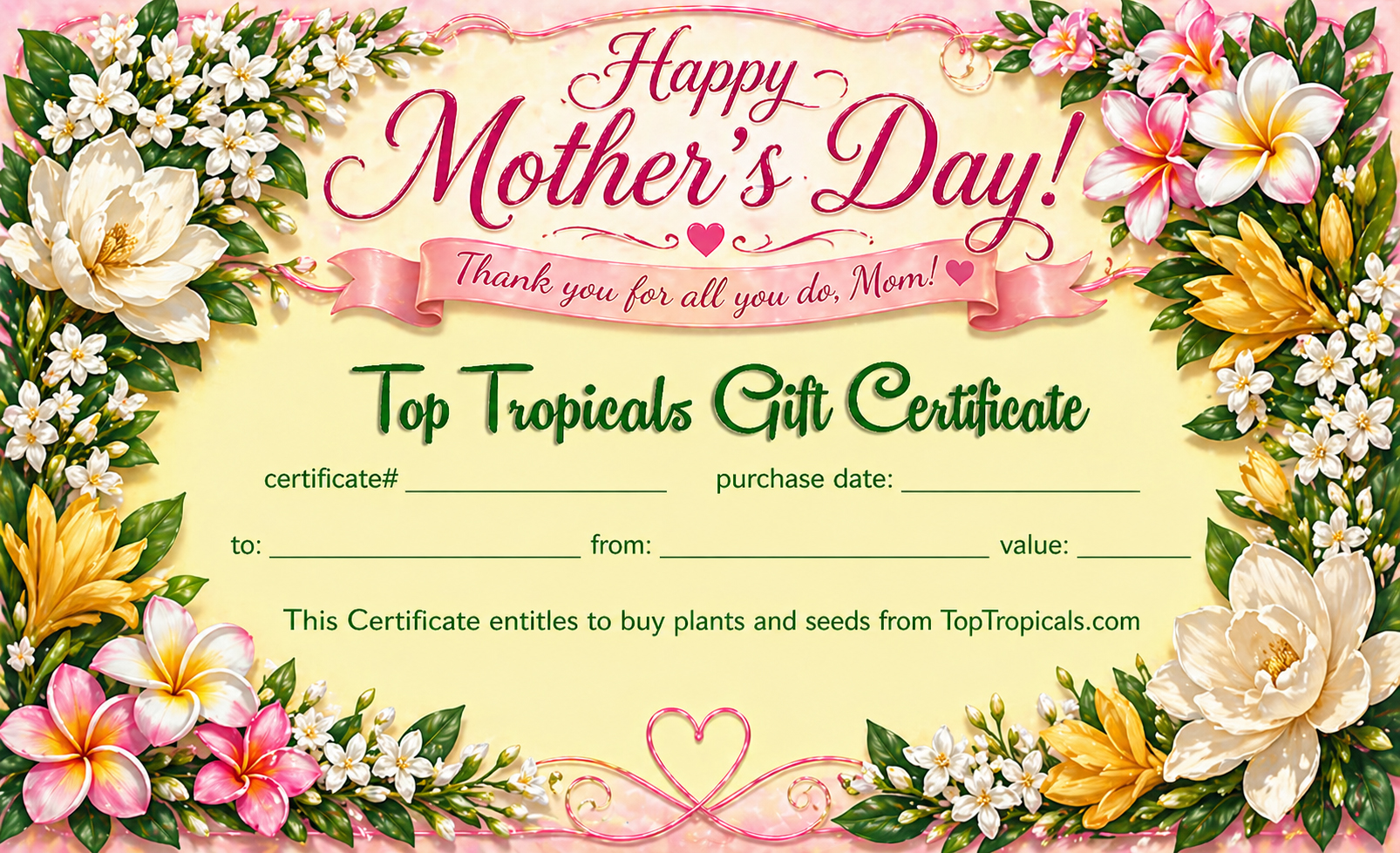
Mother’s Day Top Tropicals gift certificate
Still not sure what to choose? A gift card keeps it simple. She can pick
exactly what she wants, when she is ready for it. No guessing, no pressure -
just something she will actually enjoy.
Get 15% extra value on gift certificates. Just mention
Mother’s Day in the message field.
For example, a $100 certificate becomes $115. A $50 certificate becomes
$57.50.
Offer valid through 05/12/2026.
Bonus value applies to gift certificates only. Must include “Mother's
Day” in the message field at checkout. Not valid on previous purchases
and cannot be combined with other promotions or discounts. Offer subject to
change without notice.
Date: 25 Apr 2026
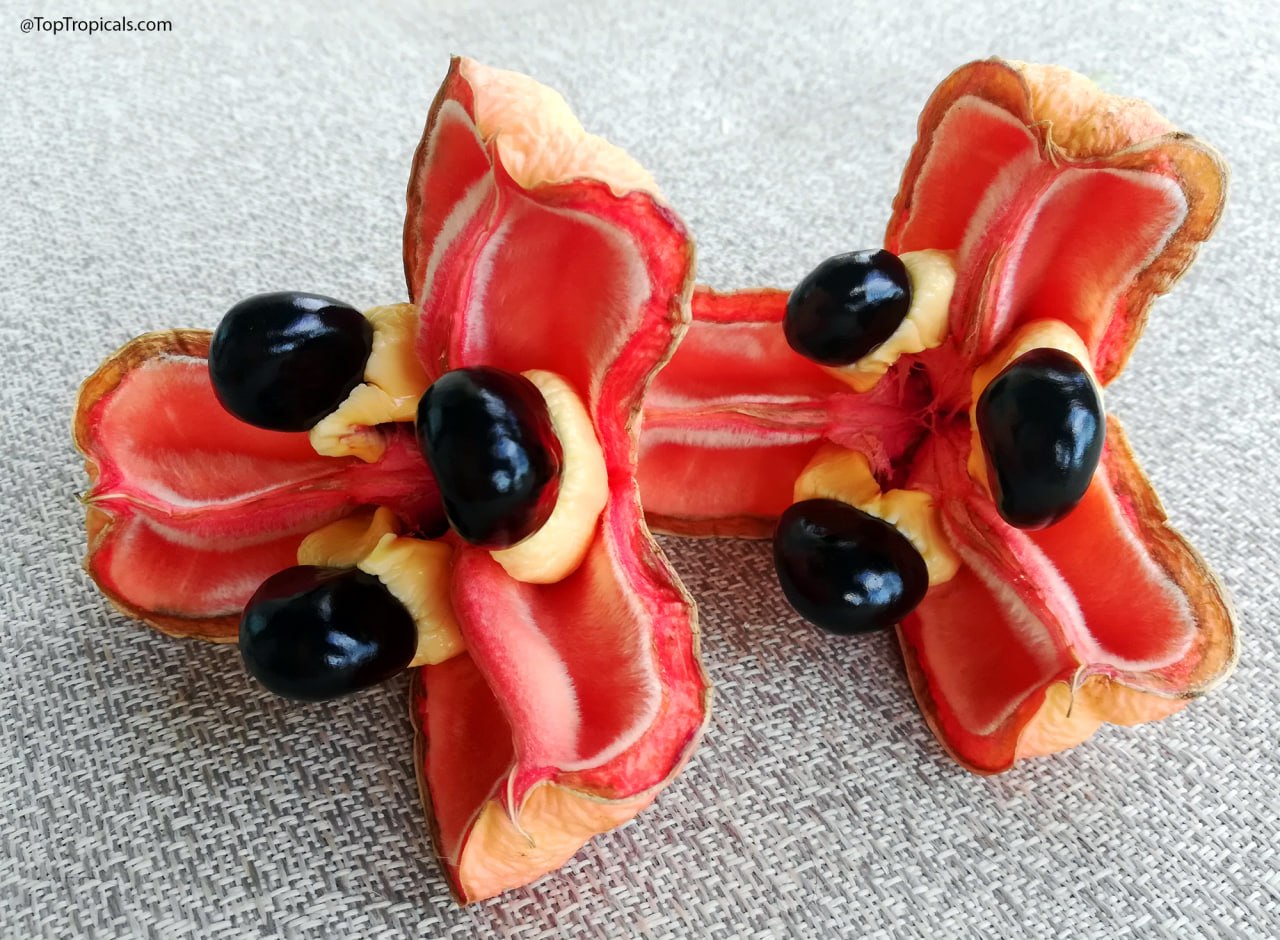
Ackee baked rice: quick-n-fun exotic recipes
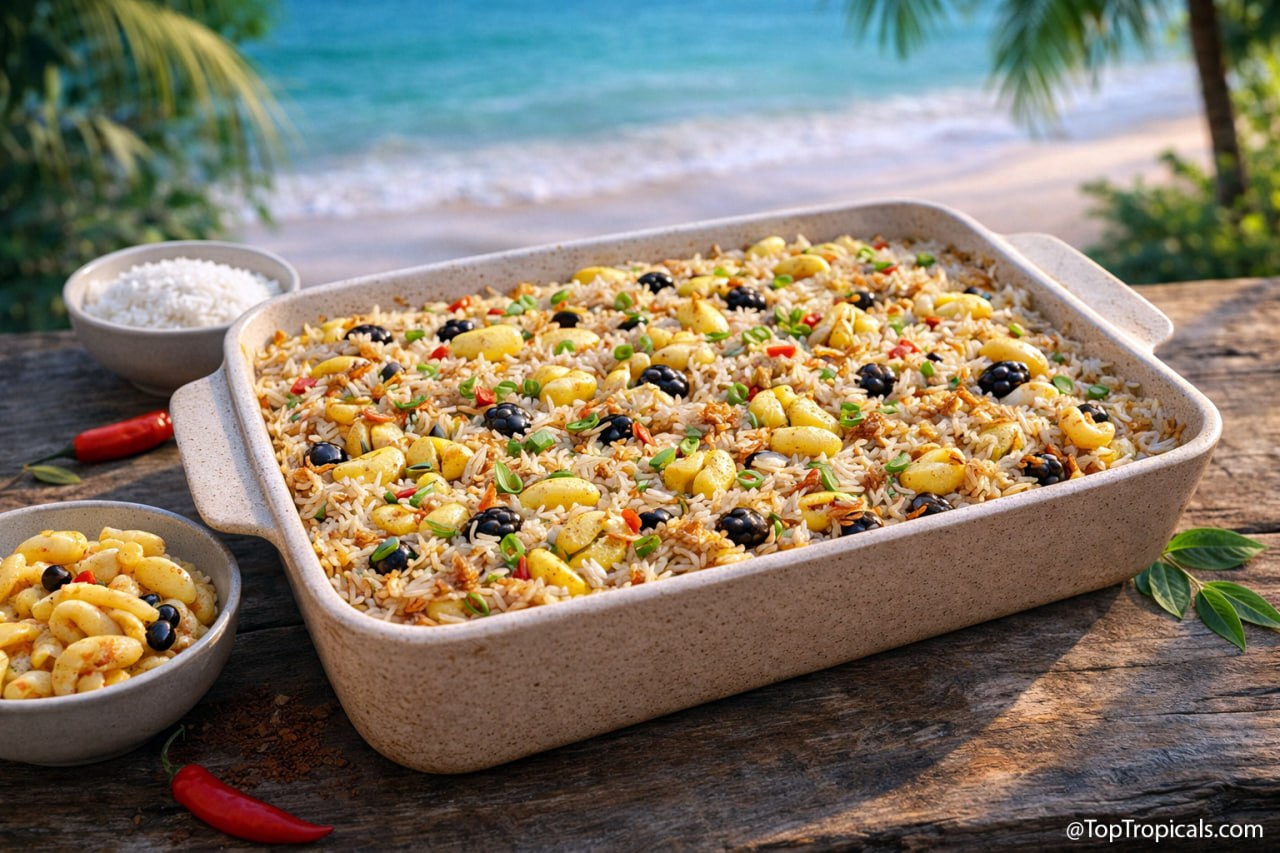
Ackee baked rice
Ackee (Akee) - Blighia sapida - fruit
🍴 Ackee baked rice: quick-n-fun exotic recipes
🔴Fold cooked ackee gently into warm, seasoned rice with a pinch of salt and a little oil or butter. 🔴Spread into a baking dish and bake until the top turns lightly crisp and golden. 🔴Scoop while warm - soft inside, slightly crisp on top, simple and satisfying.
🌿 About the plant:
When properly harvested and prepared, ackee has a mild, buttery texture often compared to scrambled eggs. It contains healthy fats and is a staple ingredient in Caribbean cooking.
🏡 In the garden:
Trees require consistent warmth and do not tolerate frost. Mature trees can produce generously in suitable climates with minimal intervention.
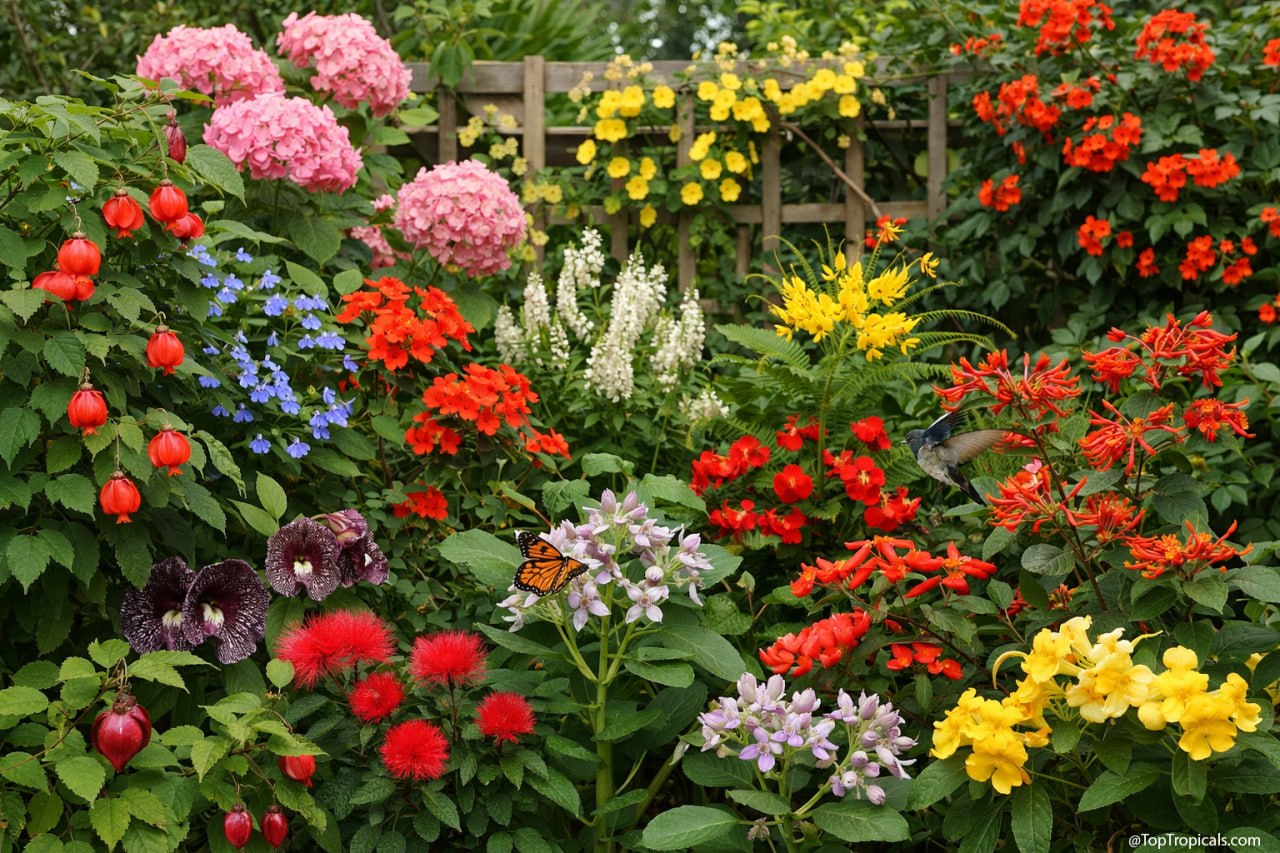
13 tropical flowers to plant in spring to attract pollinators year around
13 tropical flowers to plant in spring to attract pollinators year around: Abutilon Fireball (Abutilon darwinii x striatum), Almond Bush (Aloysia virgata), Calico Flower (Aristolochia littoralis), Pride of De Kaap (Bauhinia galpinii), Mexican Bird of Paradise (Caesalpinia mexicana), Red Tassel Flower (Calliandra tweedii With Love), Giant Milkweed (Calotropis gigantea), Blue Butterfly (Clerodendrum ugandense), Tropical Hydrangea (Dombeya wallichii), Fire Bush (Hamelia patens), Butterfly Orchid
13 tropical flowers to plant in spring to attract pollinators year around
Spring is when everything wakes up - and if you plant smart now, your garden can stay alive with butterflies, bees, and hummingbirds all year long. The key is mixing tropical bloomers that flower in waves, not all at once. These plants don’t just look good - they keep pollinators coming back season after season, turning your yard into a living, moving ecosystem.
1. Abutilon Fireball (Abutilon darwinii x striatum)
Bell-shaped flowers in warm red and orange tones hang like little lanterns. Very cold hardy, blooms on and off through the year, especially in mild climates. A steady nectar source for hummingbirds. More 👉
2. Almond Bush (Aloysia virgata)
Light, airy clusters of tiny white flowers with a strong almond scent. Bees absolutely cover this plant when it’s in bloom. Flowers repeatedly through warm months. More 👉
Sweet Almond Bush Plant Facts
Botanical name: Aloysia virgata Also known as: Sweet Almond Bush, Incense Bush
USDA Zone: 9 - 11
Highligths
3. Calico Flower (Aristolochia littoralis)
One of the most unusual flowers you can grow - patterned like fabric. More importantly, it’s a host plant for butterflies, giving them a place to lay eggs. More 👉
Elegant Dutchmans Pipe Plant Facts
Botanical name: Aristolochia littoralis, Aristolochia elegans Also known as: Elegant Dutchmans Pipe, Calico Flower
USDA Zone: 9 - 12
Highligths
4. Pride of De Kaap (Bauhinia galpinii)
Bright orange-red blooms cover this shrub for months. Tough, fast-growing, and constantly visited by butterflies and bees. More 👉
Pride of De Kaap Plant Facts
Botanical name: Bauhinia galpinii, Bauhinia punctata Also known as: Pride of De Kaap, Nasturtium Bauhinia
USDA Zone: 9 - 11
Highligths
5. Mexican Bird of Paradise (Caesalpinia mexicana)
Sunny yellow flowers with a light fragrance. Handles heat, freeze, and poor soil easily. A reliable nectar plant for bees and butterflies. More 👉
Mexican Bird of Paradise Plant Facts
Botanical name: Caesalpinia mexicana Also known as: Mexican Bird of Paradise, Dwarf Poinciana
USDA Zone: 9 - 11
Highligths
6. Red Tassel Flower (Calliandra tweedii With Love)
Very showy red-flowered powderpuff, fast-growing and spacey shrub. Cold tolerant to hard freeze, making it a strong choice for subtropical gardens. Forms a dense, many-stemmed plant with fine, feathery foliage that folds at night or by touch. Large scarlet tassel flowers bloom from spring to autumn and attract pollinators nonstop. More 👉
Red Tassel Flower Plant Facts
Botanical name: Calliandra tweedii, Inga pulcherrima Also known as: Red Tassel Flower
USDA Zone: 9 - 11
Highligths
7. Giant Milkweed (Calotropis gigantea)
A bold plant with thick leaves and waxy flowers. Important host plant for butterflies, especially monarchs. Handles heat and drought well. More 👉
Giant Milkweed Plant Facts
Botanical name: Calotropis gigantea Also known as: Giant Milkweed, Crown Flower, Giant Calotrope, Arka, Jilledu, Erukkam Madar, White Madaar
USDA Zone: 9 - 11
Highligths
8. Blue Butterfly (Clerodendrum ugandense)
Flowers really do look like little blue butterflies. Blooms frequently and attracts actual butterflies along with bees. More 👉
Butterfly Clerodendrum Plant Facts
Botanical name: Rotheca myricoides, Clerodendrum ugandense Also known as: Butterfly Clerodendrum, Blue Butterfly Bush, Blue Glory Bower, Blue Wings
USDA Zone: 9 - 11
Highligths
9. Tropical Hydrangea (Dombeya wallichii)
Large clusters of soft pink flowers appear in cooler months when little else is blooming. A major nectar source in winter. More 👉
Pink Ball Tree Plant Facts
Botanical name: Dombeya wallichii, Dombeya x cayeuxii Also known as: Pink Ball Tree, Tropical Hydrangea
USDA Zone: 9 - 11
Highligths
10. Fire Bush (Hamelia patens)
One of the best all-around pollinator plants and a tough bush - takes both cold and heat. Tubular orange-red flowers attract hummingbirds nonstop, plus butterflies and bees. More 👉
Fire Bush Plant Facts
Botanical name: Hamelia patens Also known as: Fire Bush, Firecracker Plant
USDA Zone: 8 - 11
Highligths
11. Butterfly Orchid Vine (Mascagnia macroptera)
A climbing, cold hardy vine covered in bright yellow flowers and butterfly-like seeds. Great for fences or trellises, adding vertical color and feeding pollinators. More 👉
Butterfly pea vine Plant Facts
Botanical name: Mascagnia macroptera Also known as: Butterfly pea vine, Yellow Orchid vine, Gallinita
USDA Zone: 9 - 10
Highligths
12. Mexican Flame Vine (Senecio confusus)
Fast-growing, hardy vine with intense red blooms. Flowers heavily and brings in butterflies quickly. More 👉
Mexican Flame Vine Plant Facts
Botanical name: Pseudogynoxys chenopodioides, Senecio confusus Also known as: Mexican Flame Vine, Orangeglow Vine
USDA Zone: 9 - 11
Highligths
13. Yellow Elder (Tecoma stans)
Bright yellow trumpet flowers that bloom over a long season. A dependable plant for both bees and hummingbirds. More 👉
Yellow Elder Plant Facts
Botanical name: Tecoma stans, Bignonia stans Also known as: Yellow Elder, Yellow Bells
USDA Zone: 9 - 11
Highligths
✔️ Planting a mix of these gives you something in bloom almost every month.
That’s the real trick - not just planting for spring, but building a rotation of flowers that keeps pollinators fed all year long.