Plumeria
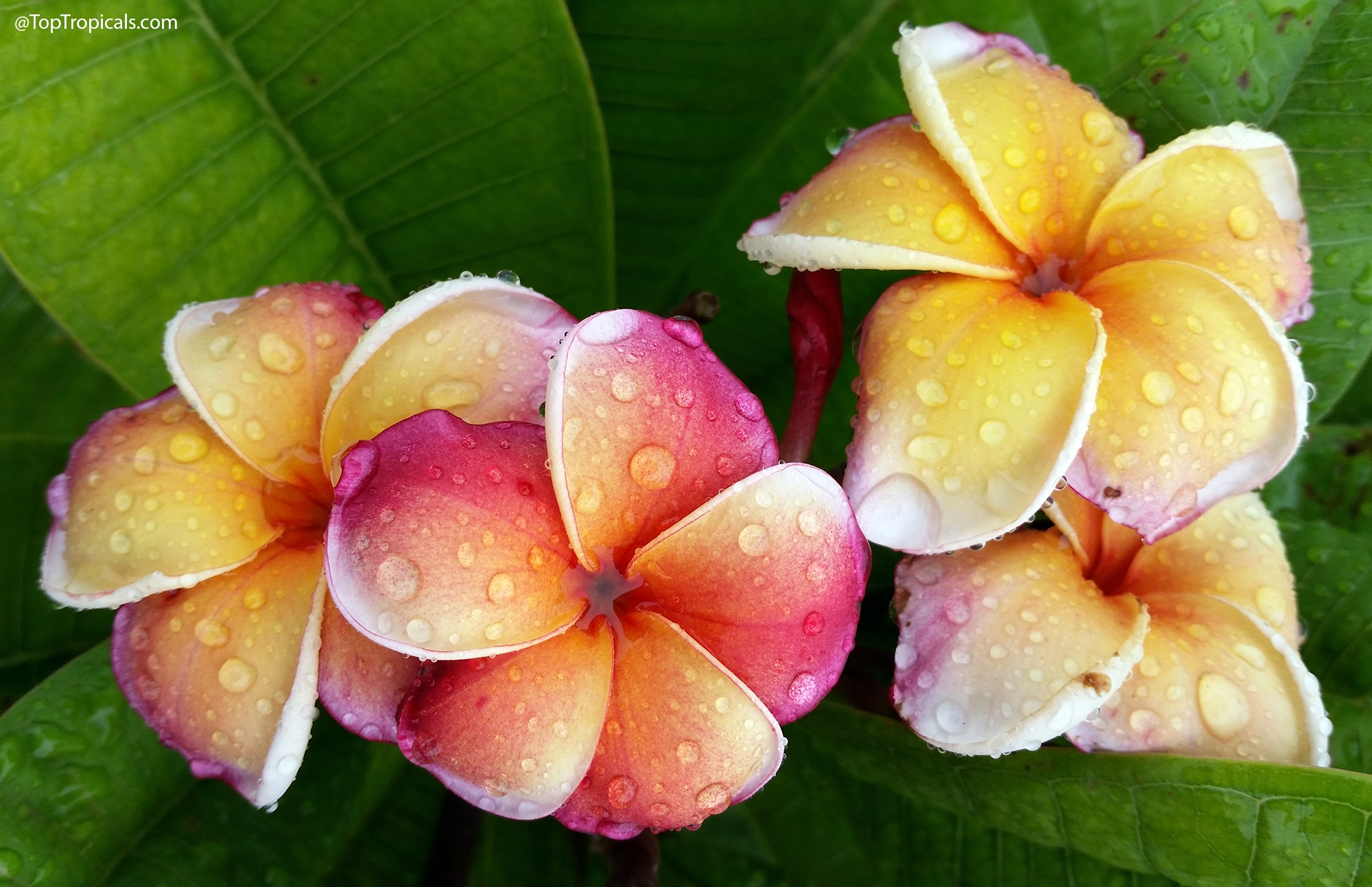
Orange KLS stands out with a rare mix of five colors - peach, yellow,
orange, white, and crimson - all blending into one vivid bloom. Fragrant and
eye-catching, it’s a truly unique plumeria.
Plumeria Plant Facts
Botanical name: Plumeria sp. Also known as: Plumeria, Frangipani
USDA Zone: 9 - 11
Highligths
Practical Growing Tips (Keep It Simple)
Sun: Full sun is key. 6+ hours daily for best
blooms.
Soil: Fast-draining mix. In pots, use cactus mix or add
perlite and sand. The best soil for Plumerias is a
50:50 mix of
Abundance potting soil with coarse sand.
Watering: Water well, then let soil dry out before
watering again.
Containers: Excellent for pots. Easier control and
mobility.
Airflow: Good airflow keeps plants healthy and
clean.
Spacing: Give each plant room - better shape and more
flowers.
Blooming plumeria plants in pots after rain.
Winter Care (Very Important)
Temperature: Protect from freeze. Below 40F they need
protection.
Dormancy: Leaves drop in winter. This is normal.
Watering: Almost dry during dormancy.
Indoors: Move containers inside if frost is
expected.
Light: Bright spot is enough. No need for full sun in
dormancy.
No feeding: Do not fertilize during winter rest.
Restart: Resume watering when new growth appears in
spring.
Potted plumeria in bloom.
About Plumeria Rust (Florida Reality)
If you are growing plumerias in Florida, you will likely see plumeria rust
at some point. It shows up as orange powdery spots on the
underside of leaves and can cause leaves to yellow and drop early. It is
driven by high humidity and is most common in the fall, right before the
plant naturally starts dropping its leaves.
It looks alarming, but it is mostly a cosmetic issue and does not harm the
plant long term. Good airflow, full sun, and avoiding overhead watering help
reduce it. If needed, you can remove affected leaves or use a simple
fungicide (in our experience, the most effective one for Plumeria rust is
Southern Ag Garden Friendly Fungicide), but in most cases the plant
grows
right through it and comes back clean with fresh growth.
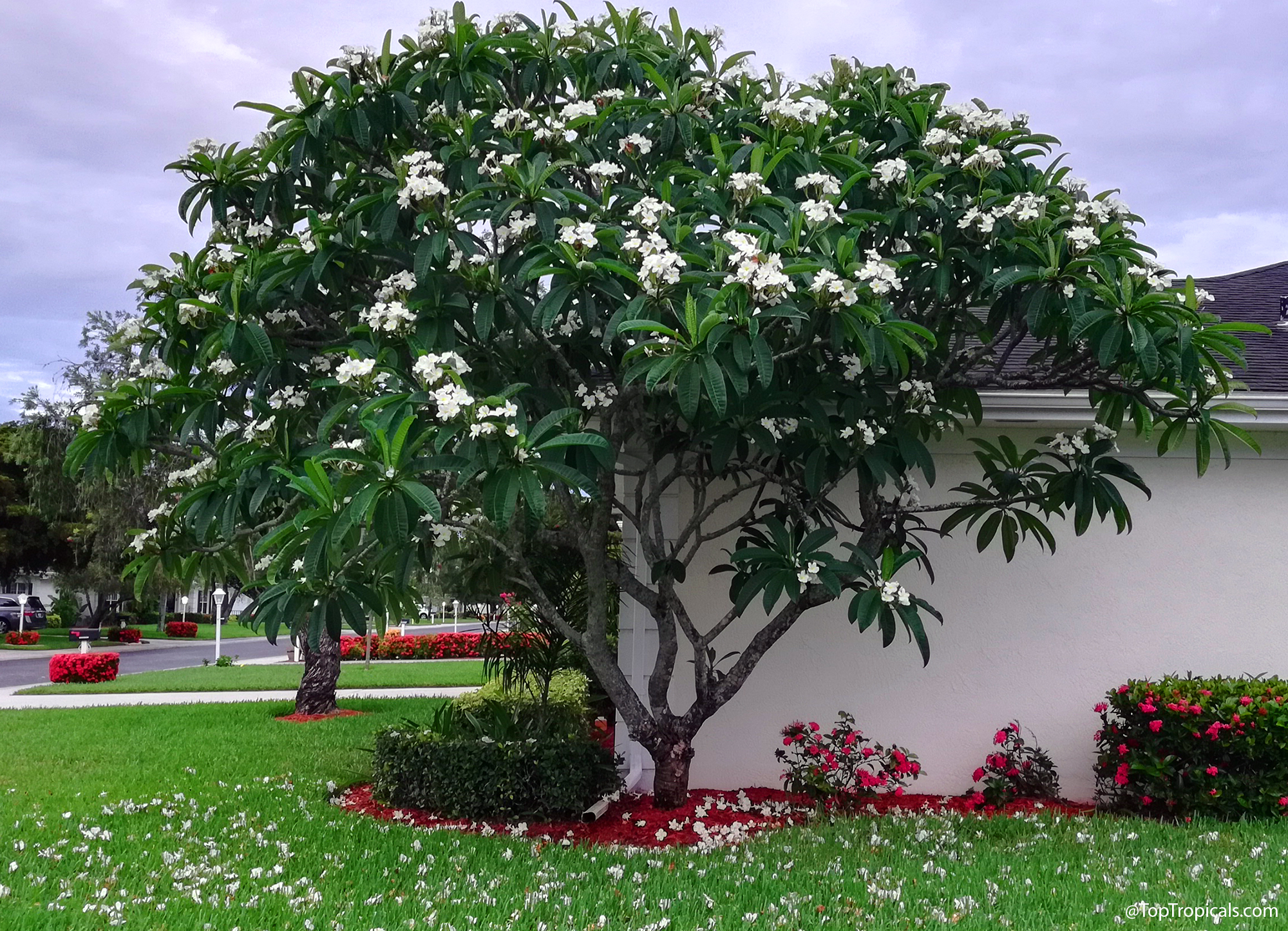
White and
Yellow Plumerias are the most fragrant.
Plumeria Fragrance - Bring It Anywhere
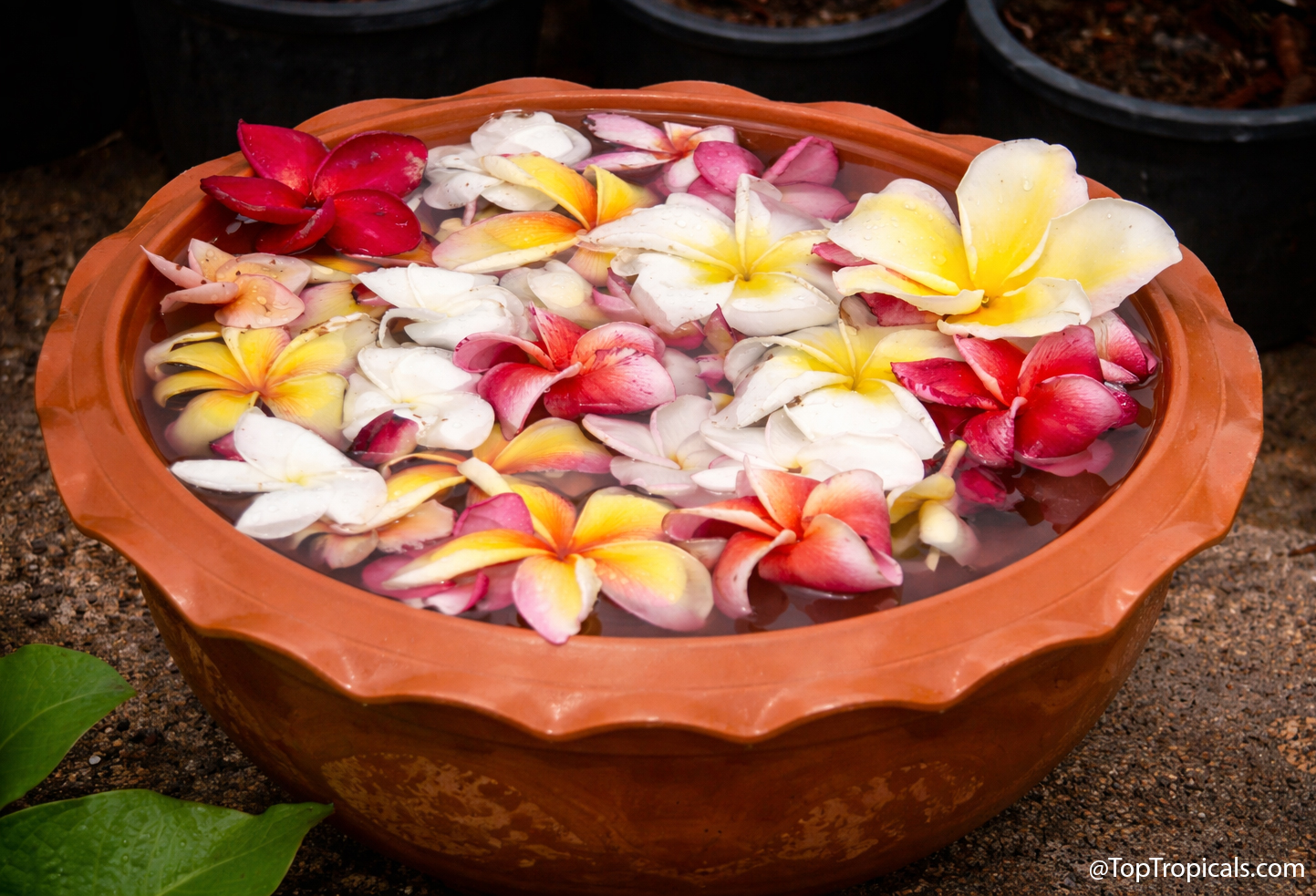
That scent does not have to stay in the garden. Fresh plumeria flowers can
be brought inside and placed in a small bowl of water they will float and
gently perfume the room. You can make a simple lei, keep a few blooms
on a table, or even place a flower in your car on a hot day - the warmth
releases the fragrance.
Bowl with Plumeria flowers
creates a scented space anywhere
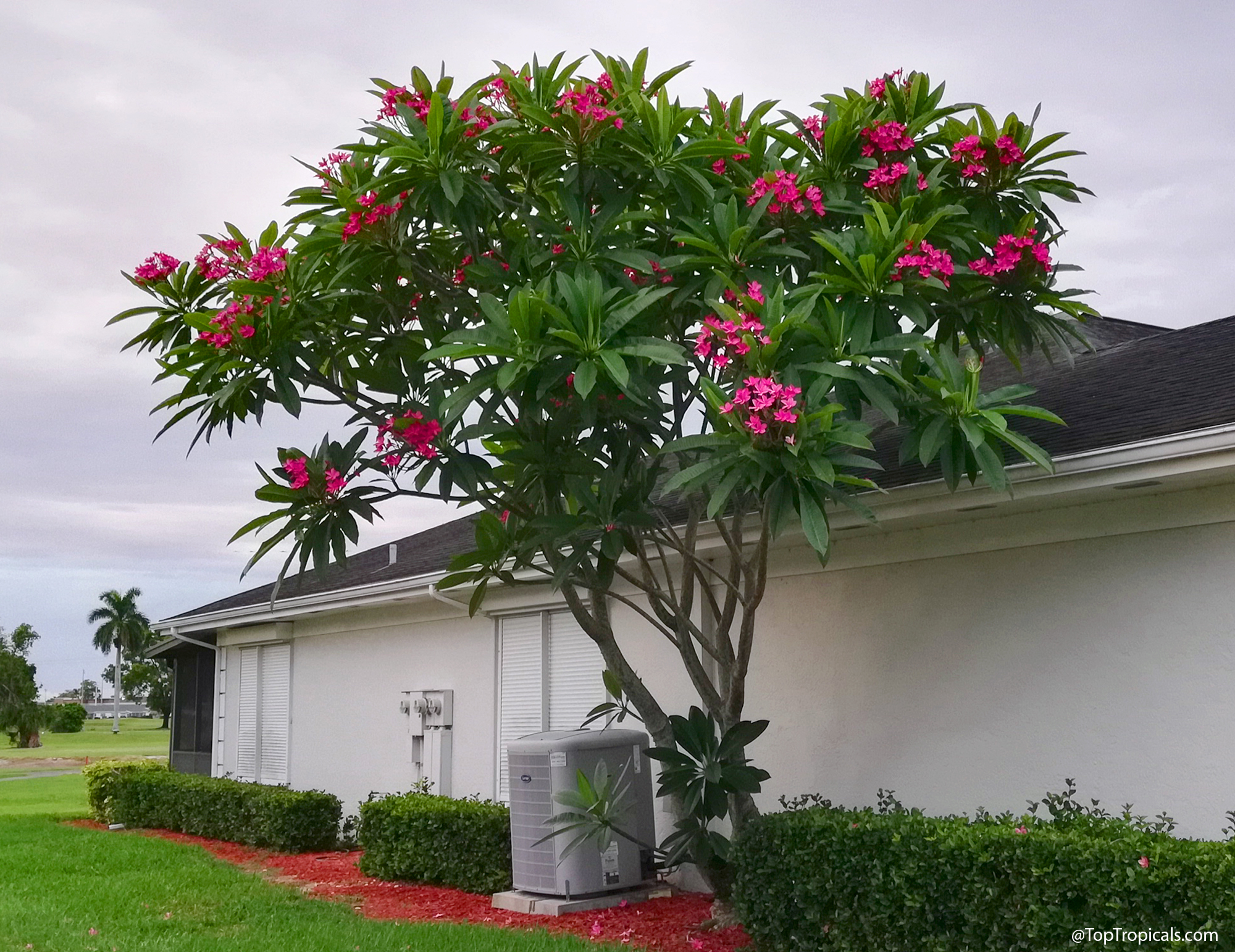
Red Plumeria is not just fragrant, it is one of the
most spectacular trees when in full bloom
Build Your Plumeria Paradise - Save
10%
Get 10% off with coupon code PLUMERIA2026
on plumeria trees.
Offer valid through 04/15/2026.
Discount applies to plumeria plants only. Not valid on previous purchases
and cannot be combined with other promotions or discounts. Offer
subject to change without notice.
Date: 25 Mar 2026
Forget the Tropics: These 5 Condo Mango Varieties Thrive in Your Living Room
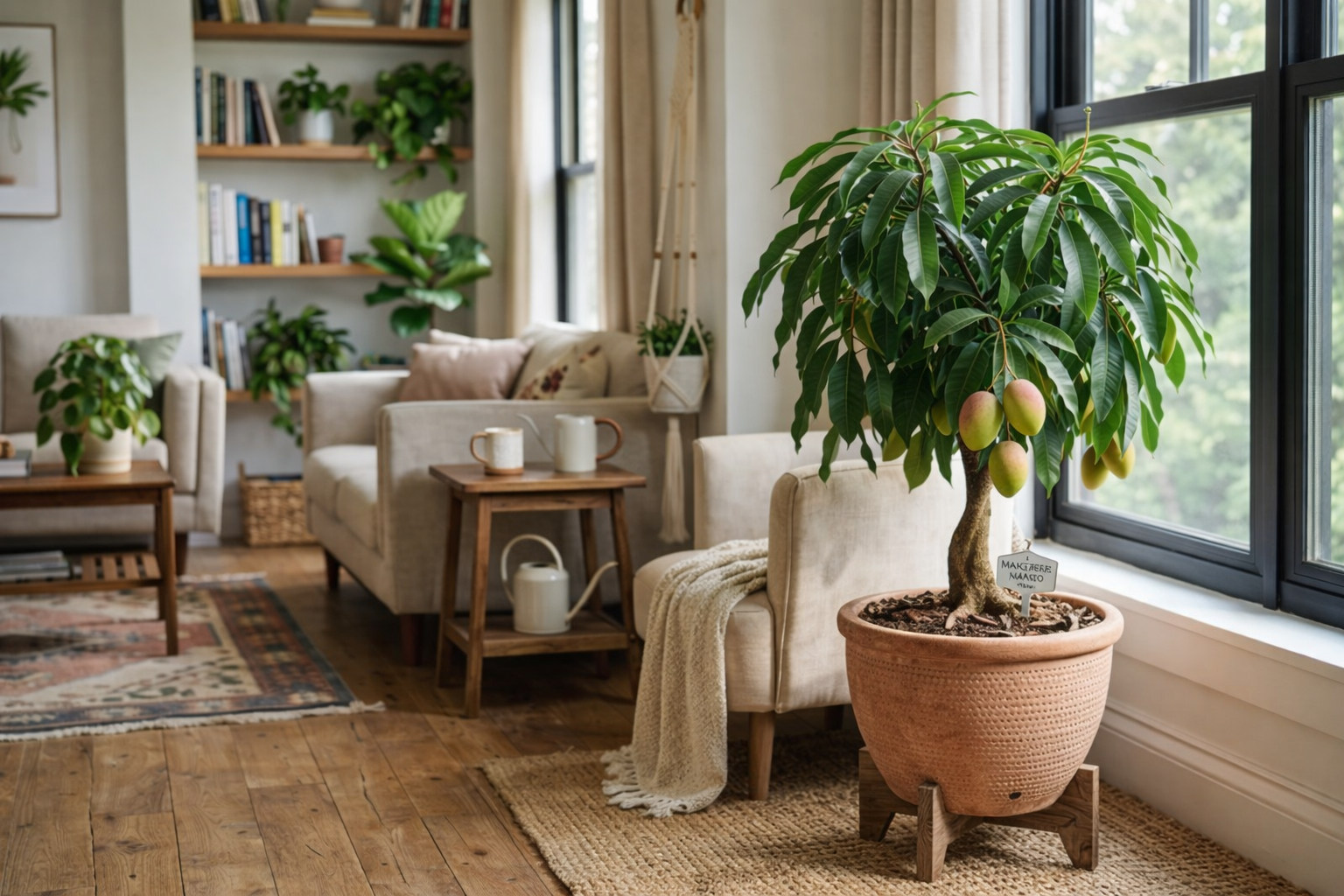
Mngo tree in a pot
Forget the Tropics: These 5 "Condo Mango" Varieties Thrive in Your Living Room 🥭
A tropical orchard in your living room? It’s more possible than you think. While wild mango trees can tower at 60 feet, "condo mango" varieties allow you to harvest juicy, sun-ripened fruit right next to your sofa.
Mango Plant Facts
Botanical name: Mangifera indica Also known as: Mango
USDA Zone: 9 - 11
Highligths
If you have a sunny window and a bit of patience, here is exactly how to grow a potted mango tree indoors.
🌳 Why "Condo Mangoes" are the Secret to Success
Most people fail because they plant a seed from a grocery store mango. Don't do that. Seeds take up to a decade to fruit and grow far too large.
Instead, look for grafted, dwarf varieties. These are bred to: • Stay compact (6–10 feet). • Fruit within 1–3 years. • Thrive in the limited root space of a container.
🌳 The 5 Best Mango Varieties for Indoor Pots
Choosing the right cultivar is 90% of the battle. These five are the gold standard for indoor growers:
• Pickering: The #1 choice for pots; naturally tiny. Rich, fiberless, and coconut-heavy. • Cogshall: Slow-growing and easy to prune. Classic, ultra-sweet tropical taste. • Ice Cream: Extremely compact; thrives in small spaces. Creamy texture, like mango sorbet. • Carrie: High disease resistance; very productive. intense, spicy-sweet aroma. • Mallika: A semi-dwarf Indian favorite. Exceptional, honey-like sweetness.
Mangoes are sun-worshippers. They need at least 8 hours of direct light daily.
The Pro Move: Place your tree in a south-facing window. If you live in a cloudy climate, a high-quality LED grow light isn't optional - it’s a necessity to prevent leaf drop and encourage flowering.
The Rule: Let the top 2 inches of soil dry completely before watering deeply.
3. Temperature & Humidity
Keep your room between 65F and 90F. If you are comfortable, the tree is likely comfortable. Avoid placing it near drafty AC vents or heaters that sap humidity.
4. The "Bee" Factor (Pollination)
Indoors, you lack wind and insects. When your tree flowers, gently shake the branches or use a small paintbrush to move pollen between blooms to ensure fruit sets.
👉 Quick Tips for a Better Harvest
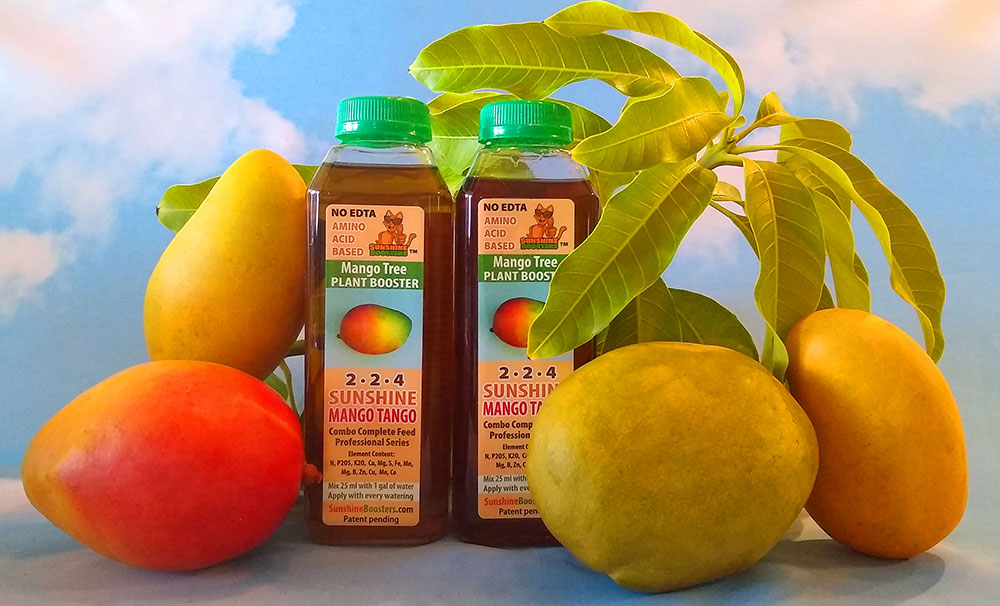
• Pot Size: Start with a 15-inch wide container and "up-pot" every two years. • Pruning: Don't be afraid to snip! Pruning the tips encourages branching, and more branches mean more fruit. • Fertilizer: Use a balanced organic fertilizer with micronutrients (like magnesium and iron). We recommend Sunshine Mango Tango specifically formulated for mango trees, and a micro element supplement - Sunshine Superfood - these are safe to use with every watering.
🌹 Today, March 8, a big part of the world celebrates International Women's Day.
In many European countries it is also a celebration of spring, love, and new beginnings. The day when flowers appear everywhere, small gifts are exchanged, and warm wishes are shared.
🌹 Smokey and Sunshine decided they should not miss such an important occasion. Smokey arrived properly prepared with a bright bouquet, while Sunshine handled the essentials - coffee and donuts. And of course, no celebration at our place would be complete without plants.
🌹 So here is a cheerful March 8 greeting from our greenhouse crew!
Happy March 8 to all - both related and non-related.
Wishing love, happiness, and many beautiful days ahead to all women and to everyone lucky enough to have them in their lives.
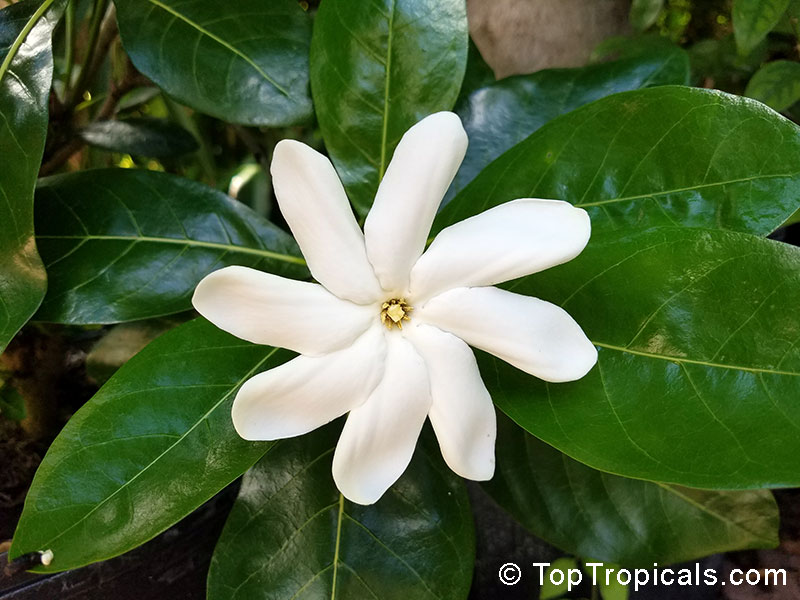
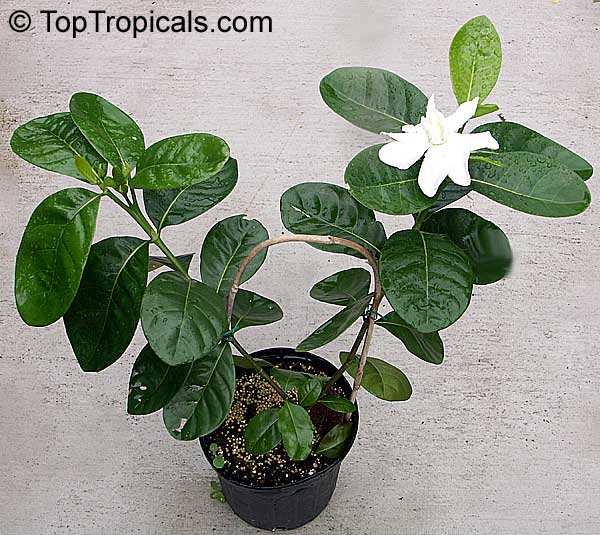
Q: I am interested in your Tahitian Gardenia and I would love to try and grow this plant in a
large container/fabric pot. The soil here where I live is terrible as it's hard rock, clay, and sand! So I'm not sure if amending the soil would help to plant in the ground? Can you tell me if this will do okay in a container or best in ground? I live here in Las Vegas, NV (zone 9a). Any information would be great to help me make a this decision, I love the selection of cool tropical plants you offer! Also my daughter does Tahitian/Polynesian dance and this would be a cool "topping on the cake" if she could have a live Tiare flower in her performances.
A:Tahitian Gardenia will be doing best if grown in container in your
area. In its natural habitat, it grows full sun but also it enjoys mild weather
conditions and high air humidity. All gardenias prefer acidic soils. In your
area, if planted in the ground, it may be exposed to some harsh conditions:
too high temperatures, too hot sun, dry air, and as you mentioned - heavy clay
and sandy soil. You can enjoy this plant grown in container, which can be
moved as needed away from too much sun during summer months. Use well-drained potting mix. Use plastic pot, do not use fabric or clay
pots - soil will dry out too quickly.
Also remember to fertilize this plant on regular basis with a liquid
fertilizer SUNSHINE Pikake - Fragrant Flower Booster.
Grow gardenia in full sun or semi-shade during the hottest months. You may
spray it with pure water if the air too dry and hot. Enjoy your Tropical
Beauty and good luck!
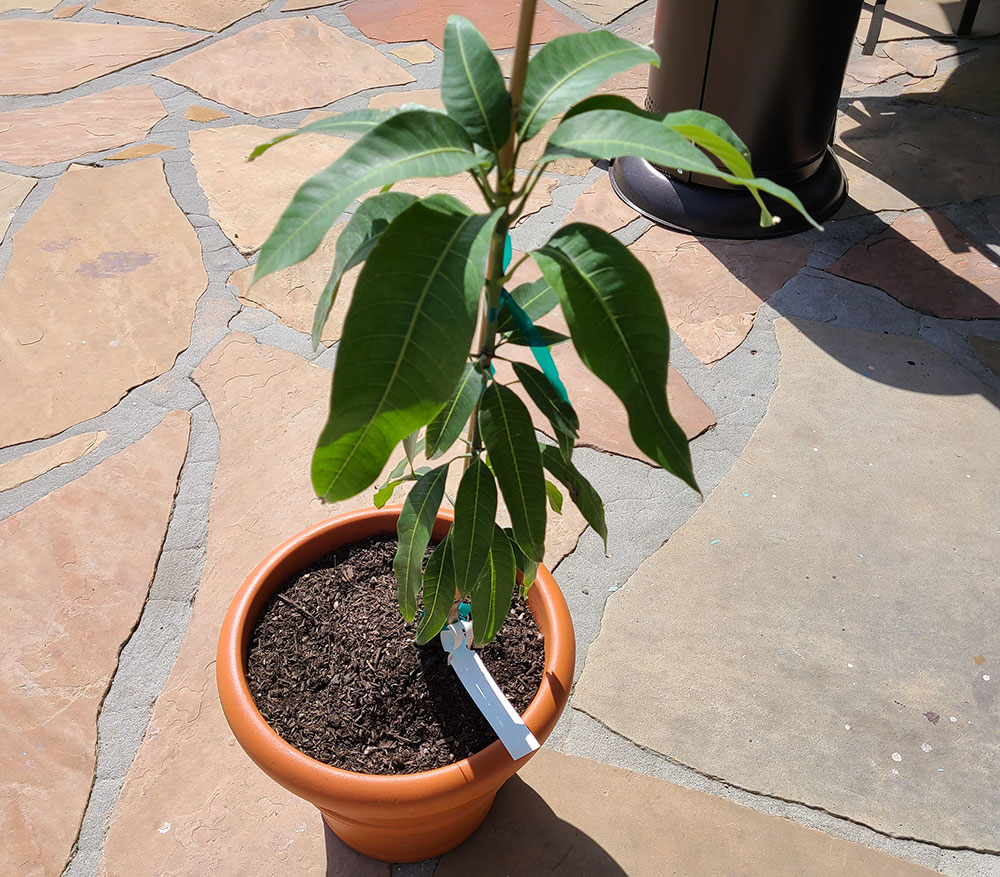
Q: I received a mango tree we ordered last week (I am in
California) and am trying to make sure we take care of it properly. I noticed the
corners of some leaves have began drying out. I wanted to see if there was
anything else we should be doing or if it is something normal. Overall the tree
looks good and the leaves have perked up, but I noticed the dry tips on a
handful of leaves. Any help is appreciated! I have not fertilized in the pot yet
or applied the mango sunshine booster.
A:Your mango tree looks pretty healthy, and these dry leaf tips
may be caused by overall shipping stress. You have dry air in California, and
temperatures may be getting up, this may cause additional drying effect. You
may start fertilizing with a liquid fertilizer, it will help the plant to get stronger and grow
faster - then heat and dry air won't be a problem as soon as the plant becomes
better established and hopefully go into a bigger pot soon, or in the ground.
Make sure to provide regular water if you have hot dry summers.


 Practical Growing Tips (Keep It Simple)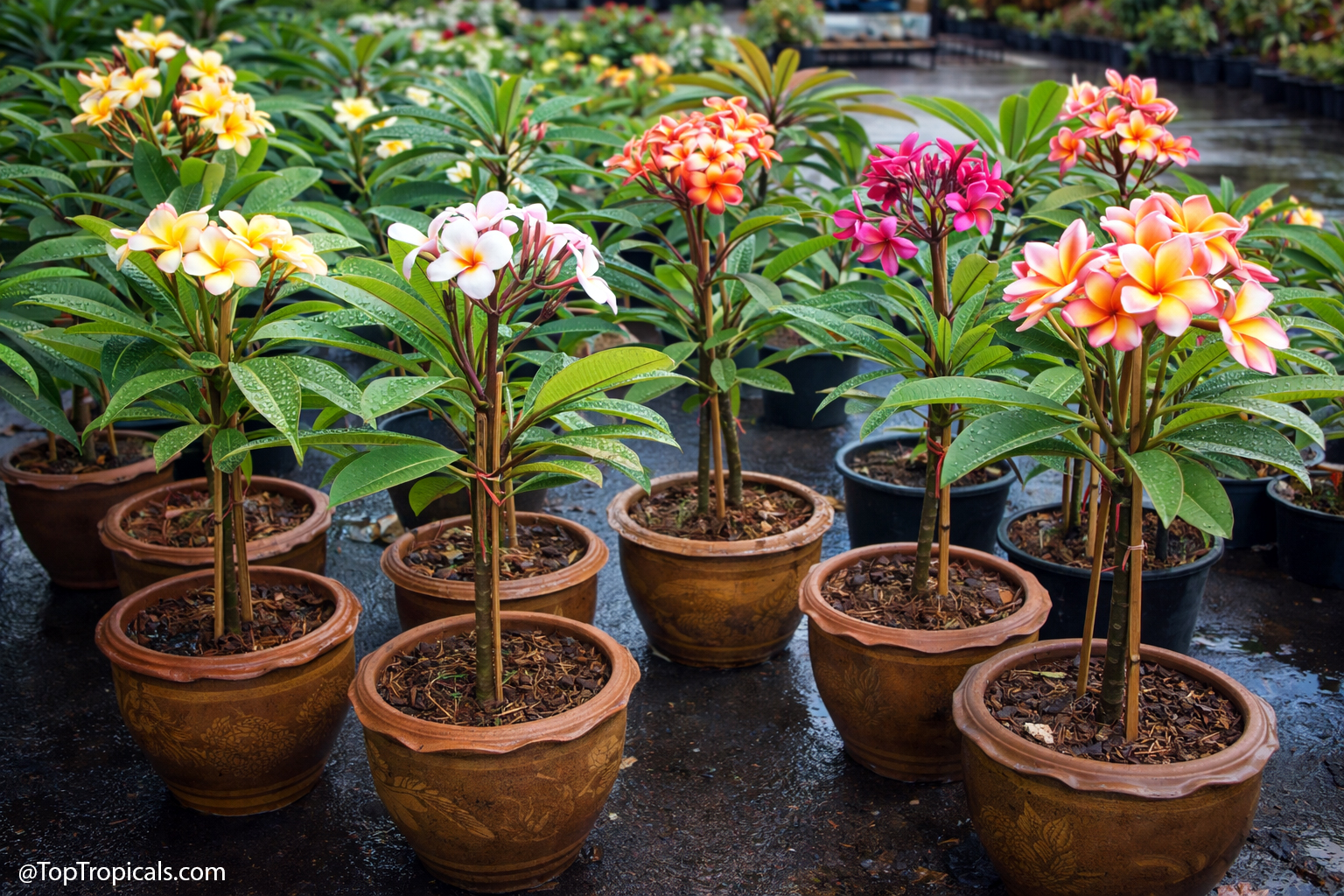
 Winter Care (Very Important)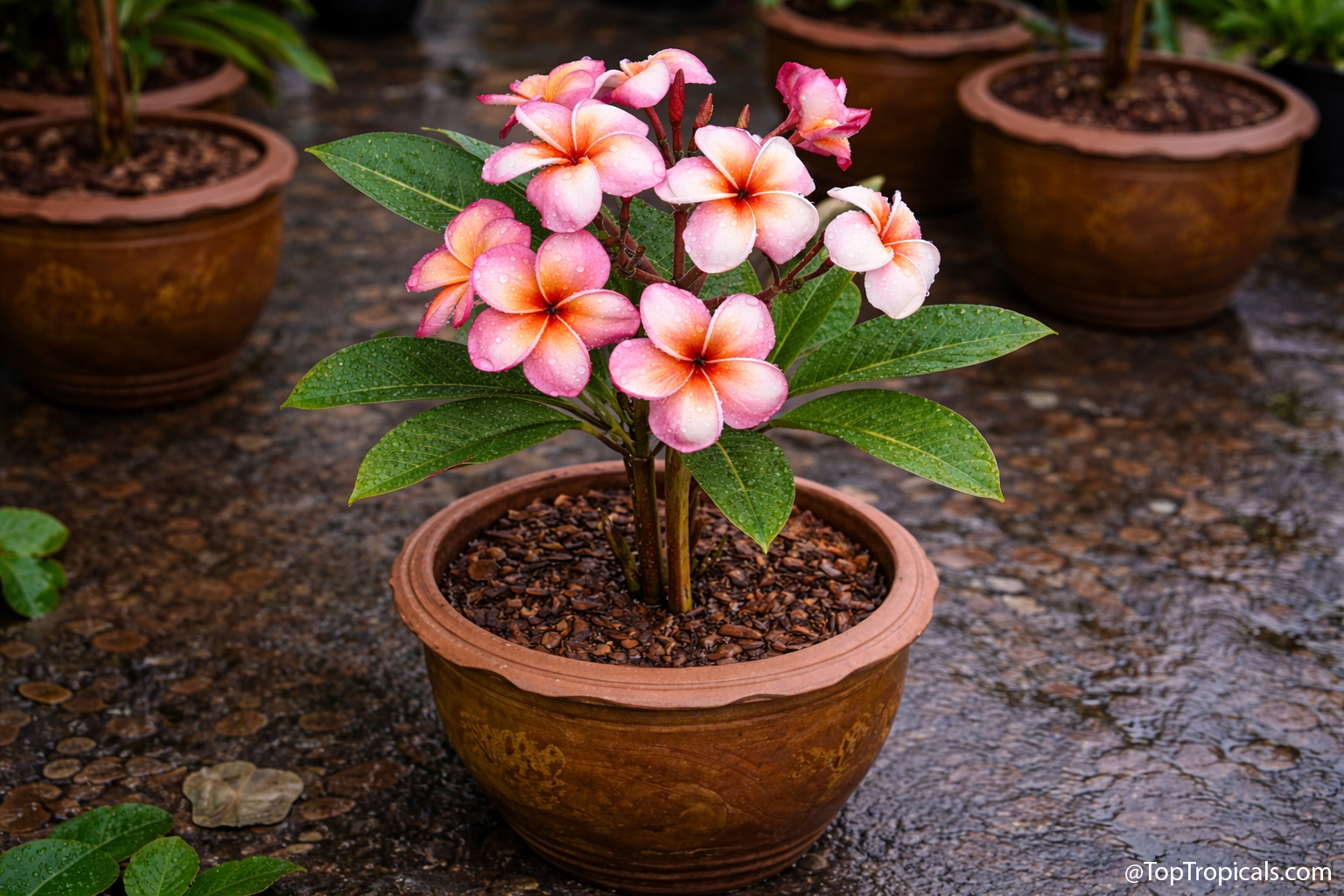
 Build Your Plumeria Paradise - Save
10%
Build Your Plumeria Paradise - Save
10%