Date: 16 Jan 2025
How to grow a Lychee tree and have a reliable crop
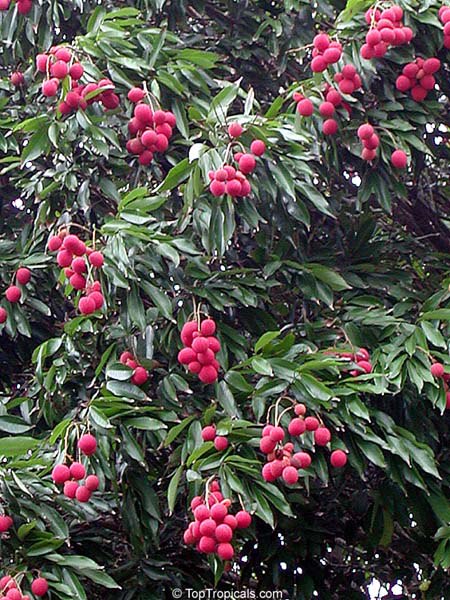
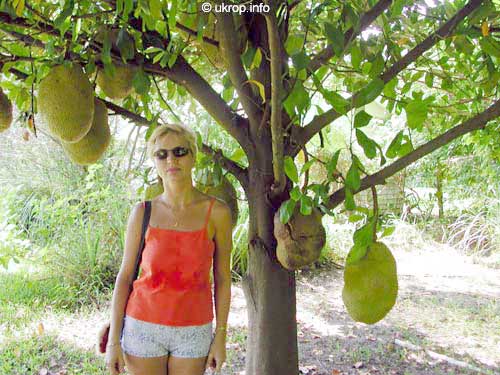
Lychee fruit on a tree, Litchi chinensis
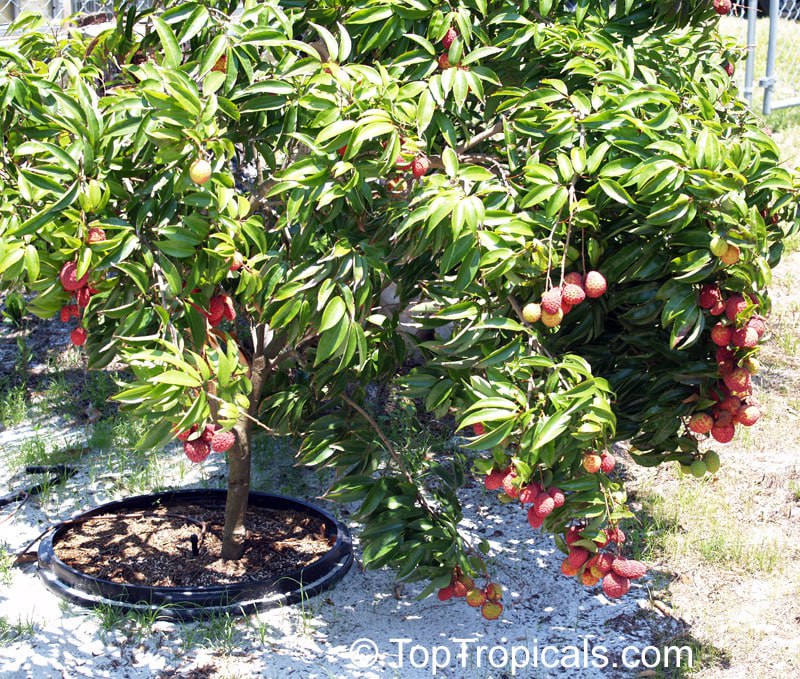
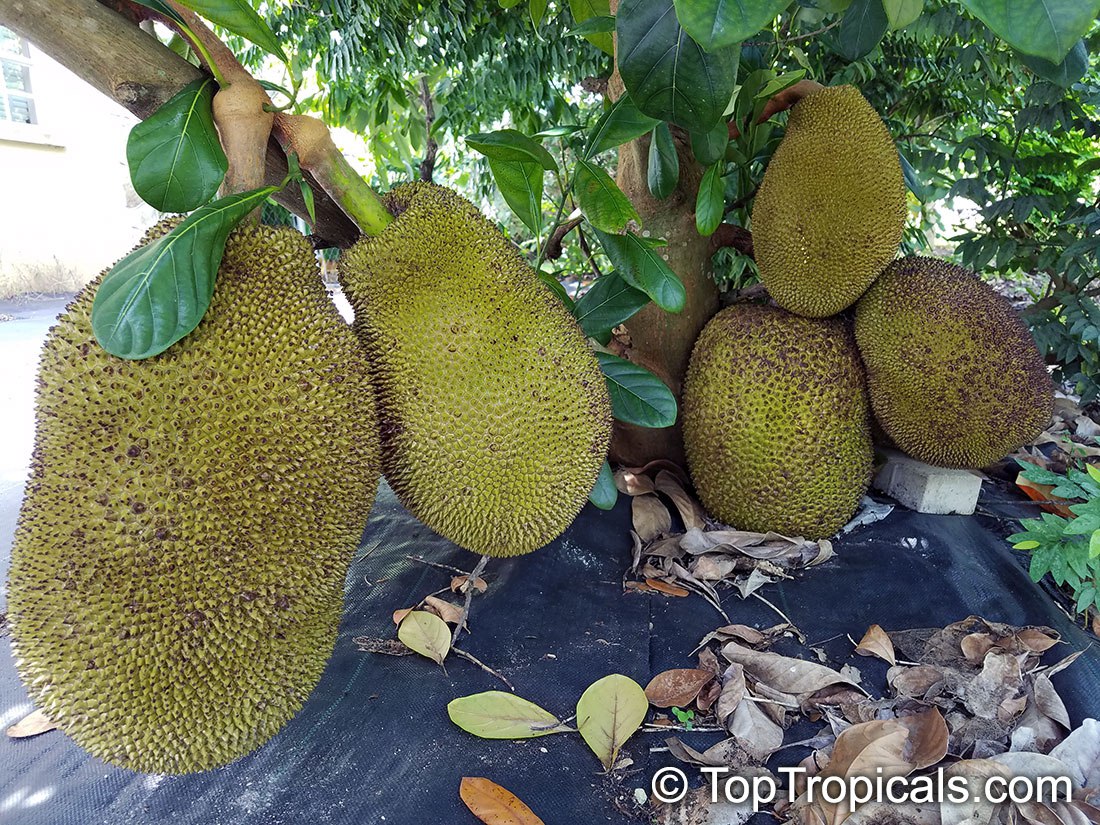
Lychee tree in a pot with fruit, Litchi chinensis
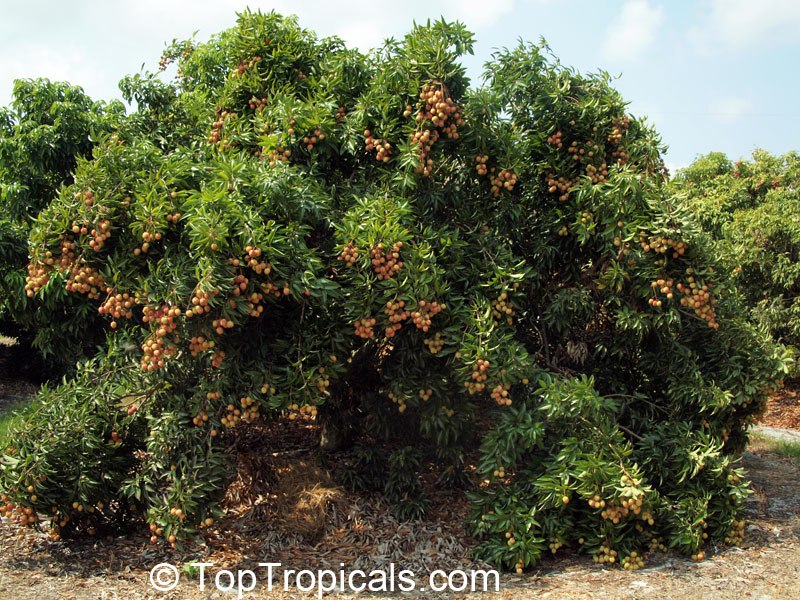
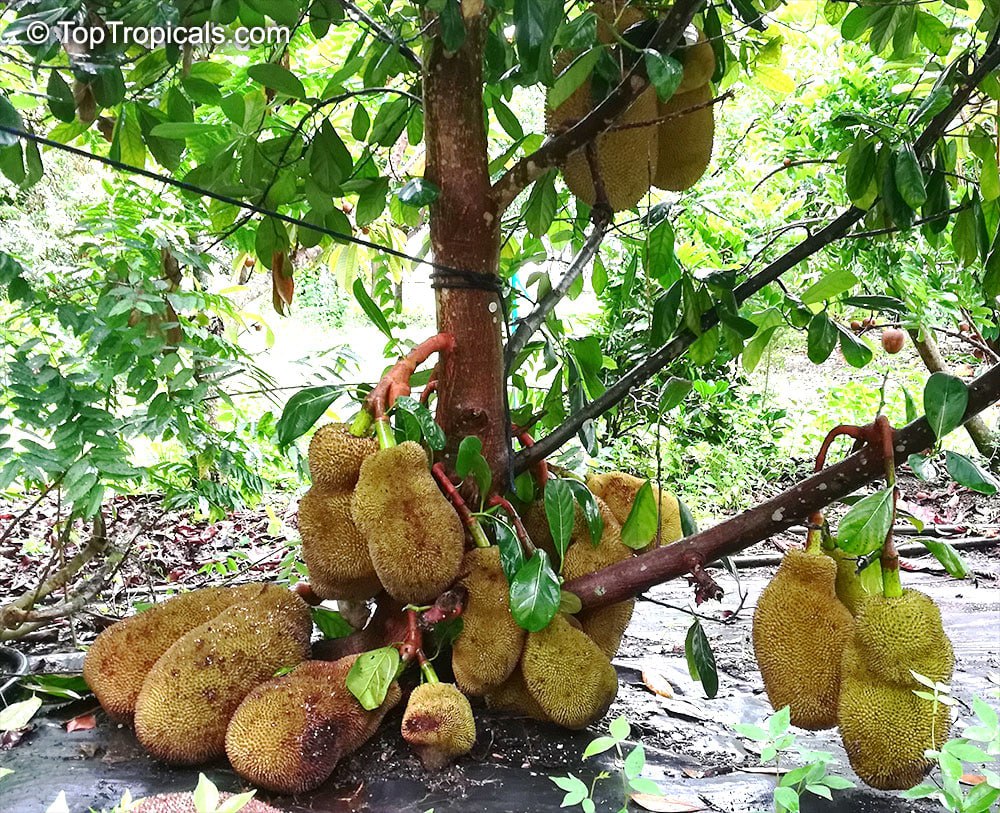
Lychee tree with fruit, Litchi chinensis
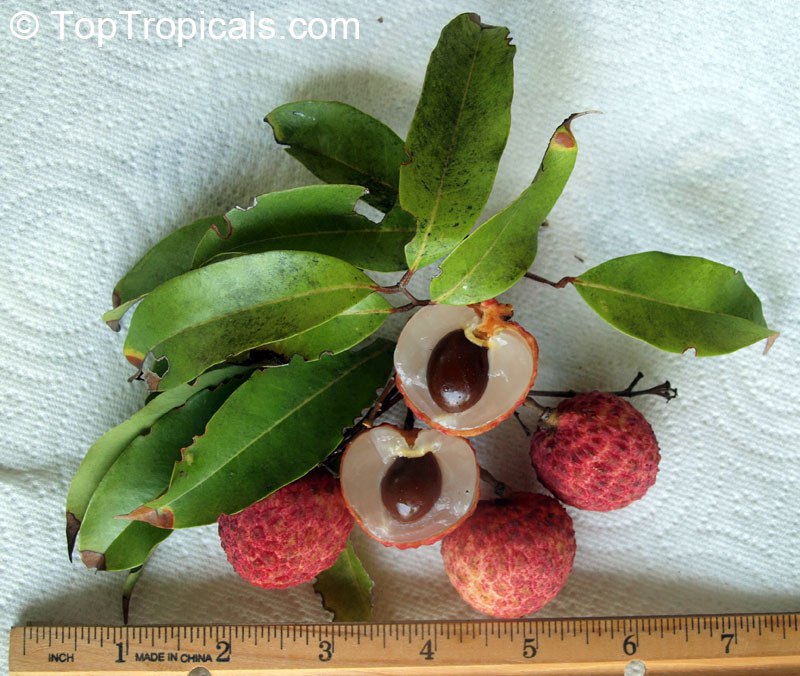
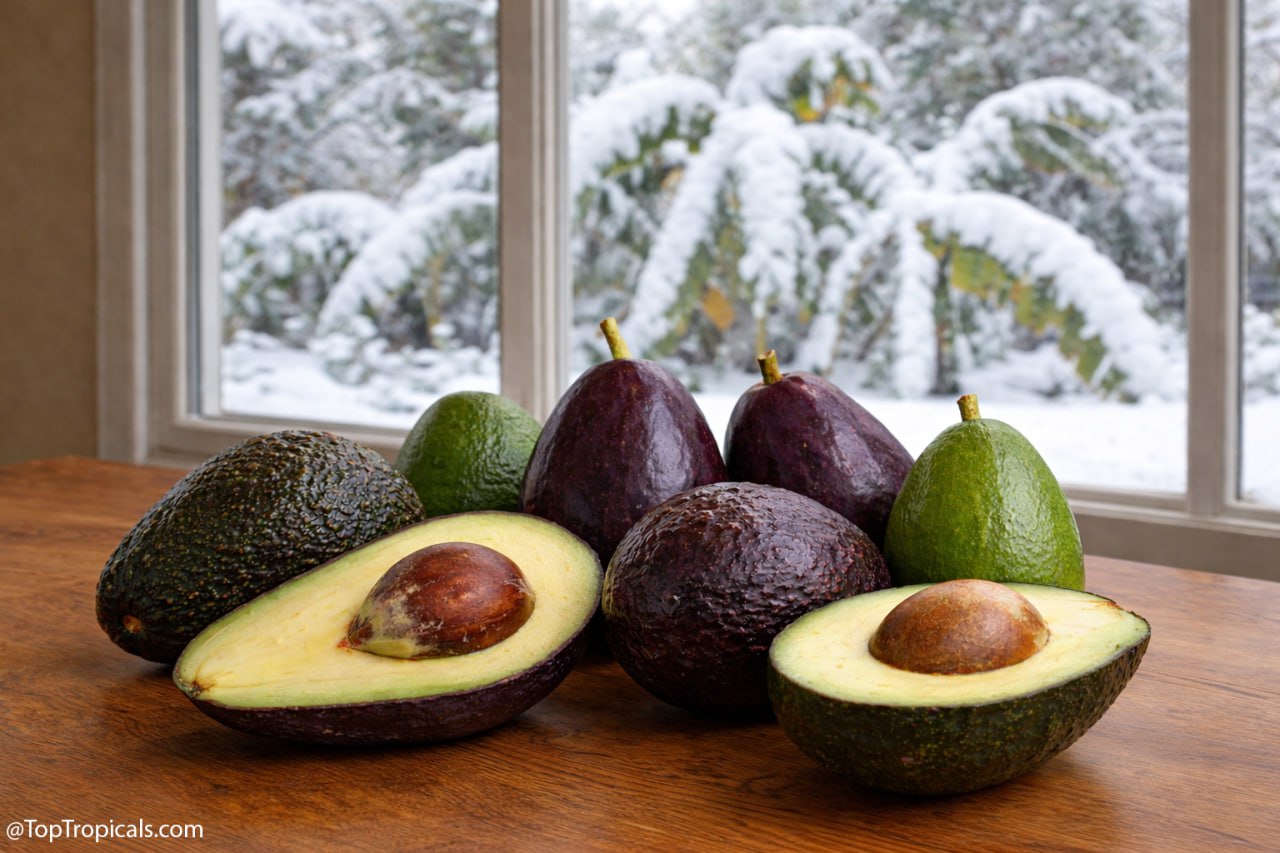
Lychee fruit, Litchi chinensis
How to grow a Lychee tree and have a reliable crop. Practical Guide to Growing Lychee.
🍑 Lychee (Litchi chinensis) is a tropical evergreen tree renowned for its delicious, aromatic fruit. Native to southern China, lychee trees can reach heights of up to 40 feet and are prized for their attractive foliage and bountiful fruit clusters.
💋Climate: Lychee trees thrive in tropical and subtropical climates with warm, humid summers and cool, dry winters. They require a period of winter chilling (100-200 hours between 32F and 45F) to induce flowering. Mature trees can tolerate temperatures as low as 25F, but young trees are susceptible to frost damage.
💋Sunlight: Plant lychee trees in full sun to ensure vigorous growth and optimal fruit production. They require at least six to eight hours of direct sunlight daily.
💋Soil: Well-drained, slightly acidic soils rich in organic matter are ideal. Avoid heavy clay soils or areas prone to waterlogging, as lychee trees are susceptible to root rot.
💋Spacing: Ensure adequate space for the tree's mature size by planting at least 20 feet away from other trees or structures.
💋Lychee trees typically begin to produce reliably after 3-5 years, with the fruit ripening in early summer.
💋Timing: Wait until the fruit's skin turns bright red or pink, indicating full ripeness. Lychees do not ripen off the tree, so it's essential to harvest at the right time.
💋Method: Use pruning shears to cut entire clusters, leaving a short stem attached to each fruit to prolong freshness. Handle the fruit gently to avoid bruising.
💋Post-Harvest: Consume fresh lychees within a few days or store them in the refrigerator to extend shelf life. The skin may darken when refrigerated, but the fruit's quality remains unaffected.
💋Watering: Provide consistent moisture, especially during dry periods. However, avoid overwatering, as lychee trees are sensitive to waterlogged conditions. Mulching around the base helps retain moisture and regulate soil temperature.
💋Fertilization: Apply a balanced fertilizer during the growing season to support healthy growth and fruit development. Avoid excessive nitrogen, which can inhibit flowering. Sunshine Boosters C-Cibus - natural liquid fertilizer - is the best choice, and is safe to use with every watering year around.
💋Pruning: Minimal pruning is required. Remove dead or diseased branches and shape the tree to maintain its structure. Pruning after harvest can encourage new growth.
🍑 More practical advice on propagation and harvest in next post 👇
🛒 Shop Lychee trees
#Food_Forest #How_to
🔴 Join 👉 TopTropicals
🍑 Lychee (Litchi chinensis) is a tropical evergreen tree renowned for its delicious, aromatic fruit. Native to southern China, lychee trees can reach heights of up to 40 feet and are prized for their attractive foliage and bountiful fruit clusters.
🍑 Important factors to consider when planting a Lychee tree
💋Climate: Lychee trees thrive in tropical and subtropical climates with warm, humid summers and cool, dry winters. They require a period of winter chilling (100-200 hours between 32F and 45F) to induce flowering. Mature trees can tolerate temperatures as low as 25F, but young trees are susceptible to frost damage.
💋Sunlight: Plant lychee trees in full sun to ensure vigorous growth and optimal fruit production. They require at least six to eight hours of direct sunlight daily.
💋Soil: Well-drained, slightly acidic soils rich in organic matter are ideal. Avoid heavy clay soils or areas prone to waterlogging, as lychee trees are susceptible to root rot.
💋Spacing: Ensure adequate space for the tree's mature size by planting at least 20 feet away from other trees or structures.
🍑 When and how do you harvest lychee fruit?
💋Lychee trees typically begin to produce reliably after 3-5 years, with the fruit ripening in early summer.
💋Timing: Wait until the fruit's skin turns bright red or pink, indicating full ripeness. Lychees do not ripen off the tree, so it's essential to harvest at the right time.
💋Method: Use pruning shears to cut entire clusters, leaving a short stem attached to each fruit to prolong freshness. Handle the fruit gently to avoid bruising.
💋Post-Harvest: Consume fresh lychees within a few days or store them in the refrigerator to extend shelf life. The skin may darken when refrigerated, but the fruit's quality remains unaffected.
🍑 How to grow a Lychee tree?
💋Watering: Provide consistent moisture, especially during dry periods. However, avoid overwatering, as lychee trees are sensitive to waterlogged conditions. Mulching around the base helps retain moisture and regulate soil temperature.
💋Fertilization: Apply a balanced fertilizer during the growing season to support healthy growth and fruit development. Avoid excessive nitrogen, which can inhibit flowering. Sunshine Boosters C-Cibus - natural liquid fertilizer - is the best choice, and is safe to use with every watering year around.
💋Pruning: Minimal pruning is required. Remove dead or diseased branches and shape the tree to maintain its structure. Pruning after harvest can encourage new growth.
🍑 More practical advice on propagation and harvest in next post 👇
🛒 Shop Lychee trees
#Food_Forest #How_to
🔴 Join 👉 TopTropicals