Garden Blog - Top Tropicals

Date: 30 Mar 2024

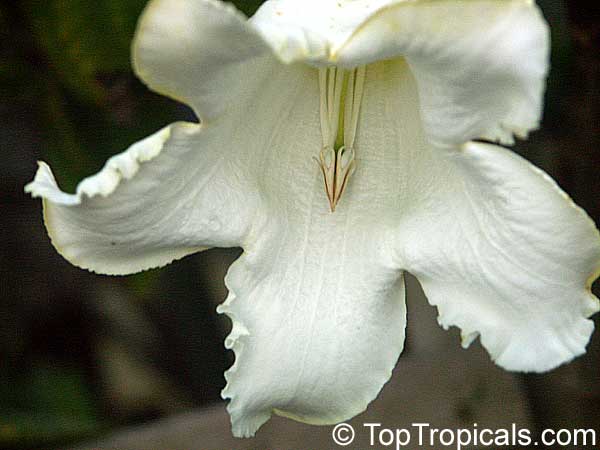
Easter Lily Vine:
Beaumontia grandiflora

Beaumontia  grandiflora  -  Easter  Lily  Vine

Q: Do you sell Easter Lilies?

A: In fact, we do! A rare tropical plant - Beaumontia grandiflora, or Easter Lily Vine, is a wonderful tropical version of the Easter Lily. It is one of the most impressive climbers - a woody vine with large fragrant flowers, and lush tropical foliage.
Easter Lily Vine is celebrated for its stunning large white flowers that resemble Easter lilies. These blossoms emit a delightful fragrance, attracting bees and butterflies, adding charm to any garden. The vine's lush foliage and vigorous growth make it an excellent choice for trellises or arbors, providing shade and exotic beauty to outdoor spaces or sunroom collections.
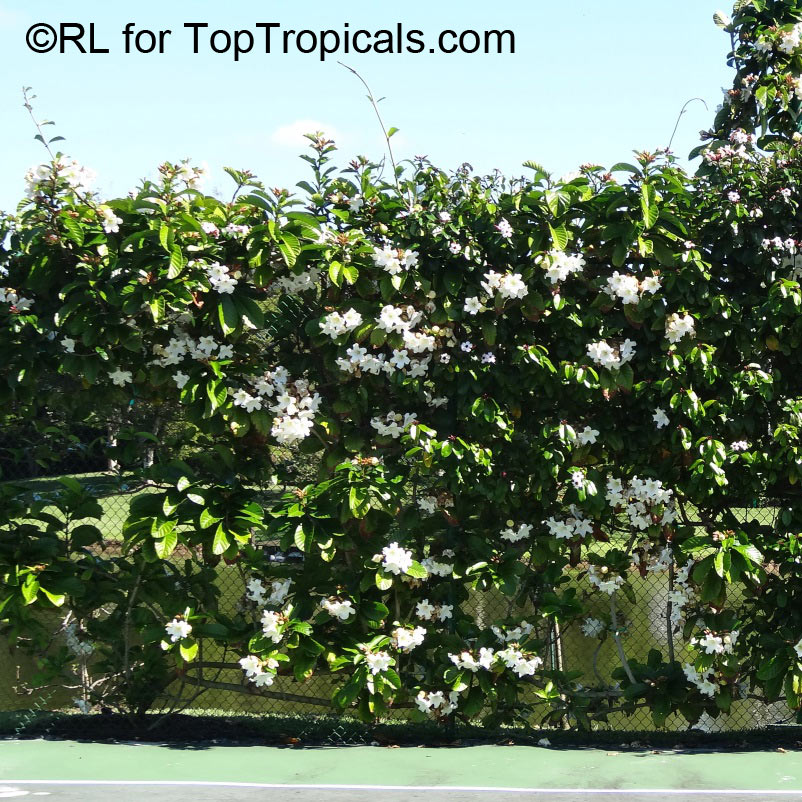
In addition to its beauty and aroma, Easter Lily Vine can create a fragrant privacy fence of virtually unlimited size!

Read more about Easter Lily Vine:
Beaumontia grandiflora - Easter Lily Vine.
How to create a fragrant privacy fence of virtually unlimited size.

Beaumontia  grandiflora  -  Easter  Lily  Vine,  live  hedge  fence

Date: 18 Jul 2023

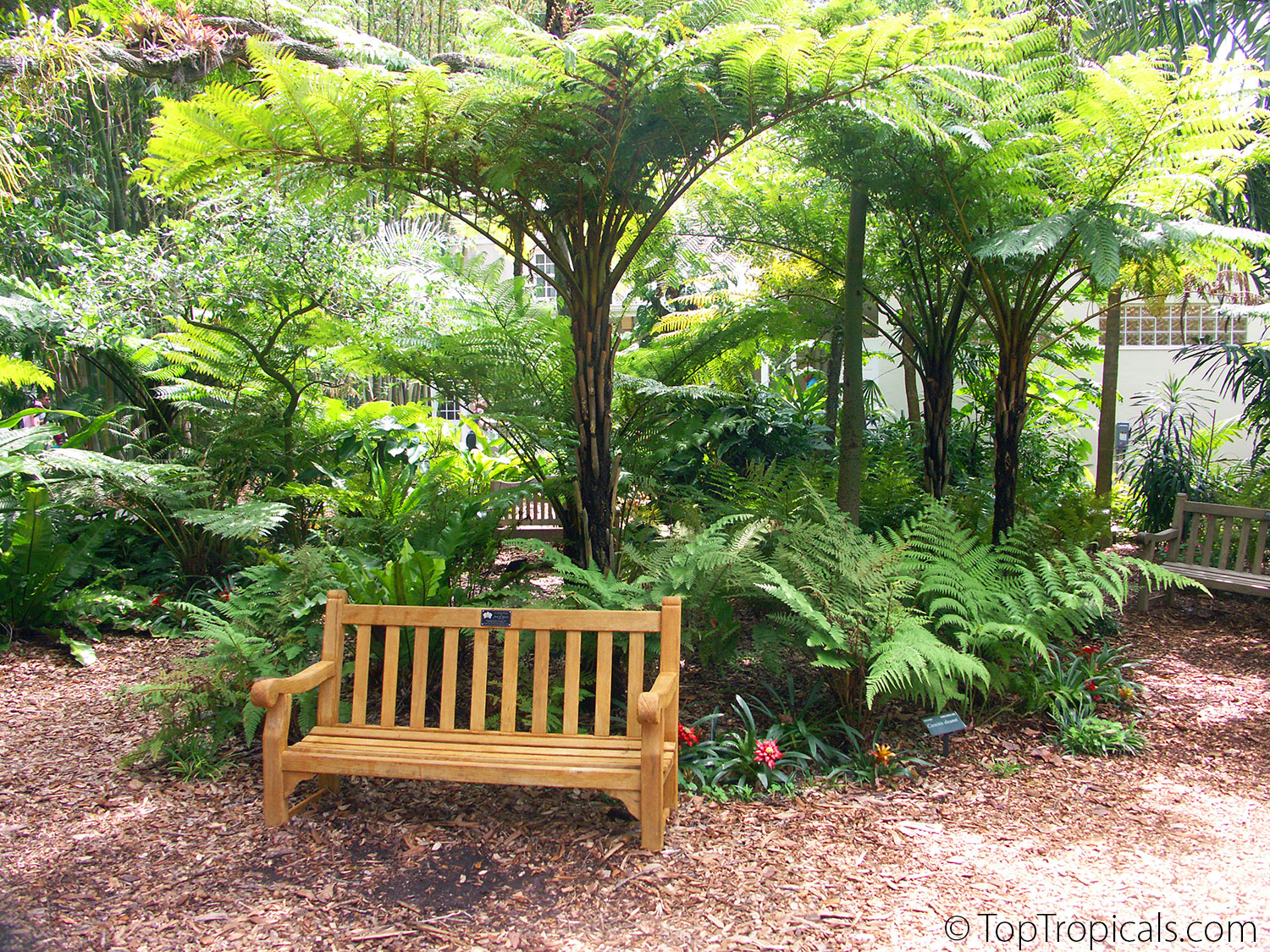
Australian Tree Fern - a botanical marvel

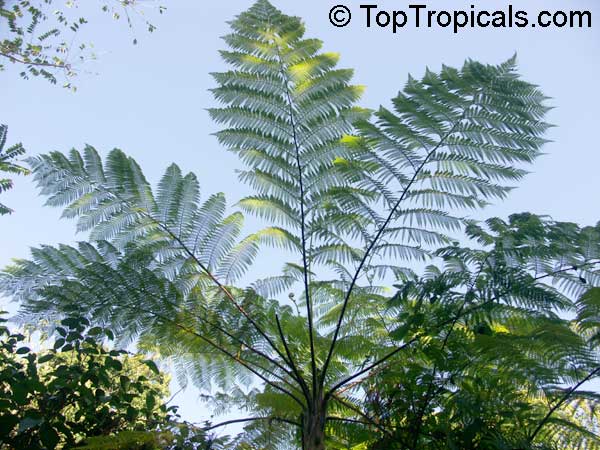
Cyathea  cooperi,  Australian  Tree  Fern

Q: I need an exotic looking, easy to grow tropical tree that can grow in semi-shade, create a character in my small Florida garden and a shelter for small wildlife. Any suggestions?

A: The Cyathea cooperi, known as the Australian Tree Fern... Deep within the enchanting rainforests of Australia, this botanical marvel flourishes, captivating all who lay eyes upon it. Its true magnificence lies in its intricate fronds, delicate yet resilient. Unfurling like the wings of a mythical creature, they gracefully arch outward, showcasing a mesmerizing symphony of emerald green.

As sunlight filters through the dense canopy above, its fronds become a living canvas for nature's creativity. But this tree fern is more than just a visual marvel. Its significance stretches far beyond its aesthetic appeal. The Australian Tree Fern is a vital component of its ecosystem, providing shelter and sustenance for a myriad of creatures. Its high-reaching canopy offers refuge to an array of birds, insects, and small mammals, creating a microcosm of life within its majestic embrace.

For centuries, the indigenous peoples of Australia have revered the Cyathea cooperi for its medicinal properties and cultural significance.

As the seasons unfold, the tree stands as a testament to resilience. It withstands the downpour of tropical rain, enduring the wrath of winds, and gracefully survives the scorching heat of summer. Through it all, it remains a symbol of endurance, an emblem of nature's ability to adapt and flourish.

Cyathea  cooperi  Australian  Tree  Fern  -  leaves

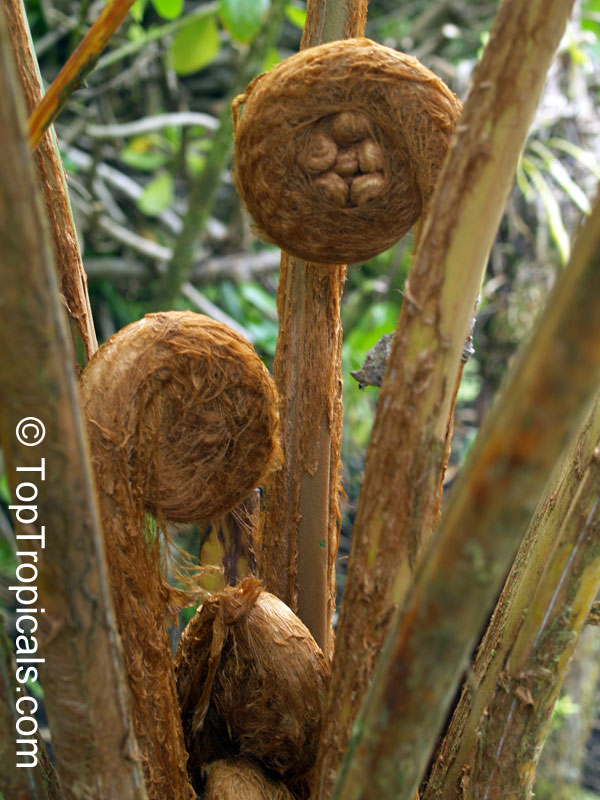
Cyathea  cooperi  Australian  Tree  Fern  -  baby  leaves

Young leaves of Australian Tree Fern are very exotic looking...

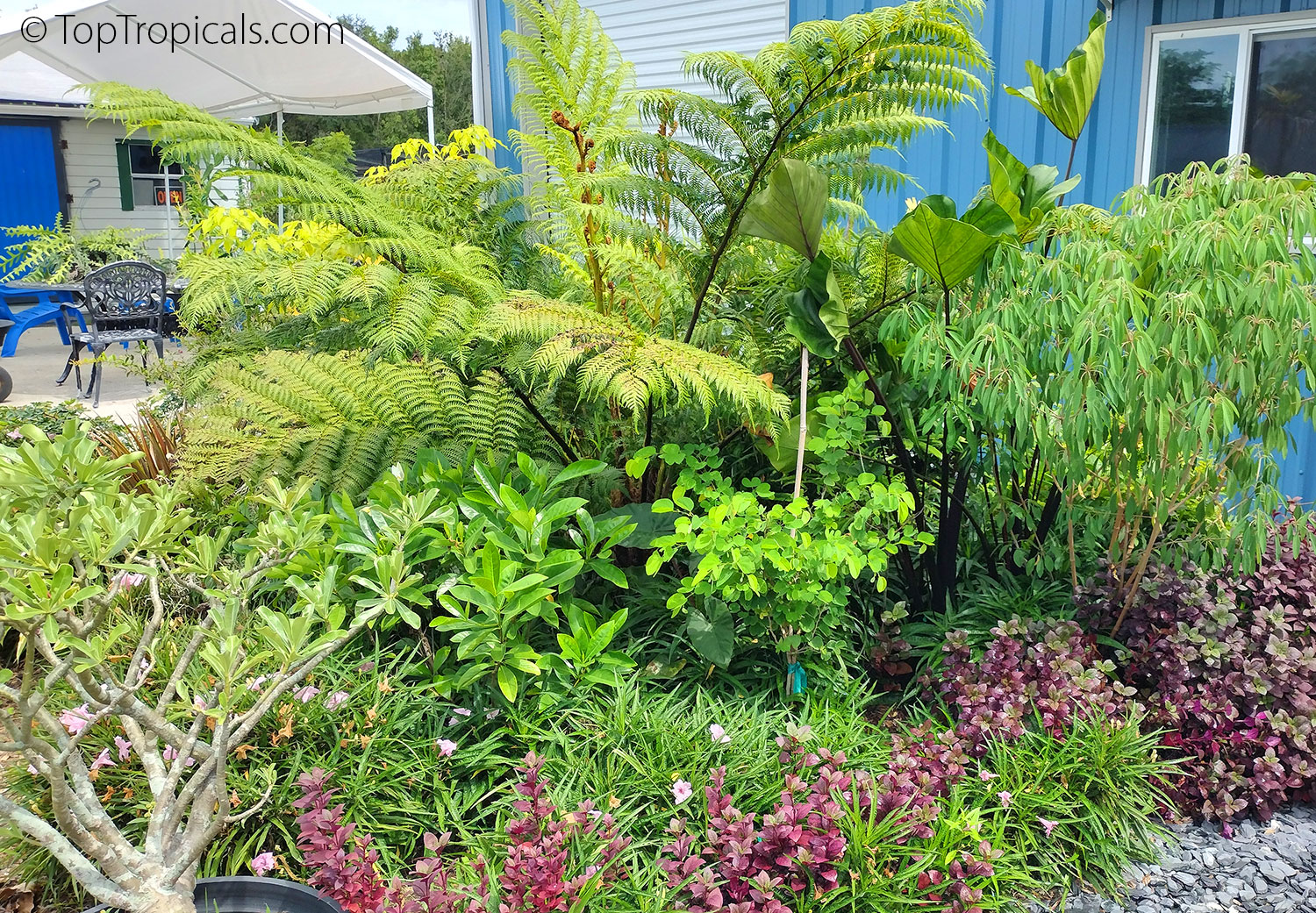
Cyathea  cooperi  Australian  Tree  Fern  -  young  plant  in  the  ground

Australian Tree Fern recently planted in front of the office of our Bfarm is getting the best Sunshine Boosters plant food - Robusta - from the Robuster injector; it grows super fast, we should see it in its full beauty soon!

Date: 11 Oct 2019

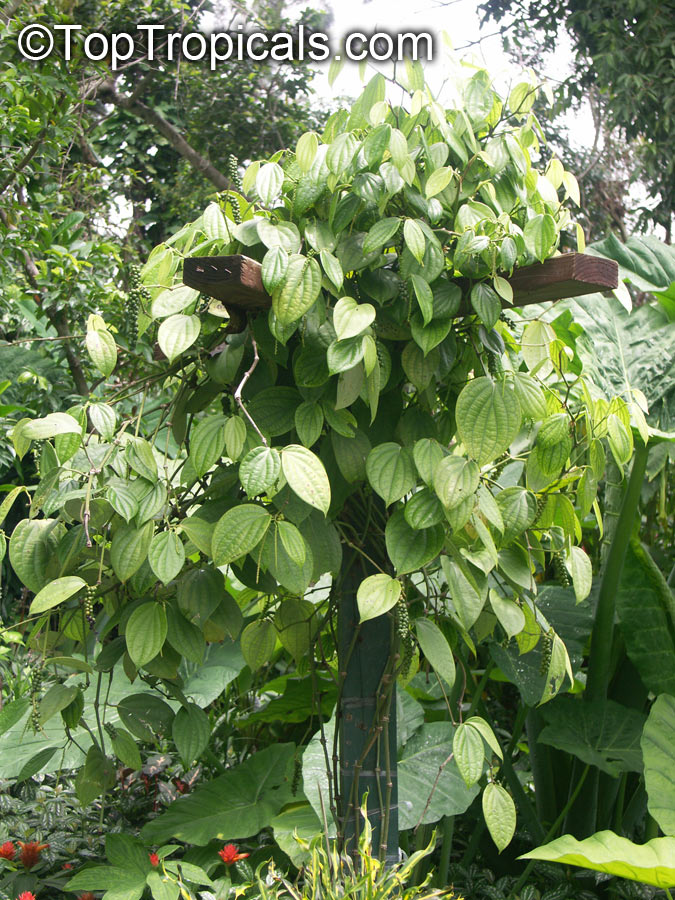
Fun of growing your own Pepper
By Onika Amell, tropical plant specialist

Q: Can you grow your own black pepper plants in the USA?

A: Who does not love the smell of freshly ground pepper, especially that lovely combination of white, green, black and red peppercorns, which are so much more interesting than just plain black corns. Yes, you can absolutely grow your own pepper! Peppercorns come from the plant Piper nigrum.

Growing Pepper Plant

Black pepper plants are actually vigorous vines, although they are pretty slow growing and can be kept in a pot as a compact plant. But they will need a strong support to climb over. Indoors, you can provide this support by installing a trellis in a large pot. Some gardeners prefer to grow them as a hanging plant instead. In warm climates, you can plant them directly outdoors in a protected location with partial shade. These plants need rich, moist, well-draining soil and warm, humid conditions. Peppers do not like temperatures below sixty degrees, although they can survive some cold spells. It is very important to bring these plants indoors or wrap them in a blanket if colder weather arrives.
If you live in colder parts of the country, you can certainly grow peppercorns in large pots. Grow them outdoors during the summer and move them indoors during the winter, or grow them year-round in your greenhouse. Houseplants will need bright light and consistent moisture. Spray the leaves regularly with a bottle of water to increase humidity. Do not allow room temperatures to fall below sixty degrees.
Besides the benefit of being able to grow your own gourmet pepper corns, the foliage, as well as the flowers on this plant, are beautiful in its own right. Off-white flowers appear from spring through summer, followed by slow fruit production. The berries will appear on spikes, with 50 to 60 berries per spike.

Fertilize this vine in the spring before new vigorous growth emerges. We recommend:
Tropical Greenhouse Plus - Plant Booster
Tropical Allure - Smart-Release Booster

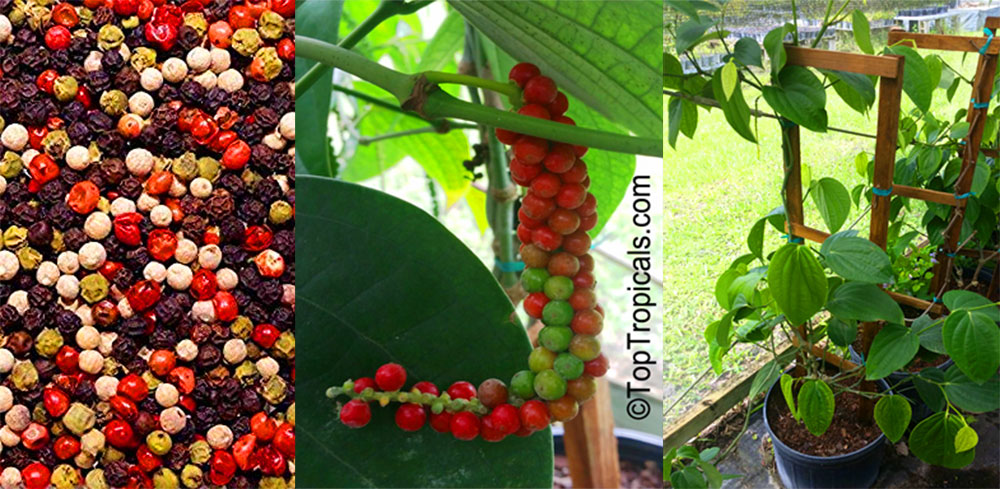
You may be surprised to learn that black, white, green and red peppercorns are all the same seed on the same plant in the various stages of development and processing.

Black peppercorns are the most familiar and come from the corns that have reached their full size but are still green and not quite ripe. They are picked and allowed to dry in the sun. Enzymes in the berries cause the skin to turn black during the drying process. They are the strongest in flavor.

White peppercorns are the mature berries that ripen to a red color before being picked. After harvesting, they are soaked and rubbed free of the outer skin down to the smooth white underlayer, then dried and bleached by the sun. They are slightly milder than black pepper.

Green peppercorns are the unripe peppercorns picked at the same stage of ripeness as black peppercorns, but not allowed to dry. They can be pickled in vinegar or brine. They are the least pungent.

Red peppercorns are the mature, but unshelled version of the peppercorn. One can usually find them in some gourmet and health food stores. They can be quite expensive.

Ground pepper will only stay fresh for about three months, but peppercorns will last indefinitely. To make the most of your pepper harvest, store the peppercorns in an airtight container in a cool, dark location. Grind them immediately before use for the best flavor.
There is nothing like freshly ground black pepper simply combined with a good quality olive oil and a splash of balsamic vinegar. This makes a wonderful dipping sauce for fresh bread. Simple, yet elegant. All the better if the pepper was grown in your very own garden!

Date: 19 Jul 2022

New video: Royal Poinciana
The most beautiful tropical shade tree

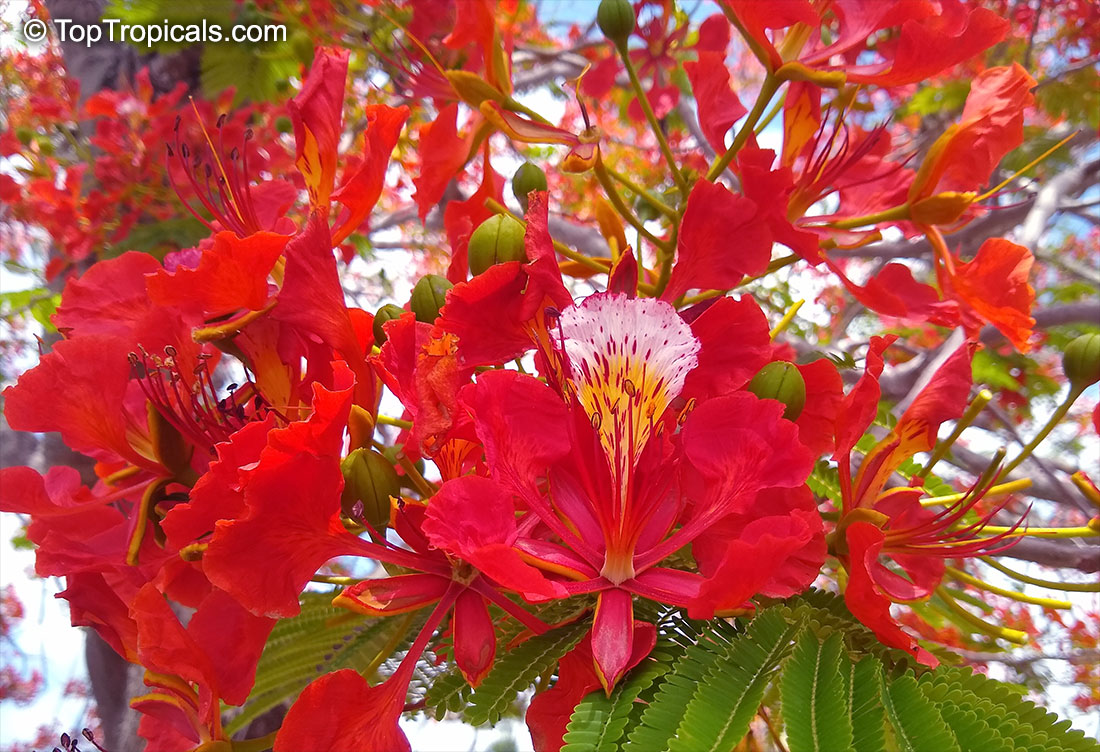
"The Royal Poinciana is one of the most spectacular flowering trees in the USA, and probably among the top 10 on this planet. In full bloom, it is like a regal elephant caparisoned in red and yellow brilliance." (Larry M. Schokman, The Kampong, National Tropical Botanic Garden)
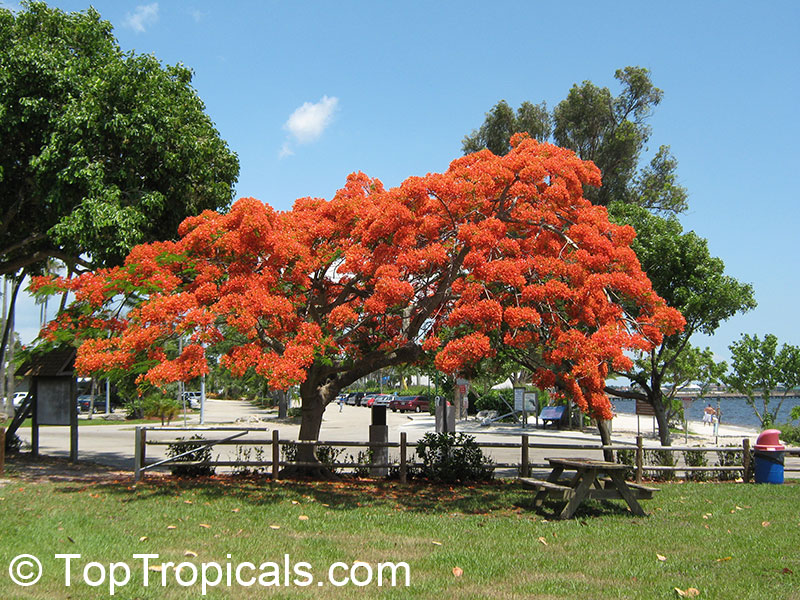
One of the most conspicuous flowering trees seen in the tropics, Royal poinciana (Delonix regia) has bright fiery red/orange blossoms cover its mimosa type leaves which close up and go to sleep for the night. This large tree, which naturally assumes a spreading umbrella shape, is now found in gardens, parks, and planted along streets throughout the tropics. In late spring, as the new leaves appear, the tree is covered with masses of five-petalled red flowers resembling orchid flowers. Blooming is followed by long, flattened, leathery dark brown or black seed pods. Delonix requires full sun and adequate space to take its characteristic form....
Read Article about this tree.

Royal  Poinciana  tree

Subscribe to our Channel:

Stay updated with TopTropicals Videos by subscribing to our channel at YouTube.com/TopTropicals and get our latest video news of what is fruiting and blooming!

Royal  Poinciana  tree  flowers

Date: 5 Apr 2016

Jungle on Windowsill 101

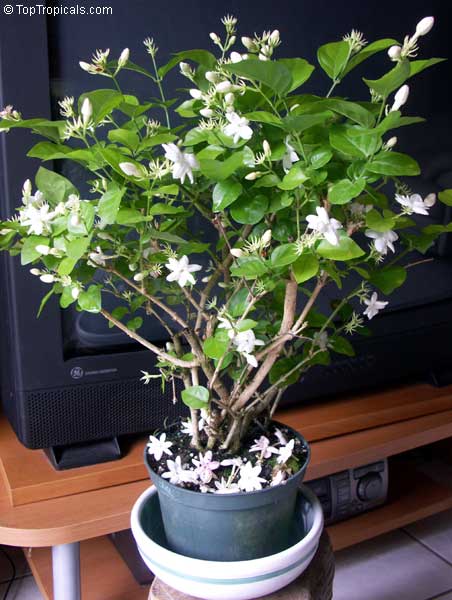
Q: I got a Jasmine Sambac and a Tahitian gardenia as presents, they are very cute plants with flowers and flower buds. I would like to be able to keep them alive and hopefully happy for a long time, but I don't know much about growing tropical plants, and I am not sure if my thumb is green enough to make everything right. What do they need? How much sun? How much water? What kind of soil? Sorry for all these (maybe silly) questions, but I want to keep them alive, please help! I live in Wisconsin and we had some snow again last week.

A: Growing tropicals is not a hard work, it is a lot of fun! These plants are actually a good starters for a beginner who wants to try growing tropical plants, no matter if you live in a mild frost-free climate, or up North where you can have these beauties as houseplants. Below are a few simple steps for you:

1. Read. Follow planting instructions included with your plants. Check plant names on the tags and learn more about them from our online catalog.

2. Soil. Plant in quality potting mix - it must be porous and well-drained, never use heavy soils (top soil or garden soil are no-no), in a pot exactly the size of the root system. You can step up your plants in the next size container once you notice vigorous new growth. Next size means: 4"pot can go into 6" pot, 6"pot into 10" pot, etc. Too big of a pot may create rotting environment, root system must fill the entire container to use all the moisture from the soil. Container must have good hole(s) for excess water to drain through. Put the pot in a saucer and get rid of excess water every time after watering.

3. Light. Most tropical plants require lots of light in order to produce flowers. If you ever visited Florida, remember the bright sun? - these are ideal light conditions for tropicals. Up North, provide as much light as possible: a bright spot on a windowsill of Southern or Western exposure would work the best. If the sun gets too hot in summer afternoon, you may shade the window a little bit with a sheet of white paper to avoid leaf burn.

4. Water. Keep soil slightly moist but not soggy. The best way is to wait until the top of the soil feels dry to touch - this is time to water again. Jasmines prefer to stay on a dry side; gardenias do not like soil to dry out - keep them slightly moist as long as soil is very porous and well-drained. The main reason of most problems with potted indoor plants is over watering. With experience, you will feel the right balance of moisture in the soil: the brighter the light, the more water is consumed by a plant; the less light, the less frequent you should water.

5. Trimming. In low light conditions, plants tend to become leggy. Trim branches as they become too long: the more you trim, the busier the plant gets. New growth promotes more profuse blooming in many species.

6. Fertilizing. Fertilize indoor plants with slow-release granulated fertilizer from march to November.

7. Insects. Check for insects at least once a month, especially underneath the leaf. If notice any problems (deformed leaves, residue, holes, or tiny insects) - clean the leaves/stems with a solution of warm water (1 cup), vegetable oil (2 table spoons), and a few drops of a dish soap.

8. Fresh air and air humidity. As soon as air temperature gets above 65F, bring your tropicals outside in the sun and fresh air: porch, balcony, outside in the yard. Air circulation is essential for your plant health. Bright light and high air humidity will promote vigorous growth, and lots of flowers for you to enjoy!

For more information on growing Tropical Plants 101, see Problem solving with potted plants - how can we help them?.