Garden Blog - Top Tropicals

Date: 21 Feb 2026

The best time to plant a fruit tree was 20 years ago - here is why you need to plant it now
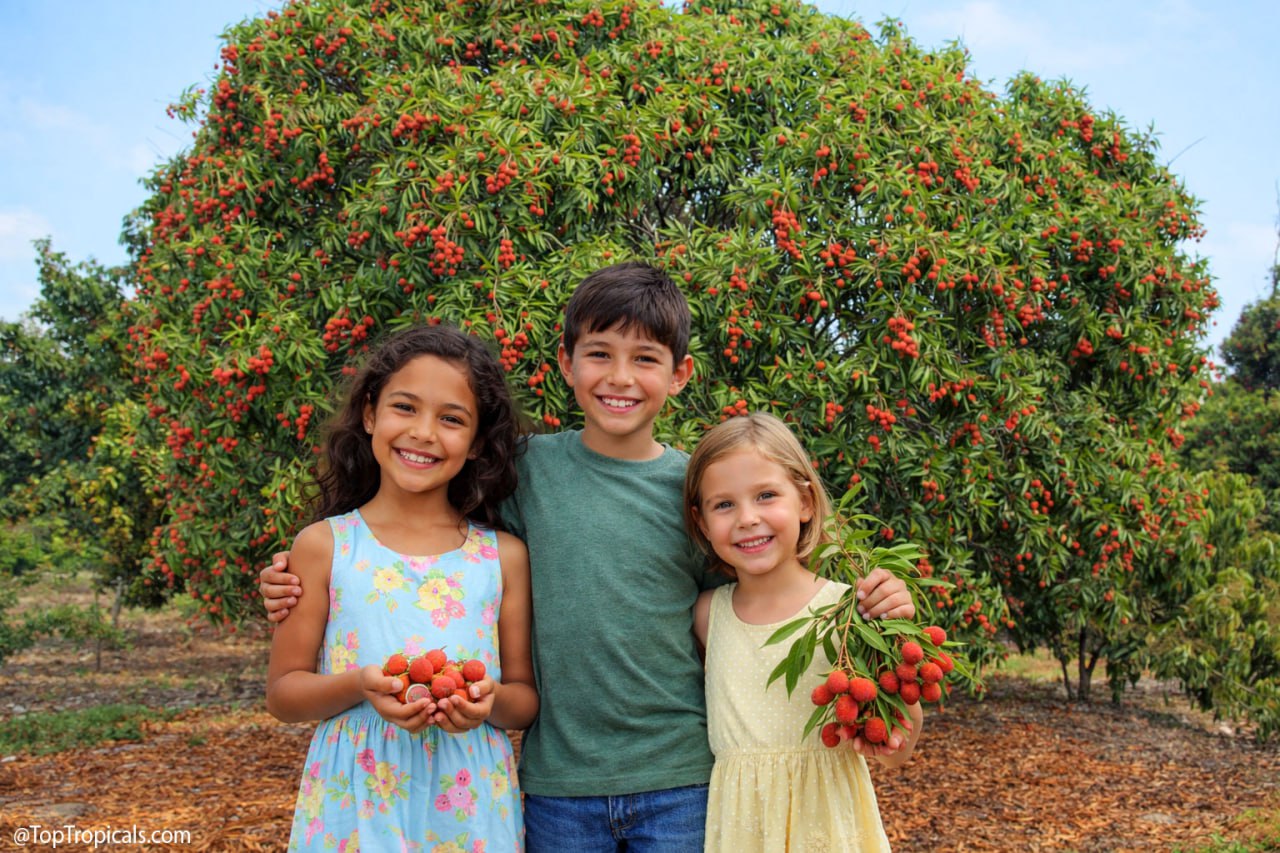
Litchi chinensis - Smiles under the Lychee tree

Litchi chinensis - Smiles under the Lychee tree

🍑 The best time to plant a fruit tree was 20 years ago - here is why you need to plant it now


They say the best time to plant a fruit tree was 20 years ago.
The second best time is today.

A fruit tree is not a seasonal purchase. It is not a decoration. It is a decision that stretches far beyond you.

When you plant a mango, an avocado, a loquat, a lychee tree - you are not just planting for this summer. You are planting for children who will climb that tree. For neighbors who will ask for a basket of fruit. For someone who may live in your house long after you are gone.

Fruit trees are quiet investments in the future.
Unlike annual crops that come and go, a tree deepens its roots every year. Many fruit trees - especially mangoes - can live for decades, even a century. They outlive trends, owners, renovations, even mortgages. They stand there, steady, producing.

Even if you sell the house, the tree remains.
The next family will walk into the yard and discover fruit hanging overhead. Imagine buying a home and realizing someone before you planted abundance!

That is a gift.

In many parts of the world, mango trees are called generational crops. One farmer plants them. His children harvest them. His grandchildren sell the fruit. A single decision continues to feed and support a family long after the planter is gone.
There is something deeply grounding about that.

We live in a fast world. Quick returns. Quick moves. Quick upgrades.
A fruit tree moves at a different pace. It asks for patience. It rewards consistency. It teaches you to think long term.

Planting a fruit tree says:
I believe in tomorrow.
I believe this land will matter.
I believe someone will stand here after me.

And even if you never taste the fullest harvest, someone will.
Passing fruit trees through generations is more than horticulture - it is legacy. It is continuity. It is resilience. It is saying that this space, this soil, this home will keep giving.

So plant it now.
Plant it for your children.
Plant it for the next homeowner.
Plant it for shade you may never sit under.
Plant it for fruit you may never pick.
Because one day, someone will walk into that yard, look up, and thank the person who thought ahead.
Let that person be you.

🛒 Explore fruit trees for your orchard
  • 👉 Tropical Fruit favorites:


🥭 Mango
Avocado
🍒 Cherry
🍊 Loquat
🍈 Jackfruit
🍑 Peach tree
🍉 Guava
🍏 Sugar apple
🍇 Mulberry
🍐 Sapodilla

#Food_Forest #Discover

🟢 Join 👉 TopTropicals
Date: 18 Sep 2016

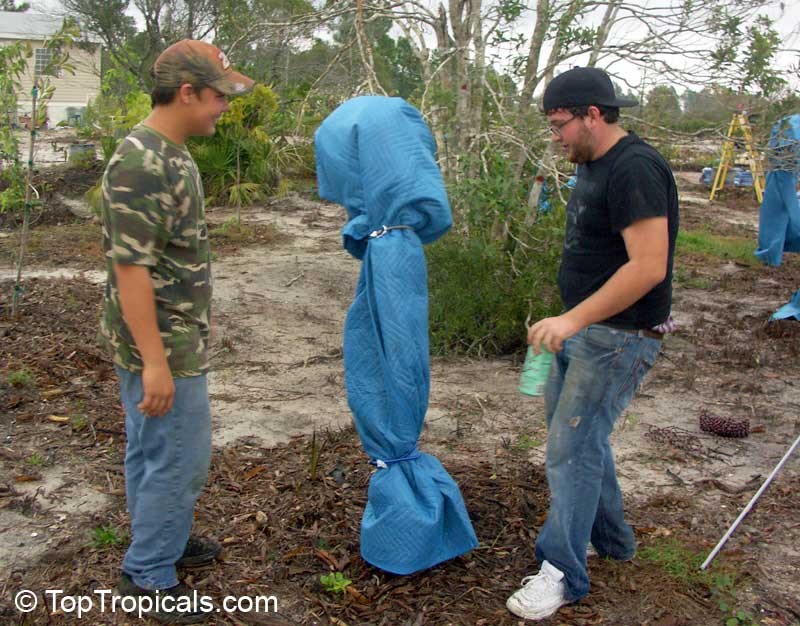
About Cold Protection...

Q: I have a question, if I'm in Okeechobee Florida zone 9b are there any plants that you sell that would have to be protected at all? I have a lot that I've purchased from you and don't want to lose any of them winter.

A: Sometimes it is hard to guarantee if certain plants are hardy enough in certain area. From our experience, tropical plant performance in non-tropical areas depend on many factors; a lot of times plants appear to be hardier than they are believed to be. Other times, an obviously hardy plant doesn't survive winter. So there always will be a chance of risk involved, while nice surprises are not an exception. We have been testing many tropical species throughout many years of our nursery experience. Wind protection in many cases is more important than temperature. Enclosed sections of your garden provide better chances to survive cold snaps. Generally speaking, here is the list of some plants (not complete list, just examples) that in our experience have been surviving light freezes without significant damage.

Q: I live in San Jose,CA. Got Mango Alphonso 2 yrs back and protected it for a year in a pot during winter. Last spring I planted it and during winter I put a freeze cloth to protect it but it died. How can I make sure it wont die if I buy this time plz?

A: Mango trees are tolerant only to light frost, once established. If it gets below freezing in your area for more than a few hours, and especially if you have numerous nights with frost throughout winter, we recommend to keep mango tree in a pot. This way it can be moved to protected area during cold night. The more established the tree, the more chances to survive colder temperatures.
We also use plant booster Sunshine to increase plants cold tolerance
Cold protection is a lengthy subject. You may also use propane heaters during cold nights.
Here is some more information on cold protection.
Also, we recommend to check out our magazine Tropical Treasures (about pushing the limits of tropical gardening) for a detailed article on cold protection.
These are specific articles on Zone-Pushing in different issue #s regarding dealing with cold. See downloadable issues:
(#1) Growing Tropicals in Nontropical Climate, Three Freezing Nights in Southwest Florida
(#2) Temperature drops - an alert or a rehearsal?
(#5) Dealing with cold snaps, Cold hardy beauties
(#7) When winter is around the corner, Growing exotic Cordyline in colder climate
(#8) When the weather outside is frightful
(#9) Winter champions
(#11) Ready-for-winter checklist for in-ground plants
(#13) Winter checklist
(#18) Dealing with cold damaged plants
You may also order hard copies.

If temperatures drop below freezing in your area, remember to add Heat Pack to your order!

Date: 12 Sep 2019

Helping Citrus and other fruit trees with Nutritional Supplements

Q: Can you recommended a product to help with my citrus? Combating greening and chlorosis.

A: Citrus greening is spread by an insect called the Asian citrus psyllid. The psyllid feeds on the stems and leaves of the trees, infecting the trees with the bacteria that causes citrus greening. Florida Citrus growers dedicated the last decade to researching citrus greening. Officially, currently there is still no cure, however, some Nutritional solutions have shown promising results. To slow the progression of citrus greening in infected trees, nutrients are applied to the leaves and to the roots. Providing better nutrition helps trees fight against citrus greening and enables them to continue to produce quality fruit.

We recommend the following products for use on regular basis:

SUNSHINE Epi is a natural Brassinosteroid plant hormone and a bio-stimulant that may be very effective as citrus greening treatment. It works through plant's immune system and shows amazing results of recovery of weak and sick plants.

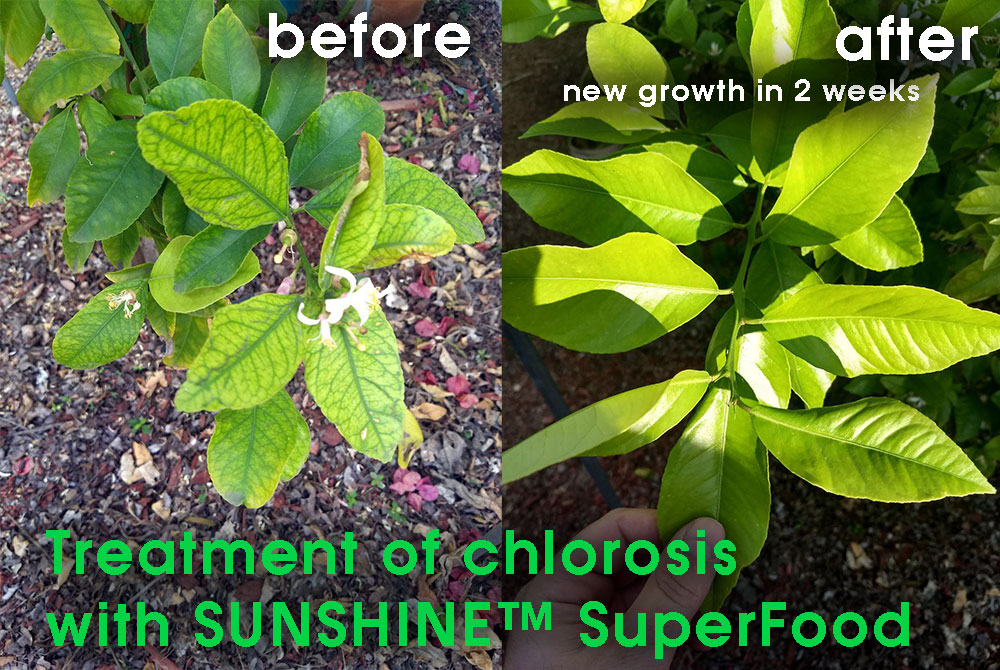
SUNSHINE Superfood, a complex micro-element supplement, maintains plant's health and provides vigorous growth.

SUNSHINE-Honey is a basic nutritional complement, it contains essential plant micronutrients Boron (B) and Molybdenum (Mo). These elements are essential to vegetative and reproductive growth, cell expansion, tissue growth, and fertility. A very common problem for most unimproved garden soils is lack of Molybdenum and Boron as soil micro-component. This results in underdeveloped / low quality fruit and/or premature fruit drop. Applying SUNSHINE Honey on your fruit trees will fill that gap and help a fruit tree to form a healthy fruit.

Macro-nutrients should be applied in combination with micro-nutrients on regular basis:

Mango-Food - Smart Release Fruit Tree Booster (works great for all tropical fruit trees)
Fruit Festival Plant Food - Ideal blend designed to improve fruit trees health and vigor, and increase crop yield.

See SUNSHINE Boosters page for the complete list of plant boosters.

Date: 26 May 2021

Jasmine for a fence

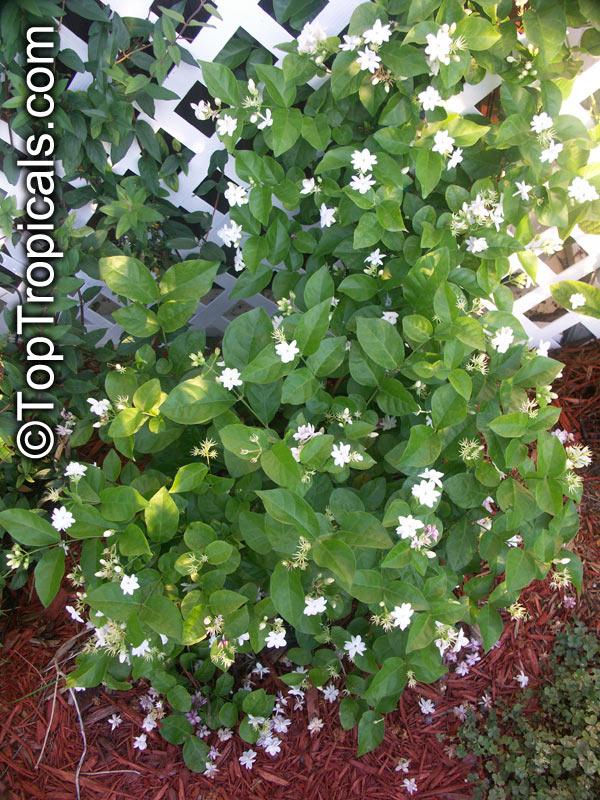
In the photo: Jasmine Maid of Orleans

Q:We are looking for a jasmine variety without thorns that we can grow on a wire fence...

A: All true jasmines (Jasminum spp.) are thornless. So you are safe to get anyone you like. The most vigorous, fast growing jasmines that grow into a vine, are:
Jasminum dichotomum
Jasminum pubescens
Jasminum nitidum
Jasminum officinale
Jasminum sambac Maid of Orleans - the most fragrant!

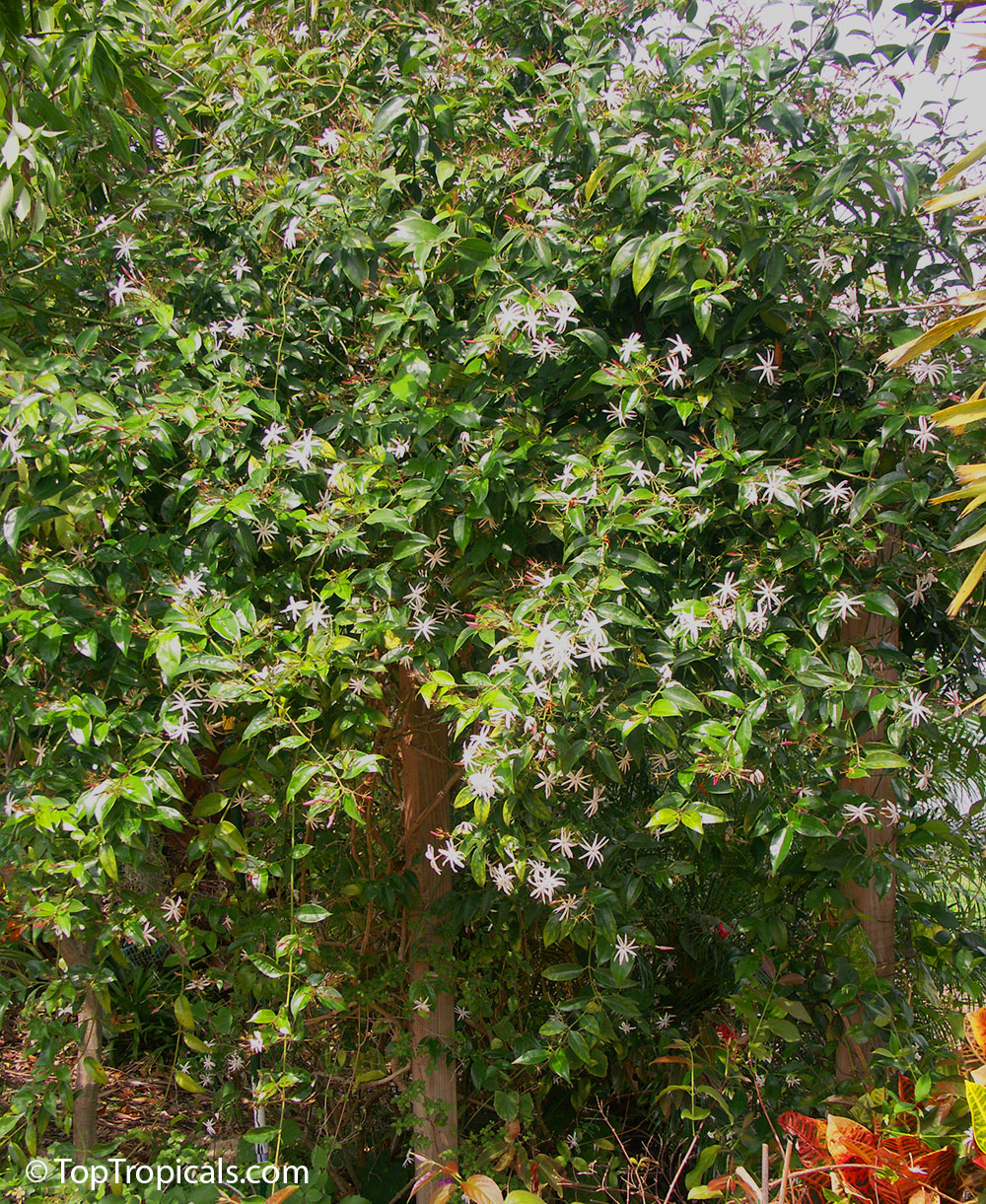
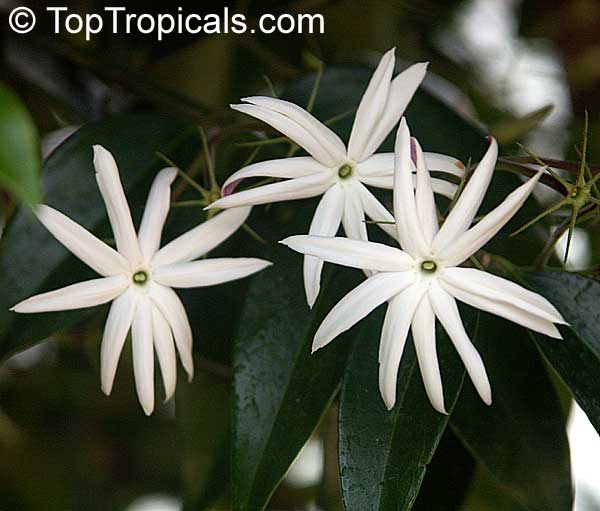
In the photos: Jasminum nitidum (Star Jasmine)

Date: 18 Oct 2019

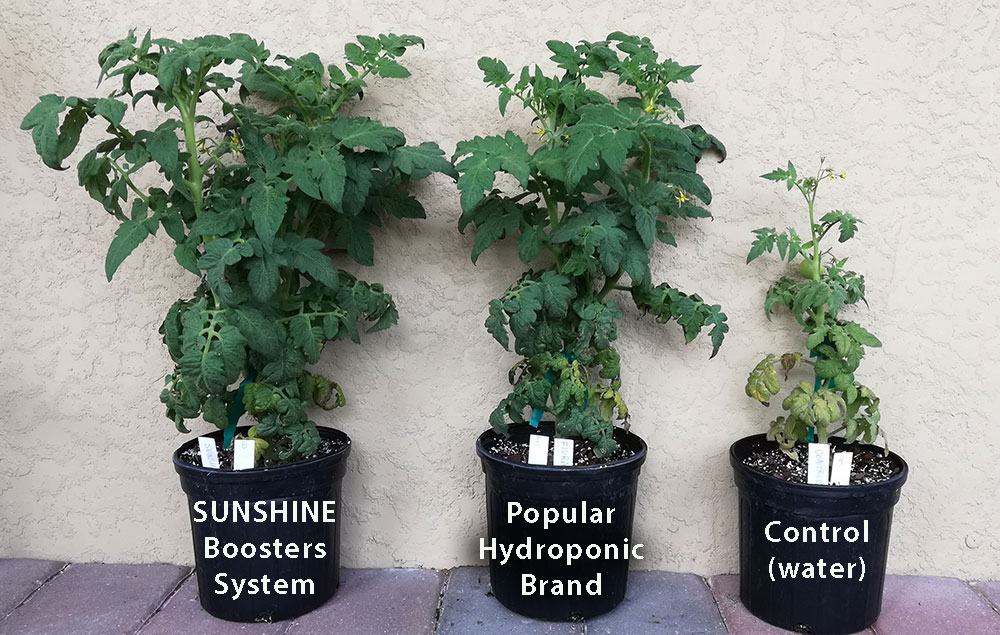
Using SUNSHINE Complete Nutrition System

For hydroponics and potted plants

Q: I recently bought both the 5ml of the sunshine epi and the 100 ml advanced nutrition kit. I read on the paper for the Epi not to use any other strong fertilizers along with this but I was wondering if it'd be alright to use both this foliar spray and nutrition watering together?

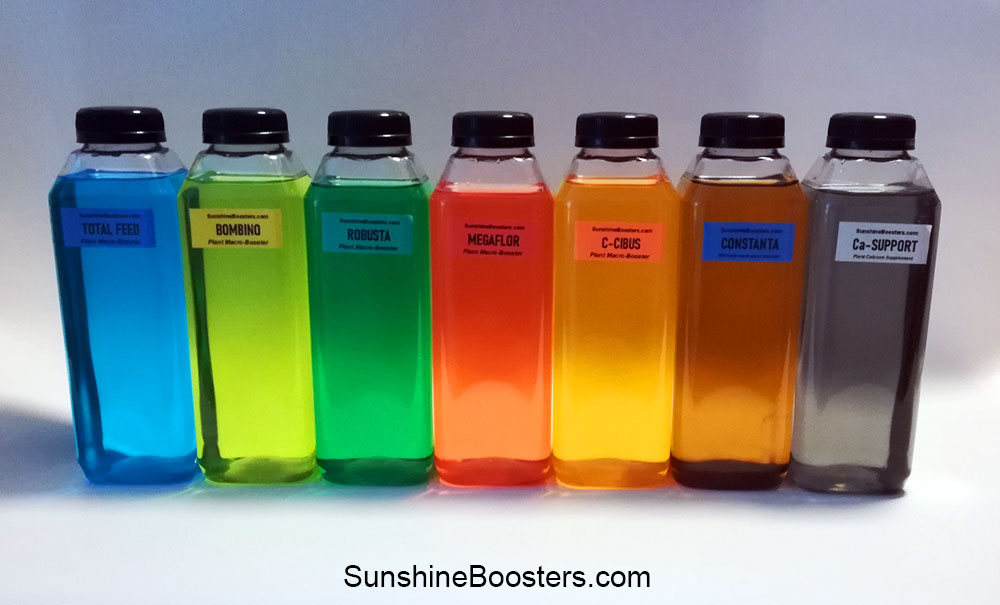
A: All solutions in SUNSHINE Booster Nutrition System (NPK-macro and micro-boosters) are compatible.
The only exception is Sunshine-Epi - brassinosteroid bio-stimulant. Epi should be mixed with distilled water separately from other boosters. The reason is, it is very bio-active, and if mixed with other compounds, oxidizes quickly which may affect its performance.

Sunshine-Epi solution must be prepared using distilled water and applied as foliar spray only (it only works on contact with leaves and not through the root system). Epi shows extremely impressive results when you apply it before the application of other nutrients because it increases plant metabolism; so all boosters become even more effective if you spray Epi the day before.

When using Micro- and Macro-boosters, you may mix all components in one watering can/tank (except for Epi), using regular tap water. Besides watering root ball, the macro-micro solution can be also used for foliar spray. It is optional, as in some circumstances growers prefer to keep leaves dry at all times: to stay away from mold, fungus and other issues caused by the wet environment.

Here is an example of Sunshine Boosters Nutrition System application:
1. Daily watering in one can: NPK 25 ml/gal (one of 5, depending on growth stage) + Constanta 5 ml/gal + Ca-Support 5 ml/gal, mixed in tap water
2. Every 2 weeks: spray Sunshine-Epi 2.5 ml/gal - to boost the immune system and growth rate, mixed in distilled water
3. From daily to every 2 weeks: Sunshine-Power-Si 25 ml/gal to protect from diseases and keep pH at 5.5-6.5. Can be used as often as daily and mixed with a daily watering solution (1)
4. As needed: Sunshine SuperFood and GreenLeaf - for correcting deficiencies. Can be also mixed with the daily solution (1)

Make sure to prepare a solution right before use and do not store solution for more than 1 day. Keep concentrates and solutions protected from bright sunlight.

Here is also advanced information on Sunshine Boosters compatibility.

READ MORE >>>