Garden Blog - Top Tropicals

Date: 10 May 2026

Why is this shrub everywhere in Southern landscapes?
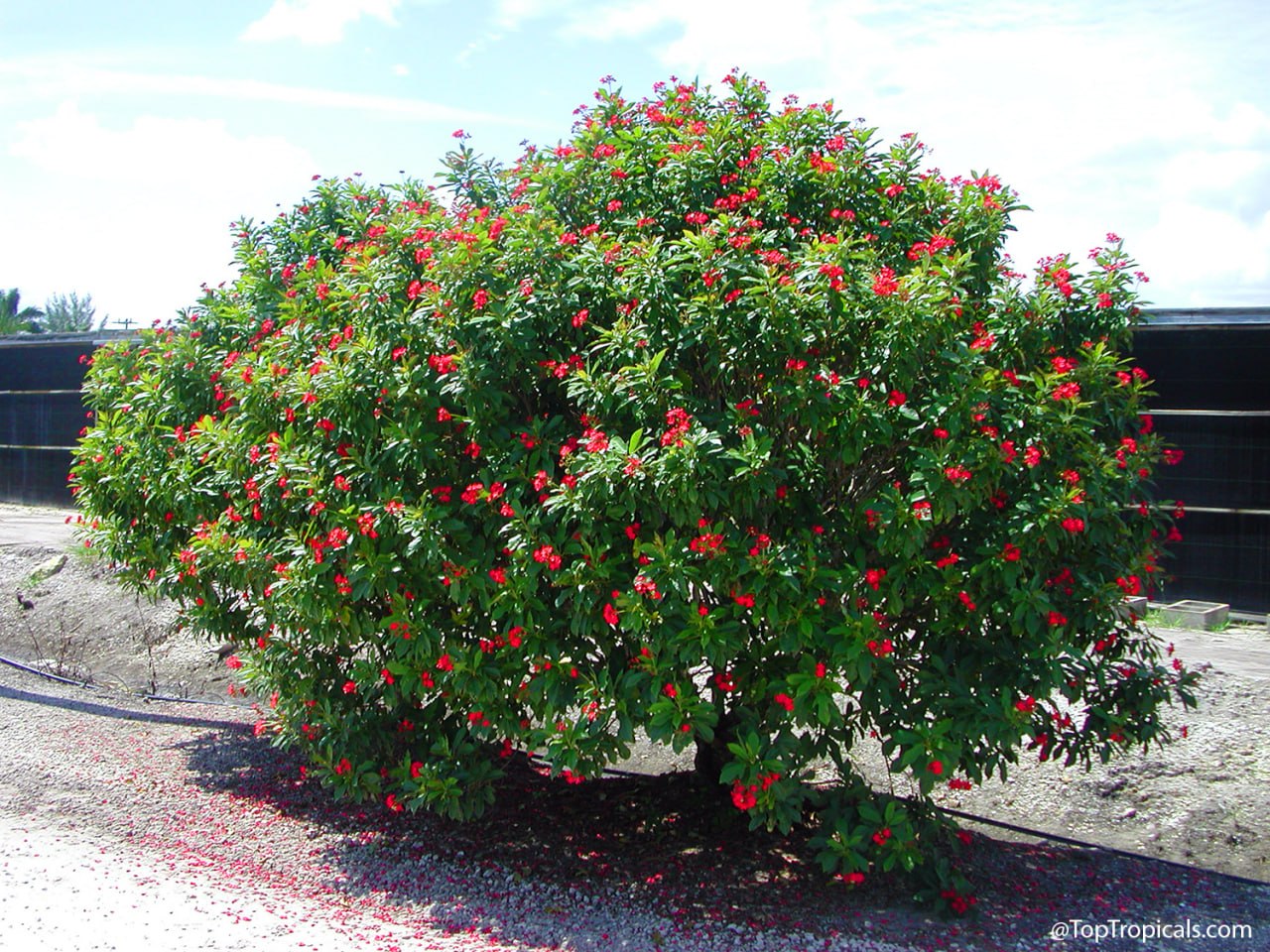
Jatropha integerrima compacta - Peregrina tree
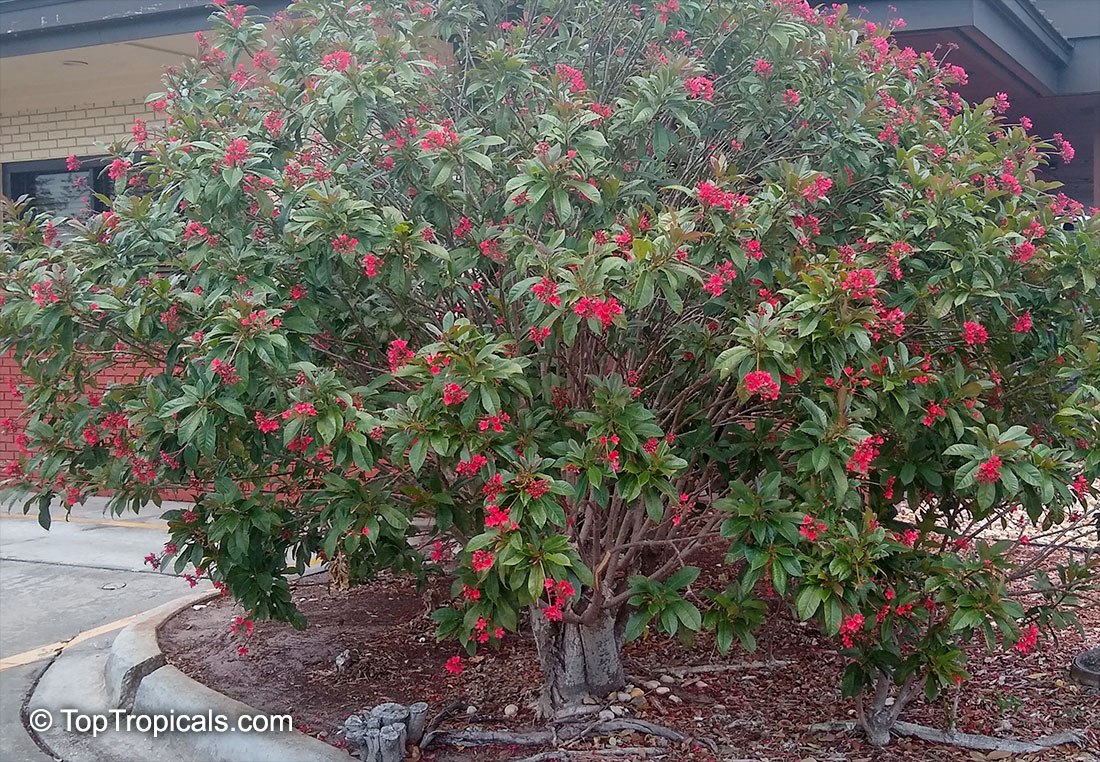
Jatropha integerrima compacta - Peregrina tree

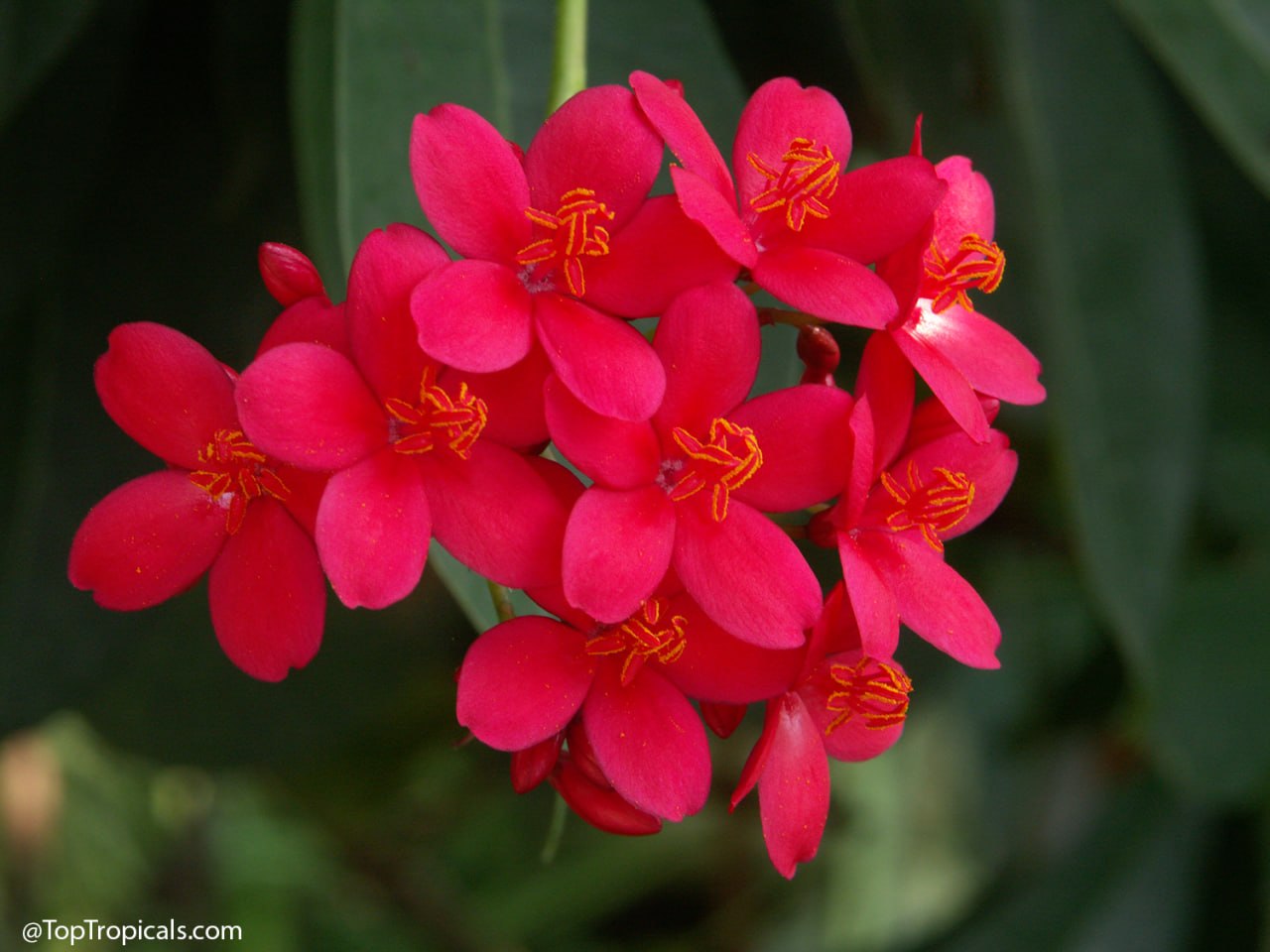
Jatropha integerrima compacta - Peregrina flower
Jatropha integerrima compacta - Peregrina flower

Jatropha integerrima compacta - Peregrina tree

Jatropha integerrima compacta - Peregrina tree

💕 Why is this shrub everywhere in Southern landscapes?

🌸 Nonstop blooms


One look at Jatropha integerrima compacta - Peregrina and the answer becomes pretty obvious. This compact tropical shrub or a dwarf tree blooms almost nonstop with clusters of bright scarlet star-shaped flowers that butterflies can't seem to resist. In warm climates, it keeps adding color when many other plants take a break.

Peregrina Plant Facts

Botanical name: Jatropha integerrima, Jatropha pandurata
Also known as: Peregrina, Spicy Jatropha, Coral Plant, Physic Nut
USDA Zone: 9 - 11
Highligths Plant used for bonsaiLarge shrub 5-10 ft tallSmall tree 10-20 ftSemi-shadeFull sunWater Requirement: Low. Allow soil to dry out between wateringsRed, crimson, vinous flowersPink flowersPlant attracts butterflies, hummingbirdsIrritating plantSubtropical plant. Mature plant cold hardy at least to 30s F for a short timeSeaside, salt tolerant plant
Get personalized tips for your region


🌸 Compact size, big impact


Compacta stays smaller and fuller than the regular Peregrina, which makes it especially popular for foundation plantings, pool areas, patios, and smaller gardens where oversized shrubs become a headache. The glossy green leaves stay attractive year round, giving it a clean, lush look even when it's between bloom cycles.

🌸 Surprisingly low maintenance


Another reason gardeners love it - this plant is surprisingly easygoing. It tolerates many soil types as long as drainage is good, handles heat well, and can be pruned almost anytime because it flowers on new growth. Want a tidy shrub? Trim it. Want a small tropical tree shape? It can do that too.

🌸 A Southern landscape favorite


For Southern gardeners looking for reliable color without constant fuss, Peregrina has quietly become one of those "plant it and enjoy it" landscape favorites.

🛒 Plant and enjoy the compact everblooming Peregrina

📚 Learn more:


Jatropha integerrima in Plant Encyclopedia
9 tough trees for hot, dry spots that actually thrive
7 best exotic dwarf trees for maximum impact in small tropical landscapes
2 most favorite flowering trees for small yards
5 small tropical trees that bloom all summer or year around

#How_to #Discover #Trees

🟢 Join 👉 TopTropicals
Date: 4 Nov 2025

The secret Brain Food growing in my backyard (and it tastes like green peas!)

Tropical Asparagus (Sauropus androgynus)

🏆 The secret Brain Food growing in my backyard (and it tastes like green peas!)


🌿 Katuk, or Tropical Asparagus (Sauropus androgynus), is one of the most underrated edible plants you can grow. This leafy tropical shrub is a superfood in disguise. It grows fast, looks lush, and its tender young shoots taste just like green peas.

🌿 Native to Southeast Asia, Katuk is a kitchen staple in places like Vietnam, Malaysia, and Thailand. The leaves and shoots are used in soups, stews, and stir-fries with egg or seafood. It’s not only delicious but also incredibly nutritious - rich in nutrients linked to improved memory and reduced cognitive aging: folate, lutein, and especially vitamin K, which is rare in plants.

🌿 Katuk thrives in sun or partial shade, needs little care, and grows into a dense, bushy plant that gives you edible greens all year round. If you want something that feeds both your garden and your health, this one’s a winner!

🛒 Add Katuk Superfood to your Food Forest

Lean more:
🍴 Katuk egg stir-fry: Quick-n-Fun exotic recipes
✔️ Discover the health benefits of Katuk: a Superfood for your mind and body
📚 Tropical Asparagus, Katuk: Grow your own food
📱 How to cook with Katuk

#Food_Forest #Remedies #Discover

🟢 Join 👉 TopTropicals

Date: 9 Jun 2026

This Forgotten Tropical Vine Has Huge Glossy Leaves and Smells Exactly Like Carnations: Faradaya splendida - the Glory Vine

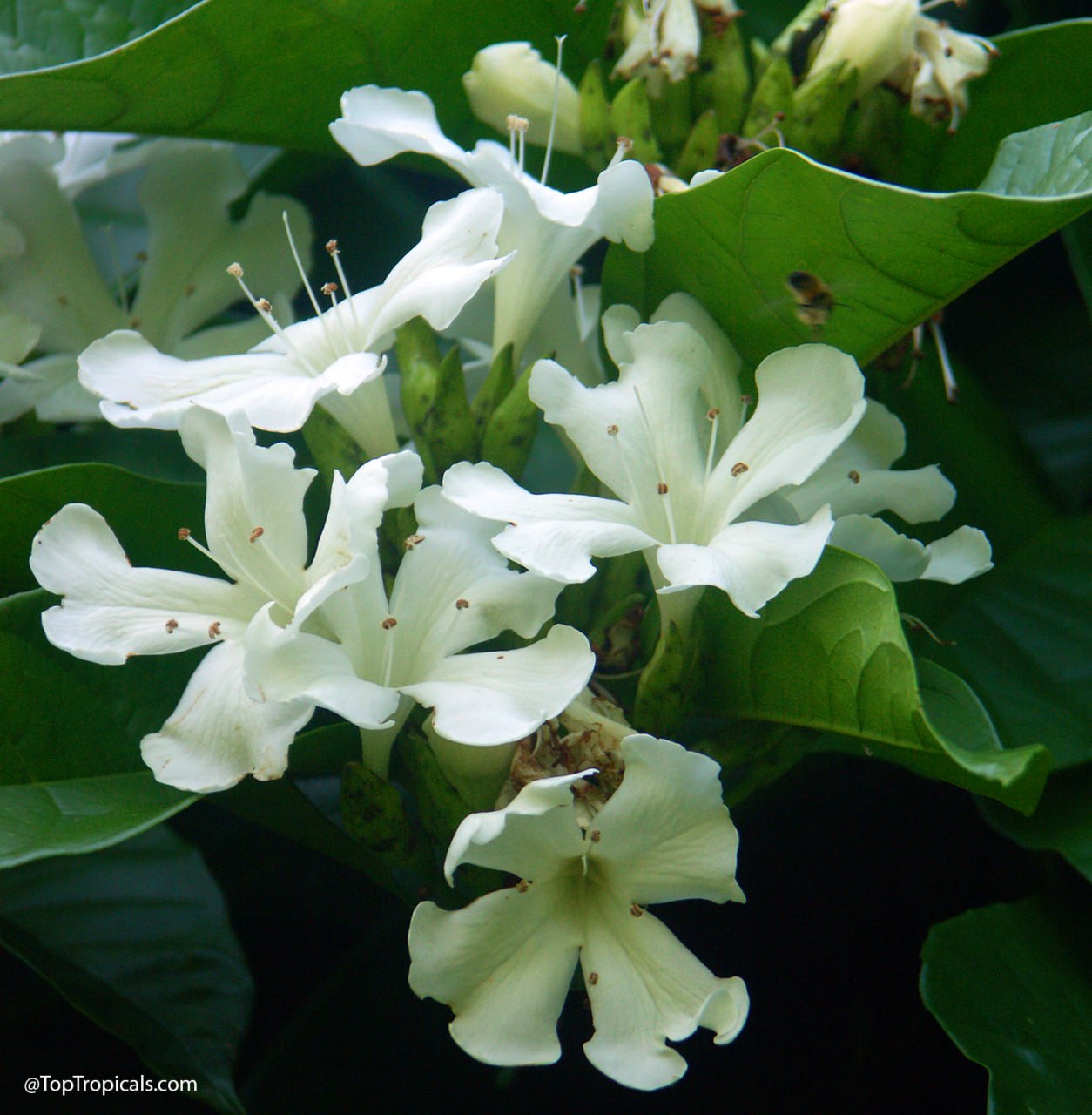
Faradaya splendida - the Glory Vine flowers close up

Faradaya splendida - the Glory Vine flowers close up

Faradaya splendida - the Glory Vine flowers

Faradaya splendida - the Glory Vine flowers

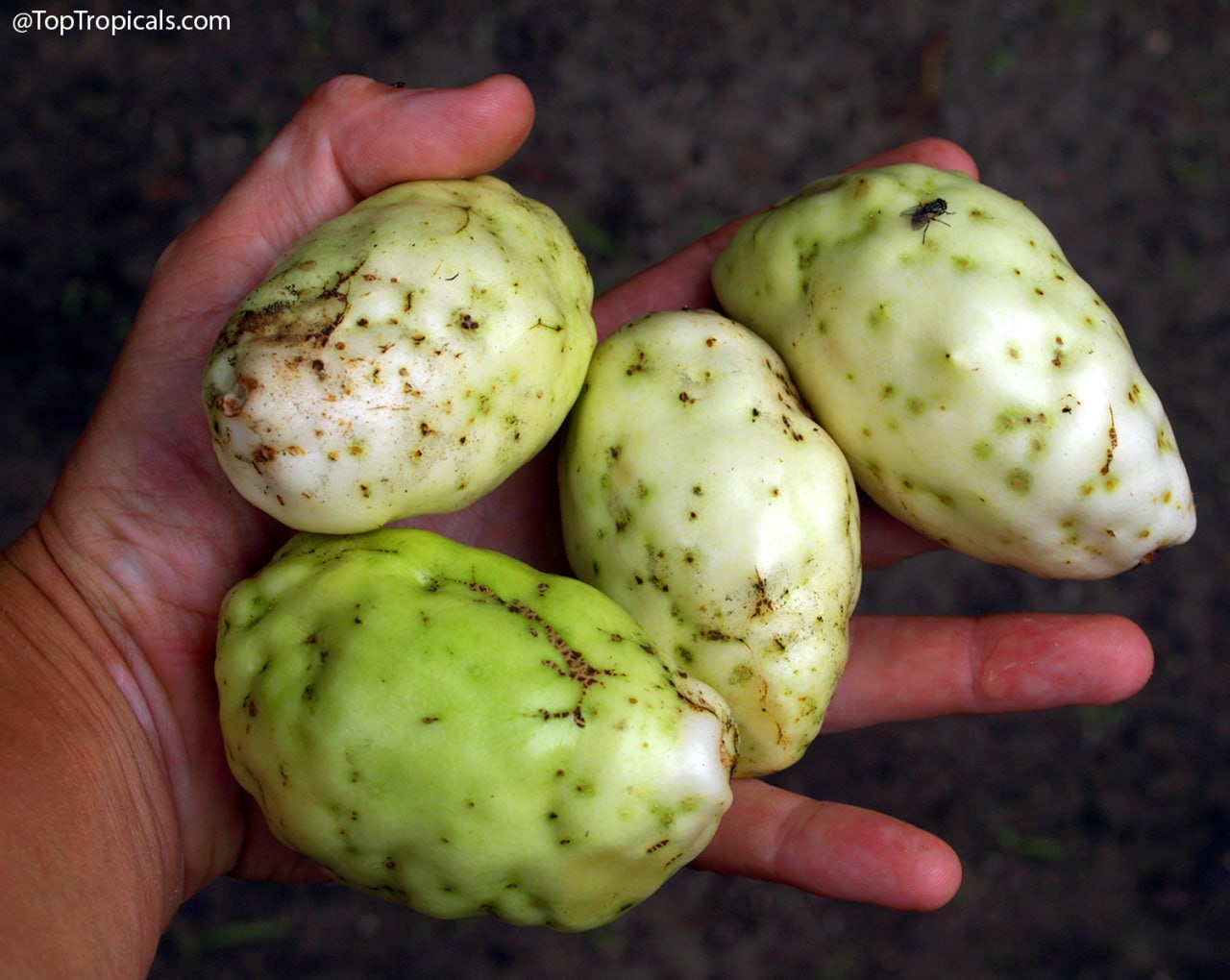
Faradaya splendida - the Glory Vine fruit

Faradaya splendida - the Glory Vine fruit

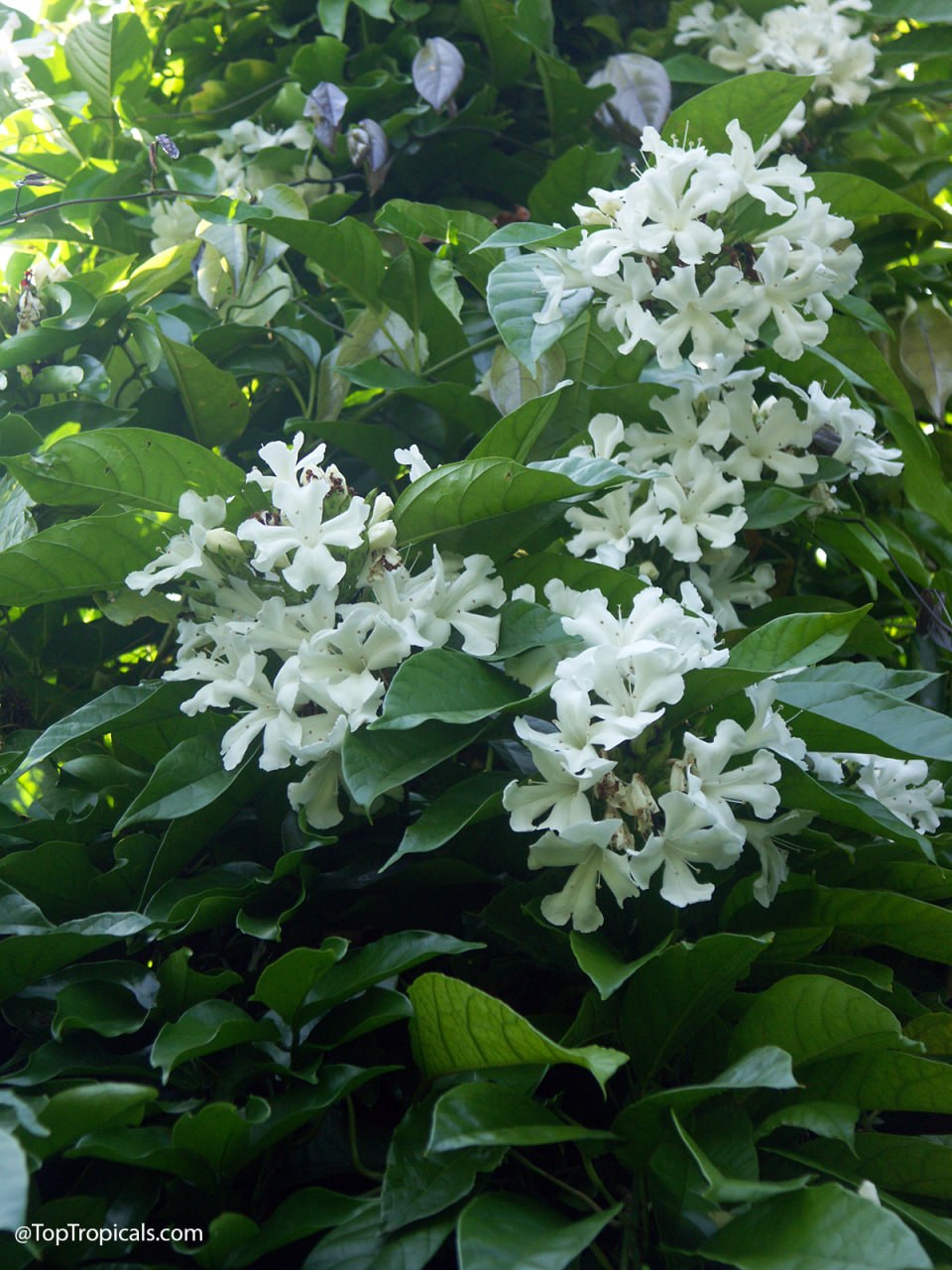
Faradaya splendida - the Glory Vine

Faradaya splendida - the Glory Vine

✨ This Forgotten Tropical Vine Has Huge Glossy Leaves and Smells Exactly Like Carnations: Faradaya splendida - the Glory Vine


Some plants become famous because everyone talks about them. Others quietly grow in the background - tougher, more resilient, and often far more impressive than the trendy varieties people rush to buy.
Faradaya splendida - the Glory Vine - belongs firmly in that second category.
This rare tropical climber boasts massive glossy leaves, carnation-scented white flowers, and enough vigor to quickly smother fences and pergolas. Yet, most gardeners have never heard of it simply due to a lack of mainstream exposure.

A Rainforest Native with Serious Presence


Native to the rainforests of Northern Queensland, Papua New Guinea, and nearby Pacific islands, the Glory Vine evolved to compete fiercely for sunlight. That edge explains its robust personality:

Fast Jungle Growth: This is no delicate creeper. Its thick, woody stems scale heavy garden structures with ease.
Dramatic Contrast:
Enormous, shiny leaves create a striking backdrop for pristine white blooms that practically glow against the dark foliage.

While Australian native plant enthusiasts love it, it remains a hidden gem to the rest of the gardening world.

Sensory Appeal: Carnation Scents and "Egg" Fruits


One of its best surprises is the fragrance. The large, snow-white, trumpet-shaped blooms carry a sweet, spicy scent identical to carnations, peaking in warm weather. While individual flowers are short-lived, the vine blooms heavily and repeatedly throughout summer.

Even out of bloom, the foliage delivers high-impact aesthetics. The lush leaves can reach nearly a foot long, effortlessly creating a dense rainforest look. Then come the strange fruits. After flowering, the vine produces large, egg-shaped white fruits resembling smooth potatoes. Hanging from the stems, they look so unusual that visitors often assume they are artificial.

Indigenous History and Ecological Deep Roots

Beyond beauty, Faradaya splendida carries a rich history. Among the Girramay people of northern Australia, the vine is known as Djungeen.

A Seasonal Clock: The dropping of its white fruits in October traditionally signaled that wild bush turkey nests contained eggs.
Traditional Fishing: The bark contains natural saponins (foaming compounds). Historically, it was used to temporarily stun fish in creeks without permanently polluting the water.

This is a storied rainforest species with deep ecological roots.

How to Grow the Glory Vine


The barriers to its popularity are availability and awareness. The name doesn't roll off the tongue like jasmine, and mainstream nurseries rarely stock it. However, source one from a specialty native nursery and the rewards are unmatched. It is:

· Evergreen and highly adaptable in tropical and subtropical climates.
· A magnet for local pollinators and butterflies.
· Exceptionally low-maintenance once established.

The only caveat? Space. This vine climbs with serious intent. Give it warmth, moisture, sunlight, and a sturdy structure, and it will reward you with a breathtaking jungle canopy.

One Discovery Away from Trend Status


Some plants stay hidden simply because a trendsetter hasn't spotlighted them online yet. The Glory Vine is a botanical treasure waiting to be rediscovered by modern landscaping. Until then, it remains a secret weapon for those in the know: a show-stopping vine that invariably makes people stop and ask, "What is that?"

🛒 Claim a Forgotten Treasure - only a few plants left in stock!

#Hedges_with_benefits #Discover #Perfume_Plants

🟢 Join 👉 TopTropicals

Date: 18 Jun 2026

Container Gardening in Hot Climate: Your Pot May Be Hotter Than You Think

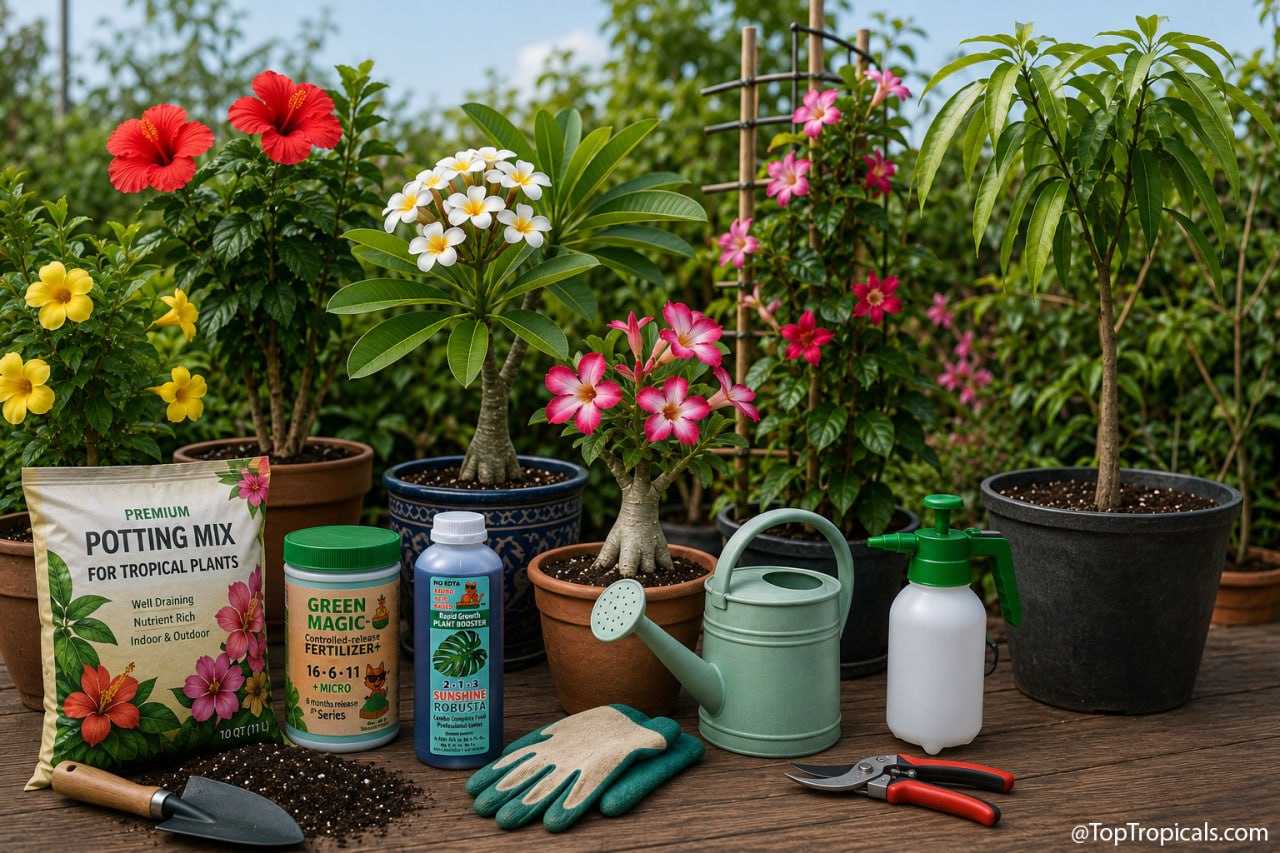
Container Gardening in Hot Climate

Container Gardening in Hot Climate

Container Gardening in Hot Climate: Your Pot May Be Hotter Than You Think


Container gardening lets you grow almost anything - tropical flowers, fruit trees, herbs, even small edible gardens. But in hot climates, pots create challenges that plants growing in the ground never face.
The biggest problem? Heat. A container sitting in full sun can become surprisingly hot. The potting mix dries much faster than garden soil, and roots can literally bake against the sides of the container during summer.
On a sunny summer day, the soil inside a container can heat up much faster than garden soil. While the leaves may look fine, roots trapped inside a hot pot can dry out, overheat, and become stressed long before gardeners notice a problem. That's why growing plants in containers during hot weather often requires a different approach than growing them in the ground.


Bigger Pots Stay Cooler🌡

• Large containers hold more soil, which means they stay moist longer and protect roots from temperature swings.
• Small pots may need watering daily - sometimes twice a day during extreme heat.
• Choose the largest container practical for your space and the plant's size. Avoid oversized pots, which can stay wet too long and promote root rot.

Protect the Pot, Not Just the Plant ☂️

Many gardeners focus on protecting the foliage from heat, but roots often suffer first.
Grouping containers together allows plants to shade each other's pots, helping keep the root zone cooler throughout the day. This is especially helpful for black nursery pots exposed to afternoon sun.
If a container sits in full sun all day, consider wrapping the pot with shade cloth or placing it inside a larger decorative planter. The goal is simple: keep the roots cooler while allowing the plant itself to receive the sunlight it needs.
The plant wants sun. The roots want shade.

Choose Containers Wisely

• Many gardeners love the look of clay pots, but in hot climates they can dry out very quickly because moisture evaporates through the porous sides.
• For most tropical plants, plastic nursery pots often perform better because they retain moisture longer and keep roots from drying out as fast.
• If appearance matters, simply place the nursery pot inside a decorative planter with good drainage.

Water Deeply, Not Constantly 💧

Frequent shallow watering encourages weak roots near the soil surface.
Instead, water thoroughly and allow excess water to drain away. A layer of mulch on top of the potting mix can also help slow moisture loss.

Feed Regularly

Container plants depend entirely on you for nutrition. Regular fertilizing during the warm growing season helps support stronger growth, flowering, and fruit production.

Check for Pests Often 🐛

Plants under heat and drought stress are more vulnerable to insects. Inspect leaves regularly for spider mites, scale, mealybugs, and other common pests before small problems become big ones.

Hot Climate Container Garden Checklist ✍️

• Use large containers whenever possible
• Make sure every pot has drainage holes
• Use quality potting mix, not garden soil
• Mulch the soil surface
• Fertilize regularly during active growth
• Inspect for pests weekly
• Watch for root-bound plants and repot as needed
• Be cautious with clay pots in hot weather

A healthy container garden is really a balance between moisture and drainage. Keep roots cool, provide consistent water and nutrition, and even tropical plants can thrive through the hottest months of summer.

🛒 Get real food and fresh soilless mix for your plants

📚
Learn more:
Sunshine Boosters: Complete Plant Nutrition System
Why June Is the Most Important Month for Potted Tropical Plants
Why young trees need staking?
The SECRET growers never tell you: simple trick how to bring plants back to life and keep green 
How to re-pot a plant properly?

#Discover #How_to

🟢 Join 👉 TopTropicals

Date: 23 Sep 2025

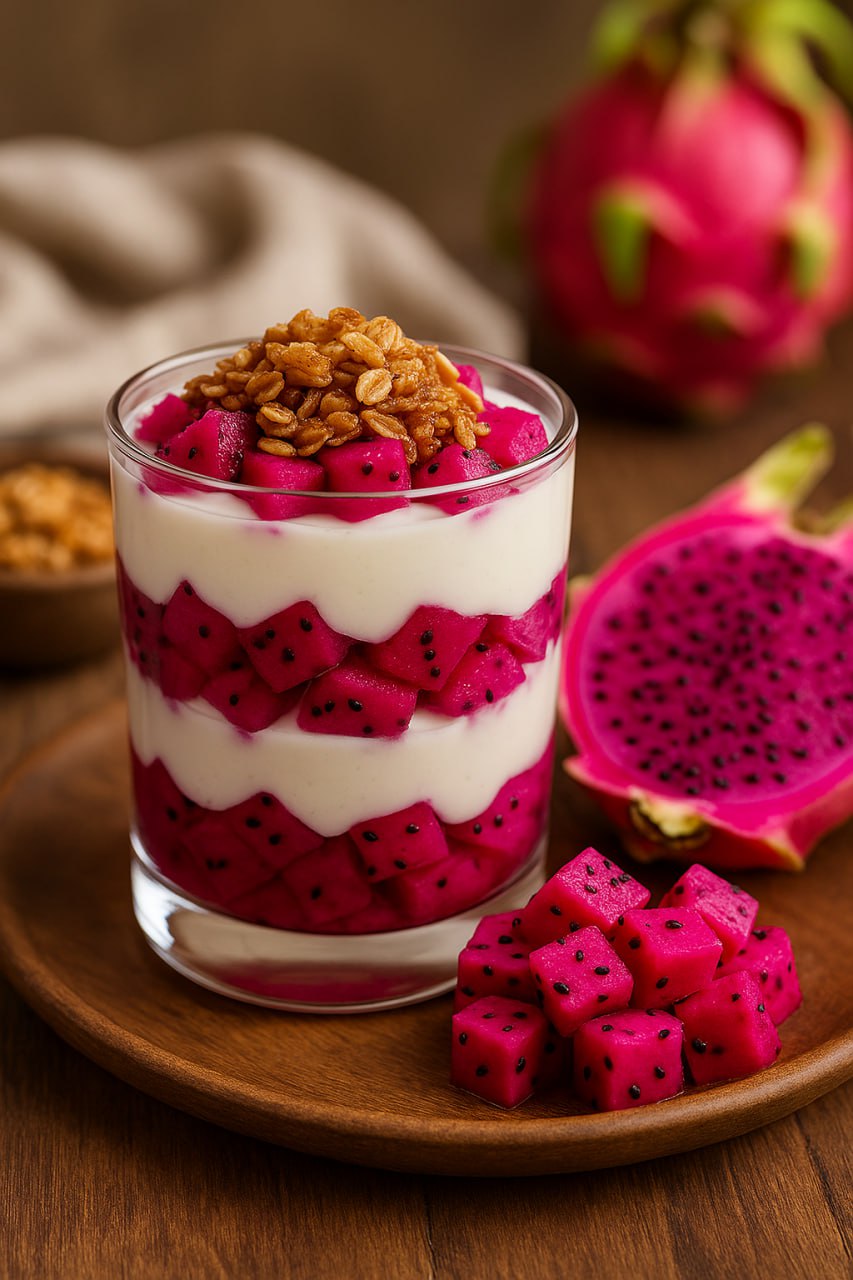
Dragon fruit coconut parfait: quick-n-fun exotic recipes

Dragon fruit coconut parfait

Dragon fruit coconut parfait

🍴 Dragon fruit coconut parfait: quick-n-fun exotic recipes


🔵Layer Dragon Fruit cubes with coconut cream and toasted granola.
🔵A tropical breakfast that looks neon and tastes fresh!

Dragon fruit coconut parfait recipe

Ingredients

  • 1 fresh Dragon Fruit, diced into cubes
  • 1 cup coconut cream
  • 1/2 cup toasted granola
  • Optional: honey or maple syrup for drizzle

Instructions

  1. Layer Dragon Fruit cubes in a glass or bowl.
  2. Add a layer of coconut cream, then sprinkle toasted granola.
  3. Repeat layers until glass is full, finishing with granola on top.
  4. Serve immediately for a refreshing tropical breakfast or snack.

🛒 Explore Dragon Fruit varieties

#Food_Forest #Recipes

🟢 Join 👉 TopTropicals