Garden Blog - Top Tropicals

Date: 9 Mar 2026

Golden canistel cream: quick-n-fun exotic recipes

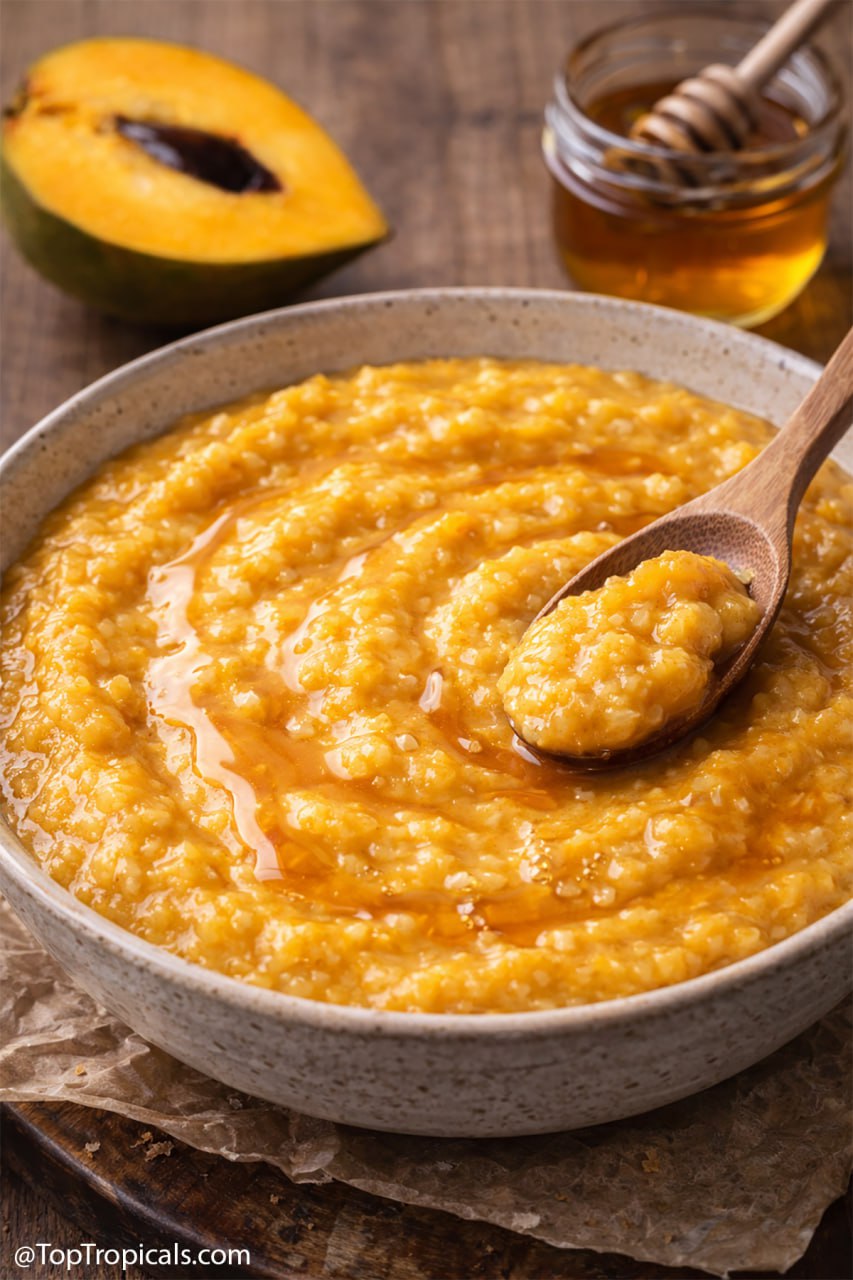
Golden canistel cream

Golden canistel cream

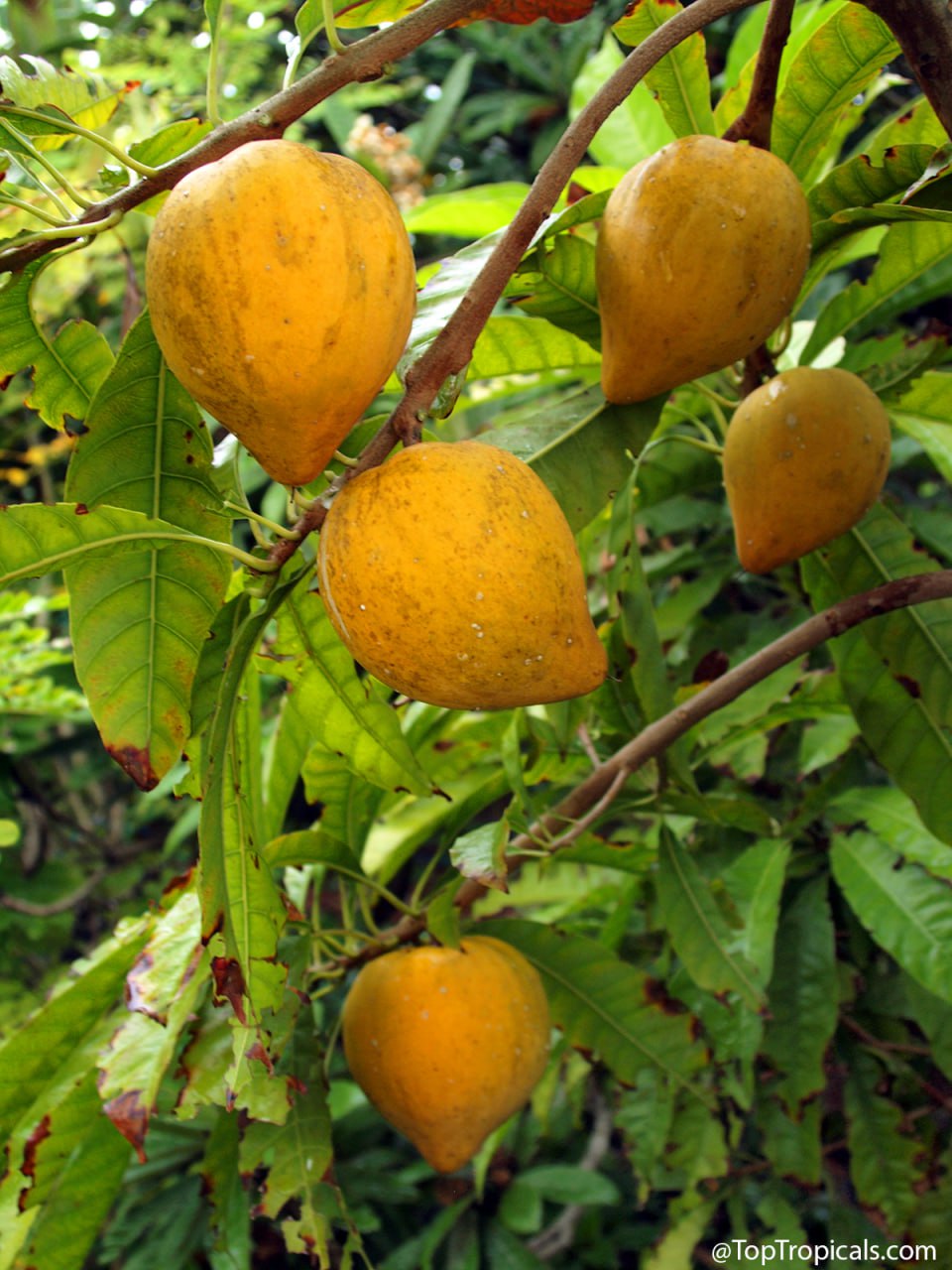
Pouteria campechiana - Canistel, Eggfruit

Pouteria campechiana - Canistel, Eggfruit

🍴 Golden canistel cream: quick-n-fun exotic recipes


Golden Canistel Cream

Ingredients

  • 1 ripe canistel (eggfruit)
  • 2 to 3 tbsp milk
  • 1 to 2 tsp honey

Instructions

  1. Scoop the ripe canistel flesh into a bowl.
  2. Add milk and honey.
  3. Mash until smooth and creamy.
  4. Warm gently in a small pan if desired.
  5. Serve warm like a thick tropical porridge.

🌿 About the plant:


Also called Eggfruit, canistel has bright yellow flesh that is dense and slightly dry when ripe.

🏡 In the garden:


Grows well in warm climates with good drainage. Compact growth makes it suitable for small yards.

🛒 Plant Canistel Egg Fruit tree - grows well in container too

📚 Learn more:

Plant Facts

Pouteria campechiana
Canistel, Eggfruit, Chesa
USDA Zone: 9-11
Large tree taller than 20 ftSmall tree 10-20 ftFull sunRegular waterEdible plant
  • Pouteria campechiana - Canistel, Eggfruit - in Plant Encyclopedia
  • This old-school tropical fruit is making a quiet comeback: Eggfruit - Canistel
  • Canistel breakfast mash: quick-n-fun exotic recipes
  • Health Benefits of Canistel Fruit
  • Pouteria campechiana - Canistel, the curious heart-shaped Egg Super-Fruit

  • #Food_Forest #Recipes

    🟢 Join 👉 TopTropicals

    Date: 5 Mar 2026

    Passion fruit butter glaze: quick-n-fun exotic recipes

    Passion fruit butter glaze

    Passion fruit butter glaze

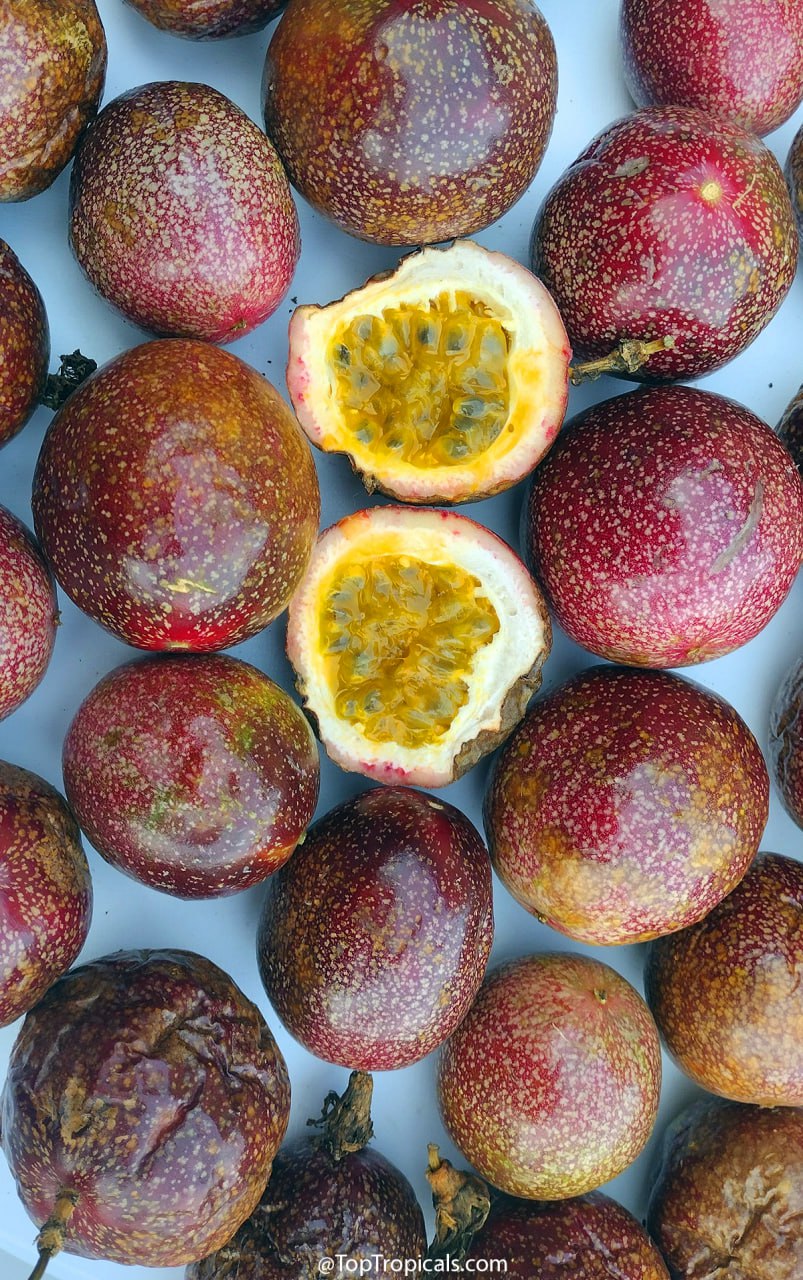
    Passion fruit - Passiflora edulis

    Passion fruit - Passiflora edulis

    🍴 Passion fruit butter glaze: quick-n-fun exotic recipes

    Passion Fruit Butter Glaze

    Ingredients

    • 2 passion fruits
    • 1 tablespoon butter
    • 1 teaspoon sugar

    Instructions

    1. Scoop the pulp from the passion fruits into a small saucepan.
    2. Add butter and a small amount of sugar.
    3. Simmer gently while stirring until the mixture thickens.
    4. Spoon the warm glaze over pancakes, toast, or grilled pineapple.


    🌿 About the plant:


    A fast-growing vine with exotic flowers and intensely aromatic fruit filled with juicy seeds.

    🏡 In the garden:


    Needs strong support, full sun, and warmth. Very fast growth in zones 9-11. Prune to keep productive.

    🛒 Plant Passionfruit Vine - fast growing and rewarding

    📚 Learn more:

    Plant Facts

    Passiflora edulis
    Passion Fruit, Parcha, Maracuya, Granadilla
    USDA Zone: 9-11
    Vine or creeper plantFull sunModerate waterBlue, lavender, purple flowersWhite, off-white flowersEdible plantSubtropical plant. Mature plant cold hardy at least to 30s F for a short time
  • Passiflora edulis in Plant Encyclopedia
  • The truth about Passion flower and Passion fruit.

  • #Food_Forest #Recipes

    🟢 Join 👉 TopTropicals

    Date: 15 Feb 2026

    Tamarind date dipping sauce, quick-n-fun exotic recipes

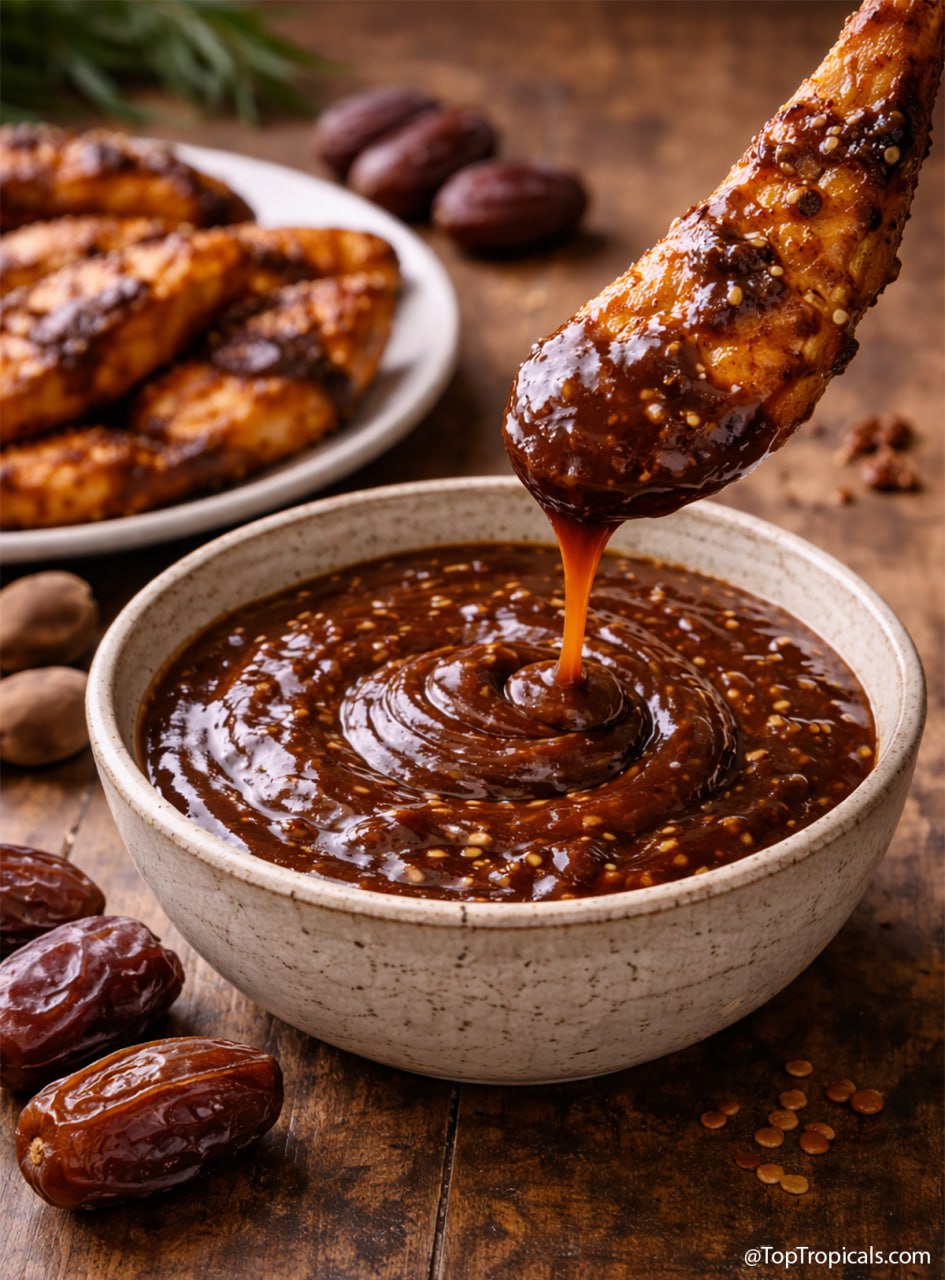
    Tamarind date dipping sauce

    Tamarind date dipping sauce

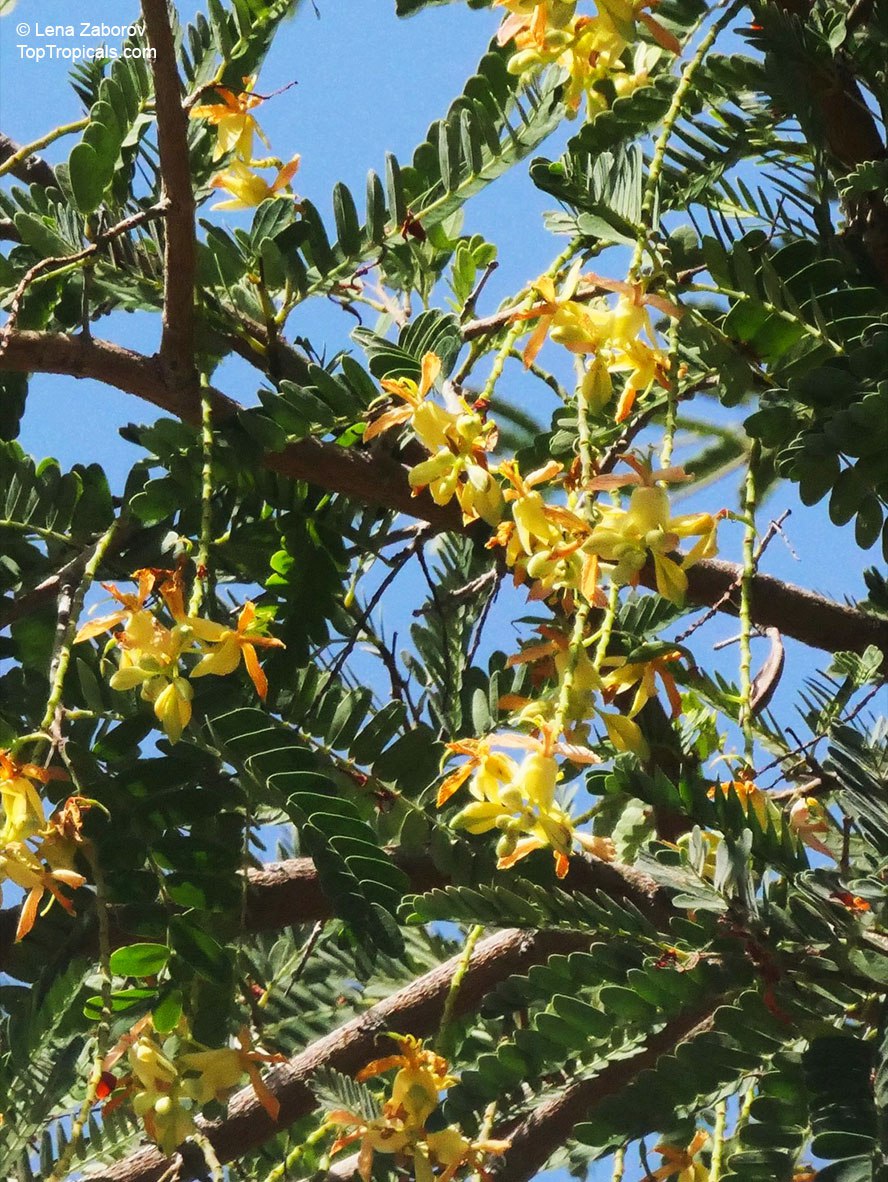
    Tamarind - Tamarindus indica - flowers

    Tamarind - Tamarindus indica - flowers

    🍴 Tamarind date dipping sauce: quick-n-fun exotic recipes


    Tamarind Date Dipping Sauce

    Ingredients

    • 3 soft dates
    • 1 tablespoon tamarind pulp
    • 1 pinch salt
    • 2–3 tablespoons warm water

    Instructions

    1. Soak the dates briefly in warm water if they are firm.
    2. Add the dates, tamarind pulp, and salt to a blender.
    3. Blend until smooth.
    4. Add warm water gradually until the sauce reaches dipping consistency.
    5. Serve with snacks, roasted vegetables, or grilled foods.


    🌿 About the plant:


    When combined with dates, tamarind transforms into a sweet-sour chutney common in Indian street food.

    🏡 In the garden:


    Tamarind (Tamarindus indica) flowering occurs in warm months with small yellowish blooms. Pollination leads to the familiar curved pods.

    🛒 Add Tamarind tree to your garden

    📚 Learn more:

    Plant Facts

    Tamarindus indica
    Tamarind, Sampalok
    USDA Zone: 9-11
    Large tree taller than 20 ftFull sunModerate waterEdible plantSubtropical plant. Mature plant cold hardy at least to 30s F for a short timeFlood tolerant plantSeaside, salt tolerant plant

    Tamarindus indica in Plant Encyclopedia

    #Food_Forest #Recipes

    🟢 Join 👉 TopTropicals

    Date: 27 Jan 2026

    Jackfruit golden hash: quick-n-fun exotic recipes

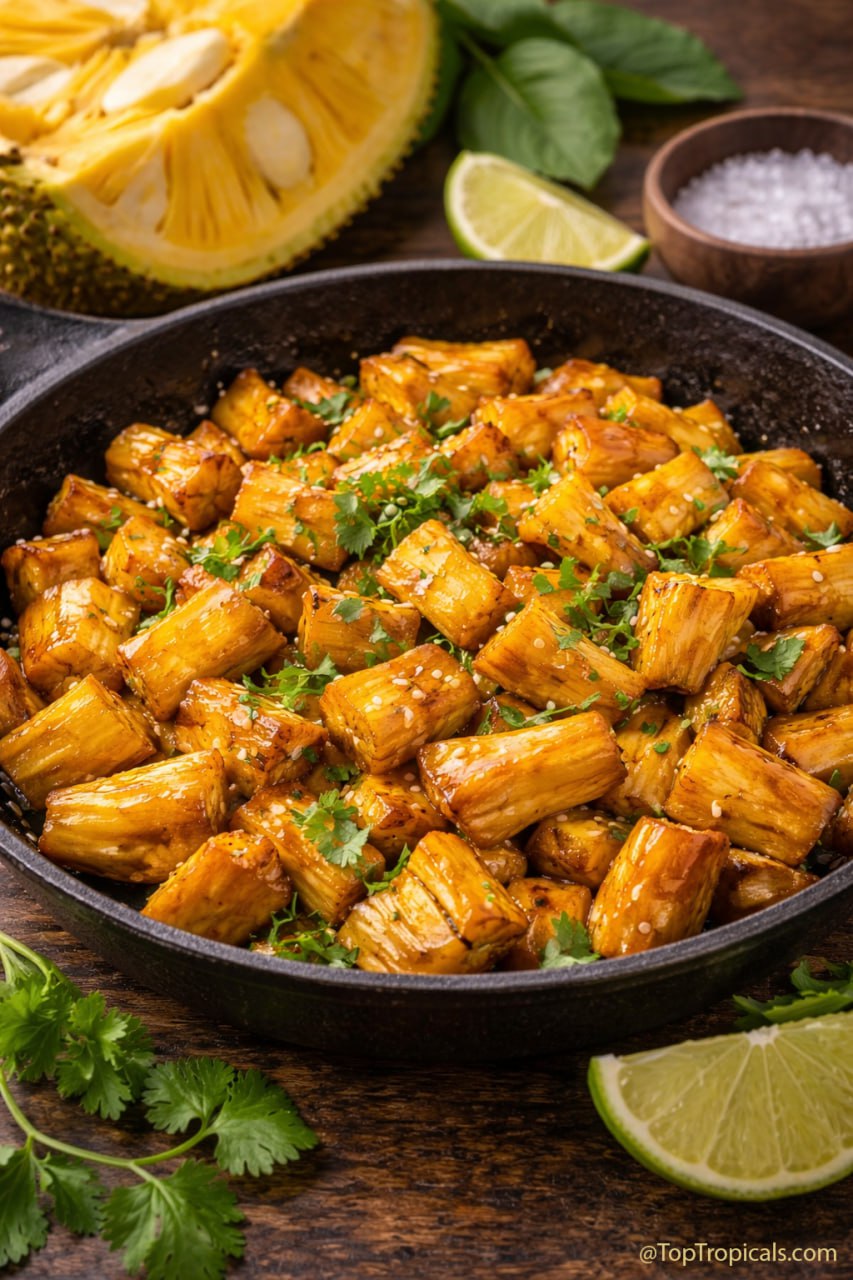
    Jackfruit golden hash in frying pan

    Jackfruit golden hash in frying pan

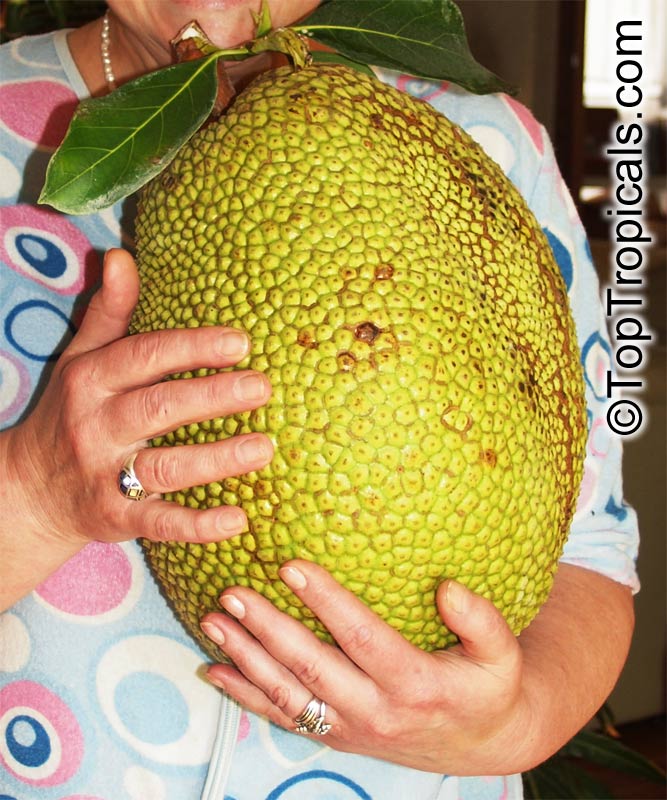
    Jackfruit tree (Artocarpus heterophyllus) fruit

    Jackfruit tree (Artocarpus heterophyllus) fruit

    🍴 Jackfruit golden hash: quick-n-fun exotic recipes


    Jackfruit Golden Hash

    Ingredients

    • 1 cup ripe jackfruit pods, chopped
    • 1 teaspoon coconut oil or butter
    • 1 pinch salt
    • Fresh lime juice (optional)

    Instructions

    1. Chop ripe jackfruit pods into small pieces.
    2. Heat coconut oil or butter in a frying pan over medium heat.
    3. Add the chopped jackfruit and pan-sear until the edges begin to caramelize.
    4. Toss with a tiny pinch of salt.
    5. Finish with a squeeze of lime juice and serve warm.


    🌿 About the plant:


    Jackfruit is the world’s largest tree-borne fruit, native to South and Southeast Asia. When ripe, its golden pods are sweet, fragrant, and naturally caramelize when cooked. It has been a staple food for centuries, used both ripe and unripe in desserts and savory dishes.

    🌱 In the garden:


    Jackfruit is a fast-growing tropical tree that thrives in warm climates with full sun and good drainage. It loves regular water and fertile soil, it's a heavy feeder. Best suited for USDA zones 9b-11, it can be grown in large containers when young and makes a bold, architectural fruit tree in the landscape. The fruit forms at the base of the tree, so trimming it under 7-8 ft makes it easier for cold protection.

    🛒 Plant your own Jackfruit tree

    📚 Learn more:

    Plant Facts

    Artocarpus heterophyllus, Artocarpus integrifolius
    Jackfruit, Jakfruit, Langka, Nangka, Jaca
    USDA Zone: 9-11
    Large tree taller than 20 ftFull sunRegular waterEdible plantSubtropical plant. Mature plant cold hardy at least to 30s F for a short time
  • Jackfruit tree (Artocarpus heterophyllus) in Plant Encyclopedia
  • Ten best fruit trees to grow in Florida and Southern landscapes. Jackfruit Tree.
  • How to Grow Jackfruit: Practical Guide

    🎥 We Cut Open a 37 lb Jackfruit - You Won't Believe What's Inside!

    #Food_Forest #Recipes

    🟢 Join 👉 TopTropicals
  • Date: 18 Oct 2016

    Checklist - preparing for winter in subtropical areas.
    Watering. Start reducing the amount you water your plants in early fall, once the temperature drops below 65 °F. Avoid watering your plants during cool nights, as this may cause serious root rot.
    Mulch. When a plant is protected by a thick layer of mulch, the root system stays healthy.
    No Pruning. Avoid pruning, trimming, or pinching branch tips altogether during the fall and winter which encourages new shoots that are soft, tender, and very cold sensitive.
    No Fertilizer. Avoid fertilizers during the winter. The main reason being the same as above for pruning: fertilizing promotes growth of the upper plant parts which should be avoided during the winter months.

    Time to clean your yard!
    In the South. It's getting cooler in subtropical areas, and garden work becomes even more enjoyable. Your garden now is in the most perfect shape after summer vigorous growth. It is the best time now to run the last trim before winter, as well as last fertilizer application. Clean up your yard without sweating off, add mulch to help plants to survive through possible winter chills. Don't forget to start reducing watering! Remember once temperatures drop below 65F, tropical plants slow down or stop growing and go into winter dormancy sleep.

    Up North. When temperatures drop below 45 °F, start bringing sensitive plants indoors or into protected areas. Prepare/cover greenhouse, check availability of covers (sheets, plastic) and condition of heaters. Plants indoors will experience environment change, may drop leaves, and need different care than out in the sun. Reduce watering, check for insects once a week, and stop fertilizing until spring. Remember to pick the brightest spots for overwintering your tropical plants!

    Enjoy cooler weather, fresh air, and thank yourself for a wonderful work you have done in your yard!