Garden Blog - Top Tropicals

Date: 20 Dec 2025

☃️ Winter is choosing season

Smokey  the  tuxedo  cat  plans  spring  planting  on  a  laptop  plant 
 encyclopedia  while  Sunshine  the  ginger  cat  relaxes  by  a  fireplace  in  a  cozy 
 Christmas  living  room  with  tropical 
 plants.

Smokey: "December is for planning, not planting."
Sunshine: "Gift card now. Perfect plants later."
Smokey: "You surprise me sometimes. Must be the donuts."

This time of year always feels special to us. The days are shorter, the garden slows down, and we finally have a moment to pause, look at our wish lists, and dream a little about spring.

As gardeners, we know winter is not really planting season. It is choosing season.

It is when ideas take shape. When we think about what we want to grow next, what we want to add, and what we want to do differently when warm days return. That is why, in winter, the best plant gift is not a plant itself. It is the promise of one.

Cold weather and holiday shipping can make winter plant deliveries stressful, especially for tropical plants traveling north. A gift card lets plants wait for the right moment, and lets the gardener enjoy the fun part now: planning, choosing, and imagining.

It also solves something we all know too well. Every gardener is wonderfully different. Some dream of fruit trees, others of flowers, rare collectors, or easy growers. Some plant in containers, some in the ground. Guessing is hard. A gift card lets them choose exactly what fits their garden and their vision.

🎁 Holiday Gift Card Bonus

To make the season a little brighter, we are offering a holiday gift card bonus through 12/31/2025.

When you purchase a gift card, we add 15% extra value. Just add Christmas greeting in gift card message field. For example, a $100 gift card becomes $115 to spend.

The bonus value is not valid with other promotions or discounts. Gift cards cannot be used to purchase other gift cards. Bonus value is added at the time of purchase.

🎁 Get a gift card

Date: 8 Jun 2016

How to get Clerodendrum to bloom?
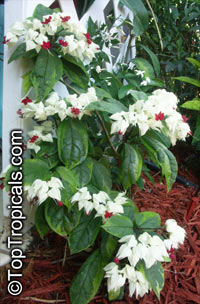
Q: My Clerodendrum thomsoniae is not blooming. Actually it is not doing much of anything except putting out weak growth and small leaves. I purchased this plant May 26. 2015. Over the winter it was in a heated sunroom, at night 60 degrees, where it received some direct sun from the skylights. I reduced the water to prevent excessive leggy growth. I don't see how this plant can take full sun or even part sun. Temps here in Raleigh NC are 80-85 degrees and 65-70 at night, at the moment. I figured I would gradually expose it to more direct sun after being in a sunroom but the leaves burn. I had this plant in San Jose many years ago where it did quite well, blooming with no special treatment. So thought I'd give it a try again. Any advice?

A: Clerodendrums are all time favorites, appreciated by both gardeners and house plant collectors, for their showy, fragrant flowers and very easy culture. When growing Bleeding Heart (Clerodendrum thomsoniae), a few things should be taken in consideration:

1) Temperature.Like most clerodendrums, this plant is semi-decidious outside of tropics and goes dormant in winter. It may lose some or all leaves if temperatures drop below 60-65F. It is not too cold sensitive, the plant can even take some light freeze. However when it is not hot and humid, it slows down metabolism. This means, water should be reduced during cooler months.

2) Light. This plant can grow in both sun and shade like most clerodendrums - this is the beauty of this genus. However like with all flowering plants, more sun promotes more bloom. In shade, it will grow beautiful dark green foliage (leaves will be bigger than in the sun) on the account of flowering; in full sun leaves turn lighter color and sometimes may even get unattractive "faded" look, but flowering will be profuse. Also remember that Arizona full sun is different than New York full sun. Here in Florida, Bleeding Heart can take some full sun, but if exposed to sun all day long, leaves often get sun burn.

3) Acclimation. Also called acclimatization - this is a process when a living organism adjusts to environment changes. Acclimation is always the case when growing plants indoors, even in a sun room. When Spring comes, and especially when we start taking outdoors those plants that have spent a few months indoors, light level increases dramatically, and this may cause leaf loss, and leaf burn. It is not necessarily a bad thing, it is just a mechanism of acclimation. Example: imagine yourself after living in a warm tropical climate, moving to a cold country. For a while your body will feel discomfort from "too much cold", while native residents may feel comfortable. We call it "My blood has thinned after living in Florida" - and this is a physiological fact. And vice versa, if you are a Northerner, moving to hot climate may be a challenge; it will take a while until you get used to hot and humid tropical summers. Same thing with plants: during cooler and darker period, their body (leaves and stems) becomes "winter type", with some serious chemical restructuring. Immediate environment change, like bright light and high temperature, causes a shock to those "winter cells", and as a defense mechanism, the plant gets rid of those useless "winter" leaves, replacing them with new "summer" leaves with completely new chemistry and metabolism.

From what you described, you know your plants, and you know what you are doing. You did everything right by reducing watering in winter and gradually moving the plant into brighter light. You still may see some stress, and this is normal. If you patiently keep changing environment slowly, eventually your plant will generate new healthy "summer" growth, it will also improve more vigorous root grown which will help the plant to establish better and to be stronger. You will see larger, thicker leaves, and definitely some flowers.

Date: 28 May 2025

How to make your own coffee from homegrown beans

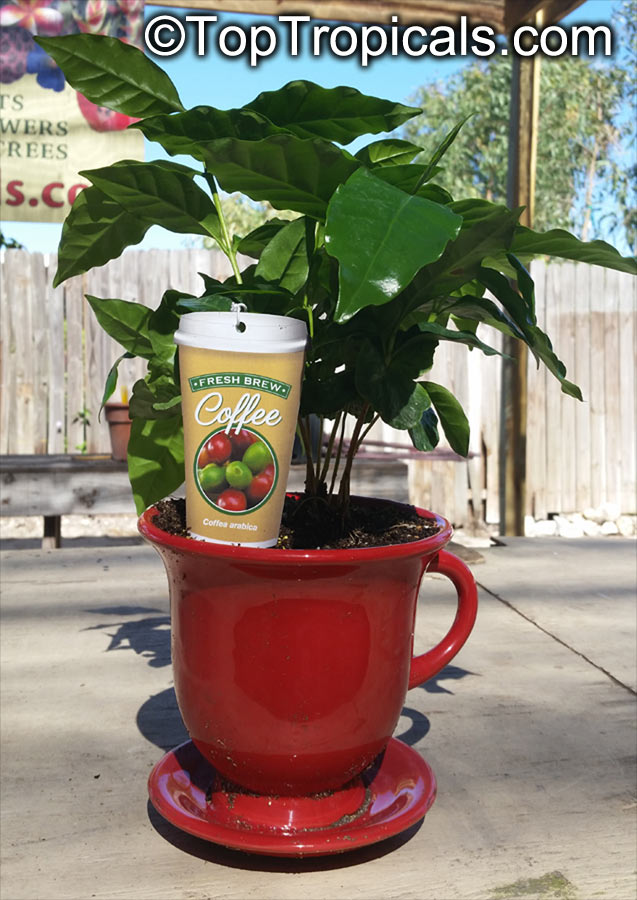
Coffee Tree in a cup (Coffea arabica)

Coffee Tree in a cup (Coffea arabica)

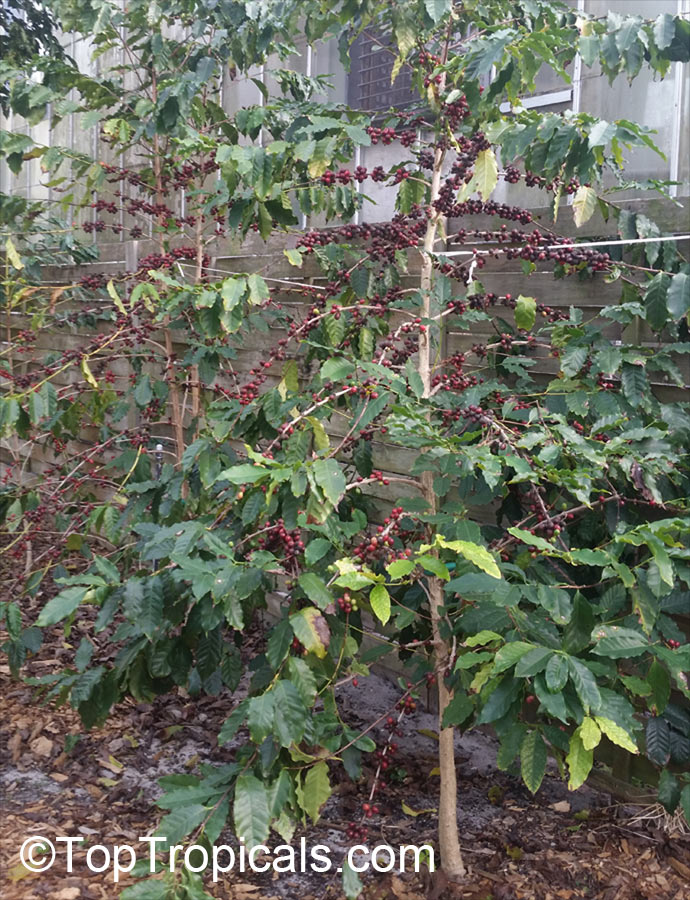
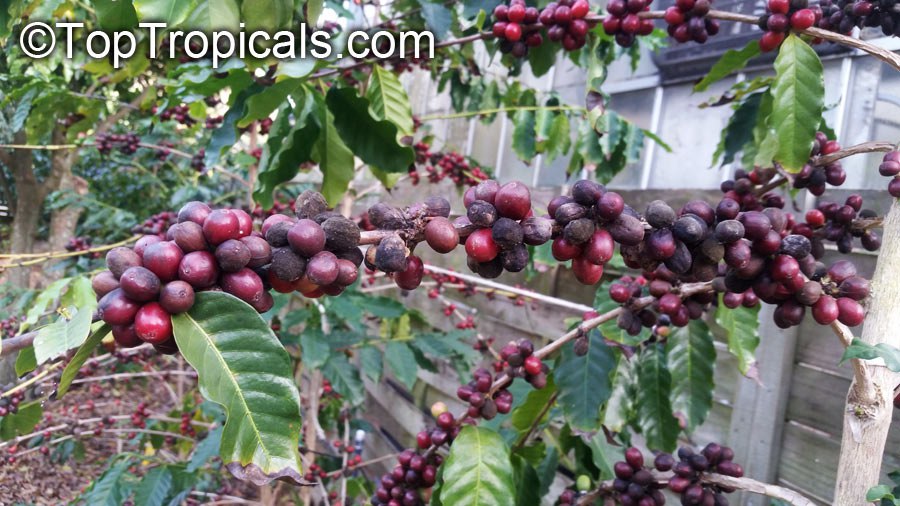
Coffee Tree with fruit (Coffea arabica)

Coffee Tree with fruit (Coffea arabica)

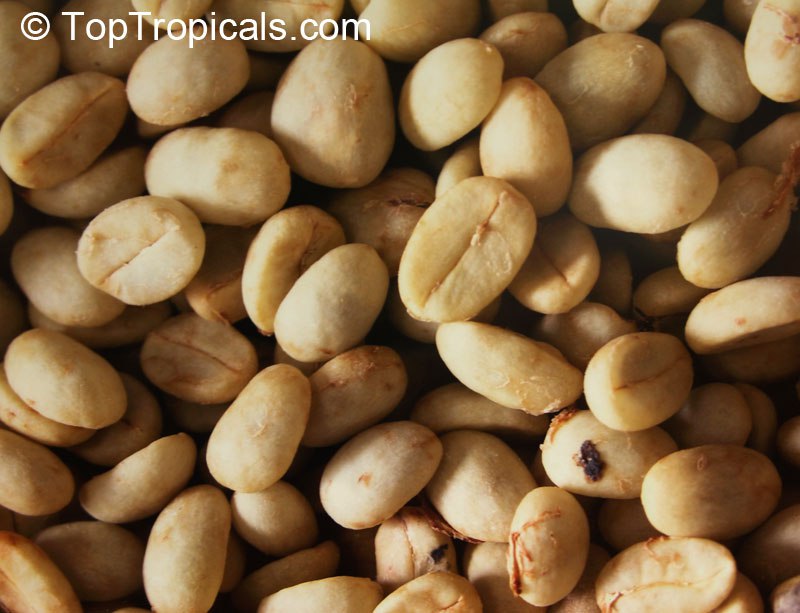
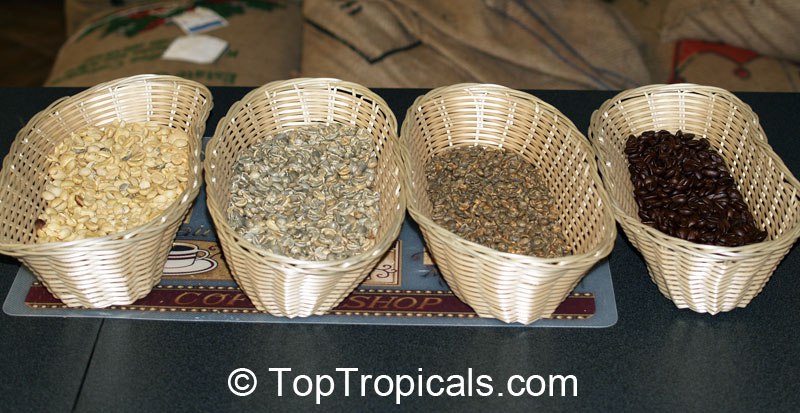
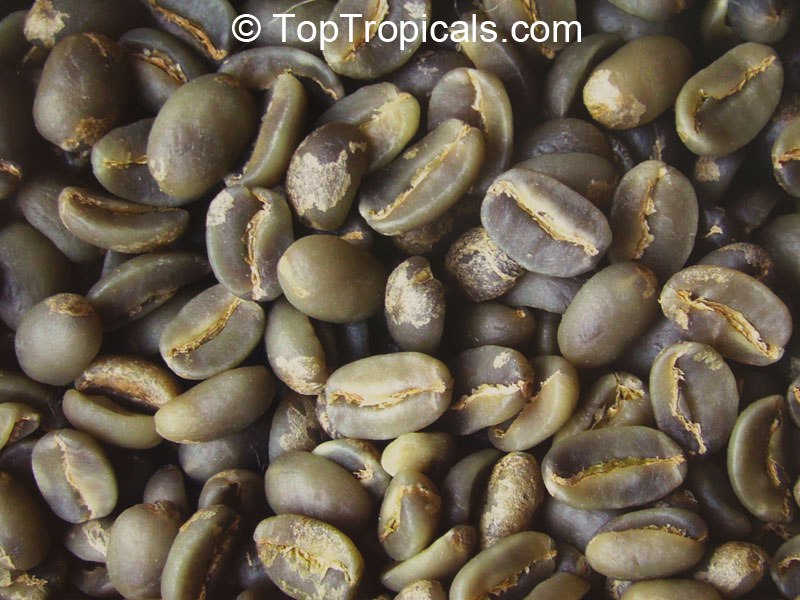
Coffee beans (Coffea arabica)

Coffee beans (Coffea arabica)

Coffee beans (Coffea arabica)

Coffee beans (Coffea arabica)

Coffee beans (Coffea arabica)

Coffee beans (Coffea arabica)

Coffee cherries on a tree (Coffea arabica)

Coffee cherries on a tree (Coffea arabica)

☕️ How to make your own coffee from homegrown beans


Q: Can you make coffee from your
own tree? Isn't there a process involved to prepare beans for it?
A: Absolutely! Yes, it is quite a process... But homegrown coffee lets you enjoy the freshest, chemical-free beans with rich flavor and the satisfaction of growing it yourself. Besides, it's fun! Below is a quick guide how to grow and make your own coffee from freshly harvested coffee fruit (called "cherries").
  • Harvest the ripe cherries


    Pick the bright red fruits when they are fully ripe. These contain the coffee beans inside.
  • Remove the beans


    Squeeze the cherries to pop out the seeds (beans). Rinse off any pulp and soak them in water for 1-2 days to ferment and remove the slimy coating.
  • Dry the beans


    Spread the clean beans on a tray in a sunny, dry spot. Let them dry for 1-2 weeks, turning them daily, until they feel hard and papery.
  • Remove the parchment


    Once dried, crack and remove the thin husk around each bean. You now have green coffee beans ready to roast.
  • Roast the beans


    Use a dry skillet or oven. Heat until beans turn brown and fragrant, stirring constantly. The longer you roast, the darker and stronger the flavor.

Cool and grind


Let roasted beans cool completely, then grind them just before brewing. Enjoy your homemade cup of fresh coffee!

🛒 Grow it. Pick it. Roast it. Drink it. Buy your coffee tree now!

📚 Learn more from previous posts:


#Food_Forest #Container_Garden #Shade_Garden #Discover

🔴 Join 👉 TopTropicals

Date: 24 Jun 2018

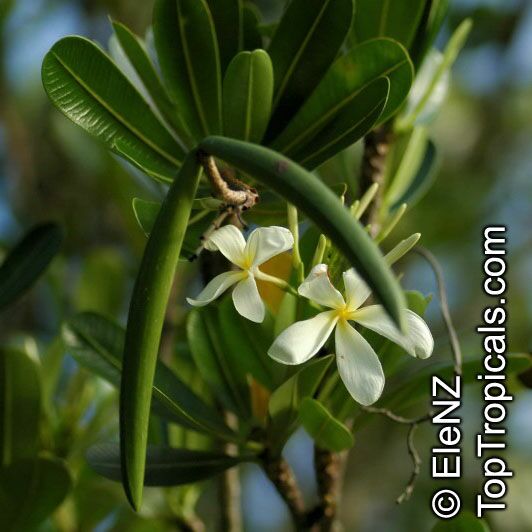
Tip of the day: Growing Plumeria from seed

Q: I purchased a Plumeria from your company. It has done quite nicely and now has produced a seed pod. Please forward me information on how to care for it and use the seeds that may be inside to propagate another plant.

A: Wait until seeds are ripe (seed pod turns brownish). Soak seeds overnight. Use only well drained soil, or cactus mix. Insert heavy end of seed 1/4"into soil, leaving feathered end exposed. Place the pot in direct sunlight. Don't allow soil to completely dry out, but don't let it be soggy. Germination occurs usually within 3 weeks. Do not overwater. For more information on growing Plumerias, see our slideshow guide:

Date: 27 Jan 2026

Jackfruit golden hash: quick-n-fun exotic recipes

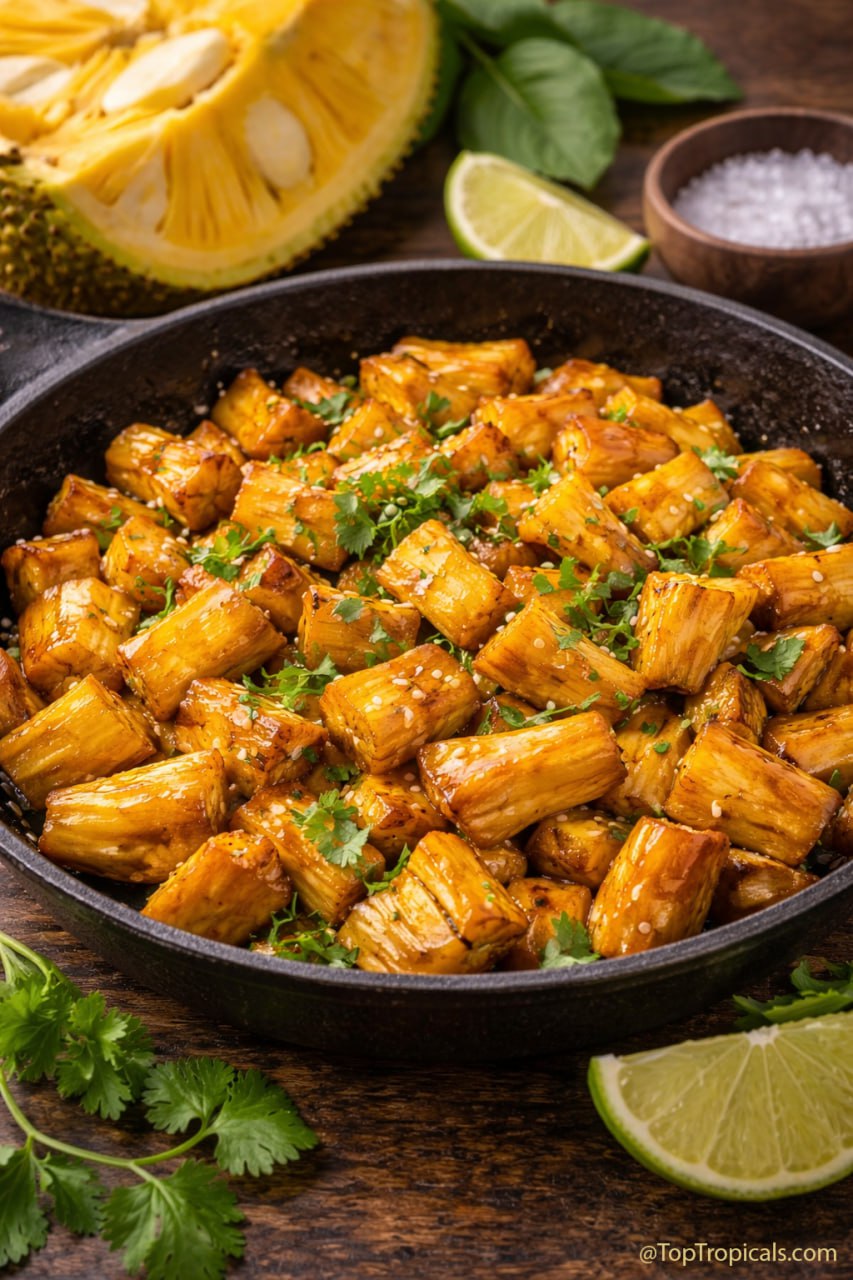
Jackfruit golden hash in frying pan

Jackfruit golden hash in frying pan

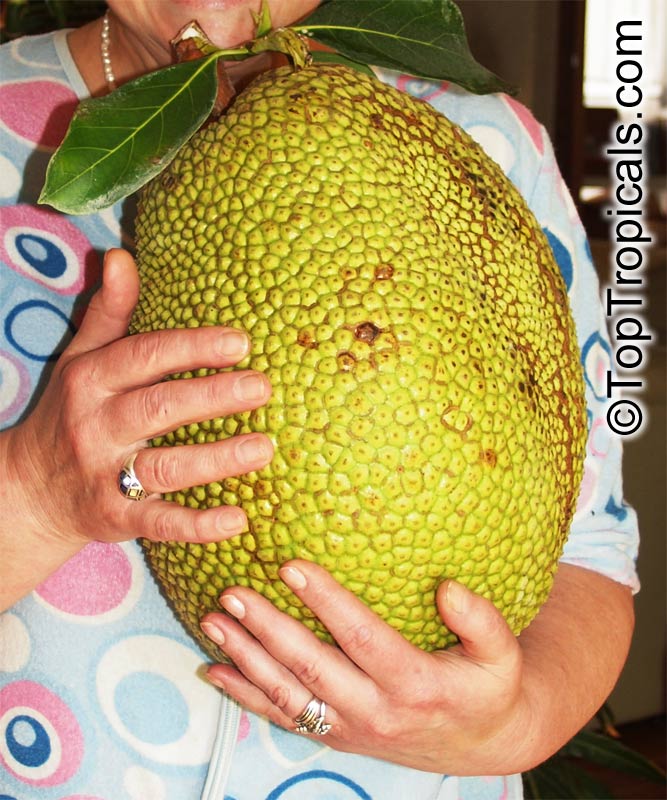
Jackfruit tree (Artocarpus heterophyllus) fruit

Jackfruit tree (Artocarpus heterophyllus) fruit

🍴 Jackfruit golden hash: quick-n-fun exotic recipes


Jackfruit Golden Hash

Ingredients

  • 1 cup ripe jackfruit pods, chopped
  • 1 teaspoon coconut oil or butter
  • 1 pinch salt
  • Fresh lime juice (optional)

Instructions

  1. Chop ripe jackfruit pods into small pieces.
  2. Heat coconut oil or butter in a frying pan over medium heat.
  3. Add the chopped jackfruit and pan-sear until the edges begin to caramelize.
  4. Toss with a tiny pinch of salt.
  5. Finish with a squeeze of lime juice and serve warm.


🌿 About the plant:


Jackfruit is the world’s largest tree-borne fruit, native to South and Southeast Asia. When ripe, its golden pods are sweet, fragrant, and naturally caramelize when cooked. It has been a staple food for centuries, used both ripe and unripe in desserts and savory dishes.

🌱 In the garden:


Jackfruit is a fast-growing tropical tree that thrives in warm climates with full sun and good drainage. It loves regular water and fertile soil, it's a heavy feeder. Best suited for USDA zones 9b-11, it can be grown in large containers when young and makes a bold, architectural fruit tree in the landscape. The fruit forms at the base of the tree, so trimming it under 7-8 ft makes it easier for cold protection.

🛒 Plant your own Jackfruit tree

📚 Learn more:

Plant Facts

Artocarpus heterophyllus, Artocarpus integrifolius
Jackfruit, Jakfruit, Langka, Nangka, Jaca
USDA Zone: 9-11
Large tree taller than 20 ftFull sunRegular waterEdible plantSubtropical plant. Mature plant cold hardy at least to 30s F for a short time
  • Jackfruit tree (Artocarpus heterophyllus) in Plant Encyclopedia
  • Ten best fruit trees to grow in Florida and Southern landscapes. Jackfruit Tree.
  • How to Grow Jackfruit: Practical Guide

    🎥 We Cut Open a 37 lb Jackfruit - You Won't Believe What's Inside!

    #Food_Forest #Recipes

    🟢 Join 👉 TopTropicals