Date: 18 Aug 2025
Step Up Your Plants Before Fall
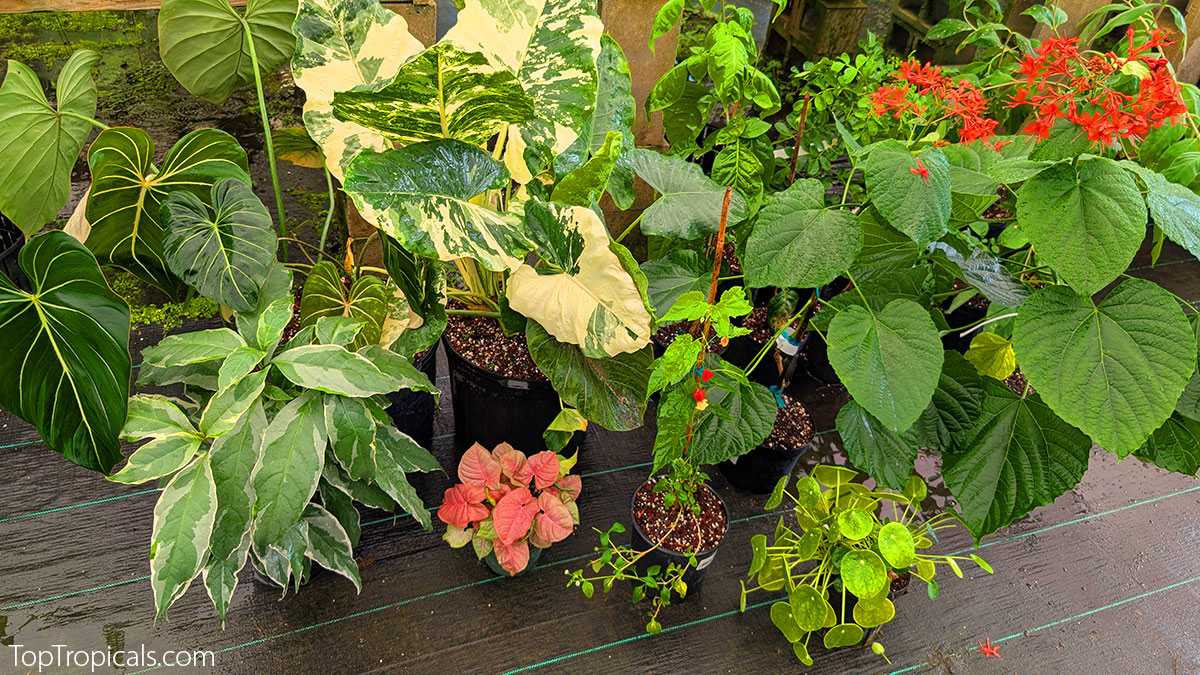
After a busy summer of growth, many potted plants are bursting out of their containers. Now is the perfect time to step them up into a slightly larger pot.
🌱 Why now in August?
Repotting before fall gives roots room to expand, while there’s still warmth for active growth. Plants have time to sprout new shoots, fill out, and build strength before cooler weather slows them down.
✂️ Trim and Shape
This is also your last chance to give plants a light trim. Pinching or cutting back helps them branch, bush out, and get denser — exactly what you want going into fall.
💚 Add Green Magic
When repotting, mix in Sunshine controlled-release Green Magic fertilizer to reduce transplant stress and boost new root growth. It helps plants settle in quickly and keep thriving.
👉 Watch our on how to step up your plant the right way, then check your pots — some of your summer growers are ready to move up!
⚠️ Important Note on Timing
This advice is for gardeners in warm climates or for anyone who still has at least a month of warm weather left. Tropical plants go dormant when temperatures drop below 75F, so planting in a larger pot at that time may cause root rot — roots stop growing in dormancy, and extra moisture in the soil can lead to rotting.
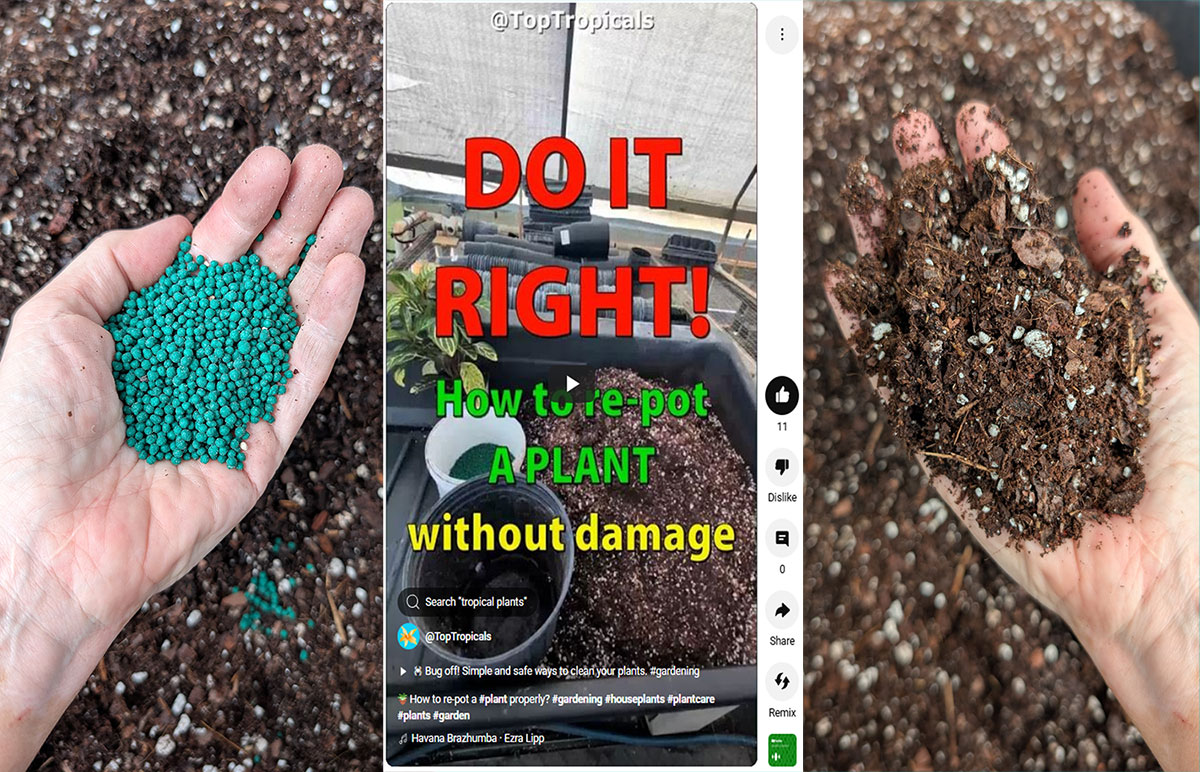
How to Repot a Plant Properly
Choose the Right Pot
Pick a pot just a few inches larger than the old one.
✅ Make sure it has good drainage — tropical plants hate sitting in water. A pot without drainage holes can cause waterlogging and root rot.
Why plastic pots are better than fancy ceramic
Ceramic pots may look pretty, but they are heavy, breakable, and often lack proper drainage. Plastic pots are lightweight, easier to handle, and — most importantly — if a plant is root-bound and stuck, you can simply cut the plastic pot to free it without harming the roots. For looks, slip the plastic pot inside a decorative cover pot.
Add Soil and Fertilizer
Place fresh potting soil at the bottom. Mix in a good fertilizer — we use Sunshine Green Magic.
Remove the Plant
Why turn it upside down? Gravity helps loosen the plant, and it slides out more easily without tugging.
Never pull a plant by its head (stems or leaves). That can damage the crown and tear roots.
If it doesn’t come out easily: lay the pot on its side and gently squeeze or tap the pot to dislodge the soil. If it is really stuck, cut the old pot instead of forcing the plant.
Check the Root System
If roots are circling tightly (pot-bound), gently untangle or loosen the outside layer so they will grow outward into the new soil.
Do not shake off or remove old soil from the root ball. Roots have tiny hairs that absorb water and nutrients, and damaging them will set the plant back. Keep the root mass intact and disturb as little as possible.
Set at the Same Level
Place the plant in the new pot so it sits at the same soil level as before.
👉 This is important: burying the stem too deep can suffocate it, while setting the plant higher than before may expose roots and cause drying. Keeping the level the same protects the root crown.Fill and Firm
Add more soil and fertilizer around the sides. Press lightly around the edges to remove air pockets.
Water Thoroughly
Give it a deep watering to help roots settle.
Aftercare
Don’t water again until the top inch of soil feels dry. Freshly repotted plants are vulnerable to soggy soil and root rot if kept too wet.
Date: 24 Dec 2018
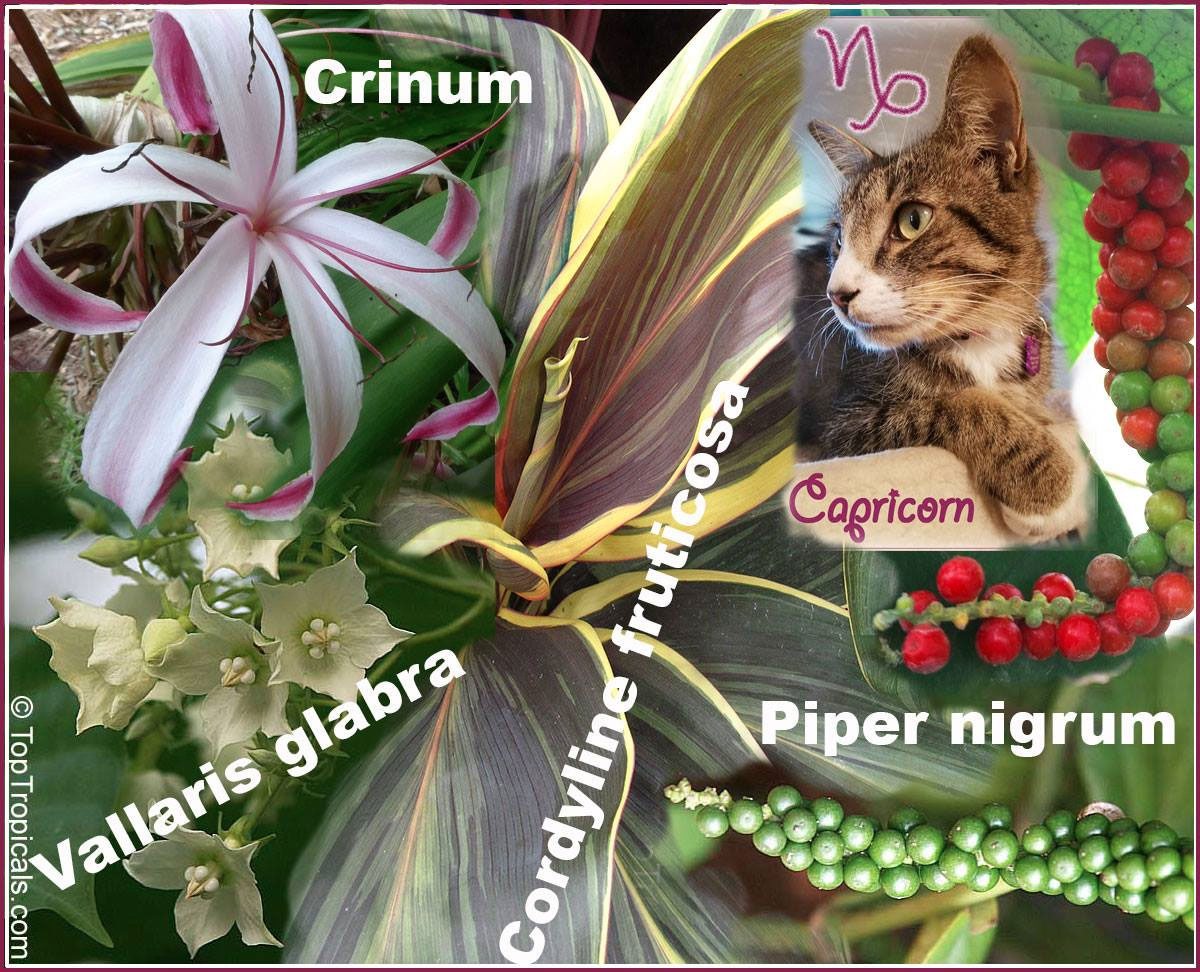
Plant Horoscope. Capricorn Zodiac lucky plants: Cordyline and Croton

Capricorn - 12/22
- 1/19.
An EARTH sign ruled by the planet Saturn. Capricorn's plants usually have
few flowers, or small flowers, are knobby or woody, and may have an unpleasant
smell or taste. Saturn rules plants with long lives and slow growth, so
plants with annual rings are also associated with the Goat.
Physiologically, Saturn rules the systems that give the body its
structure and form: the skeletal system, and the skin, teeth, joints, and knees, so
plants that are high in calcium can be very beneficial. Those can be woody
plants and shrubs that show annual rings, as well as some poisonous or
narcotic plants. Saturn plants are useful in treating arthritis and rheumatism.
Traditional Capricorn appreciates a spice that is powerful but familiar. Black pepper adds flavor and a bit of heat to both food and life,
creating movement without too much change.
Capricorn Zodiac
lucky plants:
Baobab, Peach Palm, Patchouli, Bamboo, Cordyline, Spider Lily, Serissa, Desert Rose, Croton, Aloe, Palms, Giraffe knee plant - Gonatopus boivinii, Adenanthera, Black Pepper, Solanums, Loquat, Aglaonema, Jacaranda, Rosemary, Shisham - Dalbergia sissoo, Neem Tree, Nutmeg, Calendula, Brugmansia, Cannabis, Coca, Kava-Kava, Root Beer plant, Kratom, Banesteriopsis, Psychotria, Quince, Almonds, Ginkgo, Olive, Strophanthus, Bread Flower, Amorphophallus, Areca Palm, Anadenanthera, all Pipers, Brunfelsia, Chaya, Persimmons, Surinam Cherry, Bel Fruit, Ashoka Tree, Calla Lily.
For other signs information, see full Plant Horoscope
Date: 27 Jan 2026
🌸 Adenium, Coffee, and Donuts

Sunshine: So it is a team plant. Everyone blooms, nobody agrees.
Smokey: Yet it grows just fine.
Sunshine: That is the secret. Coffee and donuts.
🌸Featured Adeniums
Recommended by our Horticulturist, Tatiana Anderson

Deep magenta flowers with a velvety look and a darker, almost black edge. A bold, elegant adenium that stands out immediately.

Bright yellow and mauve swirls across layered petals create a warm, cheerful bloom that lives up to its name.
 Clean white petals brushed with playful pink streaks. A reliable bloomer
with soft ruffled flowers.
Clean white petals brushed with playful pink streaks. A reliable bloomer
with soft ruffled flowers.
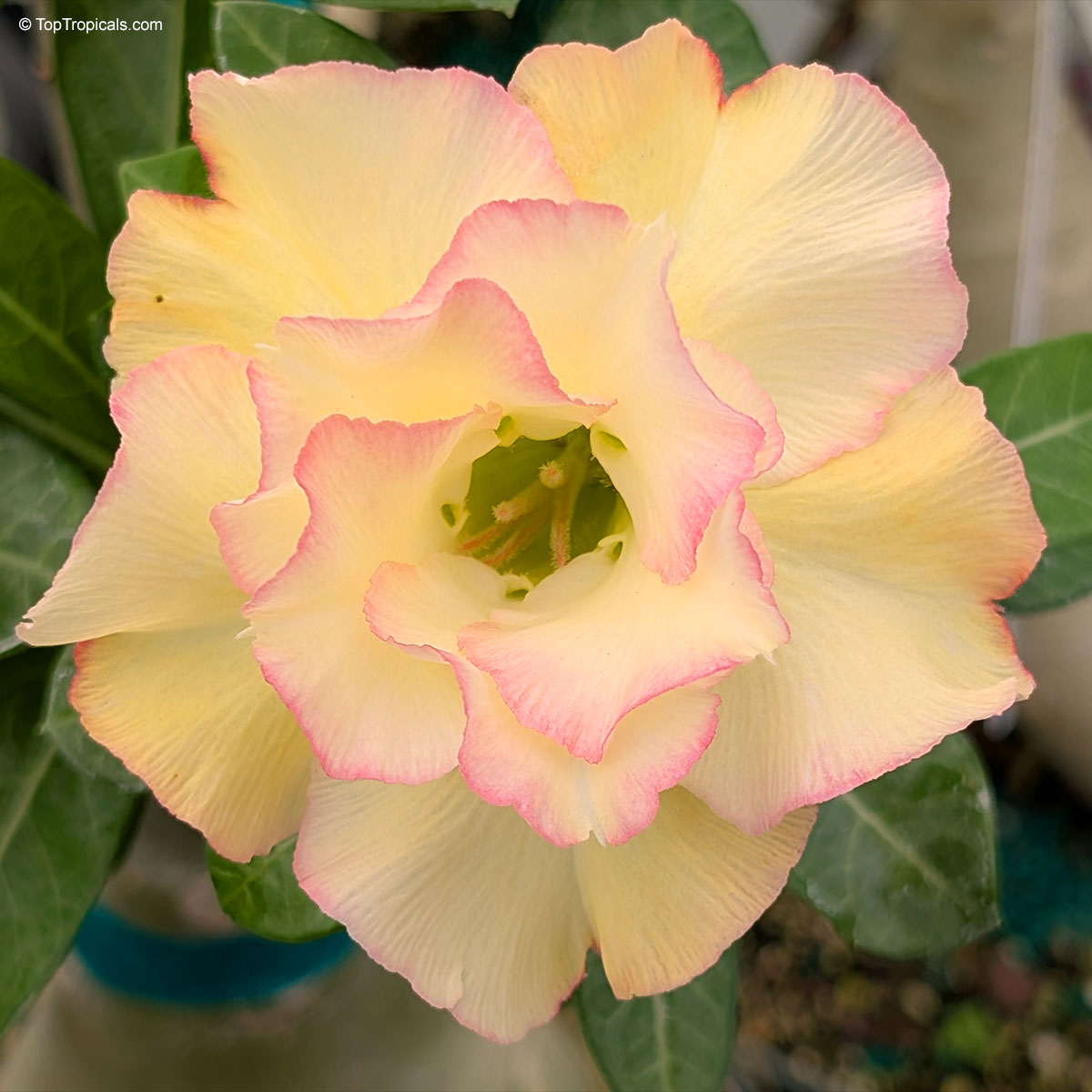
Known for its three-color effect, shifting from yellow to pink to nearly white on the same plant.
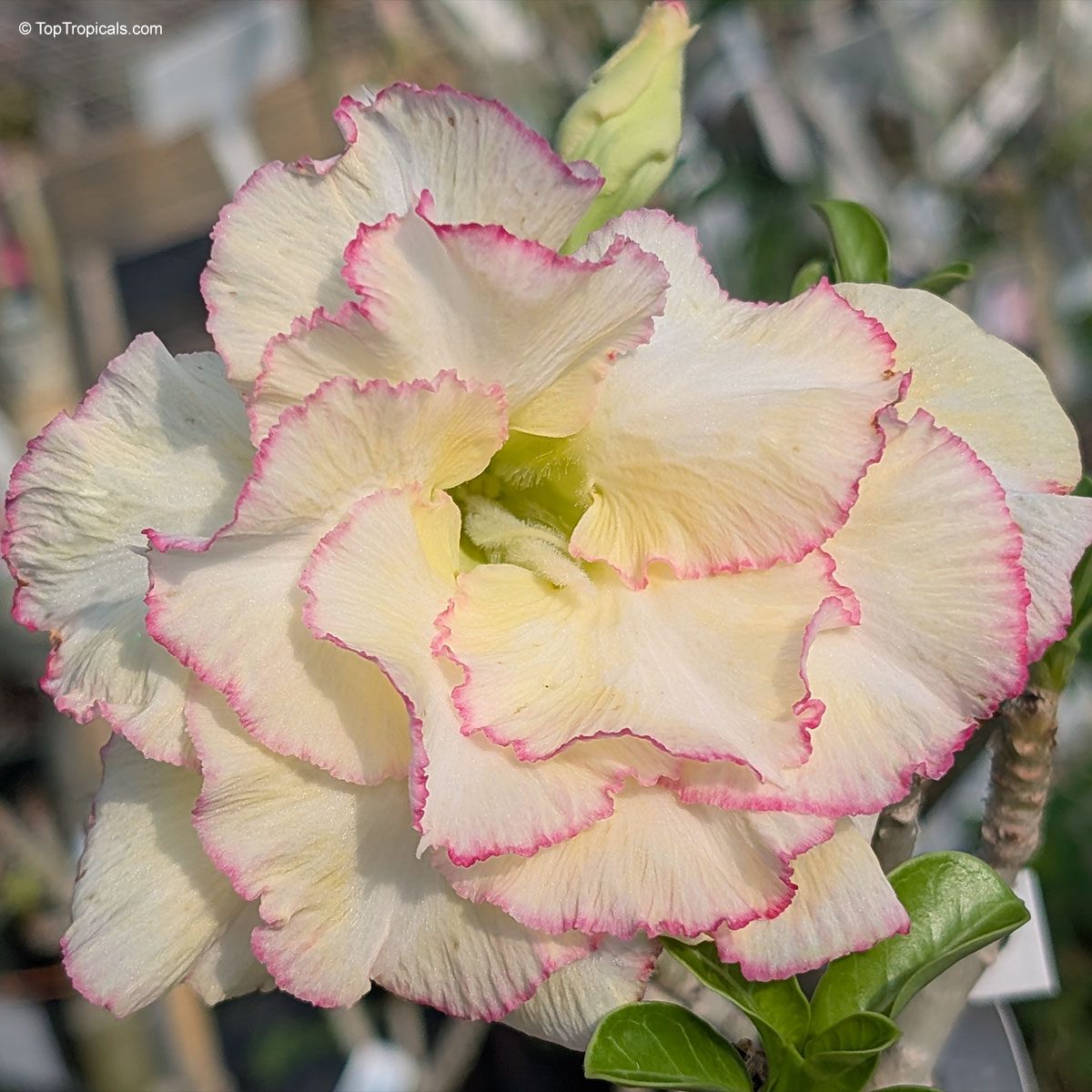
Cheerful yellow petals dipped in cherry red with bold ruffled layers. Bright, playful, and impossible to miss.
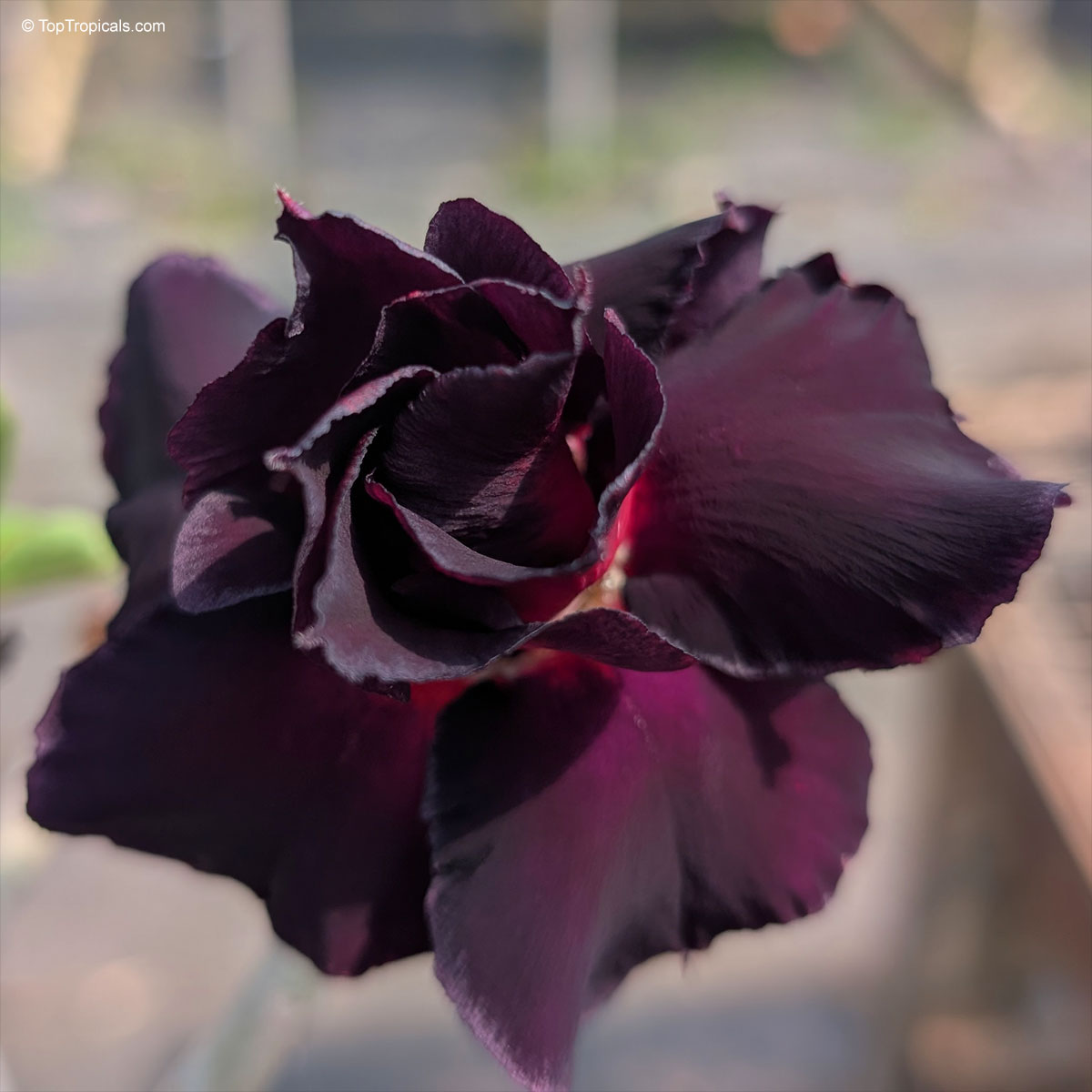
Nearly black petals with a glowing red center. Dark, dramatic, and different.
Date: 20 Feb 2026
What tropical plants survived Floridas historic freeze without protection
Florida historic freeze
In the first week of February 2026, arctic air pushed deep into Florida. For many areas, this was the coldest event in over a century.
We received one question over and over: How did your gardens do?
Top Tropicals Farm in Sebring, Florida is up and running - and this freeze became a real-world hardiness test for tropical and subtropical plants. Below is our initial field report after inspecting established plantings.
📊 Weather data - February 1-6, 2026
Sebring, Florida - 132 years of recorded observations
This was not a light frost. It was prolonged, windy, penetrating hard freeze.
🌡 Minimum temperature: 25F
❄️ Wind chill: 14F
⏳ Duration: 3 nights of 8-10 hour hard freeze
☀️ Daytime temperatures: around 50F for 7 days
🌀 Wind: sustained 20 mph, gusts 40-50 mph
Cold protection
In-ground trees: selected plants covered with frost cloth, especially mango and young avocado trees.
Tender container plants: moved into greenhouses with propane heat above 34F.
Hardy container plants: frost cloth and wind protection only - no plastic
Nutrition support: plants fertilized regularly during the growing season with Green Magic and Sunshine Boosters to maintain vigor and hardiness.
However, the plants listed below had no protection at all.
All were established trees 2-3 years in the ground.
The plants below had NO PROTECTION, established trees 2-3 years old
✅ Survived with no damage:
🍑 Tropical Fruit Trees and Edibles:
Citrus
Loquats
Mulberries
Macadamia Nut
Jaboticabas
Pomegranates
Avocado - cold hardy varieties
Feijoa - Pineapple Guava
Psidium littorale - Cattley Guavas
Eugenias (Grumichama, Rio Grande, Surinam and more)
Olive trees
Bay Leaf (Laurus nobilis)
Fig trees (Ficus carica)
Prunus sp - Peaches, Plums, Nectarines
Persimmons
Rubus (Blackberries) including Tropical Mysore Raspberry
Elderberry (Sambucus)
Yerba Mate - Ilex paraguariensis
Opuntia - Nopal Cactus, Prickly Pear
🌸 Flowering Trees and Shrubs:
Beaucarnea recurvata - Pony Tail
Callistemon - Bottlebrush
Yucca
Tabebuias
Magnolia figo and Little Gem
Calliandra tweedii - Red Powderpuff
Sophora tomentosa
Galphimia gracillis - Thriallis
Acacia trees
Osmanthus fragrans
Abutilon trees
Erythrina - several species
Monkey Ear tree - Enterolobium cyclocarpum
Bauhinia Orchid Trees - several species
Pseudobombax ellipticum - Shaving Brush Tree
Bulnesia arborea- Vera Wood
Caesalpinia mexicana, Mexican Bird of Paradise
Sansevieria - Snake Plant
Foxtail fern - Asparagus densiflorus
Lonicera - several varieties
Jacaranda tree
Eucalyptus
Plumbago Imperial Blue
Philodendron bipinnatum
Gardenias
Gingers (dormant rhizomes)
✳️ Minimal leaf damage only:
(These plants showed light cosmetic damage but no structural injury)
🍑 Tropical Fruit Trees and Edibles:
Glycosmis pentaphylla - Gin Berry
Black sapote tree
Tamarind tree
Syzygiums: Rose Apple and Java Plum
🌸 Flowering Trees and Shrubs:
Pandora vine
Jasminum - several species
Stenocarpus sinuatus - Firewheel Tree
Xanthostemon
Quisqualis indica
Schotia tree
Eranthemum pulchellum - Blue Sage
Hiptage benghalensis - Helicopter Flower
🏡 What this means for Florida gardeners
This freeze was a stress test few gardens are prepared for. Yet many species handled 25F, wind, and multi-night freeze conditions without protection.
Choosing proven survivors, planting in smart microclimates, and maintaining strong plant health during the growing season makes a measurable difference.
More updates will follow as full recovery continues - but these early results already help define a stronger plant palette for future winters.
🛒 Explore cold tolerant tropical plants and cold hardy Avocados
📚 Learn more:
- · To trim or not to trim? When and how to trim damaged plants after winter
- · Cold-hardy avocado varieties - what freezing they really survive
- · Cold-hardy avocado survival groups - what the numbers really mean
🎥 These Avocados survived 3 nights of 25F hard freeze, Florida Record Freeze
#Discover #How_to
🟢 Join 👉 TopTropicals
Date: 15 Sep 2024
10 common mistakes to avoid with mail order plants

⚠️ 10 common mistakes to avoid with mail order plants
⁉️ Q: How to get happy and healthy plants from mail order? Will they survive the trip and grow well after transportation? What mistakes should I avoid?
✅ A: At Top Tropicals, we have over 20 years of experience shipping plants. We know how to pack them properly and ensure the safest journey possible. We ship the biggest and healthiest plants, and our customers are often amazed at how great they look after a few days in a dark box. But receiving a healthy plant is only half the adventure. Now that the plant is in your hands, it's up to you to keep it thriving. The first couple of weeks after shipping are critical. With the right care, your new plant can reward you with beautiful flowers and fruit for years to come. Here are 10 common mistakes to avoid when buying plants by mail order.
⏺1. Not unpacking plants immediately
Leaving plants in the box too long can cause stress or damage. Unpack them as soon as they arrive to let them breathe and adjust.
⏺2. Ignoring acclimation
Plants need time to adjust to their new environment. Don't place them in full sun or extreme conditions (heat, wind) right away.
⏺3. Overwatering right after arrival
Many people water their new plants too much. Plants often need time to recover from transit, and too much water can cause root rot.
⏺4. Stepping up too soon
Repotting immediately in a large pot can cause root rot. Plant in a pot just the size of a root ball, step up only after the plant is showing new growth.
⏺5. Ignoring the plant's needs
⬇️ Continued in next post 👇
#How_to
🔴 Join 👉 TopTropicals