Garden Blog - Top Tropicals

Date: 26 Jan 2026

Why Turmeric was named the 2026 Herb of the Year
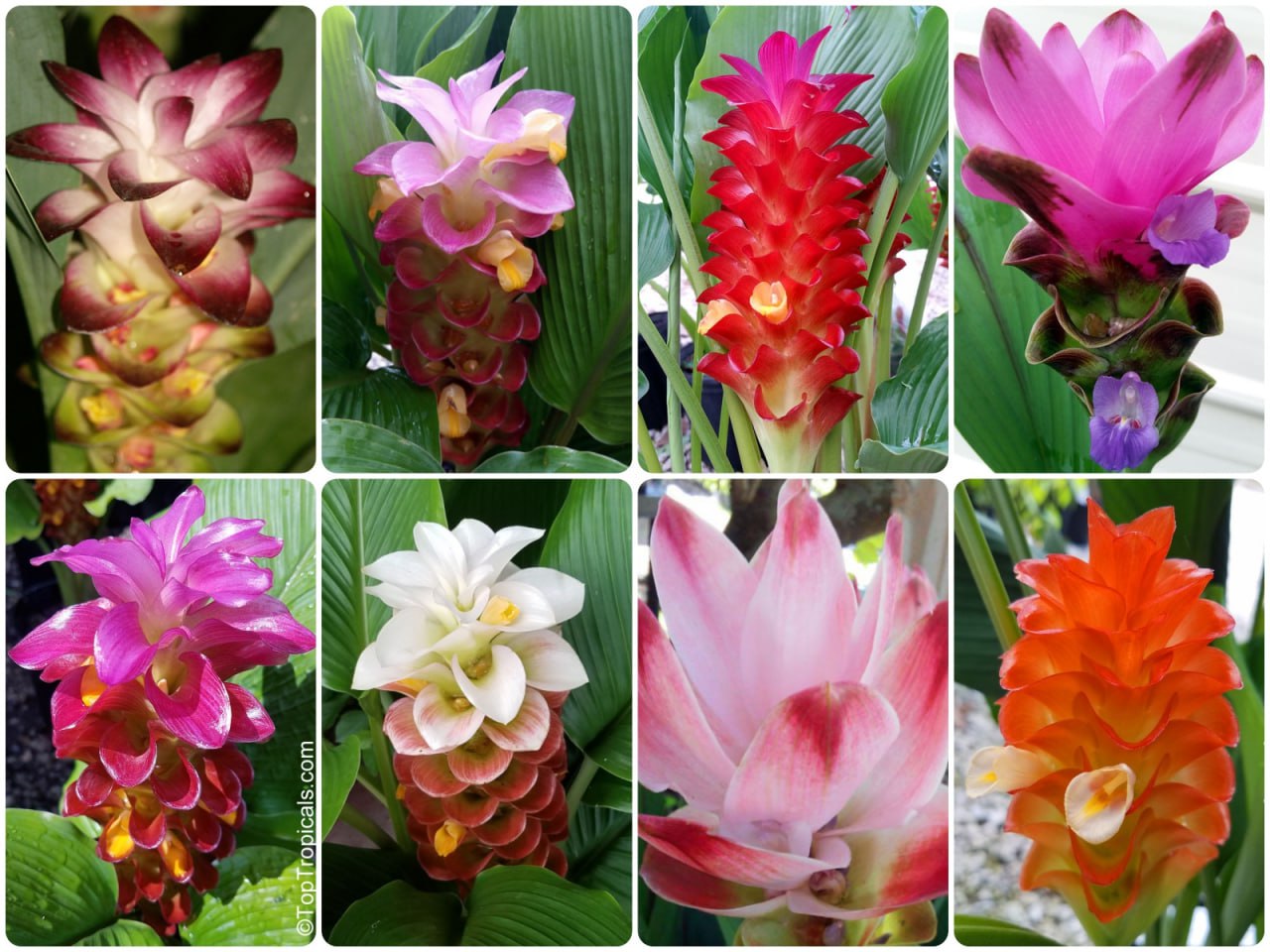
Turmeric - Curcuma

Turmeric - Curcuma

🌷 Why Turmeric was named the 2026 Herb of the Year

  • 🌷 Turmeric was named the 2026 Herb of the Year by the International Herb Association, and it is easy to see why gardeners are paying attention. This tropical plant from the ginger family is best known for its bright orange underground rhizomes, used for centuries as a spice, natural dye, and traditional remedy.
  • 🌷Native to India, Turmeric (Curcuma longa) is closely related to Ginger and Cardamom. Its rhizomes are a staple in curry and widely used in Asian, African, and Caribbean cuisines. In recent years, turmeric has also gained attention for potential anti-inflammatory properties.
  • 🌷 Herb, spice or flower?


  • • Botanically, turmeric is a spice, since it comes from the plant’s rhizomes rather than its leaves. In the kitchen, however, it often functions like an herb. Fresh turmeric can replace powdered turmeric in most recipes and delivers brighter flavor and color.
  • • Beyond edible Turmeric, there are many Curcuma hybrids grown purely for ornament. These selections produce striking, long-lasting flower spikes in shades of pink, white, orange, red, and purple, rising above lush tropical foliage. Ornamental curcumas are popular as patio plants and indoor accents, adding dramatic color and texture even where they are grown strictly in containers.


🌷 Growing turmeric anywhere - even in cool climates


Although Turmeric is a tropical perennial, it grows very well in containers, making it suitable for gardeners everywhere. When grown in pots, turmeric is treated as a warm-season plant that can be moved indoors as temperatures cool.
  • 🌷 How to grow Turmeric


    Turmeric is a compact, but bold plant, reaching 3-4 feet tall and wide, so it needs a roomy container. It prefers:

  • • Rich, well-drained soil
  • • Slightly acidic conditions (around pH 6–6.5)
  • • Consistent moisture
  • • Warm temperatures and bright, indirect light

The plant produces flowers that do not set seed, so turmeric is grown entirely from rhizomes.

🌷 Harvesting and using Turmeric


As the season ends, turmeric naturally goes dormant and the leaves yellow and dry. This signals harvest time. Dig the rhizomes, clean them, and dry them in a cool, shaded place.

Rhizomes can be:
  • • Boiled, dried, and ground into powder
  • • Frozen whole and grated as needed
  • • Pickled for long-term storage

Some healthy rhizomes can also be saved and replanted the following season, making turmeric both productive and renewable.

Compact, bold, and useful, turmeric proves that tropical plants can thrive well beyond the tropics - especially when grown in pots.

🛒 Plant Curcuma for both flowers, spice and herb

📚 Learn more :

Plant Facts

Boesenbergia rotunda, Curcuma rotunda
Chinese Keys, Fingerroot, Lesser Galangal, Chinese Ginger
USDA Zone: 9-11
Small plant 2-5 ftSemi-shadeModerate waterRegular waterWhite, off-white flowersPink flowersEdible plantSpice or herb plantEthnomedical plant.
Plants marked as ethnomedical and/or described as medicinal, are not offered as medicine but rather as ornamentals or plant collectibles.
Ethnomedical statements / products have not been evaluated by the FDA and are not intended to diagnose, treat, cure, or prevent any disease. We urge all customers to consult a physician before using any supplements, herbals or medicines advertised here or elsewhere.
  • Turmeric (Curcuma) in Plant Encyclopedia
  • Curcuma - the tropical tulip with a secret spice twist
  • Curcuma: one plant, two powers - color and spice!
  • How Curcuma Turmeric keeps blood pressure in balance.
  • Turmeric Curcuma: Grow Your Own Brain Boosters
  • The most interesting edible gingers?

  • #Food_Forest #Container_Garden #Remedies #Discover

    🟢 Join 👉 TopTropicals
    Date: 19 Feb 2026

    10 ways to enjoy Wild Medlar - Spanish Tamarind

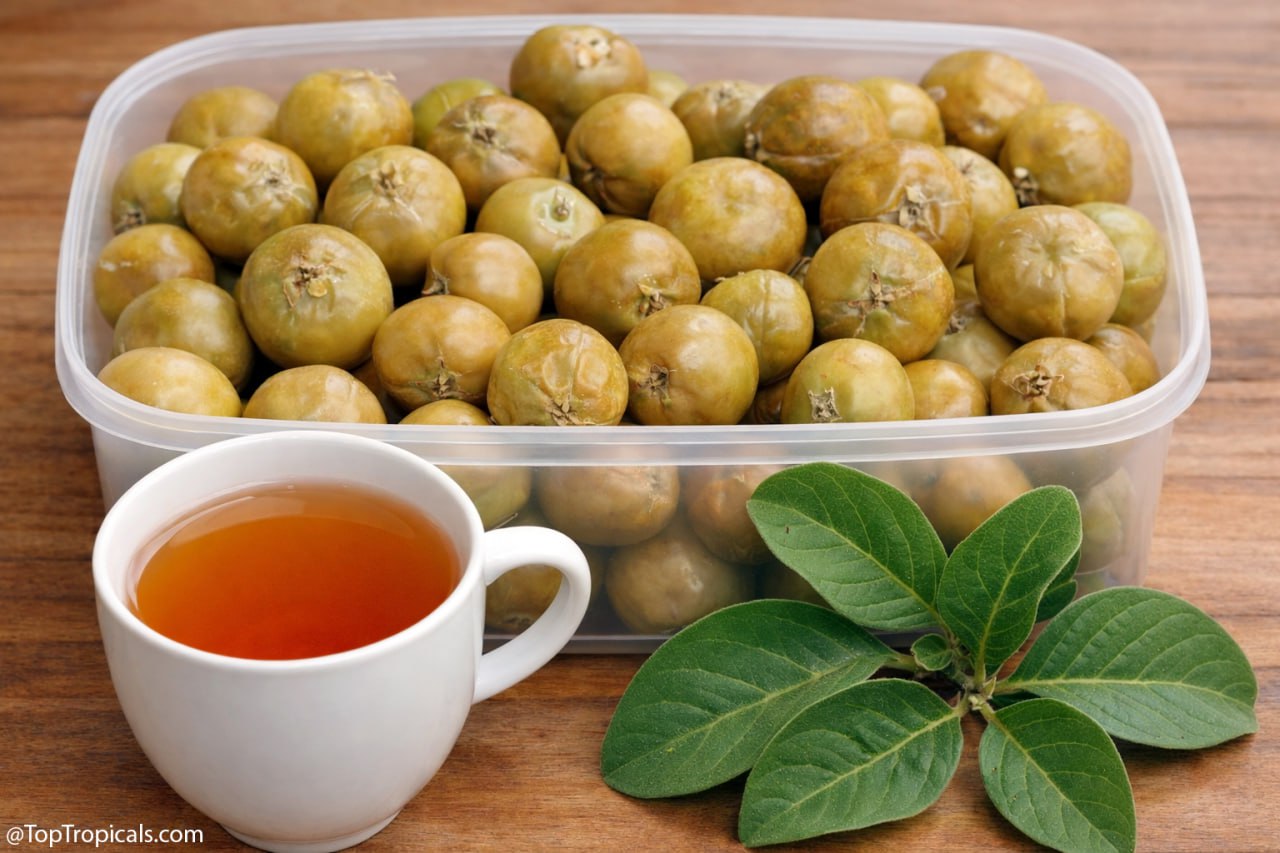
    Vangueria infausta (Spanish Tamarind, Wild Medlar)

    Vangueria infausta (Spanish Tamarind, Wild Medlar)

    🍊 10 ways to enjoy Wild Medlar - Spanish Tamarind


    Vangueria infausta (Spanish Tamarind, Wild Medlar) from Africa to your backyard: the fruit, the medicine, the tradition.

    Spanish Tamarind may look like a small, unassuming fruit - but don’t let it fool you. In its native Africa, this tree is a food staple, a home remedy, and a cultural favorite, all wrapped into one. And now, it’s ready to bring that same magic into your garden and kitchen. People have used this fruit for generations - and how you can too.

    🍊 1. Eat it fresh, off the tree


    When ripe, the fruit turns golden brown and softens slightly. Its flavor is sweet-tart, almost like a tangy apple or tamarind with a hint of citrus. Just peel and eat!

    🍬 2. Dry it for snacks


    In many African regions, the fruit is sun-dried and enjoyed like natural fruit leather. It keeps well, travels well, and makes a great healthy snack.

    🍵 3. Brew it into a fruit tea


    Dried fruit can be steeped into a tart, refreshing tea that’s packed with vitamin C and antioxidants. Add honey or ginger for a soothing drink.

    🍷 4. Ferment it into traditional beer or wine


    In some local cultures, the fruit is fermented into a mild alcoholic drink, similar to fruit wine or beer. This is one of the tree’s oldest known traditional uses.

    🍧 5. Make jams and preserves


    Boil the pulp with sugar and lemon juice to make tangy medlar jam. Spread it on toast, stir into yogurt, or use it in baking.

    6. Add to porridge or smoothies


    Crushed or juiced medlar fruit is added to traditional maize porridge for a nutrient boost. You can do the same with oatmeal or smoothies.

    7. Try traditional fruit pudding


    A simple medlar mash with a little sweetener makes a rich, apple-like pudding with hints of spice. Great as a chilled dessert.

    🌿 8. Use the leaves and bark medicinally


    In folk medicine, leaves are brewed into a tea for treating fever, colds, and stomach aches. Bark is used for chest congestion and coughs. Roots are sometimes used for even stronger remedies like malaria treatment.

    9. Clean your teeth the traditional way


    Believe it or not, people use medlar leaves to clean their teeth! The leaves are antimicrobial and have a slight astringent taste that leaves your mouth feeling fresh.

    🎨 10. Dye fabric naturally
    Crush the bark or boil the leaves to create natural dyes in yellow, green, and even purple tones. This use is still practiced in rural areas of southern Africa.

    ✍️ Why this tree belongs in your life


    Wild Medlar is more than just a fruit. It’s a versatile, resilient, and deeply cultural plant that connects generations. It’s food, it’s healing, it’s art—and now it can be part of your garden story.
    Grow it for the fruit, the medicine, the tradition… or just for the joy of growing something wild and wonderful.

    🛒 Plant Spanish Tamarind and enjoy exotic fruit benefits

    📚 Learn more:

    Plant Facts

    Vangueria infausta
    Wild Medlar, Spanish Tamarind
    USDA Zone: 9-11
    Small tree 10-20 ftFull sunModerate waterEdible plantDeciduous plantEthnomedical plant.
Plants marked as ethnomedical and/or described as medicinal, are not offered as medicine but rather as ornamentals or plant collectibles.
Ethnomedical statements / products have not been evaluated by the FDA and are not intended to diagnose, treat, cure, or prevent any disease. We urge all customers to consult a physician before using any supplements, herbals or medicines advertised here or elsewhere.Subtropical plant. Mature plant cold hardy at least to 30s F for a short time
  • Vangueria infausta - Spanish Tamarind in Plant Encyclopedia
  • 7 steps for a care-free Spanish Tamarind - the easiest rare fruit to grow
  • The wild fruit with a secret: health benefits of rare Spanish Tamarind - the exotic fruit you've never heard of

  • #Food_Forest #Remedies #Recipes #Discover

    🟢 Join 👉 TopTropicals
    Date: 29 Nov 2016

    December Fest on Dec 10, mark your calendars!

    Topic: Edible landscape. 10:00am - 2:00pm. Agenda:

    Class @ 11:00am by Robert Riefer. How to keep pests off of maturing fruit.
    Class @12:00pm Super foods by Zoe Merring. Benefits of Soursop, barbados cherry, goji, moringa. Benefits and recipes.

    Discounts on all edibles
    Prize giveaways at 12:00pm and 2:00pm (must be present to win)

    20% off After-Cyber-Monday sale! Now that everybody is done with shopping for monitors and speakers, it is time to get some happy stuff! 20% off on all fruit trees