Garden Blog - Top Tropicals

Date: 31 Oct 2025

👻 When plants grow wings...

Smokey  the  black-and-white  tuxedo  cat  stands  upright  holding  a  glowing 
 jack-o'-lantern  filled  with  tropical  fruit,  while  Sunshine  the  fluffy  ginger
    tabby 
 lounges  in  a  hammock  under  string  lights,  sipping  cocoa.  Around  them  are 
 pumpkins,  lanterns,  and  tropical  plants  under  a  warm  twilight  sky.

🌴 Twilight in the garden. Smokey is holding a glowing pumpkin. Sunshine is sipping cocoa.

Sunshine: "Smokey, why does that plant look like it wants to fly away?"
Smokey: "That’s the Bat Lily - Tacca. It’s rare, it’s weird, and it’s in bloom just in time for Halloween."
Sunshine: "Figures. You always find the spooky ones."

Meet the Bat Lily (Tacca)

Tacca is also called the Bat Lily or Devil Flower. This tropical wonder grows bat-shaped wings and foot-long whiskers. The black form (Tacca chantrieri) looks straight out of a gothic dream, while the white one (Tacca nivea) is ghost-like and elegant.

Some of our plants are blooming right now in the nursery — true Halloween magic! Blooms are delicate and may not travel, but the plants are strong and will flower again soon in your care.
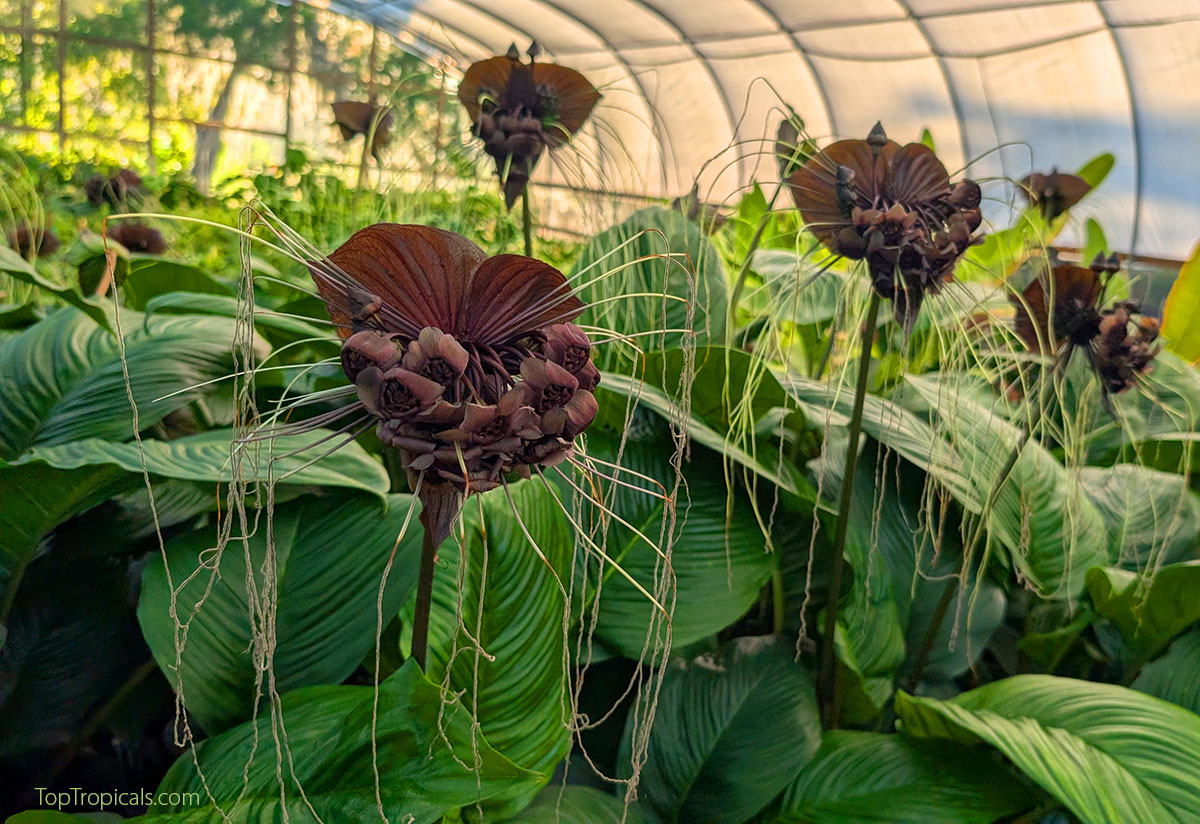
Black  Bat  Lily  (Tacca  chantrieri)  plants  in  bloom  inside  the  Top 
 Tropicals  greenhouse,  showing  dark  maroon  bracts  and  long  pale  whiskers 
 rising  above  large  green 
 leaves.

Black Bat Lily (Tacca chantrieri) with dark maroon wings and long whiskers
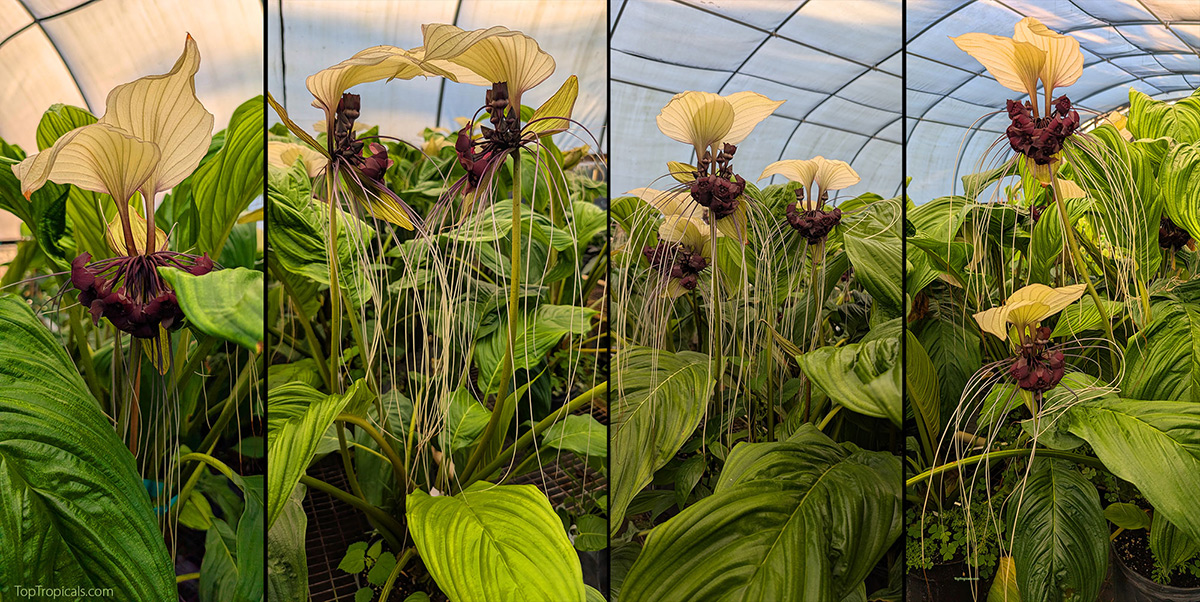
Close-up  of  White  Bat  Lily  (Tacca  nivea)  plants  in  a  greenhouse  at  Top 
 Tropicals,  showing  large  white  bracts  and  long  trailing  whiskers  above 
 glossy  green 
 leaves.

White Bat Lily (Tacca nivea) in bloom with wide ivory wings

"The White Bat Lily (Tacca nivea) is bold and sculptural, with oversized ivory wings that command attention. Its pale bracts stretch wide above clusters of deep maroon flowers, and long, silvery whiskers spill gracefully through the foliage. In filtered light, the plant seems to glow from within — elegant, crisp, and perfectly balanced between the strange and the beautiful. If I could pick, I’d go with the White Tacca. It feels more architectural, more balanced — those oversized wings catch light in a way that shows off every vein and curve. It looks engineered by nature, almost like an alien design prototype that actually works.

The Black Bat Lily (Tacca chantrieri) feels alive with shadow. Its dark maroon wings and wiry whiskers make it look like something that fluttered out of the jungle at dusk. The bloom’s layered structure and near-black sheen give it a quiet power — mysterious, understated, but impossible to ignore. But if I were designing mood lighting for a greenhouse at night, the Black Tacca wins. It’s subtle, mysterious, like a secret only visible up close. Together, they’re perfect opposites — yin and yang of the tropical underworld: white for daylight, black for moonlight." — says Tatiana Anderson, Top Tropicals Plant Expert

Special Offer: Discounts on Rare Tacca Plants

Grow your own Bat Lilies — White or Black — at a special Halloween price!

Get 25% OFF Tacca plants with code

TACCA2025

Min order $25 (excluding S/H), valid online only, cannot be combined with other offers.

Hurry, offer expires November 03, 2025!

🎃 Storewide Halloween Sale – For Everything Beyond Tacca

Not into spooky plants? Enjoy savings on all other tropical plants across the store!

Get 15% OFF tropical plants with code

HALLOWEEN2025

Min order $100 (excluding S/H), valid online only, cannot be combined with other offers.

Hurry, offer expires November 03 2025!
👉 Collect Tacca plants:

Black - Tacca chantrieri

White - Tacca nivea

Green - Tacca leontopetaloides

Date: 12 May 2026

The strange tropical plant that eats bugs - and gardeners cant stop collecting

The strange tropical plant that eats bugs - and gardeners cant stop collecting The strange tropical plant that eats bugs - and gardeners cant stop collecting The strange tropical plant that eats bugs - and gardeners cant stop collecting

🐸 The strange tropical plant that eats bugs - and gardeners can't stop collecting


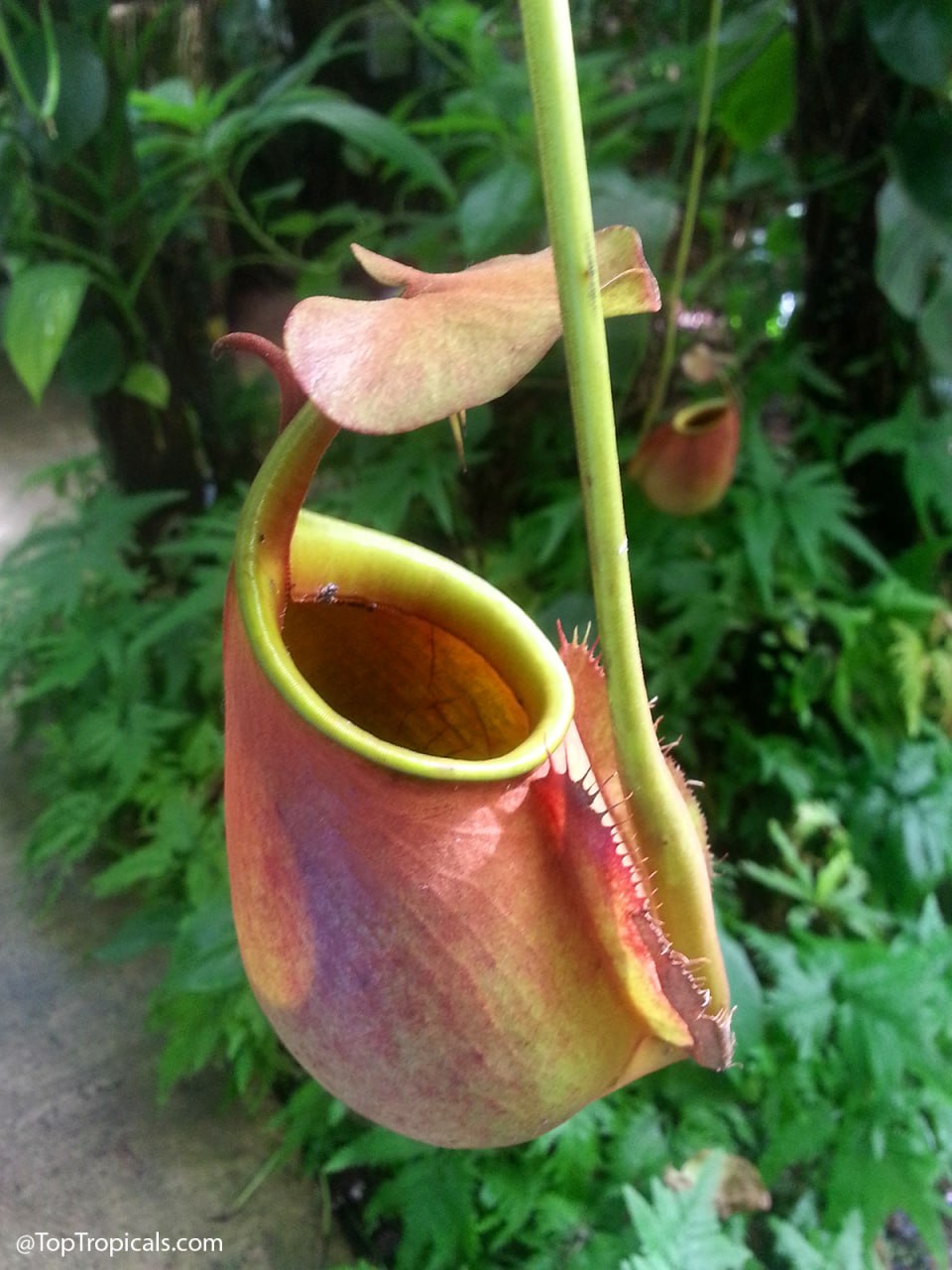
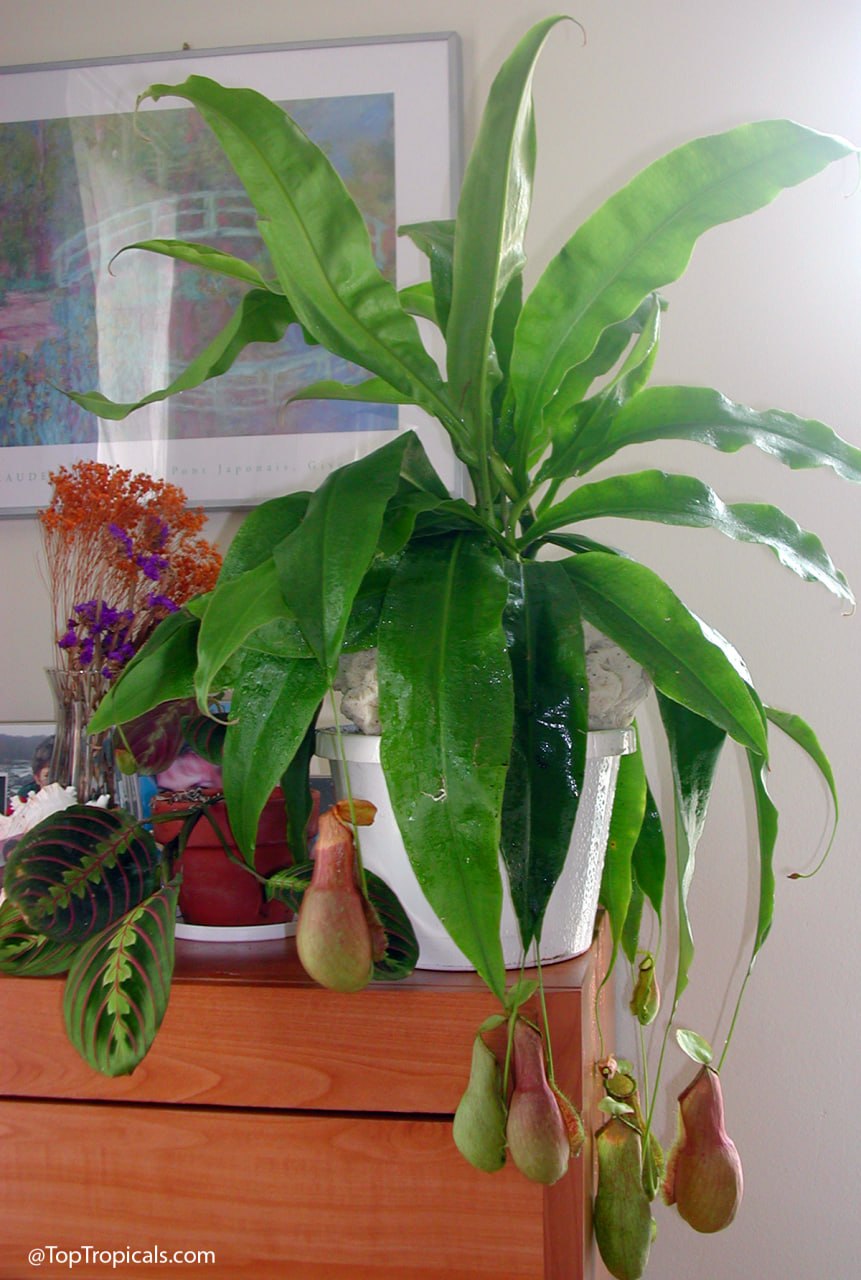
Nepenthes - tropical Pitcher Plants - look almost fake. Long vines and shiny leaves give way to colorful pitchers resembling exotic lanterns or sci-fi creatures. But these aren't flowers; they are sophisticated traps. Among the world's most fascinating carnivores, they lure insects into fluid-filled vessels to digest them for nutrients. Giant species can even trap small frogs or mice! 🐸🐭

🐱 Why pitcher plants look so unreal


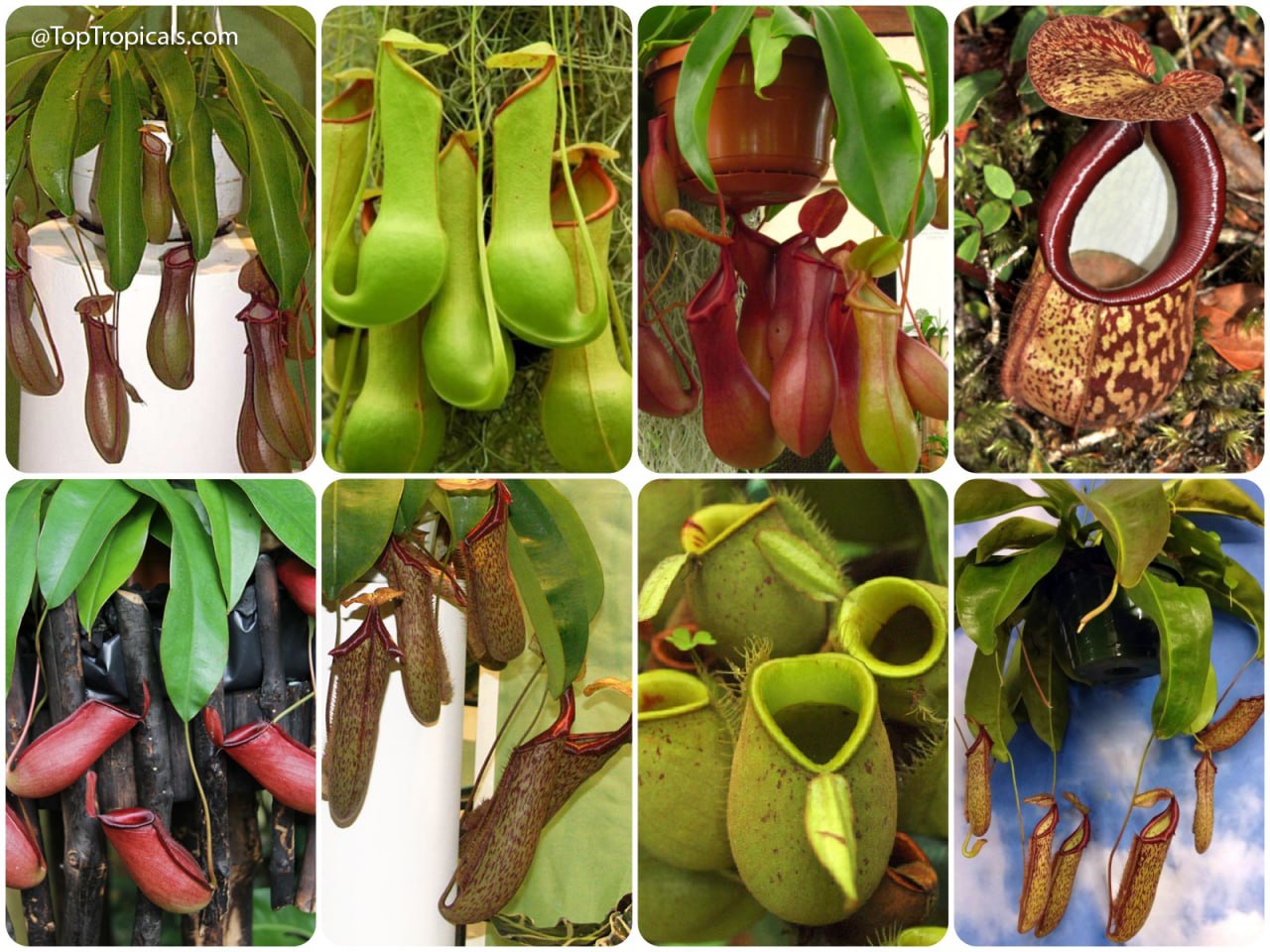
Pitchers are modified leaves designed to attract prey with vibrant colors and nectar. Many feature dramatic stripes or flared, sculpted rims. The diversity is immense: compact species fit on windowsills, while jungle giants produce foot-long traps. Some thrive in steamy lowlands, others in misty mountains. Their digestive fluid can even become sticky and elastic, making escape impossible.

🐱 The plant that inspired engineering


These plants have inspired more than just gardeners. Their slippery surfaces led to "liquid-infused" materials used in anti-fogging and water-repelling tech. Engineers study them as nature’s original biological pitfall trap, a masterclass in biomimetic design.

🐱 Why collectors become obsessed with Pitcher plants


What starts as a curiosity often becomes an obsession. With hundreds of species and hybrids, pitchers can resemble cobra heads, wine goblets, or alien pods. Under bright light, they develop stunning hues of burgundy, orange, or candy-stripes. Because of their popularity, ethical hobbyists emphasize buying nursery-propagated plants to protect wild populations from poaching.

🐱 Surprisingly easier than people think


Despite their reputation, many hybrids thrive indoors with basic care. They need bright indirect light, high humidity, and excellent drainage. Crucially, they require mineral-free water (distilled or rainwater) and airy media like sphagnum moss. Regular potting soil or tap water can be fatal to these sensitive plants.

🐱 The pitchers are temporary - and that's normal


It is normal for old pitchers to dry up as the plant grows. Healthy Nepenthes constantly replace traps, often changing shape and color as they mature. This shape-shifting behavior makes them addictive to watch - one month it’s an ordinary vine, the next it’s a living rainforest documentary.

🛒 Ready to go carnivorous? Feed your curiosity - get one for your collection

📚 Learn more:

Winged Nepenthes Plant Facts

Botanical name: Nepenthes alata, Nepenthes graciliflora
Also known as: Winged Nepenthes, Pitcher Plant
USDA Zone: 9 - 10
Highligths Vine or creeper plantSmall plant 2-5 ftSemi-shadeWatering: Regular. Let topsoil dry slightlyEpiphyte plantUnusual color
Get personalized tips for your region

Nepenthes Pitcher plants in Plant Encyclopedia
Nepenthes: Deadly traps of Monkey Cups

#Container_Garden #Nature_Wonders

🟢 Join 👉 TopTropicals

Date: 19 May 2026

The Tree That Looks Photoshopped (But Isnt)

The Tree That Looks Photoshopped (But Isnt) The Tree That Looks Photoshopped (But Isnt)
The Tree That Looks Photoshopped (But Isn't) 🌈

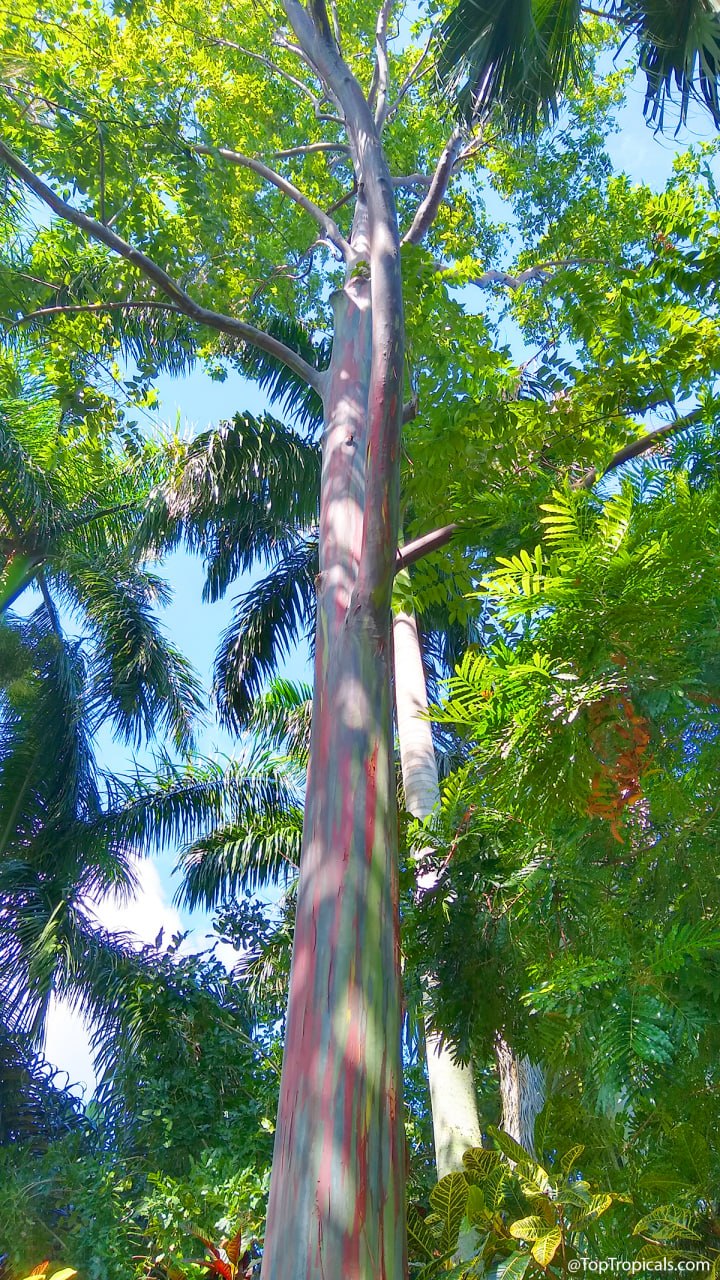
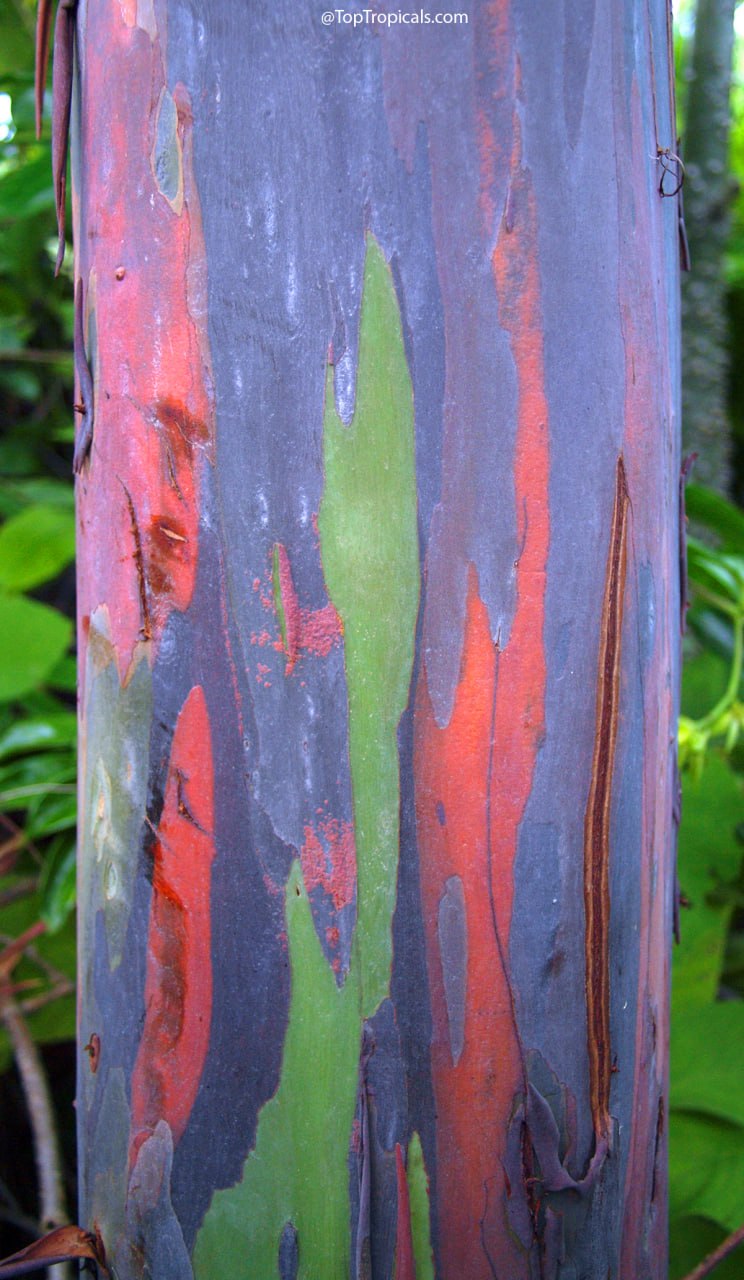
Most people see a photo of the Rainbow Eucalyptus and assume someone went heavy on the saturation filters. The trunk looks like an abstract artist got loose with neon greens, deep blues, purples, and burnt oranges - all on the same tree, all at once. It doesn't look real. But it is. And if you live in the right climate, you can actually grow one.

🎨 The Chemistry Behind the Watercolor Trunk


Eucalyptus deglupta does something no other tree quite pulls off at this scale: it sheds its bark in patches and strips throughout the year. While it seems entirely alien, this multi-colored, peeling bark is actually a family trait shared by many other members of the Myrtaceae (Myrtle) family - including common guava trees.

Rainbow Eucalyptus Plant Facts

Botanical name: Eucalyptus deglupta
Also known as: Rainbow Eucalyptus, Mindanao Gum, Rainbow Gum
USDA Zone: 10 - 11
Highligths Large tree taller than 20 ftFull sunWatering: Moderate. Water when top soil feels dryKeep soil moistRed, crimson, vinous flowersWhite, off-white flowersSpice or herb plantFlood tolerant plant
Get personalized tips for your region


However, the Rainbow Eucalyptus takes this family tradition to an absolute extreme. This constant shedding reveals a living, shifting canvas underneath:
The Fresh Layer: New bark starts out a shocking, vivid green because of the chlorophyll sitting just beneath the surface.
The Shift: As the bark is exposed to air, it oxidizes. Time and oxygen push the colors through a spectrum of blues, purples, and eventually into warm oranges and deep, reddish-browns.
The Living Canvas: Because different sections of the trunk shed at different times, the tree is never just one color. It looks like a living watercolor painting that's still drying.

🎨 A Rainforest Giant That Grows at Breakneck Speed


Native to the humid tropical rainforests of the Philippines, Indonesia, and Papua New Guinea, this isn't your average backyard sapling. In the wild, it can tower at nearly 200 feet tall.
While it stays a bit more manageable in residential landscapes, it remains fast-growing. If you give it full sun, rich soil, and plenty of humidity, a young tree can put on several feet of height per year.
Unlike its drought-tolerant Australian cousins, the Rainbow Eucalyptus loves water and can even handle occasional flooding. As a bonus, its leaves release a pleasant, spicy aroma when crushed, adding a sensory layer to its visual drama.

🎨 The Catch: It Hates the Cold


Before you run out to buy one, there is a major catch. While many eucalyptus species are surprisingly tough against the hard freeze, the Rainbow Eucalyptus is the tropical outlier of the family.

The Safe Zones: It thrives best in USDA Zones 10-11 (like South Florida and Southern California), where winters stay mild.
❄️ The Cold Threat: Hard freezes, frost, and biting cold winds will badly damage or kill it.

Can you grow it in colder climates? Yes, but you'll need a big container and a tall space to move it in. Many gardeners outside the tropics grow them in large pots so they can drag them indoors or into a greenhouse for the winter. It limits their ultimate size, but it keeps the theatrical effect alive.

🎨 Why It's Worth the Hype


If you are lucky enough to live in a climate where it can thrive, the Rainbow Eucalyptus makes the ultimate landscape centerpiece. Because its canopy is tall and airy rather than dense, it won't completely black out the sun for the rest of your garden. Instead, it just stands there looking impossible.

Photos actually undersell it. Standing next to the trunk in person, you find yourself looking for the trick. But there isn't one - just nature showing off.

🛒 Plant the Impossible Rainbow Eucalyptus

📚 Learn more: 


Eucalyptus deglupta - Rainbow Eucalyptus in Plant Encyclopedia

#Trees #Discover #Nature_Wonders #Fun_Facts

🟢 Join 👉 TopTropicals

Date: 12 Mar 2026

How to learn the secret meanings behind Thai flower names

Cats Smokey and Sunshine in Thai Adenoium garden

Cats Smokey and Sunshine in Thai Adenoium garden

How to learn the secret meanings behind Thai flower names 🔮

If you have ever looked at names of Adeniums or Plumerias from Thailand, you may have noticed something interesting. Many of them sound poetic, mysterious, or even magical. That is not accidental.

Adenium Plant Facts

Botanical name: Adenium sp.
Also known as: Adenium, Desert Rose, Impala Lily
USDA Zone: 9 - 10
Highligths Plant with caudexLarge shrub 5-10 ft tallSmall tree 10-20 ftFull sunWater Requirement: Low. Allow soil to dry out between wateringsWatering: Moderate. Water when top soil feels dryYellow, orange flowersRed, crimson, vinous flowersUnusual colorBlue, lavender, purple flowersWhite, off-white flowersPink flowersToxic or Poisonous
Get personalized tips for your region

Plumeria Plant Facts

Botanical name: Plumeria sp.
Also known as: Plumeria, Frangipani
USDA Zone: 9 - 11
Highligths Large shrub 5-10 ft tallSmall tree 10-20 ftFull sunWatering: Moderate. Water when top soil feels dryYellow, orange flowersRed, crimson, vinous flowersWhite, off-white flowersPink flowersPlant attracts butterflies, hummingbirdsDeciduous plantFragrant plantSeaside, salt tolerant plant
Get personalized tips for your region

Thai plant breeders often give their hybrids meaningful names connected to jewels, wealth, beauty, and mythology. Instead of simple numbers or codes, the plants receive names that sound like something from a legend - Jade Swan, Golden Lotus, Rainbow Diamond.

Once you learn a few common Thai words, these names suddenly start to make sense. It is almost like decoding a secret language of flowers.
Below are some of the most common words you will see in Thai plant names.

🔠 Glossary of common Thai words used in plant names


Gems and precious stones 💎

Anyamanee - precious jewel or rare gem.
Gaew / Kaew - crystal or glass-like jewel.
Manee - jewel or gemstone. A classic word in elegant Thai names.
Noppakao - nine gems, a symbol of royal power and prosperity.
Petch - diamond. Symbol of brilliance and beauty.
Ploy - gem or precious stone. Often used for plants considered rare or jewel-like.
Yok - jade.

Wealth, luck, and prosperity 💰

Boon - merit, blessing, good karma.
Chok - luck or good fortune.
Kanjana / Kanjamapon - golden or noble.
Mongkol - auspicious or lucky.
Paruay / Pa Ruay - to become wealthy or prosperous.
Ramruay - to become rich or prosperous.
Sap / Sab - wealth or treasure.
Sedthee - wealthy person.
Tawee / Taweechok - to increase or multiply.
Thong - gold.
Yod - the best, the peak, or the finest.

Mythology and cultural symbolism 🐉

Bua - lotus.
Chai / Chai Lai - victory or triumph.
Hassadee - derived from the mythical Hatsadiling, an elephant-bird creature in Thai mythology.
Hong - mythical swan or phoenix.
Jai - heart or spirit.
Maha - great or grand.
Moradok - heritage, treasure, or legacy.
Orathai - heart of Thailand or beloved Thai.
Pratum / Pratuma - lotus blossom.
Siam - Thailand, the historic name of the country.

Colors and visual descriptions 🎨

Chompoo - pink color.
Lai - patterned or striped.
Lueng - yellow.
Moung / Muang - purple color.

Nature and poetic imagery

Chaba - hibiscus flower.
Dao - star.
Doung - heart, soul, or central essence.
Fah - sky. Example: Sai Fah - sky-colored.
Nam - water.
Namwhan - sweet water or sweetness.
Natee - river or flowing water.
Sai - thread, line, or ray.
Sairung - rainbow.
Sang Aroon - dawn or sunrise.
Suree - sun or sunlight.

🌸 Examples of plant names built from these words


Once you know the meanings, the names start to read like short poems.

Hong Yok - Jade Swan
Ploy Nappan - Celestial Jewel
Thong Hassadee - Golden Mythical Elephant
Ped Sairung - Rainbow Diamond
Som Paruay - Golden Prosperity
Sai Fah - Sky Blue
Pratum Thong - Golden Lotus
Ramruay - Becoming Rich
Chok Dee - Good Luck
Thong Yod - Peak of Gold

You will see these words frequently in the names of Thai-bred Adeniums, Plumerias, Orchids, and other tropical flowers. Once you recognize them, plant names become much easier - and more fun - to understand.

🛒 Explore Exotic Thai Adeniums

📚 Learn more:


· About #Adenium Rainbow - fantastic varieties
· How to grow a happy Adenium
· The First Video of Exotic Adenium Hybrids

#Container_Garden #Adeniums #Horoscope #How_to #Discover

🟢 Join 👉 TopTropicals

Date: 2 Mar 2026

Beyond fruit: how this African tree supports wildlife and garden health

Vangueria infausta - Spanish Tamarind

Vangueria infausta - Spanish Tamarind

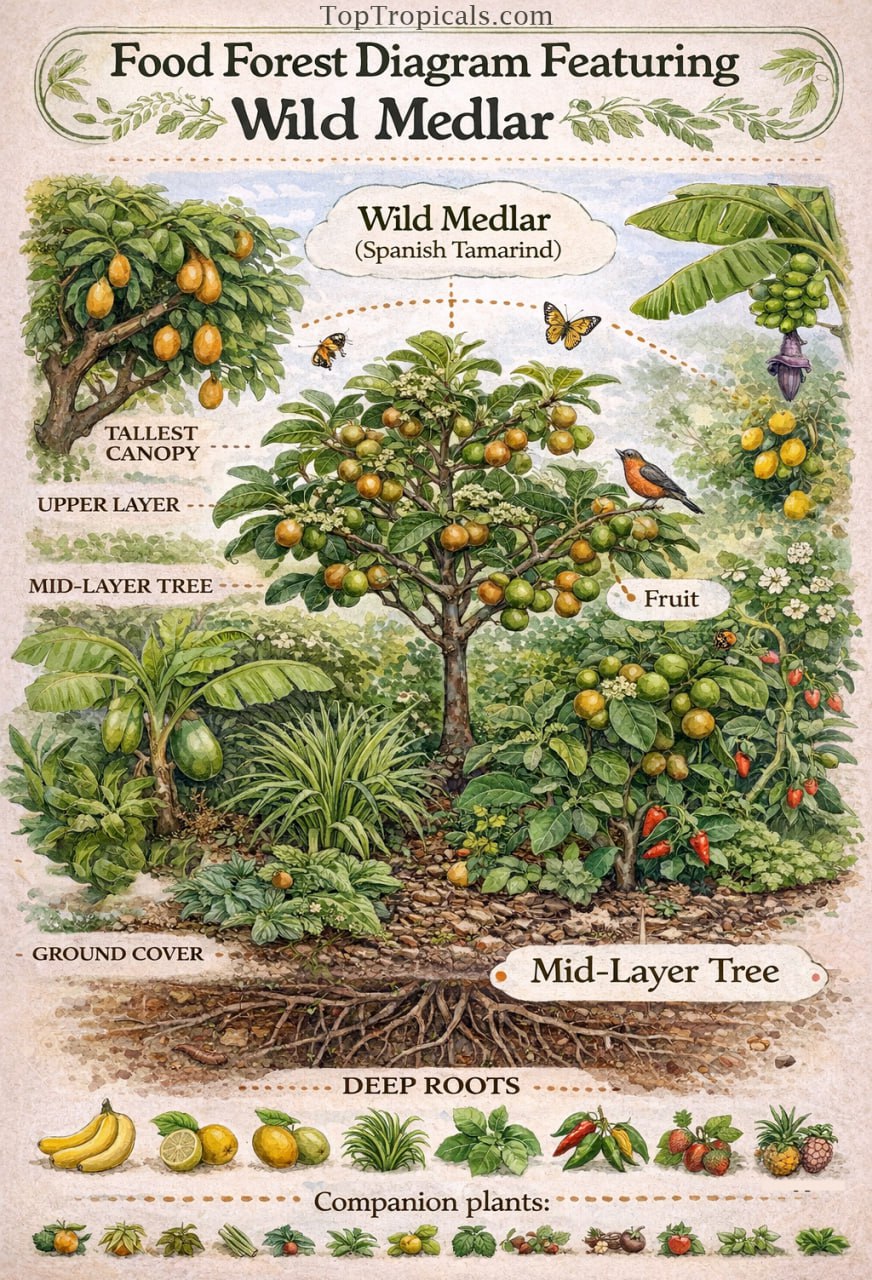
Beyond fruit: how this African tree supports wildlife and garden health: Wild Medlar in the ecological food forest 🍊

Vangueria infausta (Spanish Tamarind, Wild Medlar) might win your heart for its sweet-tart fruit and folk medicine magic - but did you know it’s also a quiet hero in the ecosystem? Whether you’re planting a full-blown food forest or just a mixed backyard garden, Vangueria infausta brings more than fruit to the table. It brings balance, beauty, and biodiversity.

Wild Medlar Plant Facts

Botanical name: Vangueria infausta
Also known as: Wild Medlar, Spanish Tamarind
USDA Zone: 9 - 11
Highligths Small tree 10-20 ftFull sunWatering: Moderate. Water when top soil feels dryEdible plantDeciduous plantEthnomedical plant.
Plants marked as ethnomedical and/or described as medicinal, are not offered as medicine but rather as ornamentals or plant collectibles.
Ethnomedical statements / products have not been evaluated by the FDA and are not intended to diagnose, treat, cure, or prevent any disease. We urge all customers to consult a physician before using any supplements, herbals or medicines advertised here or elsewhere.Subtropical plant. Mature plant cold hardy at least to 30s F for a short time
Get personalized tips for your region


🐝 Pollinator power


When in bloom, this tree produces nectar-rich flowers that attract bees, butterflies, and other pollinators. These beneficial insects don’t just help the Wild Medlar fruit - they boost productivity in your entire garden.
If you grow mangos, citrus, guava, or veggies nearby, Spanish Tamarind helps keep the pollinator traffic moving.

🐦 Bird magnet


Birds are big fans of this tree. They nest in its dense branching, snack on overripe fruit, and help spread seeds. In return, they’ll help keep down pests like caterpillars and beetles.
Even in a small garden, one Wild Medlar can be a micro-habitat for birds, insects, and other helpful wildlife.

🌱 Soil stabilizer


With its deep roots and drought-hardy nature, Wild Medlar helps hold soil in place, especially on slopes or rocky patches. It improves drainage and reduces erosion, which makes it a great addition to food forests in challenging spots.

🍂 Natural mulch & green cleanup


The tree drops a modest amount of leaf litter, which breaks down into soft, rich mulch. In a diverse planting, that means fewer weeds, better soil structure, and less watering needed.

🌿 Companion planting & food forest stacking
· Works great as a mid-layer tree in multi-tiered systems
· Provides light shade for herbs or smaller fruiting plants
· Plays well with bananas, papaya, guava, lemongrass, and ground covers
In zones 9-11, it can live happily in a mixed border or permaculture guild. In colder zones, just keep it potted and move it around as needed - it still offers many of the same benefits.

🛡 Pest and disease resistant


One more bonus: Spanish Tamarind is incredibly low-maintenance. It resists most common pests and doesn’t suffer from fungal issues like many tropical fruit trees do. That means fewer chemicals and more harmony in your garden ecosystem.

✍️ Ready to plant something that gives back?


Think you need more than just another fruit tree? More life. More movement. More meaning in your garden?
Grow Wild Medlar for the fruit - but keep it for everything else it brings. The pollinators. The shade. The quiet medicine. The steady presence that makes your space feel alive.
If you’re building a food forest - or simply want a tree that earns its place every single season - this one doesn’t just sit there. It contributes.

🛒 Plant Spanish Tamarind in your Food Forest for a happy wildlife

📚 Learn more:


Vangueria infausta - Spanish Tamarind in Plant Encyclopedia
10 ways to enjoy Wild Medlar - Spanish Tamarind
7 steps for a care-free Spanish Tamarind - the easiest rare fruit to grow
The wild fruit with a secret: health benefits of rare Spanish Tamarind - the exotic fruit you've never heard of

#Food_Forest #Discover

🟢 Join 👉 TopTropicals