Garden Blog - Top Tropicals

Date: 4 Mar 2016

Growing from seeds

Q: What is the best time to start tropical plants from seeds? Should I wait till summer?

A: Traditionally, people prefer sowing seeds in spring, especially temperate species for vegetable garden: tomatoes, peppers, cucumbers...

When dealing with tropical plants, you may want to start your babies indoors, providing additional heating when needed. If you keep your living space around 75F (ideal for many species), this is a perfect temperature to get your seeds started. Tropical plants are not like annual tomatoes that try to grow through the season as fast as possible. They may take time. So the sooner you start, the more chances to get small seedlings just in time when spring air outside is warm enough - at least in 70's F.

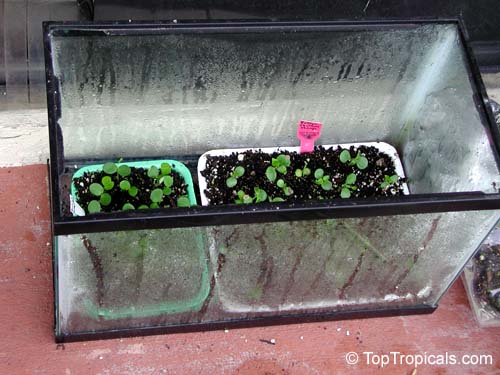
A great advantage of starting tropical seeds indoors is controlled temperature and moisture. In the plant world, environment extremes are not good for germination process. Mild conditions of your home or a greenhouse create better chances for successful growth. Seeds won't get overheated in hot summer sun, and won't get rotten because of a sudden heavy rain. Just keep in mind that some species require light for good germination. Using an old fish tank or covering with plastic wrap will help to keep constant humidity.

See full list of all seeds - all on sale, one day only!

Date: 25 Mar 2026

Forget the Tropics: These 5 Condo Mango Varieties Thrive in Your Living Room

Mngo tree in a pot

Mngo tree in a pot

Forget the Tropics: These 5 "Condo Mango" Varieties Thrive in Your Living Room 🥭

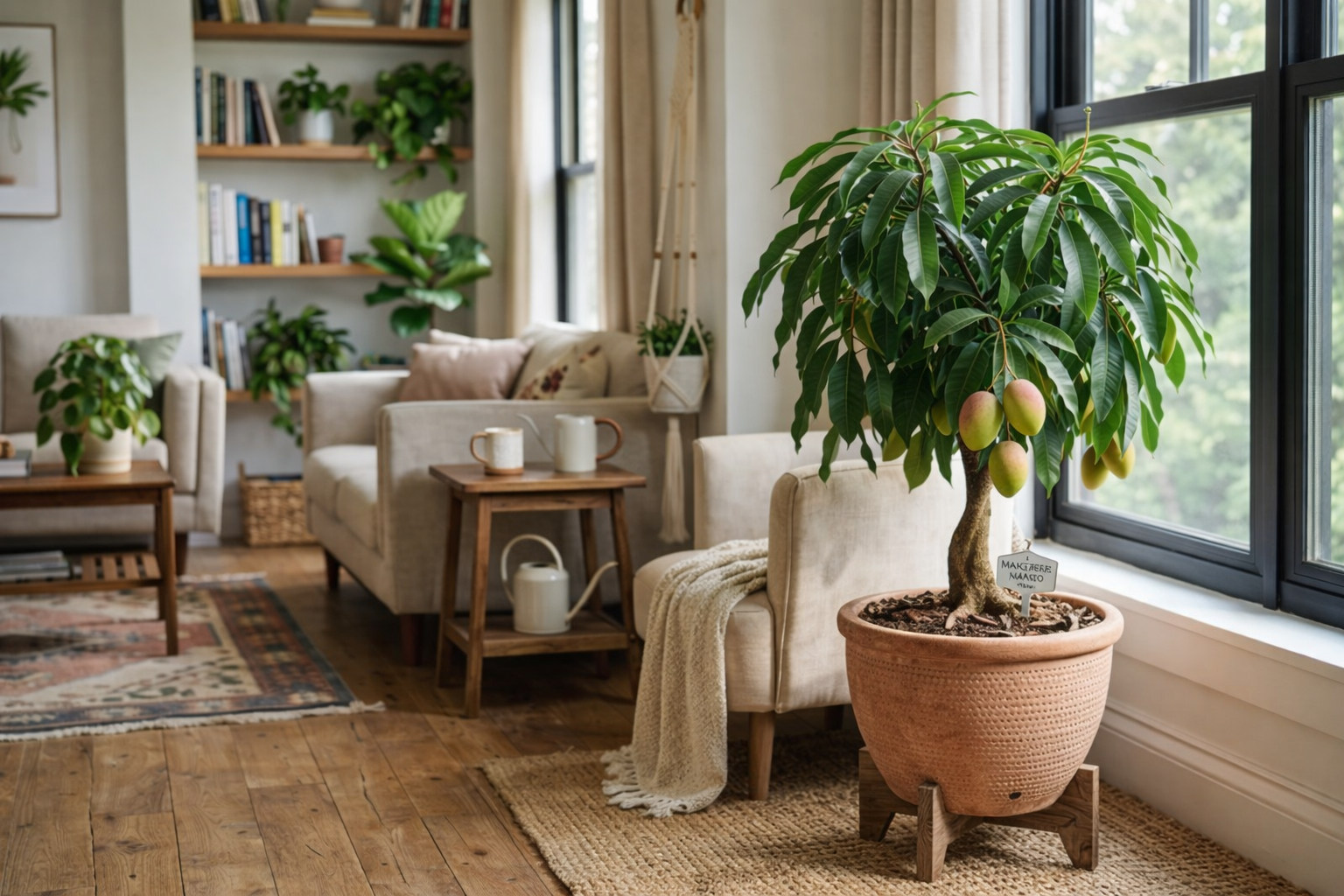
A tropical orchard in your living room? It’s more possible than you think. While wild mango trees can tower at 60 feet, "condo mango" varieties allow you to harvest juicy, sun-ripened fruit right next to your sofa.
If you have a sunny window and a bit of patience, here is exactly how to grow a potted mango tree indoors.
  • 🌳 Why "Condo Mangoes" are the Secret to Success


    Most people fail because they plant a seed from a grocery store mango. Don't do that. Seeds take up to a decade to fruit and grow far too large.

    Instead, look for grafted, dwarf varieties. These are bred to:

•  Stay compact (6–10 feet).
  • •  Fruit within 1–3 years.
  • •  Thrive in the limited root space of a container.


🌳 The 5 Best Mango Varieties for Indoor Pots


Choosing the right cultivar is 90% of the battle. These five are the gold standard for indoor growers:
  • •  Pickering: The #1 choice for pots; naturally tiny. Rich, fiberless, and coconut-heavy.
  • •  Cogshall: Slow-growing and easy to prune. Classic, ultra-sweet tropical taste.
  • •  Ice Cream: Extremely compact; thrives in small spaces. Creamy texture, like mango sorbet.
  • •  Carrie: High disease resistance; very productive. intense, spicy-sweet aroma.
  • •  Mallika: A semi-dwarf Indian favorite. Exceptional, honey-like sweetness.


🌳 4 Essentials for Indoor Mango Care


1. Light: The "Make or Break" Factor

Mangoes are sun-worshippers. They need at least 8 hours of direct light daily.

The Pro Move: Place your tree in a south-facing window. If you live in a cloudy climate, a high-quality LED grow light isn't optional - it’s a necessity to prevent leaf drop and encourage flowering.

2. Strategic Watering

Mango trees hate "wet feet." Use a fast-draining potting mix and a pot with large drainage holes.

The Rule: Let the top 2 inches of soil dry completely before watering deeply.

3. Temperature & Humidity


Keep your room between 65F and 90F. If you are comfortable, the tree is likely comfortable. Avoid placing it near drafty AC vents or heaters that sap humidity.

4. The "Bee" Factor (Pollination)

Indoors, you lack wind and insects. When your tree flowers, gently shake the branches or use a small paintbrush to move pollen between blooms to ensure fruit sets.
  • 👉 Quick Tips for a Better Harvest


  • •  Pot Size: Start with a 15-inch wide container and "up-pot" every two years.
  • •  Pruning: Don't be afraid to snip! Pruning the tips encourages branching, and more branches mean more fruit.
  • •  Fertilizer: Use a balanced organic fertilizer with micronutrients (like magnesium and iron). We recommend Sunshine Mango Tango specifically formulated for mango trees, and a micro element supplement - Sunshine Superfood - these are safe to use with every watering.


🛒 Dicover Condo Mango

📚 Learn more:
#Food_Forest #How_to #Discover #Mango

Plant Facts

Mangifera indica
Mango
USDA Zone: 9-11
Large tree taller than 20 ftSmall tree 10-20 ftFull sunModerate waterYellow, orange flowersPink flowersEdible plantSeaside, salt tolerant plant
🟢 Join 👉 TopTropicals

Date: 11 Apr 2026

Plumeria rainbow: Symbol of the Tropics

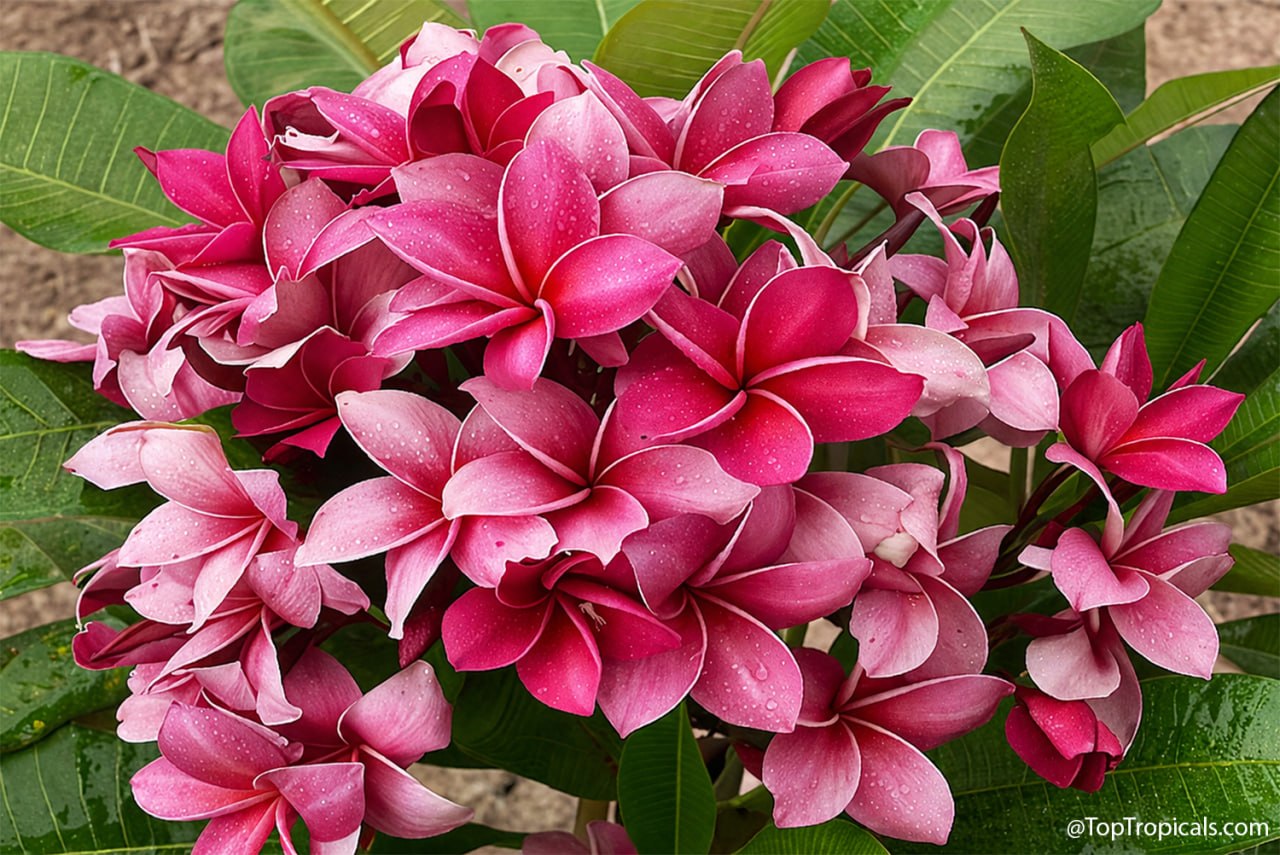
Plumeria Granny

Plumeria Granny

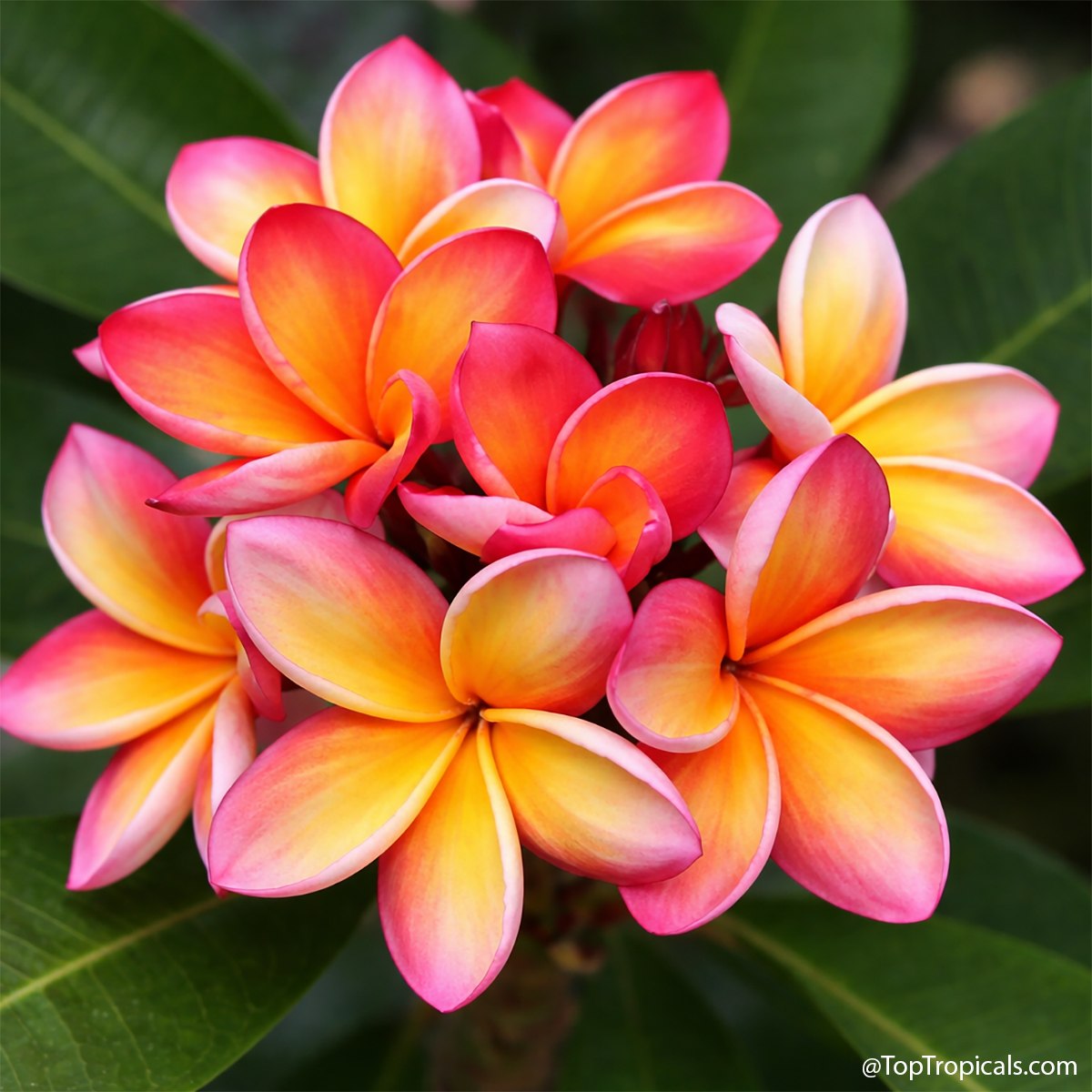
Plumeria Som Paruay

Plumeria Som Paruay

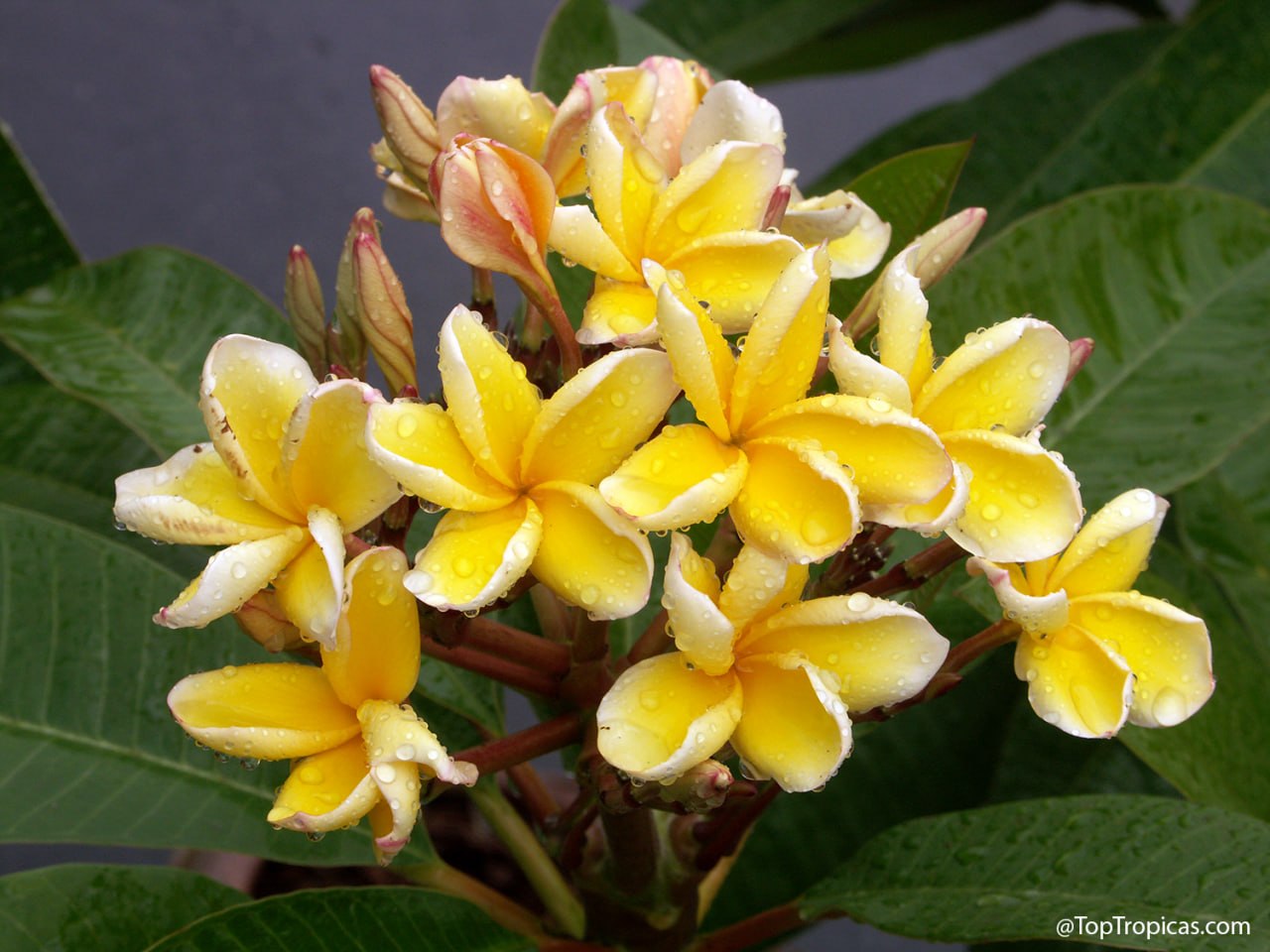
Plumeria Yellow Maha

Plumeria Yellow Maha

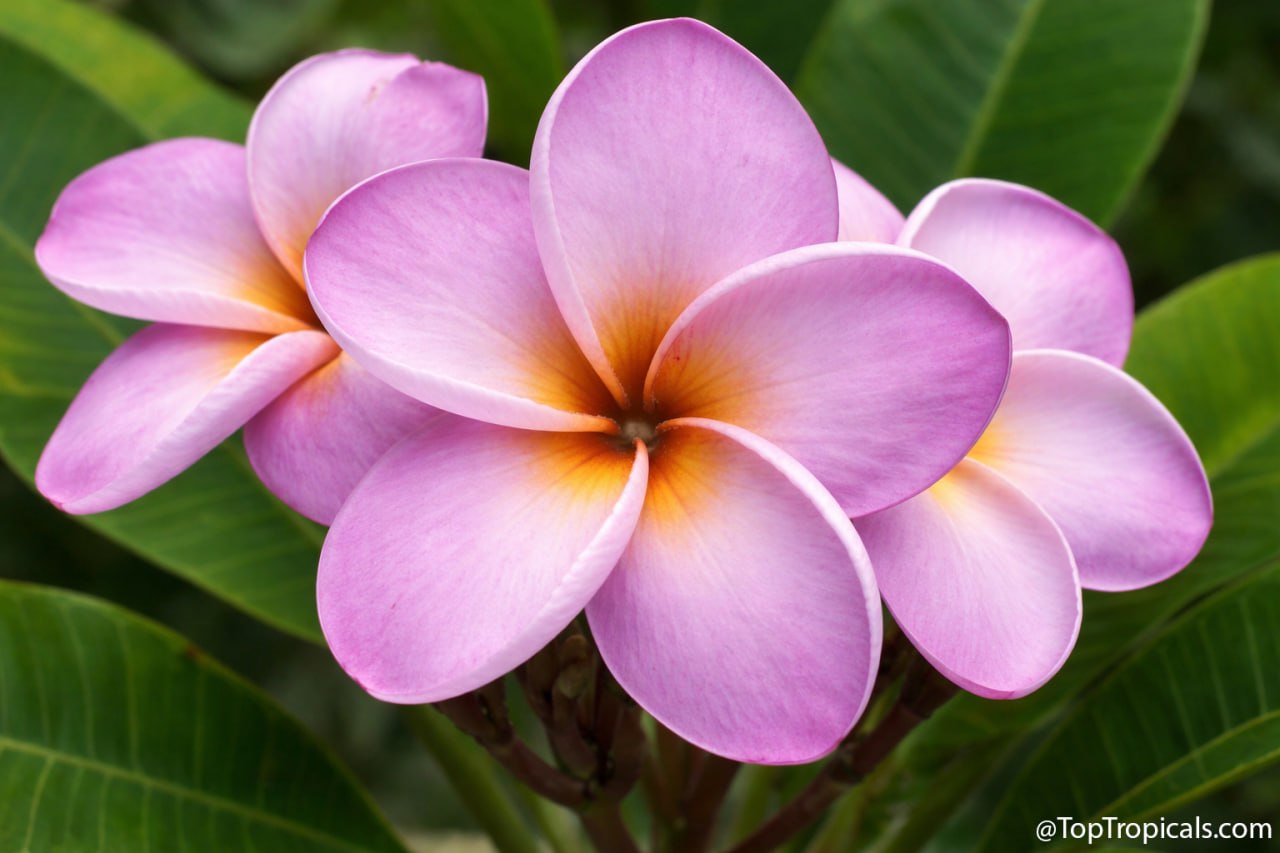
Plumeria Moung Jack (Jacque)

Plumeria Moung Jack (Jacque)

Plumeria rainbow: Symbol of the Tropics 🌈

Plumerias are one of those plants that instantly feel like a vacation - soft, fragrant flowers, warm colors, and that unmistakable tropical look. Known as a symbol of Hawaii and the Aloha spirit, they’re loved for their scent, their beauty, and how effortlessly they turn any space into something special. And the best part - their colors feel almost endless, from soft pastels to rich, glowing tropical tones, even into rainbow-like multicolor blooms.

💡 How to Grow a Blooming Plumeria?


Plumerias are surprisingly easy to grow - once you follow a few simple rules, they almost take care of themselves. Give them sun, fast-draining soil, and don’t overwater, and they’ll reward you with strong growth and fragrant blooms.
In #PlumeriaRainbow series, we’ll share simple tips to keep them happy, healthy, and blooming - bringing that perfumed tropical Aloha right into your garden.

🌸 Today's featured plumerias

  •  ✦ Plumeria Granny - a full, eye-catching variety with rich pink blooms ranging from soft blush to deeper rosy tones, often mixed within the same cluster. Petals are smooth and slightly overlapping, giving flowers a rounded, softly layered look. It blooms in dense clusters, creating a lush, full appearance that stands out from a distance while still showing nice detail up close.
  •  ✦ Plumeria Som Paruay - a bright, cheerful "Rainbow" variety with golden-yellow centers blending into orange, coral, and rosy pink edges. The smooth color gradient gives each flower a warm, glowing look. Clusters are vibrant and lively, adding strong tropical color. The name comes from Thai - Som means orange, Paruay refers to prosperity and good fortune.
  •  ✦ Plumeria Yellow Maha - a striking variety with extra-long petals in bright yellow, cleanly outlined in white. The shape alone makes it stand out. It is also super aromatic - yellow varieties are the most fragrant, filling the air with a strong, sweet scent.
  •  ✦ Plumeria Moung Jack (Jacque) - a softer, more unusual variety with lavender-pink tones and a warm yellow-orange center. The color is smooth and slightly muted, giving it a calm, pastel look. Petals are broad and rounded, forming a classic shape with a velvety feel. Moung means purple in Thai, referring to its gentle lavender tones.


🛒 Shop Plumeria Collection and Enjoy the fragrant blooms

📚 Learn more:
🎥 How to get endless Plumeria Blooms

#Perfume_Plants #Container_Garden #How_to #Discover #PlumeriaRainbow

Plant Facts

Plumeria alba
Dwarf Plumeria
USDA Zone: 9-11
Large shrub 5-10 ft tallSmall tree 10-20 ftFull sunModerate waterWhite, off-white flowersFragrant plant
🟢 Join 👉 TopTropicals

Date: 5 Apr 2016

Jungle on Windowsill 101
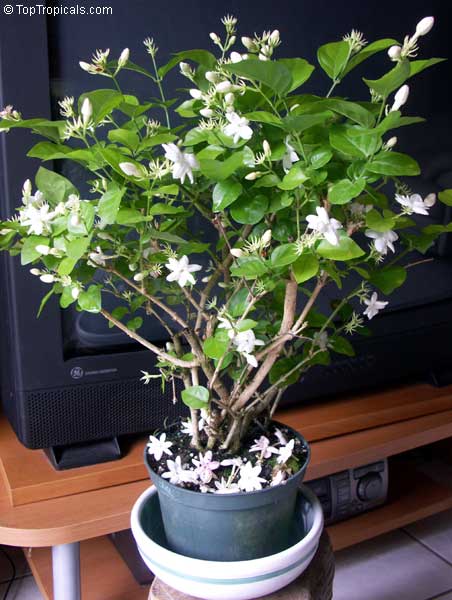
Q: I got a Jasmine Sambac and a Tahitian gardenia as presents, they are very cute plants with flowers and flower buds. I would like to be able to keep them alive and hopefully happy for a long time, but I don't know much about growing tropical plants, and I am not sure if my thumb is green enough to make everything right. What do they need? How much sun? How much water? What kind of soil? Sorry for all these (maybe silly) questions, but I want to keep them alive, please help! I live in Wisconsin and we had some snow again last week.

A: Growing tropicals is not a hard work, it is a lot of fun! These plants are actually a good starters for a beginner who wants to try growing tropical plants, no matter if you live in a mild frost-free climate, or up North where you can have these beauties as houseplants. Below are a few simple steps for you:

1. Read. Follow planting instructions included with your plants. Check plant names on the tags and learn more about them from our online catalog.

2. Soil. Plant in quality potting mix - it must be porous and well-drained, never use heavy soils (top soil or garden soil are no-no), in a pot exactly the size of the root system. You can step up your plants in the next size container once you notice vigorous new growth. Next size means: 4"pot can go into 6" pot, 6"pot into 10" pot, etc. Too big of a pot may create rotting environment, root system must fill the entire container to use all the moisture from the soil. Container must have good hole(s) for excess water to drain through. Put the pot in a saucer and get rid of excess water every time after watering.

3. Light. Most tropical plants require lots of light in order to produce flowers. If you ever visited Florida, remember the bright sun? - these are ideal light conditions for tropicals. Up North, provide as much light as possible: a bright spot on a windowsill of Southern or Western exposure would work the best. If the sun gets too hot in summer afternoon, you may shade the window a little bit with a sheet of white paper to avoid leaf burn.

4. Water. Keep soil slightly moist but not soggy. The best way is to wait until the top of the soil feels dry to touch - this is time to water again. Jasmines prefer to stay on a dry side; gardenias do not like soil to dry out - keep them slightly moist as long as soil is very porous and well-drained. The main reason of most problems with potted indoor plants is over watering. With experience, you will feel the right balance of moisture in the soil: the brighter the light, the more water is consumed by a plant; the less light, the less frequent you should water.

5. Trimming. In low light conditions, plants tend to become leggy. Trim branches as they become too long: the more you trim, the busier the plant gets. New growth promotes more profuse blooming in many species.

6. Fertilizing. Fertilize indoor plants with slow-release granulated fertilizer from march to November.

7. Insects. Check for insects at least once a month, especially underneath the leaf. If notice any problems (deformed leaves, residue, holes, or tiny insects) - clean the leaves/stems with a solution of warm water (1 cup), vegetable oil (2 table spoons), and a few drops of a dish soap.

8. Fresh air and air humidity. As soon as air temperature gets above 65F, bring your tropicals outside in the sun and fresh air: porch, balcony, outside in the yard. Air circulation is essential for your plant health. Bright light and high air humidity will promote vigorous growth, and lots of flowers for you to enjoy!

For more information on growing Tropical Plants 101, see Problem solving with potted plants - how can we help them?.
Date: 21 Apr 2026

13 tropical flowers to plant in spring to attract pollinators year around

13 tropical flowers to plant in spring to attract pollinators year around

13 tropical flowers to plant in spring to attract pollinators year around


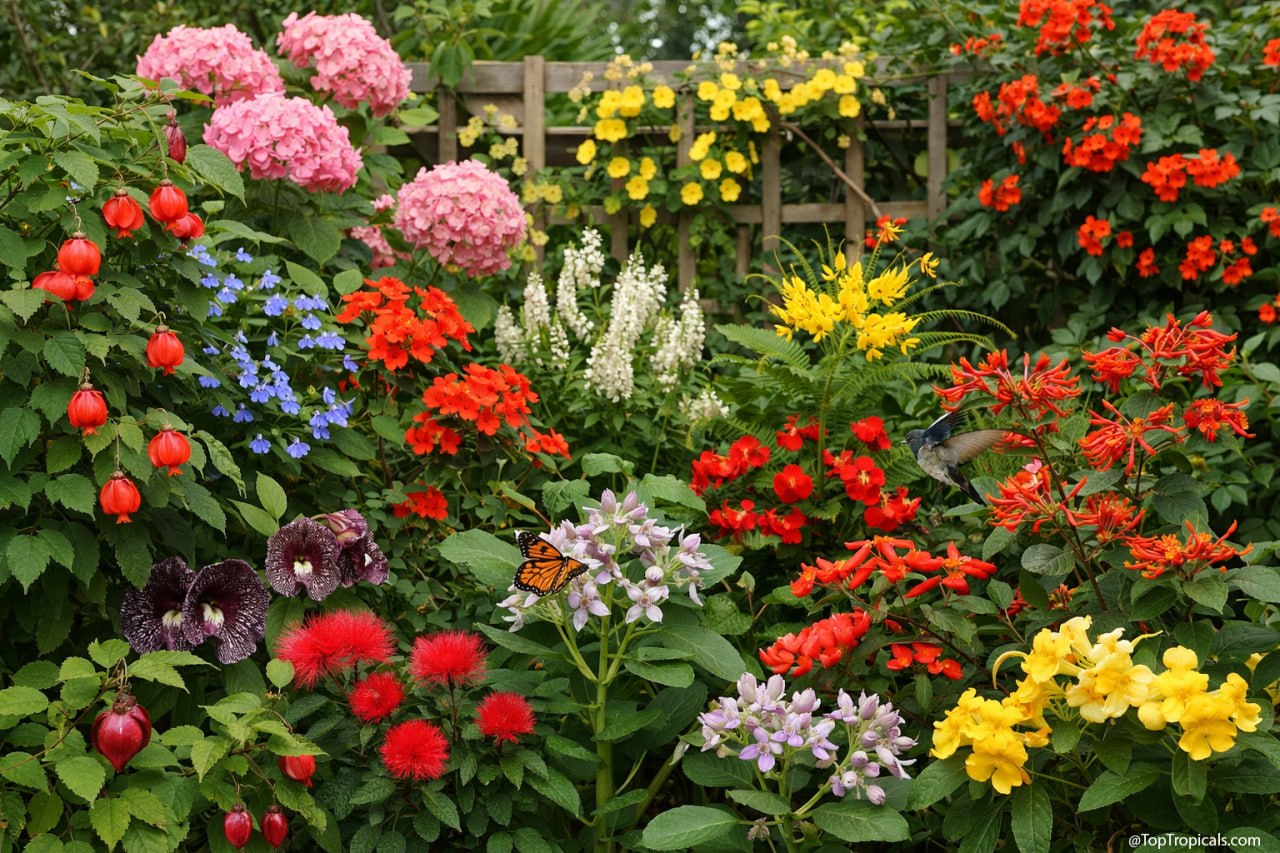
Spring is when everything wakes up - and if you plant smart now, your garden can stay alive with butterflies, bees, and hummingbirds all year long. The key is mixing tropical bloomers that flower in waves, not all at once. These plants don’t just look good - they keep pollinators coming back season after season, turning your yard into a living, moving ecosystem.

  • 1. Abutilon Fireball (Abutilon darwinii x striatum)

Bell-shaped flowers in warm red and orange tones hang like little lanterns. Very cold hardy, blooms on and off through the year, especially in mild climates. A steady nectar source for hummingbirds. More 👉

  • 2. Almond Bush (Aloysia virgata)

Light, airy clusters of tiny white flowers with a strong almond scent. Bees absolutely cover this plant when it’s in bloom. Flowers repeatedly through warm months. More 👉

  • 3. Calico Flower (Aristolochia littoralis)

One of the most unusual flowers you can grow - patterned like fabric. More importantly, it’s a host plant for butterflies, giving them a place to lay eggs. More 👉

  • 4. Pride of De Kaap (Bauhinia galpinii)

Bright orange-red blooms cover this shrub for months. Tough, fast-growing, and constantly visited by butterflies and bees. More 👉

  • 5. Mexican Bird of Paradise (Caesalpinia mexicana)

Sunny yellow flowers with a light fragrance. Handles heat, freeze, and poor soil easily. A reliable nectar plant for bees and butterflies. More 👉

  • 6. Red Tassel Flower (Calliandra tweedii With Love)

Very showy red-flowered powderpuff, fast-growing and spacey shrub. Cold tolerant to hard freeze, making it a strong choice for subtropical gardens. Forms a dense, many-stemmed plant with fine, feathery foliage that folds at night or by touch. Large scarlet tassel flowers bloom from spring to autumn and attract pollinators nonstop. More 👉

  • 7. Giant Milkweed (Calotropis gigantea)

A bold plant with thick leaves and waxy flowers. Important host plant for butterflies, especially monarchs. Handles heat and drought well. More 👉

  • 8. Blue Butterfly (Clerodendrum ugandense)

Flowers really do look like little blue butterflies. Blooms frequently and attracts actual butterflies along with bees. More 👉

  • 9. Tropical Hydrangea (Dombeya wallichii)

Large clusters of soft pink flowers appear in cooler months when little else is blooming. A major nectar source in winter. More 👉

  • 10. Fire Bush (Hamelia patens)

One of the best all-around pollinator plants and a tough bush - takes both cold and heat. Tubular orange-red flowers attract hummingbirds nonstop, plus butterflies and bees. More 👉

  • 11. Butterfly Orchid Vine (Mascagnia macroptera)

A climbing, cold hardy vine covered in bright yellow flowers and butterfly-like seeds. Great for fences or trellises, adding vertical color and feeding pollinators. More 👉

  • 12. Mexican Flame Vine (Senecio confusus)

Fast-growing, hardy vine with intense red blooms. Flowers heavily and brings in butterflies quickly. More 👉

13. Yellow Elder (Tecoma stans)


Bright yellow trumpet flowers that bloom over a long season. A dependable plant for both bees and hummingbirds. More 👉

✔️ Planting a mix of these gives you something in bloom almost every month.
That’s the real trick - not just planting for spring, but building a rotation of flowers that keeps pollinators fed all year long.

🛒 Transform your yard into a Butterfly Haven with exotic plants

📚 Learn more:


#Butterfly_Plants
Butterfly Haven or a Heaven on Earth?
Top 20 plants for a Butterfly Haven
Five best butterfly attractors for a Southern garden
Top Eight irresistible vines for a hummingbird haven: Part 1 - Part 2

#Hedges_with_benefits #Butterfly_Plants #How_to #Discover

🟢 Join 👉 TopTropicals