Date: 15 Dec 2025
🌿 Bring the Jungle Inside: Winter Survival Guide. Part 3. Watering and Humidity. ❄️
💦 Water, Humidity, and the Small Things That Decide Who Makes It to Spring

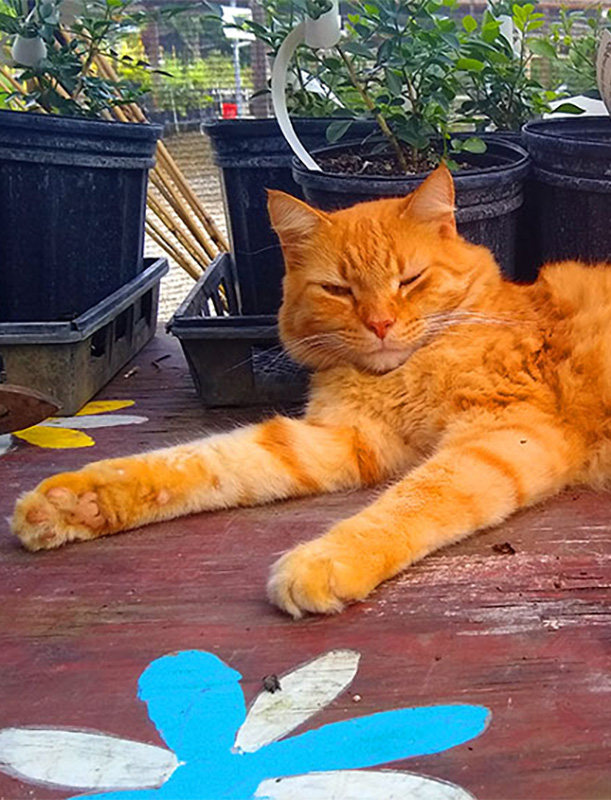
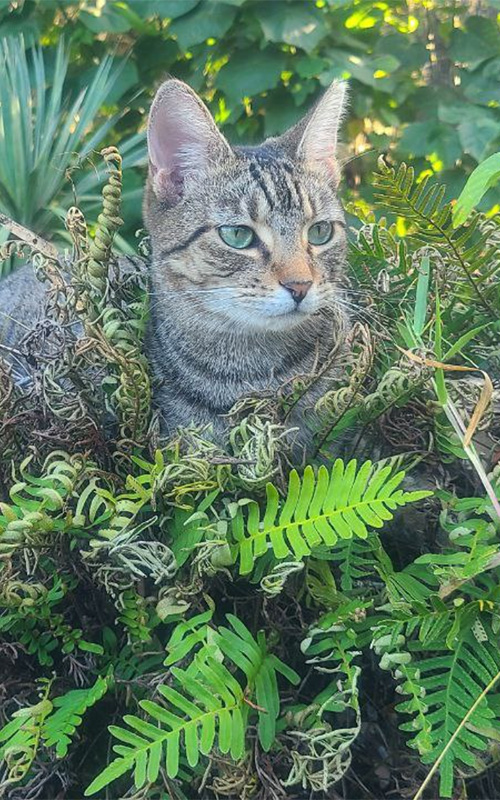
Sunshine:"Great. I am excellent at not watering."
Smokey:"You have been practicing not doing any work your whole life."
In Part 1 (Winter Survival Guide: Temperature) we covered the foundation: light, placement, and acclimation. That is the survival layer.
Date: 18 Feb 2026
🔥 Blazing into the 2026 with hot jasmines
Smokey: It's jasmine, Tiger. A shrub. Not Wembley. Calm down.
💮 2026 Year of the Horse - and the Plant I Trust Most
By Tatiana Anderson, Horticulture Expert at Top Tropicals
Every new year carries its own energy.
2026 is the Year of the Horse - a year of movement, fire, momentum, and bold decisions. It is not a quiet year. It pushes us forward.
When fellow gardeners ask me what to grow in a year like this, my answer
is simple:
Grow something that balances strength with grace.
For me, that plant is Jasmine Sambac.
In many cultures, Sambac represents devotion, purity, and deep affection. In the Philippines it is the national flower - Sampaguita - woven into garlands for weddings and sacred ceremonies. In Hawaii, it becomes leis - a symbol of welcome and connection - Pikake. In India, it perfumes temples and homes.
This is not just a fragrant shrub.
It is a plant tied to love, loyalty, and continuity.
The Horse runs forward.
Jasmine anchors the heart.
In a fiery year like 2026, I believe we need both.
And that is why I always return to Jasminum sambac.
✅ Why Jasmine Sambac?
Over the years I have grown thousands of plants, but very few have the staying power of Jasmine Sambac.
It is not just fragrant. It is intensely, unmistakably fragrant. One open flower can perfume an entire patio. In the evening, the scent becomes deeper and richer.
But what makes Sambac truly special is its adaptability.
It can grow as a compact patio shrub, a flowering hedge, or a climbing vine. It performs beautifully in containers. It tolerates both full sun and partial shade. The more light you give it, the more flowers it rewards you with.
And unlike many tropicals, Sambac does not bloom just once. With proper care, it flowers in cycles throughout the warm season.
For gardeners, that combination is rare: beauty, perfume, flexibility, and repeat bloom.
That is why it has remained one of the most wanted fragrant plants in cultivation.
Date: 18 Feb 2026
⭐️ Choosing the Right Variety of Jasmine Sambac
By Tatiana Anderson, Horticulture Expert at Top Tropicals
One of the reasons Jasmine Sambac is so fascinating is that it does not come in just one form. Each variety has its own personality.
If you want a compact patio plant, Arabian Nights or Little Duke are excellent choices. They stay tidy, bloom generously, and are easy to manage in containers.
If you prefer elegant, elongated petals and a refined look, Belle of India is a favorite. It can be grown as a small bush or trained lightly as a vine.
For those who love full, carnation-like double flowers, Grand Duke of Tuscany and Grand Duke Supreme are classic selections. They are vigorous and make impressive shrubs in warm climates.
If you need a stronger climber for fences or hedges, Maid of Orleans performs beautifully in full sun while Mysore Mulli prefers semi-shade.
Collectors often enjoy rare forms like Mali Chat or newer hybrids such as Gundu Malli, which combine traits from different lines.
How to Grow Jasmine Sambac Successfully
Sambac is not difficult, but it responds best to consistency.
Light: Full sun produces the most flowers. In very hot climates, light afternoon shade is acceptable. Indoors, place it in the brightest window available.
Soil: Use a well-draining potting mix such as Sunshine Abundance. Sambac does not like heavy, constantly wet soil.
Water: Water thoroughly, then allow the top layer to dry slightly before watering again. Reduce watering during cooler months.
Pruning: Light trimming after a bloom cycle encourages branching. More branches mean more flower buds.
Feeding: Sambac is a heavy bloomer, and fragrance takes energy. During active growth, feed regularly with a balanced fertilizer that supports flowering such as Green Magic (controlled release every 6 months) or liquid Sunshine Boosters Pikake (formulated especially for fragrant flowers) - with every watering. I prefer formulas slightly higher in potassium to encourage stronger bud formation and richer bloom cycles. Consistent feeding during warm months makes a visible difference in both flower count and intensity of scent.
With proper care, Jasmine Sambac will reward you not just with flowers, but with perfume that changes the atmosphere of your entire garden.
❓Frequently Asked Questions About Jasmine Sambac
-
Does Jasmine Sambac need full sun?
It flowers best in full sun. In very hot climates, light afternoon shade is acceptable. Indoors, give it the brightest window possible. -
Can I grow it in a pot?
Yes. Sambac performs beautifully in containers. Many gardeners prefer pots because it is easier to control size and move during cold weather. -
How often does it bloom?
With proper light and feeding, it blooms in cycles throughout the warm season. Consistency in care makes flowering more reliable. -
Why is my plant not blooming?
The most common reasons are insufficient light or irregular feeding. Increase light first, then review your fertilizing routine. -
Is it difficult to grow indoors?
Not if you provide strong light and good air circulation. Compact varieties adapt especially well. -
Is it frost tolerant?
No. Jasmine Sambac is tropical. Protect it from temperatures below 40F and bring it indoors before frost.
🌸 Year of the Horse Special – Jasmine Bonus
Celebrate 2026 with the fragrance of Jasmine plants. For a limited time, enjoy special savings when you grow one of the most wanted perfume plants in cultivation.
Date: 19 Dec 2016
Update on SUNSHINE in a Bottle
Photos of our experiments. These tomato seedlings potted 4 weeks ago, and batch on the right treated with standard recommended dose of SUNSHINEâ„¢ twice (within one week period). They are setting buds and flowers, while untreated plants (batch on the left) have much slower growth rate and are still far from flowering.
See TTLaboratories website and order SUNSHINE boosters
Date: 24 Oct 2016
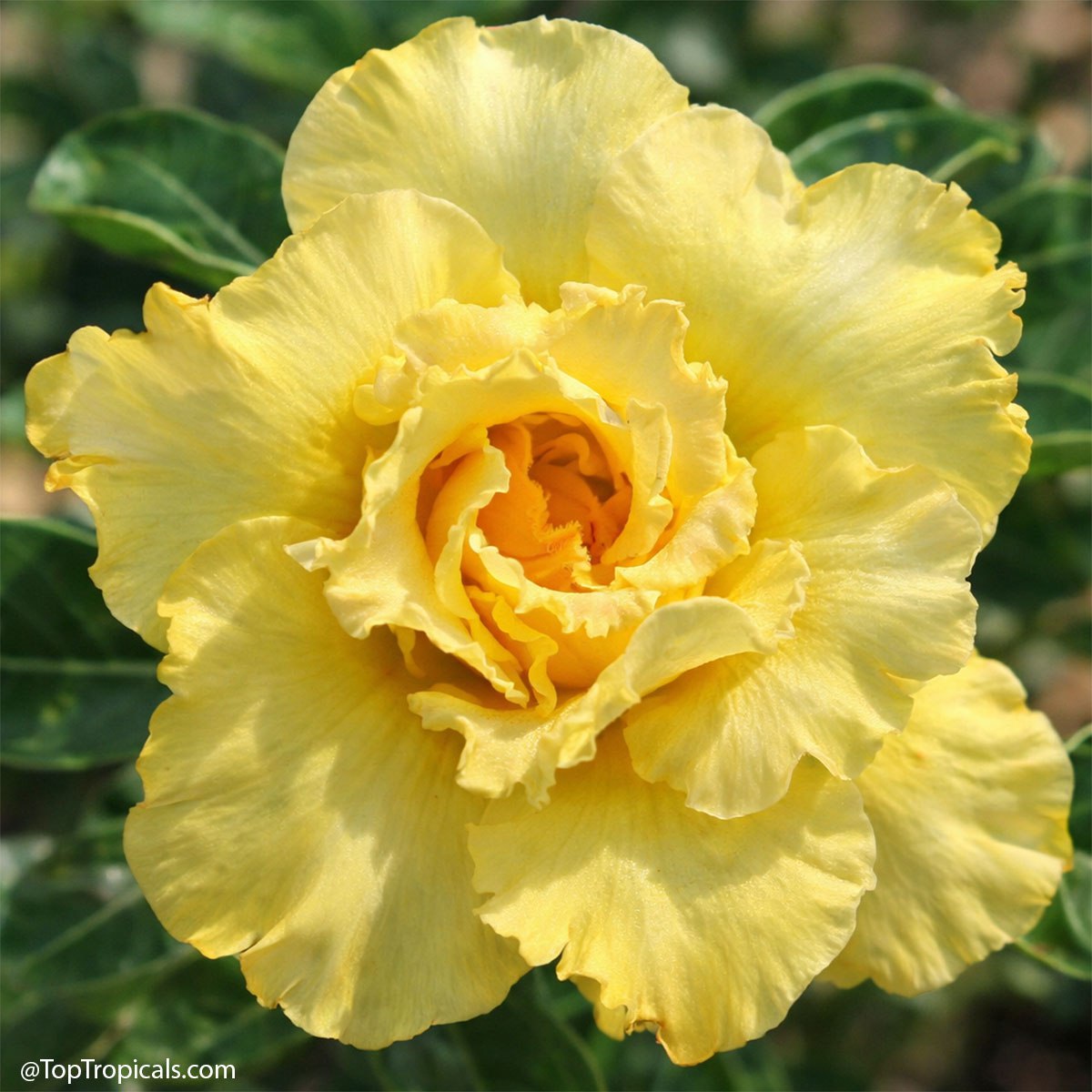
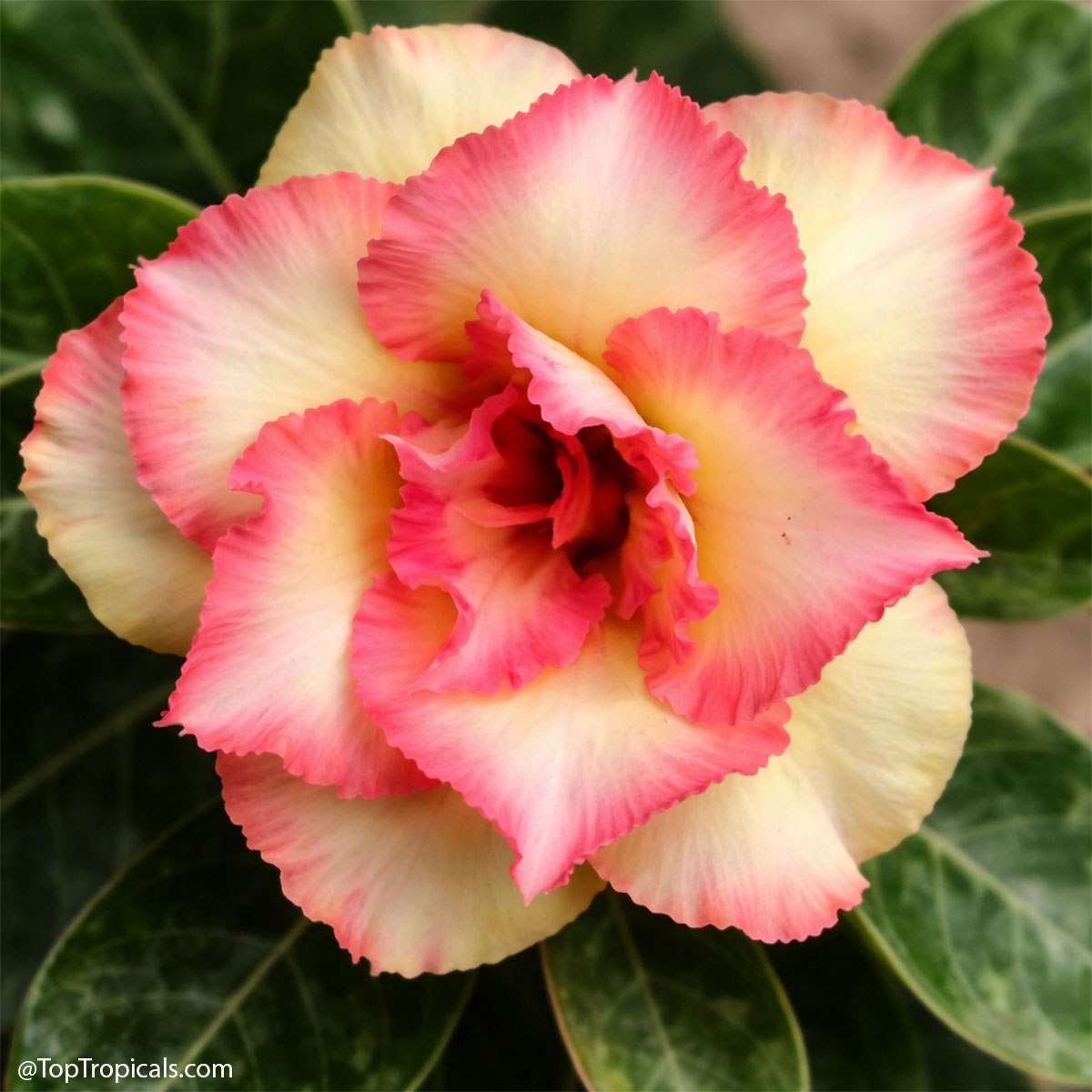
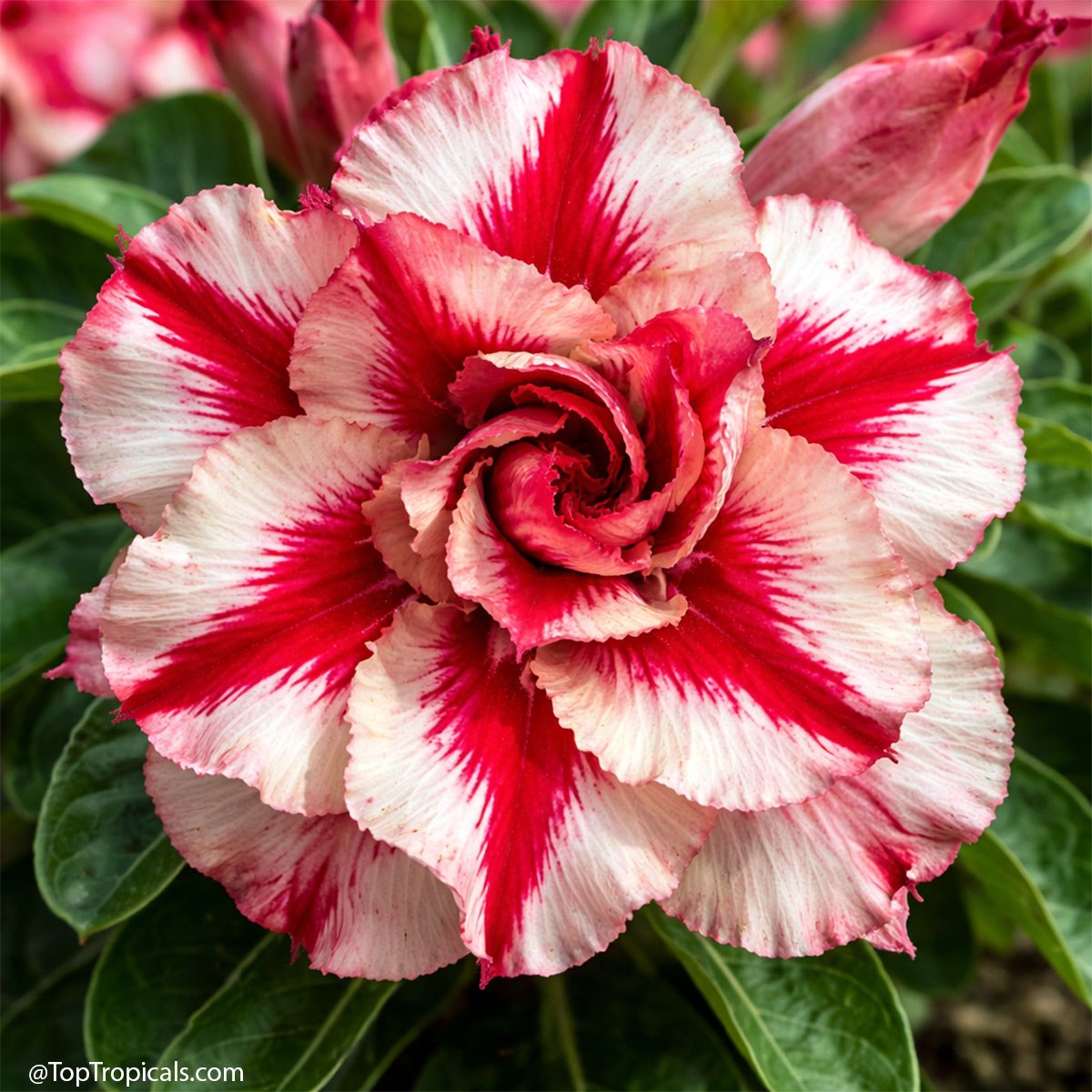
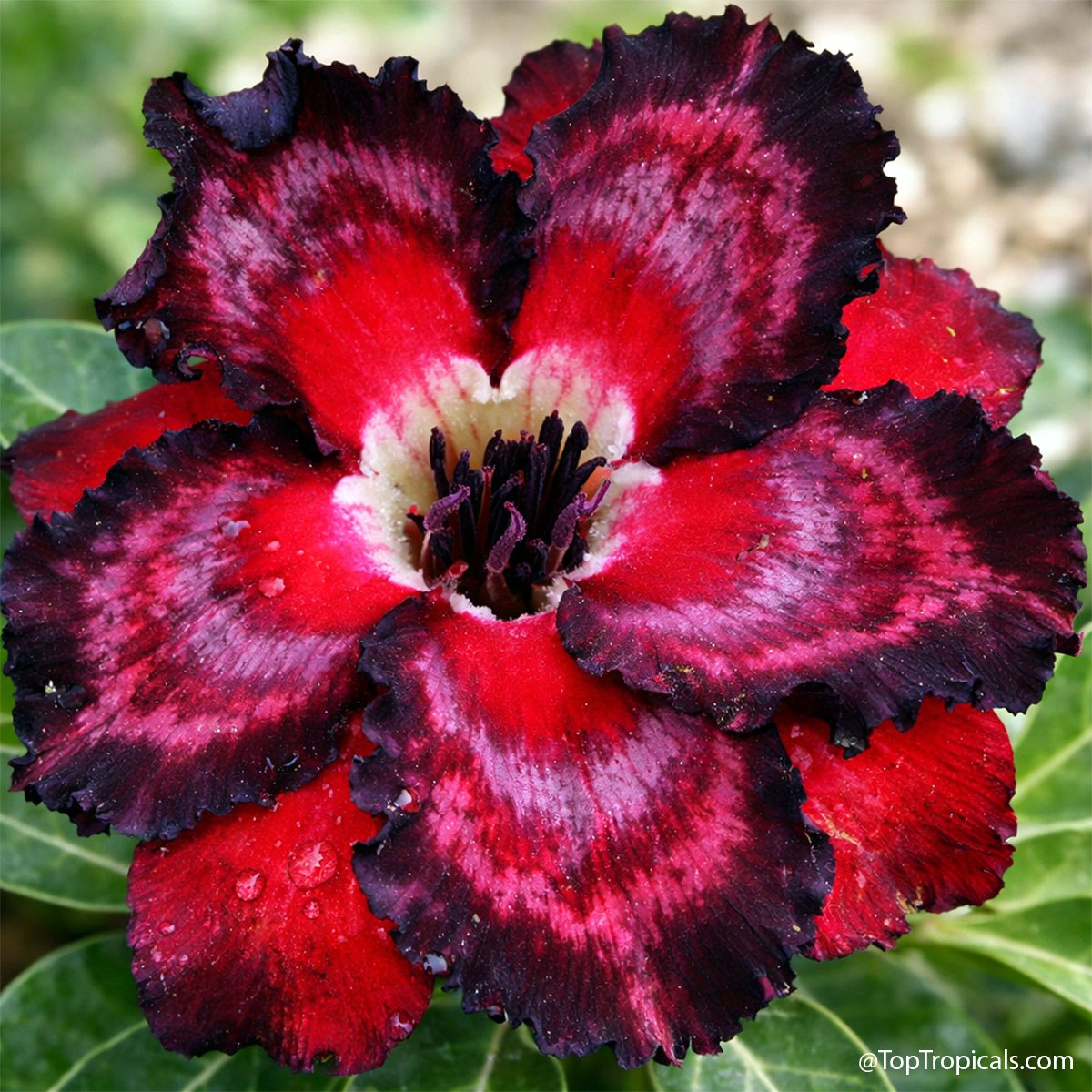
Overwintering Adeniums outside of tropics
Q: We bought several adenium plants from you. We are moving to the Denver area of Colorado. How can we make sure the plants survive? Should we use a green house?
A: Adeniums are perfect container plants, and house plants. They can be easily grown outside of tropical climate. During winter, Adeniums drop leaves and go into dormancy which makes it easy to keep these plants in a dormant stage in a warm location of your house, or possibly even in well-lit spot of garage (with a window), with temperatures above 50-60F.
Here in South Florida, during time of cold, when chances of freeze are high, we move our own Adenium collection into lanai, with plastic sheet protection around lanai.
In colder climates, Adeniums can be kept indoors as house plants during winter. There are some requirements/tips for you:
- Temperature. Move Adeniums indoors when temperature starts dropping below 45F.
- SUNSHINE. Use SUNSHINE boosters to improve cold resistance of Adeniums, and essure healthy plant throughout winter. SUNSHINE-BC