Garden Blog - Top Tropicals

Date: 5 Jan 2026

A  tuxedo  cat  planting  a  small  shrub  in  a  tropical  garden  while  a  ginger
    cat  relaxes  nearby  with  coffee  and  donuts,  illustrating  winter  planting  in 
 a  warm 
 climate.
Sunshine: January might feel warm, but its still winter. Wool socks, scarf, hot coffee.
Smokey: You get warm when you work. Plant now so roots are established before spring growth starts.
Sunshine: Alright. Lets see who stays warmer - you digging or me with coffee.

🌴 Why winter planting works in a warm climate

By our plant expert Tatiana Anderson

We are lucky to live in a warm climate. This is how I think about the seasons here. Winter is for roots. Spring is for growth. Summer is for managing heat and water.

So if we want plants that handle summer better, we plant them in the season that gives them the best start. Winter here is comfortable. The soil stays workable. The days are mild. And plants are not being stressed by heat. That is exactly why winter is the best time to plant in Florida and other warm areas.

If we use this season well, plants go into spring already settled instead of trying to catch up. This is what I like to plant now, and why.

🟢 Trees first. Anything that will be in the ground for years. Fruit trees, shade trees, flowering trees. When we plant them in winter, they can focus on roots before the spring growth surge starts. By the time spring arrives, the tree is anchored and ready to grow on top.
Examples: mango, avocado, Eugenia cherries, jackfruit, sapodilla, longan, lychee, canistel.

🟢 Shrubs next. Shrubs establish faster than trees, but winter still gives them an advantage. They settle in quietly before the spring flush and bloom cycles begin. That usually means steadier growth and fewer problems once heat returns.
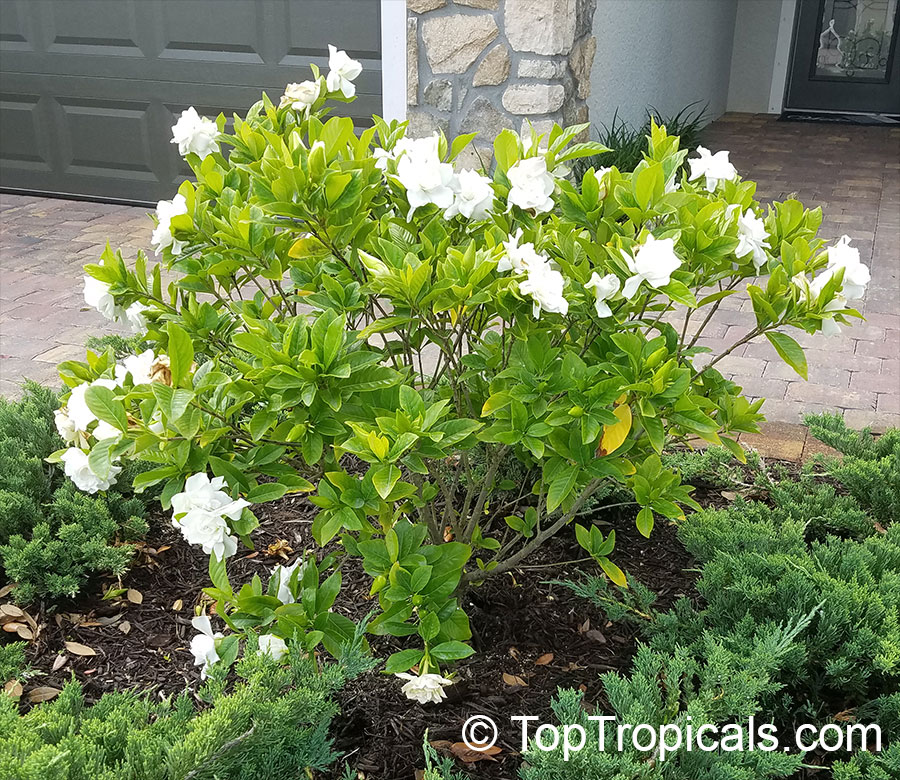
Examples: gardenia, jasmine, brunfelsia, hibiscus, clerodendrums.

🟢 Vines are often overlooked. Vines want to grow fast when spring starts. If the root system is not ready, you get weak growth and frustration. Planting vines in winter gives them time to build a foundation first, so spring growth has support.
Examples: Rangoon creeper, stephanotis, Petrea, Mexican Flame Vine.

🛒 Explore cold tolerant plants

Date: 15 Dec 2025

🌿 Bring the Jungle Inside: Winter Survival Guide. Part 3. Watering and Humidity. ❄️


💦 Water, Humidity, and the Small Things That Decide Who Makes It to Spring

Smokey  the  tuxedo  cat  checks  soil  moisture  and  wipes  a  monstera  leaf 
 while  Sunshine  the  ginger  cat  relaxes  with  a  watering  can  beside  indoor 
 tropical  plants  in  winter.

Smokey:"Still damp. No watering today."
Sunshine:"Great. I am excellent at not watering."
Smokey:"You have been practicing not doing any work your whole life."

In Part 1 (Winter Survival Guide: Temperature) we covered the foundation: light, placement, and acclimation. That is the survival layer.

Part 2 (Winter Survival Guide: Temperature) is about what quietly ruins plants indoors in winter. Not overnight. Slowly.

Most winter losses come from good intentions and habits that worked fine outdoors or in summer, but fail indoors when growth slows.

Watering: Where Most Indoor Plants Die in Winter

If there is one winter skill that matters more than anything else, it is knowing when not to water.

In winter, light is weaker, temperatures are lower, roots stay cold longer, and growth slows or stops. Plants simply do not drink the way they do in summer.

How winter watering actually works

Do not water on a schedule. Winter does not care about your calendar.

Instead:

  • Water thoroughly when you do water.
  • Let excess drain out.
  • Then wait longer than feels comfortable.

Before watering, test the soil with your finger. Water only when the top inch or so is dry.

If the soil below still feels cool and damp, do nothing. That is the hardest skill to learn.

Remember what we covered in Part 1: in winter, soil and roots stay cold much longer. Cold roots absorb water very slowly. Wet, cold soil is not helpful moisture. It is stress.

Waiting is often the correct move.

Common winter watering traps

  • The soil surface looks dry, but the root ball is still wet.
  • Pots near windows dry unevenly.
  • Large pots stay wet for weeks.

Always check below the surface. If the pot feels cold and heavy, roots are not asking for water yet.

Signs you are watering too much

  • Soil stays wet for many days.
  • Pot feels heavy long after watering.
  • Leaves yellow and soften.
  • Fungus gnats appear.

As a rough guideline, most indoor tropicals need 25 to 50 percent less water than summer, sometimes even less in low light.

Always use room temperature water. Cold water shocks roots and slows recovery.

Humidity: Invisible Winter Stress

Winter indoor air is dry. Often far drier than people realize.

Heating systems pull moisture out of the air, and many homes sit at 20 to 30 percent humidity all winter. Most tropical plants prefer something closer to 50 to 60 percent.

Low humidity rarely kills plants outright. It weakens them first. That is why pests show up more often in winter. The plant is already stressed before insects arrive.

What low humidity looks like

  • Brown or crispy leaf edges.
  • Curling leaves.
  • New leaves stuck while unfolding.
  • Spider mites appearing suddenly.

What actually helps

  • Group plants together.
  • Use pebble trays.
  • Run a room humidifier.
  • Use bathrooms if light allows.

Humidity works best when plants are grouped. One isolated plant in dry air struggles far more than a group sharing moisture.

Misting leaves feels helpful, but it only raises humidity for minutes. It does not fix dry air.

Cleaning Leaves: More Important Than It Sounds

Winter light is already weak. Dust makes it worse.

Dusty leaves block light, clog stomata, and create hiding places for pests.

Wiping leaves is one of the simplest winter care steps, and one of the most ignored.

How to clean

  • Soft cloth.
  • Plain water.
  • Mild soap if needed.

Gently wipe. No scrubbing. Every few weeks is enough.

Plants with fuzzy leaves, like African violets, should only be brushed gently with a dry brush.

Clean leaves also make problems easier to see. You will spot mites, scale, or damage early instead of discovering it weeks later.

Winter is not the season to be surprised.

Soil and Pots Behave Differently Indoors

Soil that works outdoors often behaves badly indoors. No wind, lower evaporation, and cooler roots mean the same soil stays wet far longer than expected.

In winter, roots care more about oxygen than water. Soil that stays wet pushes oxygen out, even if the plant looks fine above the soil line.

This is why rot often appears suddenly in late winter, not right after watering mistakes.

Pot size matters

Large pots dry slowly. Slow drying plus cool soil equals rot.

If a plant is barely growing, a very large pot is not doing it any favors.

About repotting

Winter is not the time to repot unless you must.

Only repot if:

  • Roots are rotting.
  • Pests are severe.
  • The plant is clearly failing.

Repotting in winter slows recovery and often makes things worse.

Airflow: Quietly Important

Indoor winter air is still. Still air leads to mold, fungus, and spider mites.

Airflow is not about cooling plants. It is about breaking stagnant air layers that pests and fungus love.

A small fan on low, not blowing directly on plants, makes a big difference. Even gentle movement helps more than people expect.

Drainage and Mold: Boring but Critical

Never let pots sit in water.

Standing water causes root rot, fungus gnats, and mold smell. Always empty trays after watering.

Raise pots slightly so air can move underneath. It helps more than people expect.

If you smell sour soil or a musty odor, something is staying wet too long. That smell is an early warning, not a minor issue.

Fertilizer: Mostly Stop

This is where a lot of winter damage happens.

If a plant is not actively growing, fertilizer does not help. It hurts.

In winter, most indoor tropicals are in maintenance mode, not growth mode. Feeding during this time leads to salt buildup, root burn, and weak, floppy growth.

Green leaves do not mean the plant is growing. They often just mean the plant has not given up yet.

Growth shows up as new leaves, longer stems, or expanding roots. No growth means no feeding.

When light feeding is acceptable

Only if all of these are true:

  • The plant is warm.
  • Light is strong.
  • You see real new growth.

Even then, feed lightly and less often than summer.

Spring will come. You do not need to force it.

Common Winter Care Mistakes

  • Watering on a schedule.
  • Misting instead of humidifying.
  • Fertilizing to fix poor light.
  • Ignoring cold windowsills.
  • Placing pots on cold tile or stone.
  • Repotting out of boredom.
  • Letting trays stay wet.
  • Assuming green leaves mean growth.
  • Assuming winter leaf drop always means death.

Quick Winter FAQ

My soil stays wet forever.
Too little light, too cold, or pot too large. Water less.

Leaves are crispy but soil is wet.
Low humidity combined with overwatering.

Should I mist every day?
No. Fix the air, not the leaves.

Can I fertilize just a little?
Only if the plant is clearly growing.

Why do I suddenly have fungus gnats?
Wet soil indoors is the invitation.

My plant looks fine but has not grown in months. Is that bad?
No. Stability is success in winter.

Date: 18 Feb 2026

🔥 Blazing into the 2026 with hot jasmines

Sunshine  the  orange  tabby  wearing  a  red,  white,  and  blue  wristband  sits
    laughing  on  a  jasmine-covered  horse  topiary  during  the  2026  Year  of  the 
 Horse,  while  Smokey  the  tuxedo  cat  trims  the  greenery  at 
 sunset.
Sunshine: I'm blazing into the 2026 Year of the Horse! Call me Mister Fahrenheit. Don't stop me now! 'Cause I'm having a good time — I'm a shooting star, leaping through the sky like a tiger, defying the laws of gravity!
Smokey: It's jasmine, Tiger. A shrub. Not Wembley. Calm down.

💮 2026 Year of the Horse - and the Plant I Trust Most

By Tatiana Anderson, Horticulture Expert at Top Tropicals

Every new year carries its own energy.

2026 is the Year of the Horse - a year of movement, fire, momentum, and bold decisions. It is not a quiet year. It pushes us forward.

When fellow gardeners ask me what to grow in a year like this, my answer is simple:
Grow something that balances strength with grace.

For me, that plant is Jasmine Sambac.

In many cultures, Sambac represents devotion, purity, and deep affection. In the Philippines it is the national flower - Sampaguita - woven into garlands for weddings and sacred ceremonies. In Hawaii, it becomes leis - a symbol of welcome and connection - Pikake. In India, it perfumes temples and homes.

This is not just a fragrant shrub.
It is a plant tied to love, loyalty, and continuity.

The Horse runs forward.
Jasmine anchors the heart.

In a fiery year like 2026, I believe we need both.

And that is why I always return to Jasminum sambac.

🛒 Explore Jasmine varieties

Jasmine  Sambac  Maid  of  Orleans  plant  growing  along  a  wall  with  clusters
    of  white  fragrant  flowers  in  bloom.

Jasmine Sambac thrives in hot, sunny locations

✅ Why Jasmine Sambac?

Over the years I have grown thousands of plants, but very few have the staying power of Jasmine Sambac.

It is not just fragrant. It is intensely, unmistakably fragrant. One open flower can perfume an entire patio. In the evening, the scent becomes deeper and richer.

But what makes Sambac truly special is its adaptability.

It can grow as a compact patio shrub, a flowering hedge, or a climbing vine. It performs beautifully in containers. It tolerates both full sun and partial shade. The more light you give it, the more flowers it rewards you with.

And unlike many tropicals, Sambac does not bloom just once. With proper care, it flowers in cycles throughout the warm season.

For gardeners, that combination is rare: beauty, perfume, flexibility, and repeat bloom.

That is why it has remained one of the most wanted fragrant plants in cultivation.

✍️ More About Jasmines from Blog

🛒 Explore Jasmine plants

Date: 18 Feb 2026

⭐️ Choosing the Right Variety of Jasmine Sambac

By Tatiana Anderson, Horticulture Expert at Top Tropicals

Jasmine  Sambac  varieties  collage  showing  single,  double,  and 
 multi-layered  white  fragrant  flowers  including  Belle  of  India,  Grand  Duke, 
 Arabian  Nights,  and  other 
 forms.

Jasmine Sambac varieties: Arabian Nights, Little Duke, Belle of India, Grand Duke, Duke Supreme, Maid of Orleans, Mysore Mulli, Malichat, Gundu Mallii

One of the reasons Jasmine Sambac is so fascinating is that it does not come in just one form. Each variety has its own personality.

If you want a compact patio plant, Arabian Nights or Little Duke are excellent choices. They stay tidy, bloom generously, and are easy to manage in containers.

If you prefer elegant, elongated petals and a refined look, Belle of India is a favorite. It can be grown as a small bush or trained lightly as a vine.

For those who love full, carnation-like double flowers, Grand Duke of Tuscany and Grand Duke Supreme are classic selections. They are vigorous and make impressive shrubs in warm climates.

If you need a stronger climber for fences or hedges, Maid of Orleans performs beautifully in full sun while Mysore Mulli prefers semi-shade.

Collectors often enjoy rare forms like Mali Chat or newer hybrids such as Gundu Malli, which combine traits from different lines.

How to Grow Jasmine Sambac Successfully

Sambac is not difficult, but it responds best to consistency.

Light: Full sun produces the most flowers. In very hot climates, light afternoon shade is acceptable. Indoors, place it in the brightest window available.

Soil: Use a well-draining potting mix such as Sunshine Abundance. Sambac does not like heavy, constantly wet soil.

Water: Water thoroughly, then allow the top layer to dry slightly before watering again. Reduce watering during cooler months.

Pruning: Light trimming after a bloom cycle encourages branching. More branches mean more flower buds.

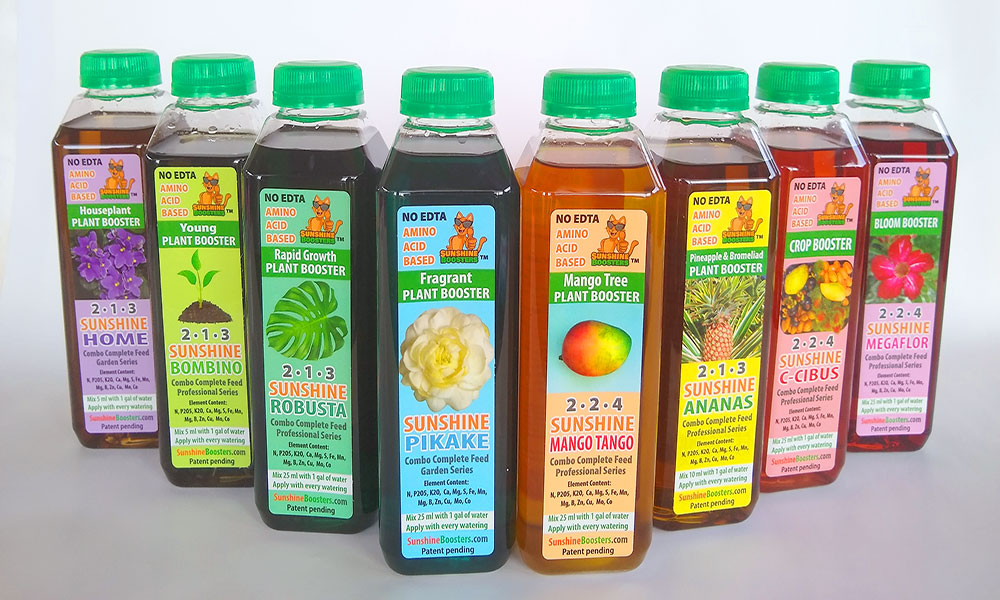
Feeding: Sambac is a heavy bloomer, and fragrance takes energy. During active growth, feed regularly with a balanced fertilizer that supports flowering such as Green Magic (controlled release every 6 months) or liquid Sunshine Boosters Pikake (formulated especially for fragrant flowers) - with every watering. I prefer formulas slightly higher in potassium to encourage stronger bud formation and richer bloom cycles. Consistent feeding during warm months makes a visible difference in both flower count and intensity of scent.

With proper care, Jasmine Sambac will reward you not just with flowers, but with perfume that changes the atmosphere of your entire garden.

Jasmine  Sambac  Maid  of  Orleans  blooming  indoors  in  a  container  with 
 numerous  white  star-shaped  flowers  and  glossy  green 
 leaves.

Jasmine Sambac Maid of Orleans flowering indoors in a container under bright light.

❓Frequently Asked Questions About Jasmine Sambac

  • Does Jasmine Sambac need full sun?
    It flowers best in full sun. In very hot climates, light afternoon shade is acceptable. Indoors, give it the brightest window possible.
  • Can I grow it in a pot?
    Yes. Sambac performs beautifully in containers. Many gardeners prefer pots because it is easier to control size and move during cold weather.
  • How often does it bloom?
    With proper light and feeding, it blooms in cycles throughout the warm season. Consistency in care makes flowering more reliable.
  • Why is my plant not blooming?
    The most common reasons are insufficient light or irregular feeding. Increase light first, then review your fertilizing routine.
  • Is it difficult to grow indoors?
    Not if you provide strong light and good air circulation. Compact varieties adapt especially well.
  • Is it frost tolerant?
    No. Jasmine Sambac is tropical. Protect it from temperatures below 40F and bring it indoors before frost.

🌸 Year of the Horse Special – Jasmine Bonus

Celebrate 2026 with the fragrance of Jasmine plants. For a limited time, enjoy special savings when you grow one of the most wanted perfume plants in cultivation.

Jasmine Sale - 15% Off
Save 15% on all Jasmine plants. Discount is already applied in the online store - no code needed.
Offer valid through 02/28/2026.

🛒 Explore varieties of Sambac

Date: 23 Jan 2025

Discover 10 best fruit trees to grow
in Florida and Southern landscapes

10  best  fruit  trees  to  grow  in  Florida,  collage

Q: We recently moved into our new home in Florida, and the property is a great size - 5 acres - but it currently has no trees, just a few palms. I'm looking to plant some productive fruit trees to start building our own Food Forest. What fruit trees would you recommend as a good starting point?

A: With five acres of space, you have a fantastic opportunity to create a fruitful garden that can provide for your family for many years to come. Below are our top recommendations for must-have, easy-to-grow fruit trees that thrive in Florida's climate, grow quickly, and start producing right away.

1. Mango Tree

Mango  fruit

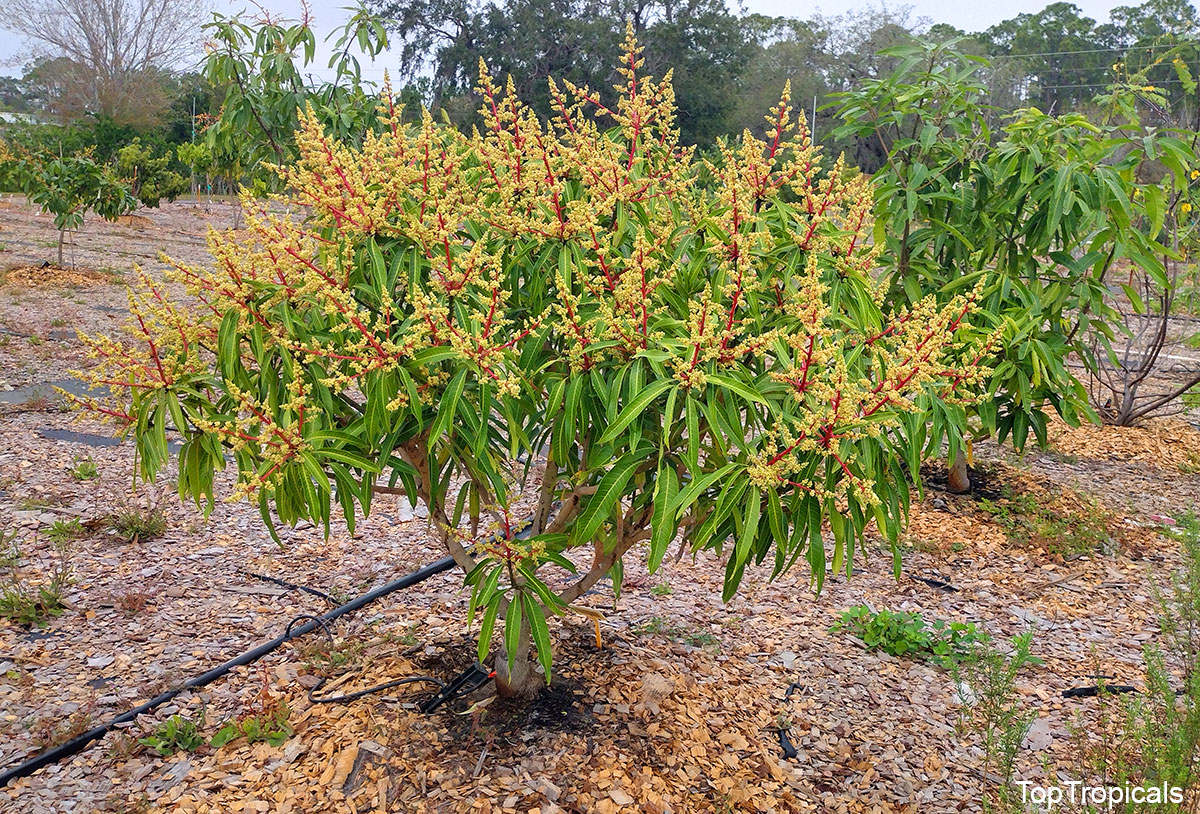
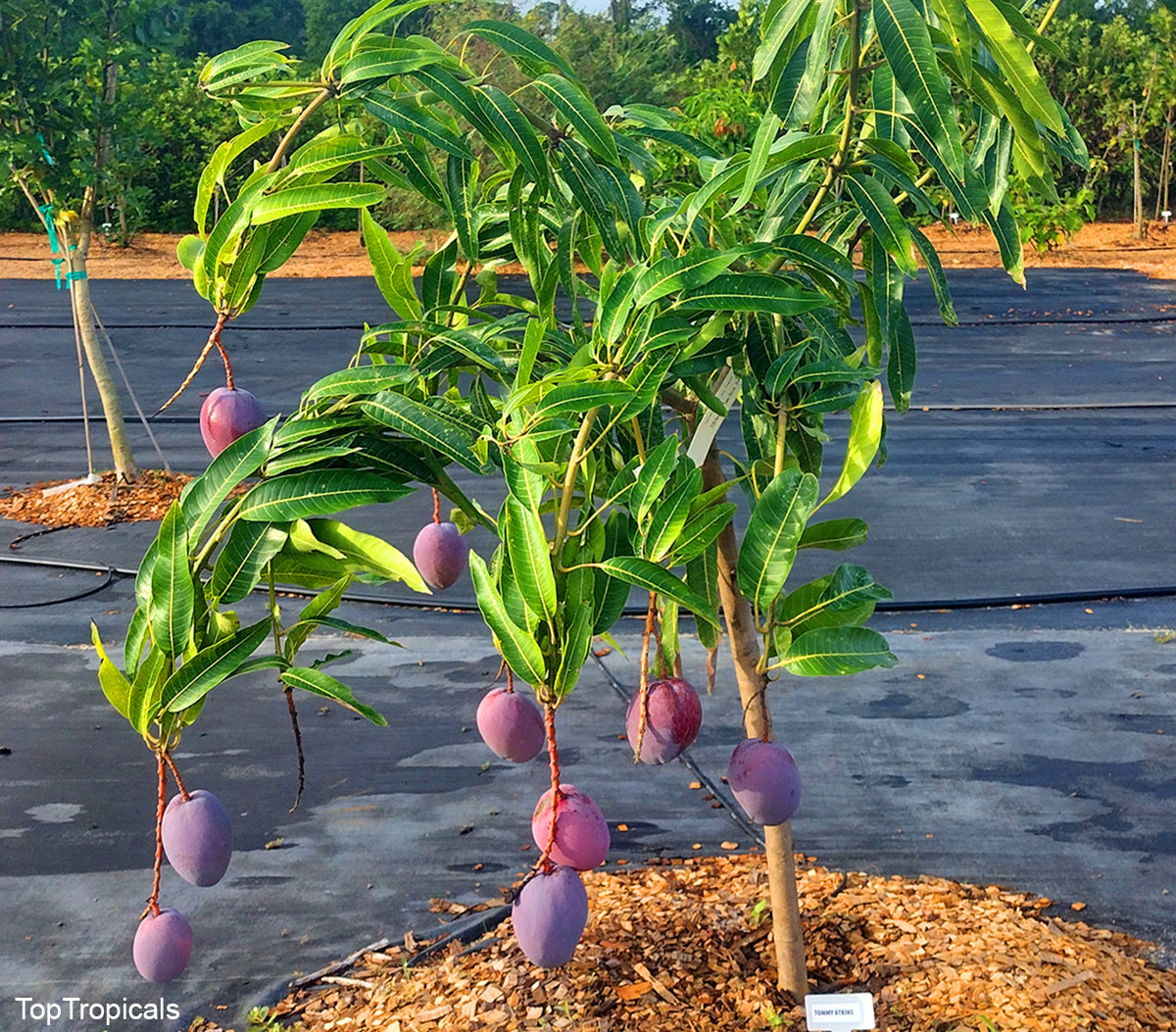
Mango trees (Mangifera indica) are a must-have for any Florida garden, embodying the essence of the Sunshine State with their delicious and nutritious fruit packed with vitamins and fiber. These fast-growing, low-maintenance trees thrive with minimal water and are heat-tolerant. Grafted varieties produce high-quality, fiberless fruit in just 2-3 years, while dwarf "condo" mangoes are perfect for smaller spaces or containers. While young trees need frost protection, mature trees handle cold better. Grafted mangoes offer rich taste that you won't find in commercially grown, fibrous varieties, ensuring a sweet and vibrant harvest from your own garden.

2. Avocado Tree

Avocado  fruit

The Avocado tree (Persea americana) is an essential addition to any tropical or subtropical garden. Known for its health benefits and superfood status, it's a favorite fruit that's not only productive but also a beautiful ornamental tree. Some avocado varieties are more cold-tolerant than mango trees, with the ability to survive temperatures below 25F. While many enjoy growing avocado from seed, only grafted trees guarantee quality fruit and immediate production, as seedlings can take 7-8 years to bear fruit. To successfully grow avocado, ensure good drainage by planting on a raised mound (4-6 inches) and keep the soil consistently moist. There are also compact varieties like Wurtz and Fuerte that thrive in containers or small spaces, making them ideal for patios and small gardens.

3. Tropical Cherries

Eugenia  Lolita  cherry  fruit

Tropical cherries, such as Cherry of the Rio Grande (Eugenia aggregata), Grumichama (Eugenia brazilensis), Pitomba (Eugenia luschnathiana), and Black Surinam Cherry (Eugenia uniflora var. Lolita), are popular and easy-to-grow fruit trees that offer fast growth and excellent fruit production. These compact, versatile trees thrive in both the ground and containers, starting to produce fruit almost immediately. Eugenias are low-maintenance, requiring minimal water, thriving in various soil types, and being pest-free. They are heat-tolerant and can endure cool winters, surviving light frosts. Birds love the fruit, but don't worry - there will always be plenty for everyone.

4. Barbados Cherry Tree

Malpighia  Barbados  cherry  fruit  on  a  branch

Barbados Cherry (Malpighia glabra), also known as Acerola, is a tropical cherry renowned for having the highest vitamin C content of any fruit. This nutrient-packed fruit is perfect for jellies, jams, and freezing without losing its vitamin C. The Barbados Cherry is a fast-growing, dense shrub that fruits multiple times a year, providing abundant harvests for gardeners seeking quick results. It thrives in alkaline soil, tolerates drought, and is relatively cold-hardy, withstanding light freezes. Birds love the fruit, making it a great addition to wildlife-friendly gardens. The dwarf variety, Nana, with its small leaves and fruit, is perfect for containers, borders, or even bonsai, adding ornamental value to any space.

5. Noni Tree

Morinda  Noni  fruit  on  a 
 branch

The Noni Tree (Morinda citrifolia) is a top superfood plant that makes a fantastic addition to any Southern garden. Known for its numerous medicinal benefits, Noni fruit offers anti-inflammatory properties, relief from arthritis, and support for conditions like diabetes, metabolism, and weight loss. It's even believed to help fight cancer. Noni trees grow quickly and begin producing fruit within 2 years from seed. This tough, resilient plant thrives in poor soil, endures summer heat, and withstands drought conditions. Despite its tropical appearance, Noni is surprisingly cold-hardy, recovering well after leaf damage in cooler weather. In addition to its health benefits, the Noni tree has ornamental value, with large, waxy leaves and unique fruit, where the flower appears to grow directly on the fruit!

6. Macadamia Nut Tree

Macadamia  nuts  on  a  plate

The Macadamia Nut Tree (Macadamia integrifolia) is a fantastic addition to any garden, allowing you to grow these delicious, high price tag, nutrient-rich nuts right at home. These trees are cold-hardy, grow quickly, and thrive in all Florida soil types. Once established, they are productive and can tolerate both flooding and drought. Older trees can survive colder winters, while young trees need protection from temperatures below 25-26F. Macadamia trees like plenty of water and a special fertilizer program, including liquid fertilizers and microelements, to ensure healthy root development and optimal production. Aside from being rich in healthy fats, vitamins, and minerals, macadamia nuts offer numerous health benefits, such as improved digestion, heart health, weight management, and blood sugar control. They are also packed with tocotrienols - antioxidants which may protect against cancer and brain diseases.

7. Papaya Tree

Papaya  fruit  with  seeds

Papaya trees (Carica papaya) are resilient, easy to grow, and produce fruit year-round. Rich in papain, a digestive enzyme, papayas are a superfood that promotes gut health. These fast-growing trees often begin producing fruit within the same year they're planted, providing quick rewards for gardeners. Many varieties, especially dwarf papayas, are space-efficient, reaching only 6-8 feet tall while still yielding large crops, making them perfect for small gardens. Surprisingly hardy for a tropical plant, papayas can withstand light freezes and strong winds (tested in hurricanes!). While they are self-fertile, planting 2-3 different cultivars improves pollination and increases yields. "Solo" cultivars, with their smaller, round or oval fruits, are sweet and less susceptible to fruit flies.

8. Guava Tree

Pink  Guava  fruit

Guava trees are beloved for their flavorful fruit, commonly used in juices, drinks, and desserts. Popular varieties include Tropical Guava (Psidium guajava), Cattley Guava (Psidium littorale), Cas Guava (Psidium friedrichsthalianum), and Pineapple Guava (Feijoa sellowiana). Despite their tropical nature, guavas are surprisingly cold-hardy, suitable for cooler climates and occasional frost. These trees thrive in moist conditions and can tolerate some flooding, while their compact growth makes them easy to maintain at any height or shape. Guavas are fast-fruiting, often producing fruit within a year of planting, and even some varieties in 1 gal containers. The dwarf Nana variety is perfect for container culture, producing full-sized fruit in a compact form. Guava trees are mostly pest-resistant, though mealybugs may require occasional treatment with neem oil in humid, rainy areas. Planting multiple guava trees ensures a continuous supply of fresh, juicy fruit and delicious guava juice for everyone to enjoy.

9. Jackfruit Tree

Jackfruit  fruit  at  the  base  of  the  tree

The Jackfruit tree (Artocarpus heterophyllus) is a striking, fast-growing tree known for producing the largest fruit grown on a tree, making it a showstopper in any garden. Nutrient-packed and often used as a meat substitute in South Asian cuisine, Jackfruit is also delicious in curries, chutneys, and as dehydrated chips. These trees grow quickly, have large waxy leaves, and can be maintained at a compact height of 7-8 feet, making them ideal for smaller spaces and easier cold protection. Despite being a tropical species, Jackfruit trees are relatively cold-tolerant and can survive light frost (although on the account of production volume), with established trees being more hardy than seedlings. Jackfruit trees begin producing fruit within 3-4 years from seed, and varieties come true to seed, eliminating the need for grafting, though it can be done for specific varieties.

10. Loquat Tree

Loquat  fruit  on  a  branch

The Loquat tree (Eriobotrya japonica) is a fast-growing, drought-tolerant, and highly cold-hardy tropical fruit tree that thrives in Florida gardens. Loquats are heavy producers, with juicy, aromatic fruit that ripens from early spring to early summer, offering a delicious apricot-like flavor. This compact tree is perfect for small gardens, beginners, and those with limited space. Loquats are undemanding, thriving in any soil and withstanding summer heat, winter cold, heavy rains, and occasional flooding. Nutrient-rich, they are high in sugar, acids, vitamins B and C, minerals, and pectin. Loquats are versatile, enjoyed fresh or used in fruit salads, jams, jellies, chutneys, pies, sauces, and even wine-making, and they are often used as a natural sweetener.