Garden Blog - Top Tropicals

Date: 4 Mar 2026

The Magic Number 65: when tropicals finally wake and the 7-Day Rule you should know

Champaka tree new growth sprouts
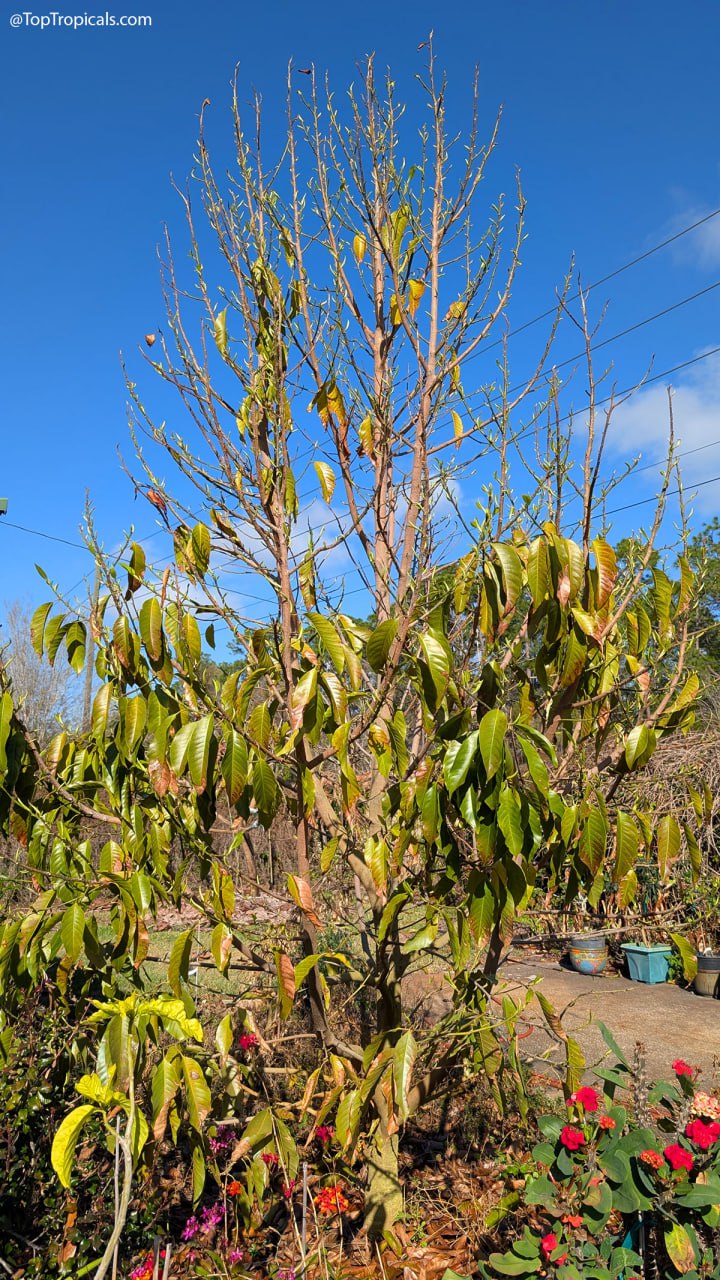
Champaka tree new growth sprouts

A Champaka tree (Joy Perfume Tree) first fresh sprouts

A Champaka tree (Joy Perfume Tree) first fresh sprouts

The Magic Number 65: when tropicals finally wake and the 7-Day Rule you should know 🌱

Discover the "Magic 65" rule for waking up your garden and the exact time to start fertilizing for maximum growth. Learn the specific temperature threshold that signals your tropicals to wake up and how to handle spring cold snaps.

🌿 If you’ve been staring at your dormant trees and shrubs wondering if they survived the winter, you aren't alone. The most frequent question every spring is: "When will my tropical plants start sprouting?"

🌿 While the calendar might say spring, tropical plants don’t use a watch - they use a thermometer. If you want to see green shoots and active growth, there is one "Magic Number" you need to watch: 65F 🌡

🌿 The 7-Day Rule for Tropical Growth


The gold standard for the tropical world is simple: plants generally wake up when minimum nighttime temperatures remain at or above 65F for at least one full week.

🌿 Why 65°F?


Tropical species are biologically programmed to stay dormant to protect their cell structure from cold damage. A single warm day won't fool them, but seven consecutive nights of 65F+ signals that the "growing season" has officially arrived. Once you hit that 7-day mark, you’ll see buds pushing and fresh leaves finally sprouting.

🌿 Can You Force Them to Wake Up Faster?


Patience is a virtue, but if you’re looking to "push" your plants, focus on two things:
🌞 Sun Exposure: Ensure they are in the brightest spot possible to warm the soil.
♨️ Heat Retention: Use dark mulch or move potted plants onto concrete surfaces that retain daytime heat.

🌿 When to Start Fertilizing


Don’t reach for the fertilizer until you see that active growth. Feeding a dormant plant can lead to root rot or wasted nutrients.
👉 The Signal: After that first week of 65F nights.
The Action: Once you see green tips, start your fertilization routine. This is when the plant actually has the metabolic "engine" running to use those nutrients.

🌿 Watch Out for the "False Spring"


Before you go all-in, ensure the risk of a hard freeze has passed. A minor cold snap - a few nights in the 50s - won't kill your progress, but it will act as a "pause" button. If cool weather persists, tropicals may "lock up" and return to dormancy. If that happens, simply reset your clock and wait for the next stretch of 65F nights.

🌿 Ready for the Wake-Up Call? Fuel Your Tropical Growth!

Don’t get caught empty-handed when that 7th day of 65F hits. Stock up now so you can feed them the moment they wake up. Using the right nutrients during the active growth phase is key to lush blooms. Check out our curated selection of professional-grade fertilizers:

🛒 Get my growth boosters for every tropical type

📷 Recovery in Action: The Joy Perfume Tree - Champaka showing off its first fresh sprouts in March after a chilly Florida winter. This is exactly what happens once you hit that 7-day streak of 65F nights!

📚
Learn more:
Why is my Champaka Tree dropping leaves?

#How_to #Discover

🟢 Join 👉 TopTropicals
Date: 27 Jan 2026

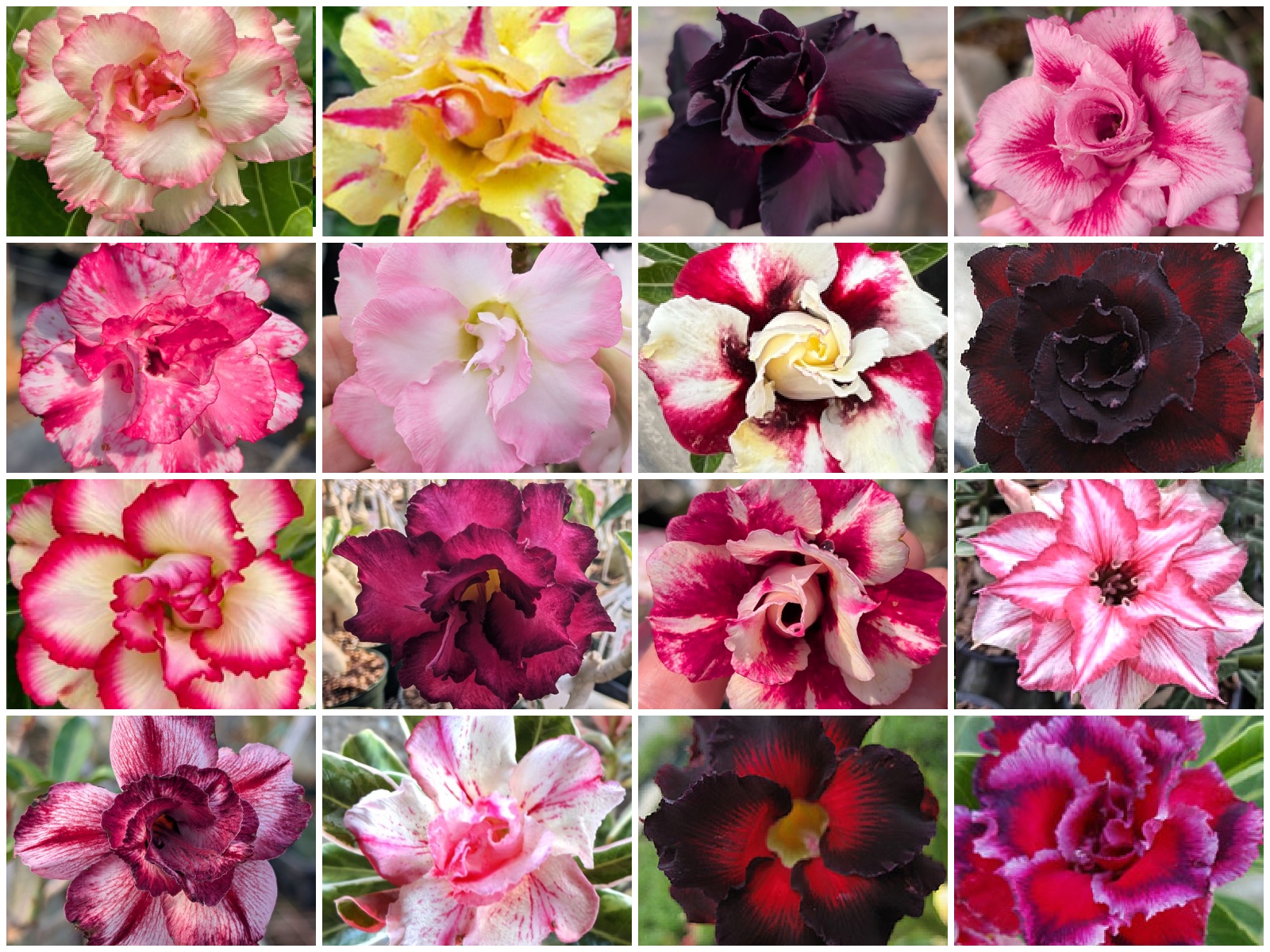
🌸 Why adenium?

  • Easy to grow in containers
  • Thrive in sun or shade, indoors or out
  • Tolerant of low humidity
  • Very low water needs
  • Forgiving plants that tolerate missed watering
  • Long-lived plants that improve with age
  • Compact size, ideal for patios, balconies, and windows
  • Form unique, sculptural caudex shapes
  • Decorative even when not in bloom
  • Produce stunning, long-lasting flowers
  • Often blooming in a few months

🌸 Adenium Care Basics

Adeniums have many spectacular hybrids, and their basic culture is closer to orchids than to typical houseplants. The key is a small pot, excellent drainage, bright light, and careful watering.

Adenium Plant Facts

Botanical name: Adenium sp.
Also known as: Adenium, Desert Rose, Impala Lily
USDA Zone: 9 - 10
Highligths Plant with caudexLarge shrub 5-10 ft tallSmall tree 10-20 ftFull sunWater Requirement: Low. Allow soil to dry out between wateringsWatering: Moderate. Water when top soil feels dryYellow, orange flowersRed, crimson, vinous flowersUnusual colorBlue, lavender, purple flowersWhite, off-white flowersPink flowersToxic or Poisonous
Get personalized tips for your region

Pot and Soil

  • Use a small pot sized to the root system.
  • Excellent drainage is required.
  • Use a very well-drained mix. We recommend specially formulated for Adeniums Desert Rose Soilless Mix

Light and Blooming

  • Give lots of light for heavy flowering.
  • In warm conditions and longer days, most hybrids and species begin blooming in spring.
  • In warmer climates they can keep blooming through fall and winter.

Watering (Most Important)

  • Adeniums dislike both extremes: over-watering and drying out too often.
  • Use neutral to hard water when possible.
  • Acidic water can sour the mix quickly and may cause root rot.
  • Water in the early morning so the plant can drink through the day.
  • Watering frequency can range from daily to every few days, depending on heat, light, and how fast the mix dries.
  • Never let the pot sit in a saucer of water.
  • Do not let the plant dry out too often, or it may go into early dormancy.
  • Do not wet the leaves.

Fertilizer (Caudex + Flowers)

  • To build a large swollen base/trunk (caudex), use a good quality fertilizer.
  • A fertilizer that helps trunk swelling also supports flowering. The best choice for this is Sunshine Megaflor.
  • Avoid fertilizers that are too high in nitrogen; choose a formula where the middle number is the highest.
  • Never apply fertilizer directly on roots.
  • Do not liquid feed a thirsty plant.
  • Always water lightly first, then feed, to avoid root burn and leaf drop.

The Caudex "Secret" (Shaping the Base)

  • At each repotting, lift the plant slightly so the upper roots are a little exposed.
  • This encourages new roots to grow downward and helps create a thicker, more interesting caudex shape.

Multi-Grafted Plants (Important Note)

  • Adenium hybrids can be multi-grafted with several colors/varieties on the same plant.
  • The swollen base forms only when the rootstock plant is grown from seed.

✍️ Adenium FAQ

How much light do Adeniums need?

Adeniums need lots of light for heavy flowering. Most hybrids and species start blooming when conditions are warm and days get longer, and in warmer climates they can keep blooming through fall and winter.

What is the best pot size for Adeniums?

Use a small pot sized to the root system, with excellent drainage. A small pot with excellent drainage is a must.

What kind of soil mix should I use?

Use only a well-drained mix. Adeniums do best in very well-drained soil. A small pot plus excellent drainage is the foundation of success.

How often should I water Adeniums?

Adeniums do not like both over-watering and drying-out too often. Water preferably in the early morning and do not water again until the mix dries on the surface. Watering can range from daily to every few days depending on heat, light, and how fast the mix dries.

Can Adeniums sit in a saucer of water?

No. Never allow your Adenium to sit in a saucer of water.

Should I wet the leaves when watering?

No. Do not wet the leaves.

What kind of water do Adeniums prefer?

Adeniums prefer neutral to hard water. Acidic water tends to sour the soil too fast and may cause root rot.

How do I create a large, swollen caudex?

At each repotting, lift the plant slightly so the upper parts of the roots are a little exposed. This encourages the plant to form more roots that grow downward and helps create a thicker, more interesting caudex.

What fertilizer should I use for caudex growth and blooms?

Use a good quality fertilizer to support both trunk swelling and flowering. Avoid formulas that are too high in nitrogen; the middle number should be the highest. Never apply fertilizer directly on roots, and do not liquid feed when the plant is thirsty. Water lightly first, then feed, to avoid root burn and leaf drop.

Can an Adenium have multiple flower colors on one plant?

Yes. Adenium hybrids can be multi-grafted with several colors or varieties on the same plant. Note that the swollen base forms only when the rootstock plant is grown from seed.

✍️ Learn About Adeniums

🎥 Watch Adenium Videos

🛒 Shop Adeniums

Date: 22 May 2026

Why orchids are way easier to grow than you think: 7 tips for the beginner

orchids are way easier to grow than you think

🌸 Why orchids are way easier to grow than you think: 7 tips for the beginner

Many beginners avoid orchids. Because they look exotic, it’s easy to assume they belong in a high-tech greenhouse. But the truth is surprisingly simple: most orchids die from too much love, not too little. The popular Phalaenopsis (Moth Orchid) is actually lower-maintenance than many common houseplants - once you understand how its roots work.

🌸 1. The #1 Mistake Beginners Make


Orchids are not regular potted plants. In nature, most are epiphytes, meaning they grow attached to tree bark where roots get constant airflow and dry quickly after rain. When well-meaning beginners plant them in dense soil or keep them constantly wet, the roots suffocate and rot. Ironically, orchids thrive on a little bit of neglect.

⚠️The Grocery Store Trap: Many orchids bought at supermarkets are packed tightly into decorative pots filled with dense moss. While they look beautiful, the roots are often already suffocating. This is why a seemingly healthy orchid can suddenly decline a few weeks after you bring it home.

👉 Pro tip: Aerial roots growing wildly outside the pot are a sign of a happy, healthy orchid - don't cut them off!


🌸 2. Decode Your Orchid’s Roots (The Ultimate Watering Trick)


Forget strict watering schedules. Instead, let the orchid tell you when it’s thirsty by looking at the color of its roots:

🟢❌ Bright Green Roots: The plant is still perfectly moist. Do not water.
⚪️✅ Silvery-Gray Roots: The plant is dry and ready for a drink.

When it's time to water, drench the mix thoroughly, let it drain completely out of the bottom, and don't water again until the roots turn silver.
And please, skip the ice cube trick. Orchids are tropical plants; freezing ice shocks their roots and causes long-term damage.

🌸 3. No Greenhouse? No Problem.


You don't need a tropical conservatory. Most orchids thrive in standard indoor conditions with bright, indirect light.
An east-facing windowsill is usually the sweet spot. Too much direct afternoon sun will scorch the leaves, while deep shade will prevent the plant from ever reblooming.

🌸 4. Don't Panic When the Flowers Fall


After a spectacular bloom cycle, an orchid’s flowers will drop, leaving behind a bare green spike. This does not mean your plant is dying.
Orchids naturally enter a resting period that can last for several weeks or months. They are simply conserving energy to build new leaves and roots before their next big show.

🌸 5. Master the Art of Gentle Feeding


Another common misstep is over-fertilizing. Orchids prefer a "weakly, weekly" approach rather than heavy doses of nutrients all at once.
Using a gentle, specialized formula like SUNSHINE Orchidasm works incredibly well for orchids and other delicate epiphytes. Because it focuses on steady, healthy growth rather than forcing rapid development, it provides the exact kind of mild, consistent nourishment orchids need to produce longer-lasting blooms. It is safe to use with every watering.

🌸 6. Think Beyond the Tree Bark


When we picture orchids, we usually think of the kinds that grow in airy bark. However, the orchid family is massive and includes terrestrial (ground) orchids.
Ground orchids grow directly in soil and can even be planted outdoors in warmer climates. If you are still nervous about managing the unique root systems of traditional orchids, ground orchids are a fantastic, beginner-friendly gateway into the hobby.

🌸 7. The Orchid Addiction is Real


The funniest thing about orchids is the shift in mindset. The moment a beginner successfully triggers a rebloom on their first plant, the fear completely vanishes.
And before you know it, that one single windowsill orchid quietly turns into five.

🛒
Explore Ground Orchids, Vanilla orchids, and enjoy Sunshine Orchidasm

📚 Learn more: 

Ground Orchid Plant Facts

Botanical name: Spathoglottis kimballiana
Also known as: Ground Orchid, Garden Orchid
USDA Zone: 9 - 10
Highligths Groundcover and low-growing 2ft plantSemi-shadeFull sunWatering: Regular. Let topsoil dry slightlyYellow, orange flowersBlue, lavender, purple flowersPink flowersPlant attracts butterflies, hummingbirds
Get personalized tips for your region

· Orchids in Plant Encyclopedia
· How to grow everblooming orchids like in the store?
· Orchids for Dummies
· Sunshine Orchidasm

#Fertilizers #How_to #Container_garden #Discover #Shade_Garden

🟢 Join 👉 TopTropicals

Date: 18 May 2026

Want Massive Mulberry Harvests? Do These 5 Things Before May Ends

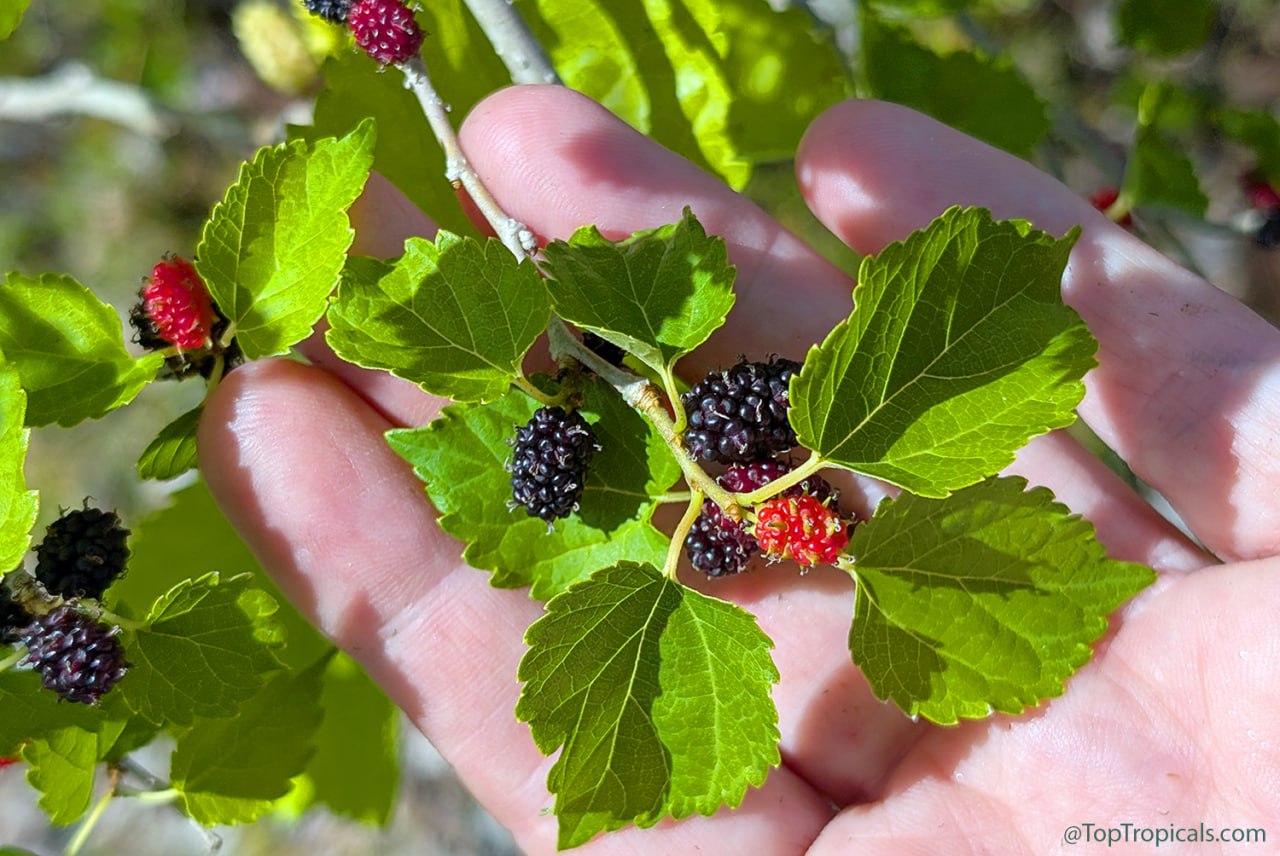
Mulberry Dwarf Everbearing, on a tree

Mulberry Dwarf Everbearing, on a tree

Mulberry Dwarf Everbearing

Mulberry Dwarf Everbearing

🍇 Want Massive Mulberry Harvests? Do These 5 Things Before May Ends


Don’t let your mulberry tree fool you. While they are incredibly low-maintenance, what you do in May dictates your summer harvest. Avoid these common mistakes for a bumper crop of juicy berries.

Mulberry trees are famously bulletproof, handling intense heat and pumping out massive crops with little care. But May is the month that decides it all. Right now, they are pouring energy into fruit development. A few simple mistakes this month can quietly sabotage your harvest.

Fortunately, maximizing your crop is easy if you follow these five simple rules:

1. The Deep Soak Rule


While established mulberries tolerate drought, moisture stress causes them to drop young berries early. Drop the sprinkler—frequent, shallow watering only wets the surface. Instead, give the tree a slow, deep soak that penetrates the root zone. Check the soil two inches down; if it’s dry, water thoroughly.

2. Lock it in with Mulch


Late spring heat evaporates soil moisture fast. Apply a 2-to-4-inch layer of pine bark or compost to keep roots cool and suppress weeds. Crucial rule: Leave a 4-inch gap around the base of the trunk. Piling mulch against the bark traps moisture and invites devastating fungal rot.

3. Don't Over-Fertilize


Mulberries are naturally vigorous. If you feed them this month, use a balanced, slow-release organic plant food. Avoid high-nitrogen fertilizers. Excess nitrogen triggers a massive explosion of green leaves, causing the tree to completely forget to grow fruit.

4. Put the Pruning Shears Away


Heavy spring pruning clips off active fruiting wood and decimates your harvest. Mulberries are also notorious "bleeders" - cutting now causes them to lose significant sap, stressing the tree during fruit set. Only remove dead or damaged wood. Save major shaping for winter dormancy.

5. Exploit the Softwood Cuttings Window


Want more trees? May is prime time for softwood cuttings. Cut a few 6-inch flexible green stems, strip the lower leaves, dip in rooting hormone, and tuck into moist potting mix in partial shade. They root incredibly fast!

Mulberry Plant Facts

Botanical name: Morus sp.
Also known as: Mulberry
USDA Zone: 8 - 11
Highligths Large tree taller than 20 ftSmall tree 10-20 ftFull sunWatering: Regular. Let topsoil dry slightlyEdible plant
Get personalized tips for your region

🛒
Choose from Mulberry varieties

📚 Learn more:


Mulberry (Morus hybrids) in Plant Encyclopedia
Mulberry yogurt swirl: Quick-n-Fun exotic recipes
Why gardeners say this is the best Mulberry ever
What are the best Mulberry varieties

#Food_Forest #Discover #How_to

🟢 Join 👉 TopTropicals
Date: 14 May 2026

How to take your plants from good to exceptional

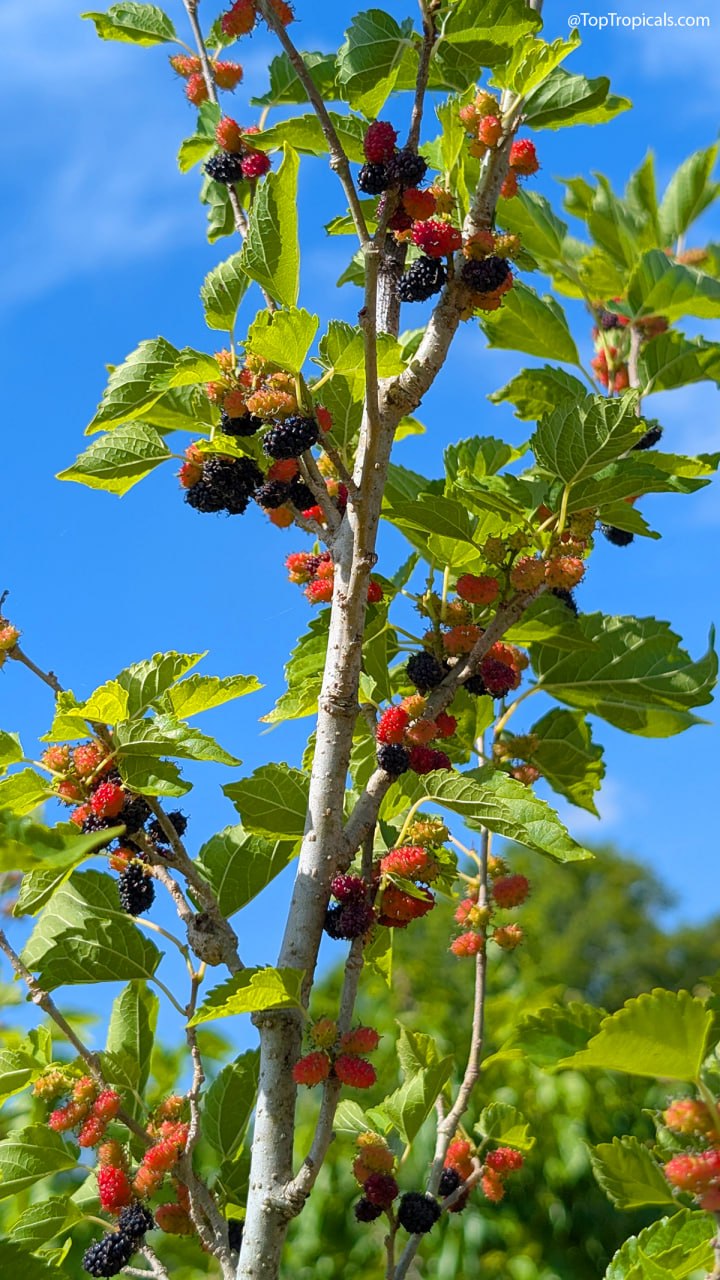
Cats Smokey and Sunshine using Sunshine Boosters supplements on plants

Cats Smokey and Sunshine using Sunshine Boosters supplements on plants

How to take your plants from good to exceptional


If your plants are growing but not really impressing you, this is the missing piece. Basic feeding keeps plants alive. The right boosters take them further - stronger growth, better blooms, sweeter fruit, and healthier plants overall.

☘️ Additional boosters that take plants to the next level


Beyond the base nutrition, Sunshine Boosters includes additional products that help plants perform better during key stages of growth. All formulas, including supplements, are compatible and can be used together when needed.

☘️ Full microelement support


Sunshine SuperFood is a microelement supplement that corrects deficiencies and improves flowering and fruiting. It helps with yellow leaves, weak growth, poor rooting, and low fruit set.

☘️ Growth and stress support


Sunshine Epi is a natural bio-stimulant that supports faster growth, stronger roots, and better resistance to stress. It helps plants handle cold, heat, drought, and disease.

All these boosters work together with the base Sunshine Boosters system. They do not replace regular feeding but enhance it. When used at the right time, they help plants grow stronger, flower better, and produce higher-quality fruit with improved taste and appearance. 👉 More...

🛒
Get your plants real food

📚
Learn more:
How to feed the right formula at the right time
Why your plants need more than NPK
What makes Sunshine Boosters different
Sunshine Boosters: Complete Plant Nutrition System
Why do you need Sunshine Boosters?
📱 What are Sunshine Boosters

#Discover #Fertilizers #How_to

🟢 Join 👉 TopTropicals