Garden Blog - Top Tropicals

Date: 1 Mar 2026

Skip the lemon - 5 better fruits for a cough

Best fruits for a cough

Best fruits for a cough

Skip the lemon - 5 better fruits for a cough 😰

5 fruits to eat when you have a cough or cold - backed by research

When you are fighting a cough or cold, your immune system works overtime. While no fruit can cure a viral infection, certain fruits contain nutrients and bioactive compounds that may help reduce inflammation, support immune defenses, and ease respiratory discomfort.
Here are five fruits supported by nutrition research that may help during cold season.

1. Pomegranate 🍅

Pomegranate is rich in polyphenols, especially punicalagin, known for antiviral activity.
According to a study published in PubMed, pomegranate polyphenol extract suppressed replication of influenza A virus in cultured cells and showed direct virucidal effects. Researchers identified punicalagin as a key compound involved in blocking viral RNA replication. These findings suggest pomegranate extracts may help reduce viral load during respiratory infections.

2. Kiwi

Kiwi is exceptionally high in vitamin C, a nutrient closely linked to immune function and respiratory health.
A study published in Antioxidants (MDPI) found that consuming two SunGold kiwifruit daily for six weeks restored adequate plasma vitamin C levels in adults with a history of severe respiratory infections. Researchers concluded that kiwi consumption can directly support antioxidant defenses during respiratory illness.

3. Tropical cherries 🍒

Instead of traditional lemon, consider tropical cherries such as Malpighia (acerola cherry) and Eugenia (Surinam cherry).
Acerola (Malpighia glabra - Barbados Cherry) is one of the richest natural sources of vitamin C. Clinical research shows that adequate vitamin C intake is associated with reduced duration and severity of common cold symptoms. Vitamin C supports immune cell function and helps maintain the respiratory tract's protective barrier.
Eugenia species (Tropical Cherries) contain anthocyanins and phenolic compounds with antioxidant and anti-inflammatory properties, which may help reduce oxidative stress during illness.

4. Pineapple🍍

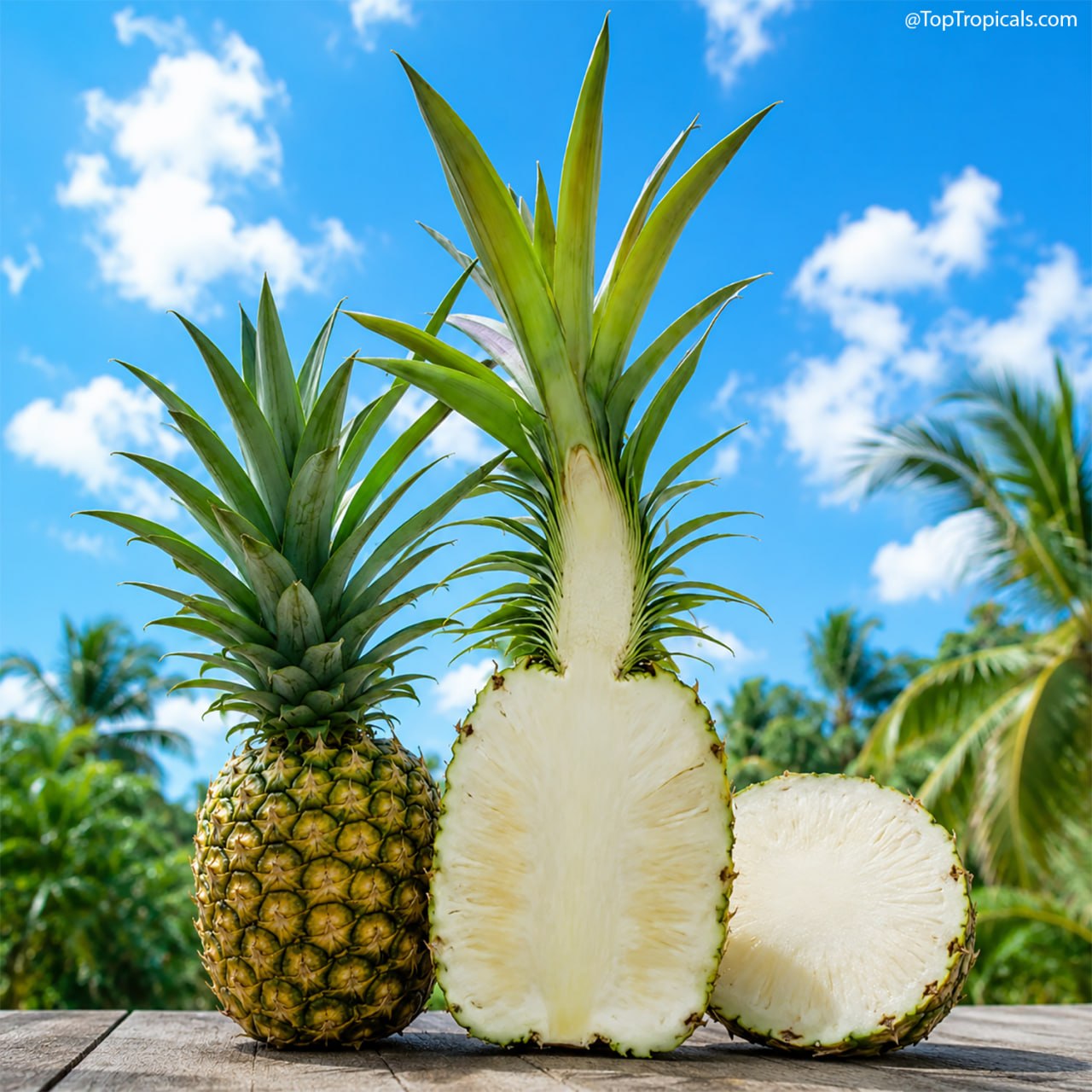
Pineapple contains bromelain, a group of proteolytic enzymes known for anti-inflammatory effects.
According to a study published in PubMed, bromelain significantly reduced inflammatory cell infiltration in the lungs in a mouse model of airway inflammation. These findings suggest bromelain may help ease airway inflammation and congestion.

5. Berries and including mulberries

Strawberries, blueberries, raspberries, blackberries and mulberries are rich in flavonoids and vitamin C.
Although direct clinical trials on berries for colds are limited, nutrition reviews highlight their immunomodulatory potential. Flavonoids such as quercetin, anthocyanins, and catechins have demonstrated antioxidant effects and possible antiviral activity in laboratory studies.
Mulberries provide additional anthocyanins and resveratrol-like compounds, offering strong antioxidant support during illness.

Practical tips when you are unwell ❤️‍�
  • 🔻Choose room-temperature or lightly warmed fruit to avoid throat irritation.
  • 🔻Prefer whole fruit over juice to retain fiber and stabilize blood sugar.
  • 🔻Pair fruit with warm herbal tea or honey if appropriate.
  • 🔻Rotate fruits to benefit from diverse phytonutrients.
  • 🔻If symptoms persist, worsen, or include high fever or breathing difficulty, seek medical care.


🛒 Grow your own vitamin-rich fruit

📚 Learn more:


#Food_Forest #Remedies #Discover

🟢 Join 👉 TopTropicals
Date: 26 Feb 2026

Stop Sugar Crashes: 5 Tropical Fruit Hacks for Healthy Dessert

Exotic Tropical Fruits for Blood Sugar Management. Stop the sugar crash cycle. Learn how to manage glucose levels and insulin spikes using tropical fruits, healthy fats, and metabolic hacks for healthy dessert.

Exotic Tropical Fruits for Blood Sugar Management. Stop the sugar crash cycle. Learn how to manage glucose levels and insulin spikes using tropical fruits, healthy fats, and metabolic hacks for healthy dessert.

🍨 Stop Sugar Crashes: 5 Tropical Fruit Hacks for Healthy Dessert


The smarter way to handle sugar cravings - no restriction required

Tired of the post-cookie slump? Sugar cravings are a physiological response to blood glucose fluctuations, not a lack of willpower. Refined sugars trigger an insulin spike followed by a hypoglycemic crash, trapping you in a cycle of fatigue and hunger.
The secret to metabolic health is managing glycemic load. By choosing nutrient-dense tropical fruits, you satisfy your sweet tooth while maintaining stable energy homeostasis.
The solution is not to give up dessert. It is to change what dessert means. Here is how to use tropical horticulture to hack your biology and regulate insulin:
  • 🍭 1. Choose fruit that comes with fiber


    Whole tropical fruits deliver sweetness wrapped in fiber, water, and nutrients. That slows sugar absorption and keeps energy steady.
    Try:

· Mango, chilled and sliced
  • · Sapodilla - naturally caramel-sweet
  • · Mulberries by the handful
  • · Loquat halves straight from the fridge
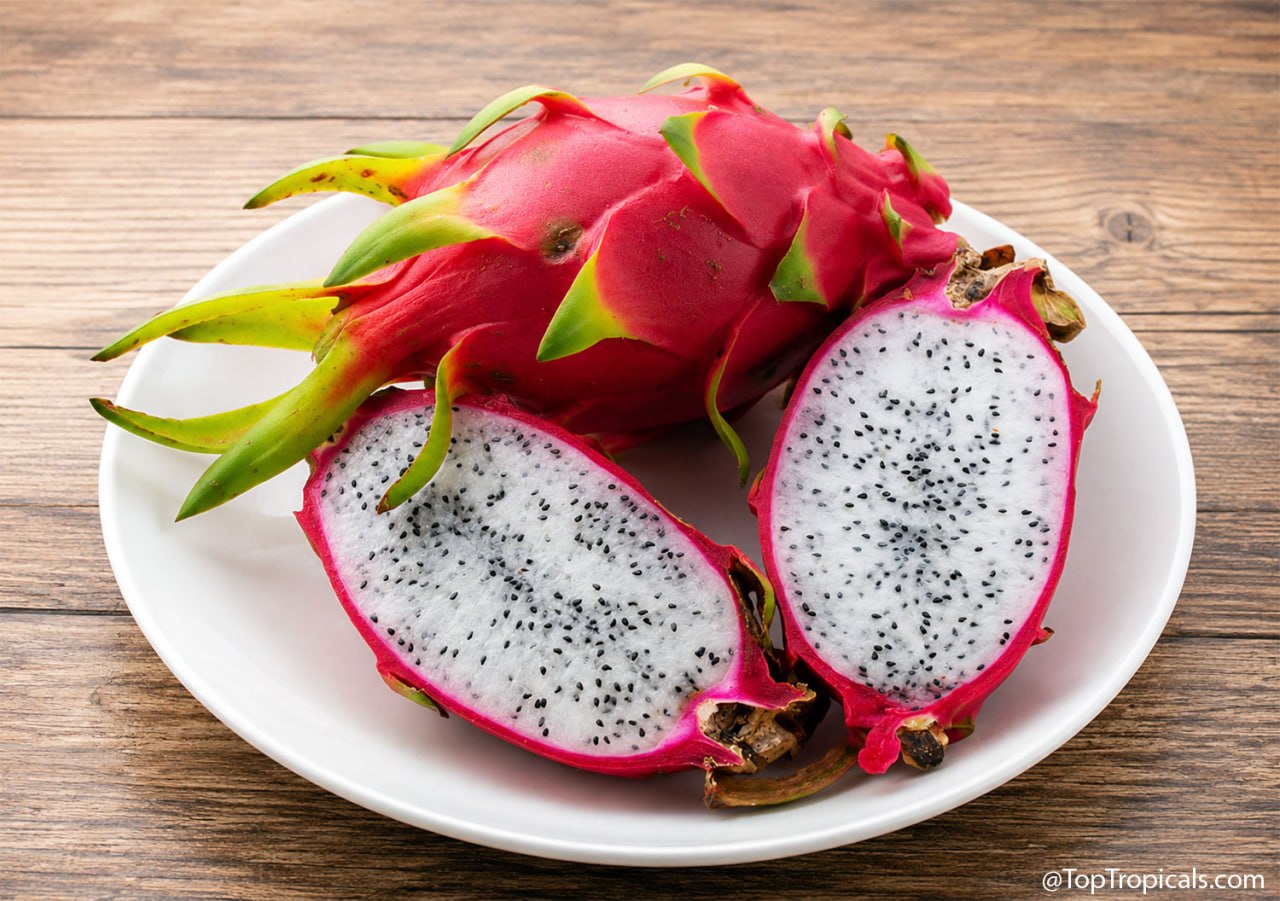
  • · Dragon Fruit for light, clean sweetness
Same pleasure. Less crash.
  • 🍭 2. Pair sweet with fat to blunt the glucose spike


    Healthy lipids are a biological hack for your metabolism. Fats slow gastric emptying, ensuring a steady glucose release rather than an inflammatory spike. Furthermore, lipids trigger cholecystokinin (CCK) - the hormone that signals satiety to the brain - effectively "turning off" cravings at the source.

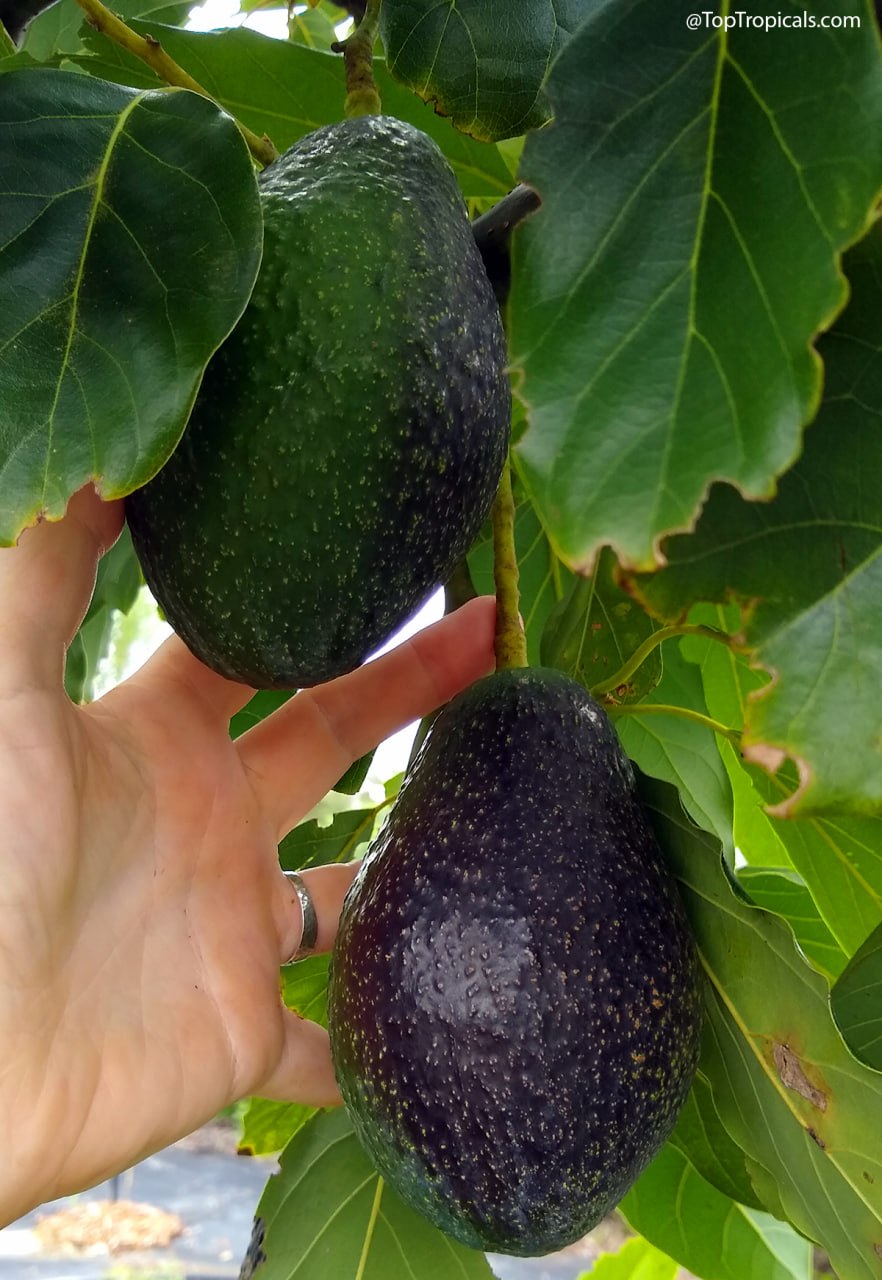
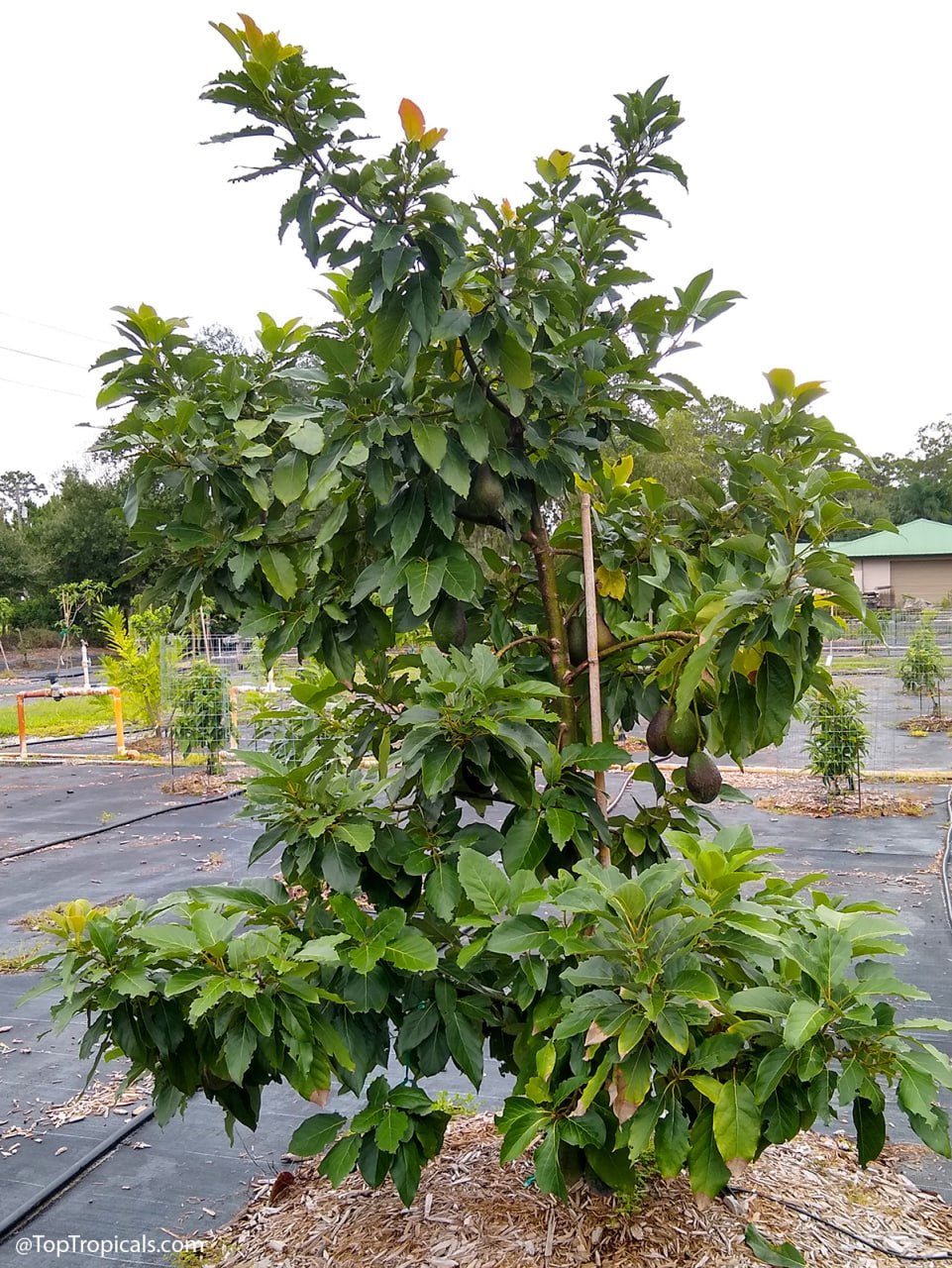
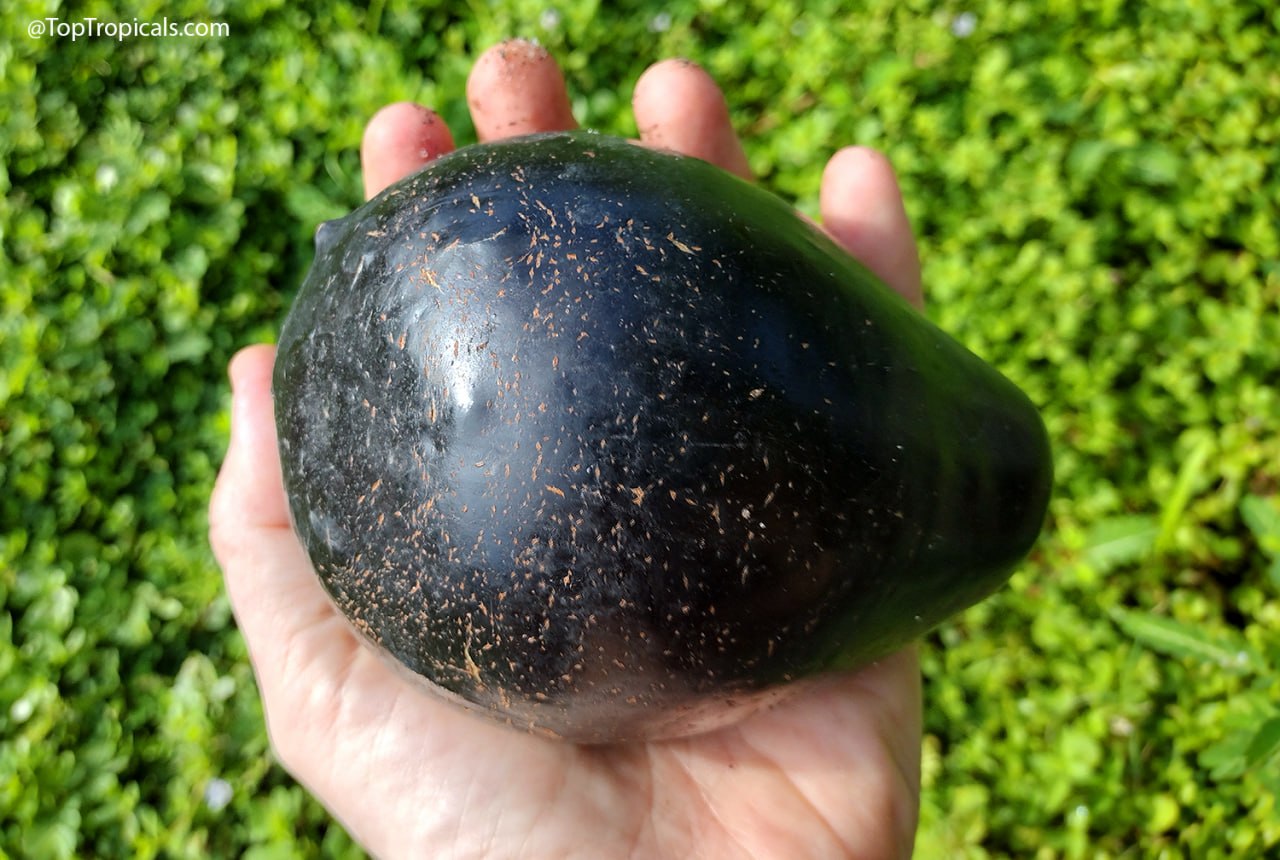
· Avocado blended into a chocolate-style mousse: The monounsaturated fats create a creamy texture while blunting the sugar response.
  • · Banana with nut butter: Combining fast-acting fruit sugars with dense protein and fats.
  • · Pineapple with raw nuts: The bromelain in pineapple aids digestion, while the fats in nuts provide long-lasting satiety.
  • · Mango mixed into full-fat yogurt: The combination of probiotics, protein, and lipids turns a simple fruit into a complete, low-glycemic snack.
When fruit is balanced with fat, cravings calm down instead of escalating.
  • 🍭 3. Use naturally rich fruits in place of sugar


    Some tropical fruits taste like dessert already.

· Jackfruit has candy-like sweetness
  • · Sapote is creamy and custard-like
  • · Guava brings floral depth
  • · Cherries add brightness
  • · Mash Banana into baking instead of white sugar.
  • · Blend Mango into yogurt instead of syrup.
  • · Top oatmeal with Mulberry instead of brown sugar.
Dessert stays. The crash disappears.
  • 🍭 4. Balance sweet with tart


    Adding contrast reduces the urge to overeat sweetness.

· Carambola adds crisp tang.
  • · Pineapple brightens the palate.
  • · Loquat gives gentle acidity.
Balanced flavors satisfy faster.
  • 🍭 5. Start the day right


    Skipping breakfast increases late-day sugar cravings.
    A morning smoothie with Avocado, Banana, and Mango prevents the afternoon energy dip. Hydration also matters - thirst often disguises itself as a sweet craving.
  • 🍭 In essence


    Dessert is not the enemy. Refined sugar is.
    When sweetness comes from nature's bounty, it nourishes instead of draining energy.
    You do not need to quit dessert.
    You just need to let nature handle it.

    Consult with a healthcare professional before making significant dietary changes, especially if you have diabetes or metabolic conditions


🛒 Start your tropical fruit journey

Annona · Guava · Mango · Sapodilla · Mulberry · Pineapple · Avocado · Banana · Loquat · Dragon fruit · Jackfruit · Sapote · Cherries · Carambola

📚 Learn more:


#Food_Forest #Remedies #Discover

🟢 Join 👉 TopTropicals
Date: 25 Feb 2026

A Miracle in the Garden: Watching a Tiger Swallowtail Rebuild Itself on a Magnolia Champaka - Joy Perfume Tree

Tiger Swallowtail Butterfly

A Miracle in the Garden: Watching a Tiger Swallowtail Rebuild Itself on a Magnolia Champaka - Joy Perfume Tree 🐯

Tiger Swallowtail Metamorphosis: From Cocoon to Joy
  • 🏼 Nature’s most mind-blowing magic trick happened right here on a branch of our Magnolia champaka - the Joy Perfume Tree. Did you know that when a caterpillar enters its chrysalis (cocoon), it literally dissolves its body and rebuilds it from scratch?
  • 🏼 This Tiger Swallowtail chose the legendary Joy Perfume Tree as its nursery. It’s a match made in heaven—the "flying tiger" of North America born on a tree famous for the world’s most expensive perfume scent. While most people know the Champaka for its intensely fragrant flowers, few realize that even the leaves release a soft, sweet aroma when brushed against.
  • 🏼 In this video, you’ll see the rare moment of eclosion - where the butterfly emerges with soft, wrinkled wings and begins the slow process of pumping life into them before its first flight.
  • 🏼 It is a real gem in your garden - not just for fragrance lovers, but for wildlife that clearly loves it too.
Watch this Tiger Swallowtail butterfly being born on a Champaka - Joy Perfume tree!

🛒 Bring the miracle Joy to your garden - the perfume Champaka tree

📚
Everything You Need to Know About the Joy Perfume Tree:
· How to grow Magnolia champaca and get some Joy
🟡The Fragrance: What does Joy Perfume flower smell like?
· Which Champaka tree is better - White or Golden?
🟡More:

🎥

#Perfume_Plants #Container_Garden #Trees #Discover

Plant Facts

Magnolia champaca, Michelia champaca
Joy Perfume Tree, Huang Yu Lan, Safa
USDA Zone: 9-11
Small tree 10-20 ftFull sunRegular waterYellow, orange flowersPlant attracts butterflies, hummingbirdsFragrant plantSubtropical plant. Mature plant cold hardy at least to 30s F for a short time
🟢 Join 👉 TopTropicals

Date: 24 Feb 2026

5 Heart-Shaped Plants Every Gardener Needs This Spring

Aristolochia " The "alien" flower that hosts rare butterflies.

Aristolochia " The "alien" flower that hosts rare butterflies.

Dombeyaflowers on the bush

Dombeyaflowers on the bush

Hoya kerrii Sweetheart Hoya

Hoya kerrii Sweetheart Hoya

Philodendron leaves

Philodendron leaves

Piper - edible leaves

Piper - edible leaves

5 Heart-Shaped Plants Every Gardener Needs This Spring 💕

❣️ Why heart-shaped?


Heart-shaped leaves instantly soften a garden. They feel welcoming, romantic, and just a little bit playful. But if you choose wisely, you will get much more than a cute leaf shape.

Before adding a plant to your collection, look beyond the foliage. Does it flower? Does it attract pollinators? Does it offer edible or fragrant benefits? The right heart-shaped plant can bring beauty, fragrance, butterflies - even flavor - to your landscape all year long.

Here are five plants that truly give your home a little love.
  • 💚 1. Aristolochias - bold leaves and wild flowers


    If you want a conversation starter, Aristolochia is the answer. These vines don't just offer bold, oversized heart foliage and produce "alien-looking" blooms that defy garden norms.

· Garden Hack: Use it to create "living shade" on hot west-facing walls to naturally cool your home.
  • · Extra benefits: Many species are host plants for Pipevine Swallowtail butterflies, making them essential for pollinator gardens. They grow fast, create dense shade, and can cool down hot garden walls during summer. 👉Explore Aristolochias


💚 2. Dombeyas - winter flowers when little else blooms


Dombeyas bring heart-shaped foliage together with spectacular winter blooms. Their large clusters of pink flowers resemble hydrangeas and appear when many other plants are resting.

Extra benefits: They bloom in the cooler months, feeding bees when nectar sources are limited. These fast-growing shrubs create privacy quickly and fill the air with a light, sweet fragrance during flowering season. 👉Explore Dombeya
  • 💚 3. Hoya kerrii - the living Valentine


    Often sold as a single heart-shaped leaf in a pot, Hoya kerrii is known as the Sweetheart plant. But when mature, it becomes a climbing or trailing vine with thick, succulent foliage.

    Extra benefits: It is extremely low maintenance, tolerates dry indoor air, and can live for many years. When happy, it produces clusters of star-shaped, lightly fragrant flowers. It is compact enough for desks and shelves, yet long-lived enough to become a true keepsake plant. 👉Explore Heart Hoya
  • 💚 4. Philodendron - classic hearts, endless varieties


    If you picture a heart-shaped leaf, you are probably imagining a Philodendron. From deep green to bright chartreuse like Golden Goddess, there is a variety for every style.

    Extra benefits: Philodendrons adapt easily to indoor or outdoor growing in warm climates. They help improve indoor air quality, tolerate lower light, and require minimal care. In the garden, they thrive in shade and add a lush tropical feel without demanding constant attention. 👉Explore Philodendrons
  • 💚 5. Piper - beautiful and edible


    Many Piper species have attractive heart-shaped leaves, but they offer more than good looks. Some are edible and culturally significant.

    Extra benefits: Piper betle and Piper sarmentosum leaves are used fresh in Southeast Asian cuisine, while Piper nigrum gives you real black pepper from your own vine. These plants grow well in warm, humid climates, thrive in partial shade, and combine ornamental appeal with practical harvest. 👉Explore Pipers
  • 💚 Ready to add some 'love' to your landscape?


    Heart-shaped foliage is charming, but the real value comes from what these plants give back - flowers in winter, butterflies in spring, edible leaves in summer, or easy indoor greenery all year.

    Choose plants that not only look lovely but also work hard in your garden. That way, your landscape is not just pretty - it is alive, useful, and full of personality.


🛒 Discover tropical plants with benefits

📚 Learn more:


#Container_Garden #Hedges_with_benefits #Discover

🟢 Join 👉 TopTropicals
Date: 22 Feb 2026

How to grow Papaya from seed, step-by step - FAQ

Carica papaya - Papaya fruit

Carica papaya - Papaya fruit

🍊 How to grow Papaya from seed, step-by step - FAQ

  • 💚 Is papaya a tree?


    No. Papaya is a herbaceous plant with a hollow trunk. Treating it like a tree is one of the most common mistakes growers make.
  • 💚 How fast does papaya grow from seed?


    Very fast. Papaya can start producing fruit in 10–15 months when grown in warm conditions.
  • 💚 Can papaya be grown in containers?


    Yes. Dwarf papaya varieties stay under 4–5 ft tall in containers and still produce full-size fruit.
  • 💚 Will seeds from grocery store papaya work?


    They will germinate, but the variety is unknown and usually not dwarf. If you want a compact plant, use seeds from a known dwarf variety.
  • 💚 Do papaya plants come true from seed?


    Yes. When the seed source is known, papaya grows true to type.
  • 💚 How long do papaya seeds take to germinate?


    Fresh seeds usually germinate in 2–3 weeks with warmth. Stored dry seeds can take 8–10 weeks.
  • 💚 What temperature do papaya seeds need?


    Above 70F, ideally 85–90F. Bottom heat greatly improves success.
  • 💚 Do papaya seeds need to be cleaned before planting?


    Yes. The slimy coating must be removed or seeds may rot instead of sprouting.
  • 💚 What soil is best for papaya seedlings?


    A well-draining mix or coconut fiber. Soil should be moist, never soggy.
  • 💚 Why do papaya seedlings rot so easily?


    Overwatering and poor drainage are the main causes. Young papaya roots are very sensitive to excess moisture.
  • 💚 Do papayas like transplanting?


    No. Papayas hate root disturbance. Reduce transplanting and move into larger containers sooner rather than stepping up gradually.
  • 💚 How big should the container be?


    After a 4-inch pot, move directly into a 1-gallon or even 3-gallon container to minimize root disturbance.
  • 💚 Does papaya need staking?


    Yes. Papaya grows fast, and the stem can outpace root development. Even light wind can knock it over.
  • 💚 How much sun does papaya need?


    Full sun. Shade causes leggy growth, poor flowering, and little to no fruit.
  • 💚 Should papaya be watered heavily?


    No. Once established, papaya prefers drier conditions. Large plants tolerate rain better than young ones.
  • 💚 Can papaya be planted in the ground?


    Yes, but only in well-drained soil and elevated spots. Low areas with standing water will kill it.
  • 💚 Is fertilizer important for papaya?


    Yes. Papaya is a heavy feeder. Poor soil means poor growth and little or no fruit. Use Green Magic once every 6 months or Sunshine Boosters C-Cibus with every watering.
  • 💚 Should papaya be pruned to control height?


    No. Pruning ruins its natural form. If height is an issue, grow a dwarf variety instead.


🛒 Explore Papaya varieties

📚 Learn more:

Plant Facts

Carica papaya
Papaya
USDA Zone: 9-11
Small tree 10-20 ftFull sunDry conditionsModerate waterYellow, orange flowersWhite, off-white flowersEdible plantEthnomedical plant.
Plants marked as ethnomedical and/or described as medicinal, are not offered as medicine but rather as ornamentals or plant collectibles.
Ethnomedical statements / products have not been evaluated by the FDA and are not intended to diagnose, treat, cure, or prevent any disease. We urge all customers to consult a physician before using any supplements, herbals or medicines advertised here or elsewhere.Subtropical plant. Mature plant cold hardy at least to 30s F for a short time
  • · Carica papaya in Plant Encyclopedia
  • · How to grow papaya from seed without killing it:
  • Part 1: Papaya basics
    Part 2: Seeds germination
    Part 3: Containers, sunlight, and common mistakes
  • · Carefree Garden: How Easy Is It to Grow a Papaya Tree?
  • · Male papaya produces fruit!
  • · Top 10 fast-fruiting trees: #6. Papaya
  • · How to have fresh Papaya fruit year around
  • · The truth about Papaya
  • · Papayas contain a secret enzyme

    🎥 Nobel Prize goes to this pregnant male papaya

    #Food_Forest #How_to #Papaya #Discover

    🟢 Join 👉 TopTropicals