Date: 23 Nov 2025
🏡 To Use Your Garden Or Be Used By It

Smokey and Sunshine November Planting.
Smokey: Winter roots make spring easy. Keep that plant straight.
Sunshine: I am keeping it straight by not touching it at all.
Smokey: That is exactly what I was afraid of.
November is the month when the garden finally stops yelling at you. The heat backs off, the bugs calm down, and the weeds take a breath. This is when we get to take control again. And as gardeners, we know the truth: Either you use your garden, or your garden will use you in spring. Let me walk you through this, gardener to gardener.
"November is when the garden finally listens. Give it a little direction now, shape it, guide it, and prepare it for spring. It will reward you all year." - Tatiana Anderson, Top Tropicals Plant Expert
🌴 When The Garden Uses You
We have all lived this scene:
- March weeds appear, and two days later it looks like a jungle.
- One missed watering turns into five wilted plants and a full week of recovery.
- A skipped feeding shows up as yellow leaves and panic searching online.
- Bugs return fast, and suddenly you are washing leaves every other day.
- Random plant purchases fill your yard with chaos and mismatched care needs.
- When the garden takes control, spring feels like hard work, not joy.
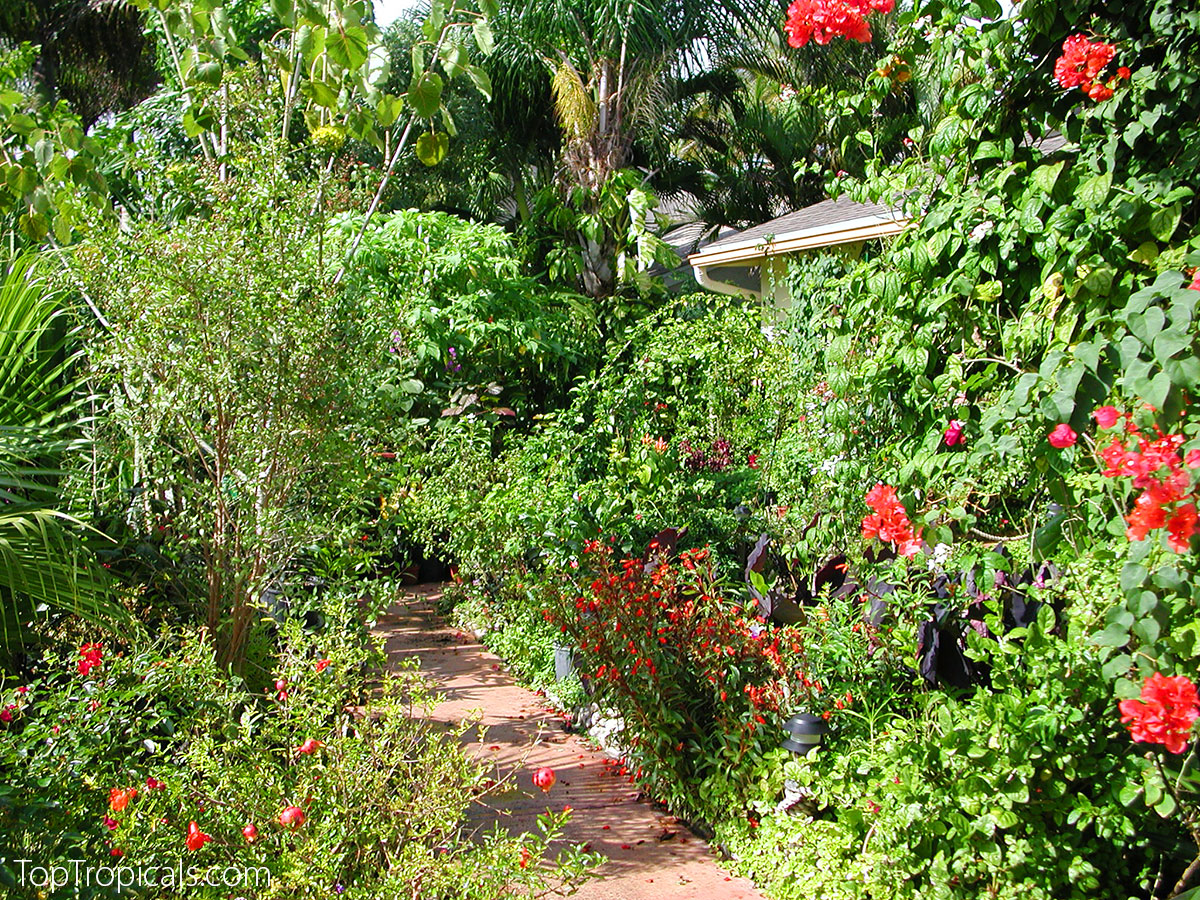
Overgrown Tropical Garden Showing How a Garden Can Use You
📊 When You Use Your Garden
November flips the script. Plants slow down. Soil stays warm. This is the safest month to experiment, move plants, fix mistakes, and redesign.
What you do now pays off huge in March.
- You map out sun zones and shade zones.
- You mulch now so weeds do not explode later.
- You move plants to better positions without heat stress.
- You remove the high-drama plants before they start another season of complaints.
- You pick what you want for next year instead of letting impulse buys rule you.
Spring becomes smooth instead of overwhelming. And honestly? It feels good to walk outside in March and see order instead of chaos.

In the photo: Every garden starts in small steps. Biquinho Pepper (front) in the garden.
What Benefit Do You Get Personally?
- Less watering.
- Fewer bugs.
- Bigger fruit.
- Better flowering.
- Less money wasted.
- Less time fixing problems you could have prevented now.
This is why experienced tropical gardeners adore November.

In the photo: Organized Tropical Garden. Firebush (lemon gold variety) and Cordylines (Ti Leaf) make colorful spots in the garden.
🐭 Start With Something Small Today (5 Minutes)
Pick one:
- Add mulch to the driest spot in your yard.
- Cut one dead branch from any tree.
- Move one pot to a better sun angle.
- Pull three weeds from the worst area.
- Water deeply once this week.
Small steps now save hours later.
⭐ One Short Story
Last year we planted a Star Fruit in November. By March, it was already covered in flowers, and have been harvesting fruit non-stop since then! That is what winter planning does: it gives plants a head start you can actually see.

🐍 Plants That Will Use You If You Let Them
These are great plants, but only if you plan before planting them:
- Banana (thirsty)
- Hibiscus (hungry)
- Brugmansia (sensitive)
- Passion vine (takes over anything it touches)
Place them wrong, and they become full-time jobs.

In the photo: Passion Vine taking over the swing.
🐰 Plants That Work For You
These feel like free upgrades to the yard:
- Moringa - grows almost on autopilot
- Star Fruit - continuous production
- Dragon Fruit - minimal effort for big results
- Cattley Guava - cold hardy, compact and fruitful
- Loquat - fast fruiting and hardy
- Mulberry - very cold hardy with fruit abundance
- Tabebuia - spectacular winter colors
- Brunfelsia - reliable night fragrance in shade
- Adenium - perfect container showstopper
- Jasmine - instant fragrance
- Mexican Flame Vine - fast growing yet controllable vine
- Wiri Wiri and Biquinho Peppers - always available for your kitchen
- Firebush, Hamelia - everblooming and hardy butterfly native
- Cordyline Ti Leaf - instant leaf colors
- Megaskepasma Brazilian plume - lush tropical foliage with red blooms in shade or sun
- Iris - hardy easy low-growing native for any soil
- Champaka, Joy Perfume Tree - legendary perfume tree that blooms almost year round
- Olive tree - maintenance-free source of olives
- Plumeria - instant Hawaiian perfume flowers all summer
- Dombeya - spectacular hydrangea-like blooms all winter
- Insulin Ginger - instant nature remedy
- Eugenia Cherries and Barbados Cherry - immediate fruit, compact trees for small gardens or pots
- Peanut Butter tree - exotic sweet fruit like peanut butter, compact tree
- Blackberry Jam fruit - exotic fruit like blackberry jam, very small tree
- Colocasia - instant tropical look with Elephant ears
- Strawberry tree - sweet cotton-candy fruit year around
- Papaya - fits any yard, delicious fruit and natural digestive remedy
Pick even one of these and your garden starts giving back.

In the photo: Cattley Guava brings not only tasty fruit but also a wonderful character with its amazing multi-color twisted trunk.
🌡️ November Advantage
You cannot ruin anything in November. This is the safest, calmest month to shape your garden the way you want. If you act now, spring becomes a victory lap. If you wait, spring becomes a rescue mission.

In the photo: Adenium is a colorful accent in the garden.
💐 Thanksgiving Tie-In
This is the season to reset, breathe, and be thankful for your outdoor space. A garden that works for you is one of the best gifts you can give yourself going into the new year.
Start your November plan today. Use your garden. Do not let it use you.

In the photo: Megaskepasma, Iris, Colocasia, Crotons, Dracaena and Ti Leaf bring instant tropical look to your garden.