Q: What tropical trees are fruiting and flowering
in March?
A: There's always something blooming and
fruiting, especially with spring on the way! Our garden is buzzing with bees and
butterflies, and in the nursery, you'll always find plants in bloom or bearing
fruit. Here are a few standout winners of the season.
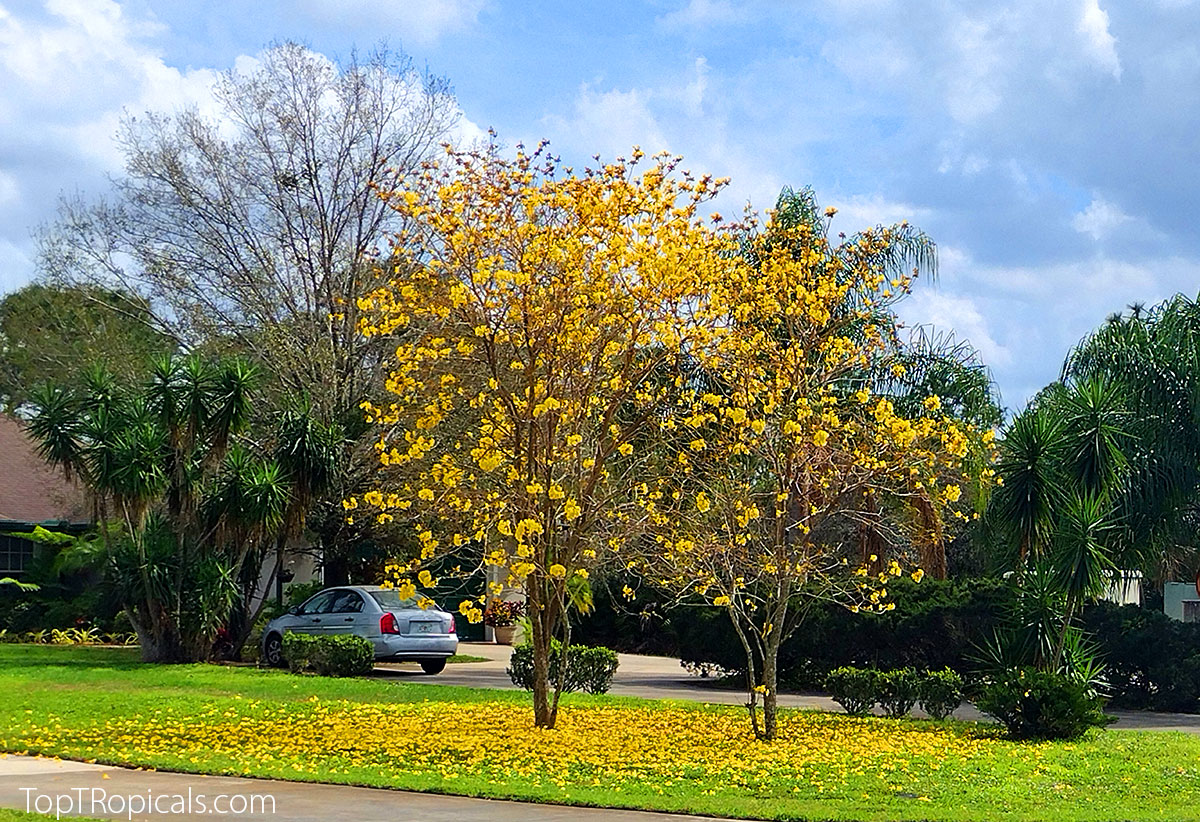
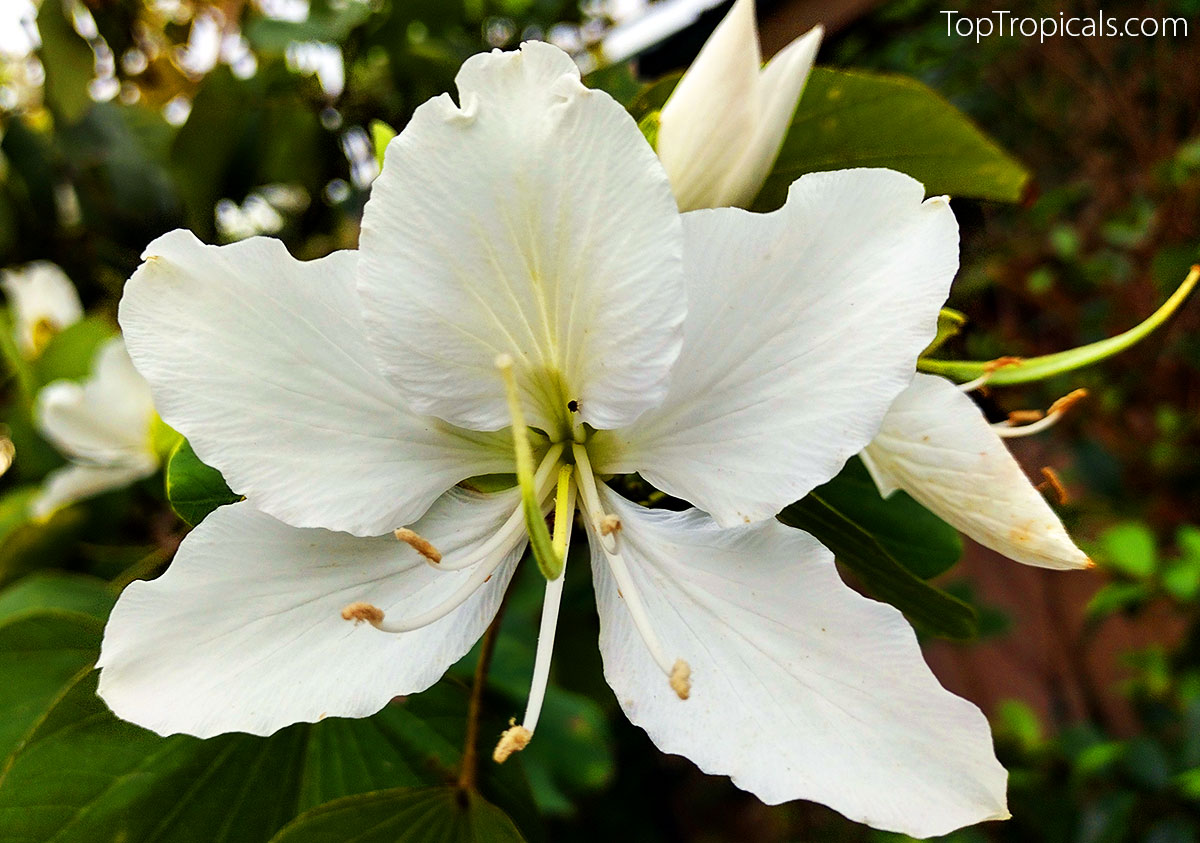
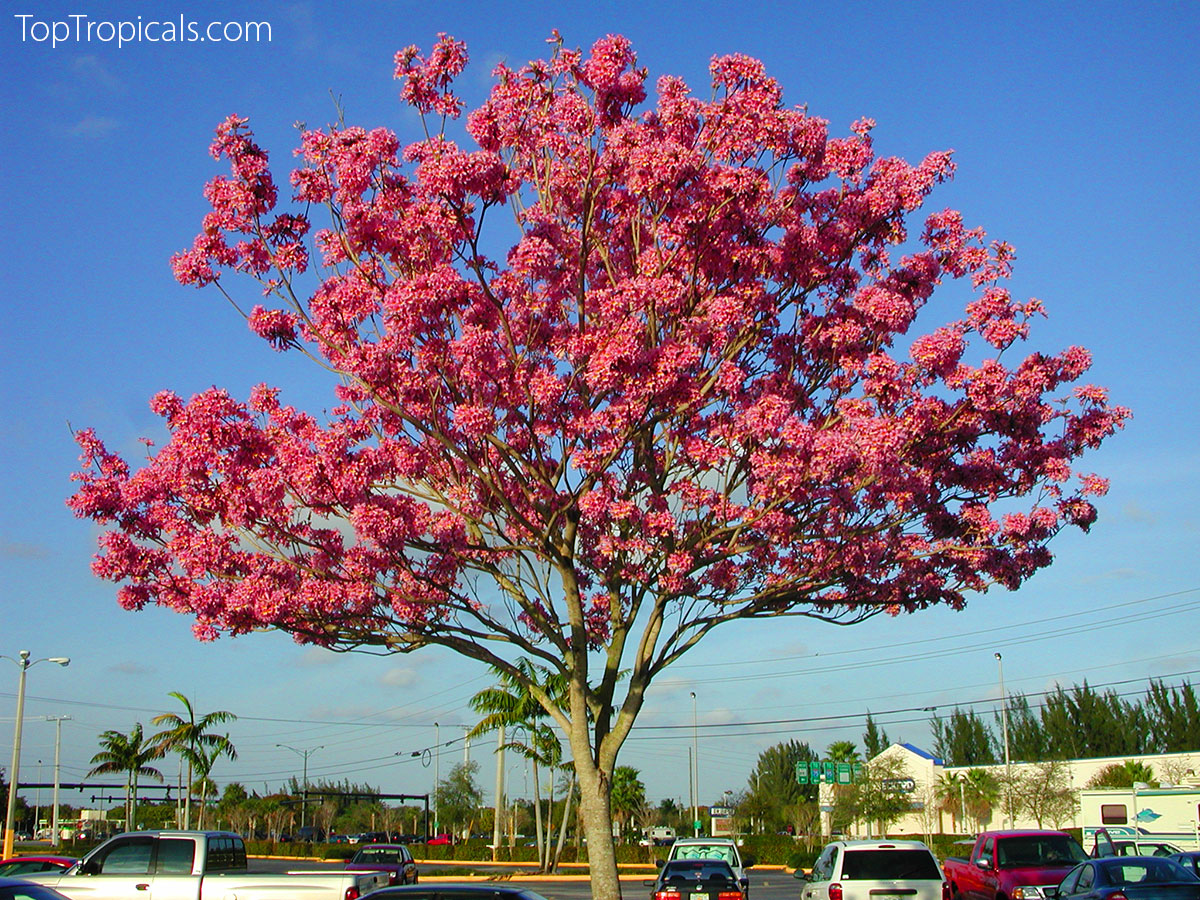
Orchid Trees
Orchid
trees are among the most spectacular trees in Florida, flowering from late
winter through spring. They are fast-growing, not fussy about soil or water,
and bloom for several weeks in a stunning display of white, purple, pink, or
red flowers. In the photo: Bauhinia alba (candida) - White Orchid Tree - the most cold-hardy of
all Bauhinias, tolerating temperatures as low as 26F. You can see them in full
bloom across Florida right now!
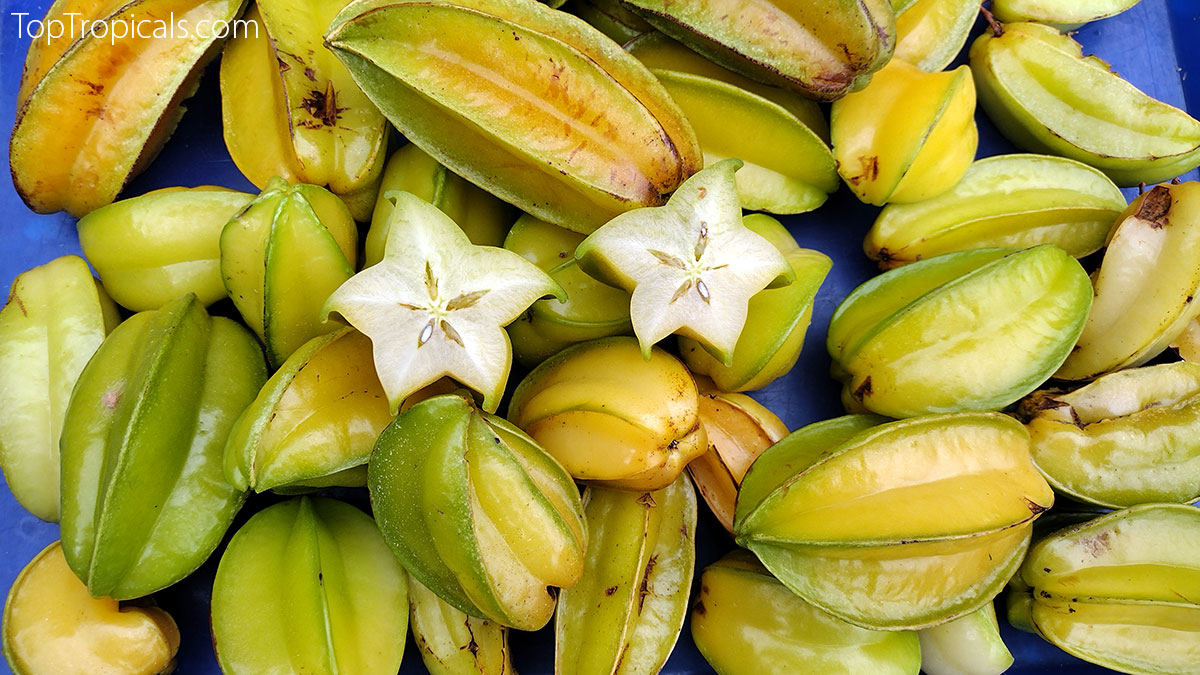
Starfruit trees (Averrhoa carambola) have been fruiting in our garden since fall,
and they just keep producing! We've had so many starfruits that we ended up
making lots of jam.
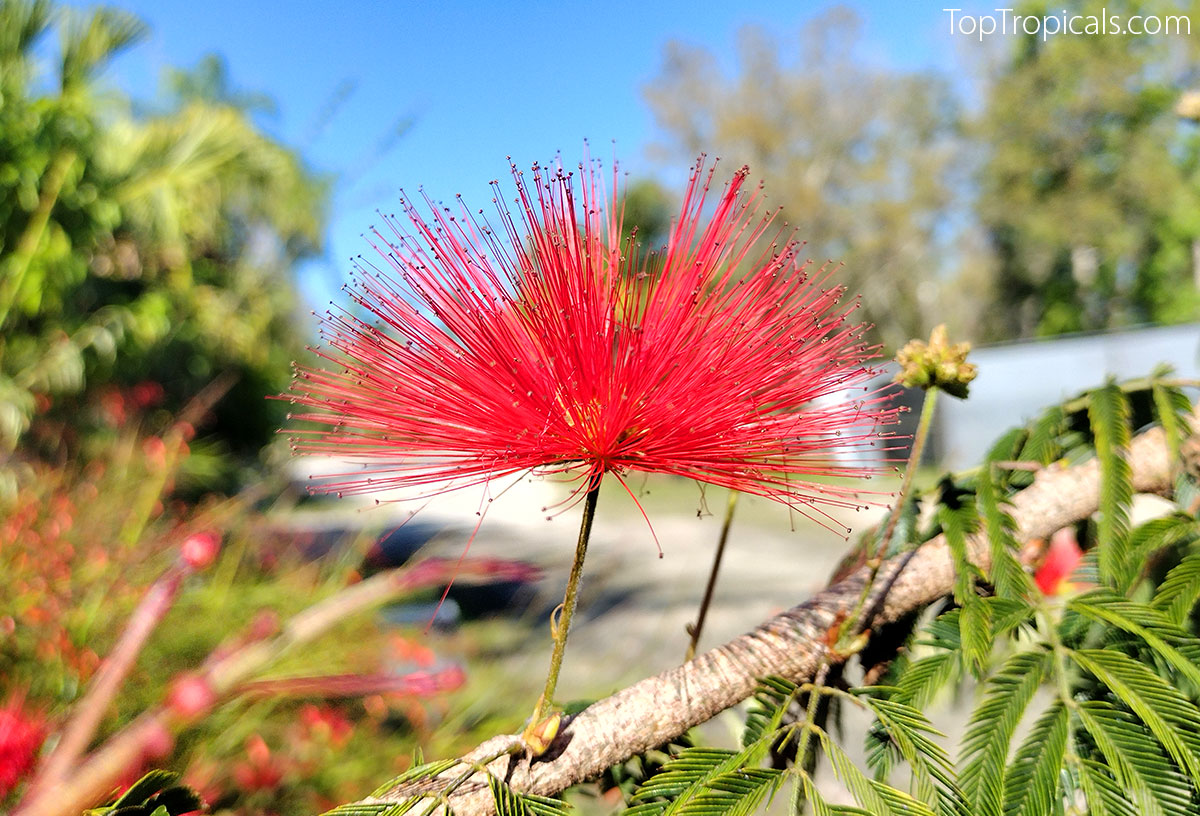
Calliandras are known to be spectacular winter bloomers, but in our garden, they
seem to flower year-round. They make fantastic ever-blooming hedges or
striking small specimen trees.
In the photo: red-flowering Calliandra tweedii "With Love" - Red Tassel Flower, yright now, this
beautiful bush is covered in red blooms in front of our office at Sebring
Farm.
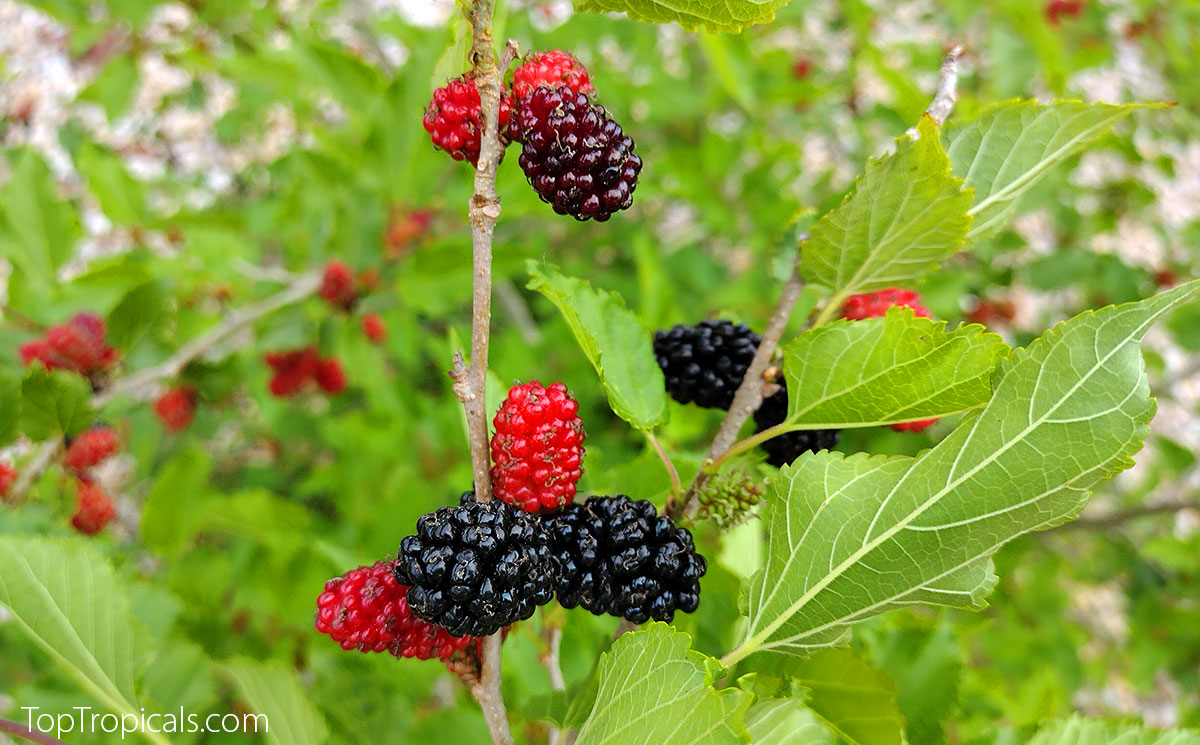
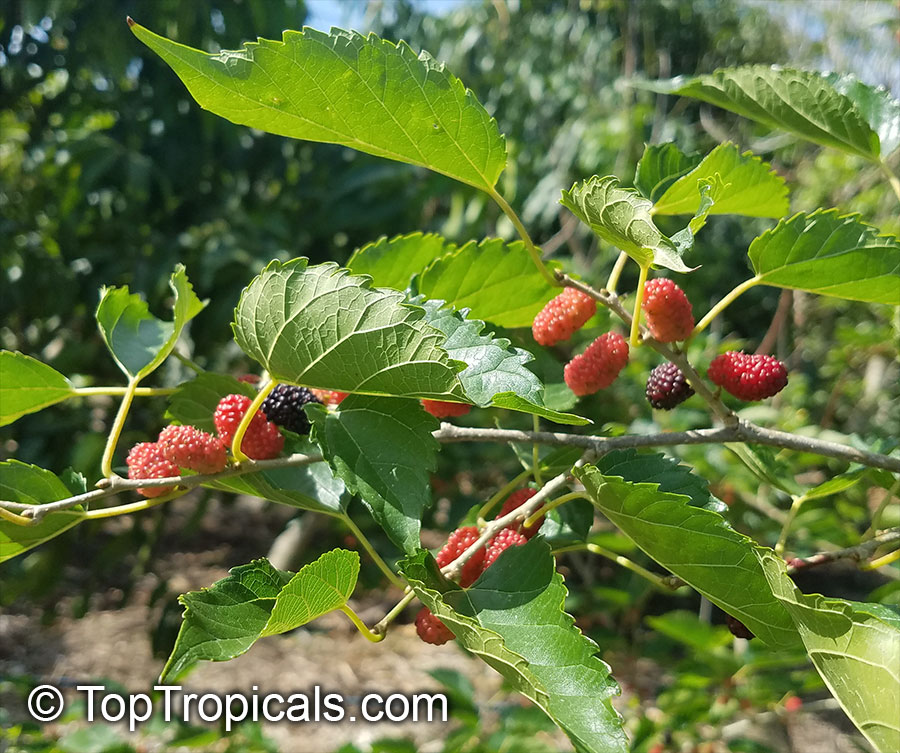
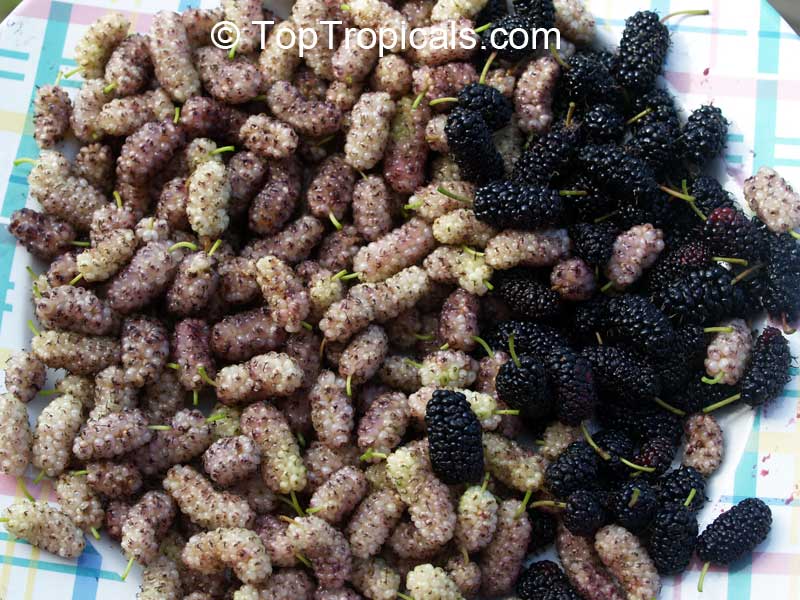
Yes, it's
Mulberry season! Some varieties have already ripened, while others are just
about to. We're competing with the birds to see who gets the first fruit,
but honestly, there's plenty for everyone! These trees are very cold hardy and
highly productive.
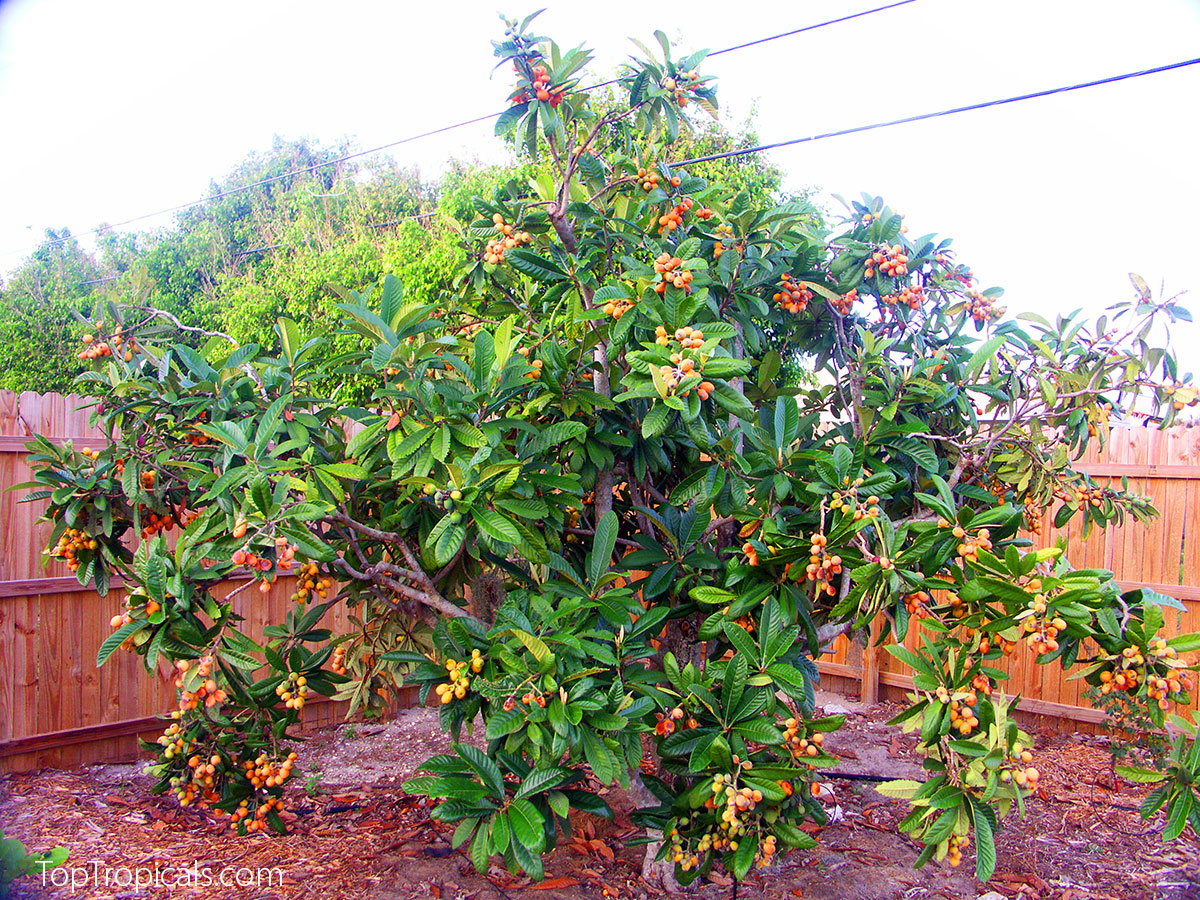
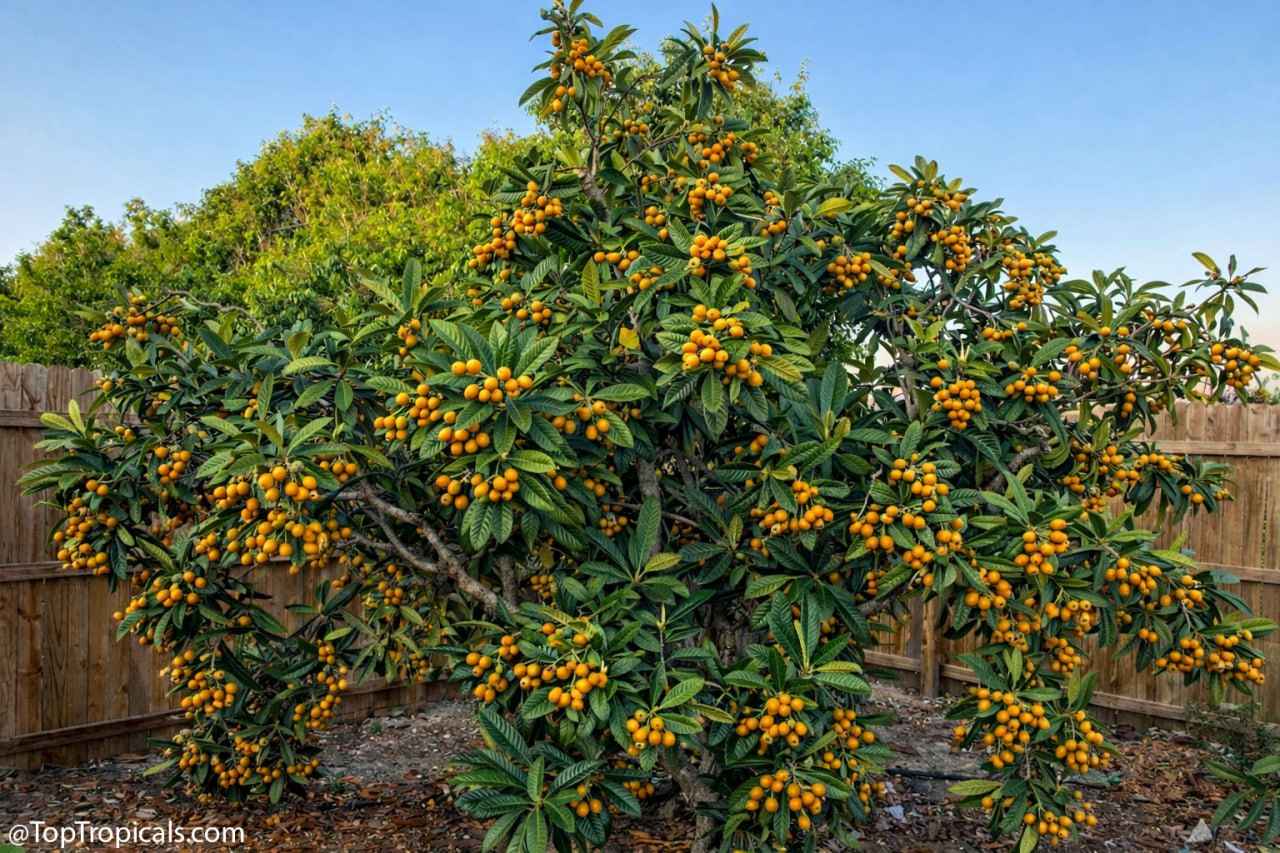
Loquat
trees (Eriobotrya japonica) are loaded with fruit right now! We've started
picking them and have already made some delicious preserves - you can only eat
so many fresh. Loquats continue fruiting through April and May, making them
one of the most rewarding, easy-to-grow, and productive fruit trees.
Customer comment on our Mulberry column in the previous newsletter:
...I planted a Himalayan mulberry, Morus macroura, about six years ago.
For several maddening years, it shot only very long, un-branching tentacles
out there, and it resisted my efforts to force some branching by pruning. It
would send another long, reaching shoot from the tip of the pruned branch,
with NO laterals. Several times, it did this. Finally, two years ago, it broke
buds that looked like they meant it all along those long branches, and in one
season, it fluffed out. The next season it elaborated on this, acting much
more like a proper tree. The fruit is fabulous, three or more inches long, very
sweet, with a rich berry flavor that's more raspberry than mulberry. I
guess it just needed more time. My understanding is that mulberries don't
really like to be pruned, but it needed to happen in this case, along a driveway,
so I reigned it in, and now it's a treasure. Be patient.
Cheers, your admirer, C
Q: What is the difference between Pakistani and Australian
Mulberry plants? Would one be better suited for South Florida backyard? Can one be
maintained/pruned to be a tall shrub vs a large tree? Which one has the
sweetest fruit? Thank you for the previous plants we've purchased from you.
They're all doing great.!
A: These two varieties are very similar indeed.
Both fruit are very large. Var. Pakistani fruit is a little longer than var. Australia and the tree is a more vigorous grower, but they both are
very sweet, even before the fruit fully ripen. Both trees are a good choice and
start fruiting at a young age.
We've had Australia in the ground in our garden for 4 years by now and
for some reason, it has been very slow growing which is normally not the case
with Mulberries. Maybe it is not fully happy with FL humid conditions.
There are two Mulberry varieties that can be maintained as bushes: Issai
and Dwarf
Everbearing. However, even vigorous Mulberry trees respond well to
pruning and can be kept compact for easy harvesting. Just make sure to prune before
the flowering season starts; here in S Florida Mulberries start flowering in
March, and fruit start ripening during April-May.
Stop Fixing Your Soil: 15 Bulletproof Fruit Trees for Tough Ground
Loquat (Eriobotrya japonica) fruiting
Stop Fixing Your Soil: 15 "Bulletproof" Fruit Trees for Tough Ground 💩
Not everyone starts with a lush, loamy paradise. In many parts of Florida and the South, "soil" is just a polite word for sand, limestone rock, or depleted clay.
The biggest mistake new gardeners make? Spending hundreds of dollars on soil amendments before they ever put a tree in the ground.
The secret the pros know: You don't need to change your land to fit your plants; you need to choose plants that love your land. Some of the most delicious fruits actually thrive on neglect - and a few even produce better fruit when the soil is "poor."
🌳 The "Big 5" Toughest Fruit Trees
If your yard is a dry, sandy lot or a rocky outcrop, start with these. They are the ultimate "survivors."
Jujube, Chinese Date (Ziziphus jujuba): Arguably the toughest fruit tree on earth. It laughs at drought, poor soil, and neglect. The fruit is crisp like an apple when fresh and sweet like a date when dried.
Loquat (Eriobotrya japonica): A Southern staple. It’s evergreen, beautiful, and produces honey-sweet fruit in early spring when nothing else is ripe.
Mulberry(Morus alba): If you can’t grow a Mulberry, you might be gardening on the moon. It grows in sand, clay, or sidewalk cracks with equal enthusiasm.
Fig (Ficus carica): Figs actually prefer not to be pampered. In overly rich soil, they grow lots of leaves but little fruit. Give them well-drained, mediocre soil and they’ll thrive.
Pomegranate (Punica granatum): These trees are "stress-lovers." Rocky, alkaline soil is no problem, and a bit of soil stress often results in a higher sugar content in the fruit.
Pomegranate Plant Facts
Botanical name: Punica granatum Also known as: Pomegranate, Granada, Grenade, Pomegranate, Granada, Anar, Granaatappel, Pomo Granato, Romeira, Melo Grano
USDA Zone: 8 - 11
Highligths
🌳 Tropical Flavors That Don't Need "Perfect" Dirt
You don’t need a rainforest to grow tropical treats. These species are surprisingly resilient once they get their roots established.
🌟 The Sand-Lovers:
Mango (Mangifera indica): While young trees need a little babying, a mature Mango is incredibly drought-tolerant and handles Florida’s sandy "sugar sand" like a champ.
Mango Plant Facts
Botanical name: Mangifera indica Also known as: Mango
USDA Zone: 9 - 11
Highligths
Sapodilla (Manilkara sapota): A rugged, wind-resistant tree that produces fruit tasting like brown sugar and pear. It is a top-tier choice for coastal or sandy areas.
Tamarind (Tamarindus indica): It’s slow-growing but patient. Once it’s in, it’s there for a century, regardless of soil quality.
🌟 The Low-Maintenance Stars
Longan (Euphoria longana): If you’ve struggled with finicky Lychee trees, try Longan. It’s more cold-hardy and much less picky about its soil.
Citrus: While they need regular feeding (fertilizer), Citrus trees are naturally adapted to the sandy ridges of the South.
🌟 The "Quick-Win" Berry & Shrub Layer
If you want fruit this year, don’t wait for a tree to mature. Add these hardy producers to your edges. And here is why it works:
Dragon Fruit (Hylocereus undatus). It’s a cactus! It literally prefers poor, fast-draining soil over rich potting mixes.
Barbados Cherry (Malpighia glabra). A vitamin C powerhouse that handles low-nutrient soil with ease.
Grumichama (Eugenia brasiliensis). Slower grower, but steady and tolerant once established.
Surinam Cherry (Eugenia uniflora). Virtually indestructible. Often used as a hedge because it grows so vigorously in poor soil.
Pineapple Guava (Feijoa sellowiana). A beautiful silver-leafed shrub that is salt-tolerant and drought-resistant.
Pineapple Plant Facts
Botanical name: Ananas comosus Also known as: Pineapple, Pina
USDA Zone: 9 - 11
Highligths
🌳 The Strategy: "Plant First, Improve Later"
In the South, the "dig a $100 hole for a $10 tree" rule doesn't always apply. Trying to completely re-engineer your soil often leads to drainage issues (the "bathtub effect").
Try this instead:
1. Select a species naturally adapted to your pH and texture.
2. Plant it at the correct height (never too deep!).
3. Mulch heavily with wood chips. This improves the soil from the top down over time, mimicking a natural forest floor.