Garden Blog - Top Tropicals

Date: 19 Jan 2023

Plants and Cats... do they mix well?

Cat  with  houseplant  collection  in  a  tub

How to keep cats and plants together without going crazy

Growing indoor plants is a great hobby because it provides a sense of accomplishment and allows you to have a piece of nature inside your home. Many people know that indoor plants improve air quality and have a calming and stress-relieving effect...
Having cats in the house is also fun: they provide companionship and can be very affectionate. Just like plants, they also have a calming effect on people and can be very entertaining to watch. Taking care of a cat can provide a sense of responsibility and can be very rewarding...
When it comes to keeping both of these rewarding hobbies in the same house, the question is: are they compatible? Cats may be attracted to houseplants because they like to chew on leaves or dig in the soil... others pull the vines or even swing in hanging baskets!

To keep cats and houseplants in the same house follow these tips:
1. Grow a potted "cat grass" so a cat has some greens to chew
2. Provide alternatives such as chew toys
3. Train your cat... yes, sometimes it takes a spray bottle to teach staying away from a plant!
4. Create barriers/screens
5. Consider keeping plants in hanging baskets out of reach.
This will help keep your cats and plants happy and healthy together! As a purrfect start - order rare indoor plants online...

Cat  James  Coconuts  working  with 


screws

In the photo: James Coconuts is planning his handyman project

Date: 11 Oct 2022

Fertilizing in Fall:
Plants need food too!

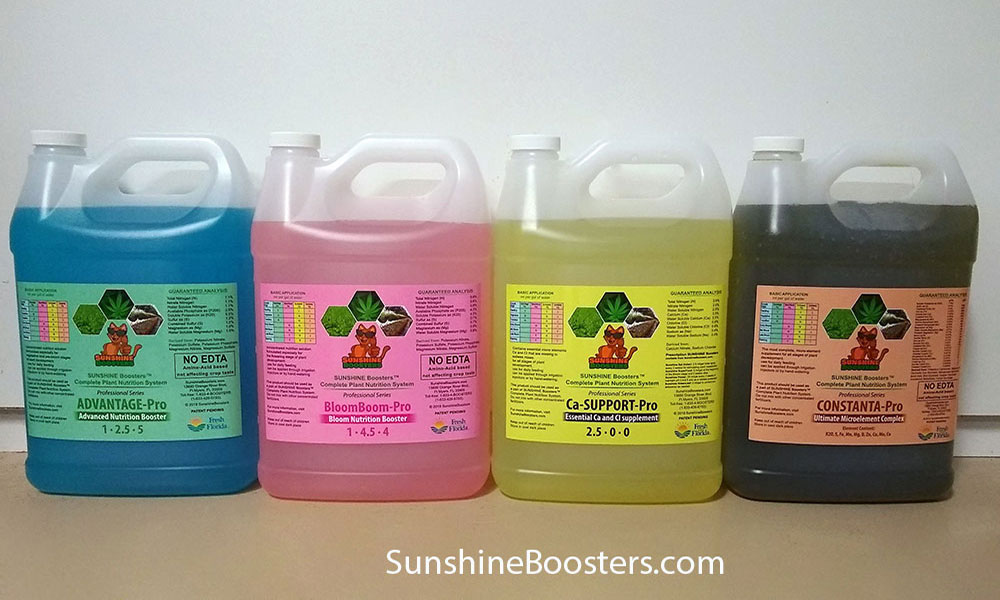
Sunshine  boosters  products  collage

Q: I know that I am not supposed to fertilize plants in winter. But I just bought several ground orchids from you, they are blooming now and I wonder if I can give them some food to support their bloom energy? When should I do the last application of fertilizer? I will keep them in a sun room during Winter until Spring.

A: Traditionally, end of October to November is the time when we give the last dose of fertilizer to our tropical plants. Liquid fertilizers, and especially amino-acid based Sunshine Boosters, are safe to apply year around. This means, you can continue feeding your plants with Sunshine Boosters through the Winter without risk of over-feeding or burning roots. Why?
The answer is very simple: even with their metabolism slowed down in Winter, plants will use all that food.
Sunshine Boosters have special mild formulas that are scientifically designed and based on Amino Acids. Plants will use all essential elements from the solution as needed.
Liquid fertilizer is diluted in water, and will be applied only when you water the plant. During Winter, water needs are lowered = watering times are less frequent, with less amount of water = the plants will get less water and less fertilizer accordingly.

Importance of micro elements
in combination with plant food during winter

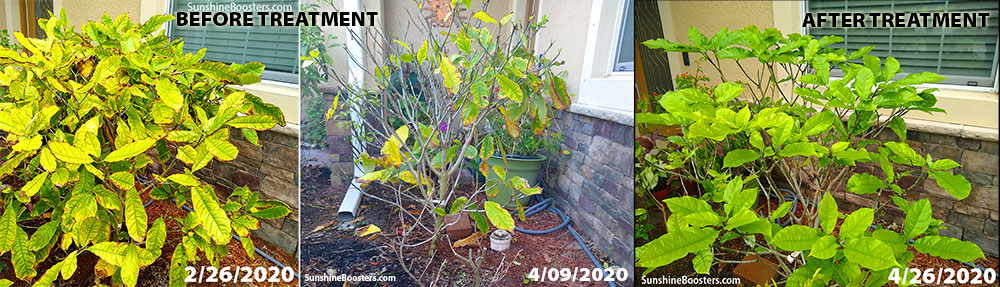
winter  chlorosis  on  Kumquat  leaves

In the photo: winter chlorosis on Kumquat leaves that is very hard to treat and should be prevented instead

Keep in mind that feeding your plants regularly during Winter will help to avoid "winter chlorosis" and other deficiency problems. So called "cool-temperature-induced chlorosis" (CTIC) is especially common in Spring on young, actively growing leaves. Unless chlorosis is prevented by micro-element applications, affected leaves may remain in this condition for the rest of the growing season.

Make sure to select proper type of fertilizer for your over-wintering plants. We have special formulas for foliage, flowering plants, fruit trees, young seedlings, even for for orchids and bromeliads. Check out our selection!

Cats  looking  for  food  in  grocery  bags

Date: 12 Sep 2019

Shipping live plants

Q: I am a rare plant collector and very impressed with your plants selection that I can not find in our local nurseries in California. I have never ordered plants online before and wonder how they make it through the trip and do you suggest any special care to help plants with recovery?

A: Shipping live plant in a box for several days is definitely a challenge both for a plant and for a grower. After many years of experience packing/shipping plants we learned how to make that trip a success. Thanks to our special packing techniques, breaking during shipping happens very rarely. However, in order for the plant to recover well from normal shipping stress, some special attention required from a customer too. You will receive care instructions with your order. Make sure to follow them thoroughly, otherwise you may put your plants at risk. These are a few factors to consider that affect your plant during transit. They may cause the following symptoms of shipping stress:

1. Lack of light. Complete darkness in a box is opposite to a bright light that the plant was used to. After 2-3 days it may cause leaf drop. If this happens, make sure to reduce watering. Less leaves means less evaporation, and a plant can't use excessive water which may cause root rot.

2. Extreme temperature. Hot summer or cold winter temperatures may put a tender tropical plant into serious shock. Usually the only time when temperature may affect the package is when it is left outside on your doorstep. Watch out for delivery by tracking the package with a number we provide in shipping confirmation email.

3. Dry air and lack of water. When packing plants, we saturate root ball and then wrap it tightly in plastic so normally your plant will have enough water supply for a 3-4 day trip unless there are unexpected delays. In a special package, the plant usually has enough of humid environment around the leaves, especially if there are several plants together. However if the box was exposed to heat it may dry out, and this will cause yellowing and/or drying leaves. In most cases this is not critical; cut damaged leaves and new growth will appear soon.

The shipping stress symptoms are normal and once you apply some extra attention and love, your plants will recover sooner than you think. Be patient, don't push with too much water or light, keep warm, in bright shade, and do not fertilize until the plant shows new growth.

Remember to always use SUNSHINE Epi - a natural bio-stimulant that helps stressed plants to recover quickly!

Date: 2 May 2019

How to propagate plants from cuttings. Top (Tropicals) secrets.

TopTropicals.com

Q: After pruning my jasmine, I have so many branches and I don't have a heart to through them away, can I use them to make more plants? Please tell me what size cuttings and do I need to remove leaves? Should I just stick them in the ground? Will they root? I don't know if you will be willing to share your secrets?

A: We are always happy to know that you grow more plants, and make our World better! These are some useful tips for the propagation of tropical plants using cuttings:

- Cuttings and leaves. Use cuttings 2-5" long. Strip leaves from the bottom. Cut larger leaves in half to reduce evaporation.
- Soak cuttings for 15-30 min in SUNSHINE solution.
- Mix. Use special well-drained mix with lots of soil conditioner: we have a special professional propagation mix for cuttings.
- Mist. Put community pots or trays with cuttings in mist, or if you don't have mist - cover the pot with a clear plastic bag to create a mini-greenhouse.
- Shade. Keep propagation pots in bright shade and never allow direct sun rays.
- Rooting hormone: yes, use it if you have it. Not only it promotes root formation but also prevents from fungus so the cuttings won't rot. We use Dip-N-Grow.
- Rooting and food. Check in 2-3 weeks for roots. Once you see the little roots, begin fertilizing with a special Baby-Plant Food and make sure never exceed recommended doze otherwise you may kill the cuttings.
- Establishing. Once roots start growing, plant in 4" pots in a well-drained potting mix and watch the beauty grow! Gradually move to the full sun only when little plants establish and start new growth.

If you are lucky to make more rare plants than you can use, contact us, we will buy them from you or trade for your dream plants! In fact, one of our customers from many years ago started selling us baby plants that he propagated from our plants, and now has a successful business (Karma Nursery); we buy a lot of plants from him every month!

For more ideas on tropical plant propagation, see also:
- Secrets of turtle tank propagation
- 5 secrets of propagation

Date: 10 Aug 2025

Tuxedo  cat  planting  tropical  tree  with  Sunshine  Boosters  bag,  orange  cat  waving  to  kitten  with  backpack  by  school  bus  in  sunny  garden 


scene.

🌺 Back to School and Back to Planting – Cats in the Garden

Back to School, Back to Planting – Why August Works for Tropicals

Planting Season Isn't Over Yet

August is still a good month for planting tropicals in warm climates. The soil stays warm enough to push root growth, and late-summer weather gives plants time to settle in before winter. In drier areas, regular watering will keep them moving along just fine.

Tropicals in warm climates aren't usually harmed by cooler Winter weather, but as days get shorter, growth may slow down. This is why planting in late Summer-Fall lets roots grow during this last warm stretch, so the plant enters winter already established.

By spring, those roots are ready to drive new shoots, flowers, and fruit. There's no lost time to transplant shock - plants can get straight to blooming and fruiting earlier in the season.

August Planting FAQ

How can heat be prevented from harming new tropicals?

Water in the morning so plants start the day hydrated. Warm soil is good for root growth, but don't let it dry out.

How should new plants be protected from strong sun?

For the first couple of weeks, use a shade cloth or even a white bed sheet to soften midday sun and prevent leaf scorch.

What fertilizer works best for planting in summer heat?

Controlled-release types are best. We use professional grade Green Magic. You may pair it with Sunshine Boosters for steady, gentle feeding through the warm months.

Which tropicals grow best when planted in August?

Most tropical plants do well when planted in warm end-of-summer conditions, including Mango, Avocado, Guava, Jackfruit, Annona, Bananas, Orchid Trees, Jasmines, Allamanda and most of flowering trees, shrubs and vines.

Can tropical trees planted in August produce fruit next year?

Many can, especially fast growers, since they have established roots by the time spring growth begins.

How can tropicals be kept healthy when planting in August?

Mulch around the base to help prevent soil from drying out too quickly. Water deeply in the morning to help plants handle the heat.

Shop Flowering trees

Shop Fruit trees and edibles