Garden Blog - Top Tropicals

Date: 5 Sep 2019

How to get Jasmines to flower
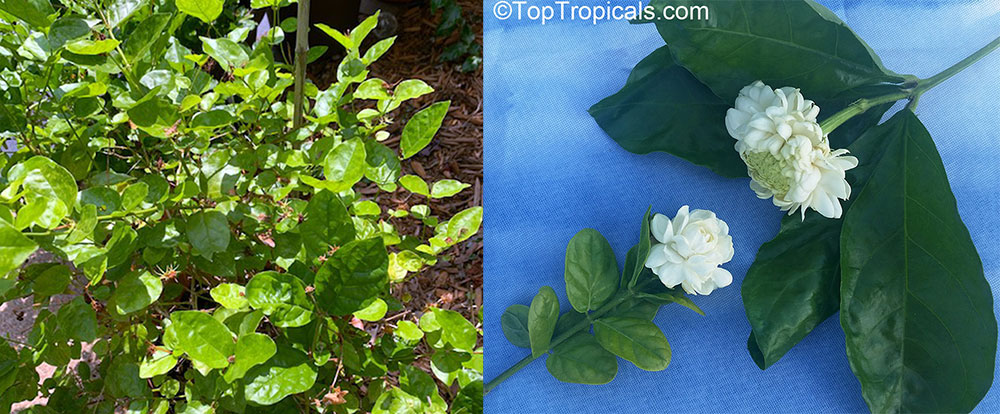
Q: On the picture, these are a few of the jasmine plants that I have from Top Tropicals. I have bought so many plants from you over the years, not just jasmine. I have several varieties of jasmine. They were all doing very well. However this year I didn't get a single flower. There are a lot of buds... But before the buds open they become brown and withered. I bought fertilizer from you. Fertilized the plants once a month like I always do. I water the plants once a week. I repotted the plants hoping that would take care of this problem. Some of the jasmine plants I pruned... the plants came back vigorous growth with a lot of buds... BUT it is the same problem! Please help.

A: One of the possible reasons why they have flower issues is - maybe they don't have enough sunlight. They need to be in full sun all day long for profuse blooming and proper flower forming. However since the buds are forming, there may be just enough light. In this case, dropping buds may be a sign of overwatering.

Important steps - how to make Jasmine Sambac flower:

1. Soil. Use only well-drained soil

2. Water. Keep plants on a dry side and never over water. If the top of the soil is still moist, do not water.

3. Sun. Keep in full sun all day long. The more sun, the more flowers.

4. Bloom booster. Use Flower booster fertilizers:
Pink N Good Daily Plant Food - Flower Booster
Fragrant Plant Special booster, this 90-day Smart-Release container plant food:
Plumeria Top Dress - Smart-Release Booster
Do not use fertilizers with high Nitrogen (1st number in NPK formula) - those will promote more leaves instead of flowers.

5. Micro-elements. Use Apply micro-elements, they will help the plant to develop healthy and long-lasting flowers:
SUNSHINE SuperFood - plant booster

Here is more information on growing Jasmine
Date: 18 May 2021

Mark your calendar:
June 19, 2021
Summer Solstice Celebration with PeopleCats

Special Event you can't miss!

First day of Summer and the longest day of the year! Live Jazz in the Garden, lots of cool vendors and "A Roof for Rufus" cat adoptions...
Come join the Top Tropicals crew for the longest planting day of the year. Onika, Bella, Mark and David will be here soaking in the sun and helping you to pick the right plants...

Saturday, June 19th
9:00 am - 4:00 pm

Top Tropicals is proud to partner with A Roof for Rufus cat adoptions. Each cat attending this event has been hand picked and approved by King.
Don't miss this event! Talk to the kitties and find your companion in life. PeopleCats never betray and they will love you forever!

SEE KITTIES PROFIILES >>

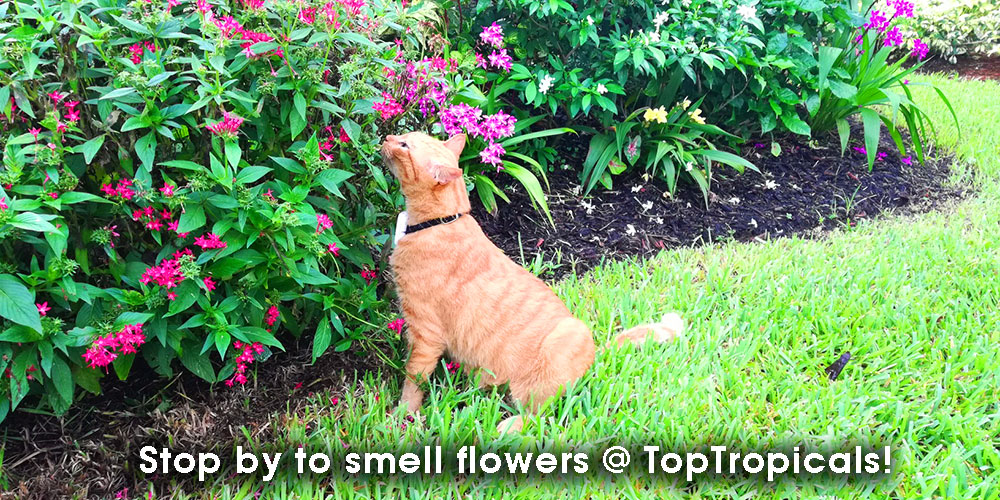
In the photo: PeopleCats from Roof for Rufus Rescue waiting for their forever homes.

Date: 26 Mar 2020

Nature's farmacy: Coronavirus cure discovery? Cinchona - Fever Tree

by Alex Butova

As the world's health experts race to find a cure for the novel coronavirus, this drug have jumped to their attention - Chloroquine. It contains alkaloid Quinine, extracted from the bark of the Cinchona, or Fever Tree.
We receive many questions from our customers if we carry this plant. Although we do not offer it at the moment, we definitely can tell you more about this interesting medicinal plant!

If you like gin and tonic, you will be familiar with the bitter taste of the tonic which is provided by quinine. While it is now mainly used to add a flavor to our favorite tipple, the Cinchona tree bark once held a place as one of the most important drugs in history.
Cinchona was discovered in the 1630s as a treatment for malaria and, for 350 years, was the only effective cure known in Europe until synthetic replacements were developed in the 1940s. Malaria remains today one of the deadliest diseases known throughout the tropics, but up until the 20th century the disease was prevalent throughout Europe, including Britain.

The Cinchona tree is native to the Eastern slopes of the Andes with a range across Ecuador, Peru and Bolivia. Once the bark became an established medicine, particularly in the 18th and 19th centuries, demand started to outstrip supply. Threats of overharvesting and the desire to control the source of this precious bark drove various competing empires to source this plant for themselves. Understandably, the Spanish, who were in control of this area of South America, actively tried to prevent this, but failed to establish successful plantations themselves. A race to source and cultivate Cinchona ensued, and eventually both the Dutch, in Indonesia, and the British, in India, founded government controlled plantations for the mass production of quinine.

Chloroquine appears to have "broad-spectrum antiviral properties" and effects on immune response, and to be effective against severe acute respiratory syndrome... As the rest of the world, we are looking forward to the research results and hope the cure will be found soon!

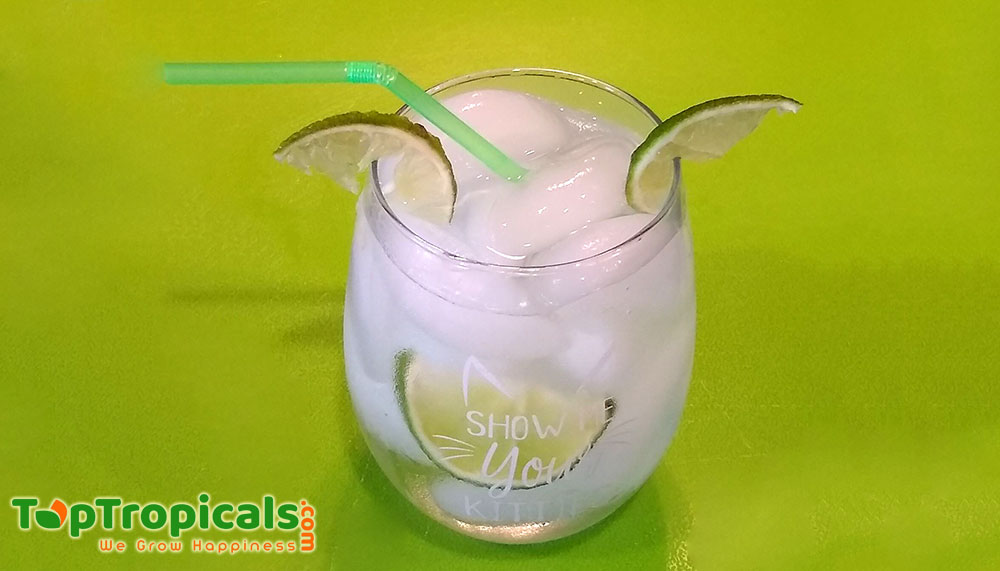
In the meantime, let's just have more Gin-n-Tonic!

Date: 4 Jun 2021

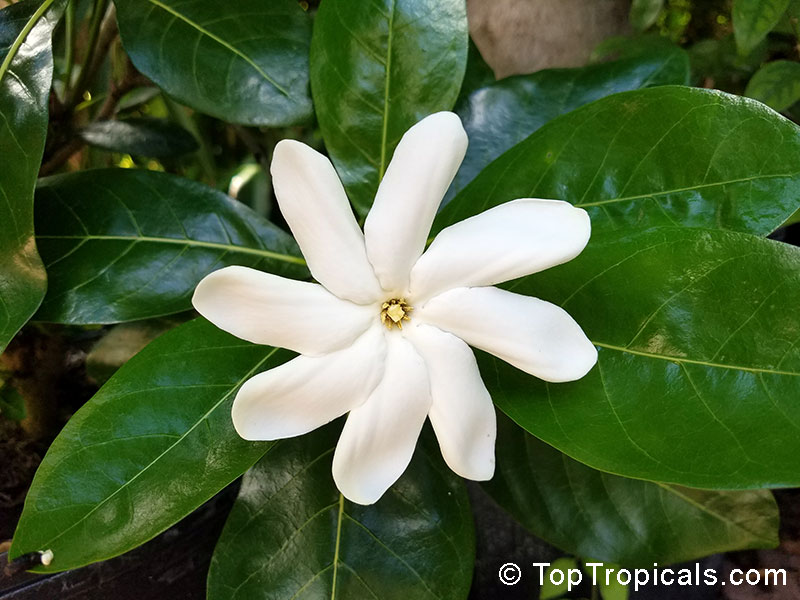
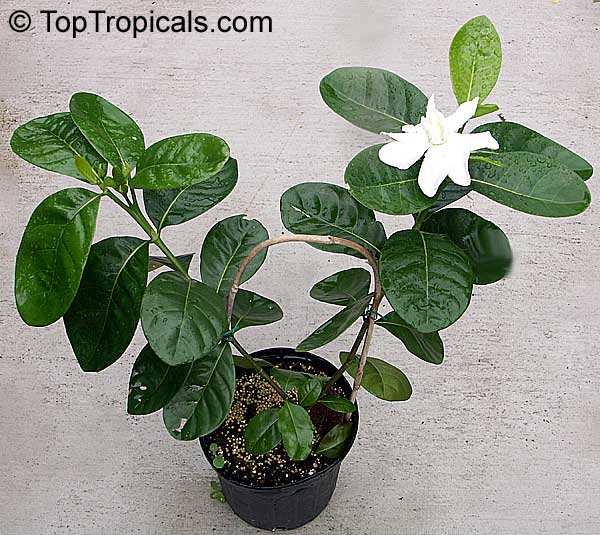
Tahitian Gardenia

Q: I am interested in your Tahitian Gardenia and I would love to try and grow this plant in a large container/fabric pot. The soil here where I live is terrible as it's hard rock, clay, and sand! So I'm not sure if amending the soil would help to plant in the ground? Can you tell me if this will do okay in a container or best in ground? I live here in Las Vegas, NV (zone 9a). Any information would be great to help me make a this decision, I love the selection of cool tropical plants you offer! Also my daughter does Tahitian/Polynesian dance and this would be a cool "topping on the cake" if she could have a live Tiare flower in her performances.

A: Tahitian Gardenia will be doing best if grown in container in your area. In its natural habitat, it grows full sun but also it enjoys mild weather conditions and high air humidity. All gardenias prefer acidic soils. In your area, if planted in the ground, it may be exposed to some harsh conditions: too high temperatures, too hot sun, dry air, and as you mentioned - heavy clay and sandy soil. You can enjoy this plant grown in container, which can be moved as needed away from too much sun during summer months. Use well-drained potting mix. Use plastic pot, do not use fabric or clay pots - soil will dry out too quickly.
Also remember to fertilize this plant on regular basis with a liquid fertilizer SUNSHINE Pikake - Fragrant Flower Booster.
Grow gardenia in full sun or semi-shade during the hottest months. You may spray it with pure water if the air too dry and hot. Enjoy your Tropical Beauty and good luck!

Date: 8 Jun 2019

Chosing a good avocado tree

TopTropicals.com

Q: I'm in coastal Broward County. I'm putting together an order on your web site, and one thing that I would like is an avocado tree. I'd like to have something as close to true "Hass" as possible. Which cultivar does well here in SE Florida, and is most like Hass in texture, creaminess, and flavor? I'm not a big fan of the yellow watery Florida avocados.

A: Mexican type of Avocado have dark skin and buttery texture, while Florida green fruit types (West Indian type, with smooth skin), have lots of delicious melting pulp, so it is a matter of preference.
In coastal Broward county you can grow a wide range of varieties since your climate is very mild, so you don't have select cold-hardy varieties like Winter Mexican, Brazos Belle or Joey, etc. Yet there are many interesting varieties that rare and much more exclusive than Hass, with the same, or even better, quality buttery fruit.

One of the most popular varieties - Brogdon, with red-purple colored pear-shaped fruit, very thin skin, and yellow buttery flesh. It is also very cold hardy.

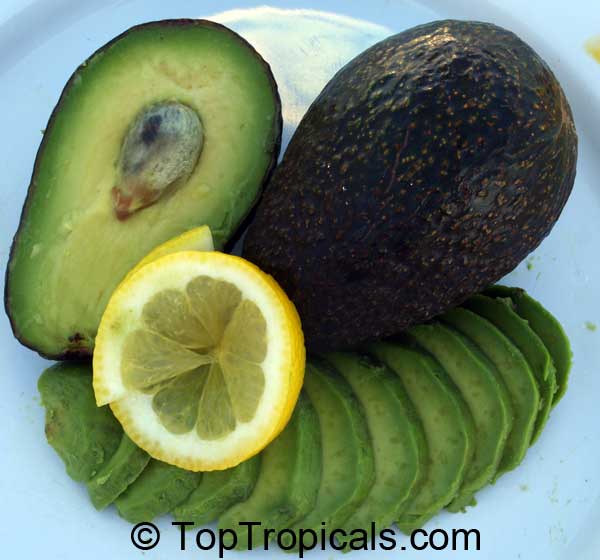
Very interesting exotic avocado is Kampong - Sushi Avocado - see photo above. The flavor of this fruit very nice, oily, creamy, nutty, reminds of almonds. At the same time, it has solid consistency and if you cut a square it remains a shape of the square. It is the best Sushi Avocado! It tastes great as an appetizer when cut in squares with some shrimp cocktail sauce.

Three collectible varieties:
Anise - leaves that smell like Anise, very rare, the fruit is of excellent quality, creamy and buttery.
Bacon - a large Mexican variety with dark-skinned medium-sized fruits, and a rich creamy flavor. It has exceptional fruit that ripen in late fall and into spring, they are easy to peel and have a light, subtle flavor. Another outstanding feature of the Bacon avocado tree is its angelic sweeping branches which helps keep the tree shorter and easier to pick its fruit.
Nishikawa is a very hot seller! Oval fruit somewhat resembles Hass, but larger, and has very high oil content.

See all Avocado trees from our store


Recommended fertilizers:
Fruit Festival Plant Food - Super Crop Booster
Mango-Food - Smart Release Fruit Tree Booster