Garden Blog - Top Tropicals

Date: 6 Dec 2024

What are the best varieties of Lychee Tree?
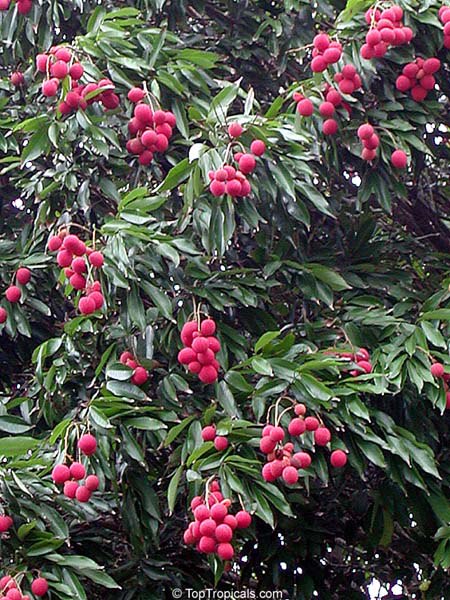
Lychee (Litchi sinensis) - fruit on a tree
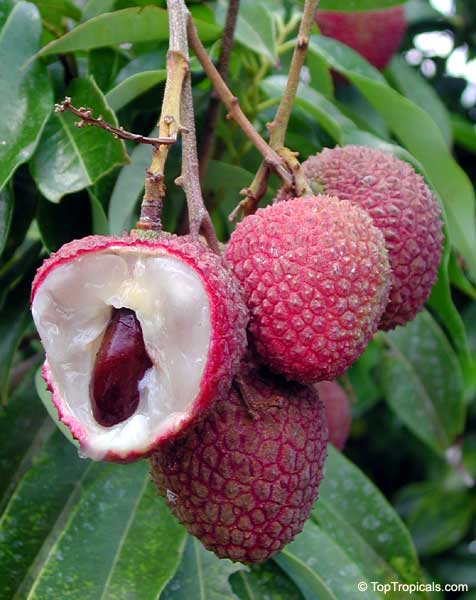
Lychee (Litchi sinensis) - fruit on a tree
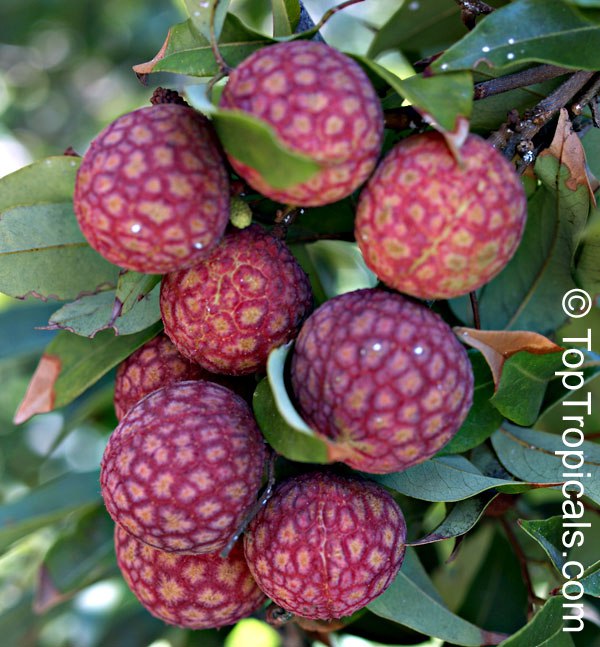
Lychee (Litchi sinensis) - fruit

Lychee (Litchi sinensis) - fruit
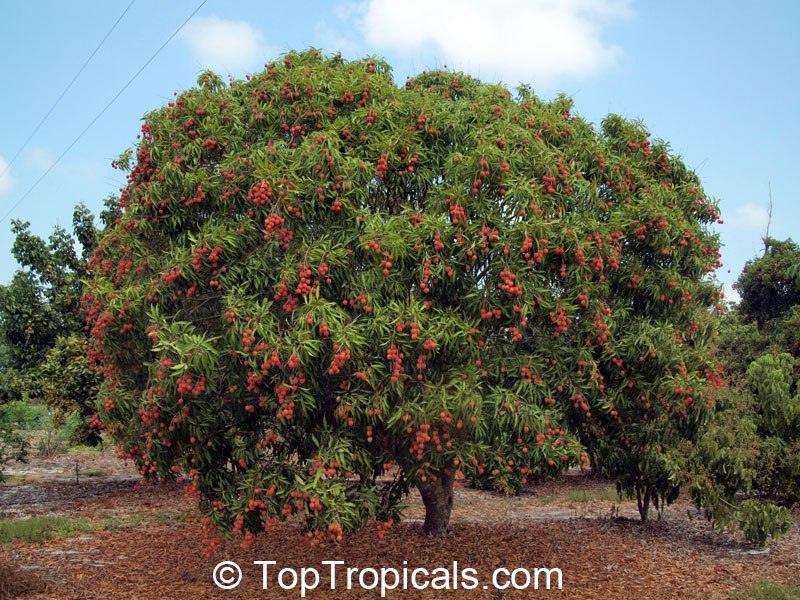
Lychee (Litchi sinensis) - fruit

Lychee (Litchi sinensis) - fruit

Lychee (Litchi sinensis) - tree

Lychee (Litchi sinensis) - tree

💖 What are the best varieties of Lychee Tree?

  • 🍓 The three most popular Lychee varieties are Brewster, Mauritius, and Sweetheart (sometimes referred to as Hak Ip). Brewster and Mauritius are the most reliable producers and are commonly used commercially, while Sweetheart is more of a backyard specialty. Although it produces fewer fruits, the fruit are significantly larger than other varieties.
  • 🍓 Brewster: Medium to large, round fruit and a sweet, slightly tart flavor, Brewster is highly productive and ideal for fresh eating.
  • Mauritius: Medium to large, round fruit with thick skin. It has a sweet, delicate flavor and is one of the earliest varieties to ripen.
    Choose Brewster or Mauritius if you want a reliable producer with an average fruit size.
  • 🍓 Sweetheart: True to its name, Sweetheart is prized for its exceptional sweetness. It has the largest fruit of all varieties, with a thick rind and juicy, flavorful interior.
  • Some growers consider Hak Ip to be just another trade name for Sweetheart, although it is sometimes marketed as a separate variety.
    Opt for Sweetheart if you prefer larger fruit but don't mind a smaller harvest.
  • 🍓 Keep in mind that Lychee trees typically produce every other year, with heavy crop years alternating with low production years or no fruit at all.


📚 Learn more from previous post:


What is the best fruit in the world? How to grow your own Lychee tree.

🛒 Shop Lychee varieties

#Food_Forest

🔴 Join 👉 TopTropicals
Date: 7 May 2025

Why you should grow a Pitanga tree

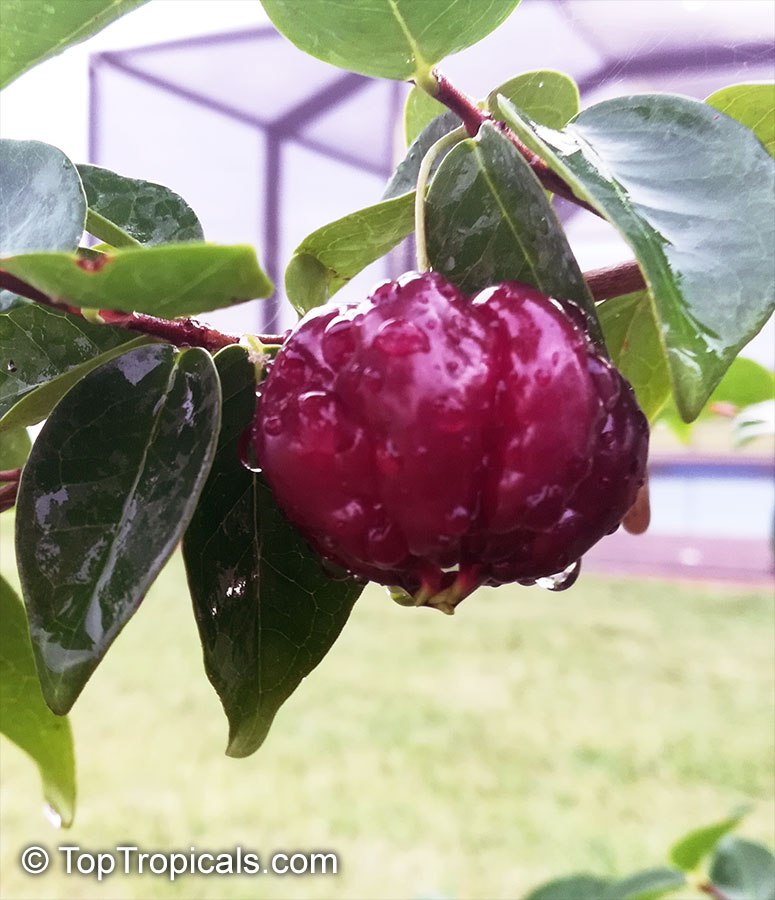
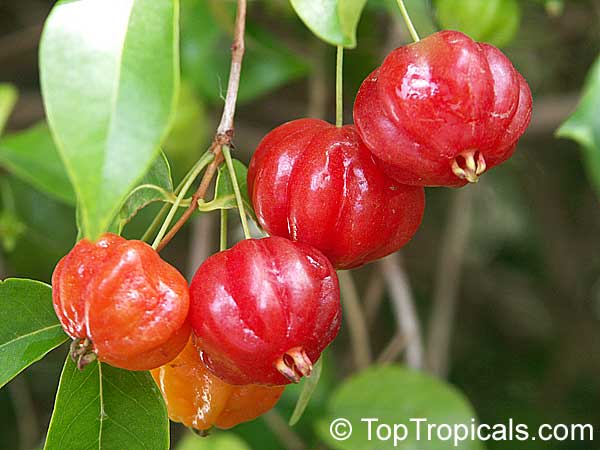
Eugenia uniflora - Surinam cherry, Brazilian cherry, Pitanga tree - fruit

Eugenia uniflora - Surinam cherry, Brazilian cherry, Pitanga tree - fruit

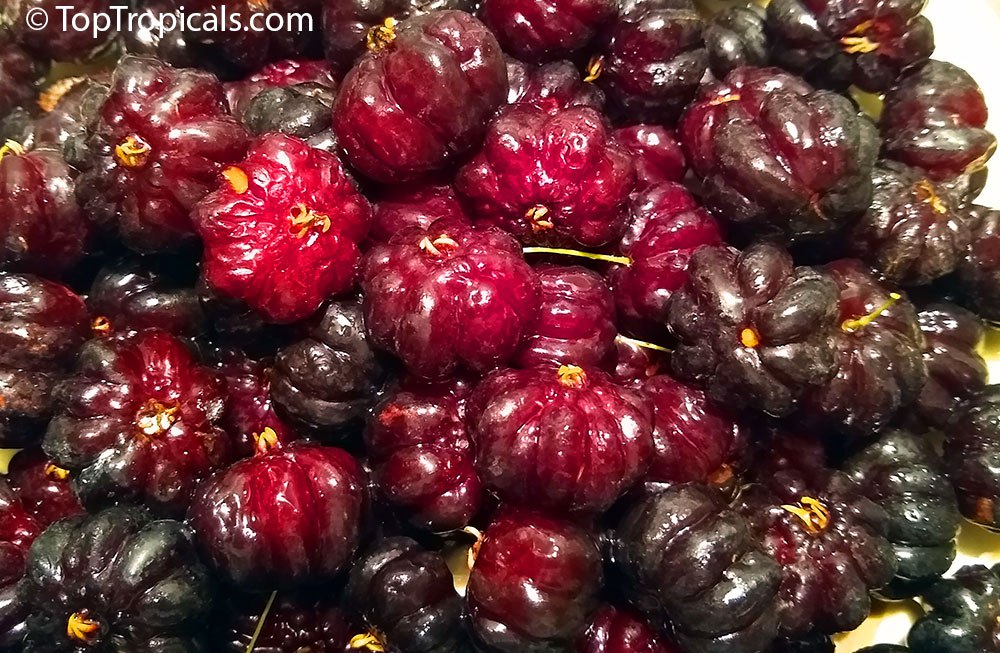
Eugenia uniflora - Surinam cherry, Brazilian cherry, Pitanga tree - fruit var. Lolita

Eugenia uniflora - Surinam cherry, Brazilian cherry, Pitanga tree - fruit var. Lolita

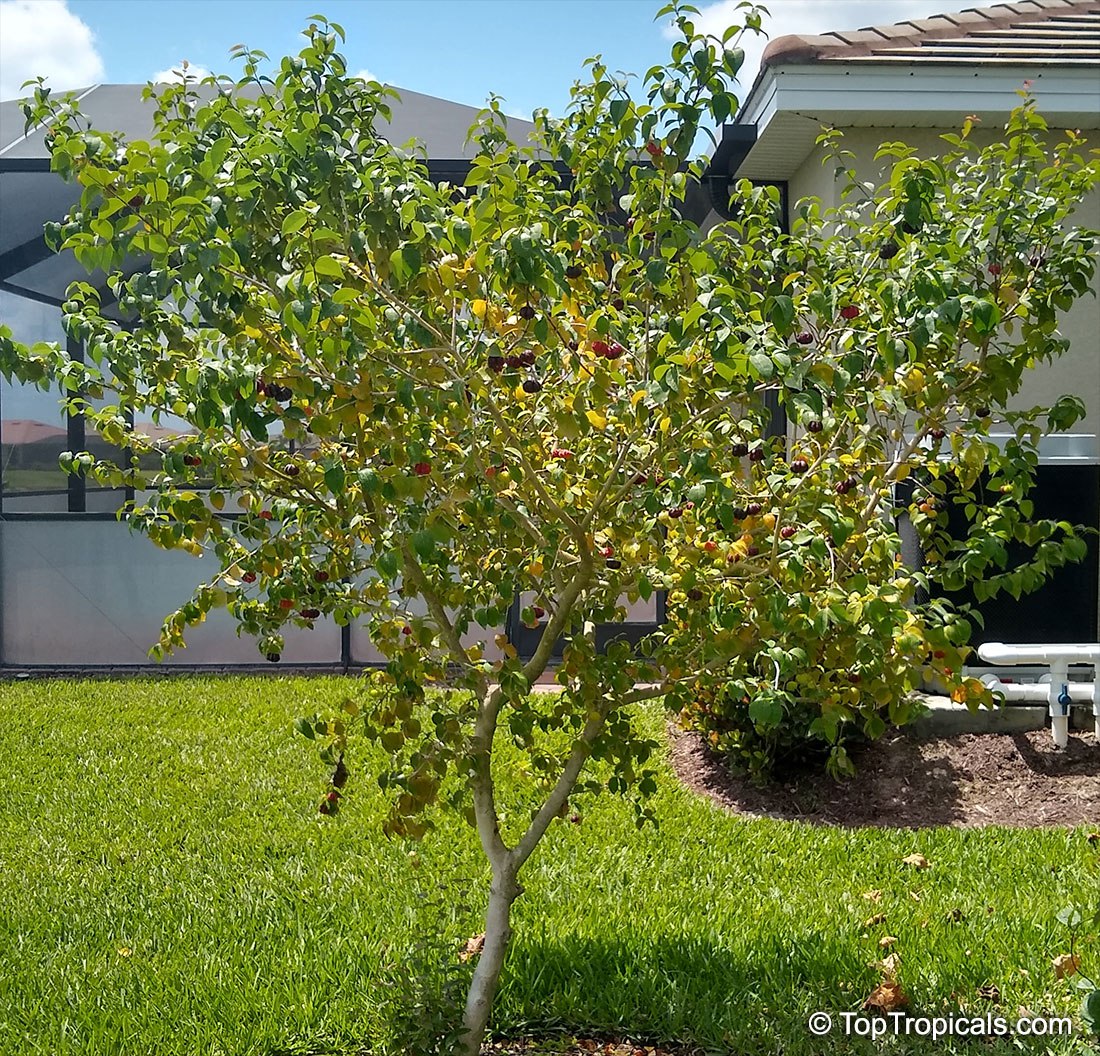
Eugenia uniflora - Surinam cherry, Brazilian cherry, Pitanga tree

Eugenia uniflora - Surinam cherry, Brazilian cherry, Pitanga tree

Eugenia uniflora - Surinam cherry, Brazilian cherry, Pitanga tree - fruit var. Lolita

Eugenia uniflora - Surinam cherry, Brazilian cherry, Pitanga tree - fruit var. Lolita

🍒 Why you should grow a Eugenia uniflora), also known as Surinam cherry or Brazilian cherry


Pitanga (Eugenia uniflora), also known as Surinam cherry or Brazilian cherry, is a tropical fruit that's as tasty as it is healthy. This small tree or bush brings beauty to your yard and benefits to your body. With shiny leaves, fragrant white flowers, and bright red or dark maroon fruit, it's an easy-to-grow plant that also happens to be a nutritional powerhouse.

❓ So, why plant Pitanga?

  • 🍒 Pitanga is packed with vitamins. Pitanga is loaded with vitamin C for glowing skin and a strong immune system, and vitamin A for healthy eyes.
  • 🍒 Pitanga is full of antioxidants. Especially the dark fruits, which are rich in plant compounds like lycopene and beta-carotene that may protect your cells and reduce inflammation.
  • 🍒 Pitanga has healing power. Traditional medicine has used it for heartburn, stomach issues, and even respiratory conditions. Lab studies show it may help fight bacteria and fungi too.
  • 🍒 Pitanga might fight cancer. Early research suggests pitanga extracts may slow cancer cell growth.
  • 🍒 Pitanga tastes like summer. When fully ripe, the juicy fruit has a sweet-tart flavor - great in salads, desserts, jams, and even cocktails. Pitanga var. Black Star, or Lolita has exceptional flavor, larger sweeter fruit than regular red-fruit variety.


⚠️ Bonus: It grows fast, stays evergreen, and makes a great natural privacy screen or edible hedge.

If you're looking for a tropical fruit tree that’s both beautiful and beneficial, Pitanga is a smart choice. Just make sure to pick the fruit when fully ripe - and prepare to fall in love with this cherry that's not quite a cherry!

🛒 Start growing Health today - add Pitanga to your Food Forest

📚 More about Lolita Cherry from previous posts:


#Food_Forest #Remedies #Hedges_with_benefits #Discover

🔴 Join 👉 TopTropicals

Date: 7 Jun 2025

From seed to fruit. How to grow Loquat from seeds, step-by-step guide. Part 2: after germination

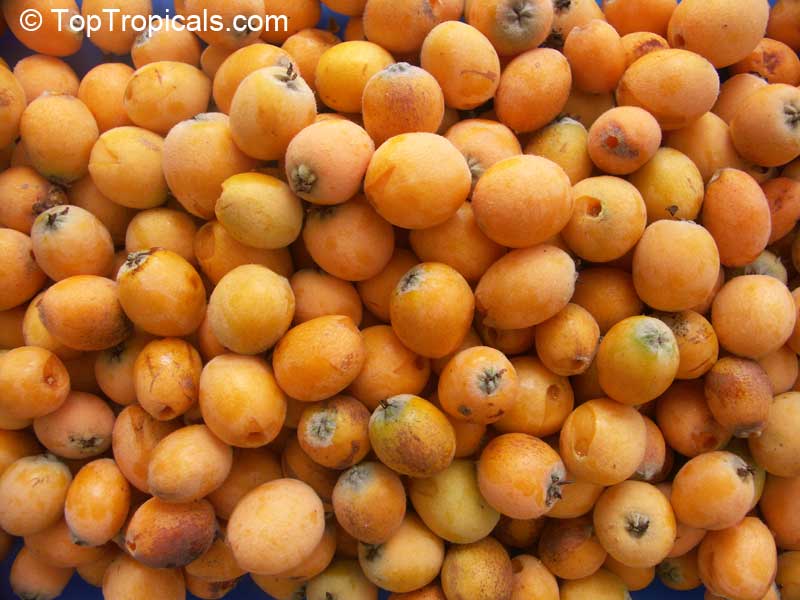
Loquat tree (Eriobotrya japonica) - fruit

Loquat tree (Eriobotrya japonica) - fruit

✍️ From seed to fruit. How to grow Loquat from seeds, step-by-step guide. Part 2: after germination


Continued from previous posts⤴️
  • 🍑 4. Transplanting Seedlings


  • When to Transplant: Once seedlings reach about 2-4” (5-10 cm) in height.
  • Transplanting and fertilizing: Move each seedling to its own pot and add controlled release fertilizer (Green Magic is the best), or use liquid balanced fertilizer Sunshine Boosters after 1-2 weeks once the seedlings establish.
  • Watering. Keep soil in a pot slightly moist but not soggy
  • Temperature. Keep seedling warm - above 70F (21C), and protect from extreme heat over 90F (35C) . For small plants, avoid freezing temperatures during winter. As the seedlings get bigger, they get higher drought-, heat- and cold tolerance. Established Loquat trees (2-3 years and older) may take light freezing temperatures.
  • Planting in the ground. You can plant the seedling in the ground when it reaches 2-3 ft tall (50-100 cm) in frost-free areas. During chill winter nights, young seedlings can be cold protected until established.


🍑 5. Sunlight Requirements

  • Light Exposure: Loquat established seedlings thrive in full sun but can tolerate partial shade. Start seedlings in bright shade and protect from afternoon hot sun to avoid leaf burn. Once seedlings are established and new growth appears (2-4 weeks), gradually move them to full sun.
  • Why adequate sunlight (full sun) is important:
- promotes healthy growth
- helps to avoid fungus and insect problems
- is critical for future flowering and fruit production

🍑 6. Fruit production

  • Loquat seedlings start producing seed within 3-4 years from seed, providing adequate sunlight, warm temperatures and regular irrigation.
  • Grafted Loquats start producing right away or the next year
  • Fruit will develop over the winter and ripen from March through May depending on location


🛒 Shop Loquat Trees and enjoy fresh fruit benefits

📚 Learn more:


🎥 YouTube video about Loquat
📁 Overlooked fruit: tasty Loquat recipes (PDF)

#Food_Forest #Loquat

🔴 Join 👉 TopTropicals

Date: 29 Jun 2025

Pineapple Guava: fragrant fruit, beautiful blooms, and real health benefits

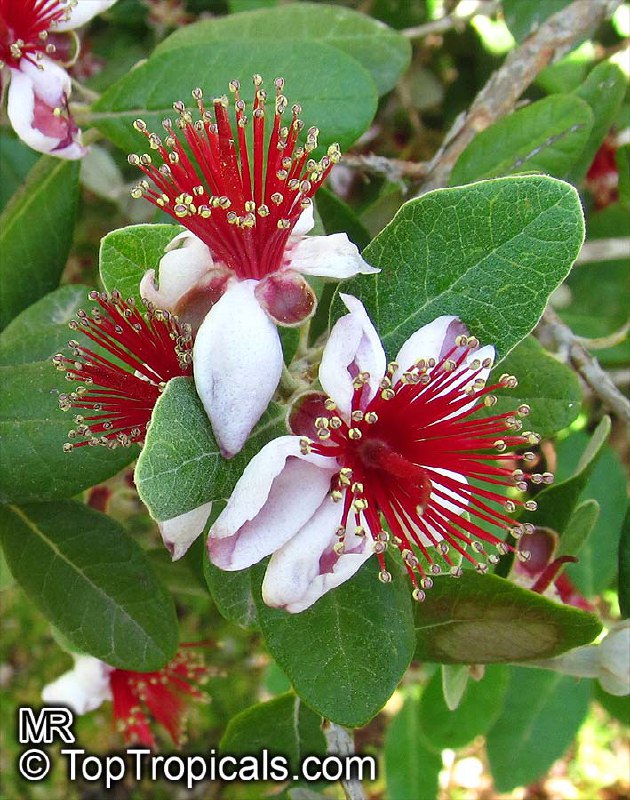
Pineapple Guava blooming

Pineapple Guava blooming

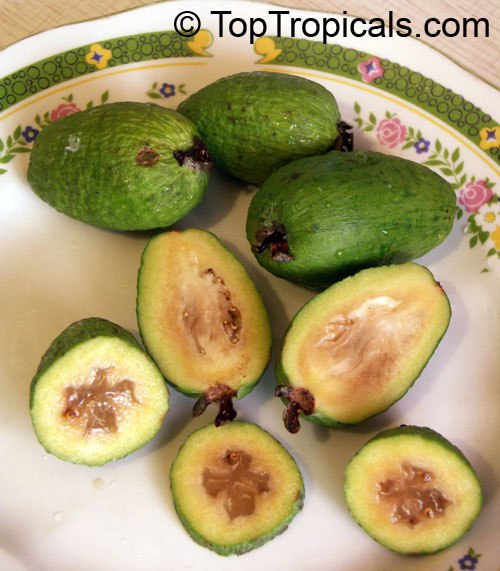
Pineapple guava fruit

Pineapple guava fruit

🍓 Pineapple Guava: fragrant fruit, beautiful blooms, and real health benefits
  • Feijoa sellowiana, also known as Pineapple Guava or Guavasteen, is an evergreen shrub or small tree that brings together beauty, fragrance, and edible rewards.
  • With its soft pink, edible flowers blooming in late spring and strongly scented fruit ripening in late summer to fall, it offers interest across multiple seasons.
  • The fruit is especially unique. When fresh fruit blended with a little sugar, many describe the flavor as forest strawberries with hints of mint or pineapple - some even say it reminds them of Juicy Fruit gum. The texture is smooth and slightly gritty, similar to a pear.
  • Nutritionally, Feijoa fruit is low in calories, high in fiber, and an excellent source of Vitamin C and antioxidants. You don’t need to guess when it's ready - the ripe fruit drops to the ground.
  • Pineapple Guava is easy to grow and adaptable. It tolerates drought, thrives in full sun or partial shade, and withstands heat as well as cold down to 10F. Whether planted in the ground or grown in a large patio container, it needs minimal care - just occasional watering and light feeding.
  • It also serves multiple purposes in the landscape: a dense, evergreen hedge for wind protection, a privacy screen, or a standalone ornamental that attracts birds and butterflies. It can be shaped into a small tree or kept compact depending on your space.
  • A beautiful, edible, and low-maintenance addition to the garden that earns its place year after year.


🛒Taste the fragrant forest-strawberry flavor - grow Pineapple Guava

📚 Learn more:


#Edible_Forest #Guava #Discover

🟢 Join 👉 TopTropicals

Date: 2 Jul 2025

How to grow tropical fruit outside the Tropics

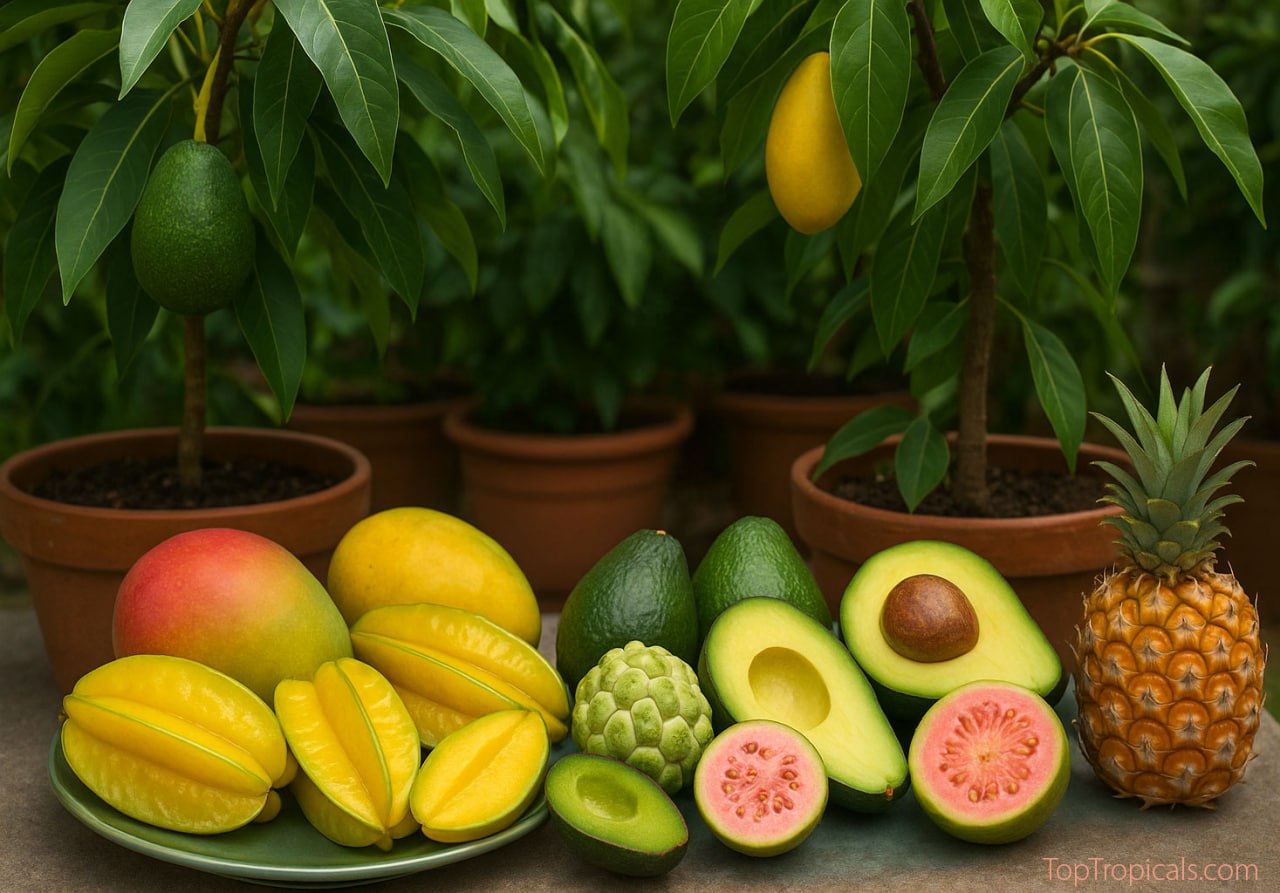
Tropical fruit trees grown in containers

Tropical fruit trees grown in containers

🥭 How to grow tropical fruit outside the Tropics


👨‍ Can you grow tropical fruit in colder climates? Absolutely! The key is growing them in containers so you can move them indoors during cold weather. With the right plant selection, a bit of motivation, good plant food, and a little love, you can enjoy a delicious harvest of exotic fruit - enough to treat your family and even share with friends. Here's everything you need to start your own Tropical Fruit Garden in containers.

🏆 Top tropical fruits and expert tips for growing in containers


🛒 Shop top picks for your container tropical garden:


🥭 Condo Mango
Cold hardy Avocado
🍒 Tropical Cherries - Eugenias
⭐️ Carambola (Start Fruit)
🍉 Guava
🍈 Annona
🍍 Pineapple
🌶 Herbs and spices - tropical edibles right away
🕙 Fast-fruiting trees
🍊 Shop all fruit trees
Supplies and Boosters

#Food_Forest #How_to #Discover

🟢 Join 👉 TopTropicals