Garden Blog - Top Tropicals

Date: 9 Aug 2021

Care of Desert Roses
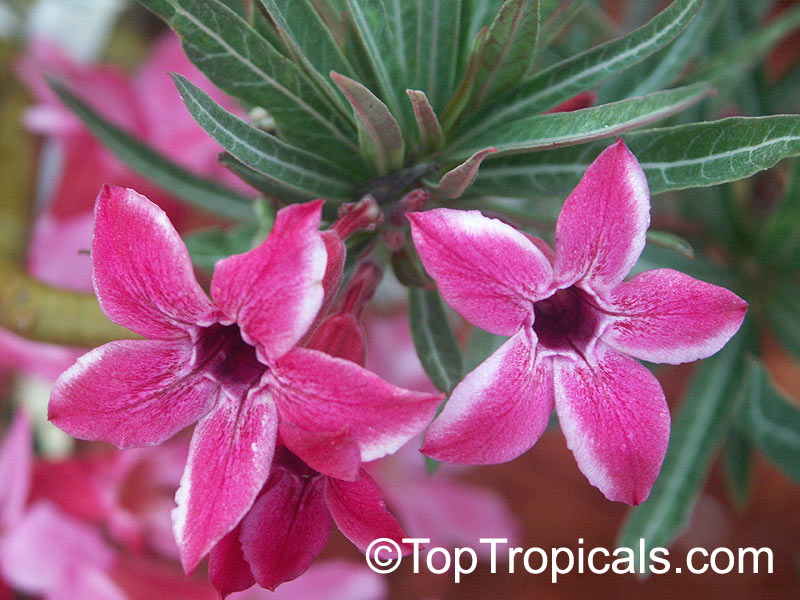
Q: I am looking forward to my three desert roses I just ordered from you and I am wondering how to take care of them, especially during winter time. Should I put the pots in full sun or shade? What kind of soil do they like? How often should I water them? When it gets cooler, should I bring them inside? We do have occasional frost here during winter.

A: Here are a few tips for your desert roses:

1. When received Adenium from mail-order, unpack carefully; branches are fragile. Plant in well-drained potting mix. Cactus mix will do, but we recommend special Adenium mix. If using regular acidic peat-based potting mix, you may add sea-shells on top of soil to neutralize acidity: adeniums prefer alkaline soils. Using clay pots is beneficial. Water once and do not water again until soil gets dry. Place in bright shade until new leaves sprout, then the plant can be moved to full sun.

2. Adenium is a succulent, but not a cactus. It needs watering, however let soil dry before waterings. Reduce watering during cool season and discontinue when plant gets dormant (drops all leaves in winter).

3. Bright light is the best for profuse flowering. However, adeniums look much healthier in slightly filtered light rather than in all-day full sun.

4. Fertilize and spray leaves with liquid fertilizer SUNSHINE Megaflor - Nutrition Bloom Booster. Phosphorous is responsible both for flowering and caudex development. Avoid caudex, spray over foliage only. Dry fertilizer can be used only during hot months.

5. Watch for spider mites during hot and dry season.

6. Give plants a break during winter dormant season. Keep in bright shade and reduce watering to 1-2 per month or stop watering if temperature is below 65F.

More info on growing Desert Roses:
What you need for successful growing Adeniums
Overwintering Adeniums outside of tropics
Growing Exotic Adeniums - Growing Exotic Adeniums

Date: 24 Jul 2021

Healthy Plants: Q&A from Mr Booster

How to fertilize Caladiums and other Aroids

By Ed Jones, the Booster Guy

Q: I have a large collection of Aroid plants, different Monsteras, Philodendrons, and several unique varieties of Caladiums. I've been always told that Caladiums should not be fertilized, they don't like it. Is it so?

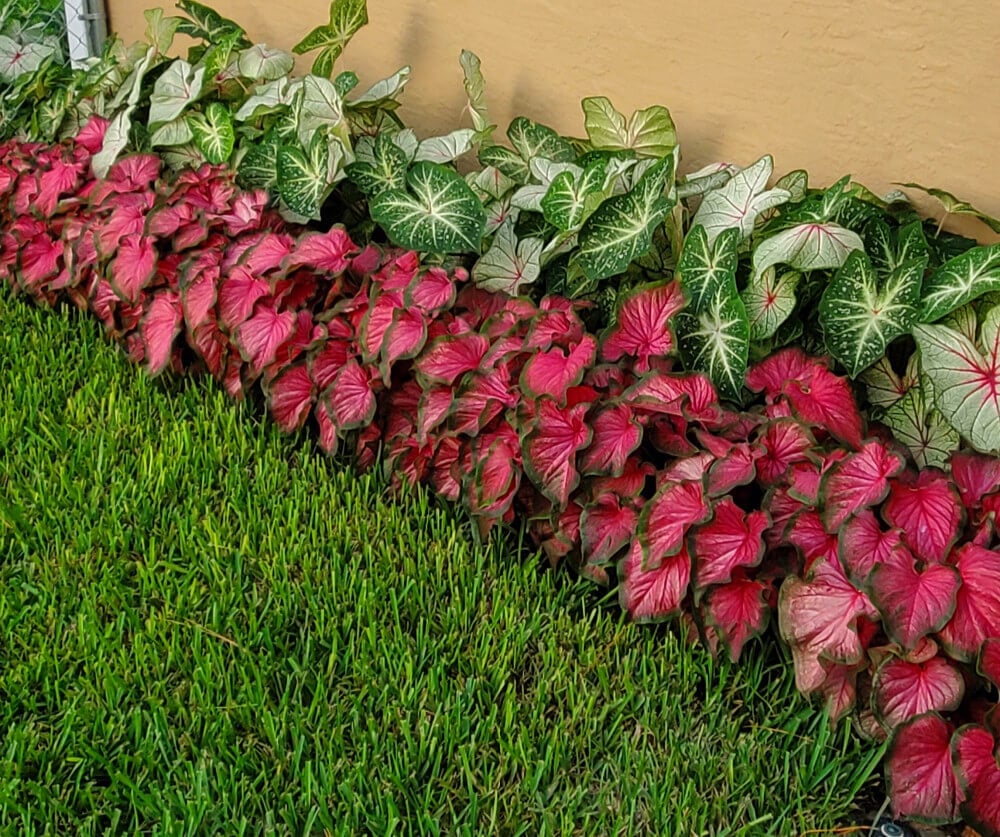
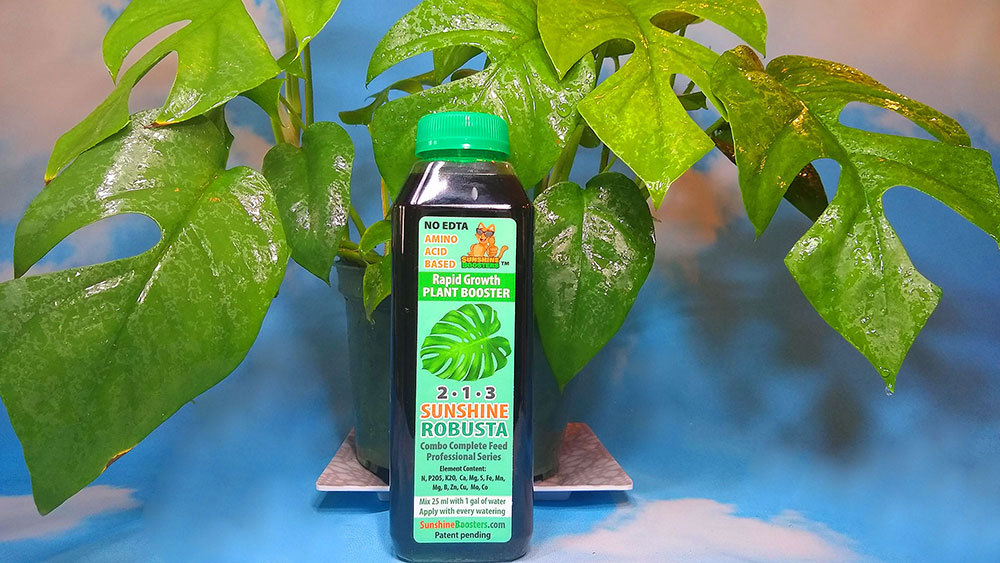
A: Caladium farmers often say that these plants don't need any additional fertilizer and that they really don't like it... The thing is, caladiums do not like DRY fertilizers, and this is why. Most Aroid plants do not like being watered too often, so dry fertilizers in combination with infrequent watering create excessive salinity for the root system. We have run some tests on the proper fertilizers for caladiums and the best results were performed after using SUNSHINE Robusta. It is amino acid based, so the delicate, large-leaved Aroid plants will not have to work quite so hard to take up the nutrients, and there will be no nutrient lock up in soil. The nutrients are readily available to these plants.
In this article, you will see some test results of caladiums fertilized with SUNSHINE Robusta vs. other brands of fertilizer, with more vigorous growth and larger leaf size occurring after use of Sunshine Robusta...

Caladiums do not have to be just an accent plant. They can also be the focus point of a garden area. It is said that as many as 98% of the world's caladium tubers come from right here in Highlands County, Florida, also home to the Sunshine Boosters manufacturing facility. It is such a big deal that they have a Caladium Festival here each summer. The fields are absolutely stunning in all of their colors. This year the festival runs this weekend, July 23 - July 25.

CONTINUE READING >>

Date: 15 Jun 2021

Healthy Plants: Q&A from Mr Booster

How to prevent mango flowers drop

Q:The mango blossoms my tree had in February have blown off due to weather conditions. Do you know what I can do to prevent this from happening again in the future?

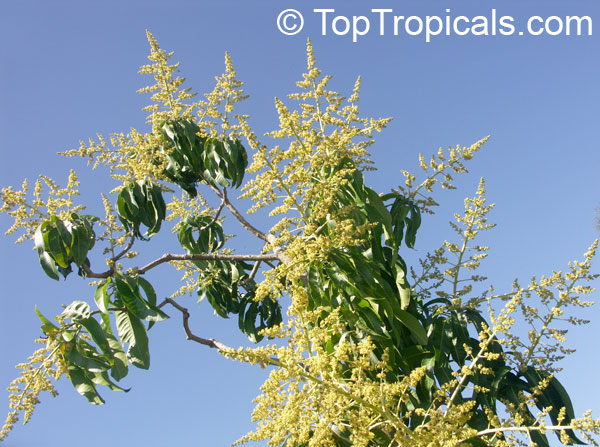
A: The only "guarantee" to protect mango flowers from cold weather damage here in Florida is to plant a LATE flowering variety. Generally, mango trees are winter bloomers. Those varieties called "early season" start flowering in January (for example, Nam Doc Mai), and of course very often they get affected by cold, so they drop. Some varieties are so called "late season" - for example Venus. They start flowering in spring when the weather conditions are more favorable.
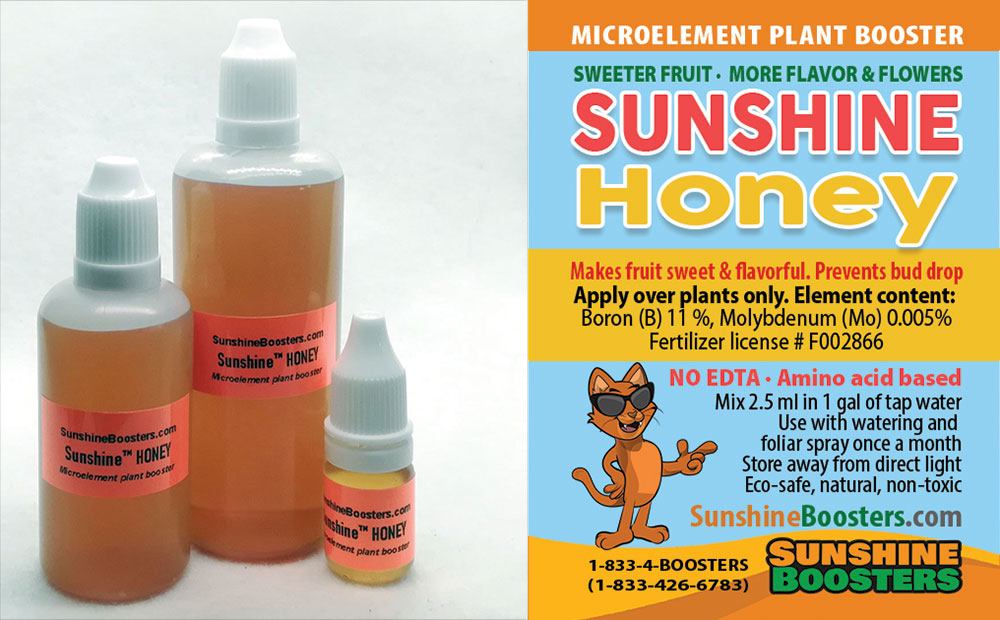
Another thing that may help you with mango flower drop is applying plant micro-element supplement Sunshine-Honey - it contains Molybdenum and Boron, which help flower and fruit development/strength and prevent their drop.

Read more: Boosting Mango Flowers and Fruit.

Date: 4 Mar 2021

Healthy Plants: Q&A from Mr Booster

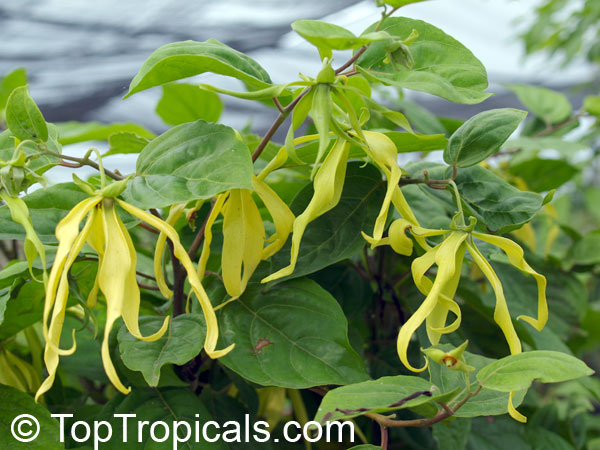
Ylang Ylang leaves after winter

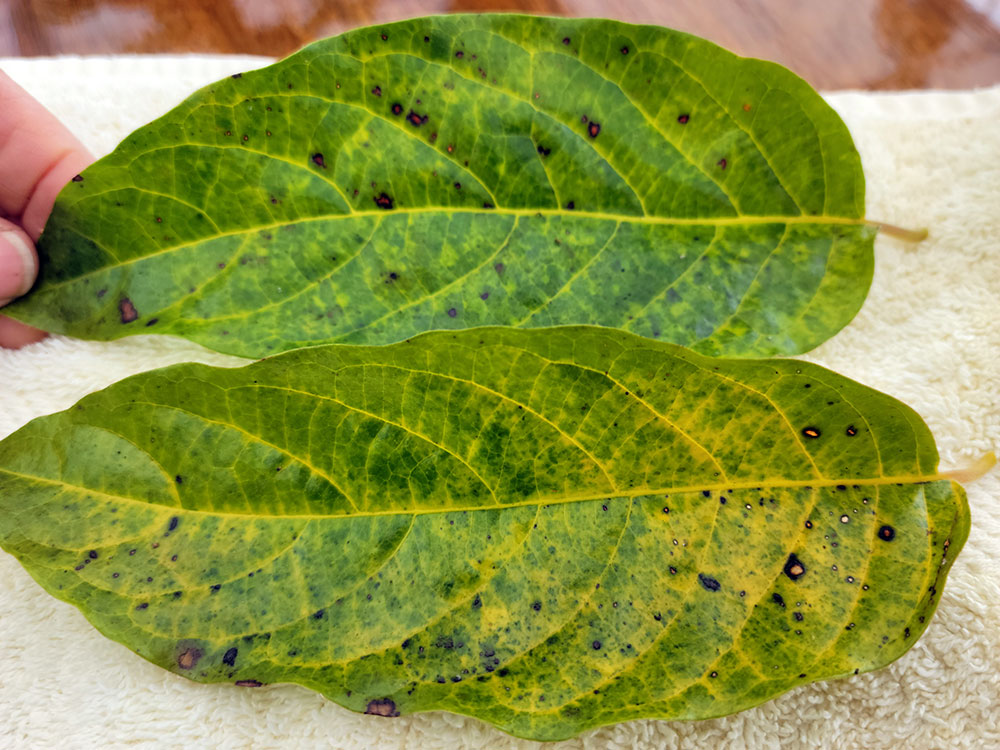
Q: Hi, I purchased ylang ylang tree a couple of years ago. It's grown quite well in my Greenhouse but I'm having some trouble figuring out if I'm watering it too much not enough or if it has an insect. Can you please take a look at my photos and maybe give me a suggestion of what my problem might be?

A: It is normal for Ylang Ylang tree to get dark spots during winter time. Sometimes Cananga gets whole branches darkened (especially dwarf variety fruiticosa), some may even fall off. But they will be replaced with new growth in Spring-Summer. There is nothing wrong with your plant, it is just a reaction to cold and short day light when you keep this plant indoors. These leaves eventually will fall off as the weather warms up, and will be replaced with a new fresh green growth.
Luckily, Cananga is not susceptible to insects and diseases, but its leaves can look unattractive in winter. Make sure to keep watering at minimum until temperatures raise to 80's.
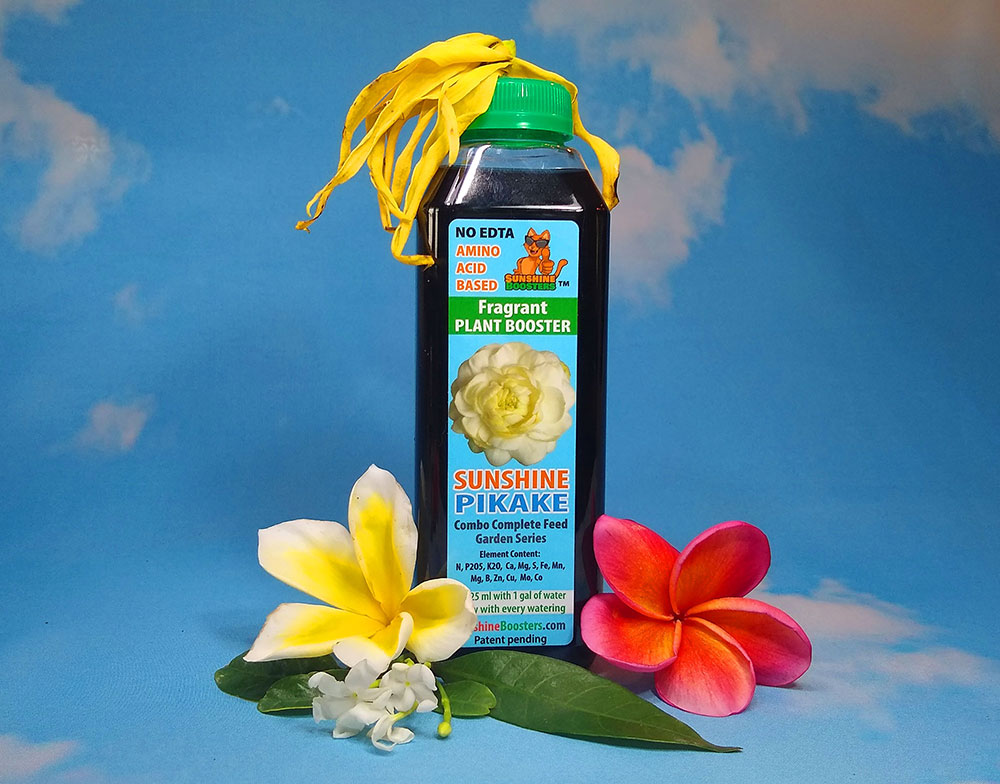
Start fertilizing as soon as new growth appears. We recommend SUNSHINE Pikake - Fragrant Flower Booster, an ultimate fertilizer for fragrant plants.

Date: 29 Nov 2020

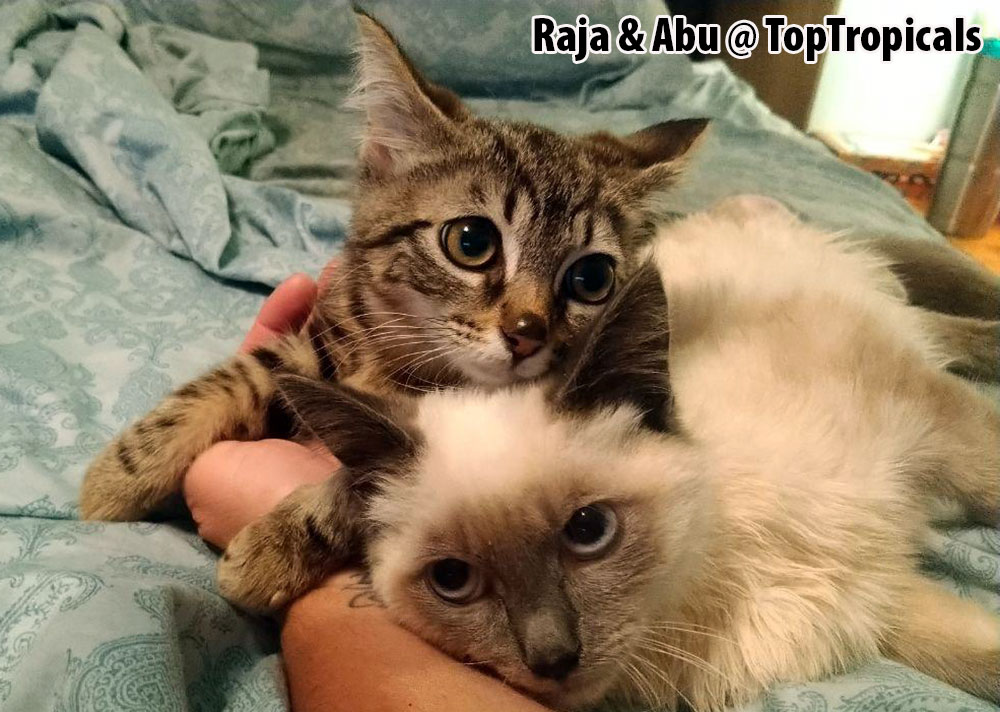
PeopleCats of TopTropicals. Cat of the Day: Story of Raja, Part 2

Everybody was touched by the tragic story of Raja - the kitten Kristi rescued from the tough street challanges and gave her a chance for Life...
Today we continue this story. And although it is a sad one, there will be a happy ending, and there will be always lessons we learn from the experience of taking care of our loved once.
Raja taught us to never let our disabilities define what we can and can't do. She taught us that every live creature deserves to know what love, a warm home, and a family means. She taught us resilience, determination and perseverance. Sometimes goodbye is not always an end, but a possible new beginning with new lessons learned...

CONTINUE READING >>

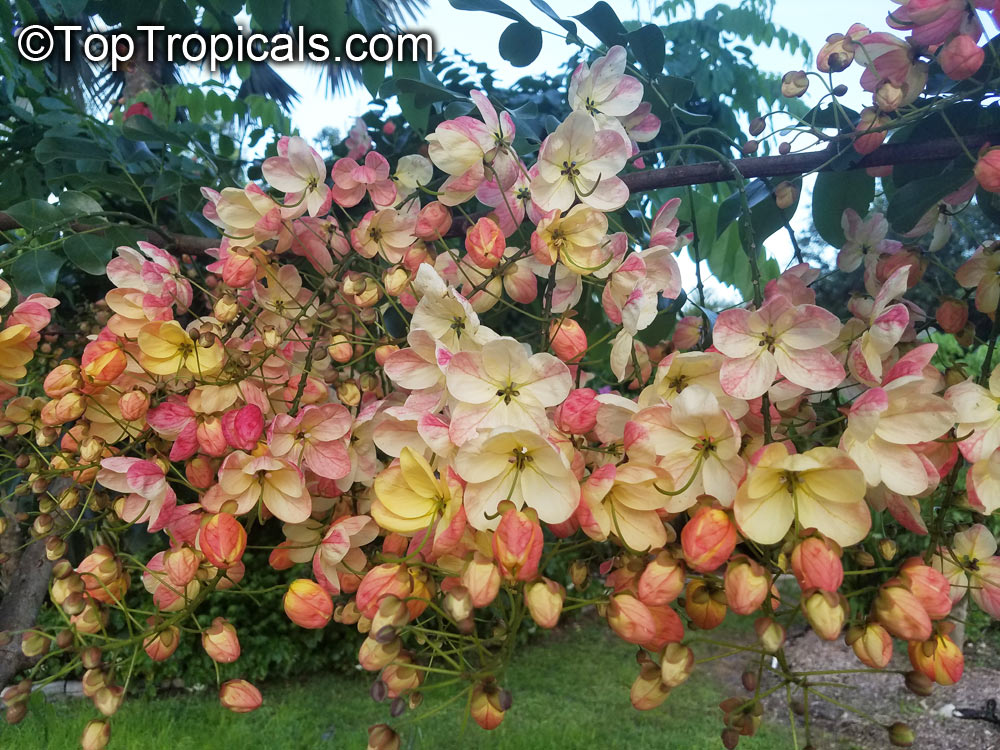
In the photo: Raja's Rainbow Cassia

TopTropicals PeopleCat Club and Zoo

Thank you for supporting us in helping PeopleCat Community!
Make your kind donation today and receive a surprise gift from us! Every little bit helps. Thank you and God bless you and your pets!