Garden Blog - Top Tropicals

Date: 2 Feb 2025

Valentines Day Best Gift Plant Ideas

Valentines  cats

Q: What are the most popular gift plants for the Valentines day?

A: Valentines Day is the perfect occasion to show your love with a gift that lasts beyond just one day. While traditional flowers are lovely, a live plant offers a meaningful, long-lasting way to express your affection. Whether it's the vibrant blooms, fragrant leaves, or the joy of watching a plant grow, gift plants bring a touch of nature and beauty into the home. Below are a few wonderful plant ideas to help you pick the perfect gift for your loved ones this Valentines Day. Check out a short video: Sweetheart Hoya varieties

Valentines Sweetheart Hoya
Valentines  Sweetheart  hoya  kerrii

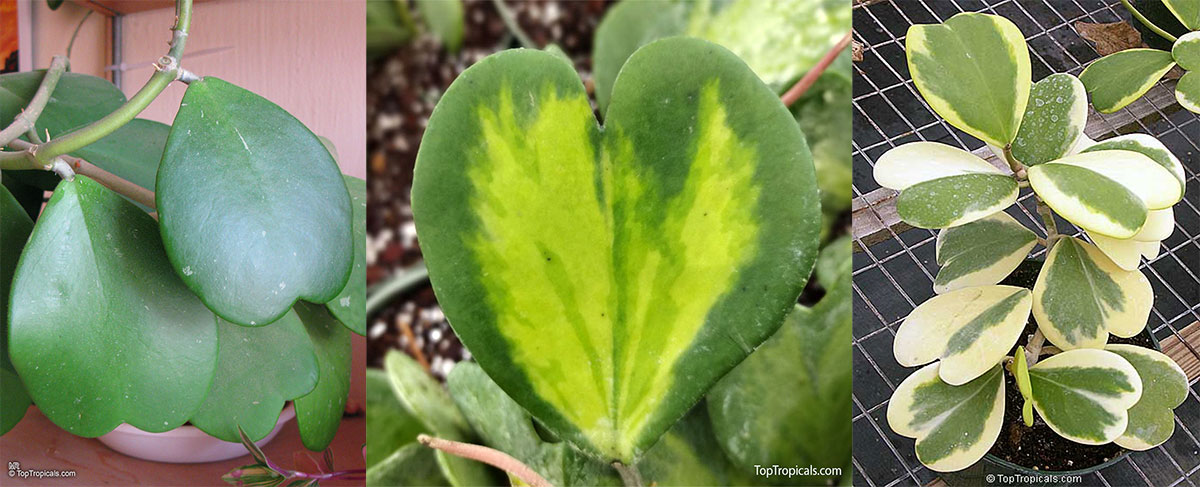
Wax Hearts, also known as Sweetheart Hoya or Valentine Hoya, comes in 3 kinds - Green leaf, variegated Sunshine and Variegated Moonlight - collect them all! These plants are the perfect way to show someone you care. Hoya kerrii, often called the Sweetheart Plant, has become a favorite houseplant in recent years due to its unique heart-shaped leaves. This quirky and unusual plant is ideal for those looking for a novelty gift for their plant enthusiast friends. Its easy care requirements and distinctive appearance make it a charming addition to any home, spreading love and beauty in a simple, yet meaningful way. It's the perfect plant to celebrate Valentines Day or any special occasion!

Fragrant Jasmine
Valentines  Sweetheart  hoya  kerrii

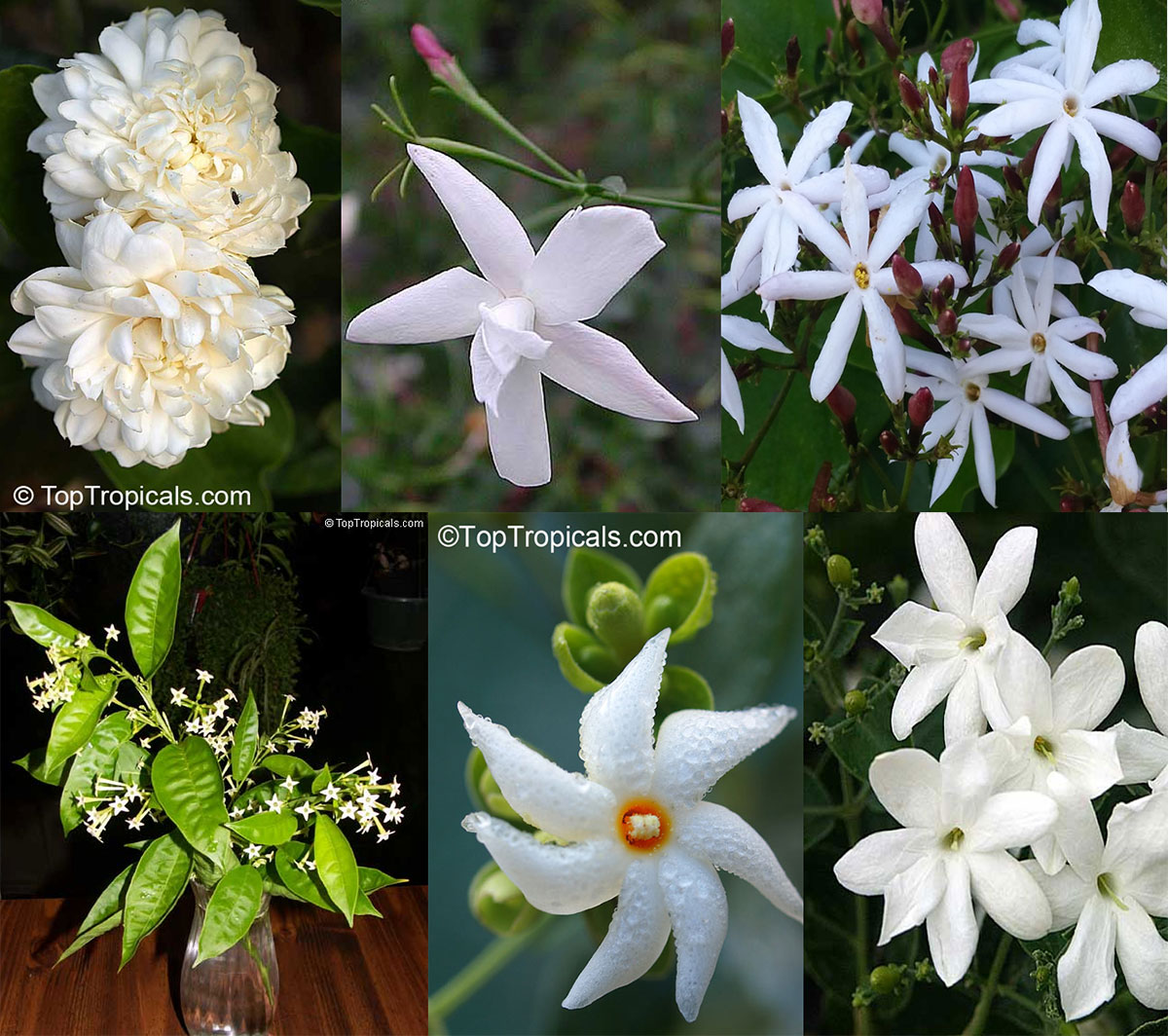
Jasmines are about to bloom, making now the perfect time to get them before their flowers open in spring! Some of the top picks include the timeless Jasmine Sambac, French Perfume Jasmine, Rose Bud Jasmine, Night Blooming Jasmine, Parijat Jasmine Tree, and Jasmine Molle (Indian Jui). These varieties are not only beautiful but also fill your home or garden with their unforgettable, fragrant blossoms. Whether you're looking to add a touch of elegance to your space or sear! ching for a fragrant gift, these jasmines are a must-have for any plant lover. Get them now and enjoy their aromatic beauty as they begin to bloom!

Compact Rhododendron Azalea - Red Cherry Miniature
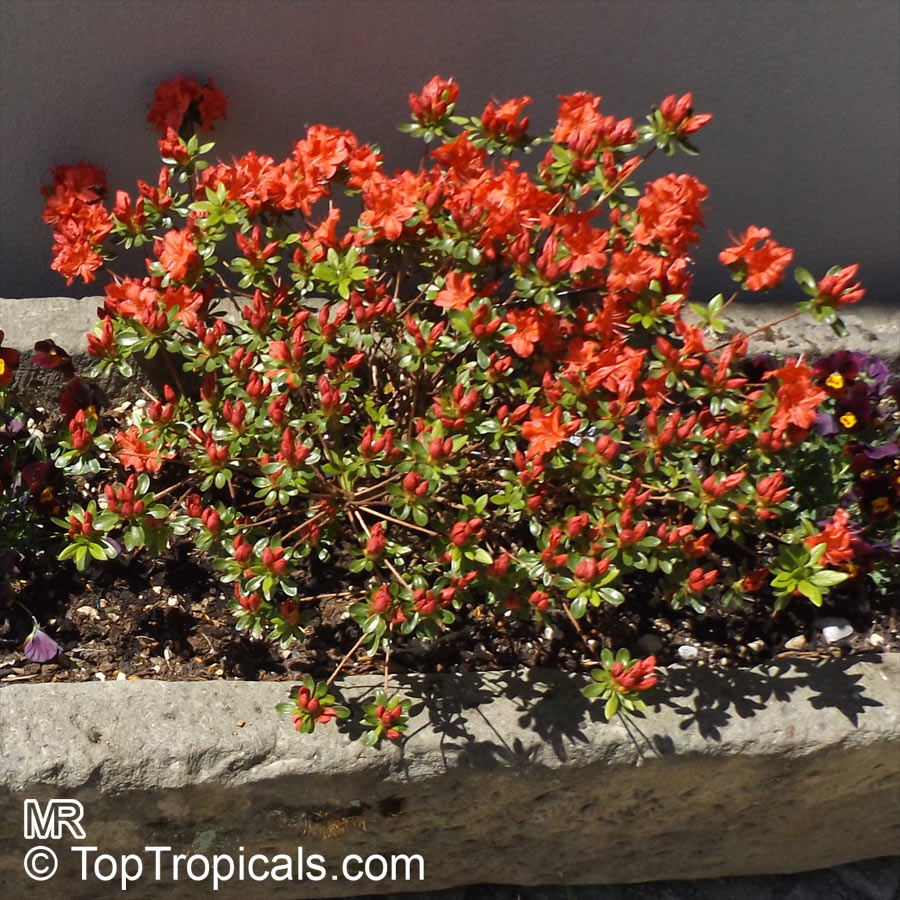
Vivid  Red  Cherry  Miniature  Azalea

The Vivid Red Cherry Miniature Azalea is a stunning, cold-hardy evergreen that blooms with vibrant cherry-red flowers in spring and fall. Very compact and easy to care for, it thrives in shady spots and offers year-round beauty with its glossy, dark green leaves. Whether used as a hedge, accent, or screen, this semi-dwarf variety adds a pop of color to any garden or home. A perfect way to share lasting beauty and joy with someone special!

Condo Mango
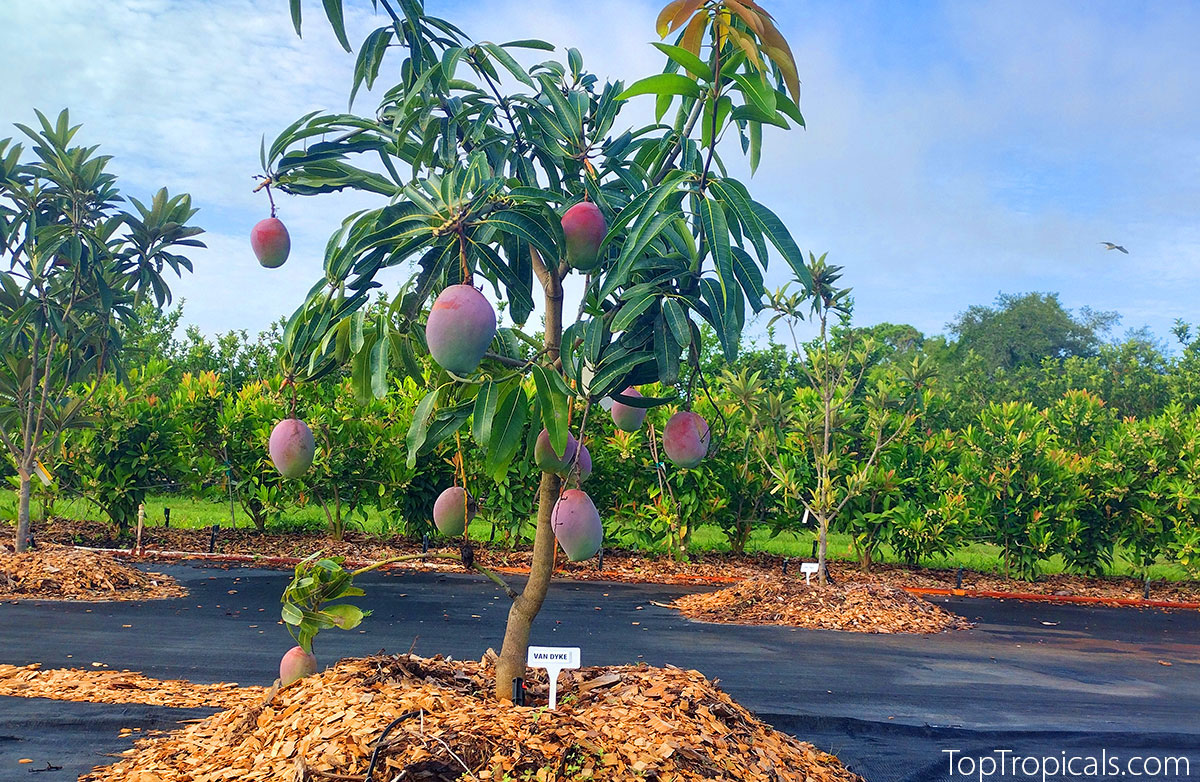
Condo  Mango

Looking for a unique Valentines gift? The Condo Mango is the perfect choice! This compact, dwarf mango tree thrives in containers, making it ideal for small spaces like balconies or even indoors. With its manageable size and vibrant fruit, it's a thoughtful and practical gift that brings a tropical touch to any home. Plus, with a little pruning, it can stay small while still producing delicious mangoes. Share the joy of gardening and fruit-growing with someone special this Valentines Day!
Learn more about Condo Mango from our Telegram Chanel: What are the Condo Mangos? A Practical Guide and Top 10 Dwarf Condo Mango - great for container culture
Date: 31 Jul 2025

Shady spots aren't a problem - they're an opportunity

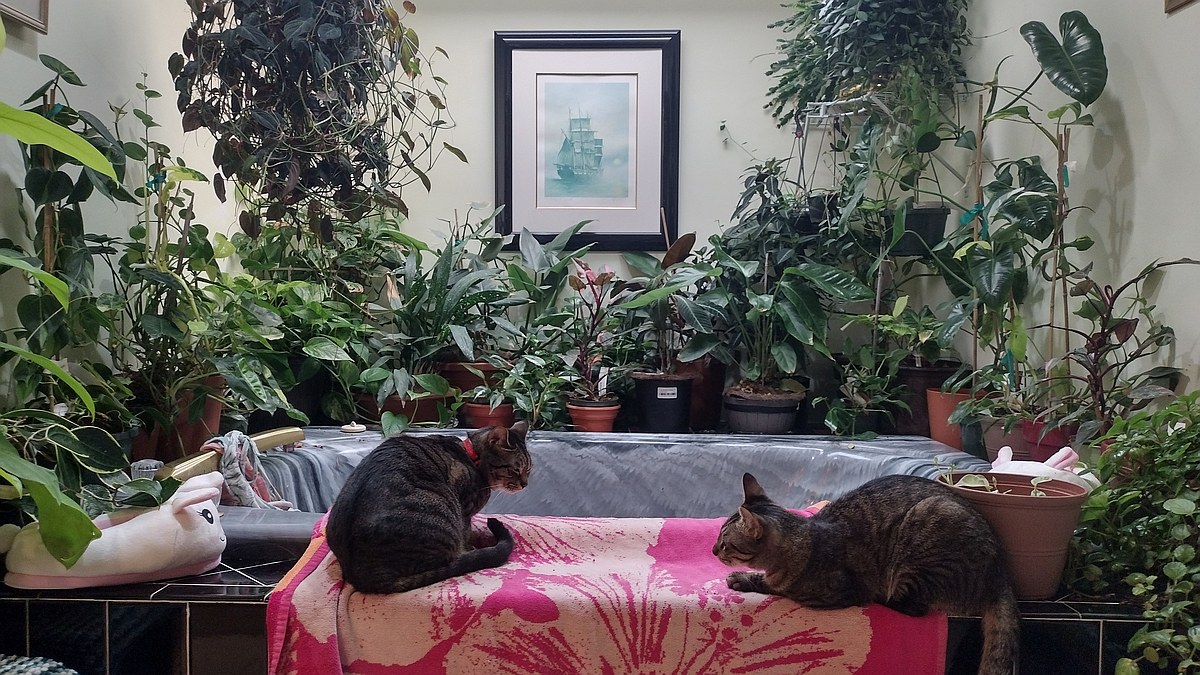
Niki  and  Cash,  the  PeopleCats.garden  rescued  cats,  lounging  on  a  pink  towel  in  front  of  a  bathtub  surrounded  by  tropical  houseplants.  The  room  is  filled  with  lush  green  foliage,  hanging  vines,  and  potted  plants,  creating  a  peaceful  indoor 
 jungle.

Photo above: Niki and Cash, the Top Tropicals PeopleCats-in-residence, lounging in a lush indoor jungle

Most tropical gardens have at least one corner that gets morning light, filtered sun, or just bright shade - and that's exactly where Anthuriums thrive, along with many other shade-loving plants. That makes them ideal for spaces where other tropicals struggle.

Don't have a greenhouse? You don't need one. Anthuriums do beautifully on a shaded porch, in a screened lanai, or even indoors near a north or east-facing window. They're perfect for:

  • Bathrooms with natural light
  • Bright kitchens with indirect sun
  • Shaded entryways or under eaves
  • Hanging baskets under tree cover
  • Mounting on cork or wood in humid areas

Even a small space can feel like a tropical conservatory with the right plant - and Anthuriums bring that look without being demanding. They grow slowly, stay manageable, and don't need constant pruning or repotting.

Best of all, they reward consistency. Keep them warm, give them some humidity, water when the top inch feels dry, and they'll stay healthy for years. No drama - just quiet, lasting beauty. If you've never grown tropicals in the shade, this is where to start.

Watch Top Tropicals videos about anthuriums

Shop Shade Garden

Date: 15 Aug 2018

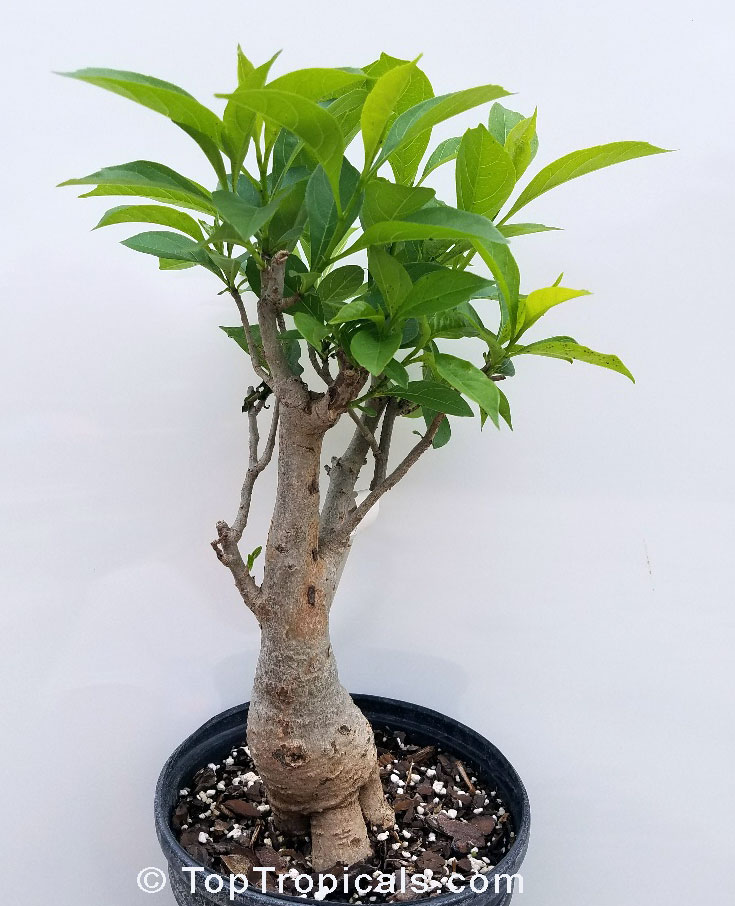
Care for a Baobab Bonsai

TopTropicals

Q: How to grow Baobab bonsai properly? How long does it take to shape a nice little bonsai tree?

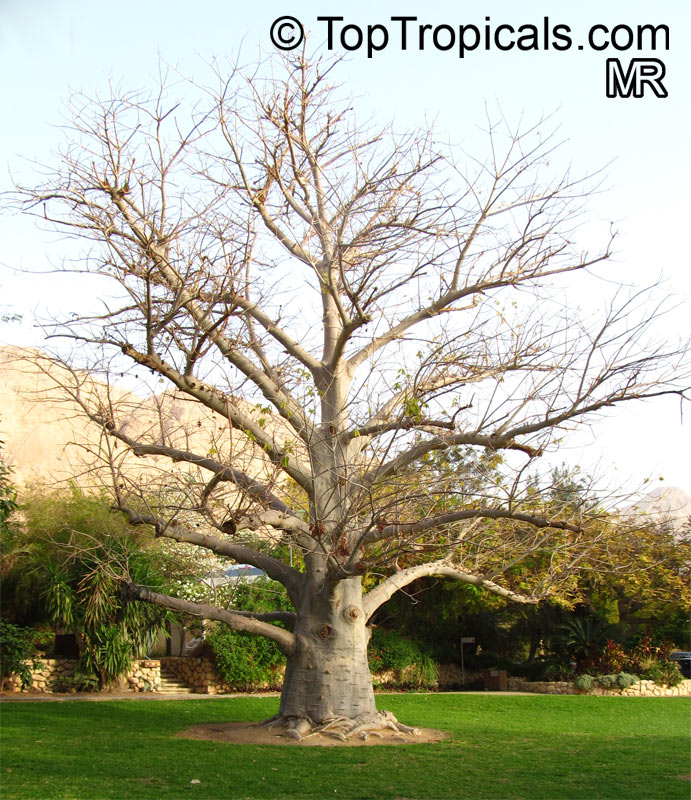
A: Baobab, or Adansonia digitata, is a unique addition to a bonsai collection. Native to Africa, it has an unusual structure and appearance. Some legends say that the tree was cast down from the heavens and landed upside down, where it began to grow. This story is no doubt a result of its appearance in the winter, when the upper branches of the tree look more like roots than treetops. The Baobab has some specific needs, but if you pay careful attention to its requirements, this tree is not difficult to grow and makes an excellent bonsai specimen.
1. Keep Baobab warm, it is sensitive to freeze.
2. Place Baobab in a bright, sunny window. Baobabs need at least six hours of full sunlight per day, so a window with a western or southern exposure is best. If your house doesn't get enough light, supplement natural light with artificial grow lights. See article Indoor lighting for tropical plants.
3. Water Baobab regularly during the growing season whenever the soil is dry. Never water the tree when it is dormant (dropped leaves).
4. Feed Baobab a good-quality fertilizer about once a month. Apply micro-element solution SUPERFOOD once a month, as well as SUNSHINE-BC plant booster for Bonsai and Caudex plants.
5. Prune the branches of your Baobab bonsai as often as they need it to give the tree the shape you desire, pruning or pinching off branches that are growing at odd angles or are too long. Trim early in the spring before new growth appears.
6. Repot the baobab bonsai every year in Spring. Remove it from pot and trim the roots back by one-third of their length, completely removing any that are damaged or dead. Place it in a container that is twice the size of the root ball and fill the pot with a well-drained soil like Adenium Mix.

It is believed that it takes forever to form a nice shaped tree, up to a few years. However if you provide warmth and bright light, branches grow very quickly, and an experienced bonsai hobbyist can make a unique specimen within 2-3 years. And then, the tree will stay with you for 5000 years - it can be passed from generation to generation!

Check out this plant... with FREE shipping to all states!
Se also Baobab Bonsai Kit and save more!

Date: 22 Jan 2026

Canistel breakfast mash: quick-n-fun exotic recipes

Canistel breakfast mash

Canistel breakfast mash

Canistel - Pouteria campechiana, Egg Fruit

Canistel - Pouteria campechiana, Egg Fruit

🍴 Canistel Breakfast Mash

Ingredients

  • 1 ripe canistel (egg fruit), peeled and seeded
  • 1 tablespoon milk
  • Ground cinnamon, to taste

Instructions

  1. Scoop the canistel flesh into a bowl.
  2. Mash thoroughly with a spoon, adding milk gradually until smooth and custard-like.
  3. Serve immediately, topped with a light sprinkle of cinnamon.

🌿 About the plant:


Canistel (Pouteria campechiana), often called Eggfruit, has dense yellow flesh with a flavor reminiscent of sweet potato, pumpkin, and custard. It is naturally rich and filling, which is why it is often used mashed, blended, or cooked.

🌱 In the garden:


Canistel is a tough, drought-tolerant tropical fruit tree that performs well in warm climates. It prefers full sun, well-drained soil, and minimal fuss once established. Compact growth and heavy production make it well suited for edible landscapes and container growing.

🛒 Add to your garden:


📚 Learn more:

Plant Facts

Pouteria campechiana
Canistel, Eggfruit, Chesa
USDA Zone: 9-11
Large tree taller than 20 ftSmall tree 10-20 ftFull sunRegular waterEdible plant
  • Pouteria campechiana - Canistel, Eggfruit - in Plant Encyclopedia
  • Health Benefits of Canistel Fruit
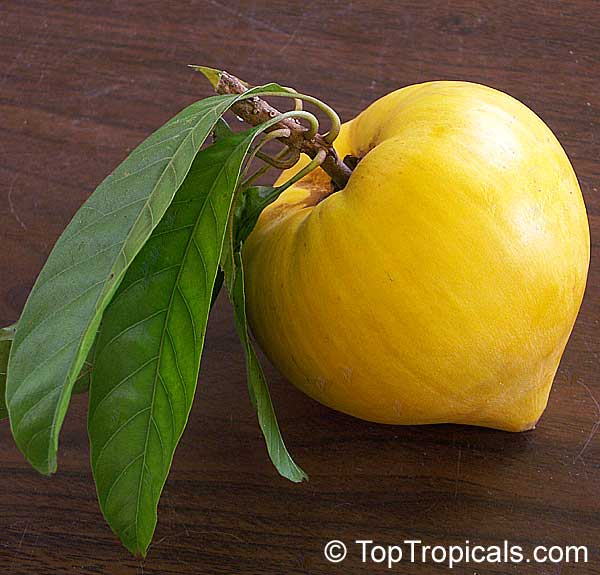
  • Pouteria campechiana - Canistel, the curious heart-shaped Egg Super-Fruit

  • #Food_Forest #Recipes

    🟢 Join 👉 TopTropicals

    Date: 18 Mar 2026

    The Alien Lily: why this rare Peruvian bulb is taking over garden feeds

    Eucrosia bicolor - Peruvian lily

    The Alien Lily: why this rare Peruvian bulb is taking over garden feeds 🔥

    Most bulbs are predictable, but Eucrosia bicolor is a total showstopper. Discover why this rare Peruvian lily looks like a firework and how to grow it.
    • 💥 I planted a simple, nondescript bulb and honestly? I wasn’t prepared for what came out of the soil. This one feels like it belongs in a museum, or on a tiny stage with spotlights!
    • 💥 Eucrosia bicolor is not your typical garden plant - it’s a rare bulb from the dry regions of Peru, and when it blooms, it puts on a theatrical performance. It’s rare, it’s a bit dramatic, and it looks like something designed for a sci-fi movie set.
    Picture this: you’ve got a simple tulip-like bulb sitting quietly for months. Then suddenly, a flower stalk shoots up, and out comes this wild bloom - bright red base with long, thin golden “whiskers” sticking out like fireworks frozen mid-burst. It doesn’t even look real at first glance.
    • 💥 Move over, Orchids: why Peruvian Lily is the ultimate conversation starter


      The Eucrosia bicolor is a rare bulb from the dry forests of Peru. For months, it sits quietly in its pot, looking like a plain onion. But then, the magic happens:

    • · The "Fireworks" Bloom: A tall stalk shoots up, topped with bright red flowers and impossibly long, golden-tipped "whiskers.
    • · The"Museum"Look: The stamens are so long and delicate they look like frozen explosions or a tiny botanical chandelier.
    • · Lush Foliage: Even when it isn't blooming, its broad, soft leaves offer a"Lily of the Valley"elegance that keeps your shelf looking green.


    💥 The"introverted"bulb: why you should stop watering this plant to make it bloom


    Being part of the Amaryllis family, Peruvian Lily has a unique quirk: it craves a"disappearing act."
    It requires a dry dormancy period where it completely dies back.
    It’s essentially a"don't call me, I'll call you"plant.
    But when it decides it's time? It comes back stronger every year.

    💥 Quick Care Guide for Collectors


    How to Master the"Peruvian Performance"? Caring for this rarity is actually quite simple once you understand its rhythm.
    • · Light. Yes, it blooms in shade! To get those museum-quality blooms, you’ll want to place it in a spot with warmth and bright, indirect sunlight - a sunny windowsill is usually its happy place.
    • · Water. During its active growing season, keep the soil moist, but here is the"secret sauce": once the leaves begin to yellow, stop watering entirely. This mimics the dry season in Peru and allows the bulb to rest.
    • · Placement. Because of this specific"on/off"cycle, it’s best kept in a container where you can easily control its environment and move it to a place of honor the moment those firework-like stalks appear.
    • · The Verdict: It’s not a constant bloomer, and that’s exactly why it's special. When that stalk finally appears, it feels like an event. It’s the kind of plant that makes you run to the living room every morning just to see if"today is the day."


    🛒 Find the Peruvian Lily here

    🎥 Close-up of Eucrosia bicolor flower with long golden stamens
    📚 Eucrosia bicolor in Plant Encyclopedia

    #Container_Garden #How_to #Discover

    Plant Facts

    Eucrosia bicolor
    Peruvian Lily
    USDA Zone: 9-11
    Groundcover and low-growing 2ft plantSmall plant 2-5 ftSemi-shadeFull sunModerate waterRed, crimson, vinous flowersSubtropical plant. Mature plant cold hardy at least to 30s F for a short time
    🟢 Join 👉 TopTropicals