Garden Blog - Top Tropicals

Date: 24 Jun 2018

TopTropicals

Mango Fralan - a new exciting discovery

Q: I am looking for a special mango called Fralan. It is the most popular mango in Vietnam where I am from. Do you have this variety?

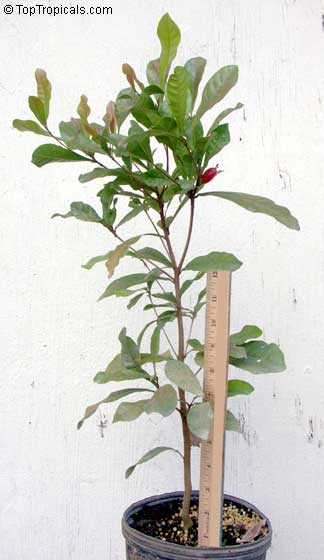
A: Fralan is a relatively new variety of Mango, originated from Thailand, with green skin. In Thai, "Fralan" means "Thunder" - as the fruit cracks when peeled. It also has another meaning "Foreigner" as people from the West seem to speak too loud for Thai ears. This mango has no turpentine aftertaste unlike some other varieties. Its flavor is superior. The flat seed is similar to Nam Doc Mai, it has no seed coat which is a good advantage, leaves more room for flesh and makes it easier to eat.
Fralan can be eaten:
a) when green - it is crunchy, sweet, producing cracking sounds (=Thunder)
b) when yellow (fully ready) - very soft, no fiber whatsoever
The tree is early-middle harvesting season depending on climate and has a DWARF habit! Which make is excellent choice for potting culture. See full list of Mango varieties from our store.

Date: 4 May 2026

How to cut a Mango

How to cut a Mango

How to cut a Mango

How to cut a Mango 🥭

🔸1. Cut down along each side of the pit to remove the cheeks.
🔸2. You will have two cheeks and the pit.
🔸3. Score the flesh in a grid pattern, being careful not to cut through the skin.
🔸4. Turn each cheek inside out to pop up the cubes.
🔸5. Slice or scoop out the cubes and enjoy!

Mango Plant Facts

Botanical name: Mangifera indica
Also known as: Mango
USDA Zone: 9 - 11
Highligths Large tree taller than 20 ftSmall tree 10-20 ftFull sunWatering: Moderate. Water when top soil feels dryYellow, orange flowersPink flowersEdible plantSeaside, salt tolerant plant
Get personalized tips for your region


🛒 Explore Mango varieties

📚 Learn more:


· Mango Tree - Mangifera indica - in Plant Encyclopedia
· #Mango_Rainbow - varieties you should try

#Food_Forest #Mango #How_to

🟢 Join 👉 TopTropicals

Date: 6 Jan 2017

6 easiest fruit trees and 5 spices to grow in containers indoors

Q: This is why I want to move so that I can grow absolutely anything I want from your catalogue. Prefered Puerto Rico. Right now I live in New York and there is absolutely nothing I can grow there.

A: Of course living in Puerto Rico brings more opportunities to grow tropical species. However, you can create your unique tropical paradise even living in New York. We have many customers from up North who successfully grow tropical species (and get them to flower and fruit) in greenhouses, and even indoors.
Here are a few suggestions of tropical fruit trees that adapt well for container/indoor culture - for both beginners and advanced gardeners.

Top 6 fruit trees great for indoors / container culture / beginners
1. Mango (Mangifera indica). Select from one of smaller mango varieties
2. Sugar Apple (Annona squamosa)
3. Guanabana, Soursop (Annona muricata)
4. Miracle Fruit (Synsepalum dulcificum)
5. June Plum (Spondias cytherea)
6. Guava (Psidium guajava)

5 top spice plants (the spice will be with you right away, you don't have to wait for it to grow)
1. Allspice (Pimenta dioica)
2. Cinnamomon or Campor tree
3. Bay Leaf (Laurus nobilis)
4. Mint Tree (Satureja vimenea)
5. Vanilla orchid (Vanilla planifolia)

See a brief article of growing tropicals outside of tropics.

Don't forget to get some SUNSHINE boosters for your plant collection - for both successful indoor culture and cold protection!

See also our magazine Tropical Treasures) - Pushing the Limits of Tropical Gardening, with list of issues.

Date: 19 May 2016

Care of mail-order plants during hot summer

Q: I live in California and about a month ago ordered several plants from you, including fruit trees (Carambola, Mango, Avocado) and flowering trees (Xanthostemon, Adeniums, Champaca, Ylang Ylang). They were all doing well until I tried to move them into full sun, when they got leaf burn immediately. Ylang Ylang was doing great in a shade, but I repotted it from 1 gal into 3 gal and it is drooping leaves now. It has been very hot (over 100F) and dry (humidity is less than 25%). Any suggestions?

A: Hot summer can be pretty challenging time for establishing new plants. These are some guidelines to make your summer gardening more successful and rewarding.

1. You can order plants at any time, but keep your eye on your local weather forecast and try to chose cooler periods to schedule your plant shipments. Here at TopTropcals we monitor weather at destinations, and we can also delay shipment per your request until more favorable conditions.

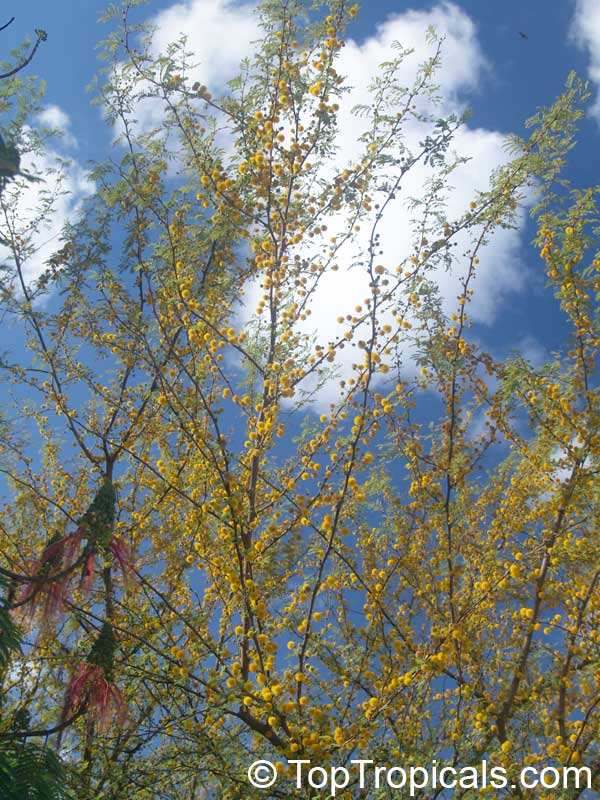
2. During hot Summer months, many plants are still OK to ship, and to be planted, many species are heat tolerant. It's usually safe to ship most succulents, including Desert roses and Euphorbias. Some fruit trees are pretty easy too, like Loquats, Mango, Eugenias. Many flowering trees can take heat: Acacias, Clusias, Jatropha, Sausage Tree, Plumerias and many others. Check our full list of plants suitable for hot and dry conditions. Most jasmines, including Jasmine Sambac and Trachelospermum make also a safe choice for hot weather planting.

3. Use shade cloth or simply white sheets to protect young plants and new plantings from hot sun.

4. When establishing mail ordered plants during hot weather, keep them in shade for longer period of time than average recommended 1-2 weeks. Give them a chance to establish really well. In areas with low air humidity, try to create a simple mist system. It can be purchased in your local Home Depot for only $20 and set up takes only 10 minutes! It makes a big difference and can help you save many plants from hot weather stress.

5. Although it may seem that during hot weather plants need more water due to high evaporation, be careful with watering, and check soil with your finger before watering - don't water if it is still wet. Combination of "hot and wet" can be as harmful for the root system as "cold and wet" during winter. Protect root systems from overheating: covering black pots with white cloth will work. Remember when temperature is above 90F, most of plants slow down their metabolism, which means roots slow down or even stop pumping water and become more vulnerable to overwatering. For the same reason, do not hurry to step up into bigger container if roots haven't filled yet the existing pot.

Date: 24 Jun 2018

Our honest advise on Holiday Gift Plants

Q: Any suggestions on gift plants? With Holidays around the corner, I've been thinking of getting a present for my grandma, she lives in FL and is an experienced gardener. I also have a friend that lives in CA, also warm climate, but she doesn't have a green thumb. Any "easy" plants I can try for her?

A: Live plant is a perfect gift, as we all know. However when ordering a plant online as a present, for a happy experience, you should have three things to consider:
1) Gardener's experience. Planting instructions are included with every order, and usually success is there if you follow them. But all plants go through shipping stress (some more, others less) and need time, patience and love to recover. Also, a plant will need a new home after shipping: a pot and a good soil mix. It would be wise if you add potting mix with a gift order; the plant should be planted in a permanent pot as soon as possible, but normally can wait a day in a packing bag until its new owner gets a pot, if it is not ready yet.
2) How easy the plant is? If buying a plant for a beginner, chose something easy, as well as showy. Adeniums - Desert Roses, Jasmines, Clerodendrums, Cordylines are always a good choice. Calatheas, Gingers and Heliconias are always showy, even when not in bloom. Spice trees and herbs are fun, easy to grow and one can enjoy their aroma right away without waiting on them growing bigger. Miracle Fruit is an awesome present, it comes with detailed instructions how to grow the Miracle!
3) How easy the plant ships? Some plants can be easy in cultivation, but they don't take shipping well. After being in a dark box for a few days, most plants usually recover well in experienced hands. When making a present, you want something showy, not just a stick to arrive. Besides Adeniums and Jasmines, many fruit trees usually take shipping without a problem - such as Mango or Sapote trees. You may not want to start with Avocado, Papaya, Carambola, or Cacao - unless they go to an experienced grower - these may take some time and skill to etanblish. Fig trees are super easy in shipping, but figs may drop leaves in Winter - for this same reason, you may think twice about deciduous plants like Sugar Apples, Grapes, Mulberries or Persimmons to be sent as gifts. On the other hand, if you are sending a deciduous tree to a gardener who can appreciate the variety, this may be a good choice - dormant plants take shipping with less stress!

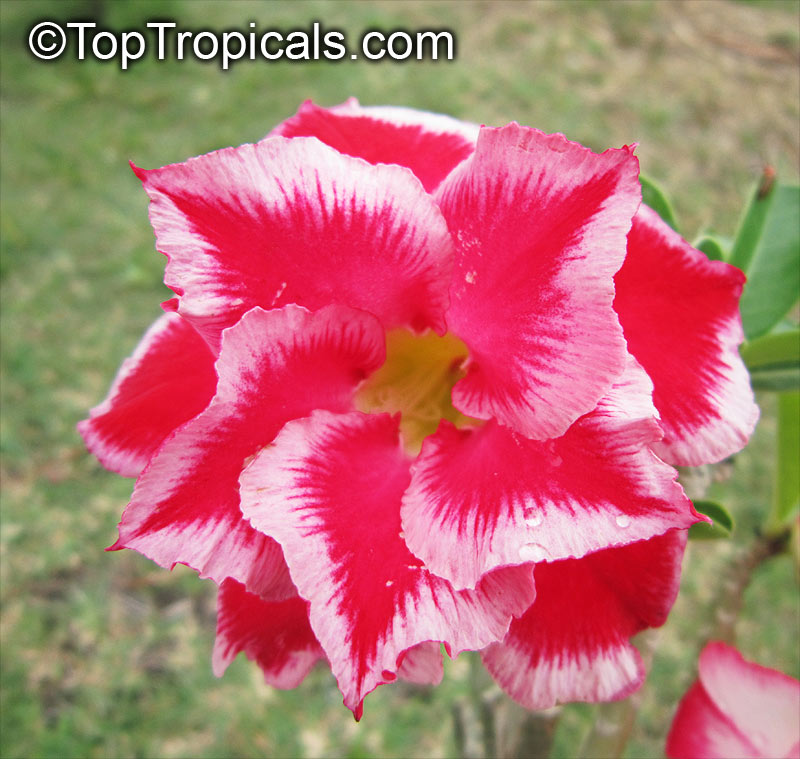
Holiday special: On the picture: Adenium Xmas Santa. A Holiday Special Desert Rose with Christmas-colored flowers - deep-red and white.

Still not sure which plant to choose? You may buy a Top Tropicals Gift Certificate, it ships well and has no expiration date!