Garden Blog - Top Tropicals

Date: 29 Jun 2019

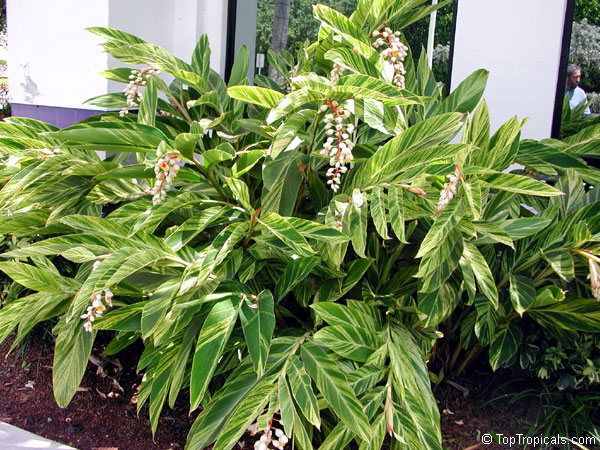
Variegated Shell Ginger - Alpinia zerumbet
By Onika Amell, tropical plant specialist

Q: I live in Deltona, Florida and hoping to find spreading ginger with interesting foliage to grow in a partially shaded area in my garden under a group of trees. Any suggestions?

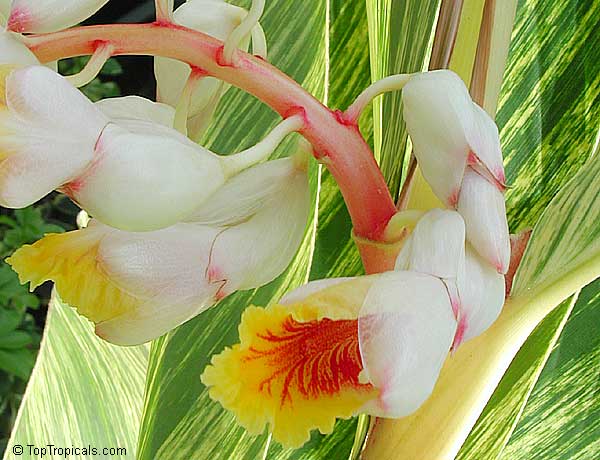
A: Variegated ginger Alpinia zerumbet variegata is a clumping ginger valued for its beautiful variegated foliage. The dark, green leaves have striking yellow stripes. This ginger is sought-after, not only for the stunning foliage but also for its beautiful flowers. The flowers are different from other members of the ginger family and appear in drooping racemes from the ends of leafy stems rather than directly from the rhizomes. This ginger is also commonly known as Shell Ginger because the flowers resemble seashells! They are pink-tinged, fragrant and appear in summer. This evergreen perennial grows in upright clumps 3-5 feet tall. You may prune the plant to control size.
It does not tolerate drought or a hard freeze but can take a few hours or light frost (goes dormant in such case). In colder areas, rhizomes should be dug up and stored in a cool room during winter.
This ginger will love a shaded corner in your garden. Plant it in organically rich, well-drained soil in full sun to part shade. Keep the soil moist but not soggy, and spread a thick layer of organic mulch around the plant for moisture retention. There are no serious insect or disease problems to worry about!
This ginger can be also be grown as a house plant as long as it has bright light and humid conditions. It will grow to around 3-4 feet tall as a houseplant.

Recommended fertilizers:

Broad Leaf Plus - Ginger-Heliconia-Banana Booster
Tropical Allure - Smart-Release Booster

Limited time special offer:
Instant $5 off Variegated Ginger - Alpinia zerumbet

Date: 25 Jun 2019

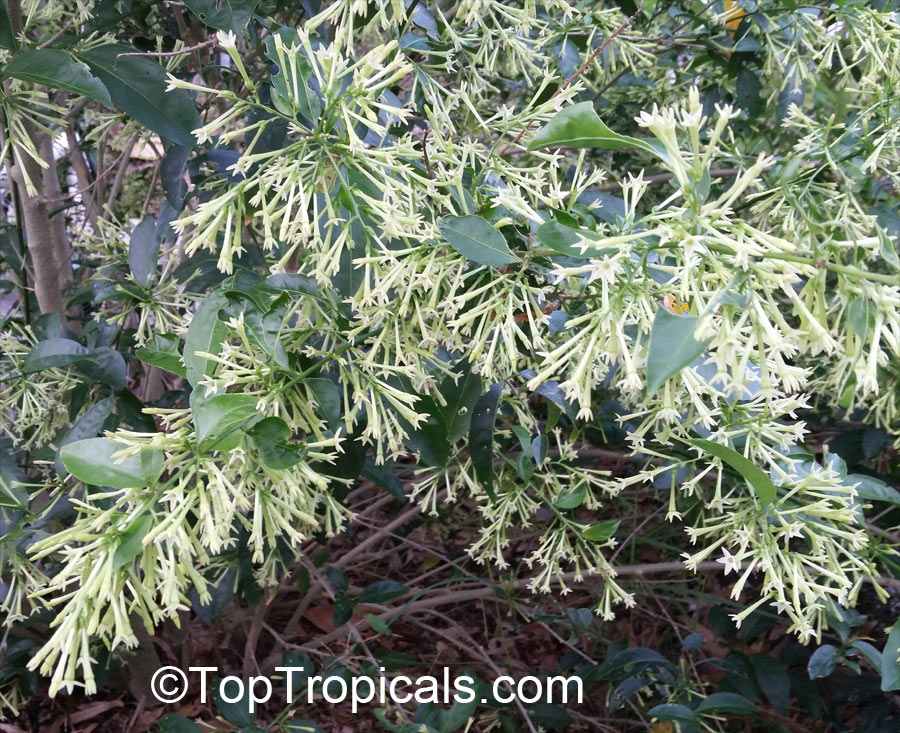
True love of Night Blooming Jasmine

By Onika Amell, tropical plant specialist

Q: I live in New Cumberland, West Virginia. I love the smell of Night-Blooming jasmine. Is it possible to grow it in the northern panhandle of West Virginia? Do I have to plant it every year or do I keep it in a pot and take it inside during the winter months?

A: Technically, Night Blooming Jasmine is not a true jasmine (those plants belong to Oleaceae, or Olive family). Night Blooming Jasmine belongs to the Solanaceae family, also known as the Nightshade or "Potato" family of plants. Yes, this sweet fragrant flower called Jasmine for its perfume is related to potatoes and tomatoes!
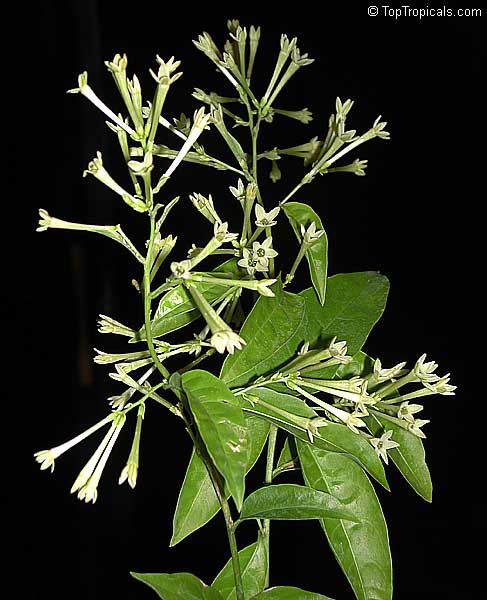
Night Blooming Jasmine - Cestrum nocturnum - is loved by many gardeners for its beautiful fragrance at night. It is one of the most fragrant tropical evergreen shrubs available. Cascading clusters of tiny, tubular pale yellow to white flowers open at night and release a heavenly fragrance throughout the garden, especially on warm summer evenings. The fragrance is much lighter during the day. Night Blooming Jasmine is grown year-round in zones 9-11. It is at its happiest in a sunny to a partially sunny spot in your garden in well-drained soil but can be grown in cooler climates as a container or greenhouse plant.
You would absolutely be able to enjoy this plant during the warm months in West Virginia, but it will most certainly not survive outside during the winter. You will have to bring it inside. Take it outside again only once you are confident there is no more possibility of frost. When grown indoors, be sure to give it the sunniest, South facing window in your home. When grown in a container, you will need to re-pot it every two to three years so it doesn't become root-bound.
For those who are lucky to live in frost-free areas, in ideal growing conditions outside, it can easily reach 8 feet with a spread of 5 feet. It has a lovely informal look that can soften a more manicured garden. Add organic matter to the planting hole when you plant to enrich the soil around the root ball. Water well in the summer, but allow them to dry out a bit between watering in the winter. Plant this Jasmine near pools, porches, doors, windows, and walkways where its lovely fragrance can be enjoyed. The shrub is also an excellent plant for privacy hedges and screens. When grown as a hedge, plant 3 feet apart.
Trim lightly after a bloom cycle to shape and then do a hard pruning in fall or spring to control the size of this plant. Fertilize 3 times a year - in spring, summer, and autumn - with a good quality granular fertilizer.

Recommended fertilizers:

Pink N Good Daily Plant Food - Flower Booster
Tropical Allure - Smart-Release Booster

Interesting facts:

Night-blooming jasmine is an excellent mosquito repellent. The powerful scent of the flowers attracts moths and bats that feed on mosquitoes and other small insects.
The flowers of the Night Blooming jasmine are widely used in India and other countries of South Asia for perfumery, medicinal applications and in religious ceremonies.

Limited time special offer:
Instant $5 off Night Blooming Jasmine

Date: 24 Jul 2019

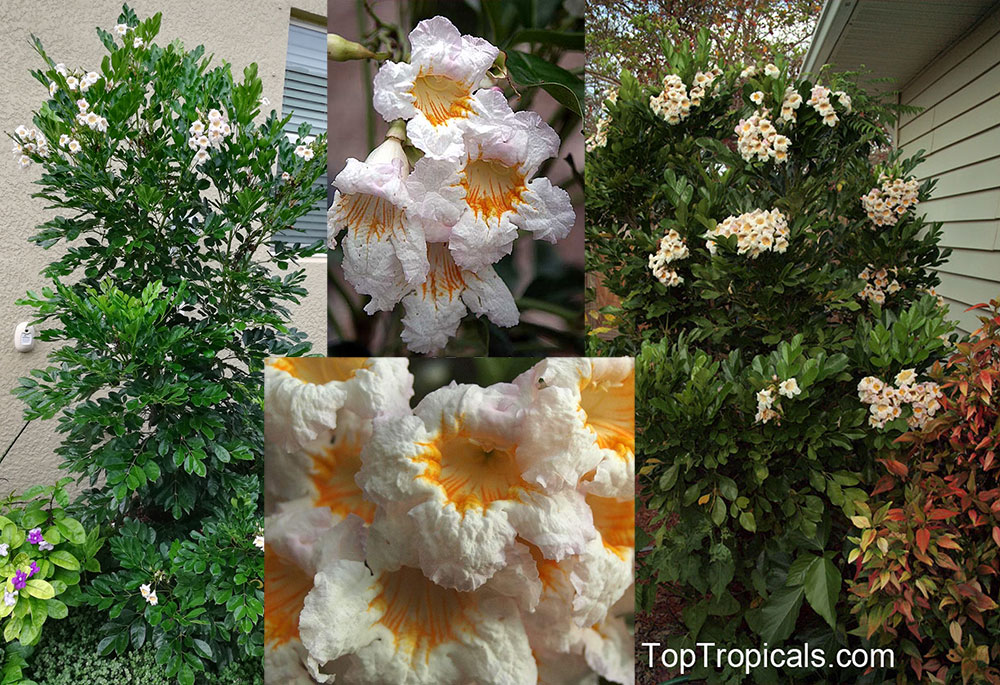
Perfect small tree for a pool area

Q: I need a tree for a space that is close to a pool and I don't want a tree that is shedding leaves all year long. I don't want it too big either. The canary tree caught my attention but I need to know if it is a tree that is dropping leaves all year. If it does then can you recommend another tree? I live in Fort Lauderdale.

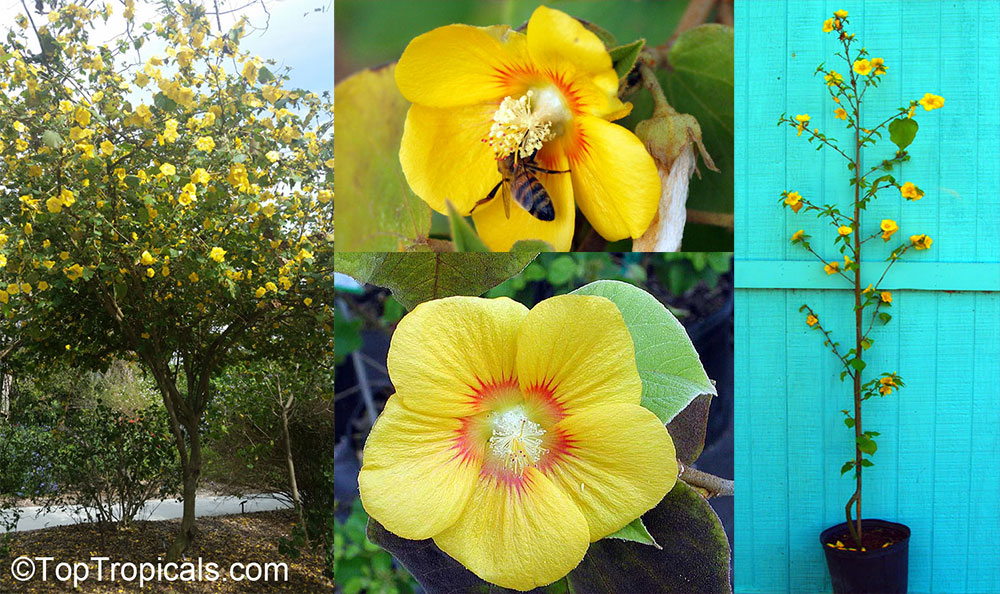
A: Canary tree is a good choice. It is free-flowering pretty little tree. It is evergreen and doesn't shed leaves too much especially in your area with mild winter. However, keep in mind that every plant sheds leaves. Even evergreen trees replace old leaves with new ones. Some trees more than others. Flowers also have a seasonal drop. You may check the full list of compact flowering trees suitable for small spaces.

Another great choice is a Dwarf Tree Jasmine, Radermachera - also a free-flowering tree with rose-fragrant flowers and large, architectural leaves that hardly ever drop. It has very dense yet compact columnar shape, and is one of the greatest trees for smaller landscapes.

Recommended fertilizers and supplements:

Pink N Good Daily Plant Food - Flower Booster
Tropical Allure - Smart-Release Booster
SUNSHINE SuperFood - plant booster

Date: 26 Apr 2023

The Benefits of Companion Planting

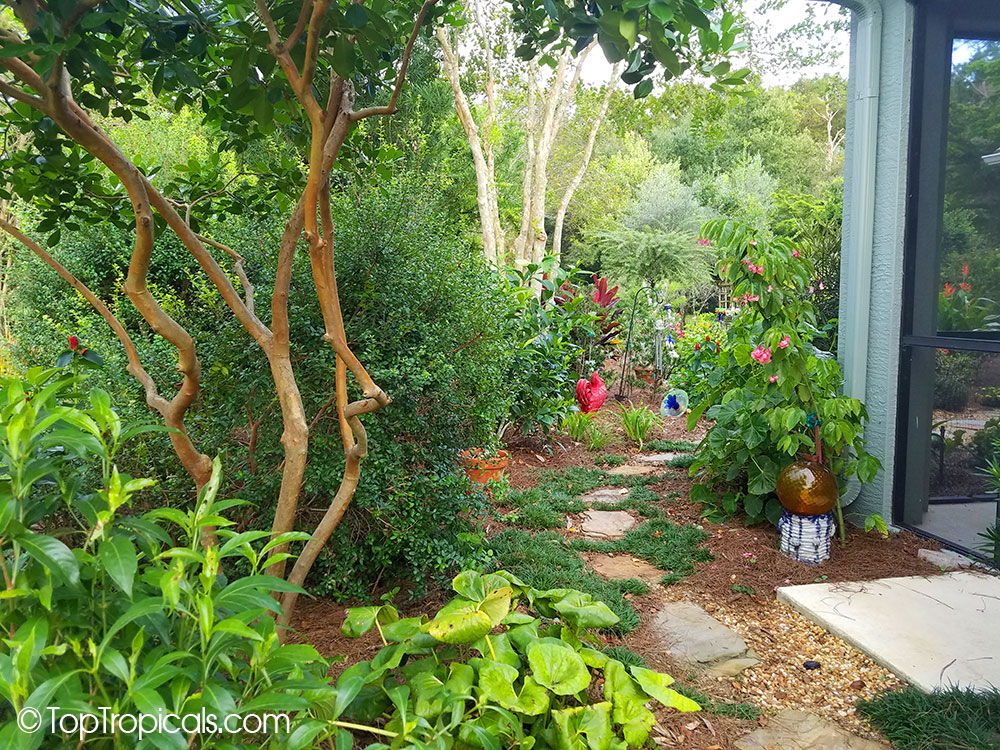
Landscaped  garden  with  companion  planting

Q: What is companion planting?

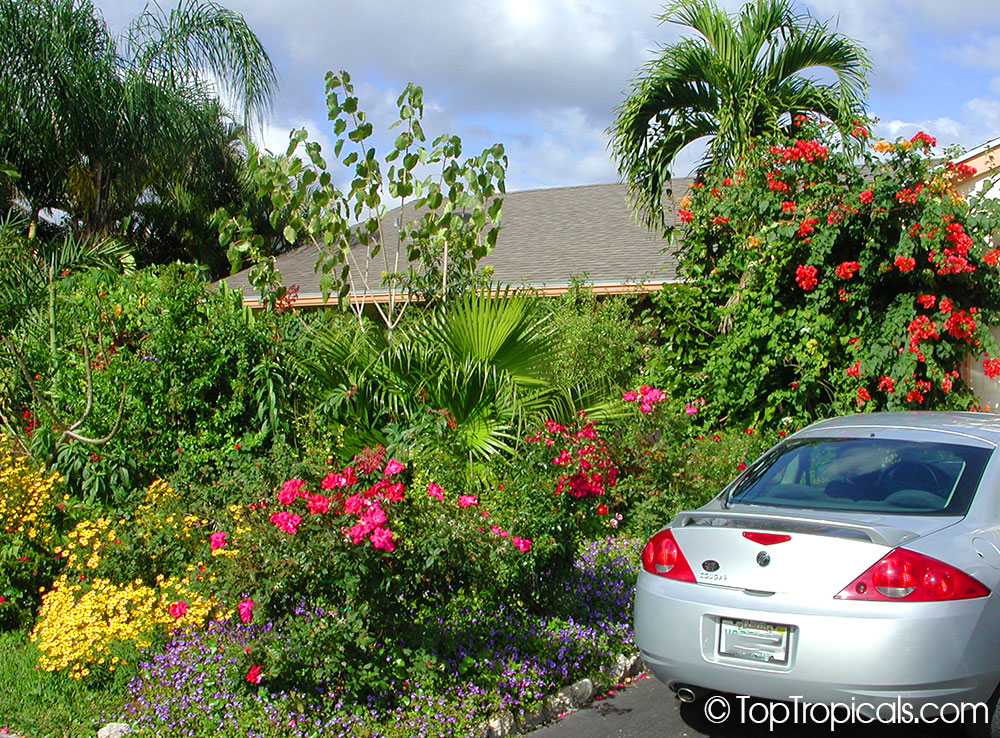
A: Companion planting is a gardening technique that involves planting different crops or types of plants together in a way that benefits all plants. This practice has been used for centuries, and it can be especially useful in tropical gardens where there is a diversity of plant life: trees, shrubs, vines and climbers, ground covers, fruit and edibles, and different flowering ornamentals. It is a great way to improve the health and yield of fruit tree crops while reducing the need for fertilizers and pesticides. By choosing the right companion plants and planning your garden layout carefully, you can create a vibrant and diverse ecosystem that will benefit both your plants and the environment.

Companion planting involves:

Planting different crops together to repel insects: adding such plants as Lemon grass, Patchouli leaf, or Moujean Tea near your vegetables can deter aphids and other pests.

Attracting pollinators - Butterfly plants. Many tropical crops, such as passion fruit, papaya, mango, and avocado, rely on pollinators to produce fruit. Companion planting can help to attract pollinators such as bees, butterflies, and hummingbirds to your garden.

Providing nutrients to the soil, adding mulch and low growing plants (ground covers) to preserve moisture.

Planting a variety of different types of plants together in order to create a more resilient ecosystem that is less susceptible to pests and diseases.

To get started, plan your garden layout and choose companion plants with similar water and light requirements.
For example, plant in the same group lush foliage plants, gingers, and flowering brunfelsias in shady areas; plant jasmines and gardenias in full sun and very well-drained spots.
Rotate annual crops regularly and experiment with combinations to find what works best. By doing this, you can create a thriving ecosystem that benefits both your plants and the environment, reducing the need for harmful chemicals.

Landscaped  front  yard  with  companion  planting

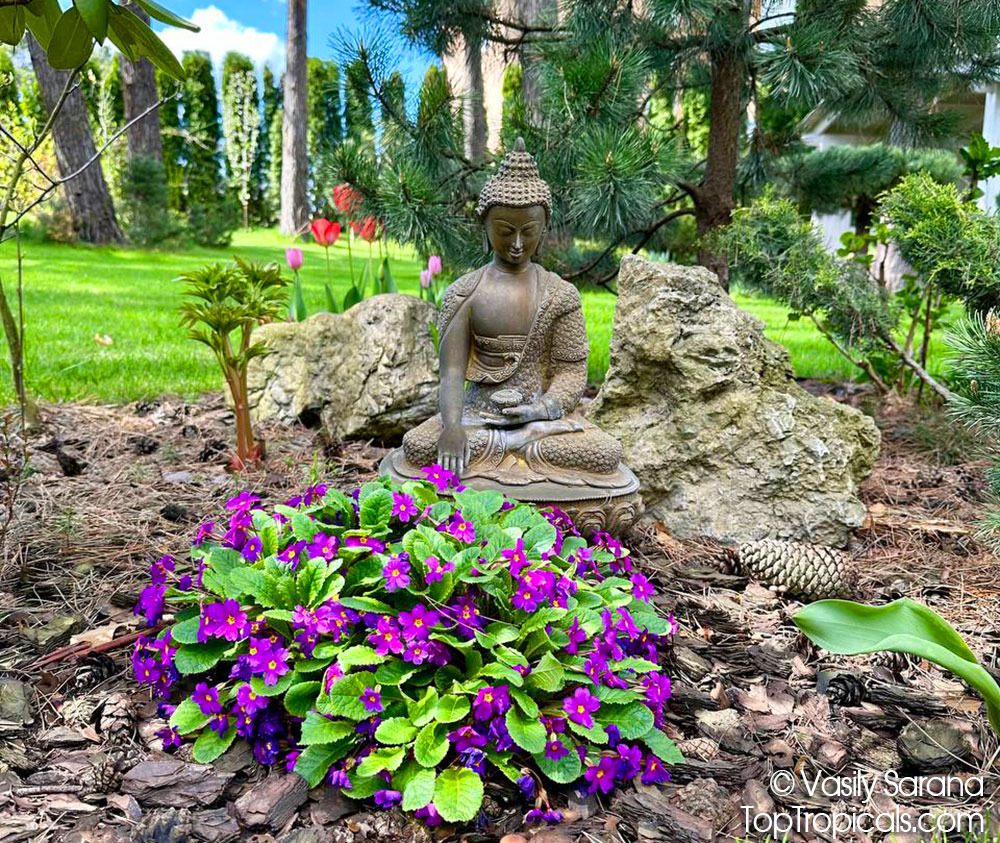
Buddah  and  flowers

Date: 9 Nov 2019

Saving Fallen Papaya Tree

Q: Hope there is help for my beautiful amazing papaya tree! There where a loooooooot of fruits on it, but it broke! First of all, it was leaning and friends tried to straight my beautiful tree. What can I do? Will it get fruits again?

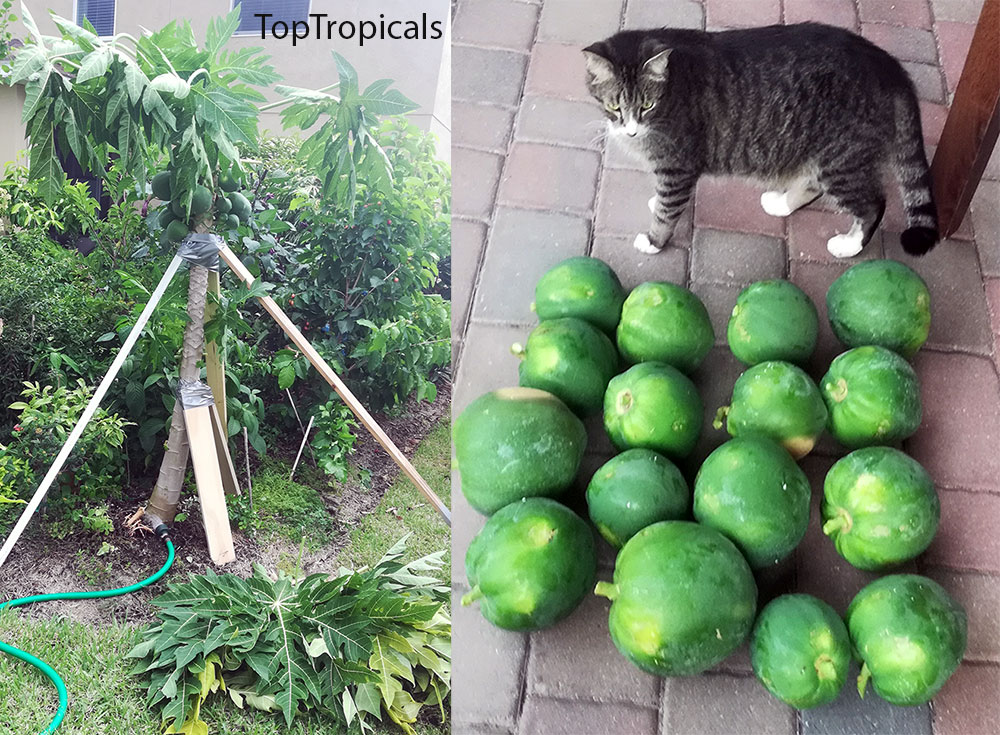
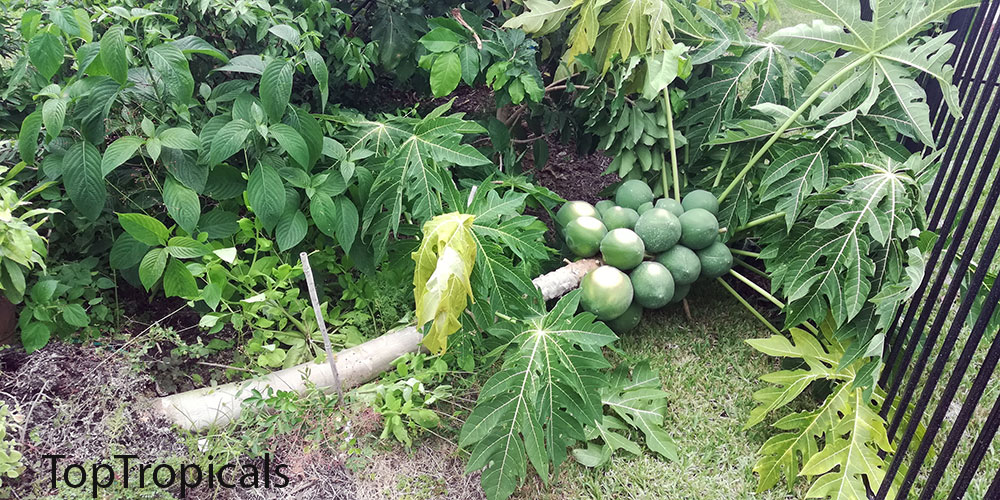
A: A couple months ago we also had a Papaya tree loaded with fruit that fell down (see photos). It was heart-breaking. We secured it and it continued growing for a couple of weeks but unfortunately, at the end the tree still died, leaving us a million fruit. The Papaya tree has a very sensitive root system and is hard to re-establish once the roots are damaged.
However, if it just has a broken top, it has a good chance to grow back from the side shoots.
Of course, remove all the fruit so they don't take energy from the recovering tree.
When a tree is loaded with fruit, it is important to provide support for heavy branches and for the trunk if needed. Always support the fruiting tree to prevent from possible falling BEFORE it starts leaning down and may become broken by even a light wind.
In the photo, you can see how we fixed boards around, but it was already after the tree fell. Unfortunately, it was too late since the roots got damaged. Always need to stake the tree up before the branches get too heavy!

RECOMMENDED FERTILIZERS:
Fruit Festival Plant Food - Super Crop Booster
Mango-Food - Smart Release Fruit Tree Booster
SUNSHINE-Honey - sugar booster

Maradol Papaya $10 Hot Sale

Only local pick up from our Garden Center
Hurry up, while supply lasts!