Garden Blog - Top Tropicals

Date: 18 Feb 2026

⭐️ Choosing the Right Variety of Jasmine Sambac

By Tatiana Anderson, Horticulture Expert at Top Tropicals
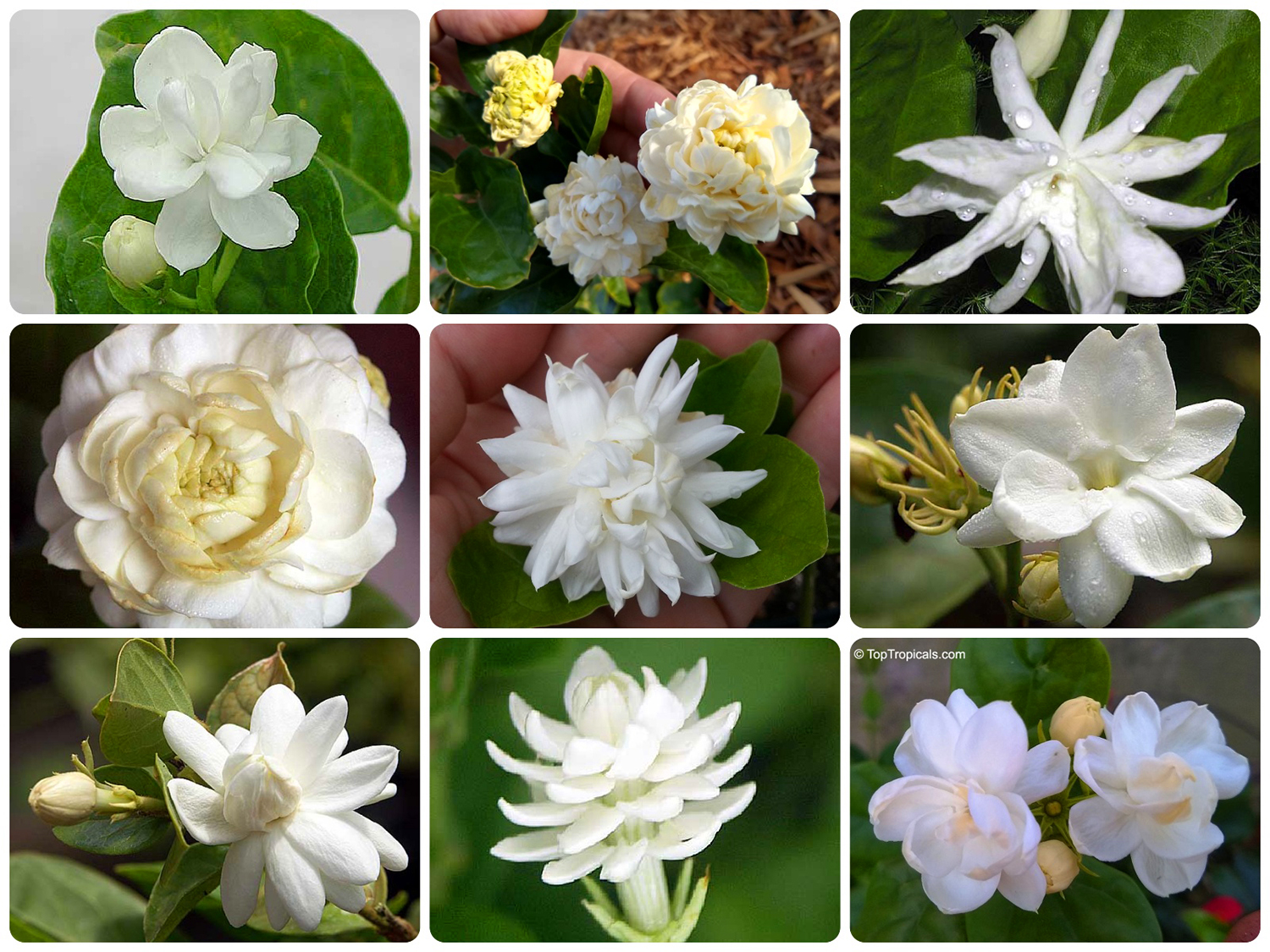
Jasmine  Sambac  varieties  collage  showing  single,  double,  and 
 multi-layered  white  fragrant  flowers  including  Belle  of  India,  Grand  Duke, 
 Arabian  Nights,  and  other 
 forms.

Jasmine Sambac varieties: Arabian Nights, Little Duke, Belle of India, Grand Duke, Duke Supreme, Maid of Orleans, Mysore Mulli, Malichat, Gundu Mallii

One of the reasons Jasmine Sambac is so fascinating is that it does not come in just one form. Each variety has its own personality.

If you want a compact patio plant, Arabian Nights or Little Duke are excellent choices. They stay tidy, bloom generously, and are easy to manage in containers.

If you prefer elegant, elongated petals and a refined look, Belle of India is a favorite. It can be grown as a small bush or trained lightly as a vine.

For those who love full, carnation-like double flowers, Grand Duke of Tuscany and Grand Duke Supreme are classic selections. They are vigorous and make impressive shrubs in warm climates.

If you need a stronger climber for fences or hedges, Maid of Orleans performs beautifully in full sun while Mysore Mulli prefers semi-shade.

Collectors often enjoy rare forms like Mali Chat or newer hybrids such as Gundu Malli, which combine traits from different lines.

How to Grow Jasmine Sambac Successfully

Sambac is not difficult, but it responds best to consistency.

Light: Full sun produces the most flowers. In very hot climates, light afternoon shade is acceptable. Indoors, place it in the brightest window available.

Soil: Use a well-draining potting mix such as Sunshine Abundance. Sambac does not like heavy, constantly wet soil.

Water: Water thoroughly, then allow the top layer to dry slightly before watering again. Reduce watering during cooler months.

Pruning: Light trimming after a bloom cycle encourages branching. More branches mean more flower buds.

Feeding: Sambac is a heavy bloomer, and fragrance takes energy. During active growth, feed regularly with a balanced fertilizer that supports flowering such as Green Magic (controlled release every 6 months) or liquid Sunshine Boosters Pikake (formulated especially for fragrant flowers) - with every watering. I prefer formulas slightly higher in potassium to encourage stronger bud formation and richer bloom cycles. Consistent feeding during warm months makes a visible difference in both flower count and intensity of scent.

With proper care, Jasmine Sambac will reward you not just with flowers, but with perfume that changes the atmosphere of your entire garden.
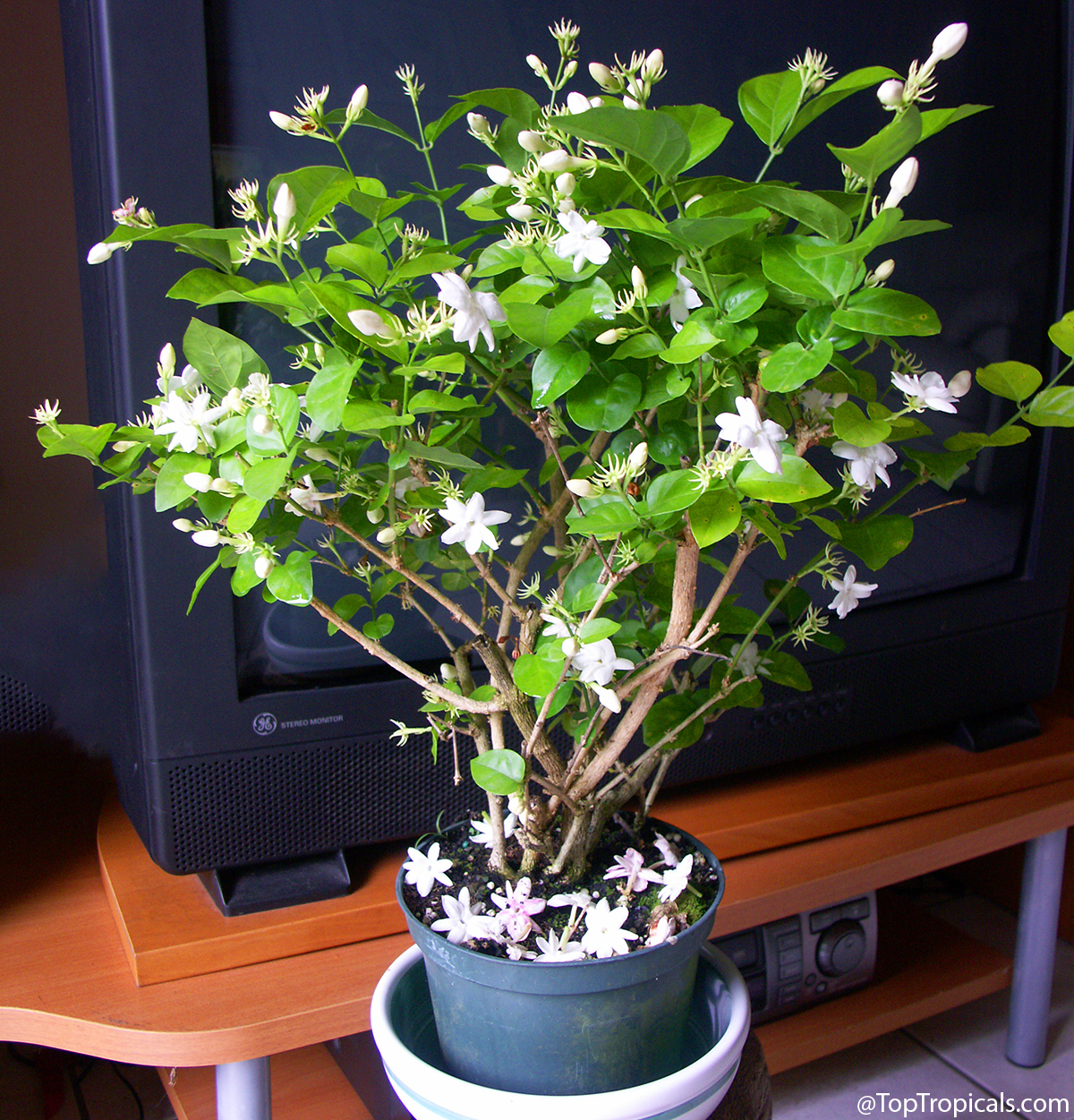
Jasmine  Sambac  Maid  of  Orleans  blooming  indoors  in  a  container  with 
 numerous  white  star-shaped  flowers  and  glossy  green 
 leaves.

Jasmine Sambac Maid of Orleans flowering indoors in a container under bright light.

❓Frequently Asked Questions About Jasmine Sambac

  • Does Jasmine Sambac need full sun?
    It flowers best in full sun. In very hot climates, light afternoon shade is acceptable. Indoors, give it the brightest window possible.
  • Can I grow it in a pot?
    Yes. Sambac performs beautifully in containers. Many gardeners prefer pots because it is easier to control size and move during cold weather.
  • How often does it bloom?
    With proper light and feeding, it blooms in cycles throughout the warm season. Consistency in care makes flowering more reliable.
  • Why is my plant not blooming?
    The most common reasons are insufficient light or irregular feeding. Increase light first, then review your fertilizing routine.
  • Is it difficult to grow indoors?
    Not if you provide strong light and good air circulation. Compact varieties adapt especially well.
  • Is it frost tolerant?
    No. Jasmine Sambac is tropical. Protect it from temperatures below 40F and bring it indoors before frost.

🌸 Year of the Horse Special – Jasmine Bonus

Celebrate 2026 with the fragrance of Jasmine plants. For a limited time, enjoy special savings when you grow one of the most wanted perfume plants in cultivation.
Jasmine Sale - 15% Off
Save 15% on all Jasmine plants. Discount is already applied in the online store - no code needed.
Offer valid through 02/28/2026.

🛒 Explore varieties of Sambac

Date: 29 Mar 2025

What are the best varieties of Pineapples?

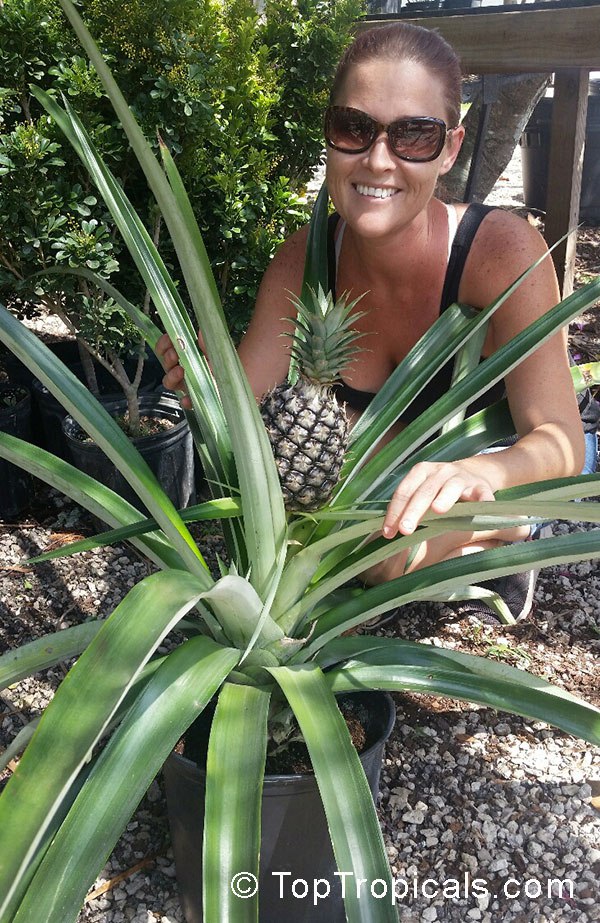
White Jade Pineapple (Eleuthera)

White Jade Pineapple (Eleuthera)

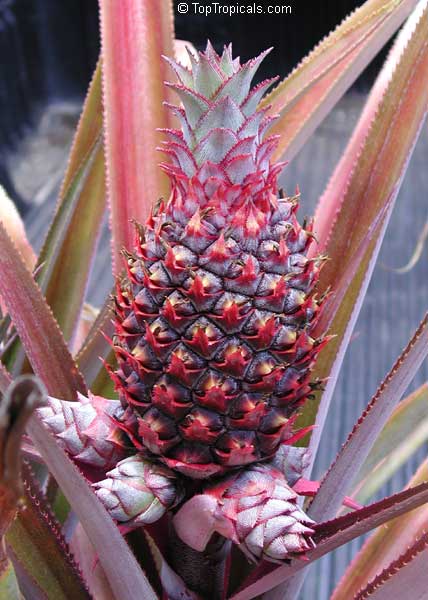
Florida Special Pineapple

Florida Special Pineapple

Sugarloaf Pineapple

Sugarloaf Pineapple

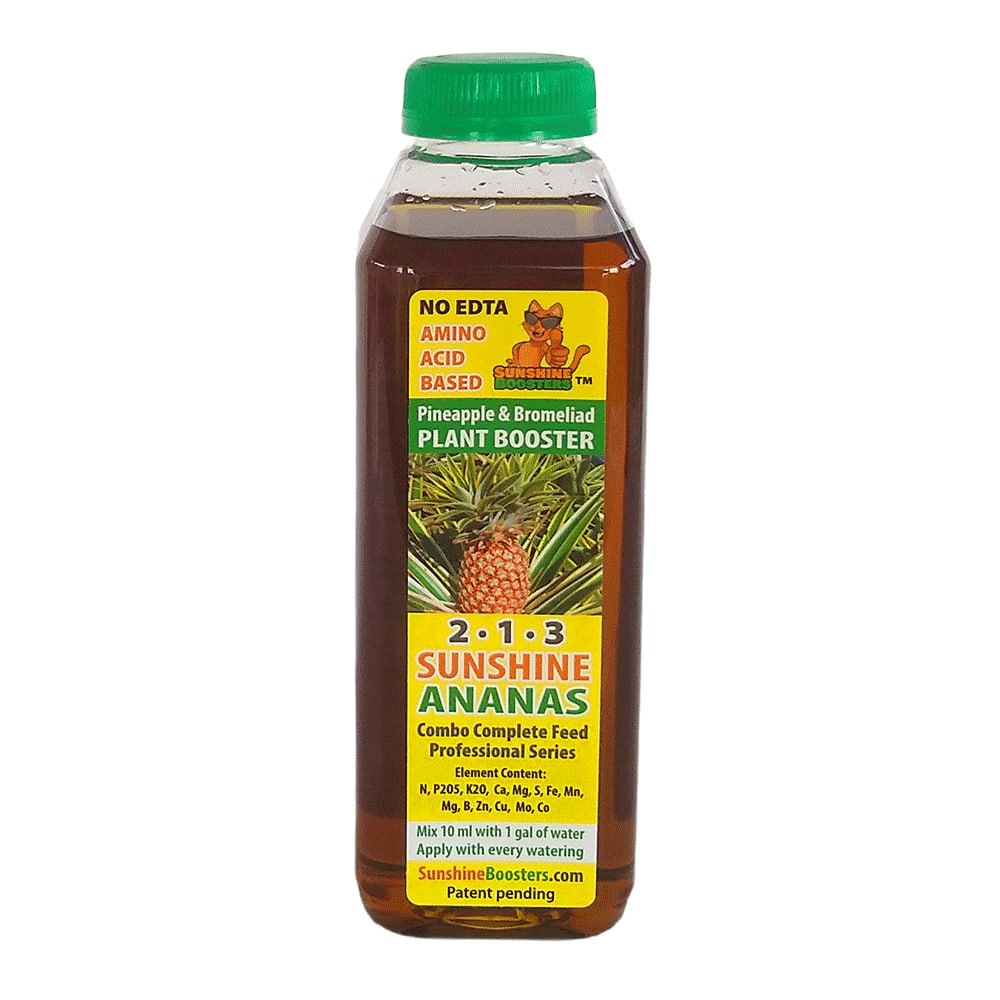
SUNSHINE Ananas - Pineapple and Bromeliad Booster

SUNSHINE Ananas - Pineapple and Bromeliad Booster

🍍 What are the best varieties of Pineapples?


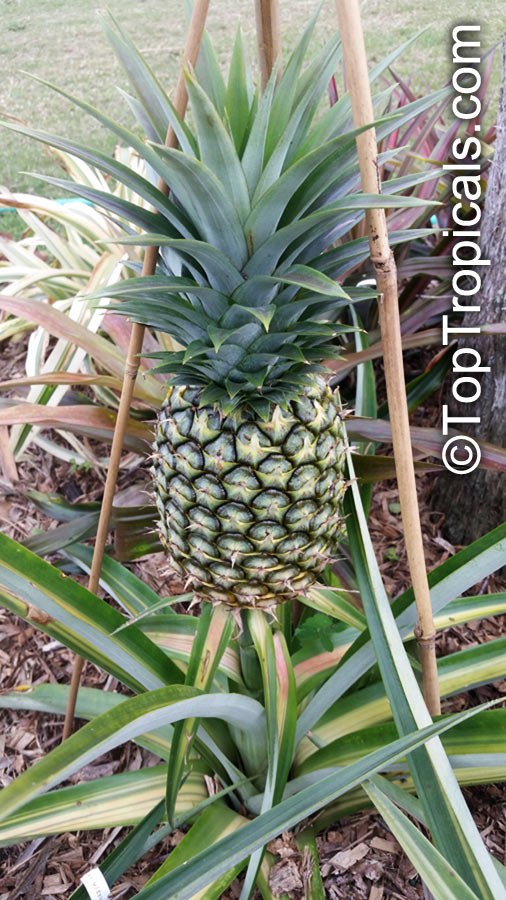
🍍 All the Pineapples (Ananas comosus) are easy to grow, virtually carefree plants. You you plant a few - you will always have the benefit of fresh delicious fruit on the table.

🍍 Our top 3 pineapple plants - beauty, flavor and backyard bragging rights!


1. White Jade Pineapple (Eleuthera) - Hawaiian luxury in your yard! Ultra-sweet white flesh, edible core, and spineless leaves for easy handling. Doesn’t ship well - because it's meant to be grown and enjoyed fresh by you!

2. Florida Special Pineapple - A golden-fleshed classic! Bred for Florida by the Libby fruit company, this variety once covered 240 acres in Immokalee. Sweet, flavorful, and tough - ripens even after chilly nights in the 30s!

3. Sugarloaf Pineapple - Sweet, Juicy, and Totally Unique! Also known as Kona Sugarloaf , it is a low-acid, super sweet variety originally from West Africa. It's famous for its creamy white flesh, mild flavor, and edible core - yep, even the core is tender and tasty! Grows tall, slim, and heavy, with dark green skin that stays green even when ripe. It can reach an impressive 10 pounds! The plant itself is just as striking, with a large pointed crown and smooth leaves edged with fine serrations.

🍍 Make sure to feed your pineapples what they crave - sunshine and nutrients! Boost their growth with - SUNSHINE Ananas - Pineapple and Bromeliad Booster. This special formula gives your plants the energy they need to thrive and produce tons of sweet, juicy fruit just for you!

📚 Pineapples from previous posts:


How we ate all pineapples from that ugly corner
The most luscious Hospitality Fruit: Pineapple
Three must-have fruit for every tropical garden

🛍 Enjoy the benefits of Pineapples - make your yard useful!

#Food_Forest

🔴 Join 👉 TopTropicals

Date: 23 Oct 2020

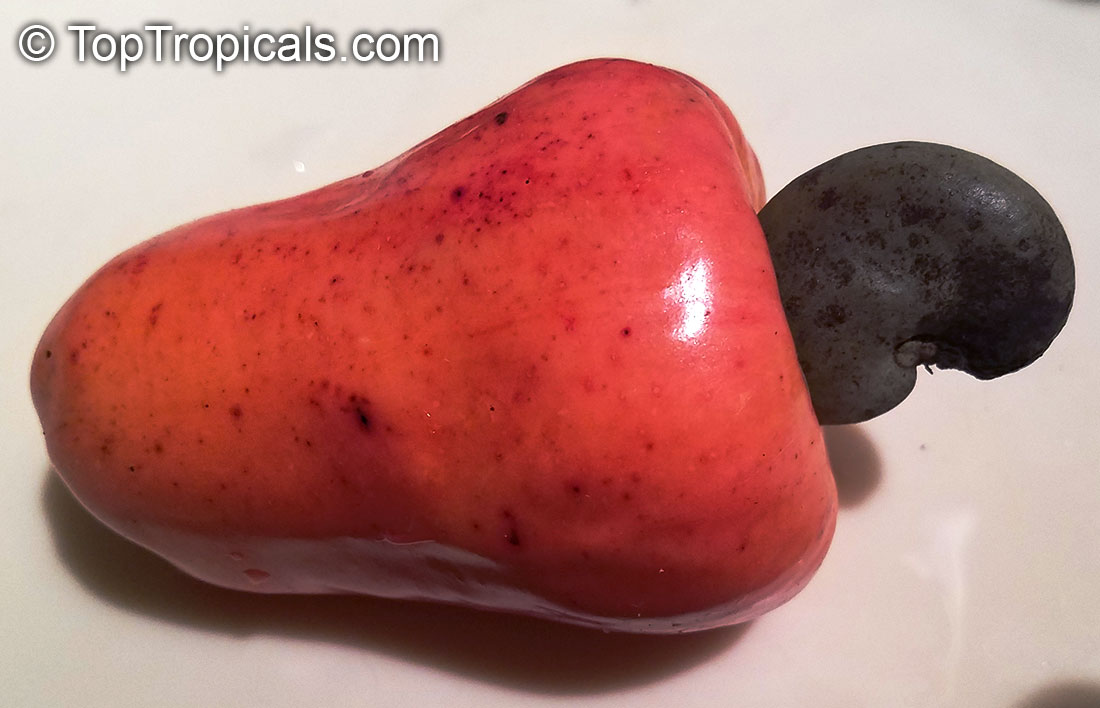
Cashew Nut tricks and challenges

Q: I bought a cashew plant in May of this year it has been slow-growing well then all of a sudden it started dying. I have cut it back halfway down. So a plant that was close to 3 ft tall is now 1 1/2 feet. I see new leaves trying to spring closer to the root. Help! It's in a huge 18"wide pot, I have not put it in the ground yet. I am in the Orlando area.

A: Generally speaking, Cashew is not the easiest plant to grow. Cutting it down added more stress to the plant. A few thoughts:

1) Chances are, the tree was over-watered (possibly summer rains, we had pretty wet summer this year in FL). Cashew trees are very sensitive to over-watering while young. Considering it sits in pretty large pot, this may have created soggy conditions. Don't bother repotting the plant now, just try to reduce watering. We have less rains now. If you have automatic sprinklers, move it away from sprinkler so you can control moisture manually. Even better - move it under roof (lanai, etc) where it still can get lots of bright light, but you can control water.

2) In Orlando, winters are too cold for this tree. Make sure to protect it from cold - bring inside when temperature drops below 65F, especially considering that the plant is still struggling.

3) Keep in mind that Cashew is semi-deciduous tree, meaning it looses leaves during cooler period. If all leaves are gone but the stem still green (after nail scratch) - just give it time, it may start growing vigorously in Spring.

4) You may apply Sunshine Boosters with every watering (which should be once a week, or even less frequent if the soil is still moist) - SUNSHINE C-Cibus - Crop Nutrition Booster

Keep the plant in full sun or at least very bright filtered light. It must be always warm. Bring inside if below 65F.

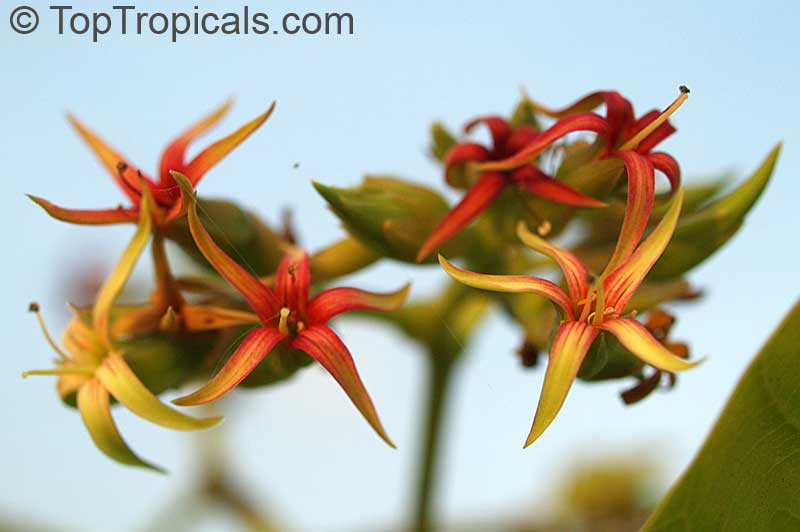
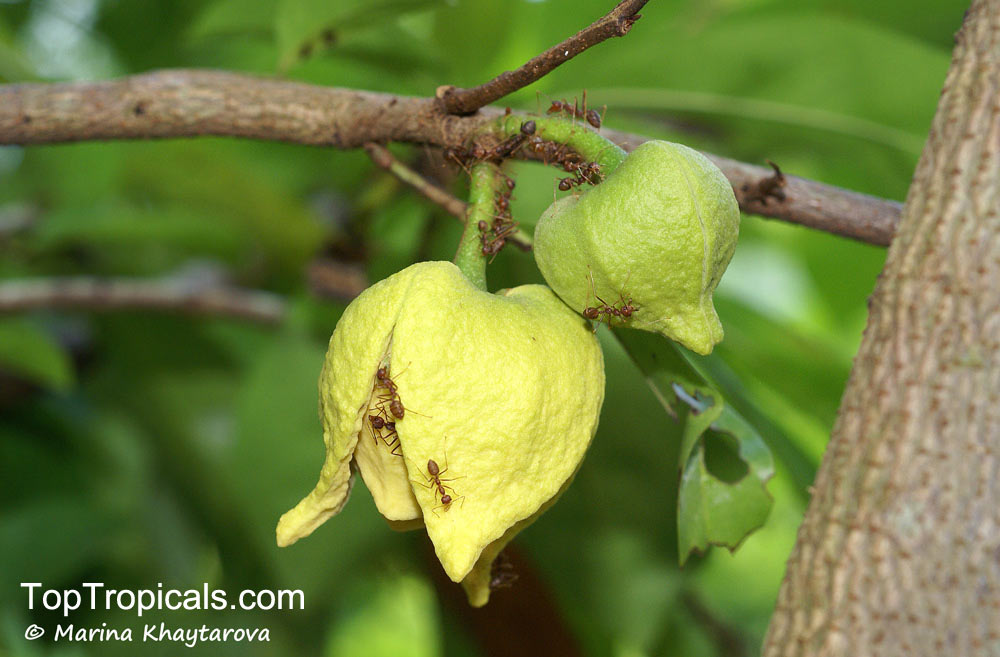
Photo above: Cashew Tree flowers are so amusing!

Date: 13 Aug 2019

Caring of Soursop in container

Q: I have ordered dozens of trees from you and have a question about Soursop. I have a Soursop in a container and ants and aphids are under new leaves. Do Soursop like little water? I water almost everyday living in southern Los Angeles it's been around 76-80F. I spray the aphids and ants off with a mist setting on my hose. They come back every day. They're only on new leaves...

A: First of all, you don't have to remove the ants iа they don't bother you. Ants are good insects, they do not harm plants; most likely they are attracted by a sweet sap - aphid by-product. Ants clean up a plant, and they may even take care of some bad insects.
It is not difficult to get rid of aphids. Use a safe treatment: in a small spray bottle, mix 1 cup of warm water, 1 teaspoon of dish soap and 2 tablespoons of any cooking oil (if you have Neem oil or Horticultural oil - even better, but prepare, they are pretty stinky). Spray the leaves with this solution to a dripping point. Repeat in a few days if needed. This simple remedy will take care of the aphids.
Daily water may be ok for the plant during hot weather, as long as the soil is not constantly moist. Let the surface of the soil get a little dry between waterings.

Recommended fertilizers for fruit trees:

Fruit Festival Plant Food - Super Crop Booster
Mango-Food - Smart Release Fruit Tree Booster
SUNSHINE-Honey - for sweeter fruit
SUNSHINE SuperFood - microelement supplement

Date: 3 Aug 2019

Grafted or seedling?

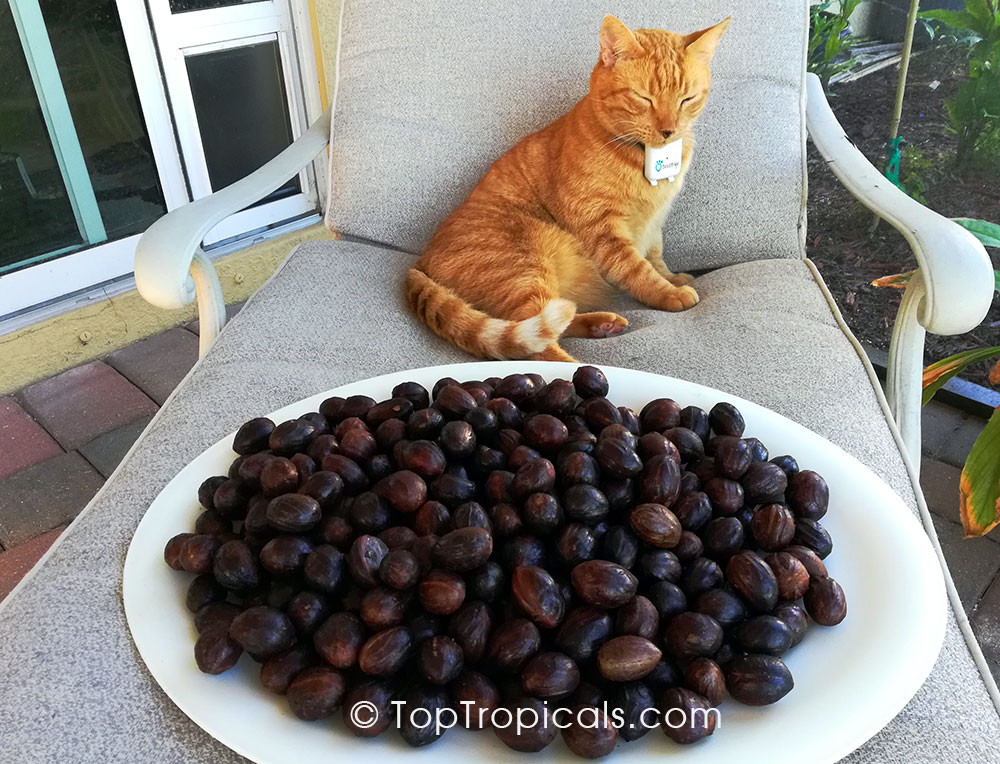
Photo: Mr Barcy meditating before planting Nutmeg seeds

Q: I planted an avocado seed and it sprouted quickly, it has been only a couple months and I already have a small plant. How soon will it produce fruit? Can I grow other tropical fruit from seed?

A: Unfortunately, some fruit trees, including varieties of avocado, mango, lychee, as well as apples and peaches - must be either grafted or air-layered in order to produce, for 2 main reasons:
- seedlings may take a very long time until fruiting, up to 10-15 years
- seedling gives no guarantee on the quality of the fruit or variety
These fruit trees should be propagated as "clones" - both grafted material or cuttings are actually copies of the mother plant and will keep the same fruit qualities. Grafted trees usually start producing immediately.
However there is a number of fruit trees that come true from seed, and take a very short time to start flowering. Jackfruit, Annonas (Sugar Apple, Guanabana, etc), Papaya, Icecream Bean, Eugenias start producing at a young age (3-4 years from seed).

Recommended fertilizers for fruit trees:

Fruit Festival Plant Food - Super Crop Booster
Mango-Food - Smart Release Fruit Tree Booster
SUNSHINE-Honey - for sweeter fruit
SUNSHINE SuperFood - microelement supplement