Date: 24 May 2019
Synergy of SUNSHINE, biostimulants, and macro-micro
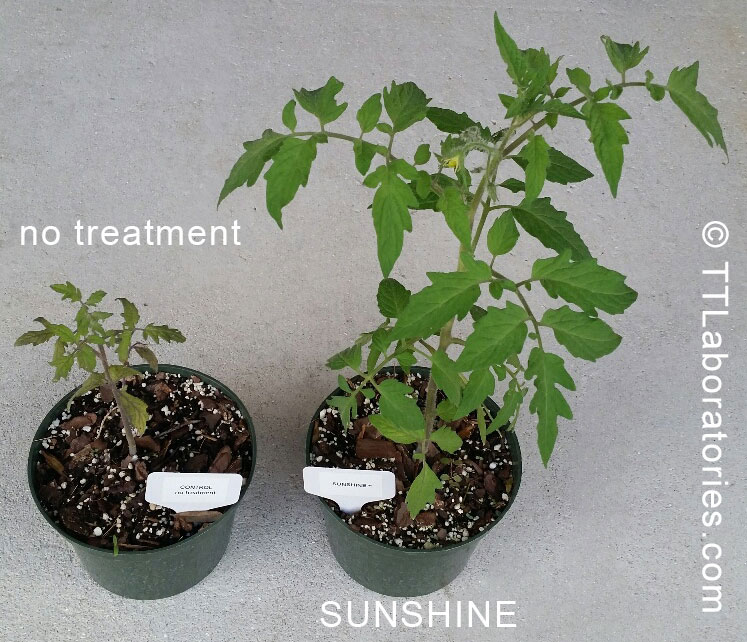
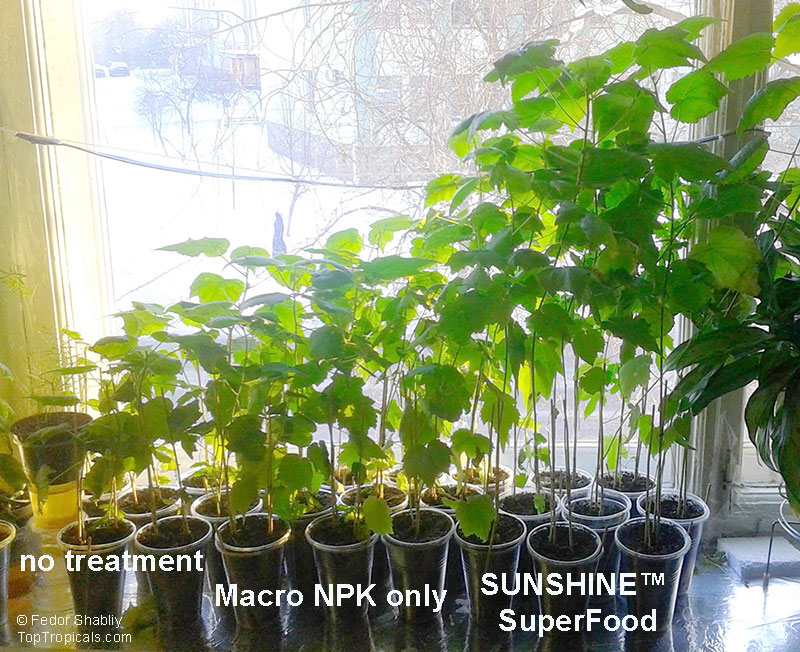
Q: I've heard that plants grow better and bigger with SUNSHINE boosters and when using Myco-Mix instead of regular soil mix. Do they work like fertilizers? If I use a Myco-mix, do I still need a fertilizer?
A: SUNSHINE boosters are not fertilizers, they are natural plant hormones, or biostimulants, as well as Myco-Mix which is a naturally occurring compound or microbes. Biostimulants are becoming increasingly attractive to folks interested in sustainable agriculture, and very popular for plant growth or pest resistance. A plant biostimulant is not a fertilizer because it provides no nutritional value to the plants. But, it can promote greater nutrient and water use efficiency, increase resistance to pests and diseases, reduce abiotic stresses, and in turn, lead to plant growth and health.
To answer your question, you can not replace regular fertilizers (NPK) and micro-elements with plant boosters and stimulants. However, fertilizers and microelements will work more efficiently when used in combination with biostimulants. Together they create a synergy, so plants use the most of fertilizer's potential, and will grow a lot better, faster, and healthier.
4 components for the best growing results
1. SUNSHINE boosters. They are a must during the juvenile stage of plant
development - seedlings and cuttings. They are especially important for
recovery of weak or stressed plants (boosting their immune system).
2. SuperFood microelements
3. NPK fertilizers. Select from water-soluble and smart-release types and
make sure do not exceed the recommended concentration. Lower dose and more
frequent use is always better for a plant.
4. Specialized soilless mixes: Myco-Mix (with biostimulant Mycorrhiza) for exclusive growing projects
and special/unique plants, Professional potting mix for potted plants, and Propagation mix for seeds and cuttings.

Date: 24 Jun 2018

Fruitful Fruit and SuperFood...
Q: I have a large fruit garden here in Florida with many mango trees, avocadoes, guavas, and other tropical fruit. Last year hurricane Irma and flooding killed a few avocado trees, but mangos and guavas survived OK, but the sad part is, very few flowers this year and almost no fruit setting. I noticed on your website your Superfood and Sunshine-Honey boosters that supposedly help fruiting? But I am afraid it is too late now as your instructions say first application must be in early Spring? I wish I discovered earlier that my trees wouldn't want to fruit this year...
A:
First of all, it is never late to give the food! You may
start applications of SUNSHINE products at any time
of the year. The best results will be achieved once you
treat your plants on regular basis throughout the whole
year cycle of metabolism.
Couple weeks ago we started harvesting our 2 guava trees.
These two are the same variety (Variegated Honeymoon),
planted within 20 ft from each other and growing in the
same conditions. The only difference was, one was treated
with SUNSHINE-Honey and SUNSHINE-SuperFood, and another
one didn't get any treats in order to have a control
plant.
Results are very interesting, see the picture. Both trees
were heavily covered with fruit. However the one with
treatments developed fruit that is much larger, much
sweeter and juicier, and the most interestingly - with
less seeds, almost no seeds!
To answer your question: yes, you can start feeding your
fruit trees right now. It is still a Springtime. Many
mango varieties have late season; even early varieties may
delay their fruiting if flowering triggered by
miscro-elements. Guavas have very long season and most
varieties can have multiple crops throughout Summer-Fall.
Here is a simple and affordable feeding schedule to
help your fruit garden recover from last year hurricane
stress, and establish reliable production:
1) SUNSHINE-E - for boosting
metabolism - once a month
2) SUNSHINE-Honey - for bringing
sugars to the heart of the tree and boosting fruit
sweetness and quality - now and in 2 weeks
3) SUNSHINE-SuperFood - for
overall health, recovering from hurricane and fixing root
damage from flood - now and every 2 weeks throughout warm
season.
4) You may apply regular balanced fertilizer NPK as
usual (we apply once a month, a handful per in-ground
tree)
It's that simple. Just try and watch your trees produce
again!
Check out all SUNSHINE boosters... We offer FREE shipping on them, so you can make your plants happy!

Date: 11 Mar 2026
📅 Do Not Miss: March 21 - Spring Equinox Plant Market
🍩 Saturday, March 21, 2026: 9 am - 4 pm

Smokey: You'd be perfect for a Gulf beach cafe. But gardeners don't come here for donuts.
Sunshine: Really? Then why do they come?
Smokey: Some gardeners lost plants to the freeze. Others want trees that will handle winter better. Cold-hardy avocados. Macadamia. Grumichama. And some just come for fun - to see the PeopleCats.
Sunshine: And my charm... and my donuts will make it more fun.
Read more about Smokey & Sunshine
Ft Myers Garden Center: 13890 Orange River, Ft Myers,
FL
Sebring B-Farm
: 9100 McRoy Rd, Sebring, FL
More Spring Equinox Plant Market details
🌞 Welcome to our Spring Equinox Plant Market, proudly hosted by the PeopleCats of Top Tropicals.
This one feels different.
After Florida’s record freeze, many gardens are brown, trimmed back, or missing a few old friends. We felt it too. And now - we rebuild.
The equinox marks equal day and night. More light ahead. New growth beginning.
And the PeopleCats are ready🐾.
- 🐱King is back on gate duty - inspecting every vehicle for proper plant-hauling capacity.
- 😺Paisley is rearranging freeze survivors and new arrivals like a design consultant.
- 😼Snitch is supervising recovery efforts from a comfortable chair.
- 😸Persephone is checking under tables for "hidden spring energy."
- 😻Sushi and Loki are preparing for guided garden tours - recovery edition.
This is not just a plant market. This is the spring reset.
👍 Why You Should Come
It is finally warm in Florida. After several nights of hard freeze, some plants survived - and some didn’t. This event is your chance to see real freeze champions in person.
If you lost plants, you are not alone. If you are ready to plant smarter, this is your moment.
Walk the gardens. See proven winter survivors. Discover cold-hardy fruit trees and resilient ornamentals. Get practical advice about replanting after freeze. This is rebuilding - Florida style.
♥️ What Makes This Event Special
We are featuring:
- Verified freeze survivors
- Cold-hardy fruit trees
- Tough flowering trees and shrubs
- Replacement plants for damaged landscapes
- Smart layering ideas for frost-resilient gardens
- You will see which species handled 25F with wind and multiple nights of freeze - with no protection.
Real-world test. Real results.
Cold hardy fruit favorites include:
- Cold-hardy Avocado varieties, including varieties, which are cold hardy to 15-20°F: Joey, Fantastic, Mexicola, Poncho, Brogdon and more.
- Macadamia Nut Trees
- Eugenia Cherries, including Rio Grande and Grumichama
- Gin Berry and Jaboticaba
- Loquat and Cattley Guava
- Peaches and Pomegranates
🌸 Cold hardy subtropical flowering trees including:
- Bauhinias and Tabebuias
- Mexican Bird of Paradise - Caesalpinia mexicana
- Jacaranda and Magnolia
🎉Event Highlights
- 30% OFF online prices
- FREE plants with purchase
- $5-10 specials
- Exciting raffle prizes
🌳Don't just mow - grow!
Start your food forest, beat rising prices, and plant a future your family will thank you for.
Date: 18 Feb 2025
Unlock
Your Carefree Tropical Paradise:
Discover Our Useful Succulent Sale!
Beautiful flowers and Edibles
It's no secret that everyone's dream plant is the one that requires little to no care yet still blesses us with the beauty of flowers or the bounty of fruits. Does such a plant exist? Some might say, "Sure, get a plastic one!" But the truth is, some tropical plants, which typically need a lot of water and nourishment, can thrive with minimal effort.
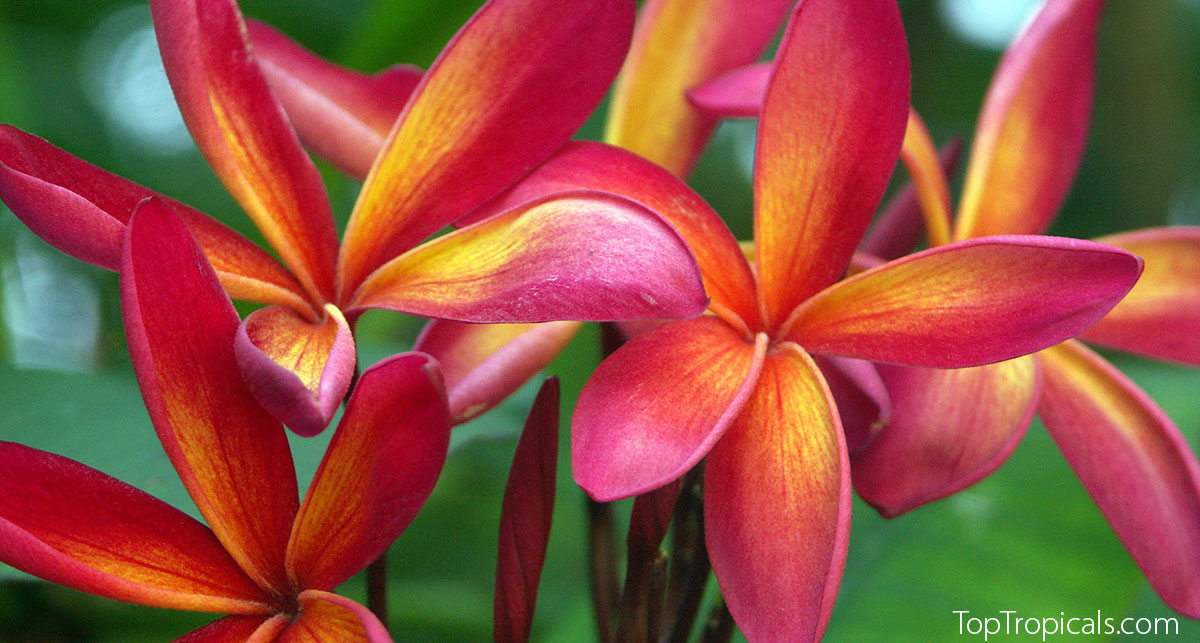
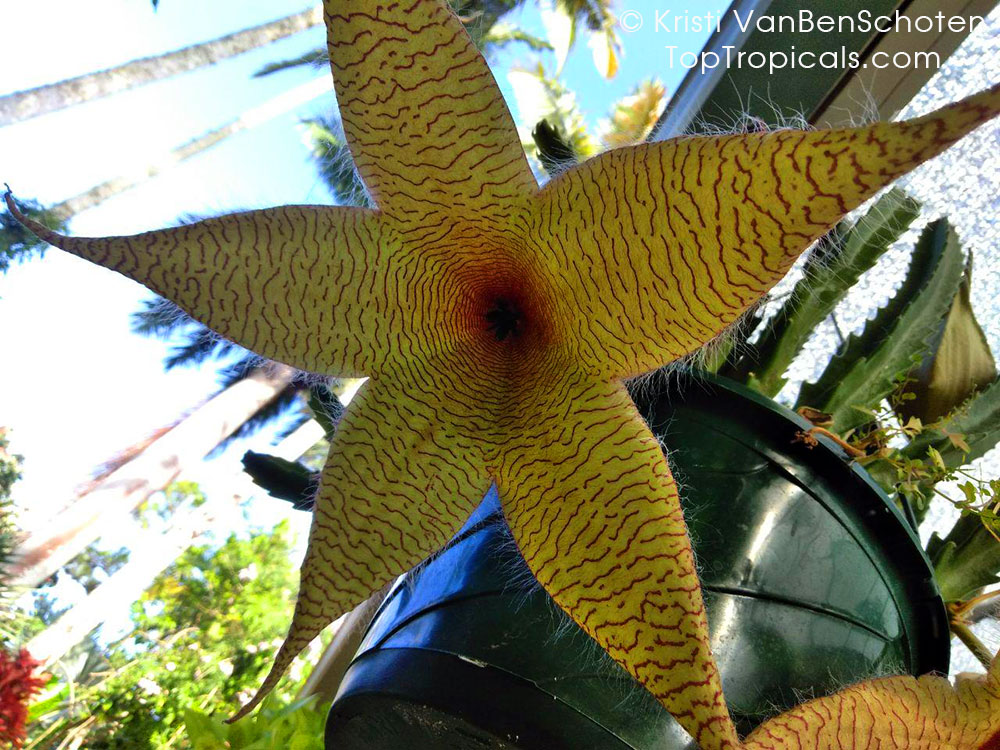
Dive into our Useful Succulent Sale, where you'll find plants like the enchanting Plumerias, the striking Adeniums (Desert Roses) and Starfish Flower, fragrant Epiphyllums (Queen of the night), delicious Dragon Fruits, and exotic Barbados Gooseberries that promise a low-maintenance slice of paradise. These hardy succulents need just sunshine, occasional watering, and a splash of our liquid Sunshine Boosters for flourishing flowers and fruits. Take advantage of our INSTANT 15% discount on all these splendid succulents - one week only!
Instant 15% discount to start your carefree tropical garden today!
No code required!
No min order. Exp. 2-25-25
Reminder: use our FREE and DISCOUNTED SHIPPING for qualified orders
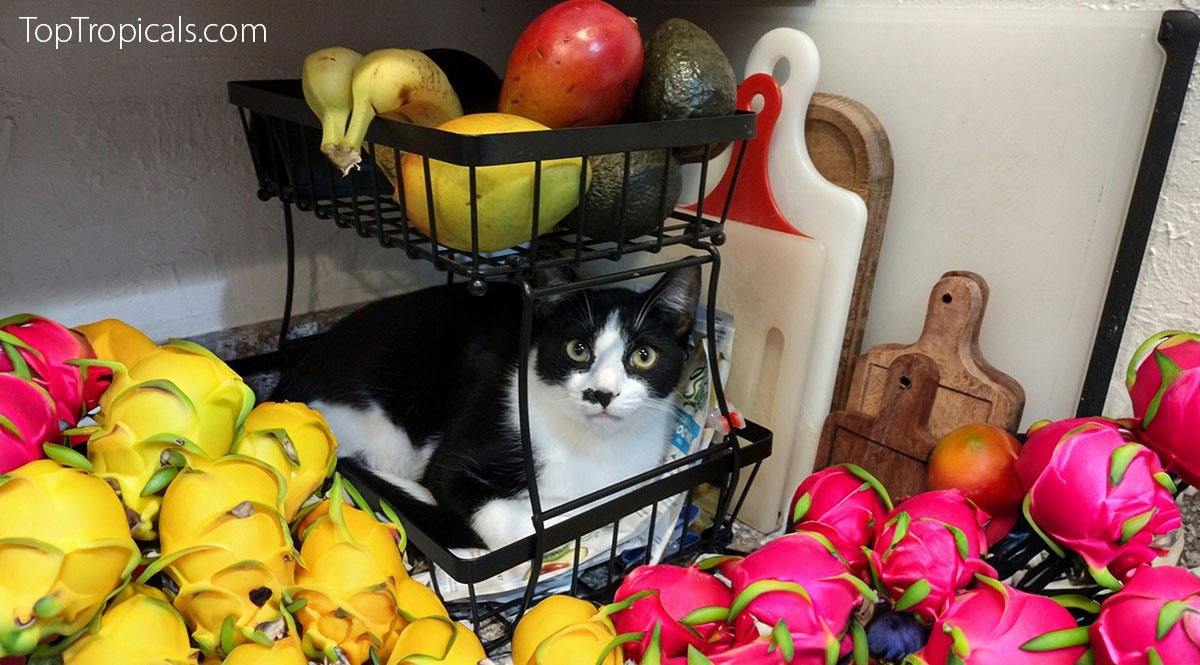
Dragon Fruit, or Pitaya - a striking member of the cactus family known for its spectacular night-blooming flowers and vibrant fruit. This climbing cactus can stretch up to 30 feet, producing fruit with flesh in shades of white, red, or magenta. Rich in antioxidants, it offers health benefits such as reducing the risk of cancer and heart disease. A staple in both traditional and modern cuisine, it's featured in products from major brands like Tropicana and Snapple. According to the legend the fruit was created thousands of years ago by fire breathing dragons.
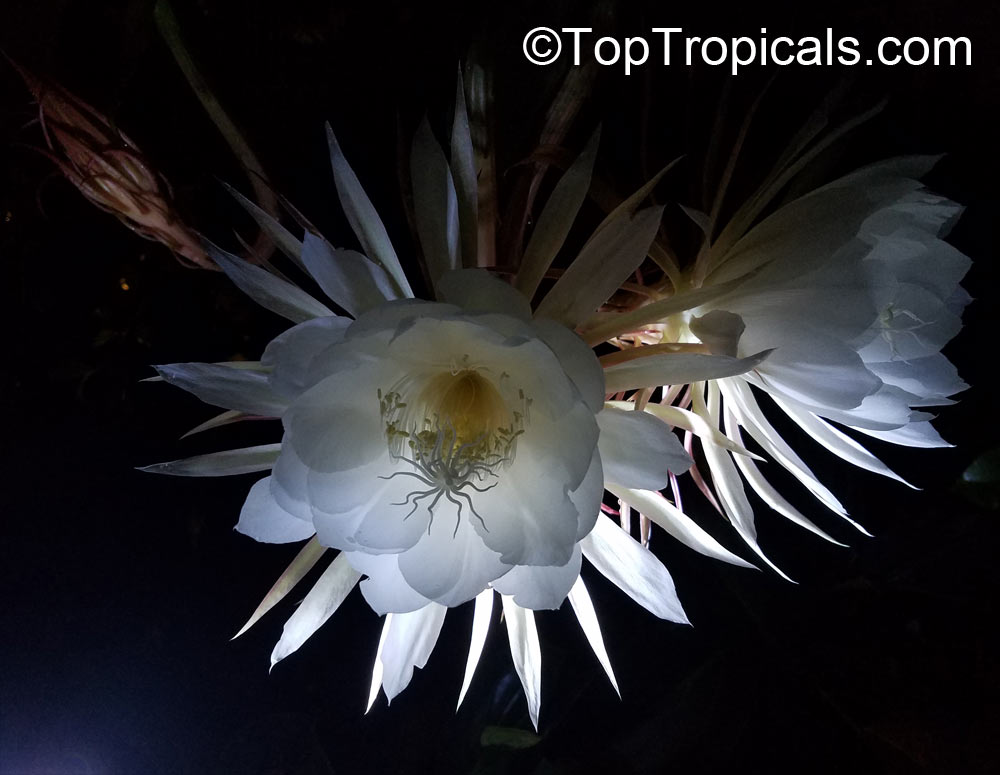
Epiphyllum oxypetalum - Queen of the Night - exotic cactus from tropical rainforests with large, meaty leaves and spectacular, huge white flowers that bloom nocturnally, filling the night with their powerful fragrance. A truly mesmerizing addition to any Southern or indoor garden.
Date: 24 Jun 2018
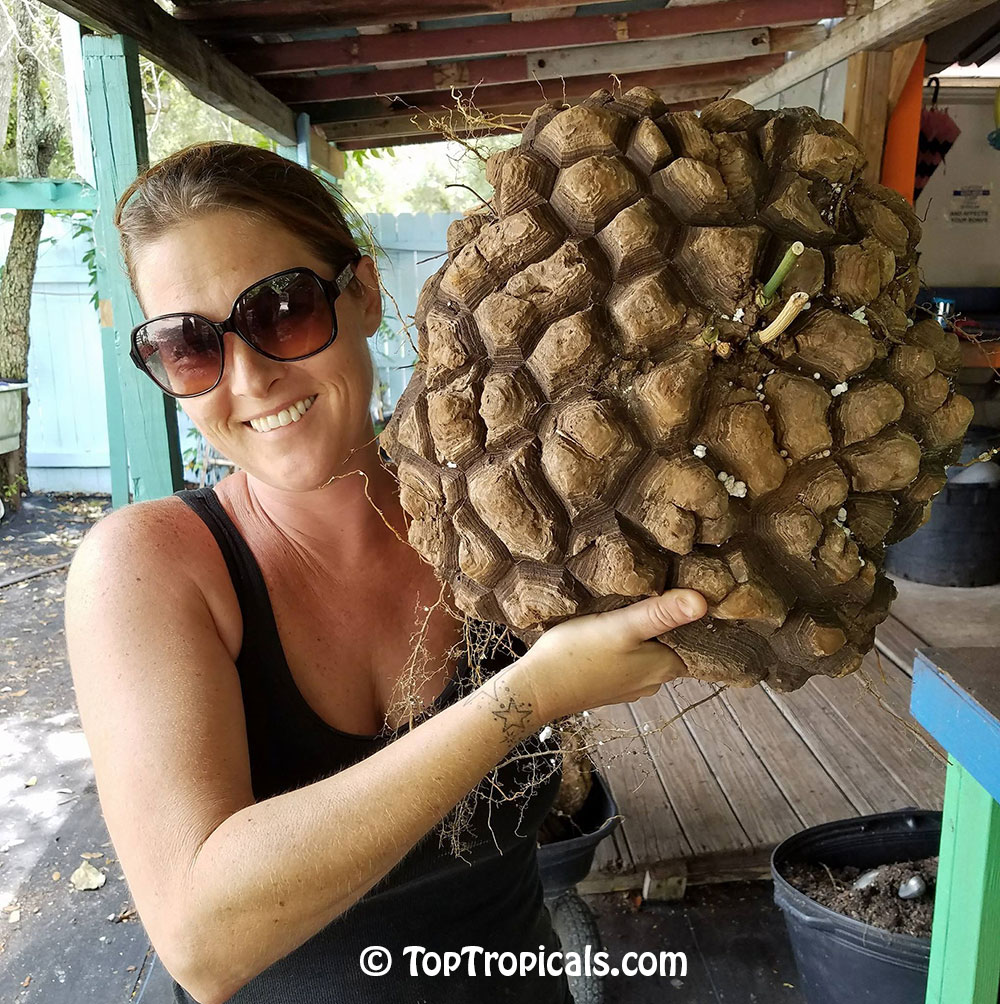
Elephant Foot, Turtle Shell - back in stock!
Dioscorea
elephantipes.
Dioscorea is a curious plant
with tuber above ground level covered with layers of corky
bark, resembling a caudex. It is a slow growing, very
unusual succulent. Tuber contains saponins, originally
cooked and eaten as a famine food by the Hottentots.
Caudex that grows up to 6' in nature, resembling an
elephant's foot and looks as if it is segmented into
geometric patterns (smaller plants look like tortoises)
and looks dead but is actually a living tuber. A plant
with 18"caudex can be almost 100 years old! The plant
grows into a vine with attractive heart-shaped leaves and
small yellow flowers. Culture is relatively easy. The
vines may die back and regrow several times a year,
depending on the particular plant and your region. The
plant doesn't send down deep roots, so plant in a shallow
pot about 1" larger than the diameter than the caudex. Potting soil should be very
porous/loose so that there is easy drainage. Water
well around the edges. Keep in a warm area and wait for
the first shoots of the vine to appear. Water regularly
from that point on. The plant should not be kept damp as
with other tropical plants. Allow it to dry before
watering again. Many books will say that they are winter
growers, because they are native to the southern
hemisphere. In fact, they grow in all seasons! Let the
plant be your guide. You cannot force them to grow, and
over watering will simply cause them to rot.
Elephant Foot is a collectors item, but remarkably easy to
grow. It will be with you for years with no effort. It is
a wonderful conversation piece! See more info about Dioscorea
elephantipes.
We have limited stock, while supply lasts, hurry up!
*** 4-6"caudex *** 6-8" caudex *** 10-12"caudex *** Seeds. Don't forget special TopTropicals Adenium Soilless Mix