Smokey: Look, Sunshine. Customer comments. They like us. Sunshine: Of course. Because of my coffee and donuts advice. Smokey and Sunshine: Thank you for your kind words and support. Gardening together with you makes this all worth it.
🎉 Happy New Year!
Here’s to a fresh calendar, happy plants, curious cats, and lots of good garden moments ahead.
Let’s make it a fun, green, slightly muddy one 🌿😺
💌 Top Tropicals Newsletter cats Smokey and Sunshine reminding you:
✦ Make sure to subscribe to our Newsletter to stay informed of our New Arrivals, Happy Gardening Tips, Events, and discount coupons
✦ Check out our Blog for daily news, plants and cats
Sapodilla - Manilkara or Achras zapota, the Brown Sugar Fruit
🍊 How to make Sapodilla fruit profusely?
Sapodilla - Manilkara or Achras zapota), the Brown Sugar Fruit is a warm-climate evergreen fruit tree that can produce a lot of fruit once conditions are right. So why do so many sapodilla trees grow beautifully, flower heavily, and still refuse to set fruit?
Sapodilla Fruit Production - What Really Matters
1. 🌳 Choose the Right Tree
Grafted or air-layered trees fruit much sooner - typically in 1-2 years - and more reliably than seedlings, which may take 6–8+ years.
Some varieties are more profuse producers than others. For example, Silas Woods is virtually everbearing, Hasya is commercial prolific producer, Oxkutzcab (or Ox) -is also heavily productive (learn more about varieties).
2. ☀️ Environment: Heat, Sun & Water Balance
Temperature and Humidity
Excessive heat above 90F and low humidity can cause flowers to dry up and fall before setting fruit.
Solution: Provide filtered light or shade during the hottest part of the day to reduce heat stress on blossoms.
Water
Sapodillas are drought tolerant, but consistent moisture during flowering and fruit set improves fruit retention.
Avoid waterlogged conditions - soggy soil can stress roots and reduce yield.
Sun Exposure
Full sun is best for growth and flowering - but for hot climates, protection during peak afternoon heat helps reduce flower drop.
Young trees can also suffer sunburn.
3. Fertilization: Feed for Fruit, Not Just Foliage
Good nutrition is critical for flowers to turn into fruit. Apply a routine feed through the growing/flowering season - contolled-release (Green Magic) or liquid (Sunshine C-Cibus) both work.
Balanced fertilizer with trace elements like Boron (B), Molybdenum (Mo), Iron (Fe), and Copper (Cu) is essential for fruit set and development. Boron & Molybdenum deficiency as a frequent cause of flower/fruit drop in container-grown trees (nutrients get depleted quickly in pots).
Micro-nutrient sprays 2-3 times per year help improve fruit retention and quality. Some growers use sugar boosters (Sunshine Honey) or micronutrient blends that include Mo & B to help fruit set (Sunshine Superfood).
4. 🐝 Pollination - Often Overlooked
Sapodilla flowers are small and often require pollinators for best fruit set.
In some regions, small insects like thrips are key pollinators.
In places with low insect activity, hand pollination dramatically increases fruit set - brushing pollen from one flower to another with a small paintbrush during peak bloom times can help.
Placing fruit scraps (apple peels/banana peels) under the tree to attract beetles is an inexpensive way to boost insect activity.
5. ✂️ Pruning and Tree Structure
Moderate pruning can help open the canopy for better light penetration and air circulation, which supports flowering and reduces stress. Training young trees promotes a strong branch structure that can carry more fruit later. Sapodilla flowers on young growth (tips of the branches).
6. Pot vs Ground: Size Matters
If your sapodilla is in a container, root bound trees struggle with fruit set because roots run out of space and nutrients - stepping up to a larger container or planting in the ground can help.
Root-bound trees often bloom but fail to develop fruit.
7.
📅 Patience & Timing
Even healthy trees can take years to start fruiting well.
Trees often flower repeatedly but only set fruit when environmental conditions and pollination align - especially important for young or newly planted trees.
📌 Summary Checklist for Better Sapodilla Fruiting
✔️ Choose a grafted variety (faster, more reliable fruit).
✔️ Manage heat & humidity - shade during hot hours.
✔️ Water consistently but avoid waterlogging.
✔️ Fertilize balanced NPK + micronutrients (include B & Mo).
🌹 Today, March 8, a big part of the world celebrates International Women's Day.
In many European countries it is also a celebration of spring, love, and new beginnings. The day when flowers appear everywhere, small gifts are exchanged, and warm wishes are shared.
🌹 Smokey and Sunshine decided they should not miss such an important occasion. Smokey arrived properly prepared with a bright bouquet, while Sunshine handled the essentials - coffee and donuts. And of course, no celebration at our place would be complete without plants.
🌹 So here is a cheerful March 8 greeting from our greenhouse crew!
Happy March 8 to all - both related and non-related.
Wishing love, happiness, and many beautiful days ahead to all women and to everyone lucky enough to have them in their lives.
Smokey: Winter roots make spring easy. Keep that plant straight.
Sunshine: I am keeping it straight by not touching it at all.
Smokey: That is exactly what I was afraid of.
November is the month when the garden finally stops yelling at you.
The heat backs off, the bugs calm down, and the weeds take a breath.
This is when we get to take control again.
And as gardeners, we know the truth:
Either you use your garden, or your garden will use you in
spring.
Let me walk you through this, gardener to gardener.
"November is when the garden finally listens.
Give it a little direction now, shape it, guide it, and prepare it for
spring.
It will reward you all year." - Tatiana Anderson, Top Tropicals Plant
Expert
🌴
When The Garden Uses
You
We have all lived this scene:
March weeds appear, and two days later it looks like a jungle.
One missed watering turns into five wilted plants and a full week of
recovery.
A skipped feeding shows up as yellow leaves and panic searching
online.
Bugs return fast, and suddenly you are washing leaves every other
day.
Random plant purchases fill your yard with chaos and mismatched care
needs.
When the garden takes control, spring feels like hard work, not
joy.
Overgrown Tropical Garden Showing How a Garden Can Use You
📊
When You Use Your Garden
November flips the script.
Plants slow down. Soil stays warm.
This is the safest month to experiment, move plants, fix mistakes, and
redesign.
What you do now pays off huge in March.
You map out sun zones and shade zones.
You mulch now so weeds do not explode later.
You move plants to better positions without heat stress.
You remove the high-drama plants before they start another season of
complaints.
You pick what you want for next year instead of letting impulse buys
rule you.
Spring becomes smooth instead of overwhelming.
And honestly? It feels good to walk outside in March and see order instead
of chaos.
In the photo: Every garden starts in small steps. Biquinho Pepper
(front) in the garden.
What Benefit
Do You Get Personally?
Less watering.
Fewer bugs.
Bigger fruit.
Better flowering.
Less money wasted.
Less time fixing problems you could have prevented now.
This is why experienced tropical gardeners adore November.
In the photo: Organized Tropical Garden. Firebush (lemon gold
variety) and Cordylines (Ti Leaf) make colorful spots in the garden.
🐭
Start With Something Small Today (5 Minutes)
Pick one:
Add mulch to the driest spot in your yard.
Cut one dead branch from any tree.
Move one pot to a better sun angle.
Pull three weeds from the worst area.
Water deeply once this week.
Small steps now save hours later.
⭐
One Short Story
Last year we planted a
Star Fruit in November.
By March, it was already covered in flowers, and have been harvesting fruit
non-stop since then!
That is what winter planning does: it gives plants a head start you can
actually see.
🐍
Plants That Will Use You If You Let Them
These are great plants, but only if you plan before planting them:
Papaya
- fits any yard, delicious fruit and natural digestive remedy
Pick even one of these and your garden starts giving back.
In the photo: Cattley Guava brings not only tasty fruit but also a
wonderful character with its amazing multi-color twisted trunk.
🌡️ November Advantage
You cannot ruin anything in November.
This is the safest, calmest month to shape your garden the way you want.
If you act now, spring becomes a victory lap.
If you wait, spring becomes a rescue mission.
In the photo: Adenium is a colorful accent in the
garden.
💐
Thanksgiving Tie-In
This is the season to reset, breathe, and be thankful for your outdoor
space.
A garden that works for you is one of the best gifts you can give yourself
going into the new year.
Start your November plan today.
Use your garden.
Do not let it use you.
In the photo: Megaskepasma, Iris, Colocasia, Crotons, Dracaena and Ti
Leaf bring instant tropical look to your garden.
A colorful mix of mango varieties - different shapes,
colors, and flavors all in one harvest.
Mango Practical Growing Tips (Keep It
Simple)
Sun: Full sun is key. 6–8+ hours daily for best
growth and fruiting.
Soil: Excellent drainage is critical. In pots, use
well-draining mix with added perlite or sand. Mango does not like wet
roots.
Watering: Water deeply, then let soil dry slightly
before watering again. Avoid constantly wet soil.
Containers: Excellent for pots. Condo mango varieties
stay compact and are easy to manage on patios.
Feeding: Light but consistent feeding during active
growth makes a big difference. Use controlled-release Green
Magic for steady nutrition, and supplement
with liquid Sunshine
Boosters Mango Tango during warm months to push growth and
fruiting.
USDA Zones: Best suited for Zones 9b–11. In Zone
9b, choose a warm, protected microclimate (south-facing wall, patio, or near
structures) and be prepared to protect during cold snaps. In Zones
10–11, mango grows reliably in-ground. If you live in colder zones,
grow in a pot so you can
move the tree indoors or protect it during cold weather.
Cold Protection: Protect young trees during cold
nights. Use cover or place near a wall or warm microclimate. Mature trees
are more tolerant.
Airflow: Good airflow helps prevent disease and keeps
growth clean.
Spacing: Give the tree room for light and airflow. Even
compact trees benefit from space.
A fruiting mango tree Van Dyke in the grove, heavy
with developing mangoes and enjoying full sun.
Mango Winter Care (Very Important)
Mango is not a truly cold-hardy plant. It performs best in USDA Zone 9b
and warmer, where freezes are rare and short. In borderline areas, winter
protection becomes part of the routine. Mango trees should be covered during
cold nights, and planting near a south-facing wall helps protect from cold
winds. That small microclimate can make a real difference. If your winters
are less predictable, growing mango in a container becomes the simplest
solution. It gives you full control — you can move the tree to a
protected space when temperatures drop, and bring it back into the sun when
conditions improve.
That is where condo mango varieties make the most sense. They are
naturally compact, easier to manage in pots, and still produce full-size,
high-quality fruit. You get all the benefits of a mango tree
without needing a large yard or perfect climate — just sun, a
container, and a bit of seasonal movement when needed.
Young mango tree in a container, already holding fruit
and thriving in a sunny garden setting.
Growing mango in a container is one of the easiest ways to control size,
soil, and winter protection. Condo mango varieties stay naturally compact
and adapt well to pots, making them ideal for patios, small spaces, or
colder climates. You get full flexibility — move the tree when needed,
manage its growth, and still enjoy real tree-ripened fruit.
Pot size: Start with 3–7 gallon, move up to
15–25 gallon as the tree grows.
Climate Flexibility: Can be grown in any USDA zone when
kept in a container. Simply move indoors or to a protected area during cold
weather to keep the tree safe.
Pruning: Light pruning keeps the tree compact and
productive.
Once you taste a real mango from your own tree, everything changes. It is
no longer something you buy — it is something you grow, wait for, and
look
forward to every season. What felt like hype suddenly makes sense. The
passion people have for mango is not exaggerated — it just comes from
a completely different experience.
And for people who have never tasted a fresh, juicy mango warmed by the sun,
that moment comes as a surprise — the first time they realize what
mango is actually supposed to taste like.
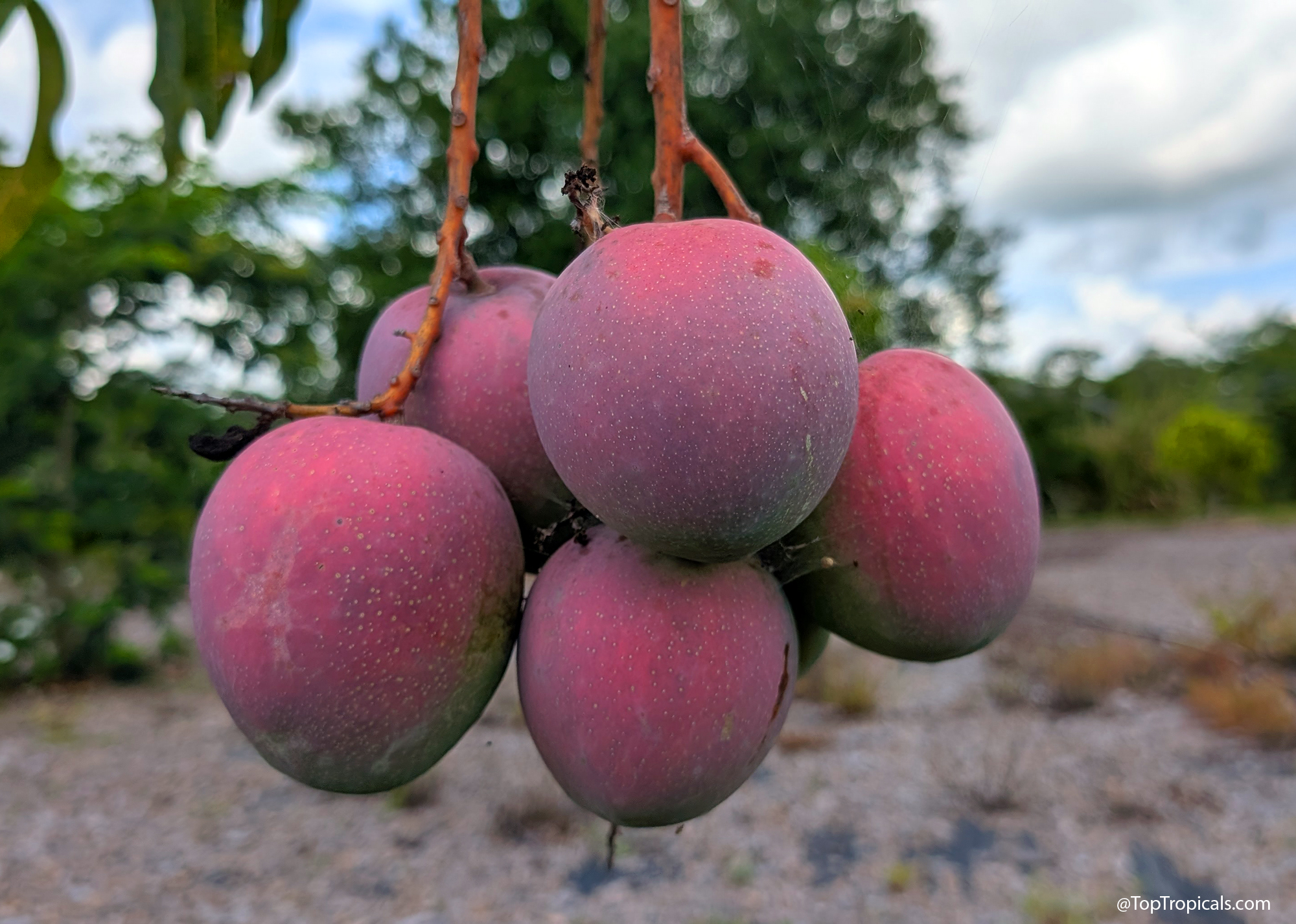
Cluster of ripening mangoes developing rich color on
the tree just before harvest.
Taste the Mango Difference - Save 10%
Once you taste a real mango from your own tree, everything changes. Now you
know. Get 10% off with coupon code
MANGO2026 on 3 gal mango trees.
Offer valid through 04/28/2026.
Discount applies to 3 gal plants only. Not valid on previous purchases and
cannot be combined with other promotions or discounts. Offer subject to
change without notice.





 Mango Practical Growing Tips (Keep It
Simple)
Mango Practical Growing Tips (Keep It
Simple)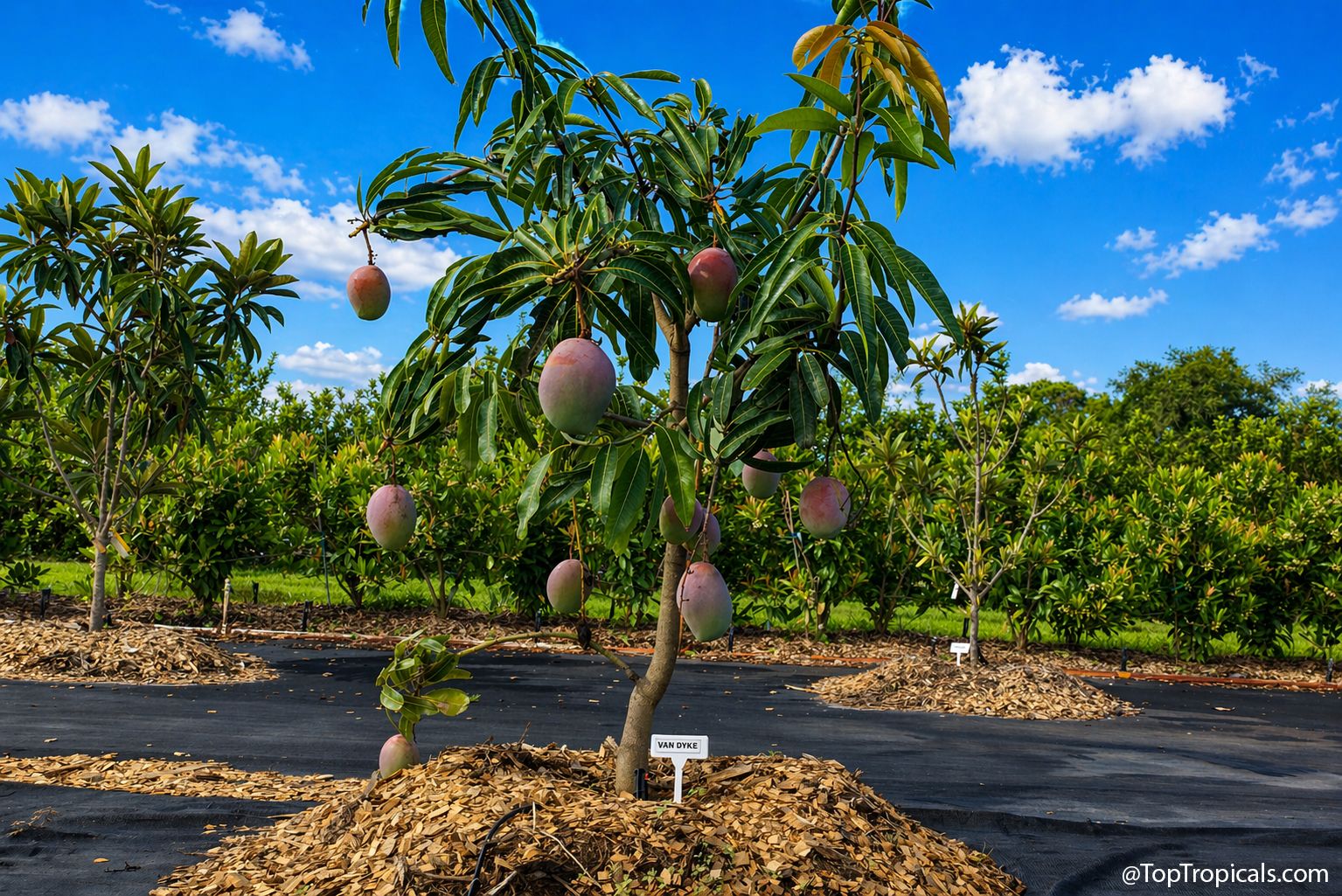
 Mango Winter Care (Very Important)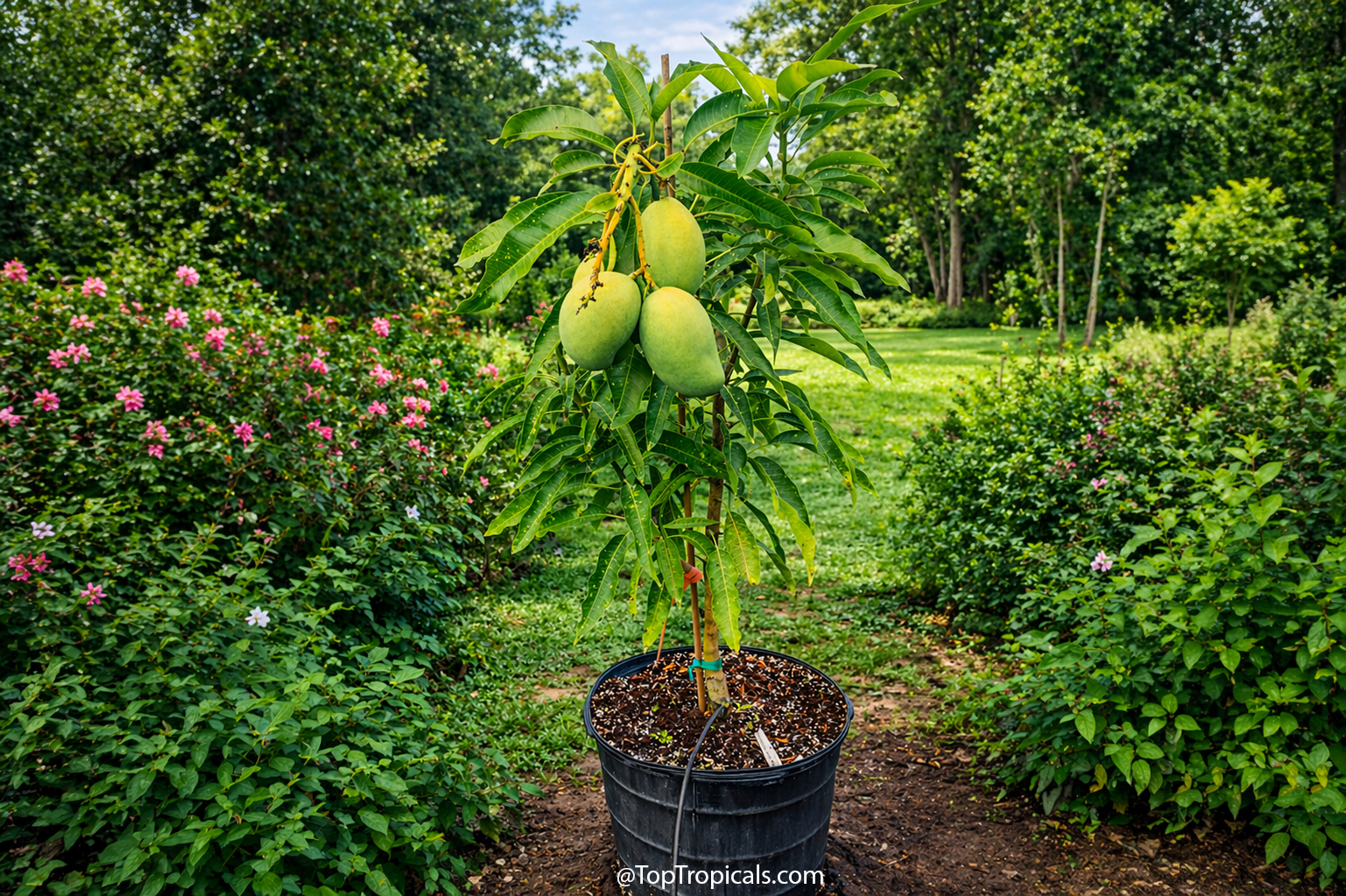

 Taste the Mango Difference - Save 10%