Date: 30 Aug 2020

Healthy Plant Food
Q&A from Mr Booster
How to make Mango tree fruit
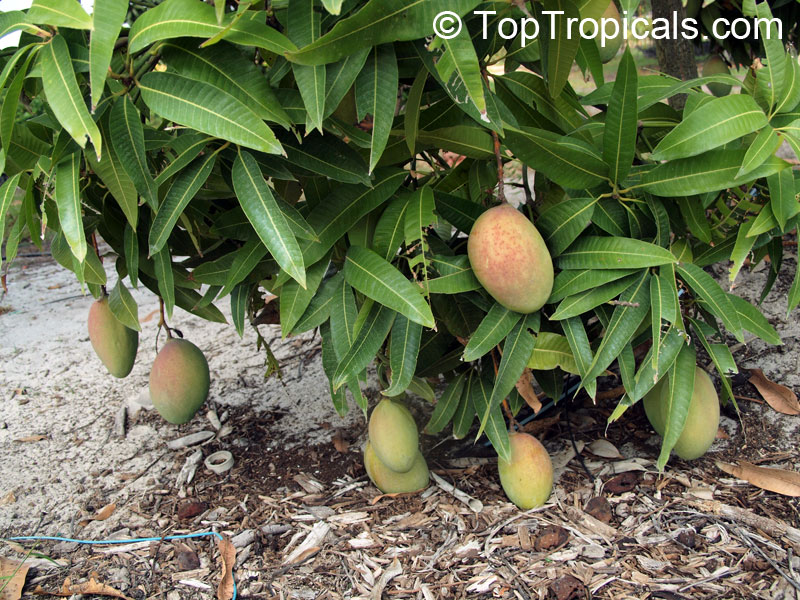
Q: Hello, I have a five-year-old Lemon Meringue tree that has only given me fruit one year. It put out about 50 mangoes and has done nothing for the past three years. Do you recommend any vitamins or any of the nutrients that you guys sell to help with this for next season?
A: We've had very similar problem with our Nam Doc Mai Mango tree, fruited once and no more next year. Usually the reason is nutrients deficiency, here in Florida we have poor soils.
We applied Mango-Tango tree booster and it
started flowering within a couple of weeks.
Generally, Mango flowering season is over by now, however, we recommend to
feed the tree starting now, during active growth season. This way it will get
better established before winter and also will store away all elements
necessary for triggering flowering and fruiting. So by late Fall through Winter it
will be ready to flower.
Along with the fertilizer, additional micro-element supplements will be
beneficial. For improving fruit quality and increasing number of flowers, we
also recommend to use
SUNSHINE-Honey - sugar booster
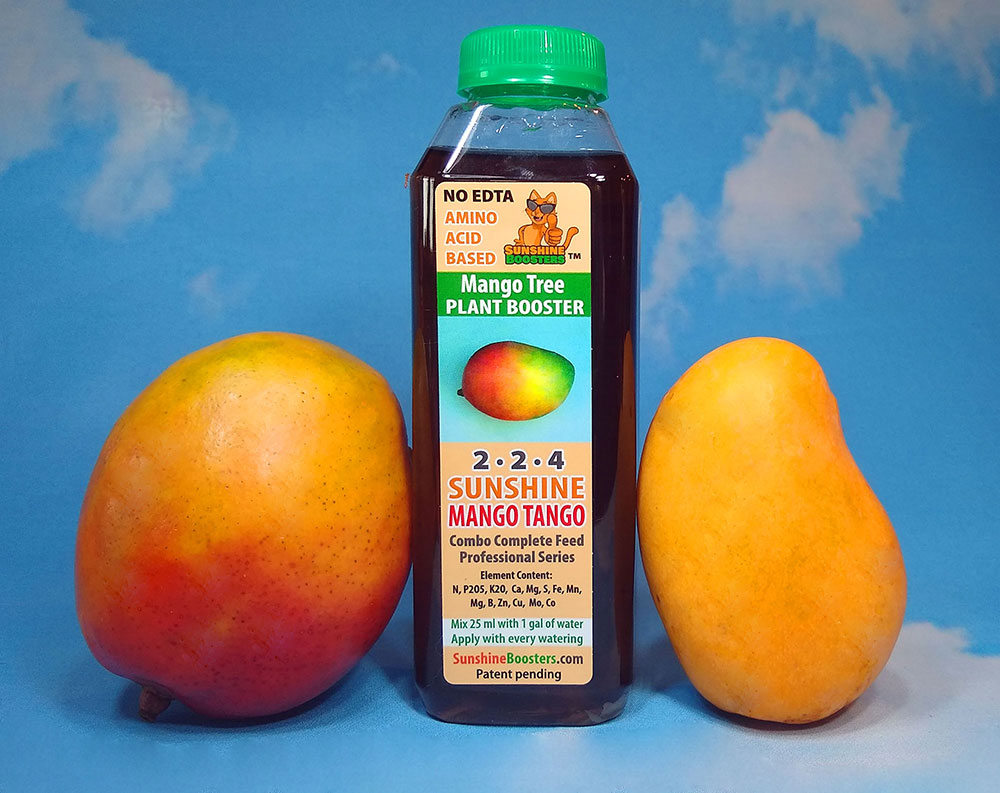
SUNSHINE Mango Tango - Mango Tree Booster, for healthy mango trees and profuse fruit production.
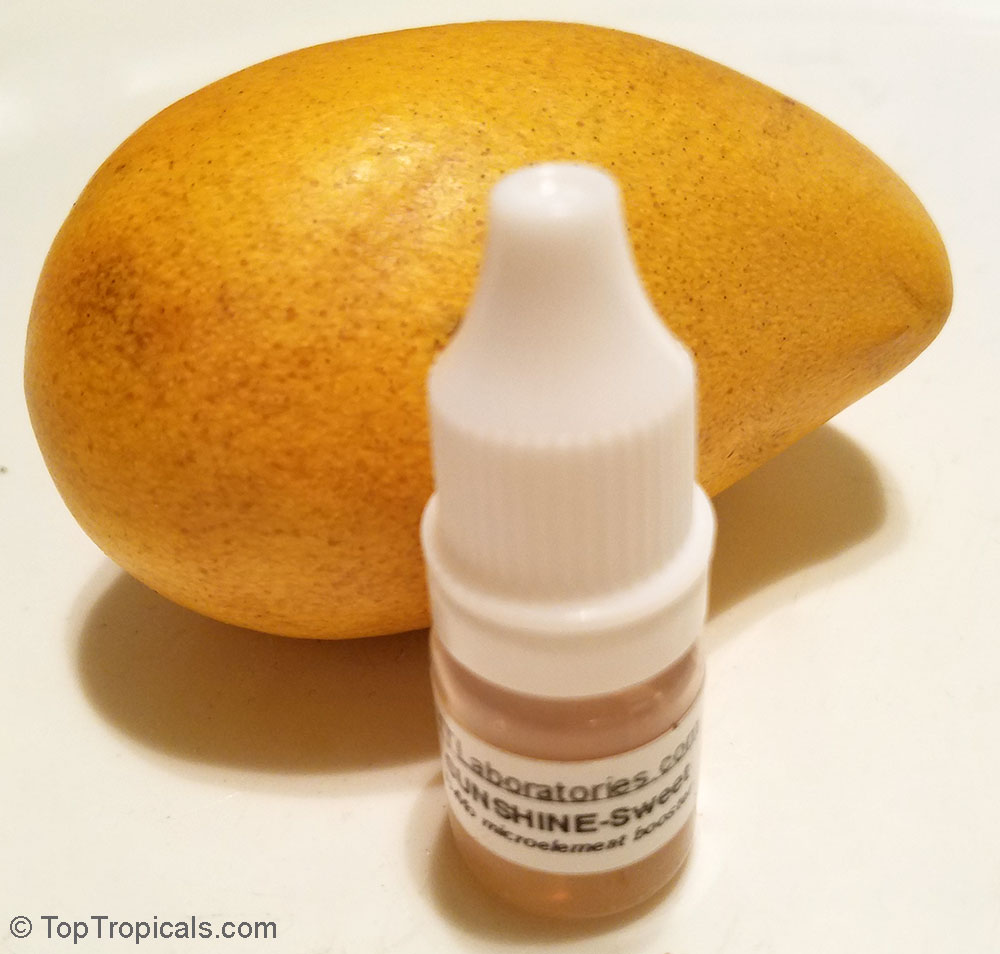
SUNSHINE Honey - a natural supplements that makes fruit sweeter, and increases fruit quantity and quality.

Date: 18 Oct 2019
Using SUNSHINE Complete Nutrition System
For hydroponics and potted plants
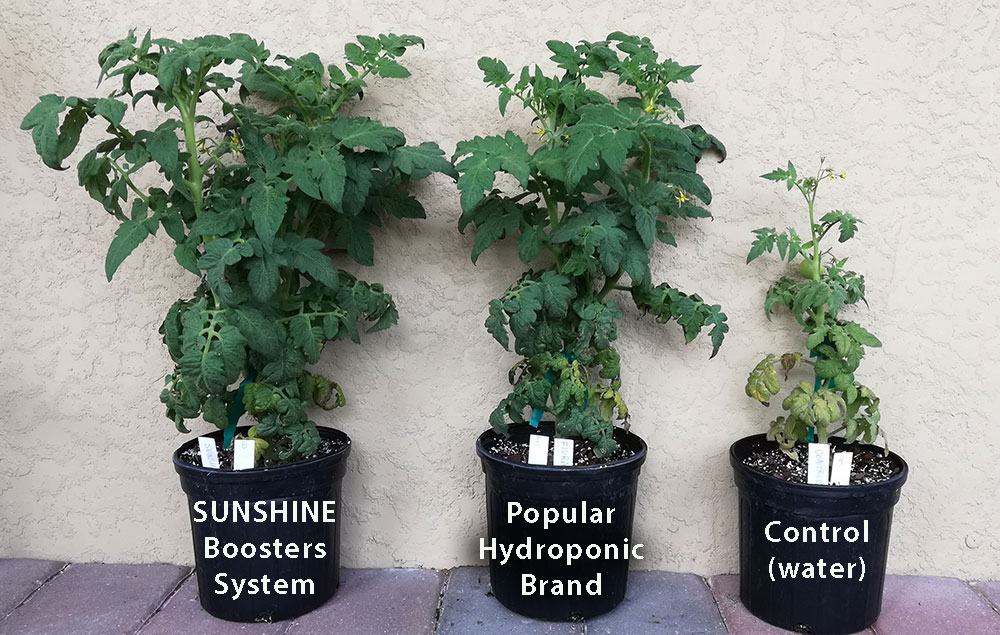
Q: I recently bought both the 5ml of the sunshine epi and the 100 ml advanced nutrition kit. I read on the paper for the Epi not to use any other strong fertilizers along with this but I was wondering if it'd be alright to use both this foliar spray and nutrition watering together?
A: All solutions in SUNSHINE Booster Nutrition System (NPK-macro and micro-boosters) are
compatible.
The only exception is Sunshine-Epi - brassinosteroid bio-stimulant. Epi
should be mixed with distilled water separately from other boosters. The
reason is, it is very bio-active, and if mixed with other compounds, oxidizes
quickly which may affect its performance.
Sunshine-Epi solution must be prepared using distilled water and applied as foliar spray only (it only works on contact with leaves and not through the root system). Epi shows extremely impressive results when you apply it before the application of other nutrients because it increases plant metabolism; so all boosters become even more effective if you spray Epi the day before.
When using Micro- and Macro-boosters, you may mix all components in one watering can/tank (except for Epi), using regular tap water. Besides watering root ball, the macro-micro solution can be also used for foliar spray. It is optional, as in some circumstances growers prefer to keep leaves dry at all times: to stay away from mold, fungus and other issues caused by the wet environment.
Here is an example of Sunshine Boosters Nutrition System application:
1. Daily watering in one can: NPK 25 ml/gal (one of 5, depending on growth stage) + Constanta 5 ml/gal + Ca-Support 5 ml/gal, mixed in tap water
2. Every 2 weeks: spray Sunshine-Epi 2.5 ml/gal - to boost the immune system and growth rate,
mixed in distilled water
3. From daily to every 2 weeks: Sunshine-Power-Si 25 ml/gal to protect from diseases and keep pH at
5.5-6.5. Can be used as often as daily and mixed with a daily watering solution
(1)
4. As needed: Sunshine SuperFood and GreenLeaf - for correcting deficiencies. Can be also mixed with the
daily solution (1)
Make sure to prepare a solution right before use and do not store solution for more than 1 day. Keep concentrates and solutions protected from bright sunlight.
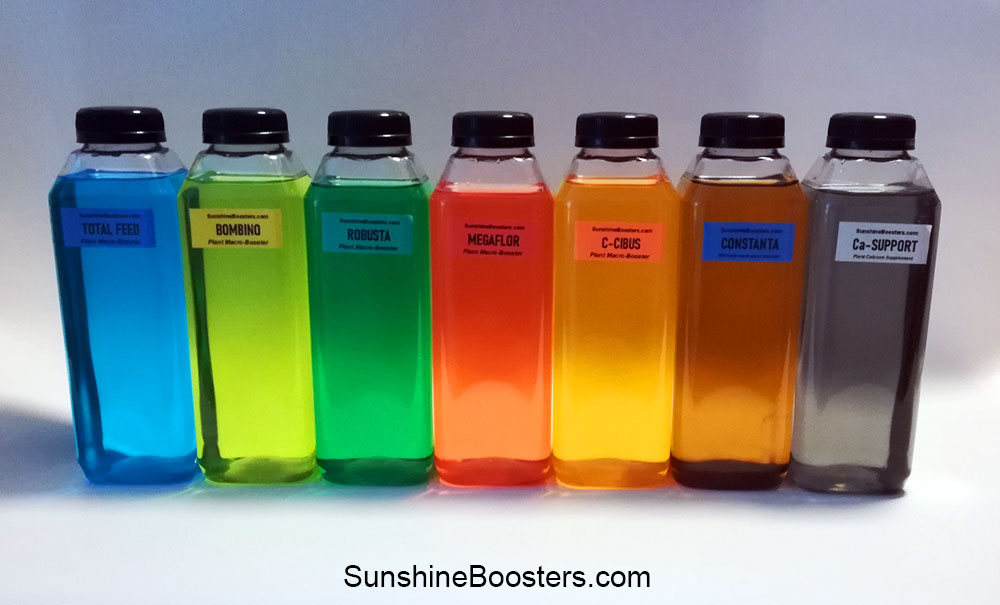
Here is also advanced information on Sunshine Boosters compatibility.
Date: 9 Nov 2018
Taste of Mango
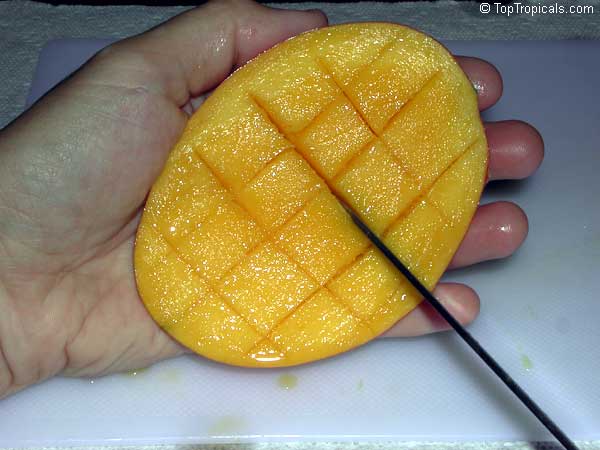
Mango harvest season is over, and now it's the time to plant young Mango trees for the next year season of flowering and fruiting. When choosing a mango tree, researching your location for proper growing conditions is relatively easy. But refining your decision-making process based on the taste of mango is both easy and fun (and filling)! However, since it is often difficult to find a convenient source for sampling a wide variety of mango fruits; we at Top Tropicals sat down and tasted a handful of varieties for you... Just another opinion on taste!
Pickering - Sweet, juicy, fiberless, with a hint of an apricot fragrance. (A universal favorite amongst the group.)
Nam Doc Mai - A slightly fibrous marmalade-like texture, with a sweet and floral flavor.
Cogshall - Very little fiber with a slightly tart and piney flavor.
Florigon - A mild, even flavor. Not too sweet, not too tart, and fiberless.
Mallika - A fiberless cantaloupe-like consistency. Slightly tart, with some semblance to non-acidic orange juice.
Valencia Pride - Slightly fibrous, with a tangy near citrus flavor.
Glenn - Very mild flavor, less sweet compared to other varieties, but very refreshing.
Read more about Mango varieties...

Date: 13 Sep 2018
Season Colors from Kristi, TopTropicals Flower Queen
Q: I live in New Jersey and I have a collection of potted tropical plants in my sun room. Our Fall season comes in bright colors, do you have something with colorful foliage for Fall?
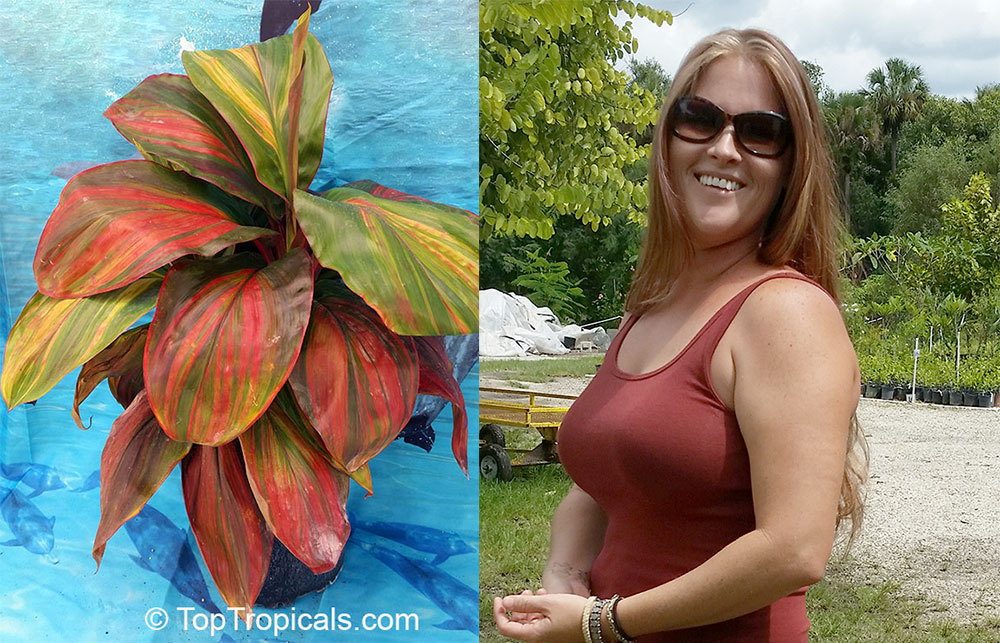
A: For our northern customers it's almost time for the changing of the seasons. It is a very exciting and enjoyable time. The onset of fall means, less humidity, cooler nights and the Fall foliage. Here in Florida we do not get the chance to see the changing of the leaves, except maybe a few like Florida Maple Tree. So we use plants that mimic the season change, for all year round color! These are a few examples of the plants with colorful leaves that you may use for your Fall colors, plus remember - there is always a big list of Fall and Winter Flowering Tropicals!
Colorful tropical plants for Fall
Hibiscus tiliaceus - Variegated MahoeAcalypha wilkesiana - Chicago Brick Copper Leaf - see all acalyphas
Mussaenda philippica x flava - Calcutta Sunset Marmelade
Pseuderanthemum atropurpureum Purple Haze
Acer rubrum - Red Maple
Adenium Nil with red veined leaves
Cerbera x manghas hybrid - Enchanted Incense
Cordyline fruticosa Willies Gold - see all codyline
Graptophyllum pictum Chocolate Queen
See Fall and Winter Flowering Tropicals.
Date: 15 Aug 2018
Care for a Baobab Bonsai
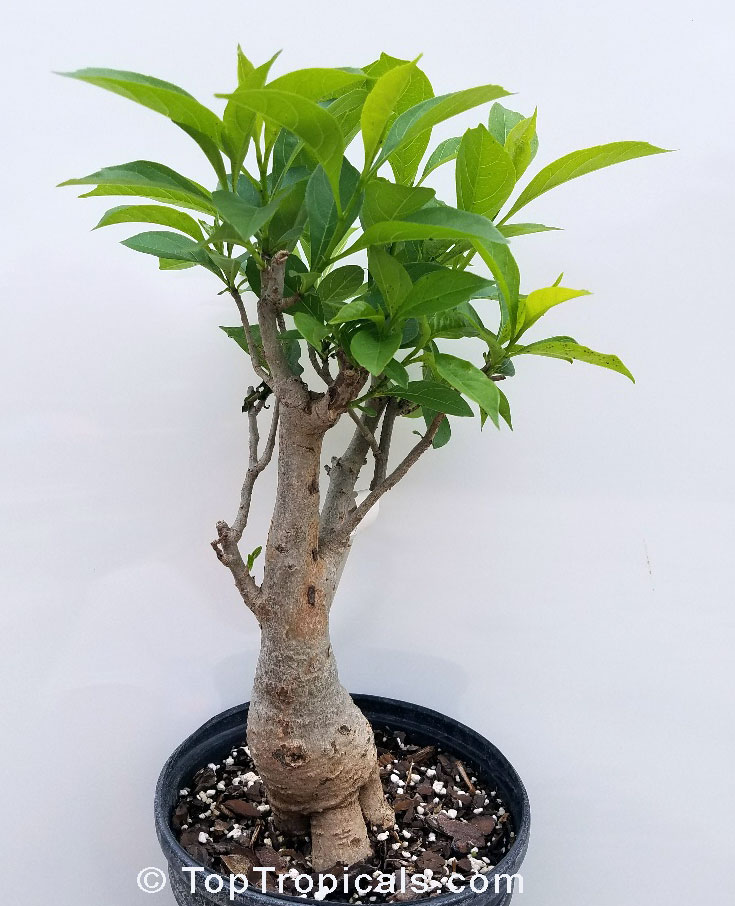
Q: How to grow Baobab bonsai properly? How long does it take to shape a nice little bonsai tree?
A: Baobab,
or Adansonia digitata, is a unique addition to a bonsai collection. Native
to Africa, it has an unusual structure and appearance. Some legends say that
the tree was cast down from the heavens and landed upside down, where it
began to grow. This story is no doubt a result of its appearance in the
winter, when the upper branches of the tree look more like roots than treetops.
The Baobab has some specific needs, but if you pay careful attention to its
requirements, this tree is not difficult to grow and makes an excellent
bonsai specimen.
1. Keep Baobab warm, it is sensitive to freeze.
2. Place Baobab in a bright, sunny window. Baobabs need at least six
hours of full sunlight per day, so a window with a western or southern exposure
is best. If your house doesn't get enough light, supplement natural light
with artificial grow lights. See article Indoor lighting for
tropical plants.
3. Water Baobab regularly during the growing season whenever the soil
is dry. Never water the tree when it is dormant (dropped leaves).
4. Feed Baobab a good-quality fertilizer about once a month. Apply
micro-element solution SUPERFOOD once a month, as well as SUNSHINE-BC plant booster for Bonsai and Caudex plants.
5. Prune the branches of your Baobab bonsai as often as they need it to
give the tree the shape you desire, pruning or pinching off branches that
are growing at odd angles or are too long. Trim early in the spring before new
growth appears.
6. Repot the baobab bonsai every year in Spring. Remove it from pot and
trim the roots back by one-third of their length, completely removing any
that are damaged or dead. Place it in a container that is twice the size of the
root ball and fill the pot with a well-drained soil like Adenium Mix.
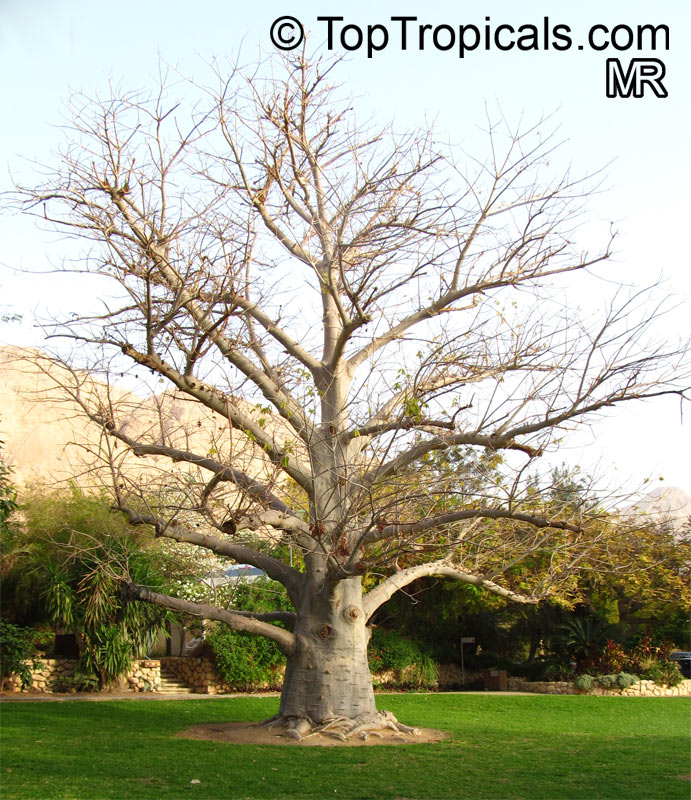
It is believed that it takes forever to form a nice shaped tree, up to a few years. However if you provide warmth and bright light, branches grow very quickly, and an experienced bonsai hobbyist can make a unique specimen within 2-3 years. And then, the tree will stay with you for 5000 years - it can be passed from generation to generation!
Check
out this plant... with FREE shipping to all states!
Se also Baobab Bonsai Kit and save more!