Plumeria
Orange KLS stands out with a rare mix of five colors - peach, yellow,
orange, white, and crimson - all blending into one vivid bloom. Fragrant and
eye-catching, it’s a truly unique plumeria.
Plumeria Plant Facts
Botanical name: Plumeria sp. Also known as: Plumeria, Frangipani
USDA Zone: 9 - 11
Highligths
Practical Growing Tips (Keep It Simple)
Sun: Full sun is key. 6+ hours daily for best
blooms.
Soil: Fast-draining mix. In pots, use cactus mix or add
perlite and sand. The best soil for Plumerias is a
50:50 mix of
Abundance potting soil with coarse sand.
Watering: Water well, then let soil dry out before
watering again.
Containers: Excellent for pots. Easier control and
mobility.
Airflow: Good airflow keeps plants healthy and
clean.
Spacing: Give each plant room - better shape and more
flowers.
Blooming plumeria plants in pots after rain.
Winter Care (Very Important)
Temperature: Protect from freeze. Below 40F they need
protection.
Dormancy: Leaves drop in winter. This is normal.
Watering: Almost dry during dormancy.
Indoors: Move containers inside if frost is
expected.
Light: Bright spot is enough. No need for full sun in
dormancy.
No feeding: Do not fertilize during winter rest.
Restart: Resume watering when new growth appears in
spring.
Potted plumeria in bloom.
About Plumeria Rust (Florida Reality)
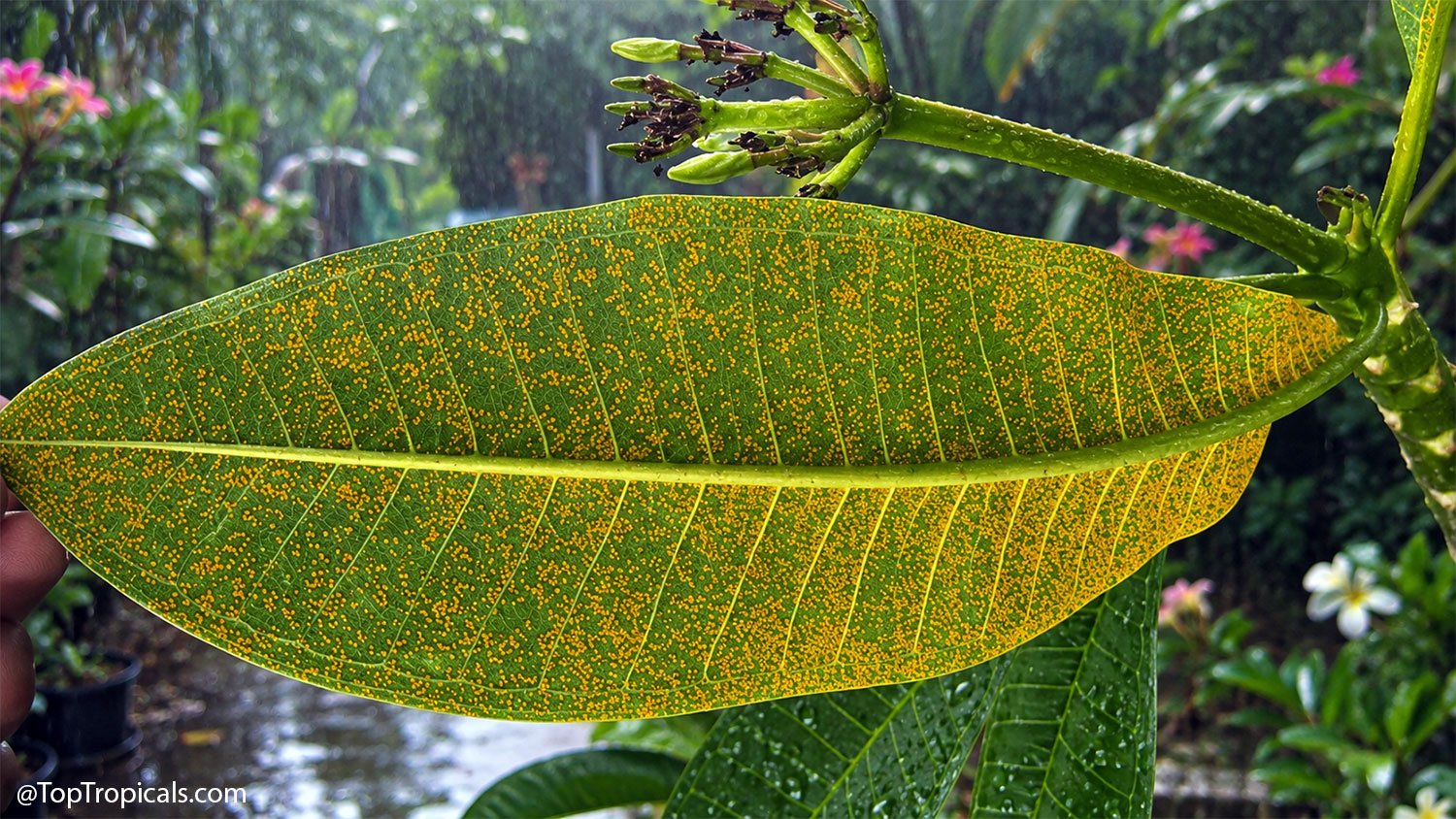
If you are growing plumerias in Florida, you will likely see plumeria rust
at some point. It shows up as orange powdery spots on the
underside of leaves and can cause leaves to yellow and drop early. It is
driven by high humidity and is most common in the fall, right before the
plant naturally starts dropping its leaves.
It looks alarming, but it is mostly a cosmetic issue and does not harm the
plant long term. Good airflow, full sun, and avoiding overhead watering help
reduce it. If needed, you can remove affected leaves or use a simple
fungicide (in our experience, the most effective one for Plumeria rust is
Southern Ag Garden Friendly Fungicide), but in most cases the plant
grows
right through it and comes back clean with fresh growth.
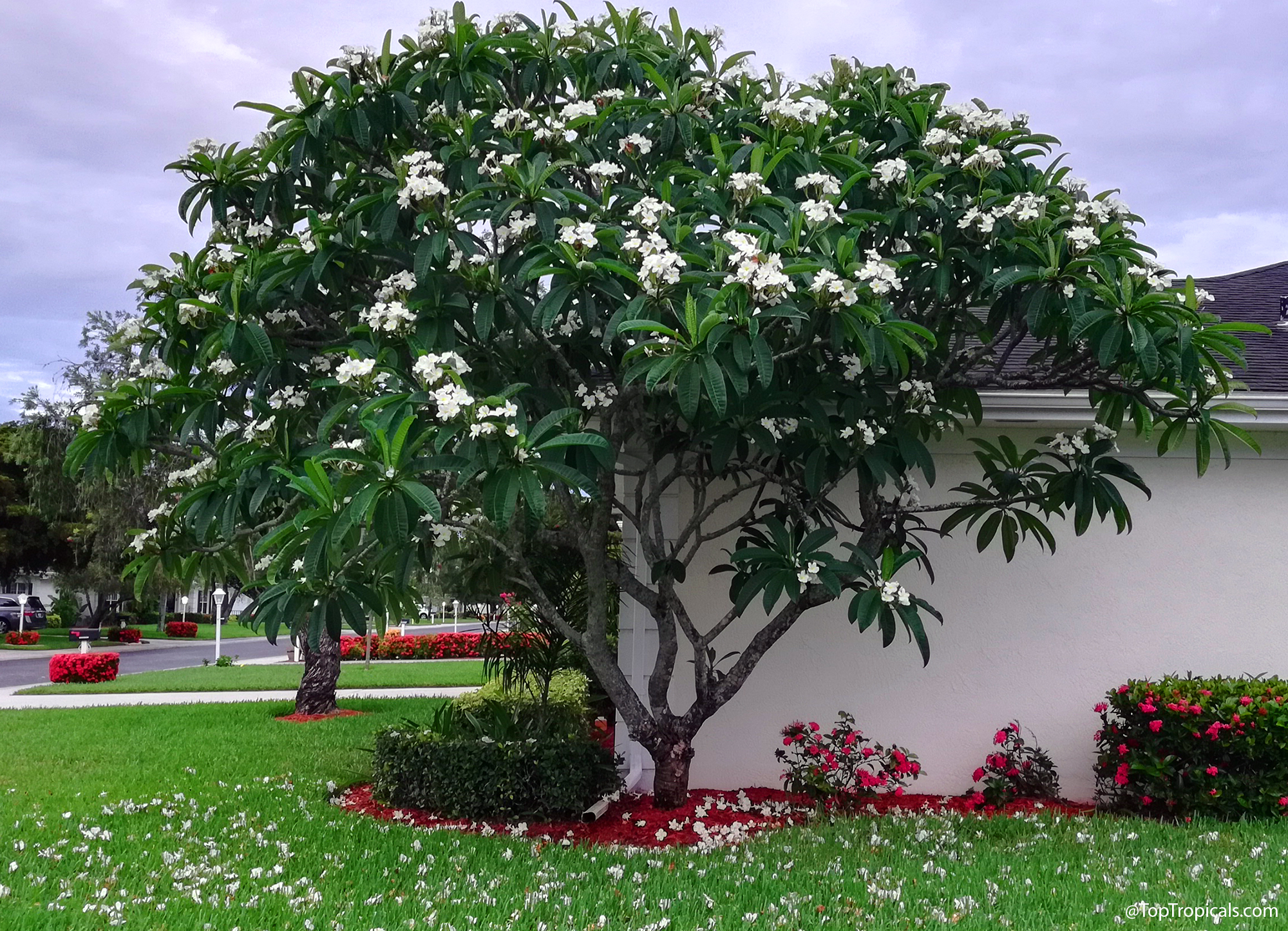
White and
Yellow Plumerias are the most fragrant.
Plumeria Fragrance - Bring It Anywhere
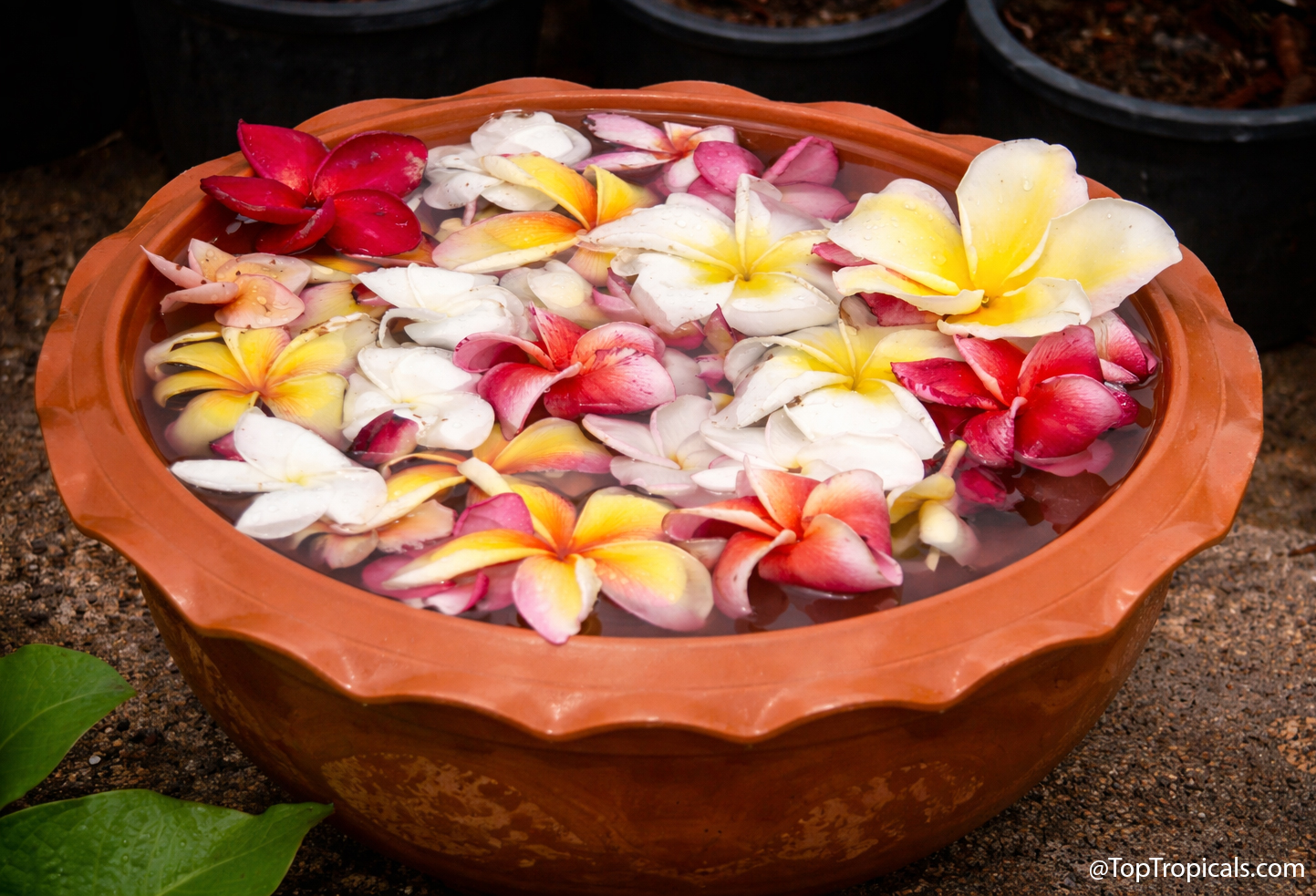
That scent does not have to stay in the garden. Fresh plumeria flowers can
be brought inside and placed in a small bowl of water they will float and
gently perfume the room. You can make a simple lei, keep a few blooms
on a table, or even place a flower in your car on a hot day - the warmth
releases the fragrance.
Bowl with Plumeria flowers
creates a scented space anywhere
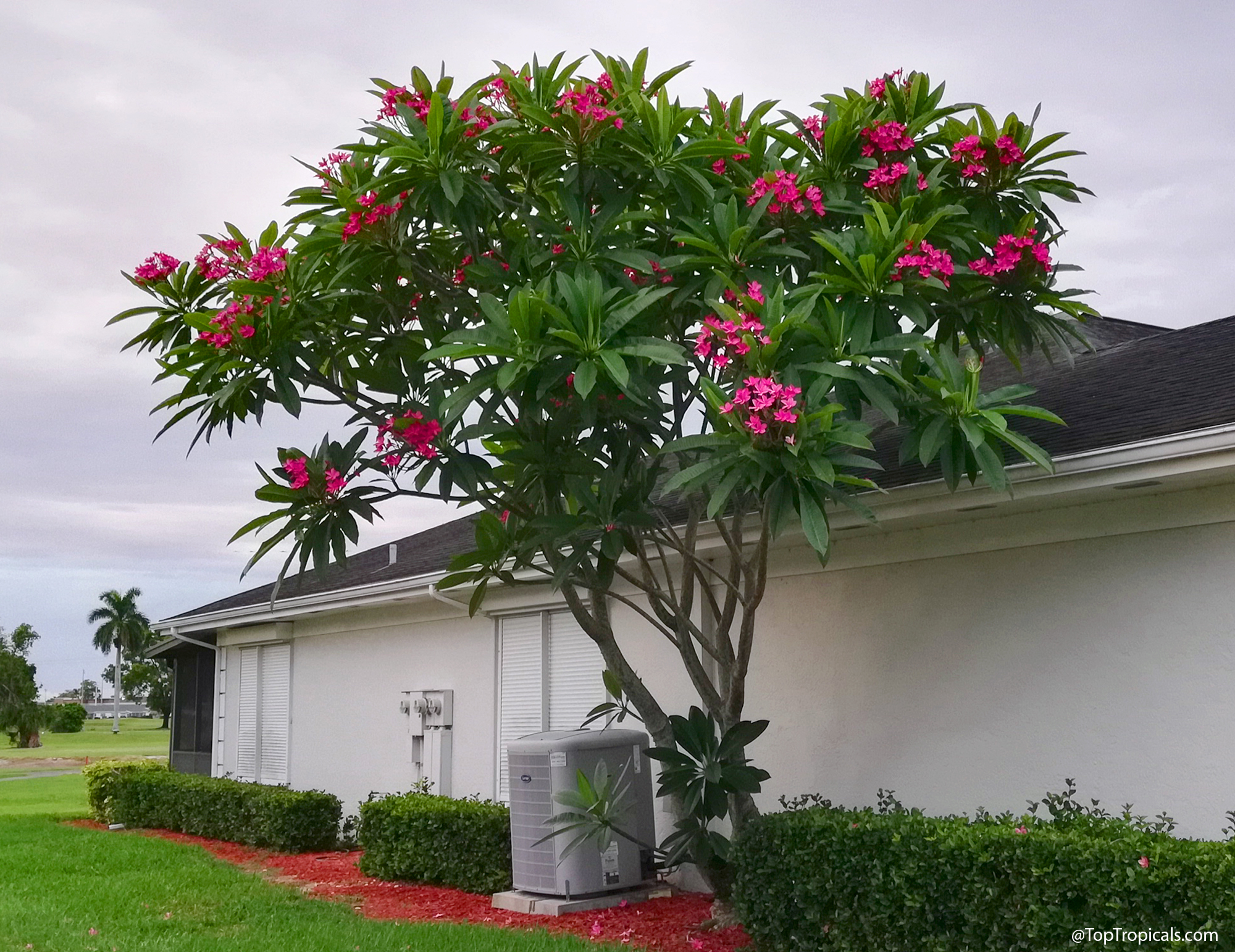
Red Plumeria is not just fragrant, it is one of the
most spectacular trees when in full bloom
Build Your Plumeria Paradise - Save
10%
Get 10% off with coupon code PLUMERIA2026
on plumeria trees.
Offer valid through 04/15/2026.
Discount applies to plumeria plants only. Not valid on previous purchases
and cannot be combined with other promotions or discounts. Offer
subject to change without notice.
Date: 26 Jan 2026
Why Turmeric was named the 2026 Herb of the Year
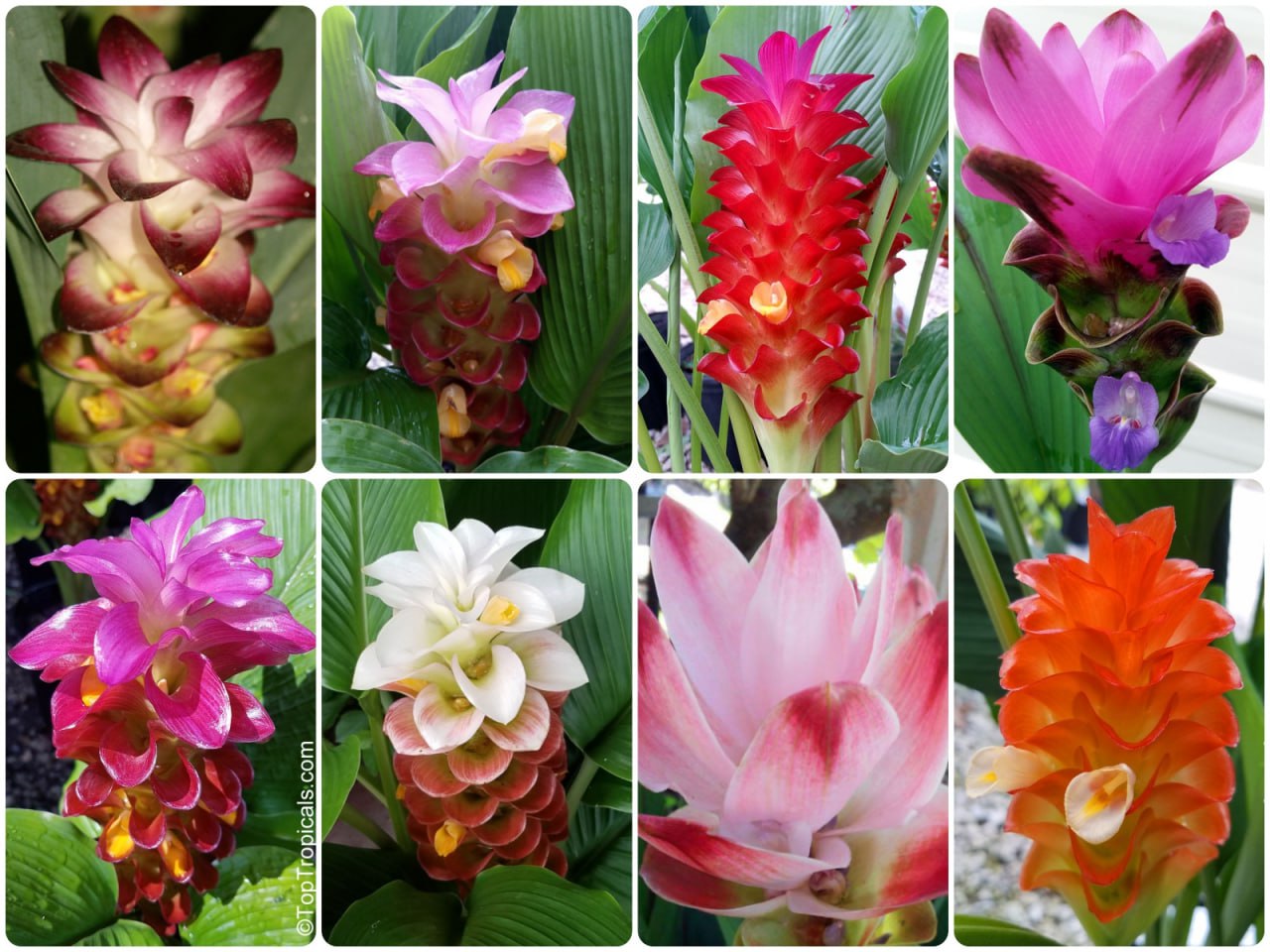
Turmeric - Curcuma
🌷 Why Turmeric was named the 2026 Herb of the Year
🌷 Turmeric was named the 2026 Herb of the Year by the International Herb Association, and it is easy to see why gardeners are paying attention. This tropical plant from the ginger family is best known for its bright orange underground rhizomes, used for centuries as a spice, natural dye, and traditional remedy.
🌷Native to India, Turmeric (Curcuma longa) is closely related to Ginger and Cardamom. Its rhizomes are a staple in curry and widely used in Asian, African, and Caribbean cuisines. In recent years, turmeric has also gained attention for potential anti-inflammatory properties.
Spice Turmeric Plant Facts
Botanical name: Curcuma longa Also known as: Spice Turmeric, Longevity Spice, Indian Saffron, Tumeric
USDA Zone: 8 - 11
Highligths
🌷 Herb, spice or flower?
• Botanically, turmeric is a spice, since it comes from the plant’s rhizomes rather than its leaves. In the kitchen, however, it often functions like an herb. Fresh turmeric can replace powdered turmeric in most recipes and delivers brighter flavor and color. • Beyond edible Turmeric, there are many Curcuma hybrids grown purely for ornament. These selections produce striking, long-lasting flower spikes in shades of pink, white, orange, red, and purple, rising above lush tropical foliage. Ornamental curcumas are popular as patio plants and indoor accents, adding dramatic color and texture even where they are grown strictly in containers.
🌷 Growing turmeric anywhere - even in cool climates
Although Turmeric is a tropical perennial, it grows very well in containers, making it suitable for gardeners everywhere. When grown in pots, turmeric is treated as a warm-season plant that can be moved indoors as temperatures cool.
🌷 How to grow Turmeric
Turmeric is a compact, but bold plant, reaching 3-4 feet tall and wide, so it needs a roomy container. It prefers:
The plant produces flowers that do not set seed, so turmeric is grown entirely from rhizomes.
🌷 Harvesting and using Turmeric
As the season ends, turmeric naturally goes dormant and the leaves yellow and dry. This signals harvest time. Dig the rhizomes, clean them, and dry them in a cool, shaded place.
Rhizomes can be: • Boiled, dried, and ground into powder • Frozen whole and grated as needed • Pickled for long-term storage
Some healthy rhizomes can also be saved and replanted the following season, making turmeric both productive and renewable.
Compact, bold, and useful, turmeric proves that tropical plants can thrive well beyond the tropics - especially when grown in pots.
9 tough trees for hot, dry spots that actually thrive
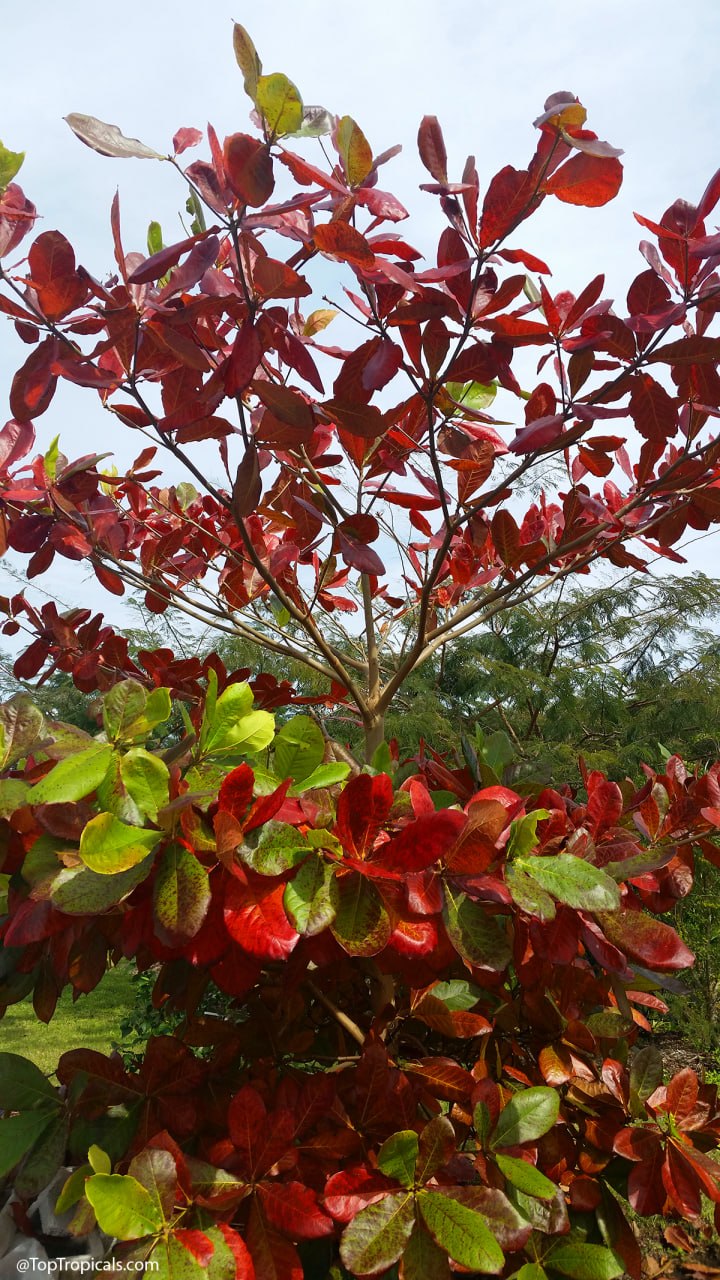
Tropical Almond - Terminalia catappa
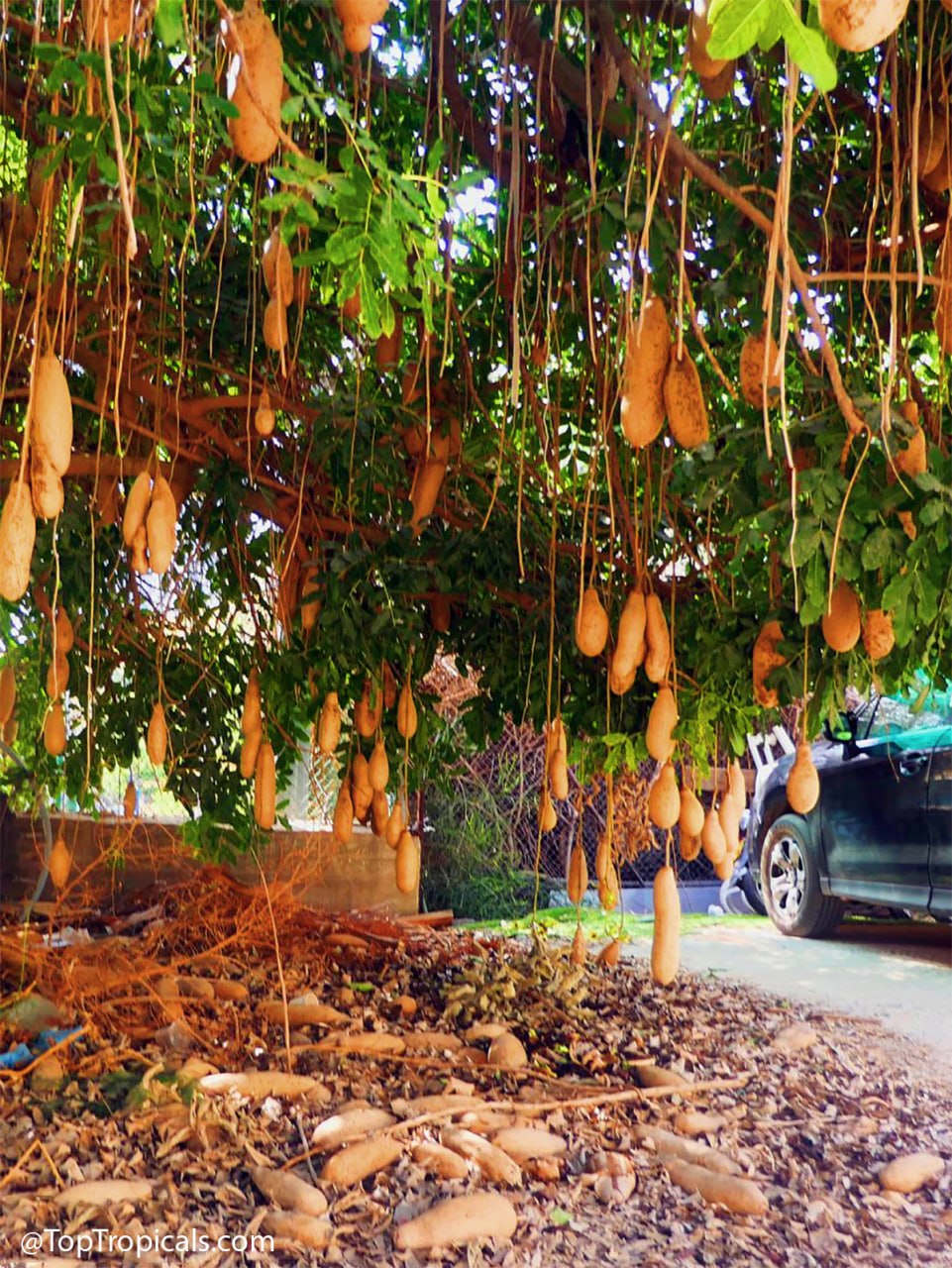
Sausage Tree - Kigelia pinnata
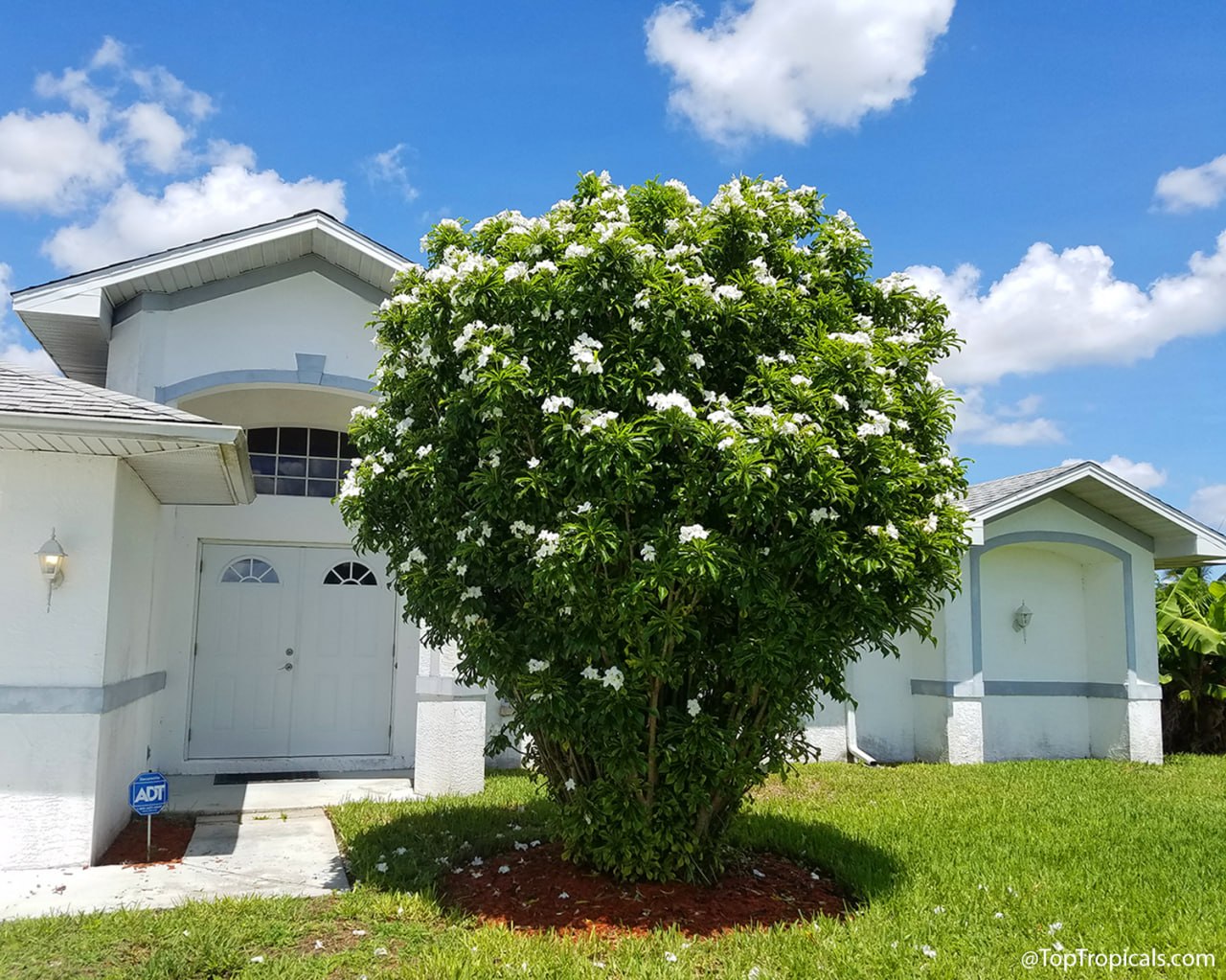
Plumeria pudica
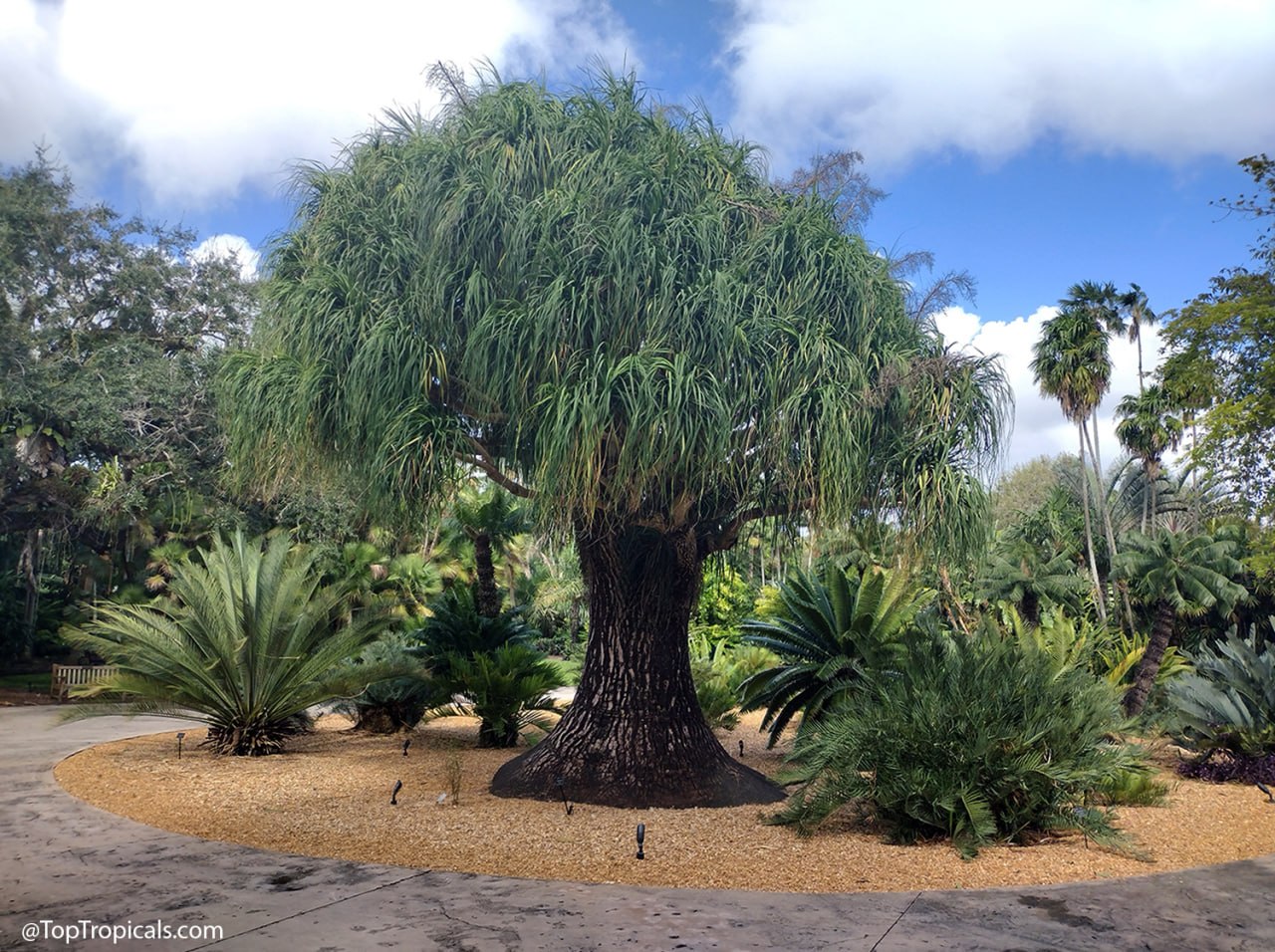
Pony Tail Palm - Beaucarnea recurvata
☀️ 9 tough trees for hot, dry spots that actually thrive
Why that one brutal spot in your yard never works? There’s always that one place - blazing sun, sandy or rocky soil, dries out fast, and everything you plant there struggles. In Florida, Arizona, and California, this isn’t rare - it’s the norm. The good news? Some trees don’t just tolerate it - they prefer it. Once established, these picks handle heat, drought, and neglect far better than typical landscape plants.
What makes these trees different? These are survivors. Many store water, have deep root systems, or evolved in dry climates. Translation - less watering, fewer losses, and a lot less frustration.
🔥 9 best trees for hot, dry spots
☀️ 1. Pony Tail Palm - Beaucarnea recurvata 📸
Not a true palm - it stores water in its showy, swollen trunk, making it incredibly drought tolerant and perfect for harsh, dry areas.
Ponytail Palm Plant Facts
Botanical name: Beaucarnea recurvata, Nolina recurvata Also known as: Ponytail Palm, Pony Tail, Bottle Palm, Nolina, Elephant-foot Tree
☀️ 3. Firebush - Hamelia patens
Technically a large shrub/small tree - thrives in heat, blooms nonstop, attracts butterflies, and handles dry conditions once rooted in.
Fire Bush Plant Facts
Botanical name: Hamelia patens Also known as: Fire Bush, Firecracker Plant
☀️ 5. Sausage Tree - Kigelia pinnata 📸
A bold tropical look with bizarre flowers and fruit, with serious heat tolerance; once established, it handles dry spells better than expected.
Sausage Tree Plant Facts
Botanical name: Kigelia pinnata, Kigelia africana Also known as: Sausage Tree
☀️ 9. Tropical Almond - Terminalia catappa 📸
A classic coastal shade tree that thrives in heat, wind, and dry sandy soil once established. Its broad, layered canopy provides excellent shade, and the large leaves turn striking shades of red and orange before dropping - a rare bonus color show for hot-climate landscapes. Plus almond nuts as extra bonus!
Tropical Almond Plant Facts
Botanical name: Terminalia catappa Also known as: Tropical Almond, Badamier, Java Almond, Indian Almond, Malabar Almond, Singapore Almond, Ketapang, Huu Kwang, Pacific Almond
How to Grow Mahoe: The Fast-Growing Shade Tree That Changes Color - Tropical Chameleon
🌳 How to Grow Mahoe: The Fast-Growing Shade Tree That Changes Color - Tropical Chameleon
Looking for a fast-growing, low-maintenance tropical tree that brings effortless shade, constant color, and a parade of pollinators to your yard - Mahoe is the one! Talipariti tiliaceum, formerly Hibiscus tiliaceus - is native to coastal pantropical regions. This sturdy evergreen is a true garden workhorse. Whether grown as a dense, 5-to-10-foot privacy shrub or trained into a beautiful, umbrella-shaped small tree reaching up to 20 feet, Mahoe delivers that lush, instant-jungle vibe in just one season.
🌳 Nature's Color-Changing Magic
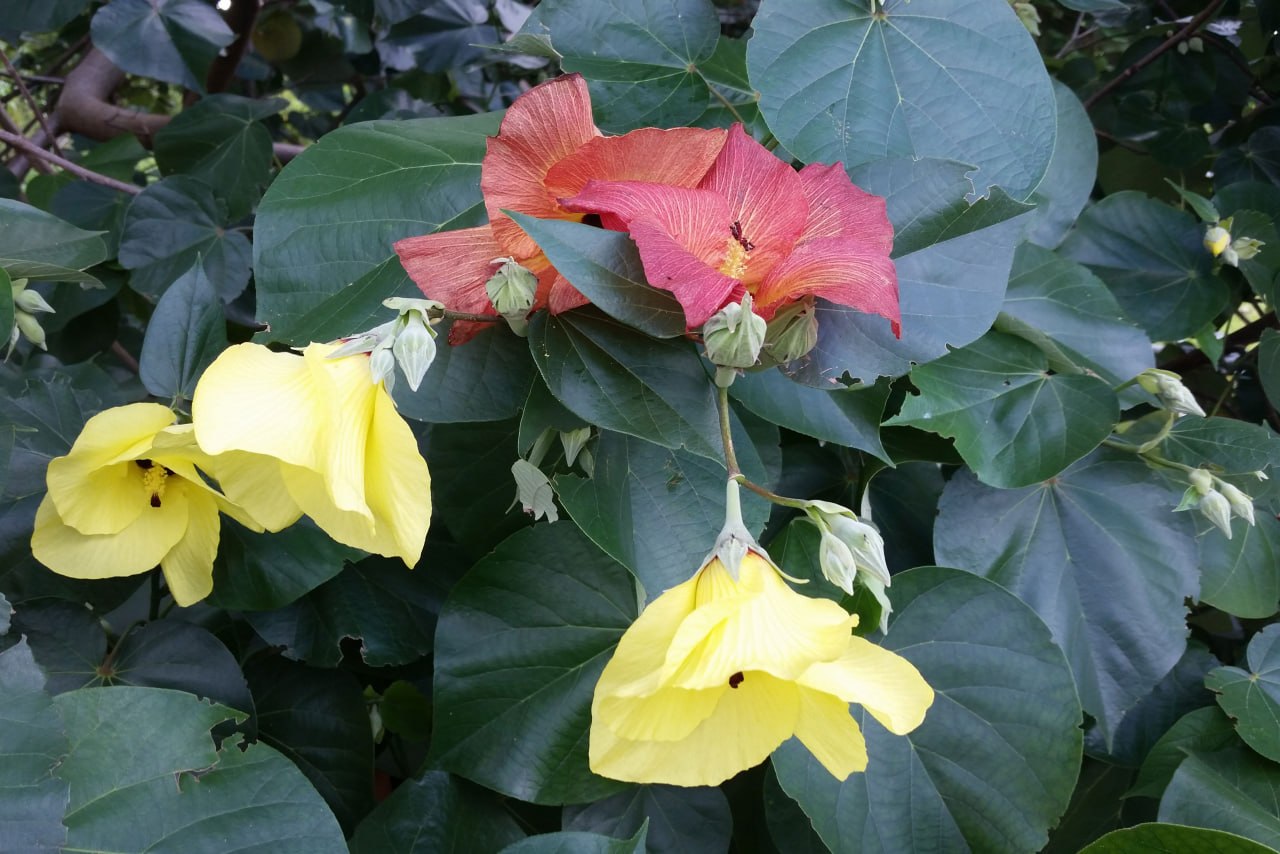
The real magic of the Mahoe lies in its blooms. Throughout the year, magnificent flowers open a bright, vibrant yellow in the morning. As the day goes on and the blooms age, they undergo a stunning transition - deepening to rich orange, crimson, and vinous red before they drop. This shifting color wheel creates a breathtaking, multi-colored display that acts as a magnet for hummingbirds and butterflies.
🌳 Landmark Shade for Warm Climate Landscapes
Mahoe thrives in full sun, loves regular water, and is exceptionally salt-tolerant, making it an absolute powerhouse for coastal and southern landscapes (USDA Zones 9b-11).
Instant Canopy: Because it grows with incredible vigor, it can transform a wide-open, sunny spot into a dense, shady retreat in just one or two seasons.
Growth Management: In the ground, it quickly matures into a substantial, wide-spreading tree. While its wild growth habit means regular, aggressive pruning is mandatory to keep it shaped and contained within typical garden bounds, it rewards that effort with unmatched privacy and a massive, tropical canopy.
🌳 The Designer Upgrade: Variegated Mahoe
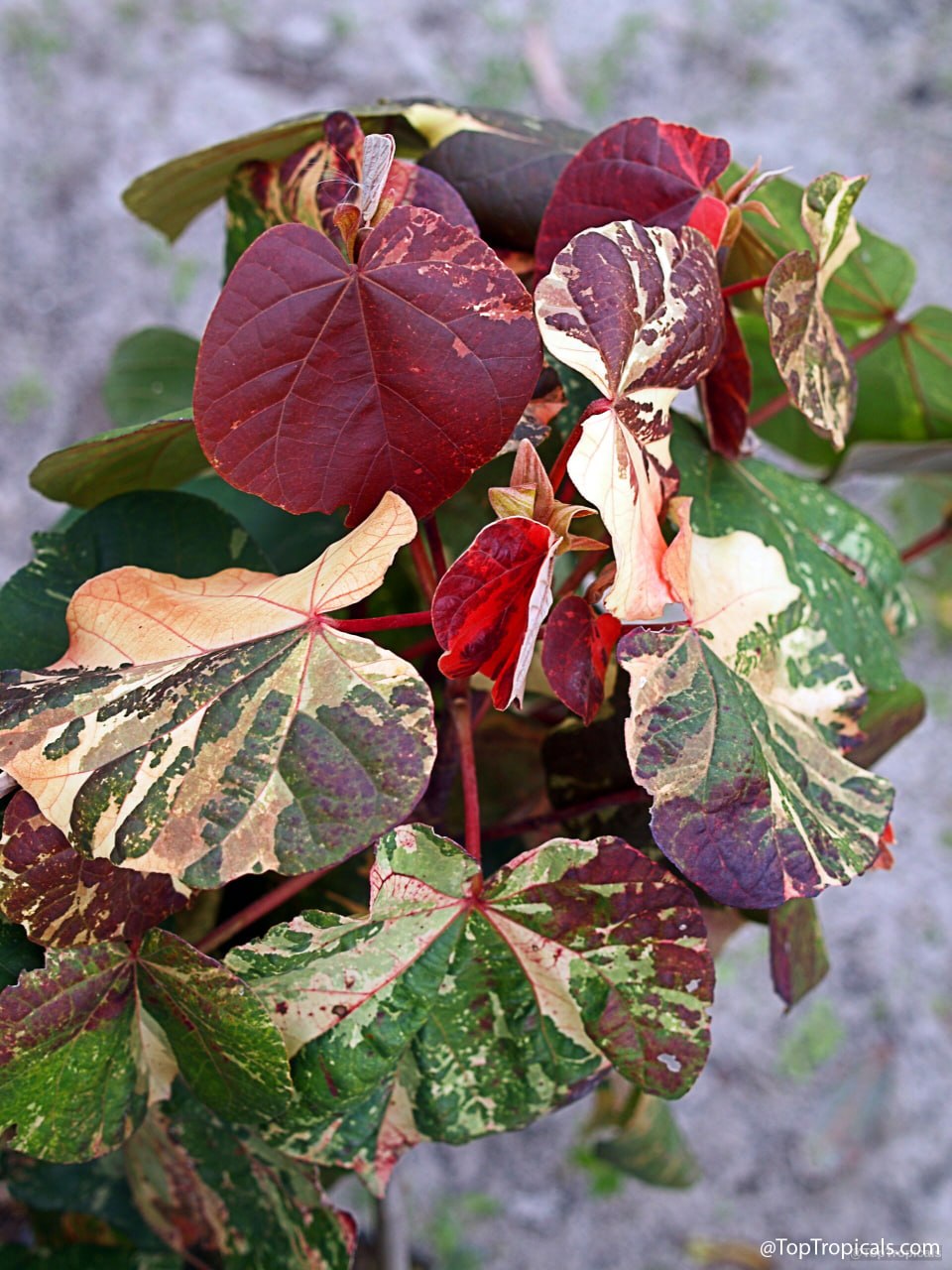
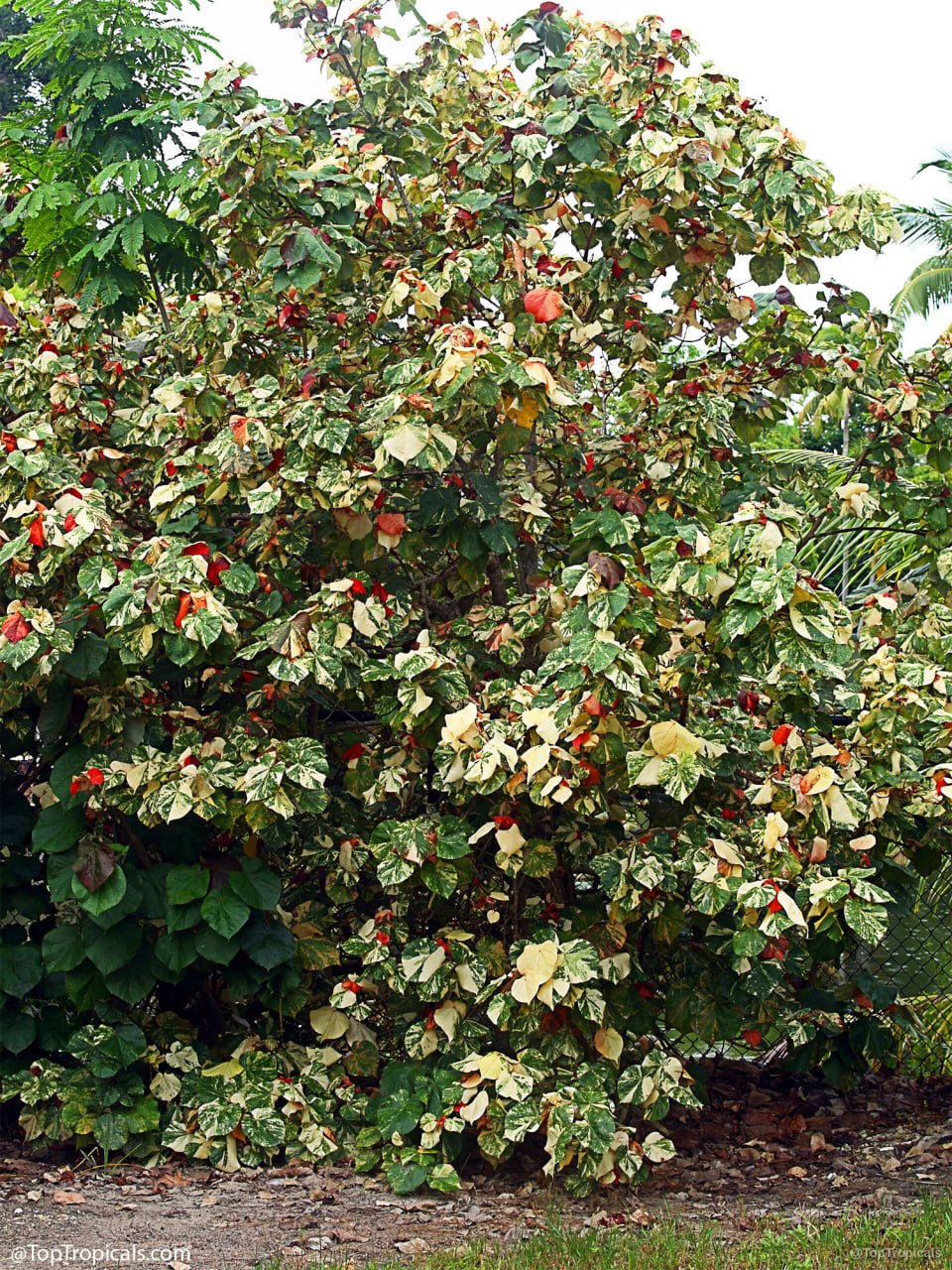
If you want all the fast-growing stamina of the standard Mahoe but want to turn the visual drama up to ten, the Variegated Mahoe (Hibiscus tiliaceus Variegatum) is the absolute must-have tree of the year.
While its color-changing flowers are just as magical as the original, its foliage is a spectacular show all on its own. The large, heart-shaped leaves are a living kaleidoscope, splashed with dramatic patterns of white, cream, deep green, and even soft pink and red.
Even better for smaller yards! The variegated variety tends to naturally maintain a tighter, more compact, and symmetrical umbrella-like shape than its wild green cousin, giving you high-end landscape style with minimal effort.
Whether you choose the classic, pollinator-loving green or the eye-popping variegated cultivar, the Mahoe family is guaranteed to be the centerpiece of your garden.
Smokey: Those orange spots are plumeria rust. Sunshine: Orange is an excellent color. Smokey: On cats, yes. On plumeria leaves, no. Sunshine: I represent the good kind of orange.
🌸 Plumeria Rust in Humid Climates:
What Finally Worked for Us
By Tatiana Anderson, Plant Expert, Top
Tropicals
Healthy
plumerias with clean, vibrant foliage after successful rust
management. Good airflow, bright conditions, and effective fungicide
treatment
help keep plants growing strong through Florida's rainy season.
If you grow plumerias in Florida,
you probably know what comes next. Around June, when the rainy season begins
and afternoon thunderstorms become part of the daily routine,
orange-yellow spots start appearing on the undersides of plumeria leaves.
Plumeria rust arrives almost like clockwork.
If you have ever tried to fight it, you know how frustrating that battle can
be.
Plumeria
rust appears as bright orange powdery spores on the underside of
leaves. Warm, humid, rainy conditions allow the fungus to spread quickly,
making it a common sight in tropical and subtropical gardens.
Let me be clear about something right away: Plumeria rust is
rarely fatal to an otherwise
healthy plant.
In our experience, we have never lost a healthy plumeria
to rust alone. The disease is mostly
cosmetic, but it causes significant yellowing, triggers premature leaf drop,
and can turn a beautiful specimen into something that looks ragged
throughout the best months of the growing season. For a plant grown as much
for its attractive foliage as its spectacular flowers, that matters.
At Top Tropicals, we have grown plumerias for many years and have tried most
of the approaches gardeners typically recommend: sulfur-based fungicides,
neem
oil, copper sprays, improving drainage, and removing infected leaves before
they hit the ground. Some of those things helped to varying degrees. None
of them felt like a real breakthrough until recently.
The Fungicide That Actually Did Something
Real-world results after treating plumeria rust with Southern Ag
Garden Friendly Fungicide. The inset shows a
leaf heavily infected with orange rust spores before treatment, while the
main image shows clean, healthy new foliage after the fungus was
brought under control.
A few seasons ago, on the recommendation of another grower, we tried
Southern Ag Garden Friendly Fungicide
. This biological fungicide contains the beneficial bacterium Bacillus
sp, and I want to be careful here: I am not suggesting it is the best
product for everyone or that it will produce the same results in every
situation. What I can say is that, in our experience, it was the first
fungicide that consistently produced visible improvement when applied
according to the label directions.
We applied it at the first sign of rust, repeated applications according
to the label, and actually saw the progression slow down while new
infections became less severe. Whether that was
the product, the timing, or some combination of factors, I cannot say with
certainty. But after cycling through several options over the years, it
was the one that felt like it was doing something real. If you are looking
for a starting point, it is worth trying.
But the fungicide wasn't our main discovery. That came this past season,
and it changed how we think about this disease.
☔️ What This Season Taught Us About Leaf Wetness
Healthy, dry plumeria foliage is one of the best defenses against
plumeria rust. Good airflow, bright light, and keeping leaves dry whenever
possible help prevent the fungus from taking hold during the rainy
season.
This season we moved our prized container plumerias under a covered
growing area with a clear plastic roof and approximately 30 percent shade
cloth overhead. The structure provides excellent light, warm temperatures,
and very good air circulation while protecting the plants from Florida's
frequent summer rains. It is not a climate-controlled greenhouse, but rather
a protected outdoor growing area.
Here is the important part: these plants were still irrigated regularly,
every two to four days, with overhead watering. The leaves did get wet. But
because they were not sitting outside
during Florida's daily summer downpours, the foliage dried within a
reasonable
amount of time instead of remaining wet for hours, which is common after a
heavy rain followed by cloudy skies and still air.
The result? Not a single case of rust developed on those plants
throughout the season.
Considering how consistently plumeria rust appears each summer in our
nursery,
that result immediately caught our attention. The most significant
difference was how long the foliage remained wet after watering or
rain.
Meanwhile, plumerias growing in the ground nearby, fully exposed to the
weather, showed rust
infection at the usual time.
💦 Ambient Humidity vs. Standing Water
That observation made us rethink what we believed was driving the
disease. We had always assumed Florida's high humidity was the primary
factor. Humidity certainly plays a role. But this experience suggested that
prolonged leaf wetness may be a much more significant factor than ambient
humidity by itself.
There is a real difference between air that feels humid and leaves that stay
wet for four, six, or eight hours after a rain. Humid air means the
moisture content of the atmosphere is high. Wet leaves means there is
standing water on the leaf surface. Both conditions can occur together, but
they are not the same thing. A leaf in a humid but breezy location can dry
within an hour. A leaf in still, wet conditions after a heavy rain may stay
wet most of the day. That difference may be far more important than many
gardeners realize.
We are not plant pathologists, and we do not want to overstate what we
learned from one growing season. But after many years of growing plumerias
in Florida, the results were convincing enough that we now
protect our best container specimens from prolonged summer rainfall whenever
possible.
👉 What We Recommend
Based on many years of growing plumerias in Florida, here are the
practices that have worked best for us:
Grow plumerias in full sun whenever conditions allow. Good light means
faster drying after rain or
irrigation, and plants grown in low light often seem to show rust symptoms
more readily.
Keep your plumerias well-fed. Healthy, vigorously growing plants recover
from stress and disease much better than weak ones. We apply Green
Magic
controlled-release fertilizer every six months for a steady supply of
nutrients, and supplement with Sunshine
Boosters Megaflor during the growing season. Because Megaflor is gentle,
it can be safely applied with every watering, all
year long.
During extended rainy periods, consider moving valuable container plants
under cover if possible. Even a covered patio can make a difference if it
keeps the leaves from remaining wet for most of the day.
Provide air circulation. Plants crowded together stay wet longer. Space
them properly and position them where they receive good airflow.
Remove infected fallen leaves. They can continue serving as a source of
spores.
Pick them up and dispose of them rather than leaving them beneath the
plants.
If rust begins to appear, start fungicide applications early. Slowing an
infection at the beginning is much easier than trying to control one that
is already well established.
💡 A Realistic Conclusion
A parade
of healthy plumerias in full color. Clean foliage, bright blooms, and
vigorous growth show what plumerias can look like when rust is kept under
control, letting each variety shine in its own unique colors.
Plumeria rust is mostly a cosmetic problem rather than a life-threatening
one.
Healthy plants usually recover well, but yellowing foliage and premature
leaf drop can take much of the beauty out of an otherwise
beautiful blooming season.
We cannot promise these methods will eliminate rust in every garden.
Every growing environment is different.
However, after years of battling this disease, reducing how long the leaves
remain wet made a bigger difference than any other single change we have
tried. If
you grow plumerias in a humid climate and continue struggling with rust, it
may be worth focusing not only on humidity itself, but also on how quickly
the foliage dries after the rain
stops.
Mix and match your favorite varieties! Purchase 2 or more
plumerias and receive 25% off all plumerias in
your order. No coupon code required. Discount is applied automatically when
qualifying items are added to your cart.
Valid through July 3, 2026
Offer applies to new orders only. Not valid on previous purchases, pending
orders, gift certificates, shipping charges, or combined with other
discounts or promotional offers.
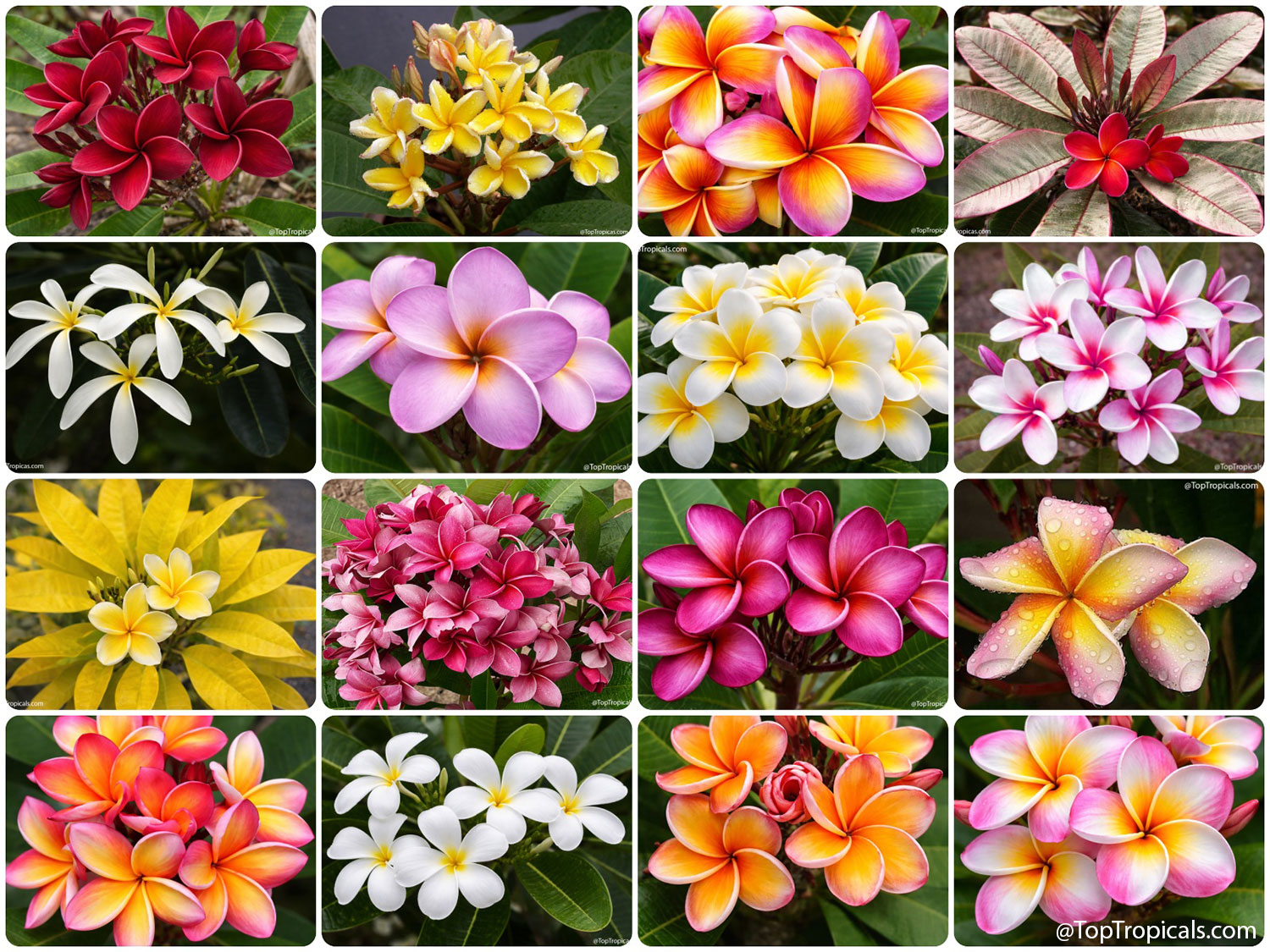
Plumerias come in an amazing spectrum of colors and forms. From pure
white
and buttery yellow to fiery reds, soft pinks, rainbow blends, and even
variegated foliage, there is a plumeria to match every tropical garden and
collector's taste.
Sunshine: Healthy plumerias need sunshine... that's me...
good airflow, and dry leaves. Smokey: That's a surprisingly accurate summary. Sunshine:We can help with all of that. Donut worry. Coffee
first.


 Practical Growing Tips (Keep It Simple)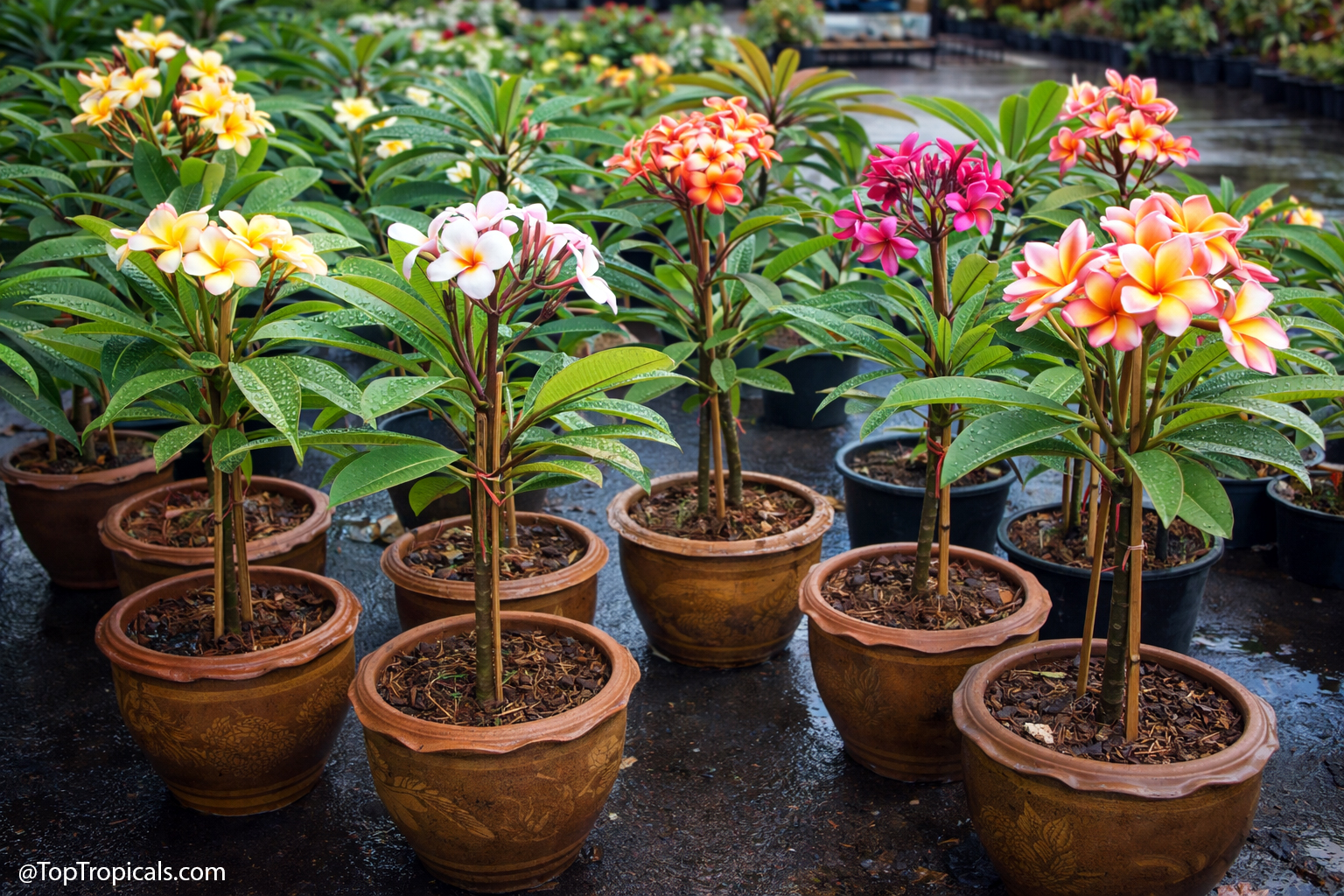
 Winter Care (Very Important)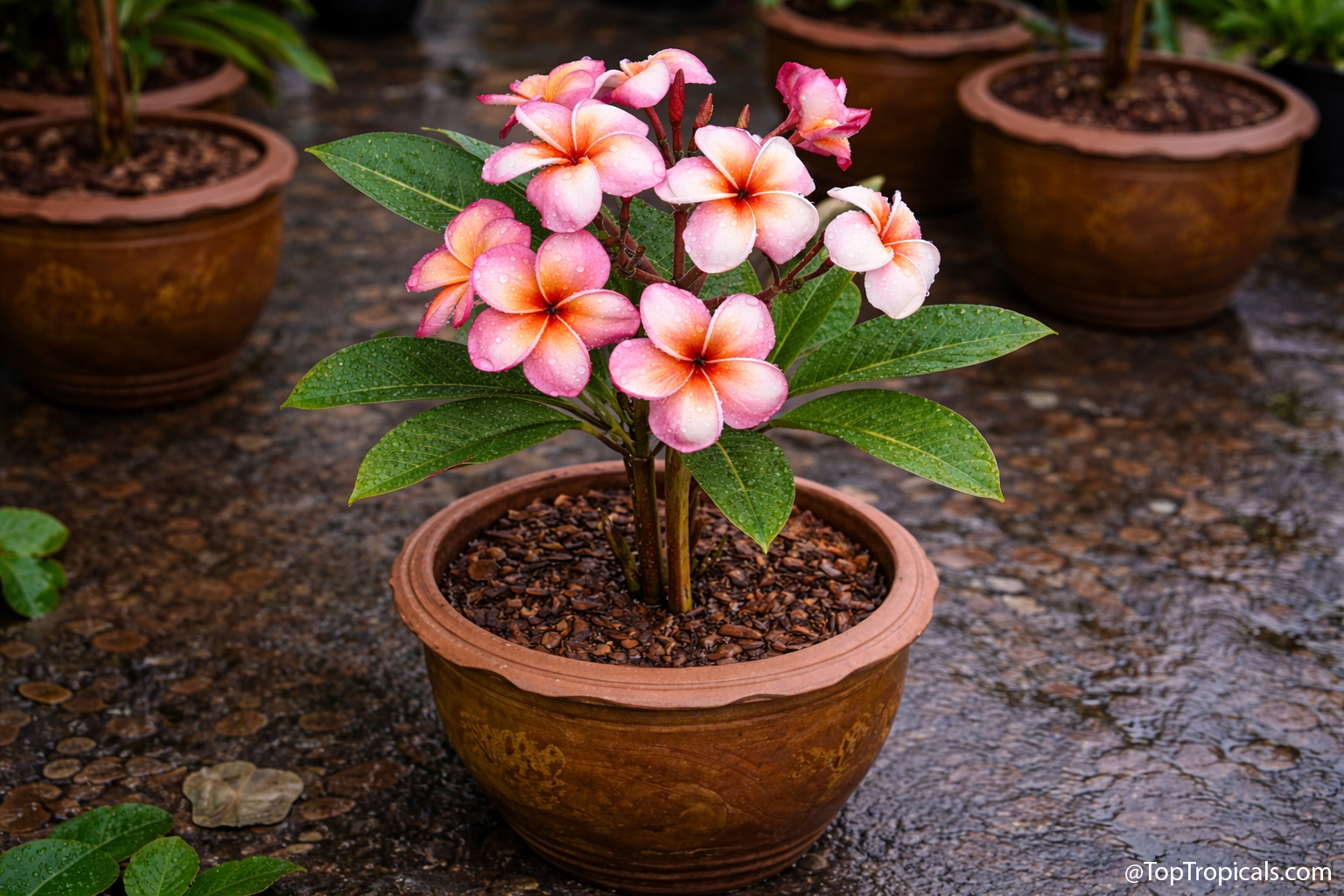
 Build Your Plumeria Paradise - Save
10%
Build Your Plumeria Paradise - Save
10%