Garden Blog - Top Tropicals

Date: 7 Dec 2025

Whats for breakfast? Guava versus Banana

Smokey: Guava for fiber, banana for power. Pick wisely.
Sunshine: I pick whatever requires zero effort.
Smokey: So... guava in a hammock. Perfect.

Smokey: Guava for fiber, banana for power. Pick wisely. Sunshine: I pick whatever requires zero effort. Smokey: So... guava in a hammock. Perfect.

🍉🍌 What's for breakfast? Guava versus Banana


Some mornings you want something light. Some mornings you want something that hits like a tiny energy bomb. That’s why people always compare guava and banana. Both are everywhere, easy to eat, and trusted since forever - from Ayurveda scrolls to modern nutrition charts.

But they’re not the same kind of morning fruit. Let’s walk through them like we’re in the kitchen deciding what to slice first.

🍉 Guava - the fiber champion


Guava looks innocent, but it’s one of the most nutrient-dense fruits.
Per 100 g: 68 calories, 5.4 g fiber, over 200 mg vitamin C, a little protein, and solid potassium.

Fiber does most of the work. It smooths digestion, keeps you full, and steadies blood sugar. Vitamin C boosts immunity, and antioxidants reduce inflammation. Studies suggest guava lowers LDL and triglycerides. Not bad for a tennis-ball-size fruit.

🍌 Banana - the quick energy classic


Bananas are the opposite personality: soft, sweet, ready in seconds.
Per 100 g: 89 calories, 22 g carbs, good potassium, and a little vitamin B6.

Bananas give fast energy without upsetting the stomach. Athletes eat them before workouts because carbs, sugars, and potassium wake up your muscles. Vitamin B6 helps mood and brain function, which is why a banana on a groggy morning works wonders.

They also pack antioxidants, polyphenols, and heart-protective compounds. Even the peel has nutrients (though not exactly breakfast-friendly).

📊 What studies say - quick notes


· Guava: anti-inflammatory, anti-hypertensive, anti-obesity, antioxidant, antidiabetic, antidiarrheal, boosts hemoglobin, supports dental health.
· Banana: antioxidants, fiber, vitamins C and E, carotenoids, flavonoids, and heart-protective compounds.

🔮 What Ayurveda says


· Guava calms Pitta and Kapha - great for acidity or sluggish digestion.
· Bananas balance Vata - grounding and nourishing - but can raise Kapha at night. Morning banana = good. Night banana = maybe skip.

🏆 Guava or banana - which one wins?


Both win, just in different ways:

🍉 Pick guava for:


· light, high-fiber start
· better digestion
· steady energy
· low calories
· weight control

🍌 Pick banana for:


· instant energy
· easy digestion
· pre-workout boost
· quick carbs
· soft, comforting fruit

🍉 Slow mornings love guava.
🍌 Busy mornings belong to banana.

For home growers


If you live in a warm climate, both fruits are incredibly rewarding to grow.

🍉 Why grow guava?


· Fruits in 1-2 years.
· Compact for small yards or containers.
· Super productive when mature.
· Needs only sun, warmth, and pruning.
· Homegrown flavor is sweeter and more aromatic.

🍌 Why grow banana?


· Grows fast and looks lush.
· One mat can feed a whole household.
· Dwarf varieties fit small gardens.
· Homegrown bananas taste richer and creamier.
· When a bunch ripens, breakfast is handled for a week.

Growing your own fruit means you’re never out of a healthy breakfast. Something is always ripening, always ready to pick, and always sweeter than anything you buy.

✍️ Scientific reference


· USDA National Nutrient Database: Banana, raw. Guava, raw.
· Journal of Food Biochemistry: Antioxidant and anti-atherosclerotic potential of Banana.
· International Journal of Pharmaceutical Sciences Review and Research: Guava (Psidium guajava). A brief overview of its therapeutic and health potential
· International Journal of Innovative Research in Engineering & Management: An analysis of health benefits of guava.

🛒 Grow your perfect breakfast for any day - Guava and Banana

📚 Learn more:


🟡More posts about #Bananas and #Guava
🟡From Plant Encyclopedia: Banana and Guava plants
🟡Guava beats banana in the potassium game

📱 Watch YouTube short videos:


' target="_blank" rel="noopener noreferrer">Six guava varieties that will keep you picking year-round.
' target="_blank" rel="noopener noreferrer"> Why every garden needs a Banana tree

#Food_Forest #Bananas #Guava #Remedies #Discover

🟢 Join 👉 TopTropicals
Date: 10 Nov 2022

Fertilizing indoor plants in Winter

Sunshine  boosters  for  indoor  palnts

What is the best fertilizer for indoor plants?
Can I fertilize house plants in Winter?

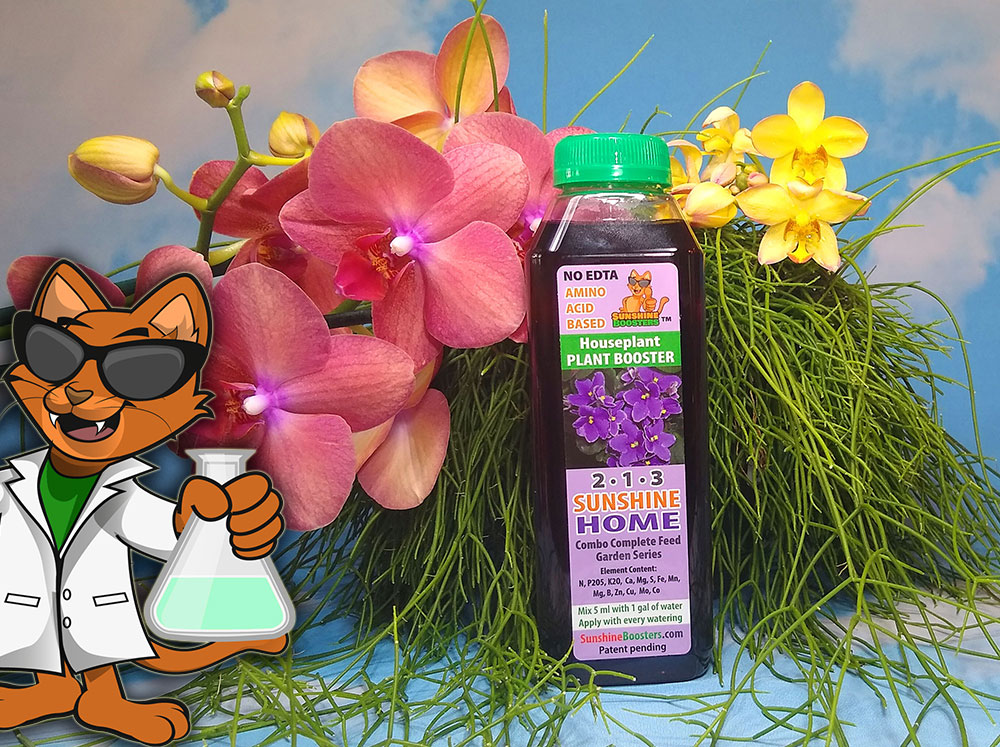
The best fertilizer for indoor plants is liquid fertilizer Sunshine Boosters (TM). It is amino-acid based, natural, and is safe to use with every watering and year around. Unlike dry fertilizers that are not recommended to use during Winter, Sunshine Boosters formula is mild and scientifically balanced. Your houseplants will consume exactly as much nutrients as they need even during cooler months of less active growth. Sunshine boosters will not burn roots and won't create nutrient lockup (excessive salts that often caused by dry fertilizers). Sunshine Boosters is a perfect food for all kinds of plants, and different boosters available for different plant types (flowering, fruiting, even for orchids). Check out Sunshine Boosters selection.

Arundina  graminifolia  -  Bamboo  Orchid,  Bird  Ground  Orchid

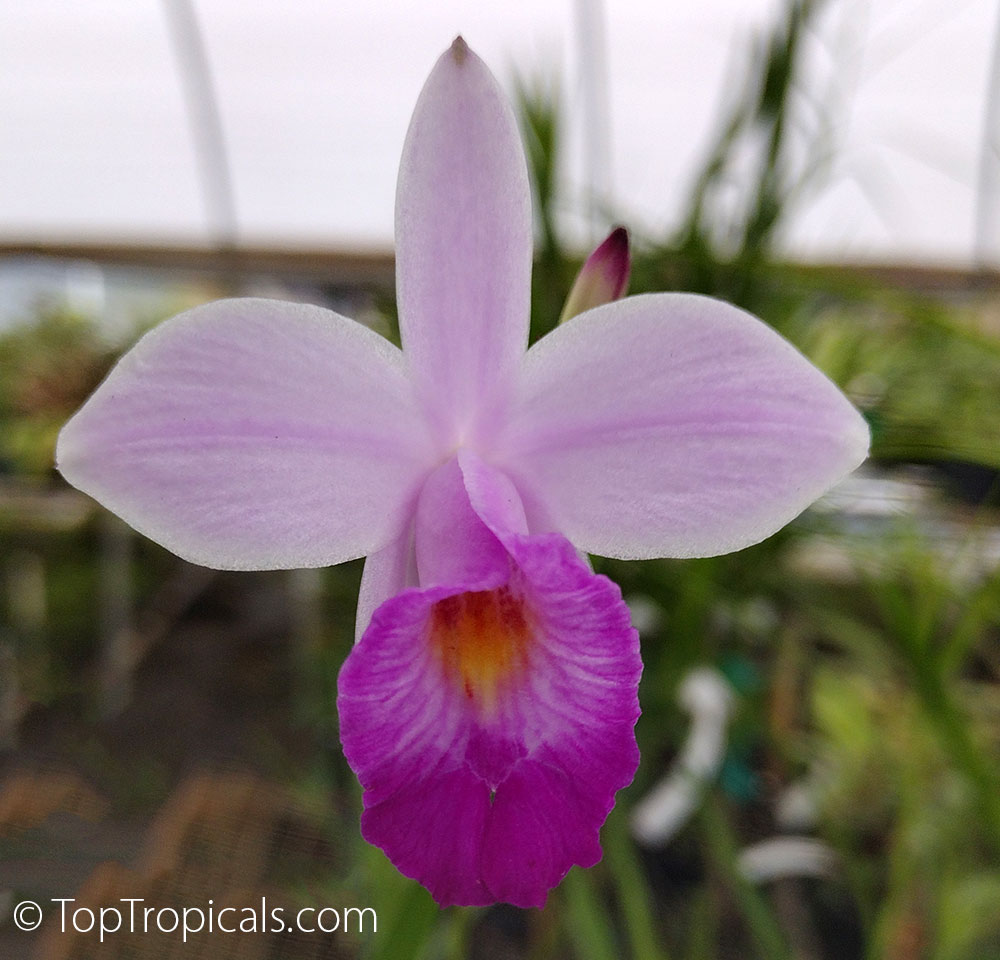
Grow Purple! In the photo: Arundina graminifolia - Bamboo Orchid, Bird Ground Orchid - Winter flowering orchid that grows in regular soil. These plants are in bloom right now, picture taken this week!

Date: 29 Sep 2020

Healthy Plant Food: Q&A from Mr Booster

Why my Sapodilla is not fruiting?

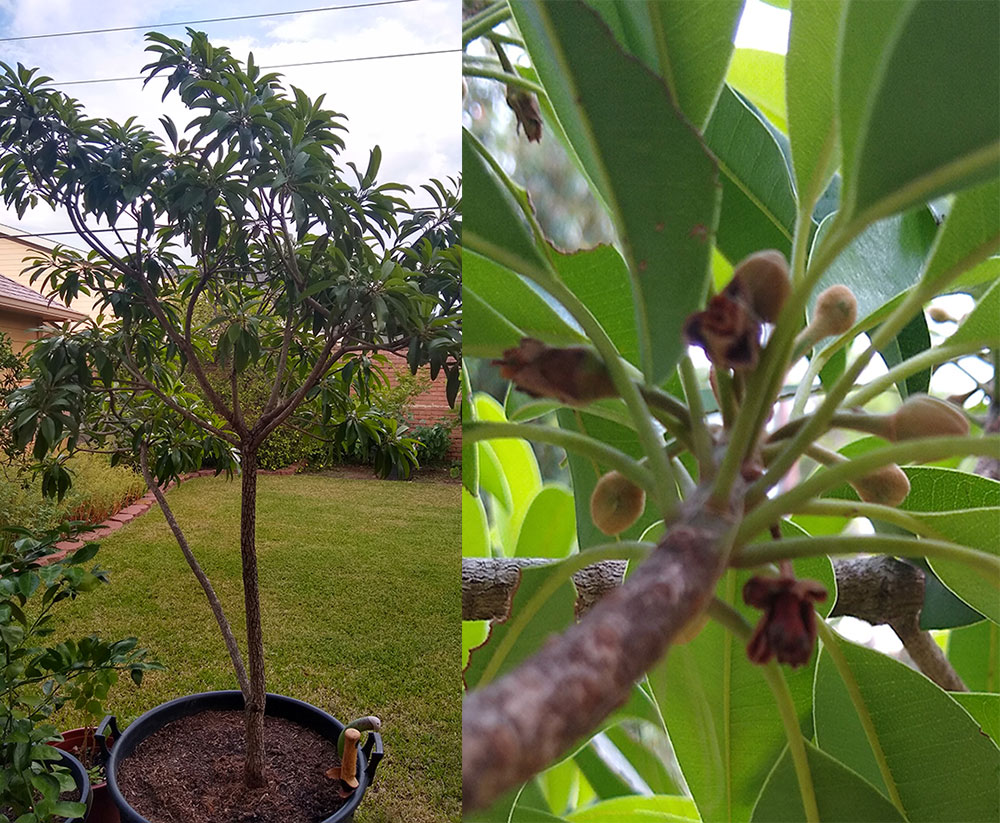
Q: I bought a Sapodilla tree from you several years ago, Silas Woods. I live in Houston area. The tree grows and produces blossoms for fruits, but then they just dry up and fall off. To-date, I have not gotten any fruits off the tree. Is there a reason for this? I really want a fruiting tree because Sapodilla is one of my favorite fruits. I have attached pictures of the tree. Please help.

A: Silas Woods is a free-flowering variety and in favorable conditions it should produce fruit almost year round, considering warm temperatures. The fact that the tree is producing flowers indicates that it is strong, overall healthy and ready for production, but for some reason these flowers don't set fruit. There may be several reasons for such behavior.

1) Too high temperature and too low humidity
In Houston area, humidity should be good in summer. However, if temperatures stay above 90F for a long time, this may cause flower dry-n-drop.
Solution: try to move the potted tree into filtered light, or in a spot where it does not get direct burning sun during the hottest hours of the day (morning sun is the best)

2) Root bound.
Solution: check if the tree needs stepping up into a larger container.

3) Lack of certain nutrients that are responsible for proper fruit formation.
In particular, elements B (Boron), Mo (Molybdenum), and a few other micro-elements (Fe - iron, Cu - Copper, etc.). This is most likely the cause of a flower drop. This is very common reason for undeveloped fruit or lack of fruit in container-grown fruit trees. When grown in the ground, plants can reach out to all necessary elements in surrounding soil (considering soils are not too poor on necessary elements). In a pot, a supply of nutrients can be exhausted very quickly, so a quality fertilizer program is very important. Fertilizer must include all necessary nutrients in easy accessible form, and a plant must have their constant supply for proper development.
Solution: prescribe to your Sapodilla tree the following combination of plant food:
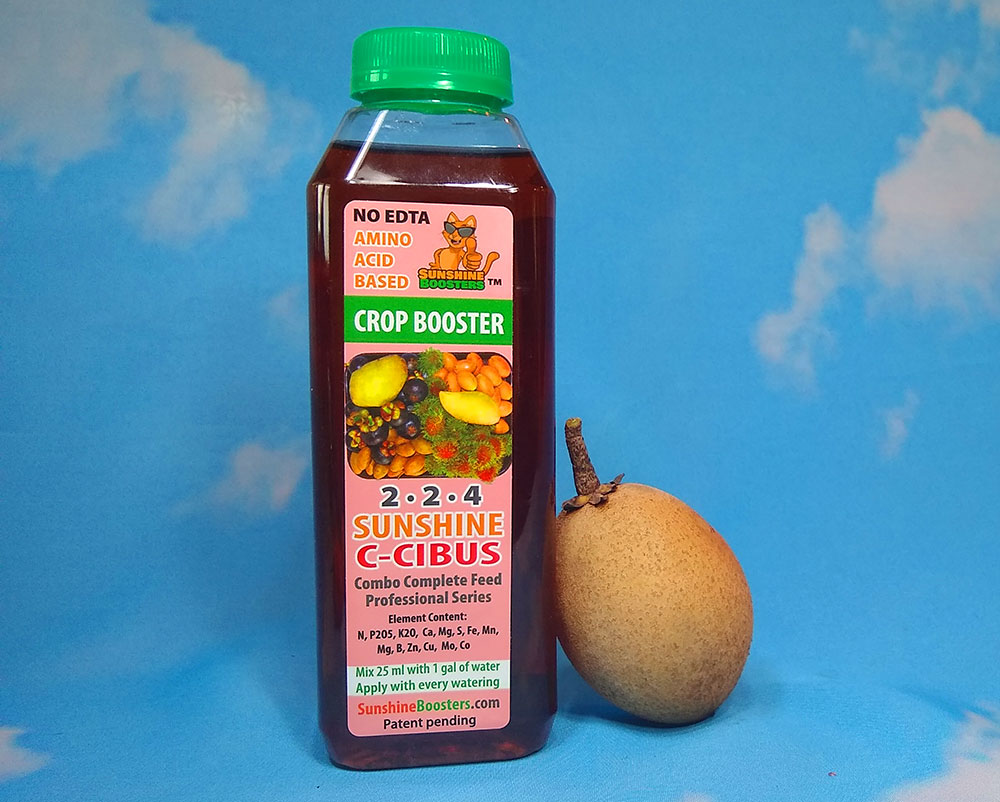
- SUNSHINE C-Cibus - Crop Nutrition Booster. It will provide well-balanced amounts of high absorption Nitrogen, as well as other macro-elements - to provide enough energy to the tree, plus a combination of all necessary micro-elements. It is safe to apply this fertilizer as frequent as with every watering, including winter time.
- SUNSHINE-Honey - sugar booster. This supplement has a high content of elements Mo and B - once the tree starts getting them on regular basis (a few times a year, according to the label), it will change its habit dropping flowers and/or premature fruit drop. As extra bonus, Sunshine Honey makes fruit sweeter by bringing sugars from all over the plant and concentrating them into fruit.

4) Lack of pollinating insects.
Solution: For most effective pollination, we always recommend to put some pieces of fruit under the tree, apple peels, or even banana peel. Those attract tiny beetles that are responsible for small flower pollination.

With winter time approaching, fruiting season is about to end, however, do not get discouraged and start the fertilizing program right away: this will bring up the plant into a healthy stage within a few months, and by next season it should be covered with fruit you like so much! Remember, Sunshine liquid fertilizers can be used year round, including winter, without a risk to burn roots or overdose, as long as you follow label instructions.

SUNSHINE C-Cibus - Crop Nutrition Booster from Garden Series, or Combo Total Feed Collection - all nutrients in just one bottle, for fruit trees and edibles.

Date: 8 Mar 2025

Why do you need Sunshine Boosters?

Why do you need Sunshine Boosters?

👍 Why do you need Sunshine Boosters?


👍Ever wanted to grow plants that reward you with lush foliage, cheerful flowers, or abundant fruit without the hassle?
Sunshine Boosters is your answer. These are natural liquid fertilizers for all kinds of plants and edibles.
And they are super easy to use!
All you need is a watering can, water, and a measuring cup.

👍 Sunshine Boosters are pet-safe and eco-friendly because they're made with organic amino acids - and you can use them year-round.

👍 Sunshine Boosters come in different formulas, or "flavors," to match your plant’s needs:
- For lush, green foliage
- For fruit trees, including mango and citrus
- For boosting blooms - from fragrant flowers to orchids and bromeliads

👍 Sunshine Boosters offer both essential plant food and supplements - micro-elements and growth stimulants - just like vitamins for people!

📱 Watch this video in high quality on YouTube:


🛍 Get Sunshine Boosters and make your plants happy

#Fertilizers #How_to

🔴 Join 👉 TopTropicals

Date: 5 Jan 2021

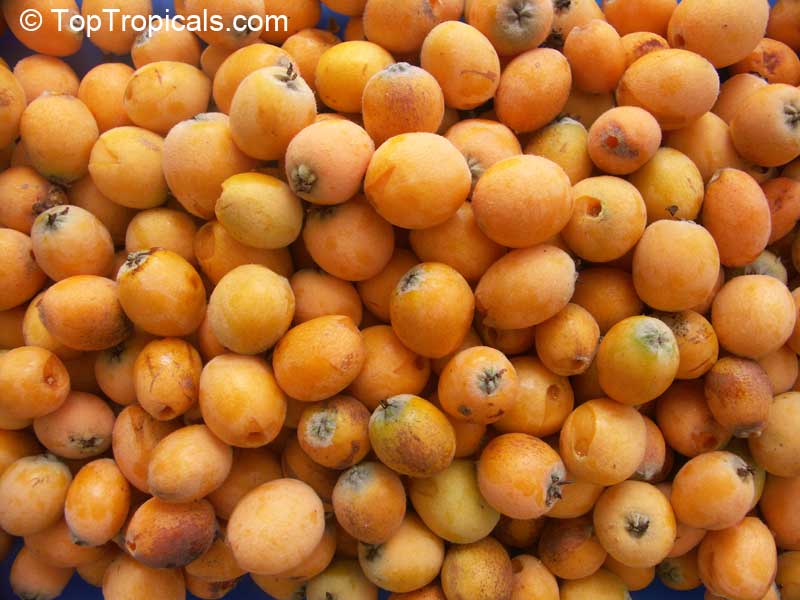
Growing Loquat in container

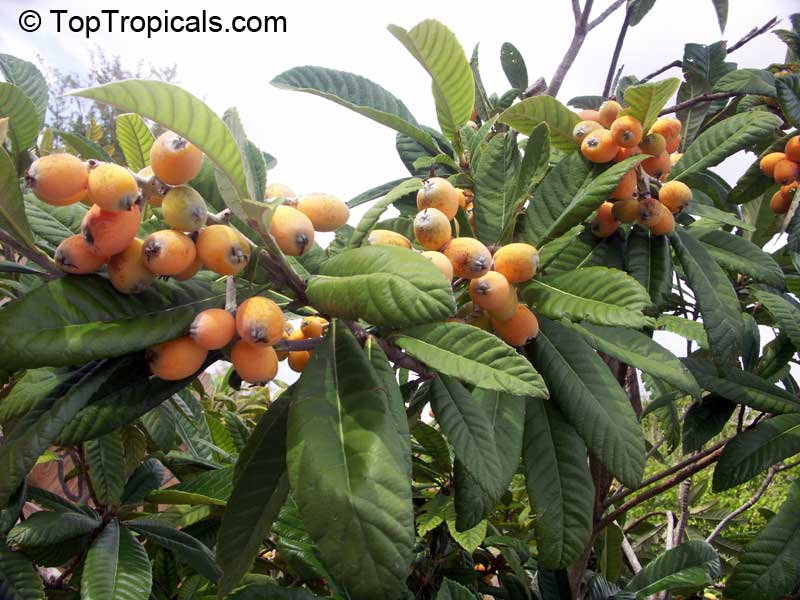
Q: I purchased a Sherry Loquat tree from you in April of 2020. It got off to a slow start initially, but now is five feet tall with healthy leaf growth! It is in a 15-gallon pot and was brought into the house by October 15th. I live in Zone 6 and kept the plant outside from end of May to October 15th. I have given the tree artificial lights in addition to slow release fertilizer. Can you please advise me on what steps I need to take to get the Sherry Loquat tree to fruit? E.g., lighting requirements, soil pH, soil type, etc.

A: Loquat is normally winter flowering and spring fruiting tree, here in Florida it is usually heavily covered with fruit by April. With a proper care, you may see flowers throughout the winter and they may set some fruit for you. Considering that during this time you have to keep the plant indoors, here are some recommendations:

1. Soil. Well-drained, porous potting mix. Do not use any heavy garden soils. For our plants we use the following mix which is excellent for containers: Abundance

2. Light. The brighter the better. Sunroom would be great, or at least put the tree next to a large window. Extra lighting with grow lights is beneficial. Any type of light will work, you can even use a simple clip-on light, the brighter the better. 8-10 hours a day.

3. Water. Loquat is drought tolerant but for fruiting it will need regular watering; just don't keep soil soggy, let is slightly dry before waterings.

4. Fertilizer program. Use liquid fertilizer. We recommend Sunshine Boosters that are safe to use with every watering and year around - SUNSHINE C-Cibus - Crop Nutrition Booster.
We recommend to switch plants from traditional"slow-release"fertilizer to the liquid one because it makes a huge difference in plant growth and flower/fruit quality and quantity. Sunshine Boosters are scientifically balanced fertilizers that supply all necessary elements for daily plant needs. They are natural and eco-safe, great for any edibles.

5. Micro-elements. These are essential for potted plants, because in containers roots can't reach out to elements that are usually present in soil when trees grown in the ground.

Apply micro-element remedies that are very effective for improving fruit production, especially when flower or fruit drop occurs:
SUNSHINE Honey - promotes more efficient blossoming and pollination, makes flowers bigger and reduces bud drop.
SUNSHINE SuperFood - improves plant vigor and quality and size of flowers
These are all natural, eco-friendly supplements that work great for fruit trees and other edibles.

Read more about Loquat trees: The best grafted Loquat varieties.