Date: 13 Jul 2023
Fertilizing during rainy season
Q: I have installed your Robuster unit to fertilize my fruit trees, but here in Florida, it is the rainy season and most of the time I do not need to irrigate during the summer. What do you recommend to keep up with fertilizing program?
For in the ground plants
If there are frequent rains, it's not necessary to use any fertilizers except for slowly soluble ones. During rainy periods, use a slow release fertilizer. Simply scatter 3 oz per 100 square ft. You can adjust the amount based on your specific area and number of plants.
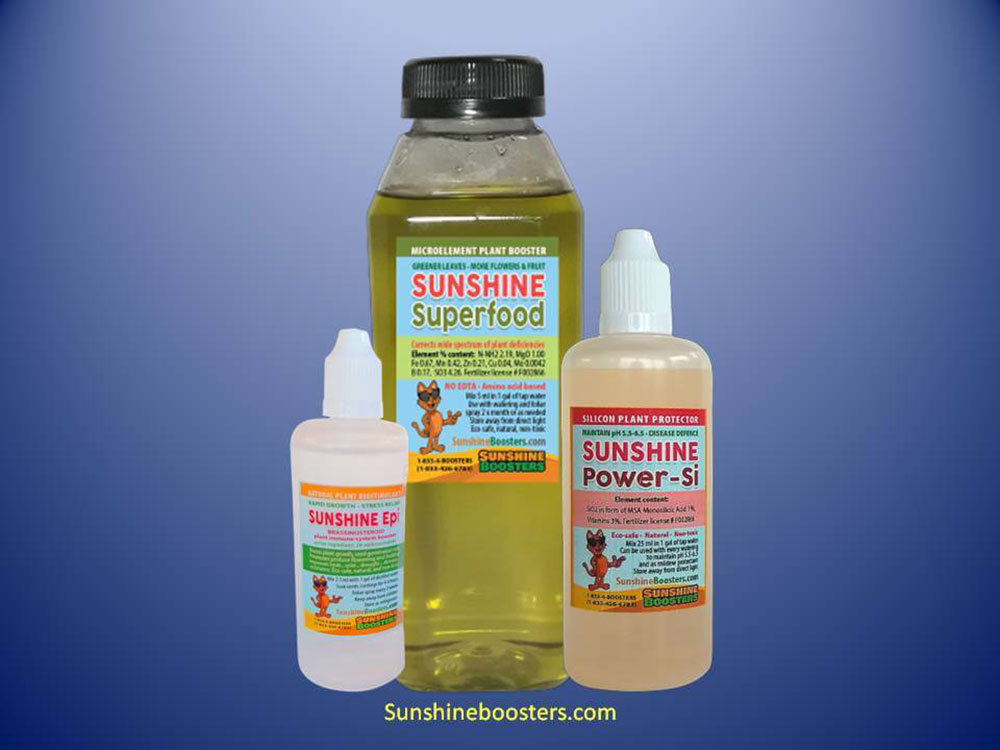
Additionally, for foliar treatments, use Sunshine SuperFood microelement supplement and Sunshine Epi biostimulator.
When you water next time, regardless of whether it rained or not, resume
using liquid Sunshine Boosters.
For potted plants
When you water your potted plants, use liquid Sunshine Boosters. Every 1 or 2 weeks (we recommend weekly), apply Sunshine Garden Series (the same type you are using when watering) for foliar treatment. Use the same dosage as you would for watering. By following these recommendations, you can ensure that your plants receive the appropriate nutrients during the rainy season.
Date: 26 Apr 2023
The Benefits of Companion Planting
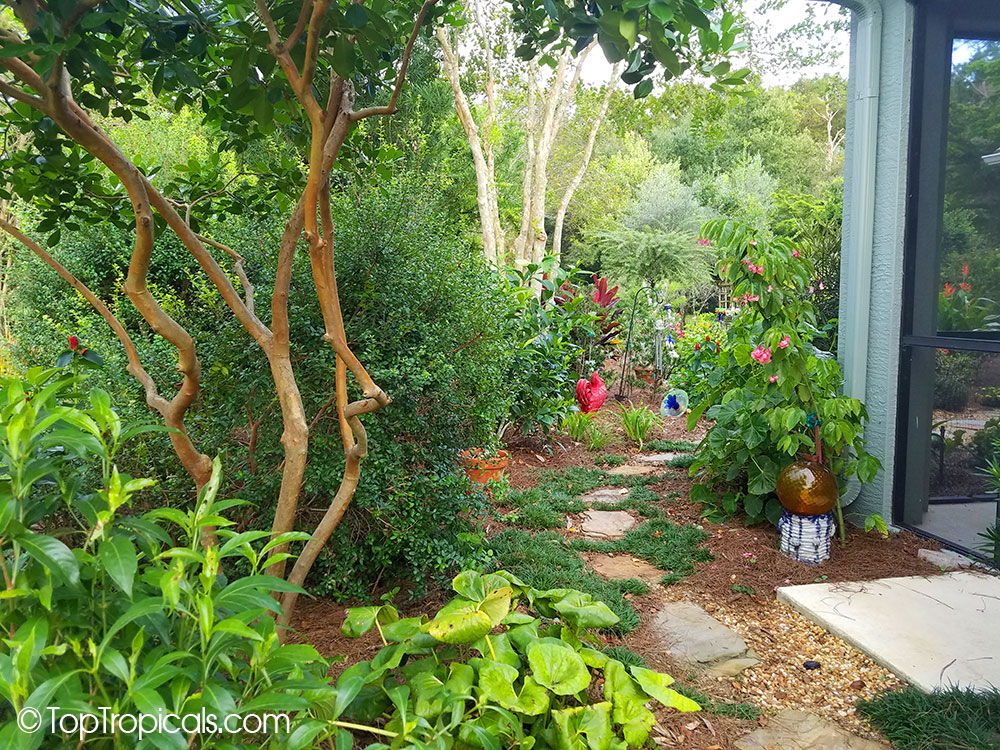
Q: What is companion planting?
A: Companion planting is a gardening technique that involves planting different crops or types of plants together in a way that benefits all plants. This practice has been used for centuries, and it can be especially useful in tropical gardens where there is a diversity of plant life: trees, shrubs, vines and climbers, ground covers, fruit and edibles, and different flowering ornamentals. It is a great way to improve the health and yield of fruit tree crops while reducing the need for fertilizers and pesticides. By choosing the right companion plants and planning your garden layout carefully, you can create a vibrant and diverse ecosystem that will benefit both your plants and the environment.
Companion planting involves:
Planting different crops together to repel insects: adding such plants as Lemon grass, Patchouli leaf, or Moujean Tea near your vegetables can deter aphids and other pests.
Attracting pollinators - Butterfly plants. Many tropical crops, such as passion fruit, papaya, mango, and avocado, rely on pollinators to produce fruit. Companion planting can help to attract pollinators such as bees, butterflies, and hummingbirds to your garden.
Providing nutrients to the soil, adding mulch and low growing plants (ground covers) to preserve moisture.
Planting a variety of different types of plants together in order to create a more resilient ecosystem that is less susceptible to pests and diseases.
To get started, plan your garden layout and choose companion plants with
similar water and light requirements.
For example, plant in the same group lush foliage plants, gingers, and flowering brunfelsias in shady areas; plant jasmines and gardenias in full sun and very well-drained spots.
Rotate annual crops regularly and experiment with combinations to find what
works best. By doing this, you can create a thriving ecosystem that benefits
both your plants and the environment, reducing the need for harmful
chemicals.
Date: 27 Jan 2023
The
Robuster: smart and simple
Automatic care-free plant feeder!
Affordable Smart Fertilizer Injector and Doser
Tired of mixing fertilizer in watering cans?
Struggling to keep up with the growth of your garden?
Need to adjust fertilizer schedules for different plants and weather conditions?
Professional injectors are expensive and complicated?
Look no further! Affordable and user-friendly solution for any gardener
-
The Robuster.
Set up... Sit back...
...enjoy your garden!
The Robuster is a unique smart device for irrigation systems
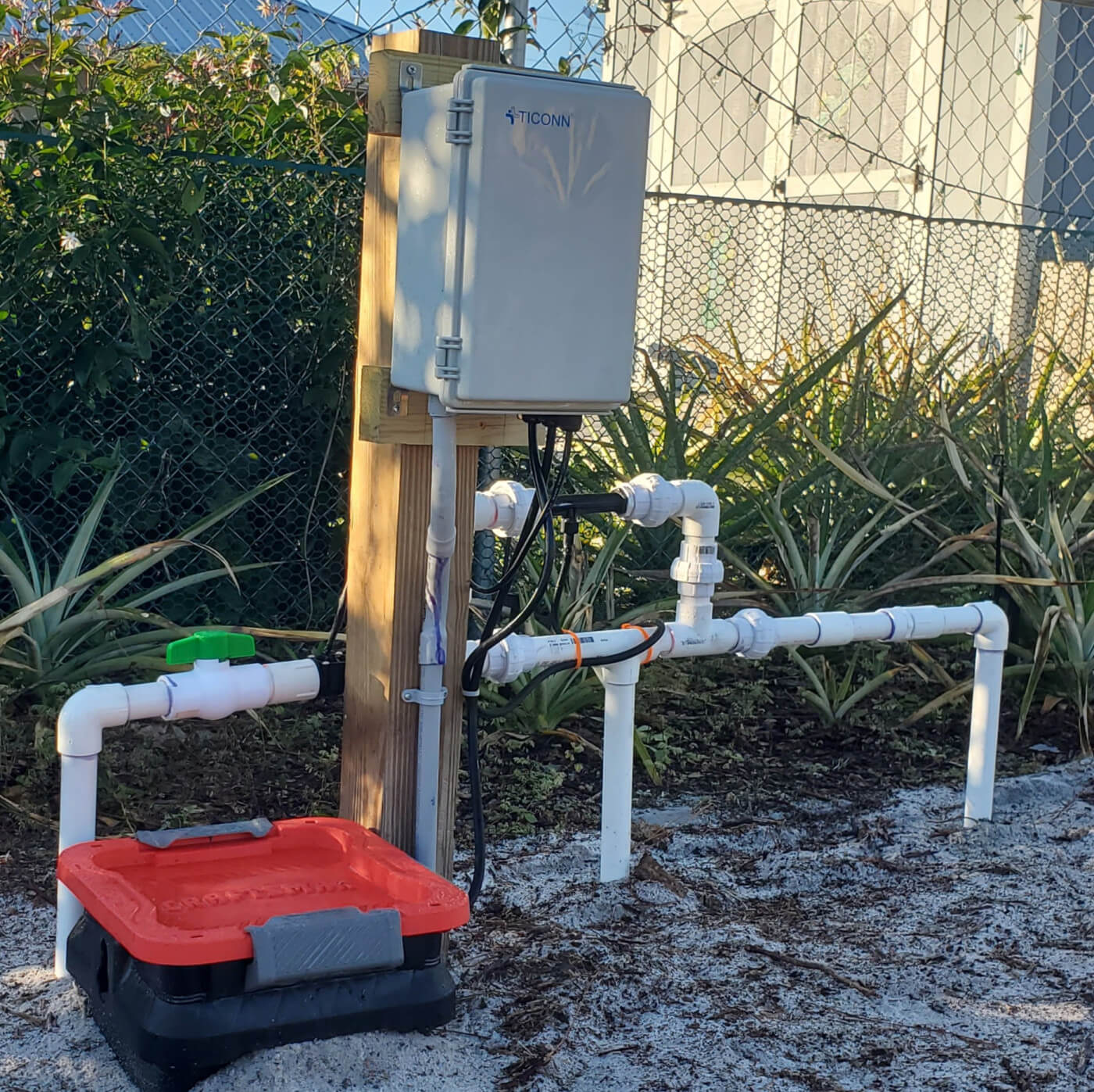
and is designed to help make fertilizing your garden easier. Simple to install, The Robuster utilizes a computerized controller
that injects liquid fertilizer into your irrigation system based on your
preset dosage. The Robuster will work in your yard, garden or farm, small or large. Designed to be used with
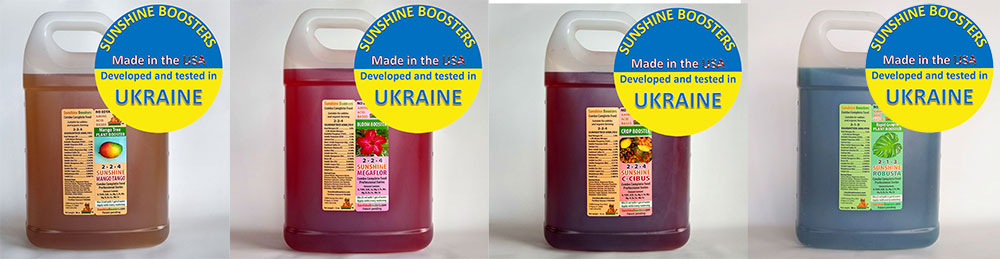
Sunshine Boosters amino acid based liquid fertilizers, it also works with any liquid plant food that requires a dosage from 5 - 25 ml per gallon of water.
Let The Robuster do the feeding so you have more time to enjoy your garden! Your first gallon of
Sunshine Boosters is available to you at a 50% discount with the purchase of
this unit! Sunshine Boosters are also available at deep discounts with our
subscription program (coming soon). Contact us for more information.
Developed in Ukraine. Manufactured in the USA.
Introductory low price! Only 4 units available at this time.
Contact us for installation availability
Learn more:
Blog: About The Robuster with pictures
Amazing video:
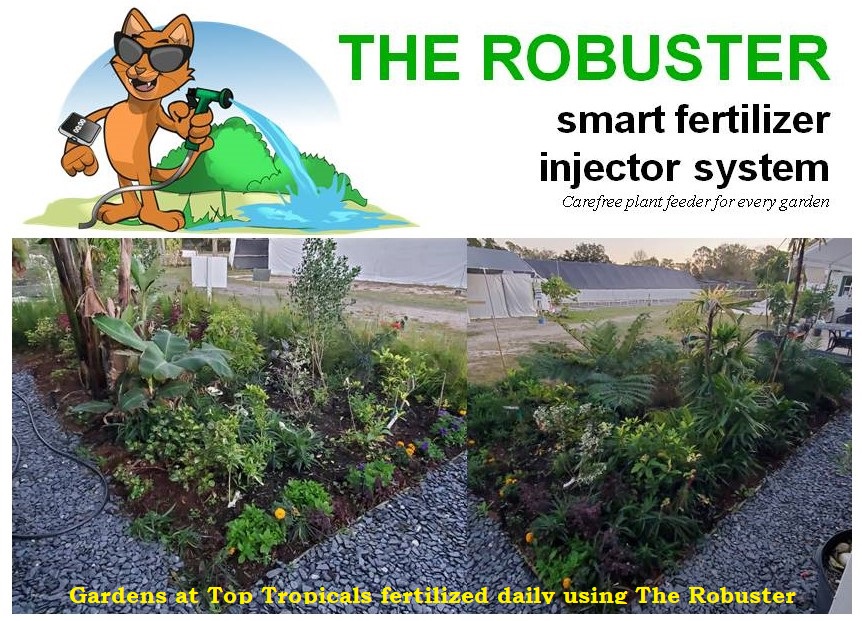
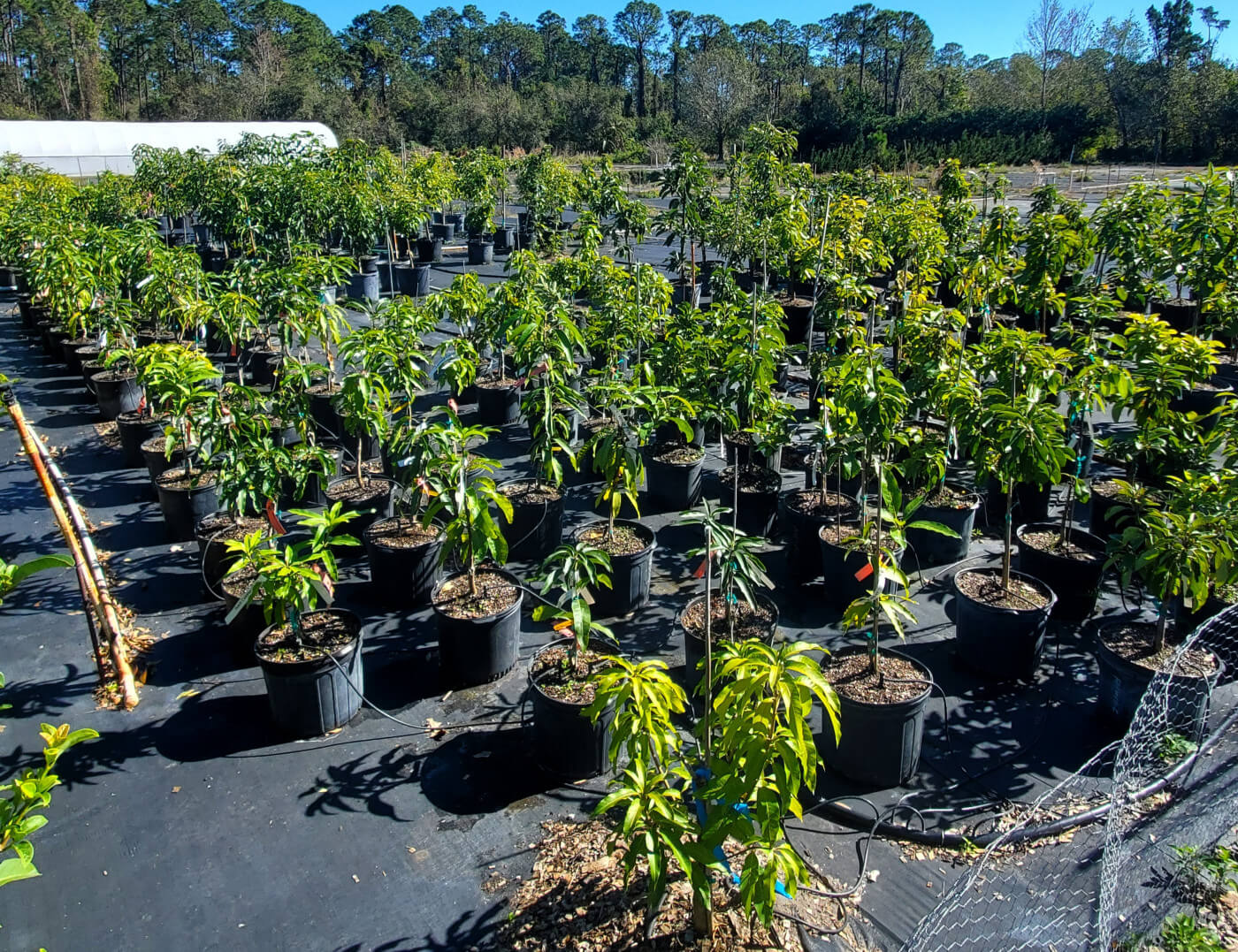
Starter gardens at TopTropicals as well as container plants, are fertilized with the Robuster with every watering
Date: 17 Nov 2022
Get your plants ready for winter:
Just spray this to improve cold hardiness...
How to improve plant cold hardiness?
Pland cold hardiness depends on several factors,
including:
1) genetics of specific species
2) maturity of the plant, size of root system, stems and branches
3) plant health and vigor which is supported by proper nutrition program
and adding special plant hormones.
While 1) and 2) may be out of our control, the 3rd factor is something
that can be easily improved! It is important to feed plants during the season
of active growth on regular basis by applying macro- and micro- elements.
Liquid fertilizers and especially natural plant food like Sunshine Boosters can be applied year around to keep plants healthy and
strong.
Besides the routine fertilizing program, just a few applications of special
plant hormones can increase tropical plant hardiness big time! Before the
cold is coming, spray your plants with these 3 magic potions and they will gain
a few degrees in low temperature tolerance! It is recommended to make 2-3
applications.
- Sunshine Superfood
- Sunshine Epi
- Sunshine Power-Si
Date: 11 Oct 2022
Fertilizing in Fall:
Plants need food too!
Q: I know that I am not supposed to fertilize plants in winter. But I just bought several ground orchids from you, they are blooming now and I wonder if I can give them some food to support their bloom energy? When should I do the last application of fertilizer? I will keep them in a sun room during Winter until Spring.
A: Traditionally, end of October to November is the time when we
give the last dose of fertilizer to our tropical plants. Liquid fertilizers,
and especially amino-acid based Sunshine Boosters, are safe to apply year around. This means, you can
continue feeding your plants with Sunshine Boosters through the Winter without
risk of over-feeding or burning roots. Why?
The answer is very simple: even with their metabolism slowed down in
Winter, plants will use all that food.
Sunshine Boosters have special mild formulas that are scientifically
designed and based on Amino Acids. Plants will use all essential elements from the
solution as needed.
Liquid fertilizer is diluted in water, and will be applied only when you
water the plant. During Winter, water needs are lowered = watering times are
less frequent, with less amount of water = the plants will get less water and
less fertilizer accordingly.
Importance of micro elements
in combination with plant food during winter
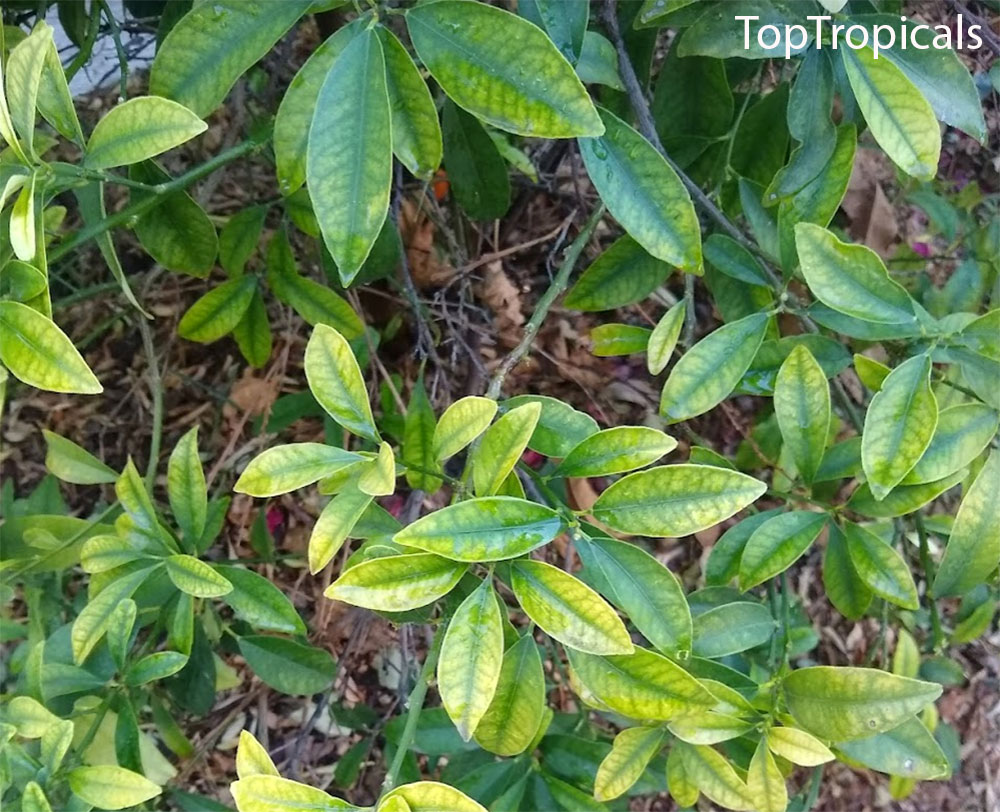
In the photo: winter chlorosis on Kumquat leaves that is very hard to treat and should be prevented instead
Keep in mind that feeding your plants regularly during Winter will help to avoid "winter chlorosis" and other deficiency problems. So called "cool-temperature-induced chlorosis" (CTIC) is especially common in Spring on young, actively growing leaves. Unless chlorosis is prevented by micro-element applications, affected leaves may remain in this condition for the rest of the growing season.
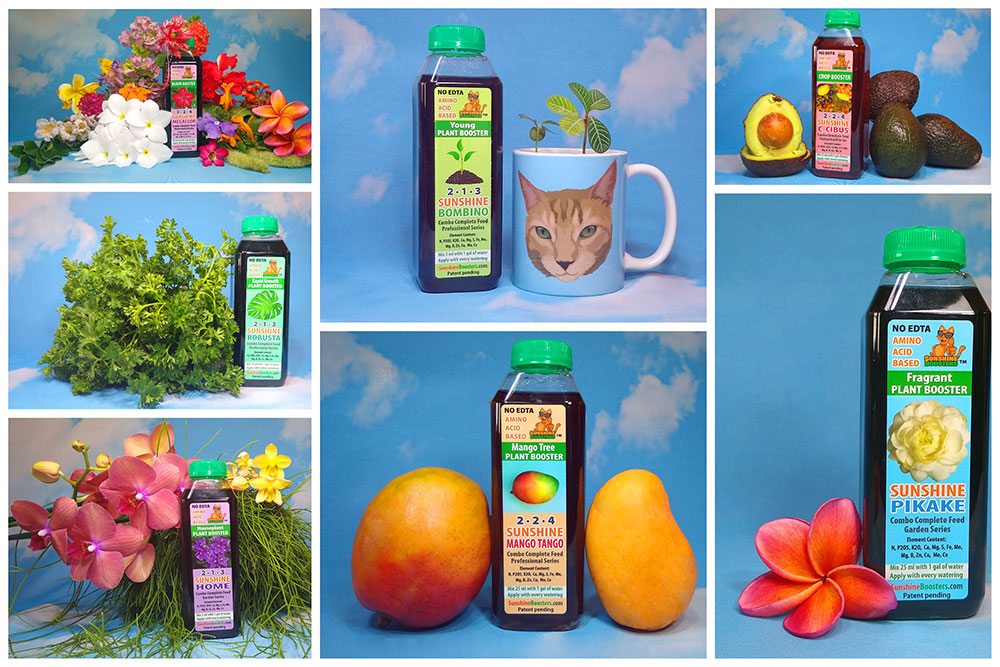
Make sure to select proper type of fertilizer for your over-wintering plants. We have special formulas for foliage, flowering plants, fruit trees, young seedlings, even for for orchids and bromeliads. Check out our selection!