Avocado Fuerte: the hidden world beyond green and black
Avocado Fuerte
Avocado Fuerte
Avocado Fuerte: the hidden world beyond green and black
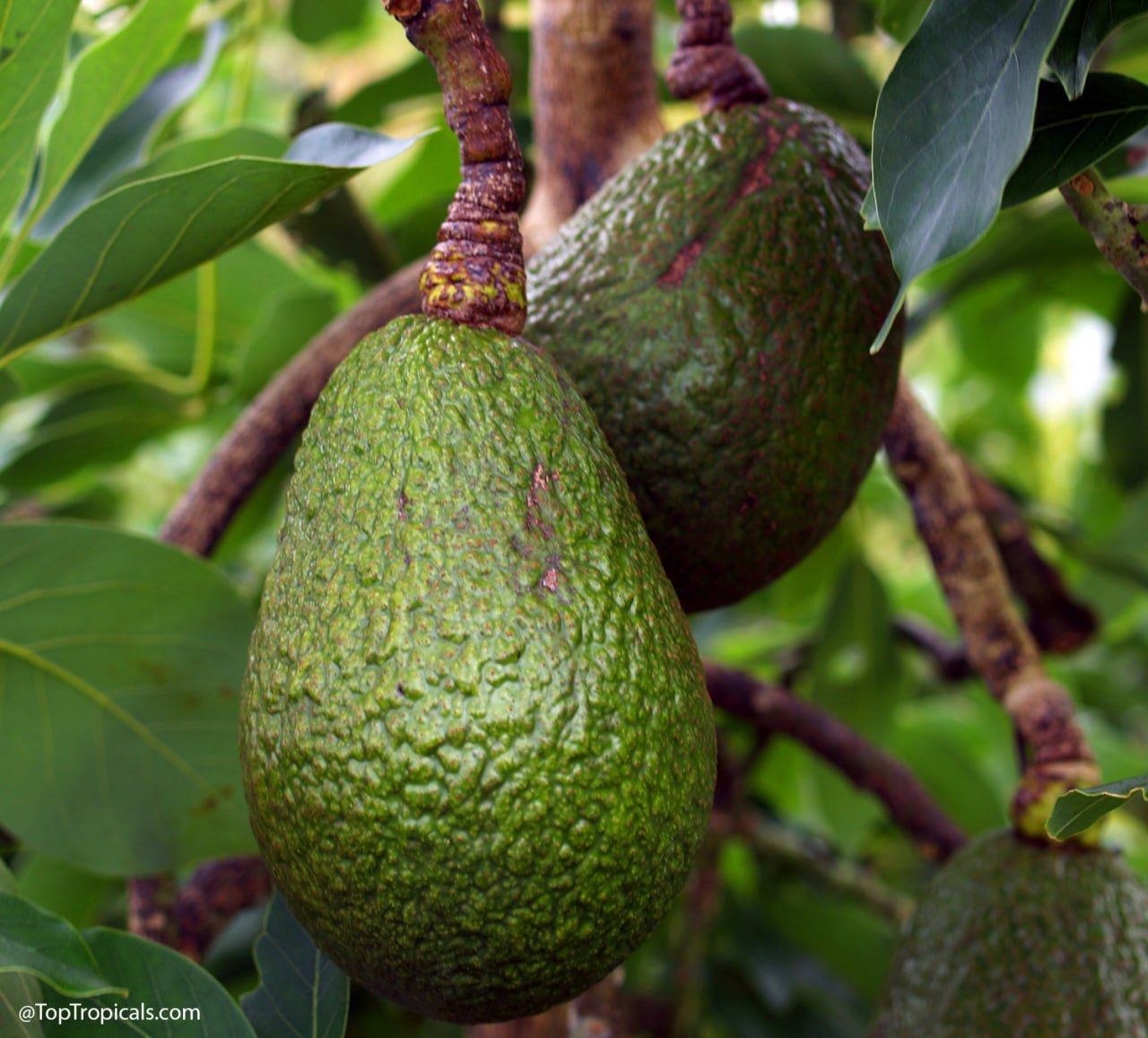
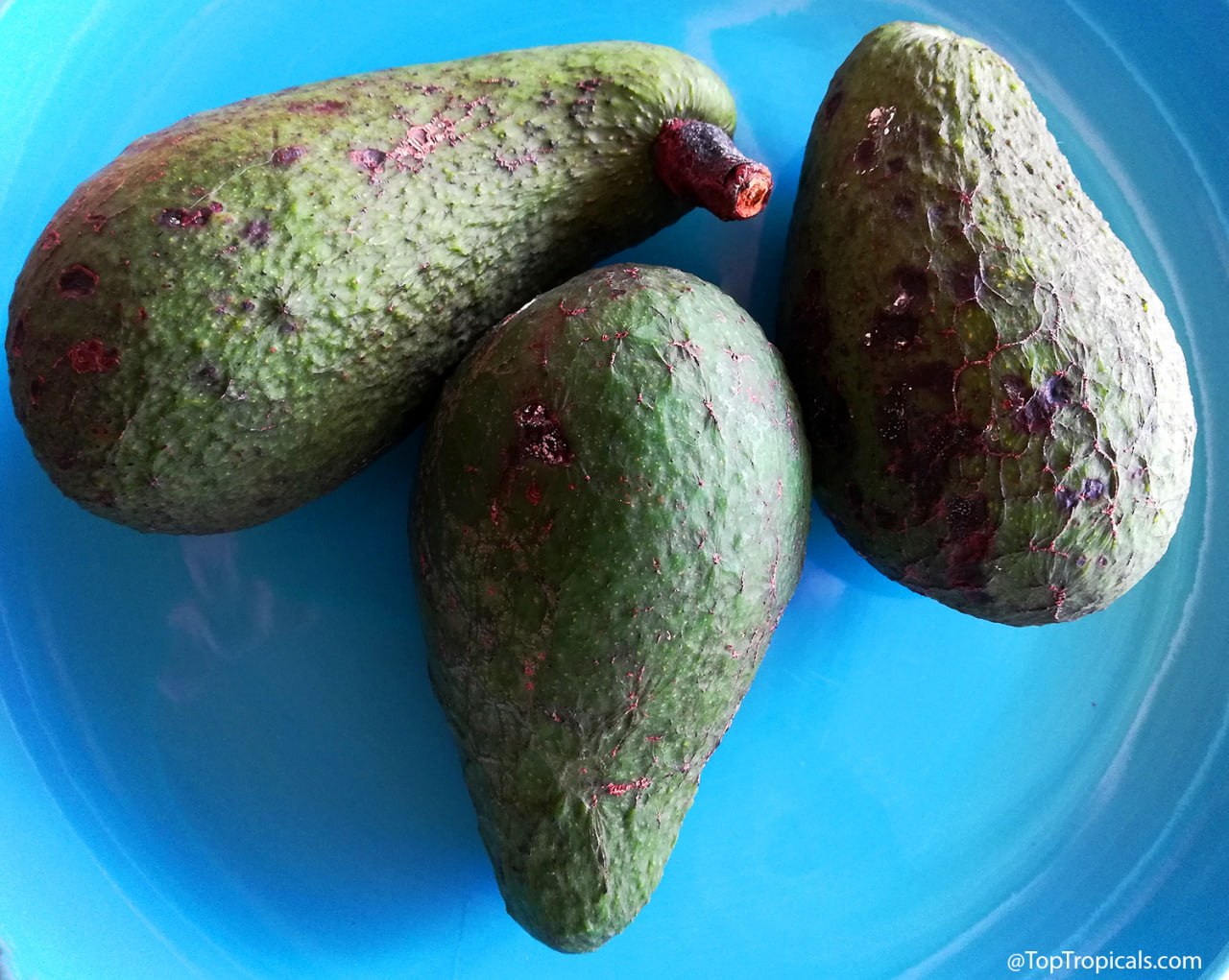
Before Hass became the world's dominant avocado, Fuerte was considered the gold standard. This historic Mexican-Guatemalan hybrid produces medium-sized pear-shaped fruit with exceptionally smooth, buttery flesh and outstanding flavor. Cold-hardy and productive, Fuerte remains one of the finest eating avocados ever developed; and it's one of the very few dwarf varieties suitable for containers.
· Botanical name: Persea americana 'Fuerte' · Origin: Guatemalan x Mexican hybrid · Cold hardiness: Tolerates temperatures around 20°F and is one of the more cold-hardy classic avocado varieties · USDA zones: 9a-11 · Flower type: B · Tree size: Approximately 15 ft x 20 ft · Growth habit: Compact to semi-dwarf, making it easier to manage than many traditional avocado varieties, well suited to home gardens and containers · Foliage: Dense evergreen foliage with an attractive, spreading canopy · Fruit size: 12-14 oz · Fruit shape: Pear-shaped · Fruit color: Green to green-black · Skin: Medium-thin, smooth, and easy to peel · Flesh: Creamy, buttery, and rich in oil · Flavor: Rich, nutty, and widely regarded as one of the finest-tasting avocados · Season: November-June · Best use: Fresh eating, slicing, salads, and gourmet dishes · Special feature: Historic variety that dominated the avocado industry before Hass became popular · Why growers love it: Fuerte combines exceptional flFuerte combines exceptional flavor, good cold tolerance, and a compact growth habit that makes it easier to fit into smaller landscapes. One of the few avocado varieties considered suitable for container culture, it has long been a favorite among collectors and home gardeners who appreciate its rich buttery flesh, manageable size, and extended harvest season. 👉 More
💡 Avocado tip: Prune for width, not height When a branch grows 10-12 inches, trim the tip. This encourages multiple side branches and creates a stronger, more productive tree.
The Holy Grail of Medinillas: Why Collectors are Chasing the Philippine Pink
Medinilla apoensis - Philippine Pink
Medinilla apoensis - Philippine Pink
🎀 The Holy Grail of Medinillas: Why Collectors are Chasing the Philippine Pink
Some tropical plants are impressive because of their massive size, others capture attention with the delicate beauty of their flowers; Medinilla apoensis - popularly known as the "Philippine Pink" - stands out because it somehow does both at the same time.
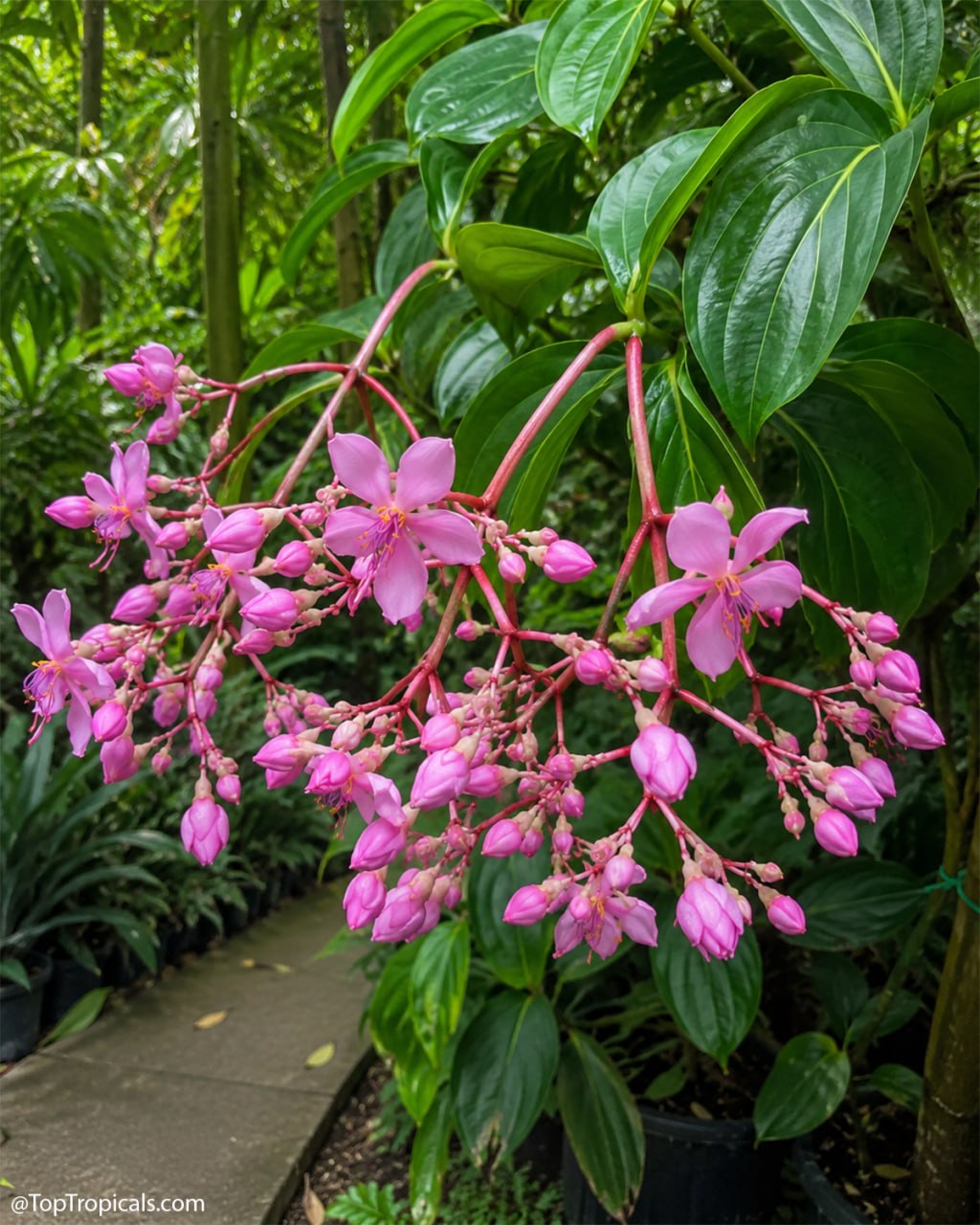
🎀This rare Philippine species produces vivid, bright pink flower clusters that rise and cascade above the foliage like glowing tropical chandeliers. Unlike many Medinillas that rely mostly on oversized pink bracts for their visual show, this species gets its dramatic appearance from the flowers themselves - large, intensely colored blooms arranged in elegant, pendant clusters.
The effect is so striking that many people assume the plant is artificial the first time they see it.
🎀 A Different Kind of Medinilla
Most indoor gardeners are familiar with the famous Medinilla magnifica, often called the "Rose Grape" plant. However, Medinilla apoensis has a completely different personality.
· Architectural Foliage: The leaves are heavily veined, lush, and deeply textured, giving the plant a rich rainforest appearance even when it isn't flowering.
· Floating Blooms: When it's time to bloom, the bright pink flowers emerge on branched, hanging stems, floating above and around the leaves instead of hiding beneath them.
· Oversized Flowers: The individual flowers can reach nearly 2 inches across—unusually large for the genus—creating a fuller and far more dramatic display than its relatives.
Its graceful, cascading growth habit only adds to the effect, making mature plants look almost sculptural.
🎀 A Rare Collectors Treasure from the Cloud Forests
As the name suggests, Medinilla apoensis originates from the Philippines, a tropical region famous for its extraordinary epiphytic plants and rich rainforest biodiversity. In the wild, these plants naturally grow perched on tree branches in humid mountain forests, where constant airflow, filtered light, and mist create the ideal microclimate.
Because it remains relatively uncommon in commercial cultivation, the "Philippine Pink" has that exact combination that plant enthusiasts love: it is rare, exotic-looking, and elegantly dramatic.
🏆 The Best Part? It is surprisingly manageable to grow indoors if you can mimic its native cloud-forest habitat.
🎀 How to Help It Thrive
Despite its finicky, ultra-tropical appearance, Medinilla apoensis isn't impossible to keep happy. Like many epiphytes, its success comes down to a few key elements:
· Light: Bright, filtered or dappled sunlight (avoid direct, scorching afternoon sun).
· Climate: Warm temperatures and consistently high humidity.
· Watering: Regular moisture, but never allow the roots to sit in stagnant water.
· The Golden Rule: Avoid dense, heavy soil. In nature, their roots are exposed to constant airflow. To prevent root rot, use a chunky, fast-draining tropical mix containing orchid bark, coco coir, and perlite.
🎀 The Ultimate Showstopper
Some plants blend seamlessly into the background of a collection. Medinilla apoensis is not one of them.
Between the heavily textured foliage, the sculptural cascading habit, and those glowing pink flowers suspended like fine jewelry, this is the kind of plant that instantly becomes the center of attention in a greenhouse, patio, or bright living room.
For the dedicated plant collector, finding one of these rare treasures in full bloom feels less like routine gardening and a lot more like discovering hidden tropical treasure.