Garden Blog - Top Tropicals

Date: 25 Jun 2020

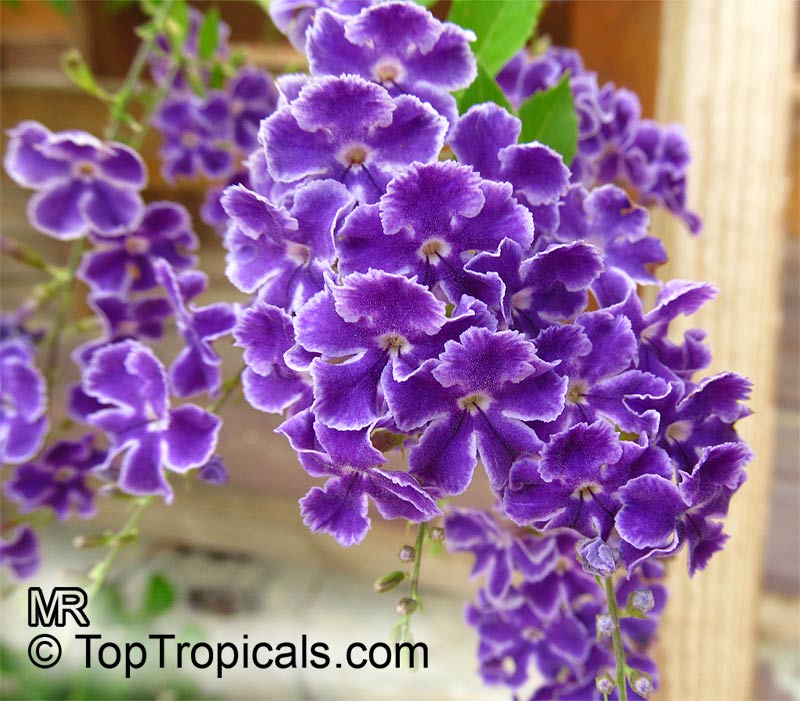
Plant of the Month: Golden Dewdrop - Duranta erecta
Stevie's Pick: what's in bloom?

Our exotic plant grower Steven Gowdy is featuring the most interesting plants he discovers and recommends today while working in TopTropicals greenhouses.

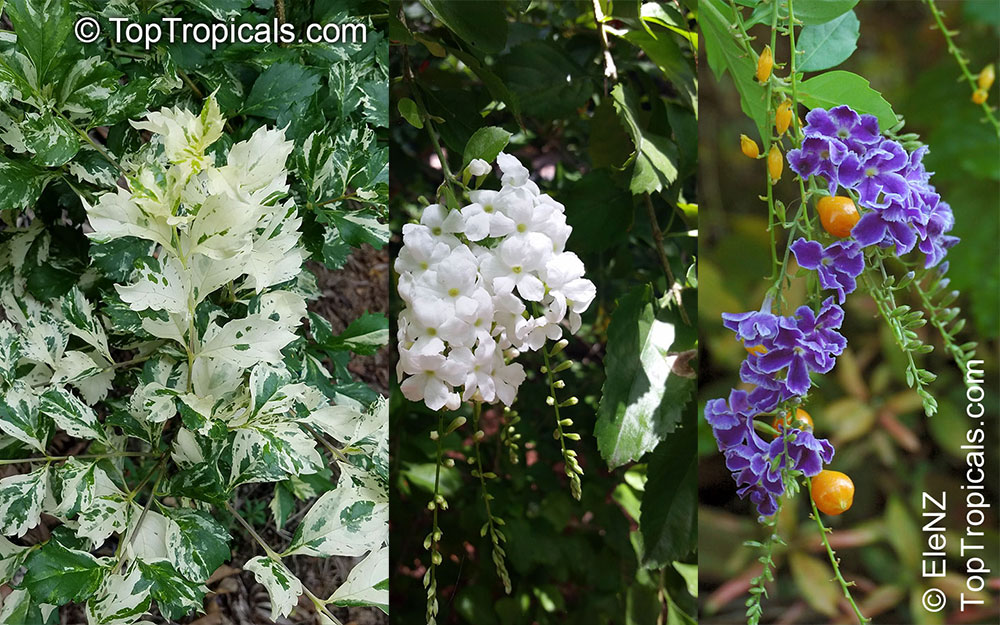
Duranta - Golden Dewdrop - is simply stunning with cascading flowers in abundance. Either it has lavender, blue, or solid white flowers, it is a sight to behold. The popular name Golden Dewdrop is inspired by the clusters of bright orange-yellow berries that follow the flowers, in such quantities that they often cause the slender branches to droop gracefully.
Duranta erecta blooms off and on all year and can be pruned to size as a bush or a standard tree. If let go, it can grow up to 20 feet tall and wide.
Durantas are excellent butterfly and hummingbird attractors. They will complement your tropical garden or a stand alone in your Southern landscape. Great for providing a color contrast in the landscape, they are especially well-suited as a bright-colored background or screening.
White Golden Dewdrop has pure white flowers that appear in loose clusters, and both berries and blossoms are often seen on a plant. This evergreen fast growing shrub spreads and arches to 10 feet tall and wide and is great for live hedges and covering fences and corners.
Variegated variety, also called Variegated Sky Flower, is grown for its summer flowers, and very showy leaves that are dark green with bright white variegation and creamy-yellow margins around the one inch long serrated leaves.. In the summer, cascading clusters of blue tubular flowers appear followed by wonderfully contrasting orange-yellow berries.
In mild climates, Durantas can be in flower nearly year round with flowers and fruit appearing at the same time. It does best in full sun with frequent deep watering and is pretty hardy, to about 20-25F. It is a good choice for espaliers, as a small tree or large bush; all forms benefit from frequent selective pruning. Prune back in late-winter to encourage a more compact shape and strong flush of fresh spring foliage. Requires moderate watering in a well-drained soil.

Date: 30 May 2020

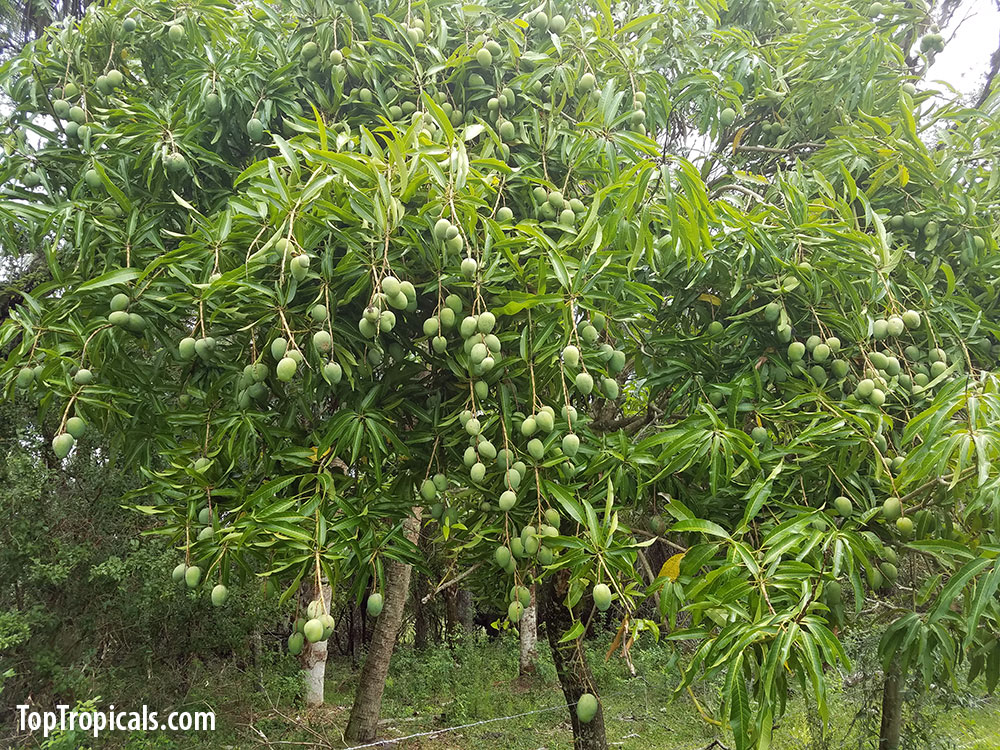
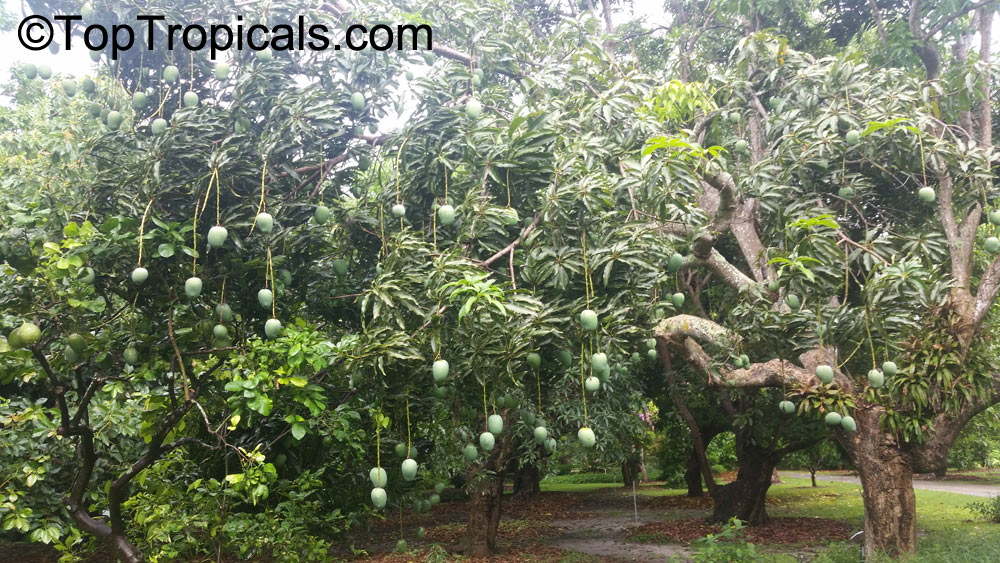
How to prevent mango fruit drop

Q: My mature mango tree is fully grown 15 yrs old and each year it fully blooms, sometimes twice. Shortly thereafter, all the baby mangos and flowers fall off providing no mangos for the season. I have tried fertilizing, spraying the tree for fungus or other insects, to no avail. I give up, any suggestions?

A: Dropping fruit in pretty common issue with mango trees. There may be several reasons, or a combination of reasons.
1. Fungal disease (anthracnose), and/or powdery mildew. To avoid fungal disease problems, spray your tree when it just begins to form the flower spikes. Treat foliage with Copper fungicide. There is also another one, very effective for anthracnose: Thiophanate methyl.
2. Inadequate nutrition. Feed your tree with a combination of granulated fertilizer Mango-Food, liquid booster SUNSHINE Mango Tango and micro-elements Sunshine Honey and Sunshine Superfood
Check out pictures of our mango tree problems that were fixed within a month by using Sunshine Boosters.
3. Too much rain or heavy dew during blooming and fruit set (see 1 - use preventive treatment for fungus)
4. Cold. Sometimes the cause of premature fruit drop is from the cold weather during bloom and fruit set. Usually the most affected varieties are the early bloomers including Glenn, Haden. The cold damages the developing embryo in the seed. The fruit starts to develop but because of ethylene gas given off by the damaged embryo, the fruit is triggered to drop before maturity. To see if cold temperature was the cause for your fruit dropping, cut open the fallen fruit. Even if there is a small speck of brown in the seed, that's enough damage to stop fruit development.
To learn more how to care for your mango, please read this publication.

Date: 25 Dec 2019

EASY GROW-BOX

How to quickly germinate tropical seeds in winter

By Mark Hooten, the Garden Doc

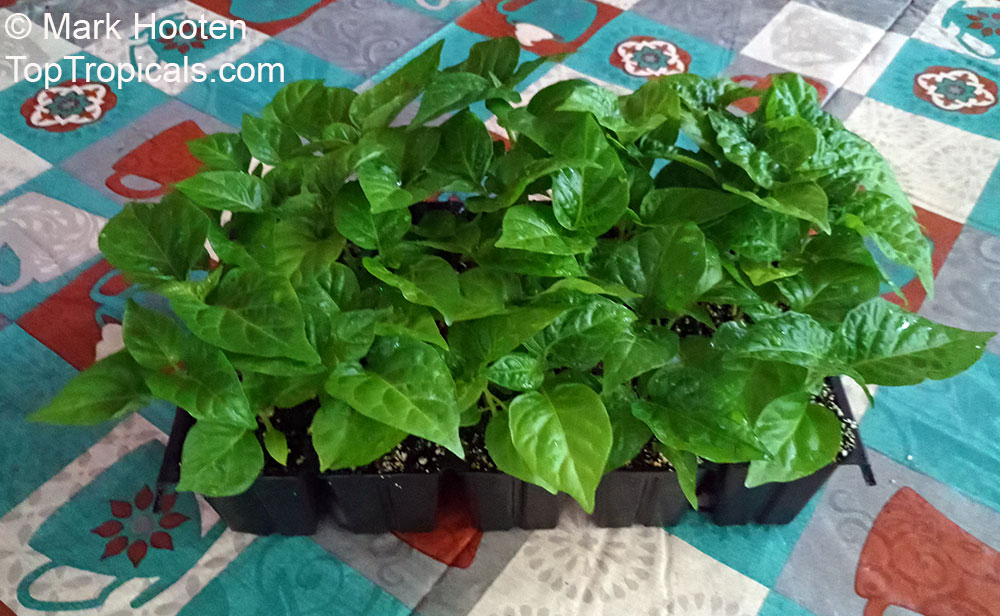
Q: I live in the New England area where the winters are very long and dreary. I plant both a veggie and flower garden during the warmer seasons and am especially fond of growing chili-peppers. On account of most chili's longer growing seasons, I need to get already established plants in the ground as soon as the weather is warm enough. My problem is that despite my best attempts to germinate and grow seedlings ahead of time - even in my sunniest window - I just can't seem to keep the soil evenly warm enough to get them to germinate, no matter how warm the room is kept. And on the occasion they do come up, the seedlings always seem to remain weak and stunted, likely owing to the especially low humidity of winter. I also tried using an electric seed-starting heating pad, and the results were only a little better. Are there any tips you could give me?

A: Yes, I understand your issues and can sympathize! While it might be surprising to some, even here in sunny S.W. Florida, there are long stretches of winter weather where the ambient temperatures are simply too cold for germinating many of the more tropical seeds, such as the notoriously warm-weather chili-peppers. Also, I am likewise a fan of chilis, and always have at least a few different kinds growing at any given time. I have two great suggestions...

CONTINUE READING >>

Date: 8 Nov 2019

Trimming Mussaenda bush

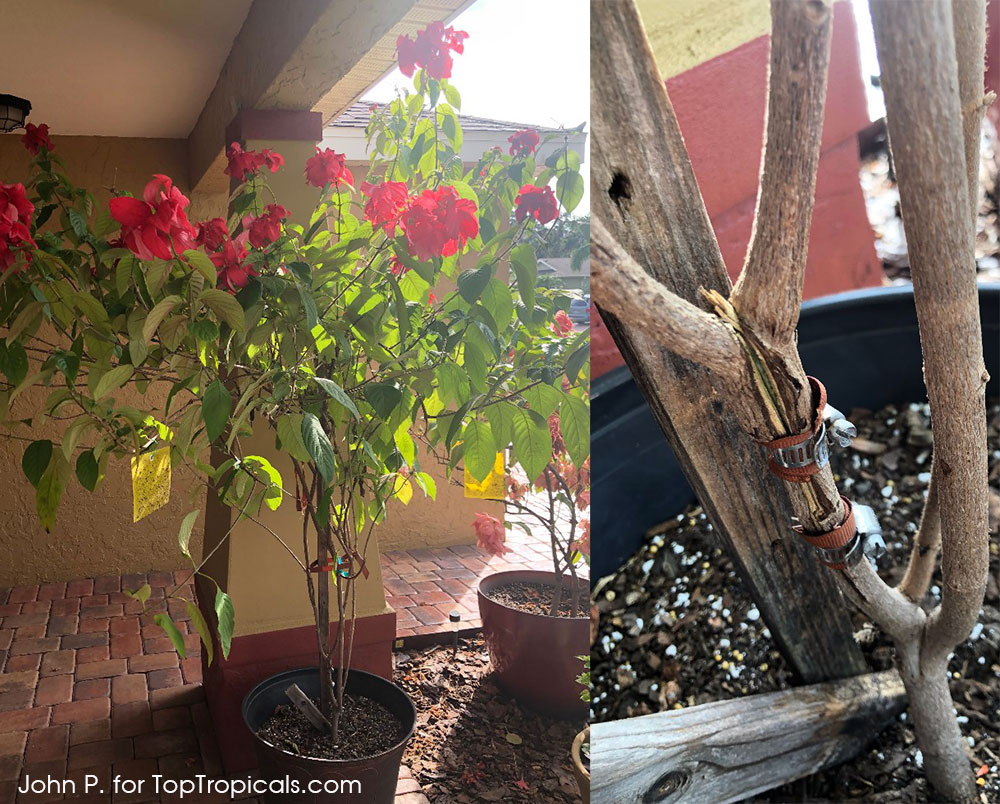
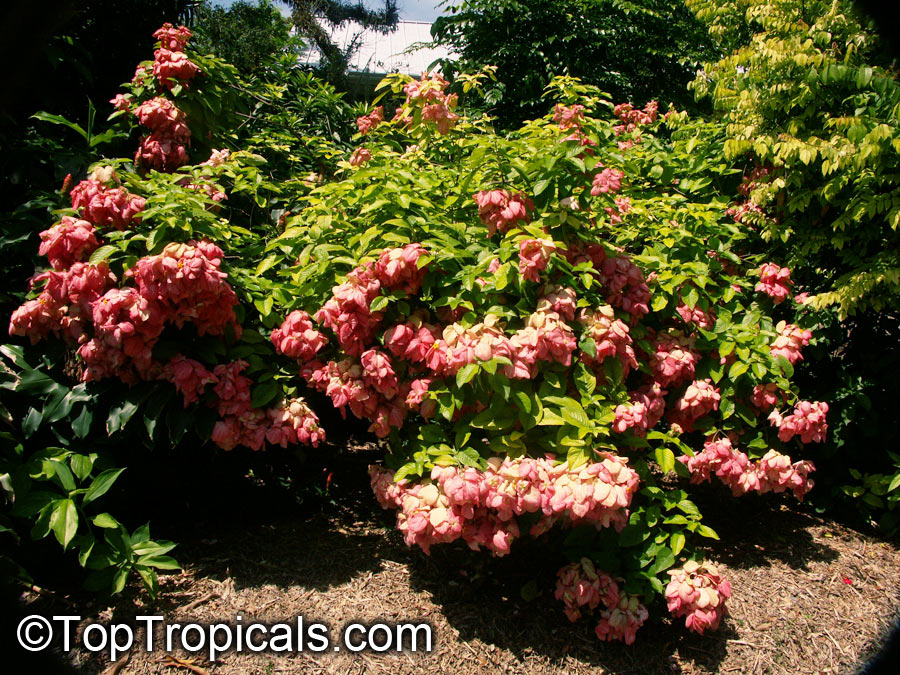
Q: My wife and I bought a Dona Evangelina from you this year. It thriving and has grown to 6-8 ft. It has become top-heavy and in wind, it falls over. Main stems have split twice but still continues to grow. I usually prune Dona Luz back to 3-4 ft and am wondering how much you would advise me to lop off your plant. Any advise will be appreciated.

A: Mussaendas, indeed, have very fragile stems that break often, especially in Florida wind storms. The good news is, these plants grow vigorously once established.
You did a good job trying to tie together the split stems and in fact, cracks do grow back together as long as the dressing is tight. Try to use green tape or even electric tape to tighten the broken spot.
However, do such repairs only if it is critical for a plant. When possible, simply cut off the broken branch and give the plant a chance to grow a new stronger branch. You may trim the bush pretty short. Mussaendas respond well to pruning which promotes more side growth and makes the plant bushier.
Keep in mind that during cold weather, Mussaenda may drop all leaves and go into dormancy until spring.

RECOMMENDED FERTILIZERS:
Pink N Good Daily Plant Food - Flower Booster
Tropical Allure - Smart-Release Booster

Date: 16 Sep 2019

What pot is good for Medinilla?

Q: I just acquired a Medinilla plant. I have a cylindrical tall clay pot that I would like to repot this beauty into. Would like to know if a deep pot is good for this type of tropical plants even if the medium is lightweight with bark and perlite allowing adequate drainage. Would appreciate your advice.

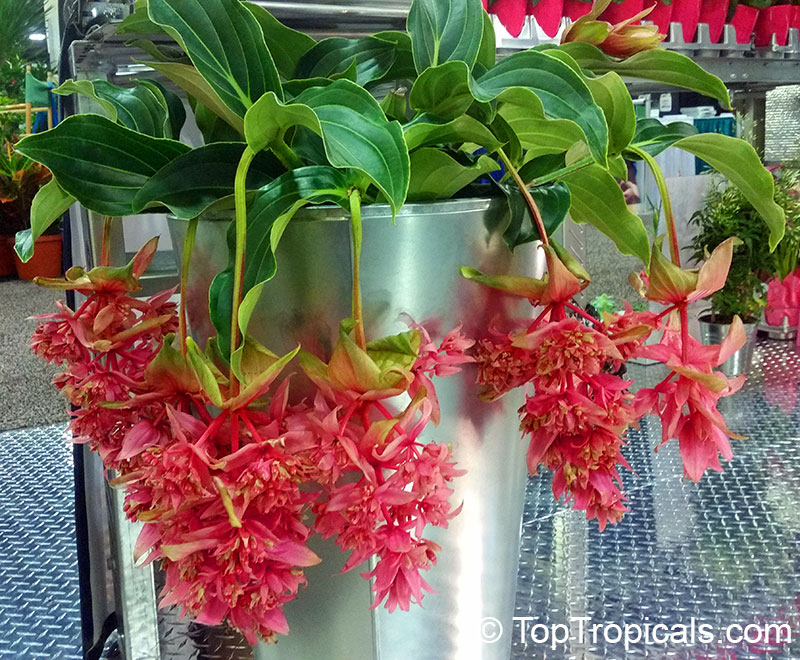
A: Medinillas are very close to epiphytes, meaning they like high air humidity and very good soil drainage characteristics. Clay pots usually provide good air circulation, as long as they are not glazed. If you add a lot of soil conditioner into your mix, like orchid mix and perlite, the tall pot will provide a good drainage. Tall pot is also great for displaying the beautiful pendulous blooms!

Plastic pots work well too, as long as you provide a well-drained soil for the plant. If a nursery plastic pot is not pretty enough, you may place it in a fancy planter; however, make sure never let the pot sit in water, Medinillas do not like wet feet.