Garden Blog - Top Tropicals

Date: 9 Dec 2020

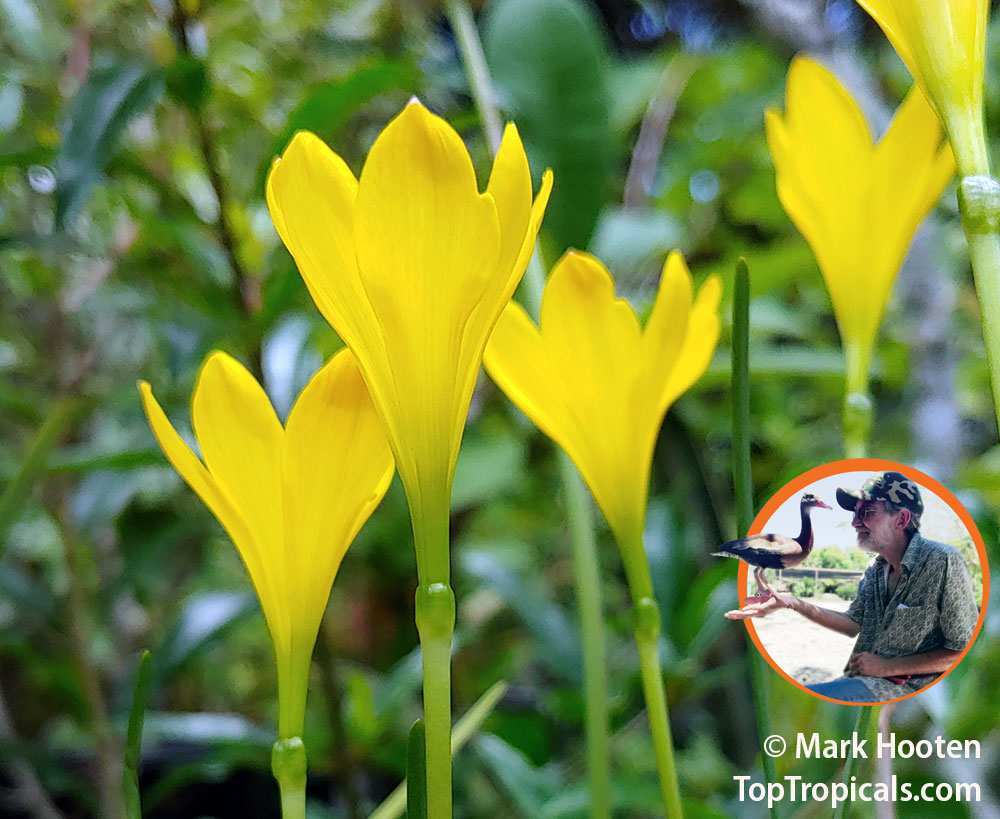
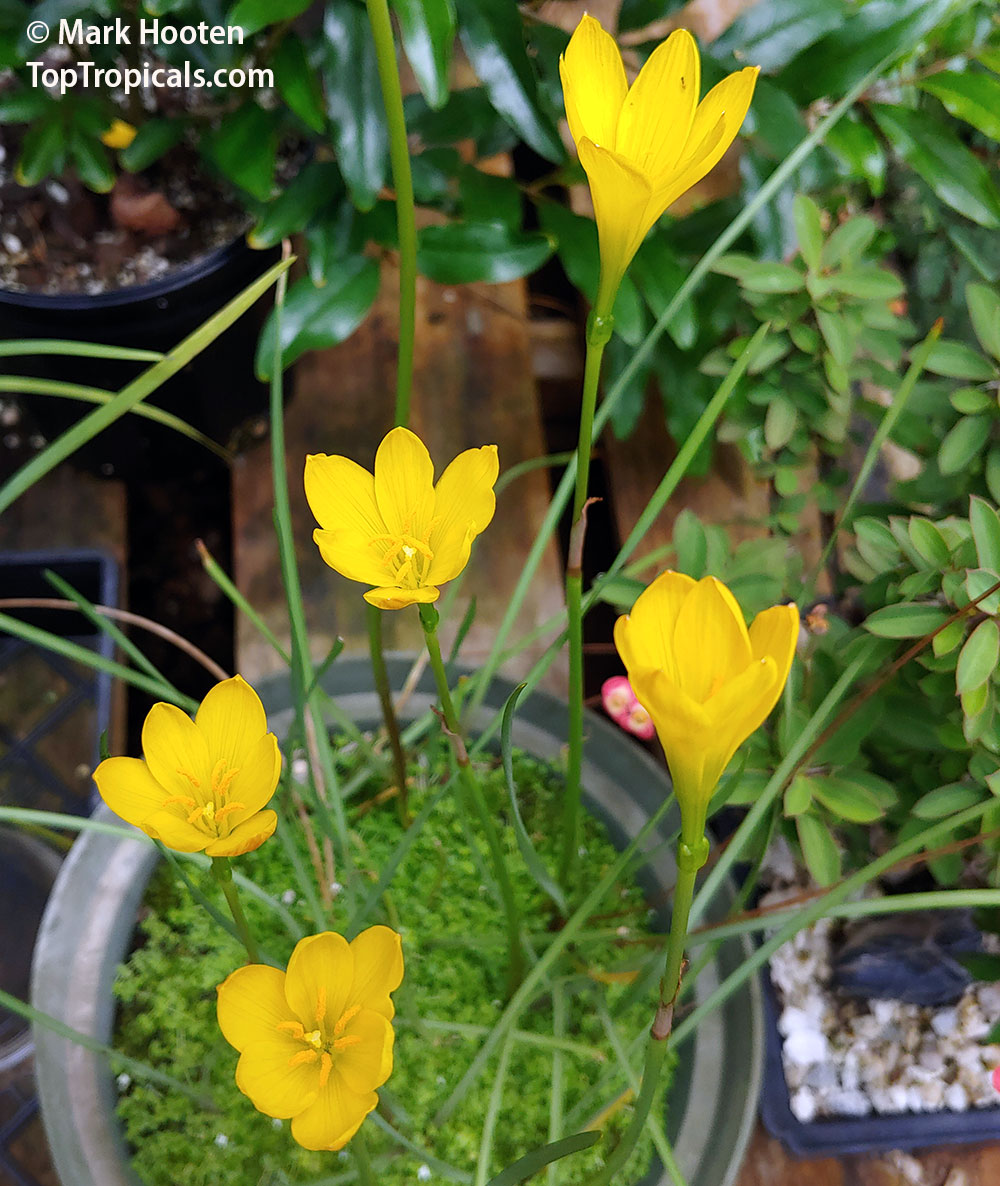
Zephyranthes pulchella - sunny face of incredible Magic Lily

by Mark Hooten, the Garden Doc

...These wonderful little lilies came as a gift from a botanist studying the native plant life of Southern Texas nearly 30 years ago. Originally grown from seeds collected for a doctoral thesis, near the town of Refugio (along the Southern Texas Gulf Coast, just north of Corpus Christi), this brilliant, fetching tiny lily really deserves to be more well known. The thin, grass-like leaves grow from small onion-like bulbs that produce an abundance of shockingly bright cadmium-yellow flowers which greatly resemble those of certain yellow Crocus, except on longer stems.
There is one caveat which goes along with this incredible species... it can be wonderful, depending upon a growers situation... which is that this species is "apomictic". This means that they produce seeds which do not require cross pollination, and technically are clones of each mother plant!..

CONTINUE READING >>

Date: 4 Dec 2020

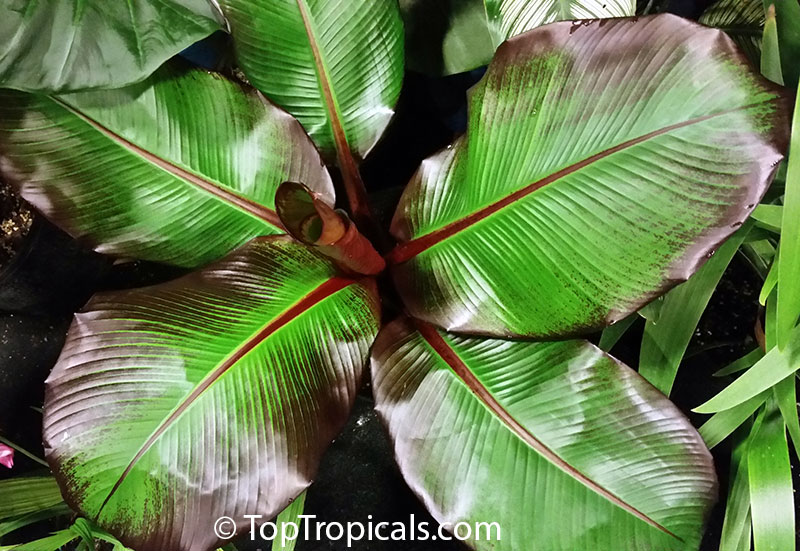
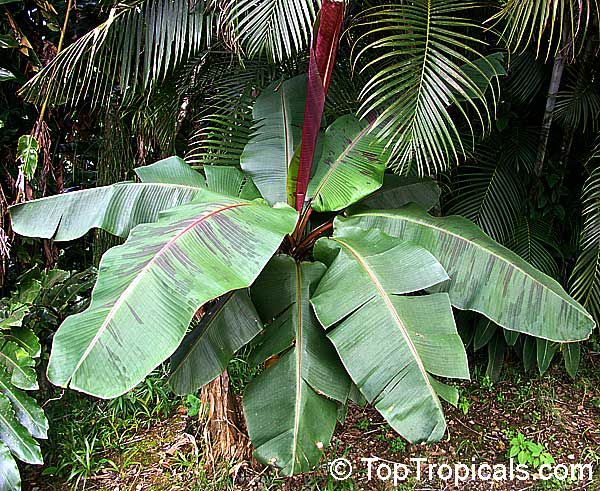
Musa ensete Maurelli - Red Abyssinian Banana

by Onika Amell, tropical plant expert

Q: I am looking for a colorful, tropical plant with in particular, coarser texture, to add to planting beds next to my decks and around my swimming pool. Any suggestions? I am located in St. Petersburg, FL.

A: Consider incorporating some fast growing Red Abyssinian Banana, also known as wild banana or Ethiopian banana. This is a fantastic ornamental from East Africa and an excellent choice to create a tropical feel and to add coarse-textured foliage. This plant is not a true banana and therefore does not produce any edible fruit. American gardeners were rather slow to discover this enormous perennial, but finally woke up to them over the last decade to a point where they now are considered to be one the most beautiful ornamental banana plants for the landscape and for good reason...

CONTINUE READING >>

Date: 29 Oct 2020

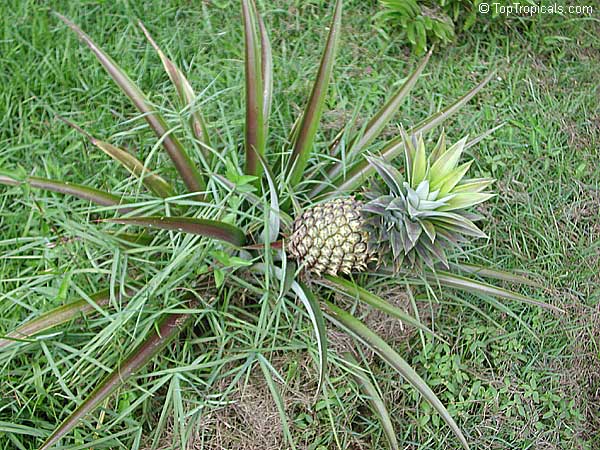
The Best Pineapples

Q: What varieties of the Pineapple are the best for planting in Florida? When do they fruit? I have a small yard, with a room for one or two, but can I keep more in pots? I am excited to grow my own pineapples!

A: Pineapple is truly the King of fruits! One of the most delicious fruits in the world. They start flowering from January to March in Florida and yes, they happily grow in the ground as well as in pots. Heaviest fruiting is in Summer (May to September), and some staggered throughout the year.
Be careful with watering, keep in mind that like any bromeliad, Pineapple needs very little water and needs the soil to get dry between waterings. Use only acidic soil and acidic plant food.
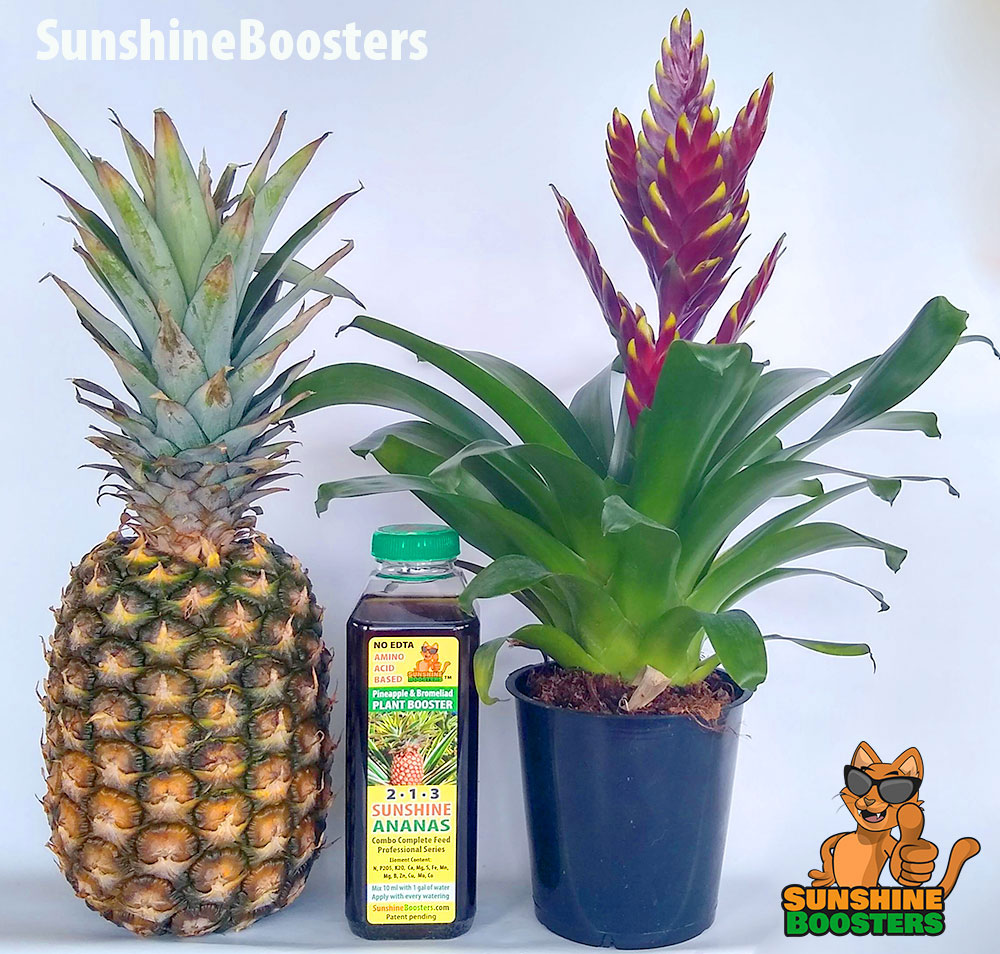
Make sure to feed these plants on regular basis, especially if grown in pots. Pineapples are heavy feeders but are also very sensitive like all bromeliads, so be careful with traditional fertilizers, do not exceed recommended dosage. It is safe to use liquid amino-acod-based Sunshine Boosters Ananas fertilizer year round.

The mot popular pineapple varieties for home growers are:
Elite Gold
Royal Hawaiian - Royale
Sugar Loaf

Date: 11 Sep 2020

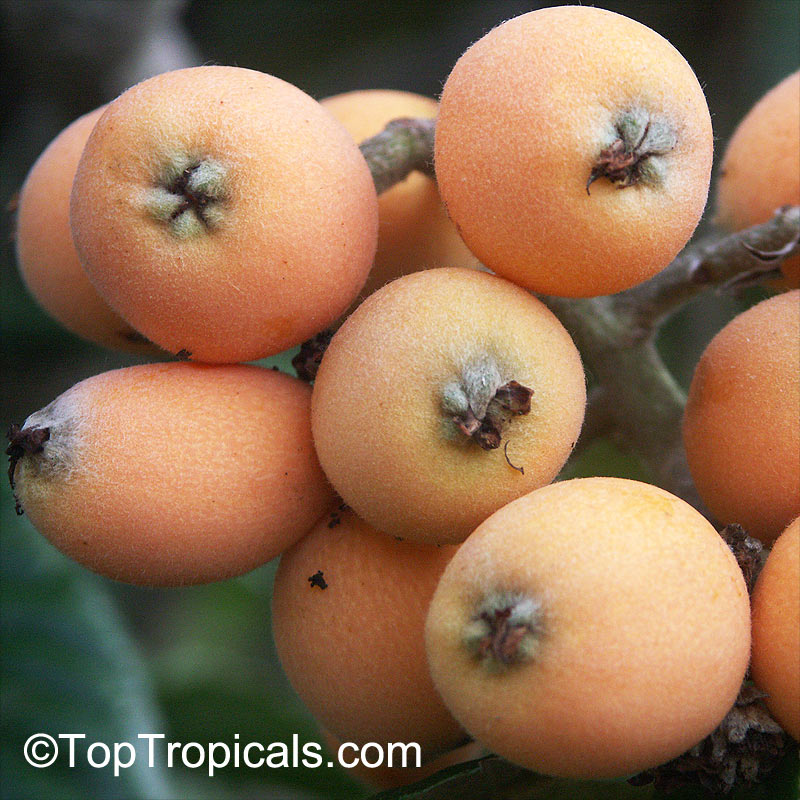
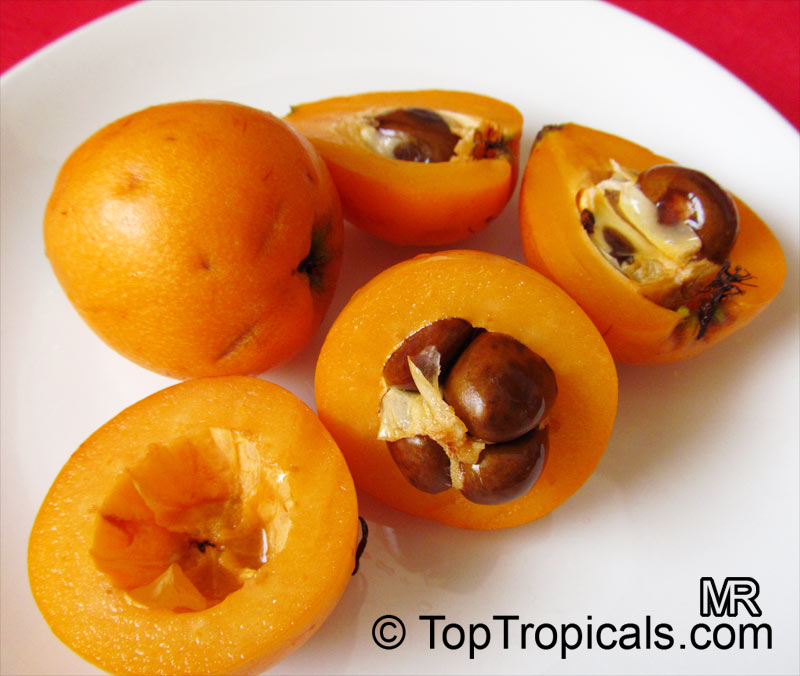
The best Loquat varieties with big, sweet fruit

Q: I'm interested in loquat and read through the varieties you offer but wanted your recommendation. I'm looking for a variety that is big, sweet (not tart) with 1 seed. Of the varieties you offer... Which variety would you recommend?

A: From our experience, the most popular Loquat variety is Christmas. It is an early ripening type hence the name Christmas. Fruits are very large for a loquat, they are bright yellow with a tangy apricot flavor.
Another good variety we recommend is Yehuda - it has a large fruit and very small seed Also, variety Oliver for many years has been considered the best loquat for South Florida. The fruiting season is March to May. It has medium to large fruit. The fruit is very sweet with only one-two seeds.
Loquats are very cold hardy tropical fruit trees, easy to grow, drought tolerant, fast growing. Fruit is great for eating fresh or making jam.

Check them out while they are on sale!

Date: 30 Jun 2020

Plants like to snack!
How to feed Poinciana tree

(and other tropical flowering trees)
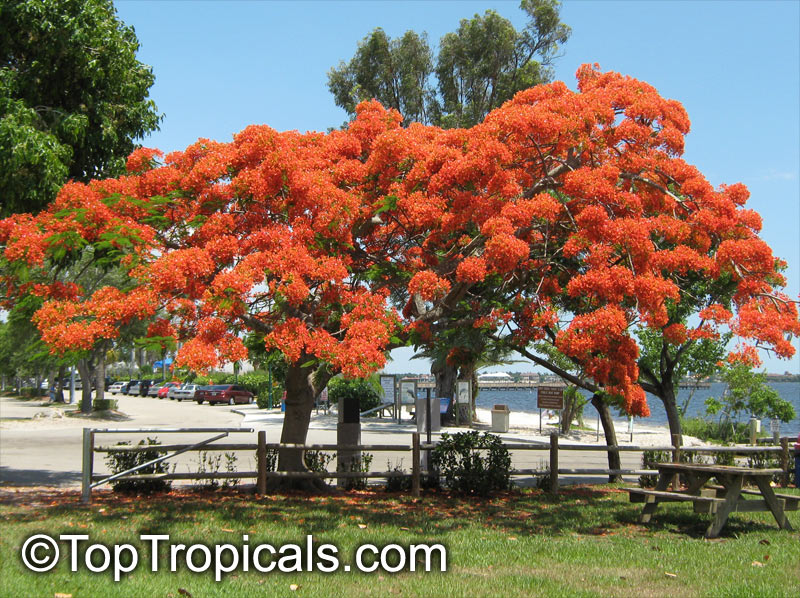
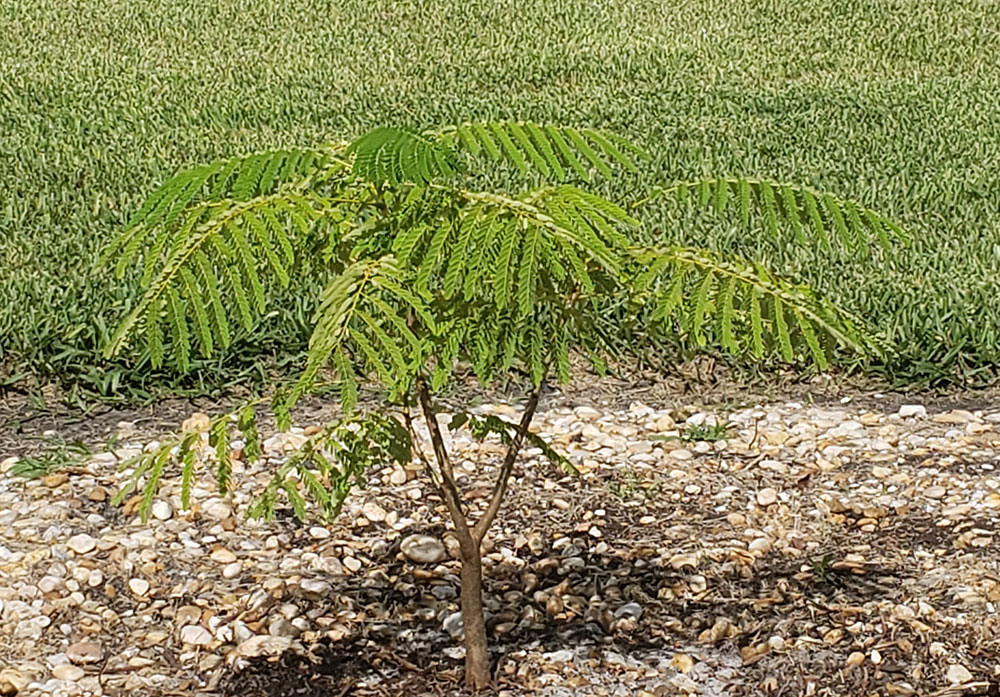
Q: We purchased a Royal Poinciana tree from TopTropicals not too long ago and we gradually gave it more sun until finally we were able to plant it in direct sunlight where it's been for a week or so. Rain has been sporadic lately so I'm giving it a little bit of water every day. It seems to be doing fine. I do have a question about whether the leaves are as green as they should be? I read online that I should fertilize it with gardenia / ixoria fertilizer in March, June, and October. I looked on homedepot.com but didn't really find anything that goes by that name. Would fertilizer help? Can you suggest a fertilizer?

A: Your Poinciana tree looks pretty healthy and happy, congratulations with a great job!
Traditional (old-school) fertilizer recommendations usually suggest feeding a plant 2-3 times a year with a slow-release fertilizer. And although a plant will benefit from any fertilizer application (extra food is always good), however, for the best results, faster growth, sooner and more profuse blooming, your should use complete plant nutrition products - liquid fertilizers (see why liquid fertilizers are better than dry).
Here is an example. Some people eat a big heavy meal once a day which we all know, is not very healthy. Other people eat balanced food more frequently but in smaller portions - this is always the best way to go.
From this point, plants prefer SNACKING - frequent feeding, but with less concentrated, mild and balanced nutrients.
For your beautiful Poinciana tree (and other flowering plants), we suggest the following nutrition program:

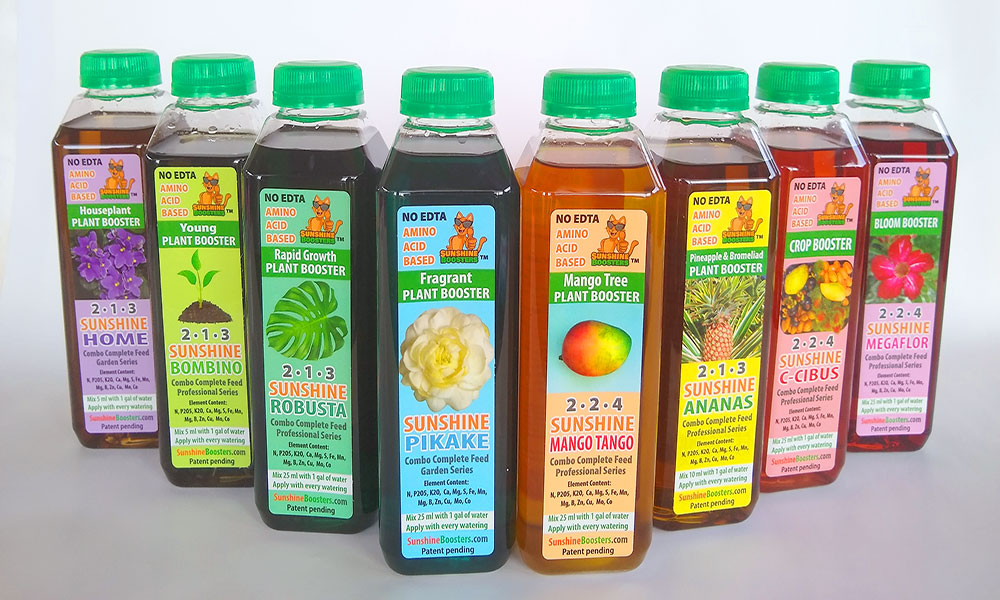
1) SUNSHINE Megaflor - Bloom Nutrition Booster - you may use this fertilizer as frequent as with every watering, it won't burn the roots, and will provide a complete nutrition for all plant needs throughout the year. You can continue fertilizing with Megaflor even during winter time. Sunshine Megaflor will help you to keep the plant healthy, vigorous, and resistant to stress and diseases. It turns leaves green and makes the plant strong so it will start flowering sooner for you.

2) Tropical Allure - Smart-Release Booster. Apply it once a month during hot season only (in Florida - from March to November).