Garden Blog - Top Tropicals

Date: 26 Aug 2025

Its a miracle: Miracle Fruit messes with your tongue, makes lemon sweet!

Synsepalum dulcificum - Miracle Fruit

🍭 It's a miracle: Miracle Fruit messes with your tongue, makes lemon sweet!

  • 🍋🍬Miracle Fruit (Synsepalum dulcificum) Miracle Fruit - is a tidy, productive pot plant with a magical surprise.
  • 🍋🍬 Ever wish lemons tasted like candy? This little berry makes sour foods taste sweet - lemon turns into a lemon candy, vinegar into syrup, and the effect can last for hours. The secret is a natural compound that masks the sour taste buds on your tongue.
  • 🍋🍬 Miracle fruit isn’t just a fun trick - it’s also a perfect plant for your garden. A compact, slow-growing shrub, it actually prefers pots since it likes acidic soil. Indoors or out, it can fruit almost year-round, staying a neat 3-5 ft tall in a container.
  • 🍋🍬 Best part? You can surprise your friends with a slice of lemon before and after trying it - and just wait for their reaction!
  • 🍋🍬 What foods did you try with Miracle fruit? How did it change the taste?


🛒 Plant your own Miracle Fruit

📚 Learn more:


#Food_Forest #Nature_Wonders #Remedies

🟢 Join 👉 TopTropicals
Date: 13 Oct 2025

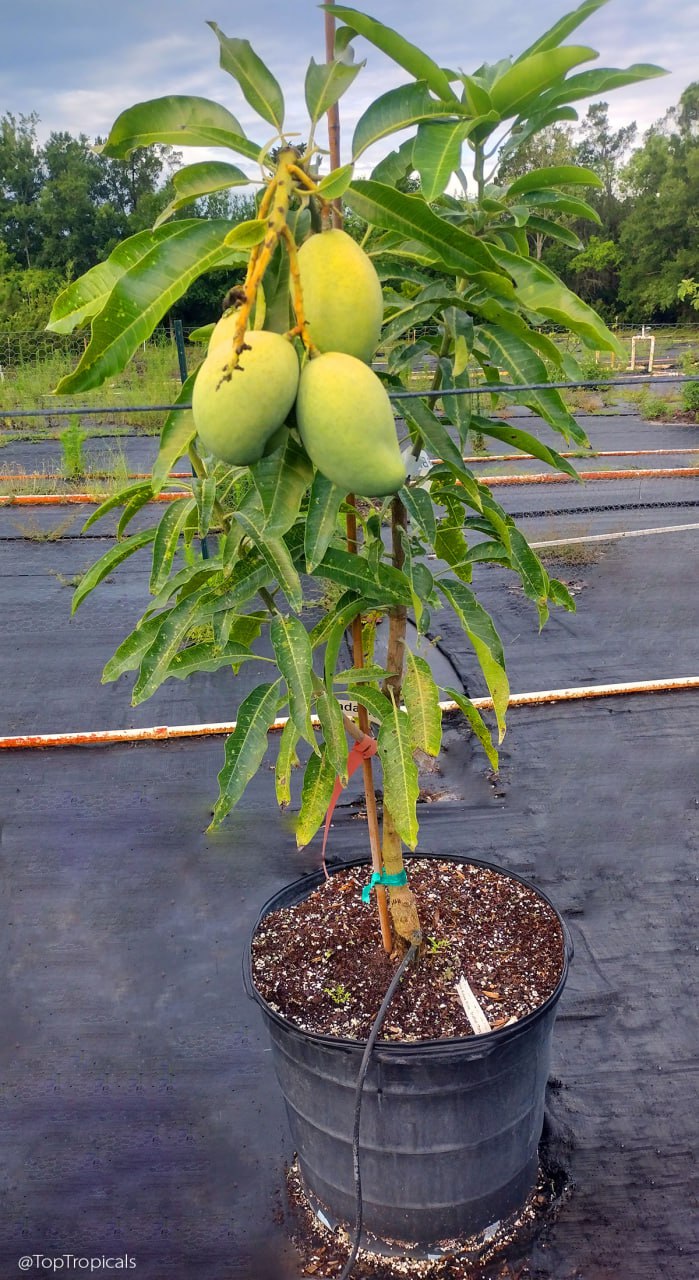
How long does it take for a mango tree to bear fruit?

How long does it take for a mango tree to bear fruit? How long does it take for a mango tree to bear fruit? How long does it take for a mango tree to bear fruit? How long does it take for a mango tree to bear fruit?
🥭 How long does it take for a mango tree to bear fruit?

  • 🥭 A Mango tree (Mangifera indica) grown from seed can take anywhere from 7 to 10 years to start fruiting, depending on conditions. Doesn’t sound too exciting, ah? Besides such a long wait, you never know how good the fruit will be – most likely it'll taste fibrous and not very sweet. Unless your cross-pollination was perfectly set between some top-notch parent cultivars, it's a gamble. Seedling results are always hit or miss.

  • 🥭 That's why you need a grafted tree – it fruits soon (in the ground or in a large container) and guarantees the quality of the fruit. There are hundreds of cultivated varieties to choose from: juicy, sweet, and flavorful. Some taste like pina colada, pineapple, or lemon meringue pie, others like peach sherbet or even guava! The mango flavor spectrum is broader than that of apples!

  • 🥭 So, you’ve got yourself a nice mango tree in a container and can’t wait for your first harvest. How soon?
  • Mango trees start flowering from early winter (early cultivars like Nam Doc Mai) to early spring (late cultivars like Keitt). One little tree can produce hundreds, even thousands of tiny flowers, but not all will set fruit. The younger the tree, the fewer fruits it can hold. Expect just a few the first year. Even if your mango sets a lot, don’t keep them all - let the young tree focus on establishing roots and strong growth. Leave 1-2 fruits and remove the rest. Your tree will thank you and grow fast and sturdy.

  • 🥭 By the second year, you can let your tree keep a bit more fruit. Young trees usually know their limits and will naturally drop any extra fruit they can’t support. Within 2–3 years, you’ll be harvesting good crops – enough to enjoy yourself and share with friends!

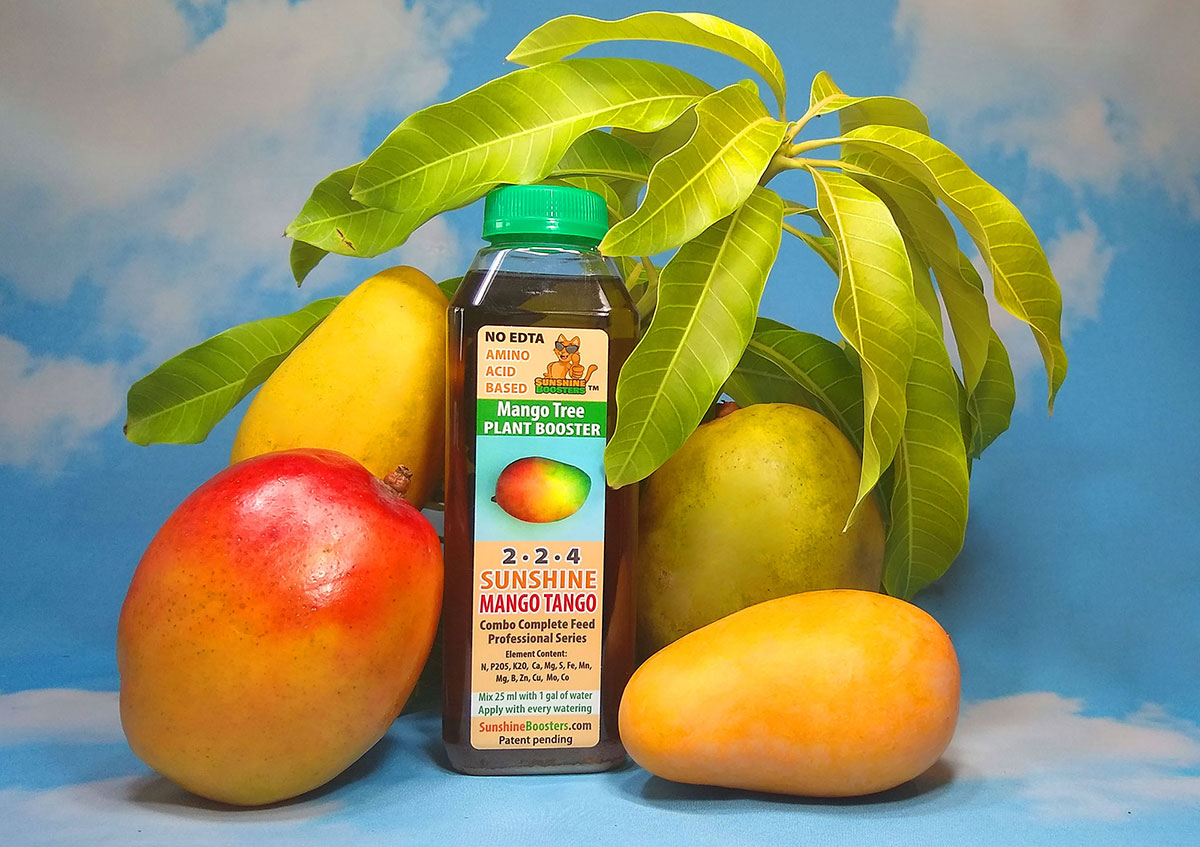
  • 🥭 Remember, a strong, healthy tree produces sooner and more. Feed it with Sunshine Mango Tango liquid booster or Green Magic controlled-release fertilizer, and protect it from frost, especially while young. Once established, your mango will reward you with reliable, abundant harvests year after year.


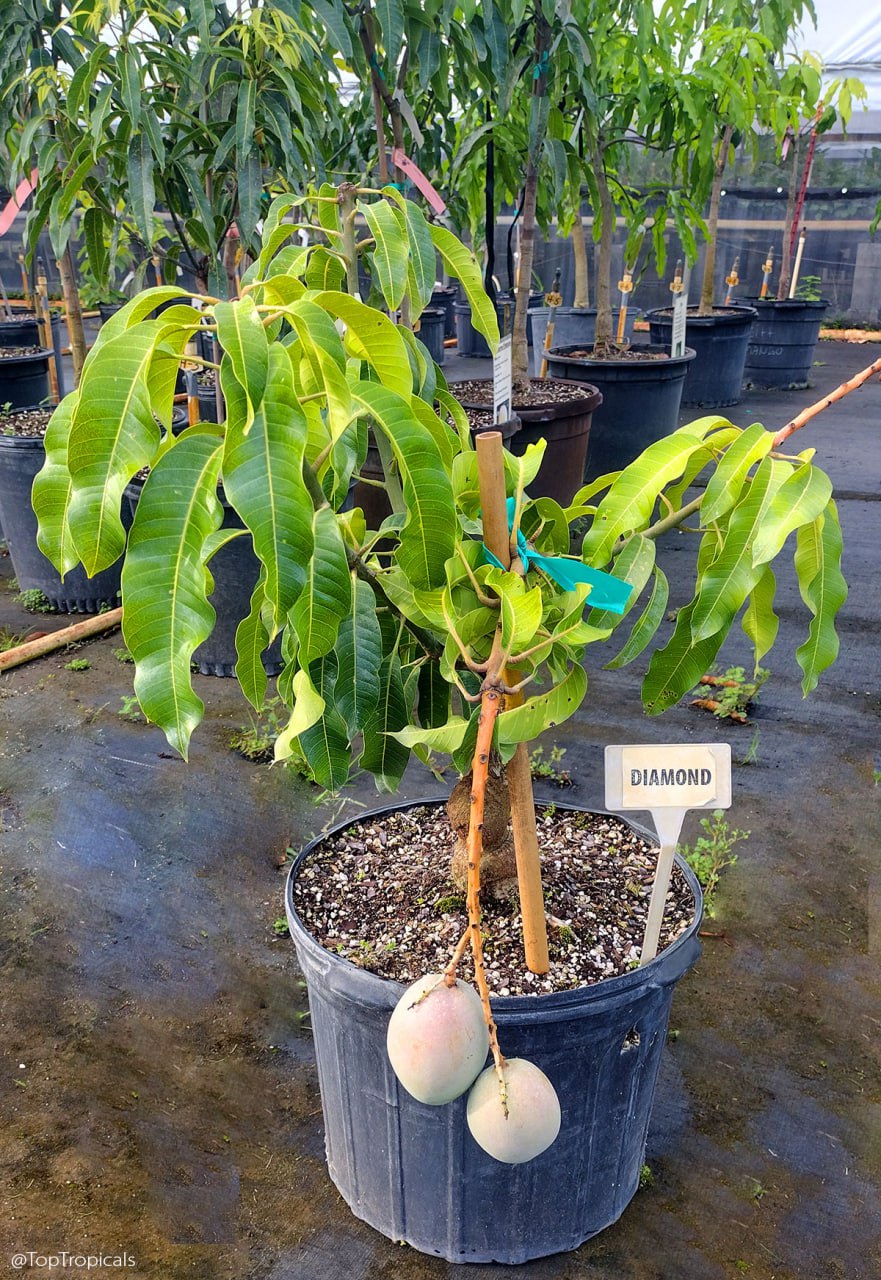
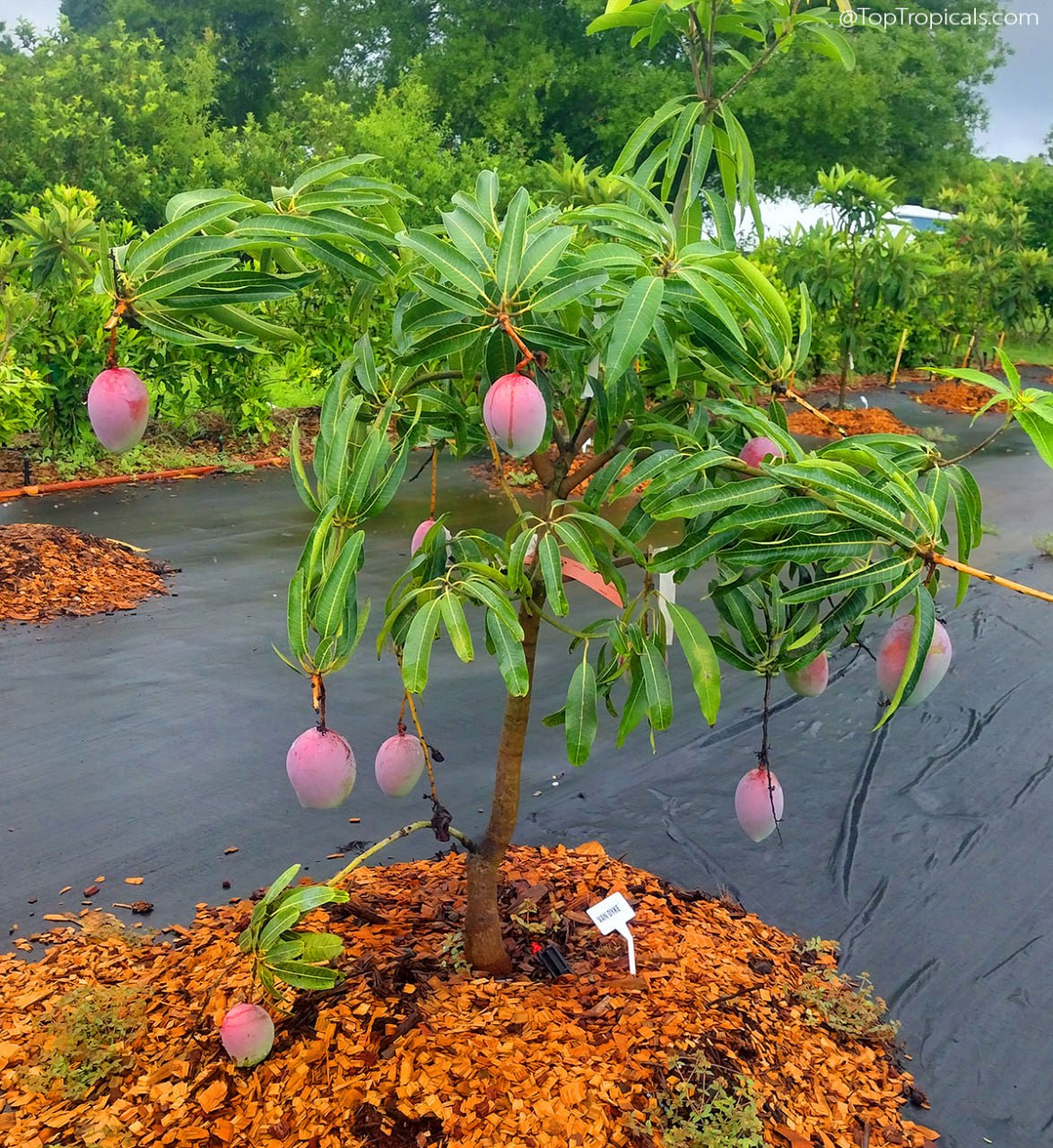
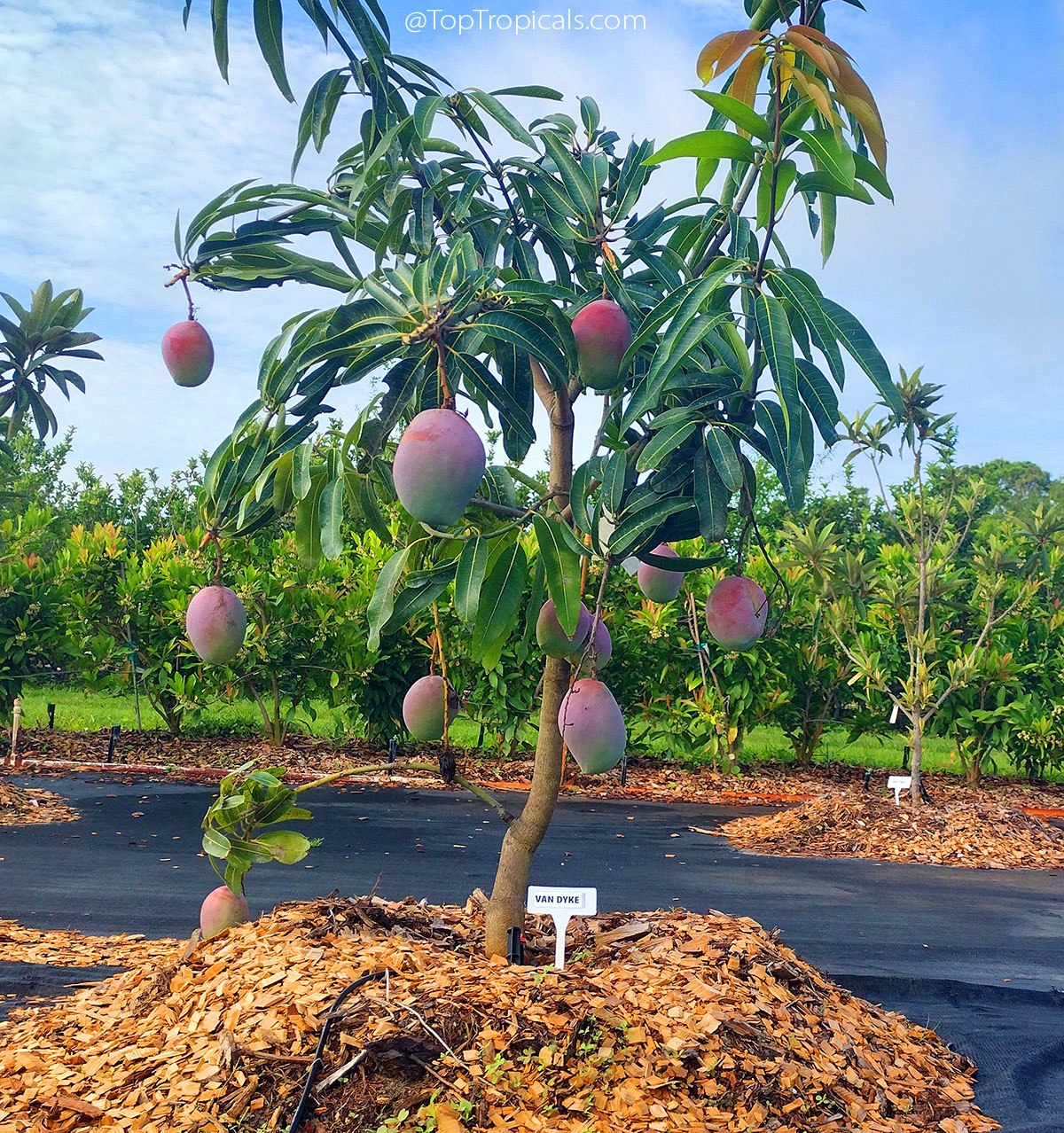
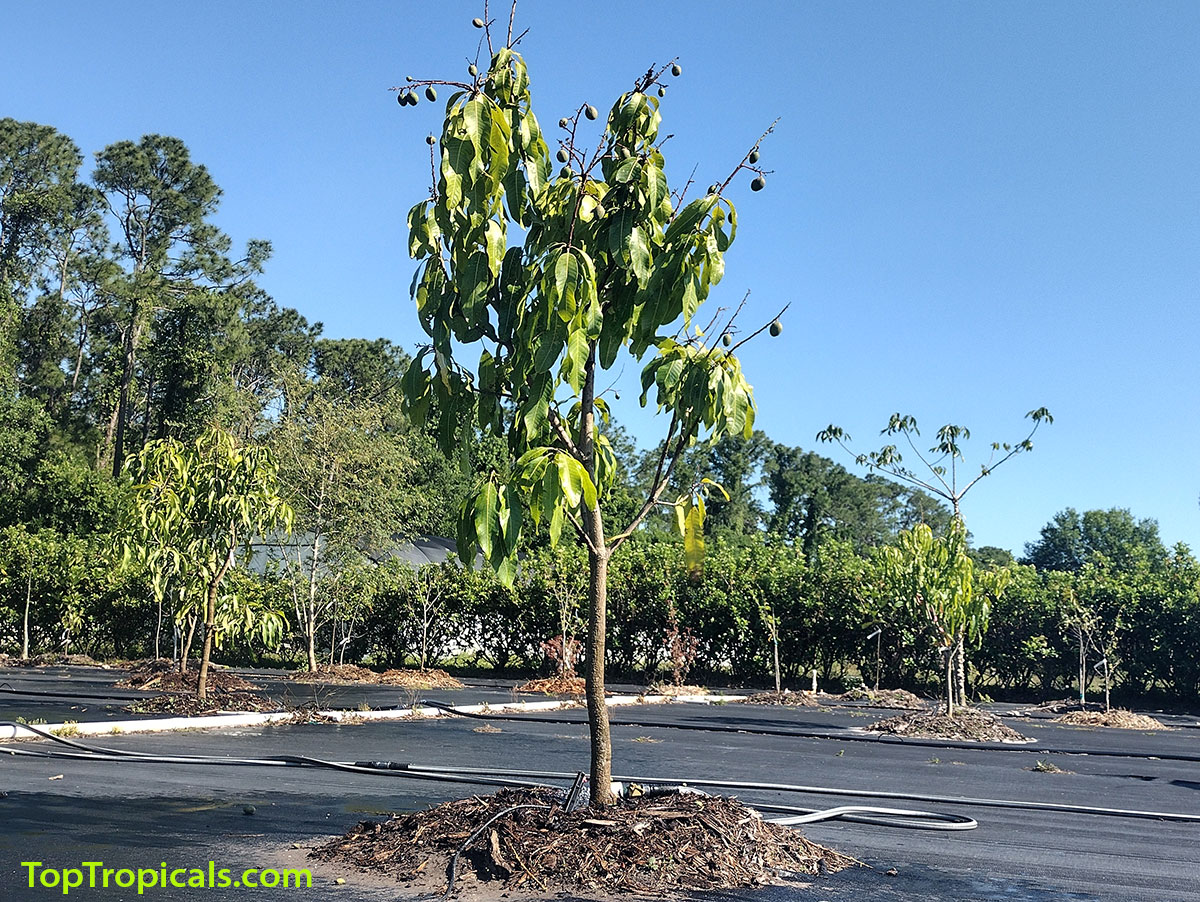
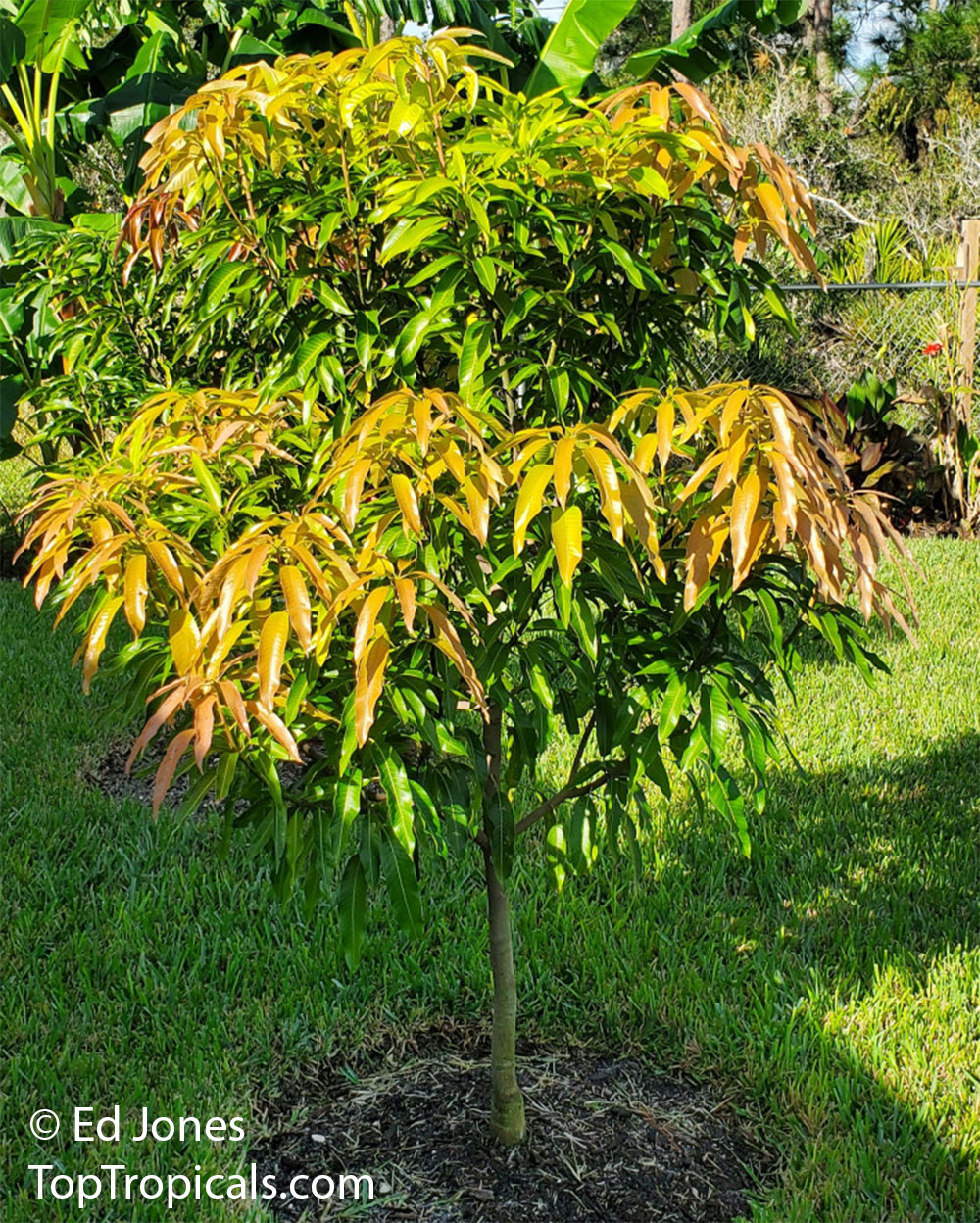
📸 In the photos: the trees in 7 gal pots are 2 years from grafting, and the trees in the ground are 1 year from the time of planting and 3 years from grafting.

🛒 Shop Mango varieties

📚 Learn more about #Mango and different varieties: #Mango_Rainbow

#Food_Forest #Mango

🟢 Join 👉 TopTropicals

Date: 18 Apr 2024

How to water a new Mango tree?

Mango  tree  in  the  ground  with  fruit

Q: I got a large mango tree from your garden center recently, planted in the ground, but noticed the corners of the leaves turning brown. It was full of little fruit when I planted it but now they are falling off... I wonder how much should I water the mango tree? We have lawn sprinkler system that runs daily, is this enough?

A: Generally speaking, never rely solely on your sprinkler system when planting a new tree, especially during the first week or even several weeks if you have no rain. By rain, we mean a nice downpour. Here in Florida, we usually have a hot and dry spring, and while springtime is great for starting new trees, additional hose-watering becomes essential for establishing them during the first months.

Dry leaves are a signal of under-watering. Make sure to hand water your mango tree every day for at least the first week after planting. Even if you have an individual sprinkler for the tree, ensure that the soil around the rootball receives enough water, not only around the trunk. Surprisingly, the bigger the tree, the more it may suffer from a lack of water, and sprinkler watering does not saturate the large root system, sometimes only reaching around the trunk. Big tree means lots of leaves and branches - they all get thirsty!

Mangos are pretty drought-tolerant trees, but only once established. They even benefit from hot, drier air (means less leaf fungus). However, young trees require regular irrigation until they start growing new leaves and branches.

Note that fertilizing your Mango tree is especially important during the spring and summer seasons - the period of active growth. This ensures that the tree takes the best advantage of nutrients with a faster metabolism encouraged by high temperatures. Give your tree a chance to build up lots of energy for the cooler winter as well as for the next flowering and crop season. To ensure a strong tree and reliable crop with no fruit drop, apply Sunshine Mango Tango liquid fertilizer with every watering and watch your mango tree become a Champ!

Sunshine  Mango  Tango  liquid  fertilizer  with  mango  fruit

Date: 22 Jun 2023

NEW VIDEO:
Medinilla Gregori Hambali
an Exquisite Natural Wonder

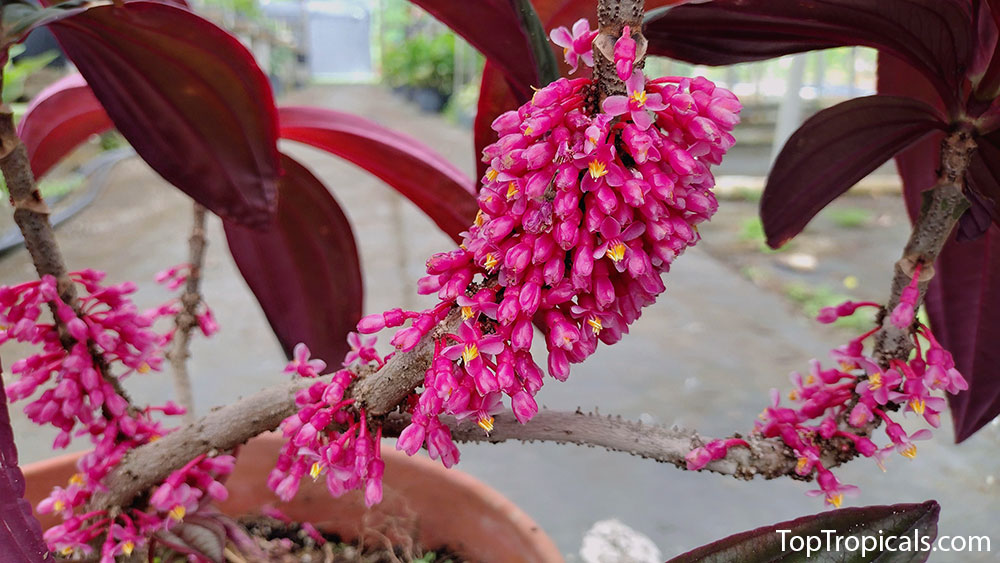
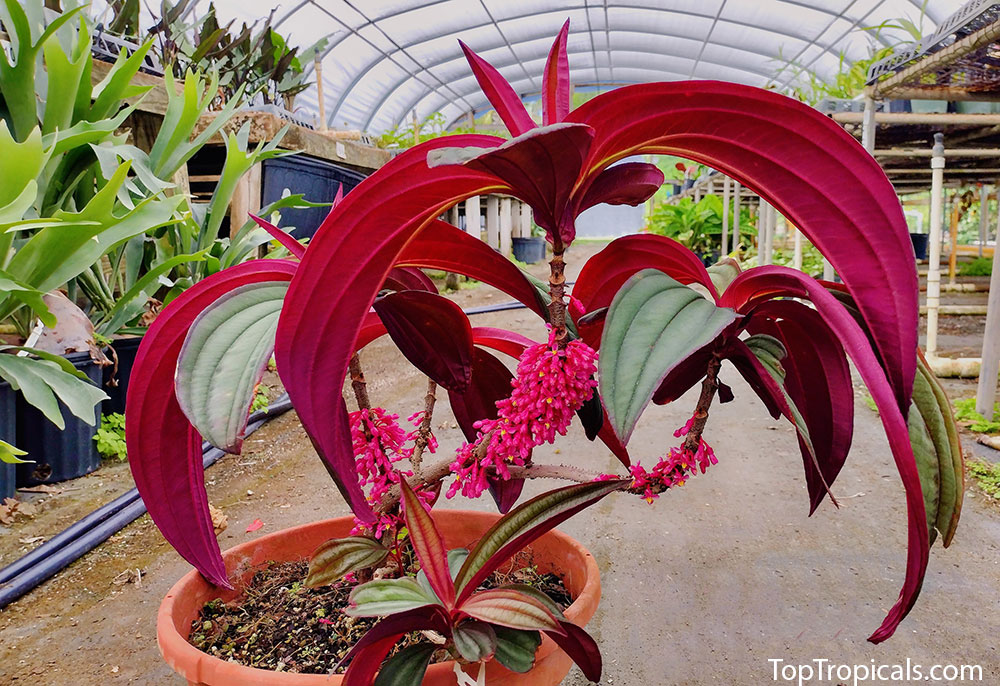
Welcome to the world of the Medinilla var. Gregori Hambali originated in Papua New Guinea! Prepare to be enchanted by this botanical marvel that showcases vibrant pink flowers gracefully cascading down its stems. The lush foliage, with its deep green color and bright mauve undersides, adds an extra layer of visual appeal, making it a true standout.

What makes this plant truly remarkable is its resilience and versatility. It thrives in moderate light conditions and can adapt well to varying levels of humidity, making it an ideal choice for both indoor and outdoor settings. Whether you're a seasoned gardener or just starting your plant journey, the Medinilla var. Gregori Hambali is sure to flourish under your care.

Caring for this exquisite beauty is a delight in itself. Regular watering and occasional misting are all it needs to flourish, rewarding you with lush foliage and an abundance of blooms. Watching this plant thrive and transform your space into a botanical paradise is an incredibly rewarding experience.

Elevate your surroundings with the captivating Medinilla Gregori Hambali. Its mesmerizing beauty and enchanting presence will captivate your senses and bring joy to your heart. Don't miss out on the opportunity to experience the wonders of this botanical masterpiece. Treat yourself to this magnificent beauty and be prepared to be amazed. This plant won't disappoint!

Medinilla  Gregori  Hambali  flowers

Medinilla  Gregori  Hambali

Subscribe to our Channel:

Stay updated with TopTropicals Videos by subscribing to our channel at YouTube.com/TopTropicals and get our latest video news of what is fruiting and blooming!

Date: 24 Oct 2021

New Video:
Shaping your Mango Trees

by Ed Jones, the Mango Guy (and the Boosters Guy)

Learn how to shape your mango trees using a technique known as tipping. Tipping your mangos will help to develop more branches and will give the tree more places to flower and produce fruit.

WATCH NEW VIDEO >>

See more by Ed Jones:
How to prune mango trees for best shape and production

...Why should you prune your mango trees? There are at least 3 reasons.
1. A good foundation is the key to strong growth and a shapely tree.
2. If you get your mango tree started off on the right foot with a strong foundation, it becomes much easier to keep it shaped nicely.
3. It will be forced to produce more branches allowing for more places for fruit production.

CONTINUE READING >>

Stay updated with TopTropicals Videos by subscribing to our channel at YouTube.com/TopTropicals and get our latest video news of what is fruiting and blooming!

WATCH NEW VIDEO >>

See all available mango varieties from our store.