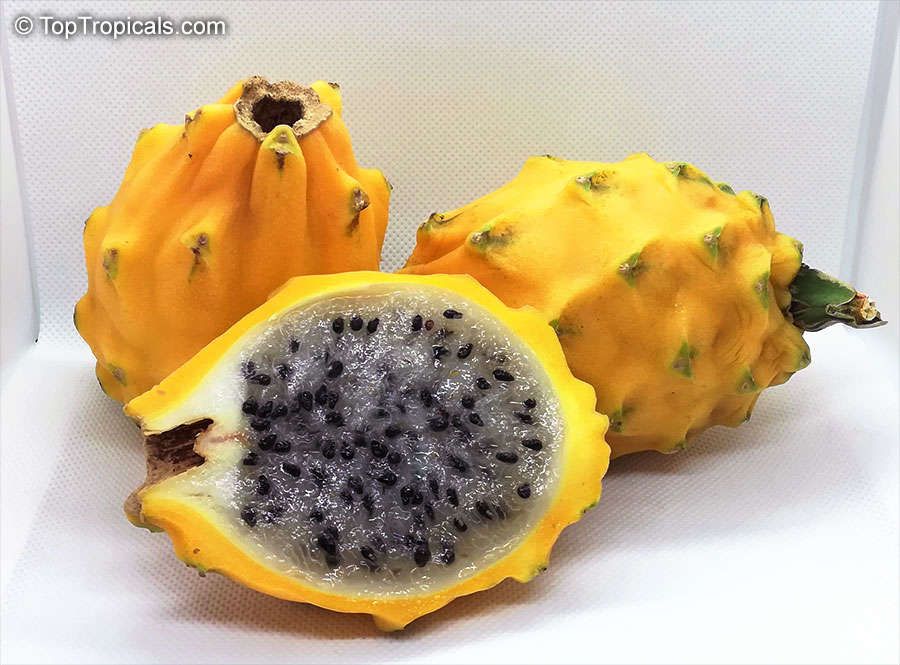
🌵Selenicereus megalanthus - Yellow Pitaya, Dragon Fruit Palora, is the best tasting Dragon Fruit in the world that is not only sweet, it has a great flavor (unlike most pitayas that are pretty watery).
🌵This particular species of Dragon fruit doesn't mind regular water and rains but is also drought-tolerant. Watch a short video how to grow it: 📱
Do Fruit Trees Increase Property Value? Tropical Plants That Pay Off
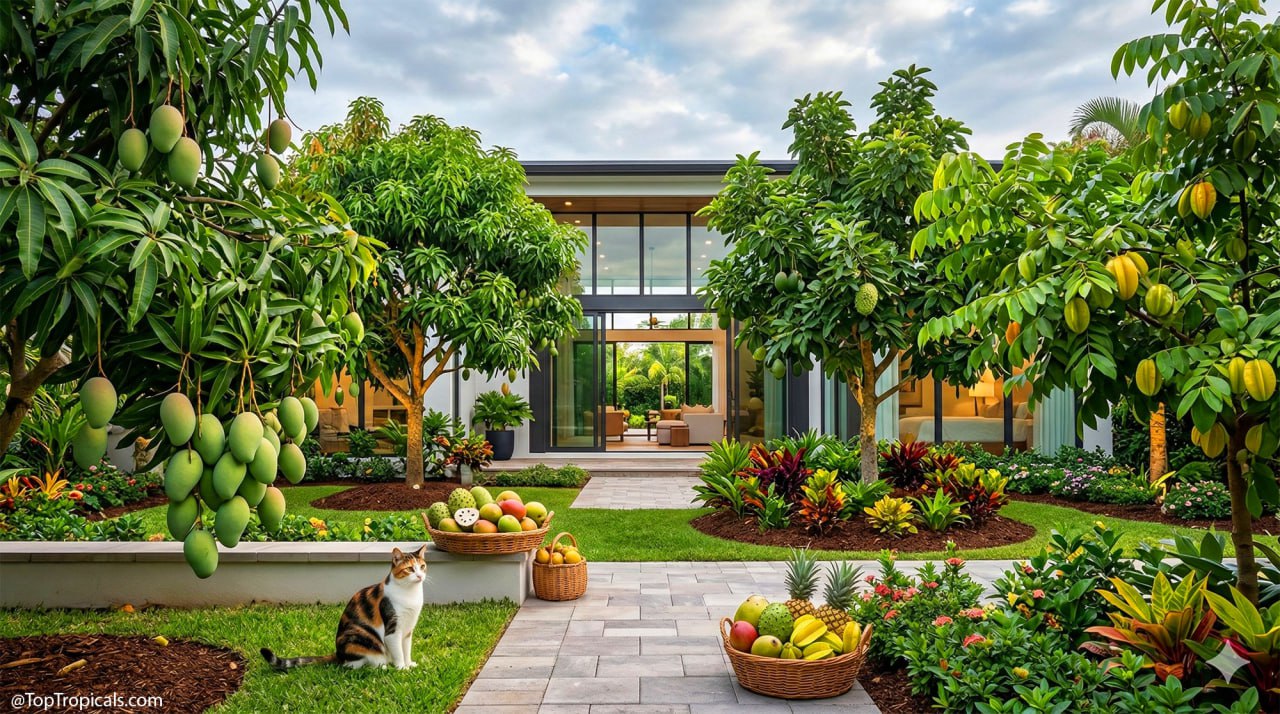
Yard with fruiting tropical trees
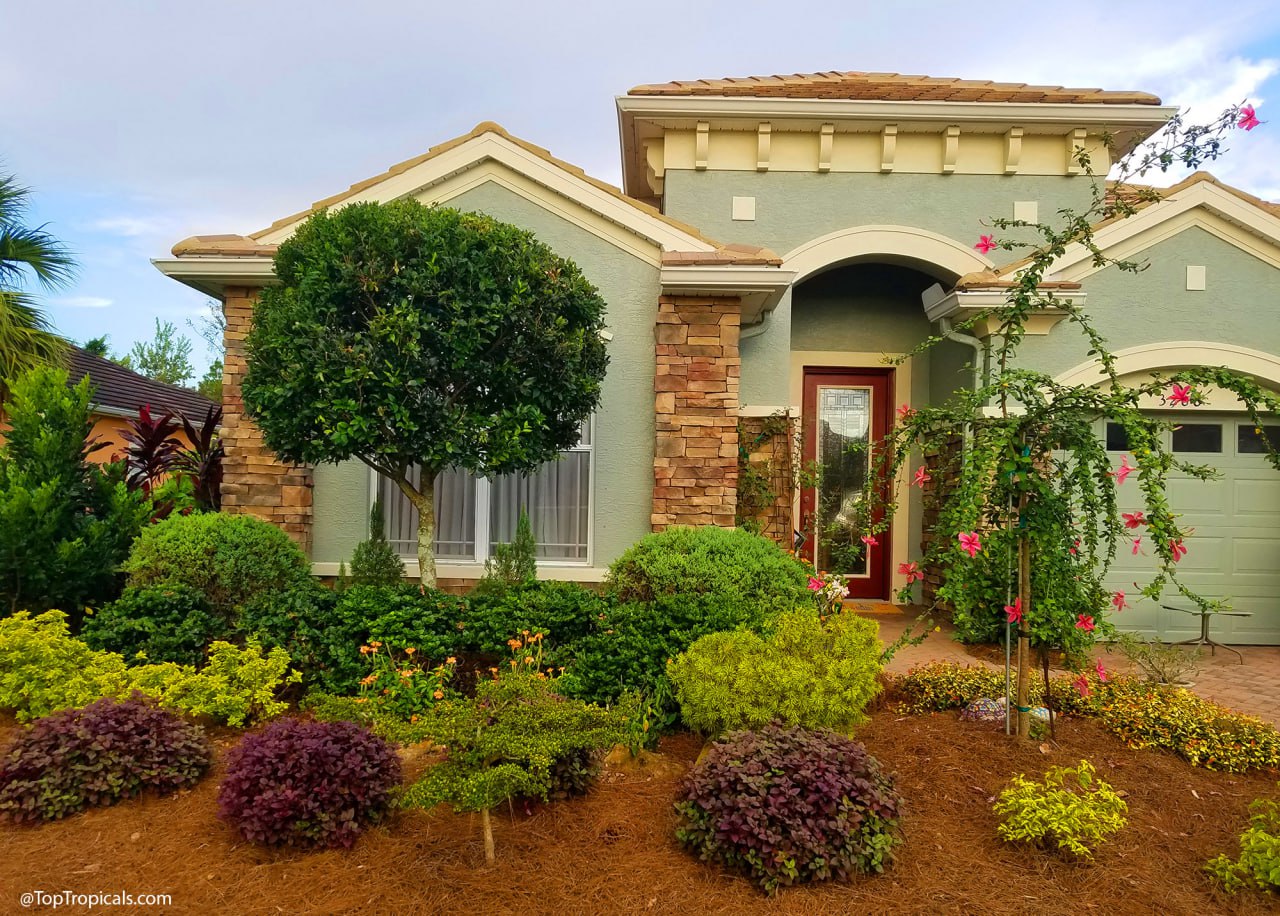
Landscaped yard in Florida
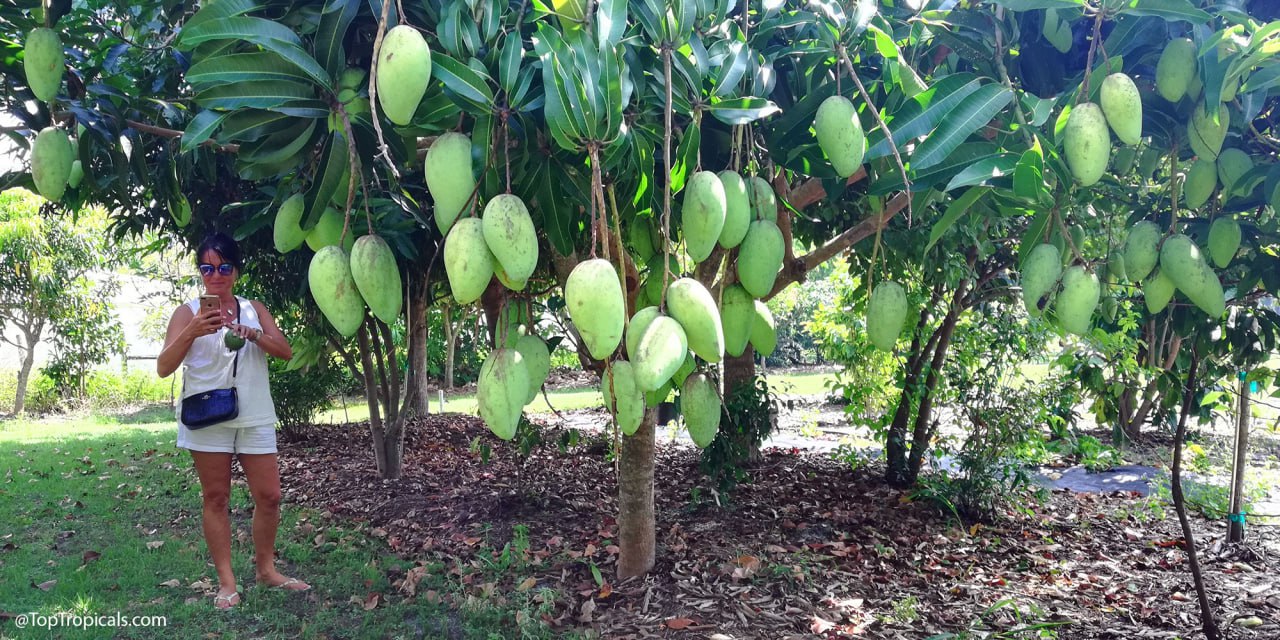
Mango tree fruiting in the garden
Do Fruit Trees Increase Property Value? Tropical Plants That Pay Off 🏡
Can your backyard pay for itself? Learn which 12 tropical fruit trees real estate experts say are the smartest investment for your landscape. Discover how tropical fruit trees like mango and avocado add "edible equity" and curb appeal to your property, making it more desirable to future buyers. Turn your yard into a private paradise that lowers grocery bills and boosts home value.
In warm climates like Florida, a mango tree isn't just landscaping - it’s a food-producing asset. Mature tropical fruit trees offer "edible equity," saving homeowners hundreds in grocery bills while creating a unique, memorable aesthetic for buyers.
Mango Plant Facts
Botanical name: Mangifera indica Also known as: Mango
USDA Zone: 9 - 11
Highligths
🥭 1. Focus on "Instant Recognition" Favorites
Trees buyers already know and love provide the strongest ROI. They signal that the yard is already productive - something new builds can’t offer.
• Top Picks: Mango, Avocado, Papaya, Banana, Guava, and Loquat.
Avocado Plant Facts
Botanical name: Persea americana, Persea gratissima Also known as: Avocado, Alligator Pear, Aguacate, Abacate
USDA Zone: 9 - 11
Highligths
• The Value: A single mature avocado or mango tree can yield hundreds of pounds of fruit annually.
🥭 2. Create a "Memorable Discovery" with Exotic Varieties
Unusual fruits turn a standard yard into a tropical orchard, acting as a conversation piece during home tours.
• The Exotic List: Jackfruit, Sugar Apple, Soursop, Sapodilla, Ice Cream Bean, and Star Fruit.
🥭 3. Strategic Placement for Energy Savings
Large-canopy trees like jackfruit or mango do more than provide food; they act as natural insulation.
• Natural Cooling: Strategic planting reduces afternoon sun exposure and lowers AC costs. • Indoor/Outdoor Flow: Use trees to frame window views, block neighbors, and create private "outdoor rooms."
🥭 4. The Power of the "Mini Orchard"
A collection of 3–5 trees creates a stronger emotional pull than a lone plant. Buyers begin to visualize a lifestyle of smoothies and harvests.
• Winning Combos: Mango + Avocado + Papaya or Guava + Star Fruit + Banana.
🥭 5. Maintenance: Health Equals Value
Fruit trees only add value if they look manageable. A neglected tree suggests a neglected home.
• Pre-Sale Prep: Prune for tidiness, mulch the base, and clear fallen fruit. • Spacing Matters: Avoid overcrowding; ensure buyers can walk comfortably through the yard without feeling "closed in."
🥭 The Long-Term Play
Unlike decorative plants that may need frequent replacement, fruit trees appreciate over time. Because a mango tree takes years to reach peak production, the best time to plant for future resale value is now. By the time you list, your yard will offer shade, privacy, and a harvest that buyers find hard to resist.
How to grow a Lychee tree and have a reliable crop
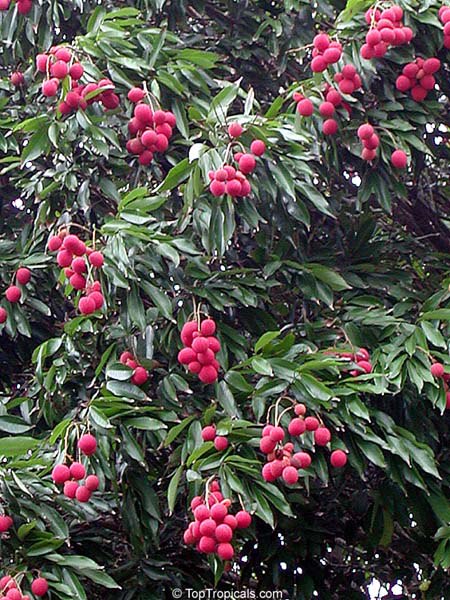
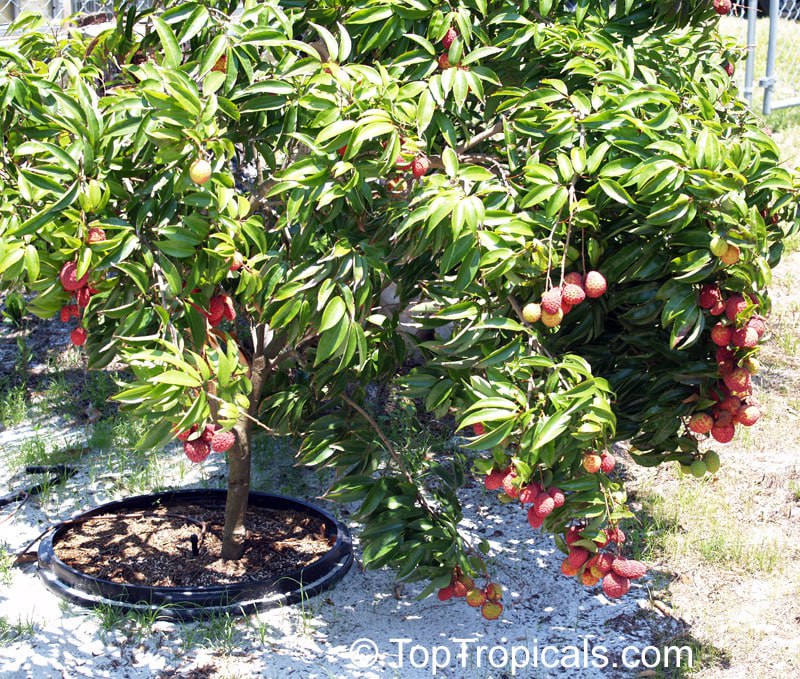
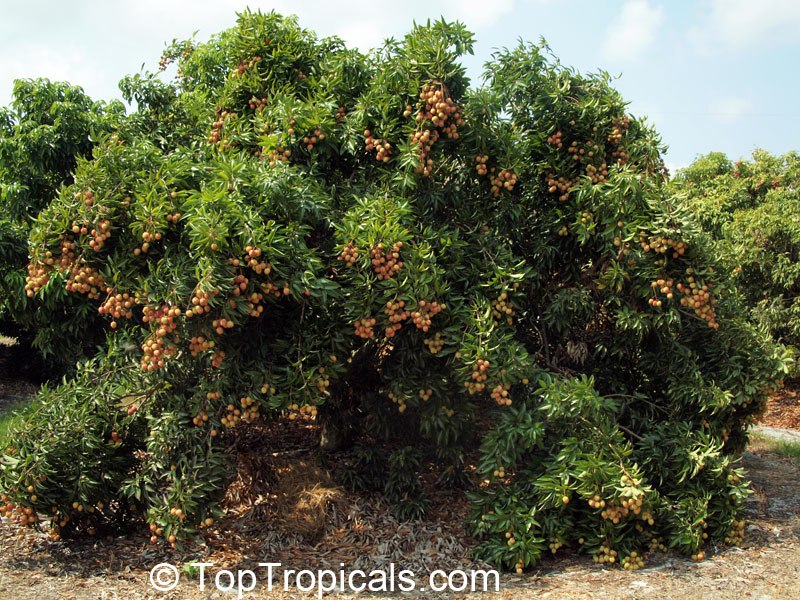
Lychee fruit on a tree, Litchi chinensis
Lychee tree in a pot with fruit, Litchi chinensis
Lychee tree with fruit, Litchi chinensis
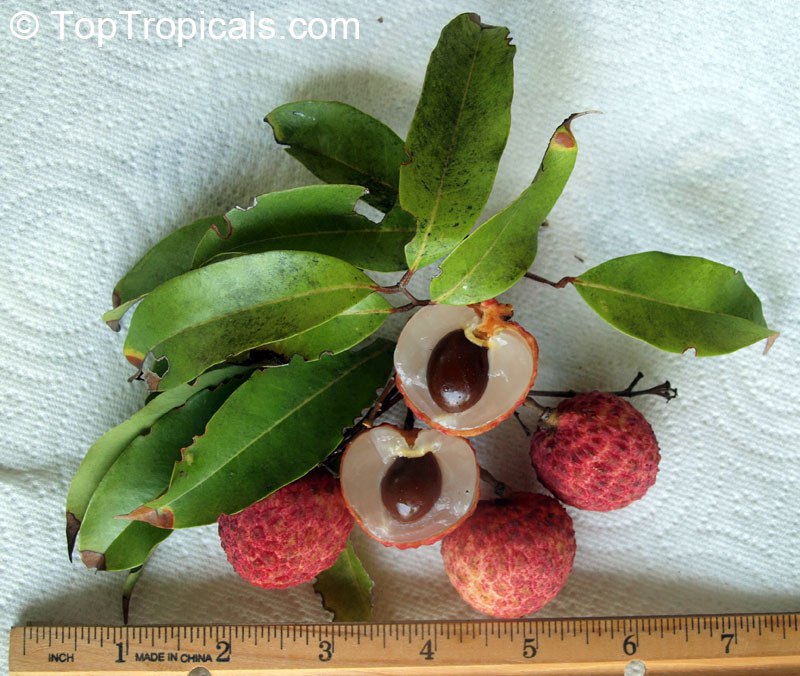
Lychee fruit, Litchi chinensis
How to grow a Lychee tree and have a reliable crop. Practical Guide to Growing Lychee.
🍑 Lychee (Litchi chinensis) is a tropical evergreen tree renowned for its delicious, aromatic fruit. Native to southern China, lychee trees can reach heights of up to 40 feet and are prized for their attractive foliage and bountiful fruit clusters.
🍑 Important factors to consider when planting a Lychee tree
💋Climate: Lychee trees thrive in tropical and subtropical climates with warm, humid summers and cool, dry winters. They require a period of winter chilling (100-200 hours between 32F and 45F) to induce flowering. Mature trees can tolerate temperatures as low as 25F, but young trees are susceptible to frost damage. 💋Sunlight: Plant lychee trees in full sun to ensure vigorous growth and optimal fruit production. They require at least six to eight hours of direct sunlight daily. 💋Soil: Well-drained, slightly acidic soils rich in organic matter are ideal. Avoid heavy clay soils or areas prone to waterlogging, as lychee trees are susceptible to root rot. 💋Spacing: Ensure adequate space for the tree's mature size by planting at least 20 feet away from other trees or structures.
🍑 When and how do you harvest lychee fruit?
💋Lychee trees typically begin to produce reliably after 3-5 years, with the fruit ripening in early summer. 💋Timing: Wait until the fruit's skin turns bright red or pink, indicating full ripeness. Lychees do not ripen off the tree, so it's essential to harvest at the right time. 💋Method: Use pruning shears to cut entire clusters, leaving a short stem attached to each fruit to prolong freshness. Handle the fruit gently to avoid bruising. 💋Post-Harvest: Consume fresh lychees within a few days or store them in the refrigerator to extend shelf life. The skin may darken when refrigerated, but the fruit's quality remains unaffected.
🍑 How to grow a Lychee tree?
💋Watering: Provide consistent moisture, especially during dry periods. However, avoid overwatering, as lychee trees are sensitive to waterlogged conditions. Mulching around the base helps retain moisture and regulate soil temperature. 💋Fertilization: Apply a balanced fertilizer during the growing season to support healthy growth and fruit development. Avoid excessive nitrogen, which can inhibit flowering. Sunshine Boosters C-Cibus - natural liquid fertilizer - is the best choice, and is safe to use with every watering year around. 💋Pruning: Minimal pruning is required. Remove dead or diseased branches and shape the tree to maintain its structure. Pruning after harvest can encourage new growth.
🍑 More practical advice on propagation and harvest in next post 👇
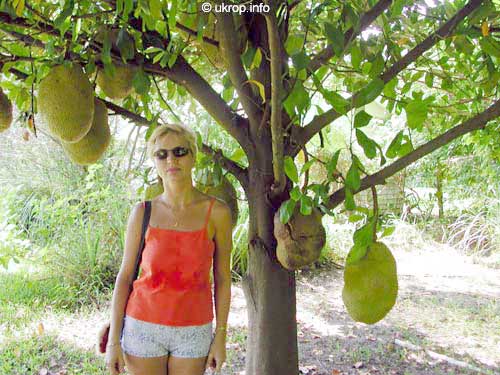
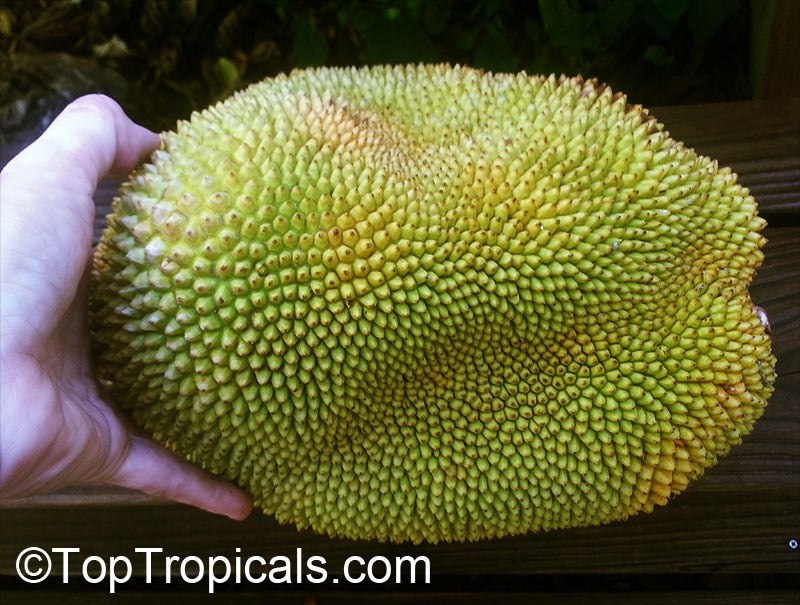
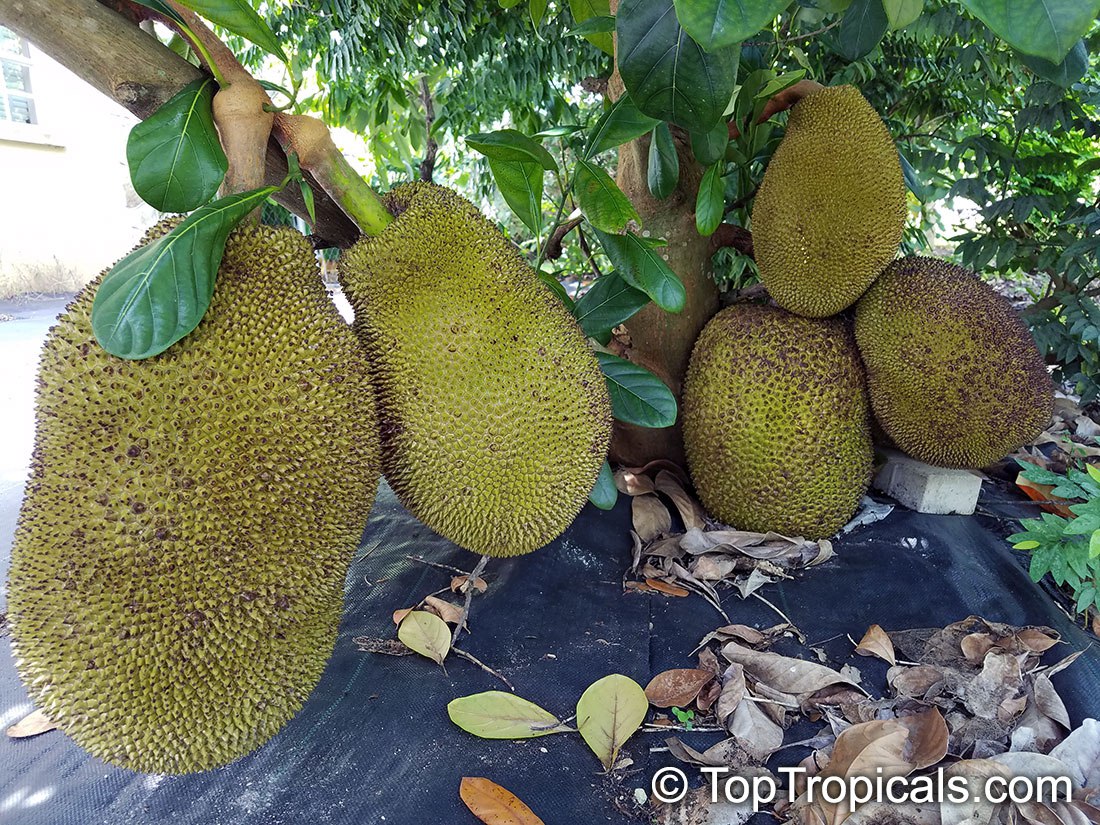
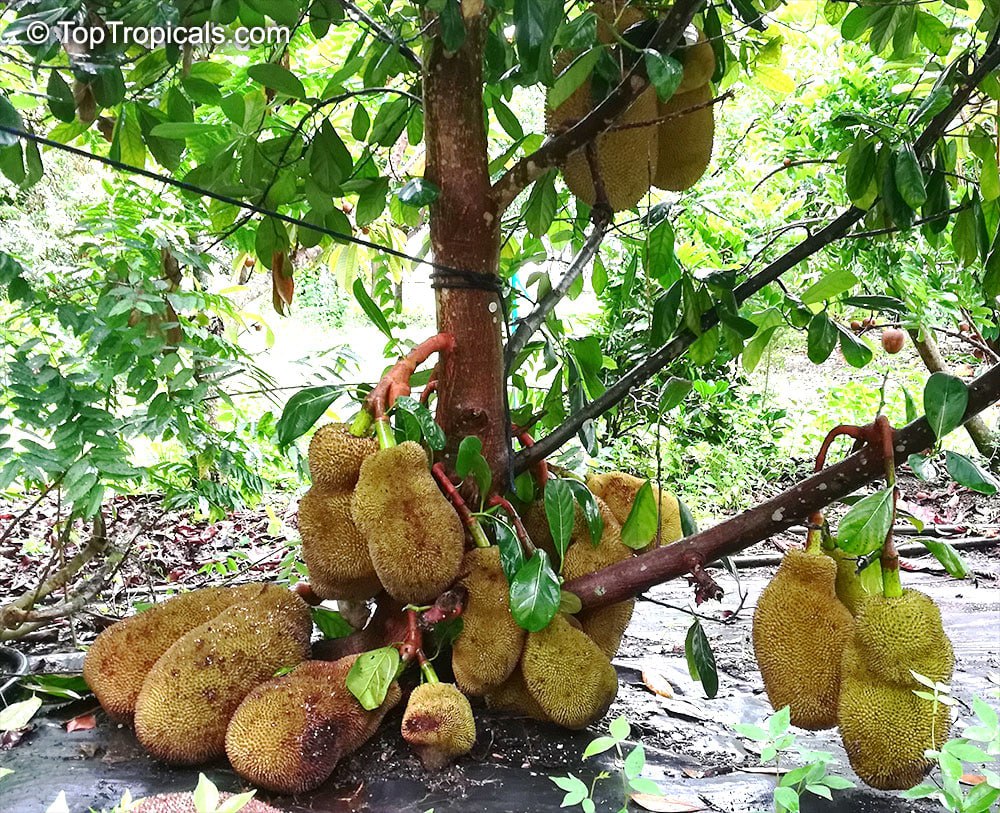
Jackfruit (Artocarpus heterophyllus) fruit at the base of the tree
Jackfruit (Artocarpus heterophyllus) fruit at the base of the tree
How to Grow Jackfruit: Practical Guide
🍈 Jackfruit (Artocarpus heterophyllus) is a tropical tree that produces the largest fruit in the world, weighing up to 80 pounds and reaching 36 inches in length. The trees thrive in frost-free, humid climates with plenty of sunlight. They require well-draining soil rich in organic matter and regular watering to flourish. Despite their reputation as ultra-tropical, mature Jackfruit trees can tolerate light frost for a few hours without significant damage. Additionally, they can be grown in containers in colder areas with proper care and pruning.
🍈 What Climate is Essential for Growing Jackfruit Trees?
Jackfruit trees require a tropical or subtropical climate, with temperatures ideally between 60-95°F. While young trees are frost-sensitive, mature trees can withstand light frost for short periods. However, cold winters can reduce fruit production. Frost-free temperatures are crucial for optimal growth and fruiting.
🍈 How Often Do Trees Need Fertilizing, and What is the Best Type of Feed?
Jackfruit trees are heavy feeders. Fertilizing them regularly is key to their health and productivity. During the active growing season (spring to fall), apply a balanced dry fertilizer once a month. Liquid amino-acid-based fertilizers, such as Sunshine Boosters, can be used year-round with every watering. These fertilizers help maintain healthy growth and encourage abundant fruiting. Supplement with organic matter like compost, manure, or peat moss to enrich the soil.
🍈 How Important is Pruning, and When is the Right Time to Prune?
Pruning is essential for maintaining a manageable tree size and promoting healthy fruit production. Jackfruit trees produce fruit at the base of the trunk, allowing them to be pruned annually to a height of 7-12 feet. This practice not only makes harvesting easier but also encourages more fruiting. Prune after the fruiting season or in late fall to remove excess growth and shape the tree. Regular pruning also improves air circulation and reduces the risk of disease.
🍈 Key Tips for Successful Jackfruit Production
· Climate: Ensure frost-free temperatures and adequate humidity.
· Soil: Use well-draining soil enriched with organic matter.
· Watering: Maintain consistent soil moisture without waterlogging.
· Pruning: Keep the tree under 7-10 feet for easier management and better yield.
· Fertilizing: Apply balanced fertilizers and supplements regularly.
🍈 Jackfruit facts
· The fruit consists of large, edible bulbs of yellow, sweet, banana-pineapple-flavored aromatic flesh.
· Seedlings start fruiting within 3-4 years, with fruit ripening 4-6 months after flowering.
· A mature tree can produce up to 200 pounds of fruit annually.
· For colder regions, growing Jackfruit in containers is an option, provided the tree is regularly pruned and topped.
👍 Jackfruit trees grow fast and fruit abundantly with proper care, making them an exotic addition to tropical fruit collections.
NEW
VIDEO:
ABC7 Fort Myers News:
Rare Tropical Fruit Trees at Top Tropicals
We received lots of orders from our customers for butterfly attracting plants after our recent
. We are glad you liked the
story and the plants!
Today's topic is on tropical fruit. Enjoy this quick tour and learn more about different
varieties of rare tropical fruit and what can be grown in your yard. We have
them all! And we can ship them to your door.
Stay updated with TopTropicals Videos by subscribing to our channel at
YouTube.com/TopTropicals
and get our latest video news of what is fruiting and blooming!
In the photo: Yellow Dragon Fruit, Selenicereus megalanthus, the sweetest and the most flavorful rare
Yellow Pitaya. The taste is said to be superior to most cactus fruits.