Garden Blog - Top Tropicals

Date: 6 Nov 2023

How to grow a happy Moringa Tree
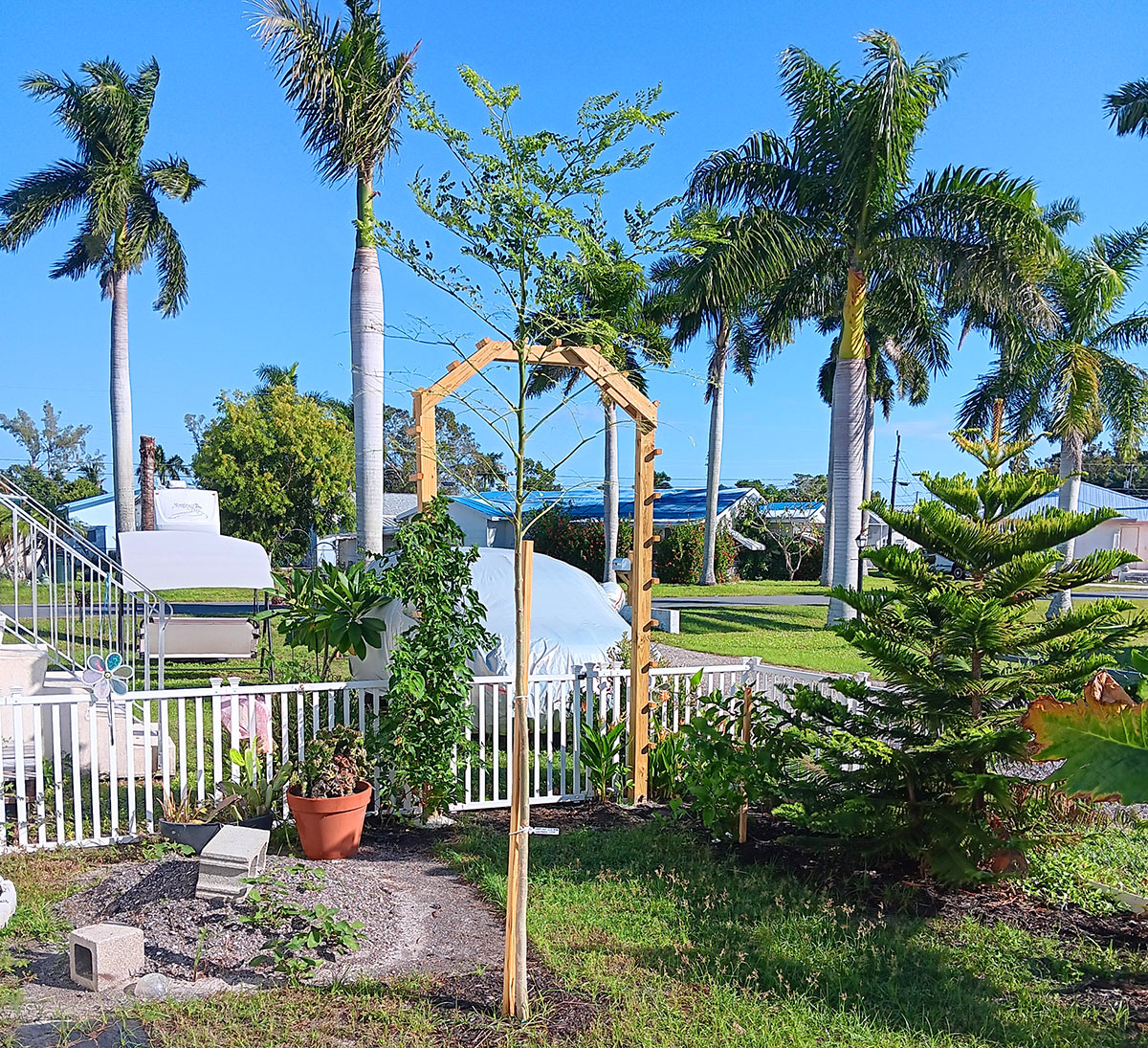
Moringa  tree  in  the  garden

Q: We purchased some tropical edible and medicinal plants from you in August this year. I have a question pertaining to our Moringa tree. When we purchased it, it was about two foot tall. It has put on tremendous growth and is now a little under ten foot tall. My question is, should a Moringa be losing lower leaves at this point? The bare limbs are still green and the top looks to have healthy green leaves.

A: Thank you for choosing our Moringa tree, and sharing the picture. It's great to see that your tree appears healthy and happy - it's a resilient plant. Given the relatively dry Fall we've experienced this year, a little extra water can make a significant difference.

Here are some suggestions to ensure your Moringa thrives:
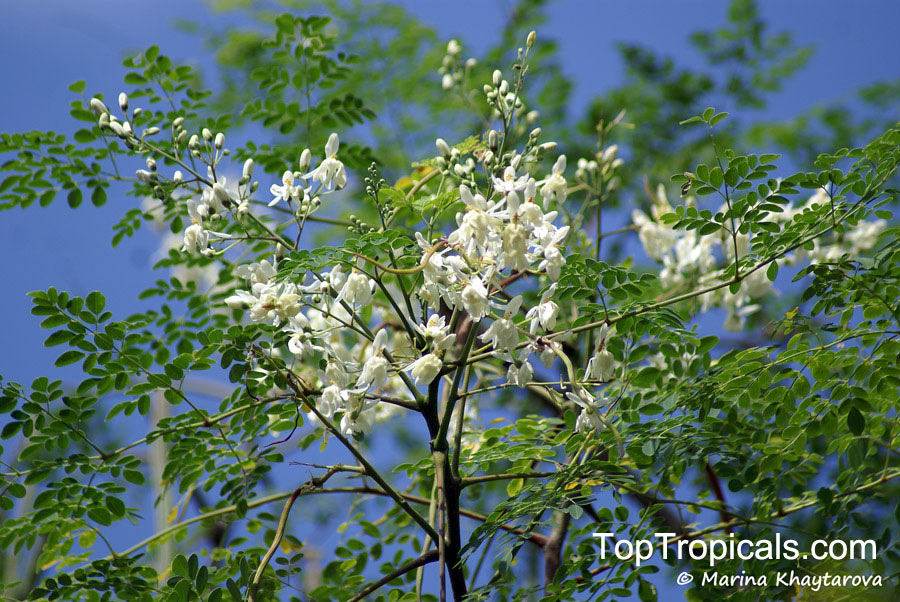
Moringa  branch  with  flowers

Watering: While Moringa is generally drought-tolerant, during dry periods, in addition to relying on your lawn sprinkler system, add some extra water with a hose. Adequate moisture is crucial for maintaining healthy foliage.

Pest Control: Moringa is not only a nutritious plant for humans but also attracts pests that appreciate its medicinal properties :) If you notice insect damage on the leaves, consider spraying with Neem oil or using an over-the-counter systemic insecticide containing imidacloprid or a similar ingredient.

Seasonal Behavior: Moringa trees are semi-deciduous to deciduous, and their leaf-shedding behavior can vary depending on the climate. In Florida, for instance, it's common for Moringa trees to shed leaves in the Fall. However, this is a natural process, and you can expect new growth in the Spring.

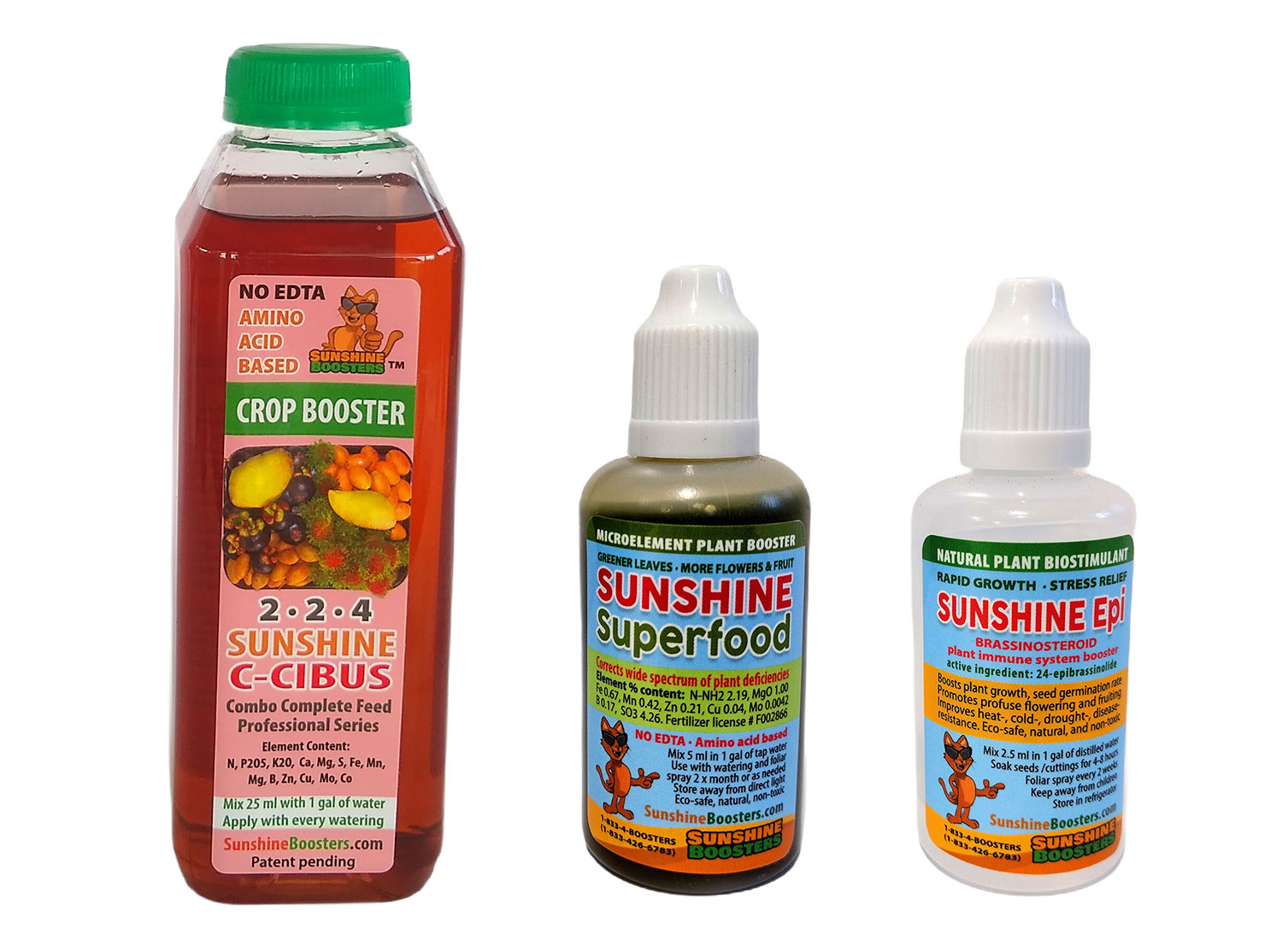
Fertilizing for Vigorous Growth: To promote the most vigorous growth of your Moringa tree and other plants in your garden, consider implementing a fertilizing program. If using dry, slow-release fertilizers, apply them only during the active growth season: from March through November. If you're looking for a year-round solution, liquid amino acid-based formulas like Sunshine Boosters can be a great option. You can easily add them to your watering routine or use injectors like The Robuster for convenient and consistent feeding. If you're planning to expand your garden with other medicinal plants or an edible forest, The Robuster smart fertilizing system is an excellent choice, offering the most efficient, care-free way to nourish your plants with natural nutrients throughout the year.
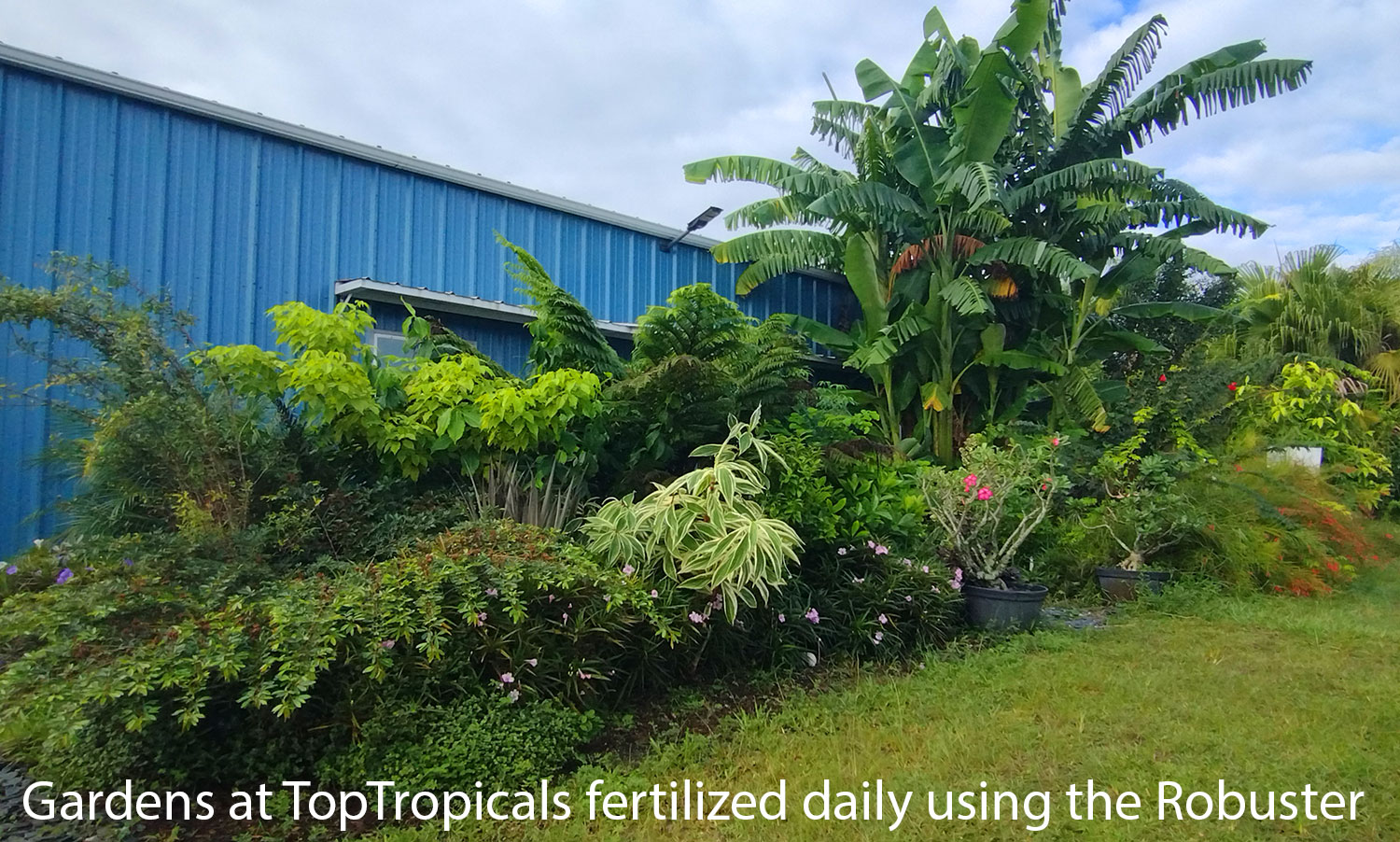
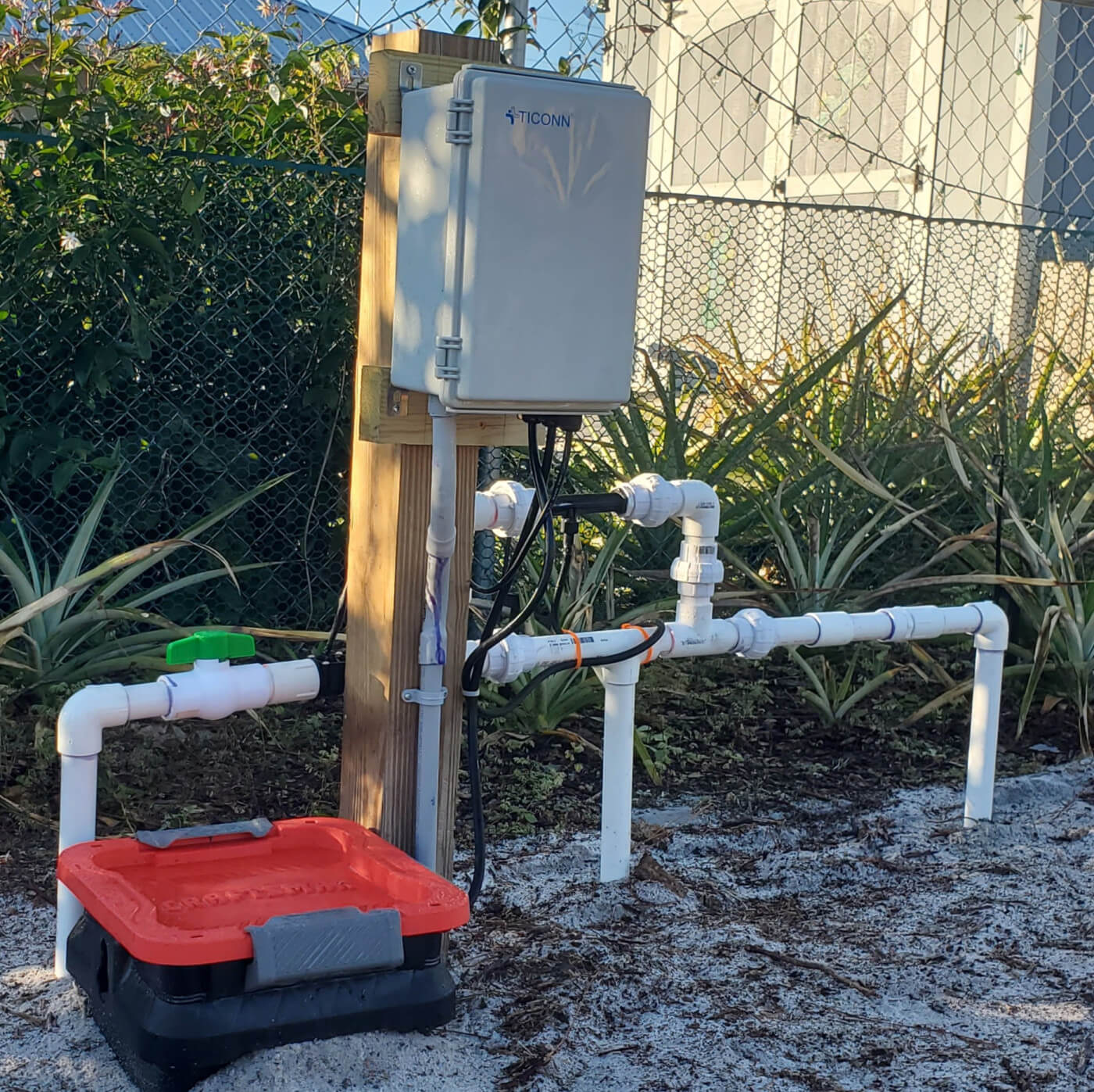
The  Robuster

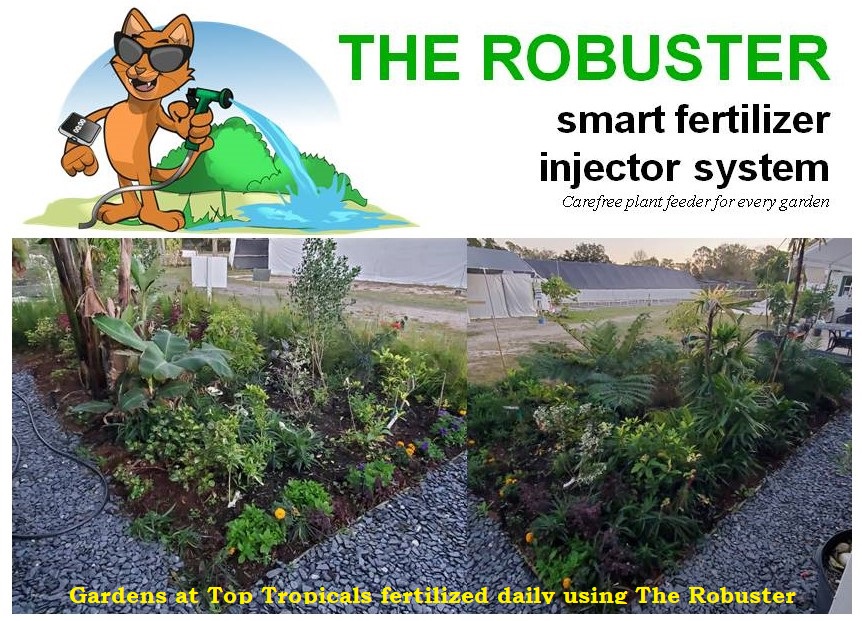
This garden doubled the size during just one season under the Robuster care.
Date: 20 Oct 2023

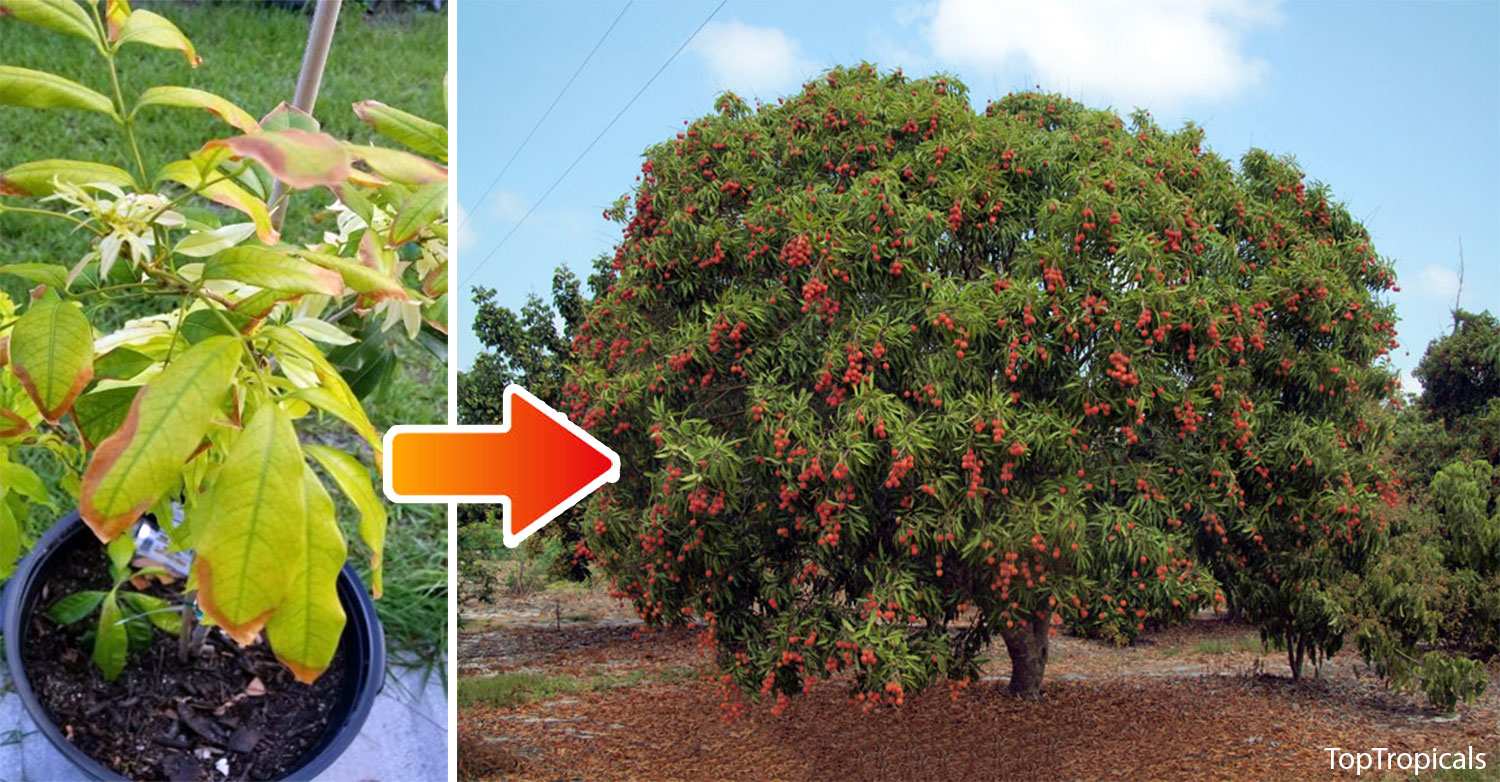
How to help a weak tree to recover and thrive?

small  and  large  lychee  tree

Q: Look at my sad looking Lychee tree. Can you share with me any ideas about this tree condition?

A: From the photo (left), we see a few potential issues. The problem might be due to a combination of factors such as a heavy potting mix with poor drainage, over-watering, an underdeveloped root system sensitive to these conditions, leaf burn, and a lack of nutrients.

Suggestions for fixing the problem

1. Soil mix. First, assess the quality of the soil. If the plant has been in the same pot for a while, the soil at the bottom may have become compacted, leading to poor drainage. If this is the case, carefully remove the root system from the existing soil (by removing excess soil around the roots without disturbing the roots themselves). Repot the tree into fresh, well-draining potting mix with good drainage characteristics, which typically contains materials like bark and perlite. Ensure that the new pot is exactly the size of the root ball; using a significantly larger pot can lead to soggy conditions that harm the roots.

2. Light. Place the potted tree in an area with filtered light, avoiding direct sunlight throughout the day.

3. Water. Control the watering. During this recovery period, your plant will need very limited water until it shows signs of improvement and new growth. After repotting, water it thoroughly just once, and avoid watering again until the top layer of soil becomes dry. Then, water as needed. Avoid keeping the soil consistently wet, especially during rainy periods. Protect the plant from excessive rain.

4. Supplements. Consider applying Sunshine Superfood micro-elements following the label instructions, once a month. Additionally, using Sunshine Epi bio-stimulant, sprayed every other week, can help the plant recover from stress and encourage growth. You can also use Sunshine C-Cibus at half the recommended concentration with each watering. Hold off on any other fertilizers until the plant has sufficiently recovered and begins to show signs of new growth.

5. Transplanting. If you plan to transplant the tree into the ground, it's advisable to wait until spring when nighttime temperatures consistently stay above 65F for at least two weeks.

6. Temperature. Keep the tree in a warm environment. When temperatures drop below 50F, bring it indoors.

These steps should help the tree recover, grow healthy leaves, and establish a better root system, preparing it for successful transplantation into the ground or a larger container, ensuring a happy and productive life ahead.

Sunshine  Boosters:  C-Cibus,  Superfood,  Epi

Date: 13 Jul 2023

Fertilizing during rainy season

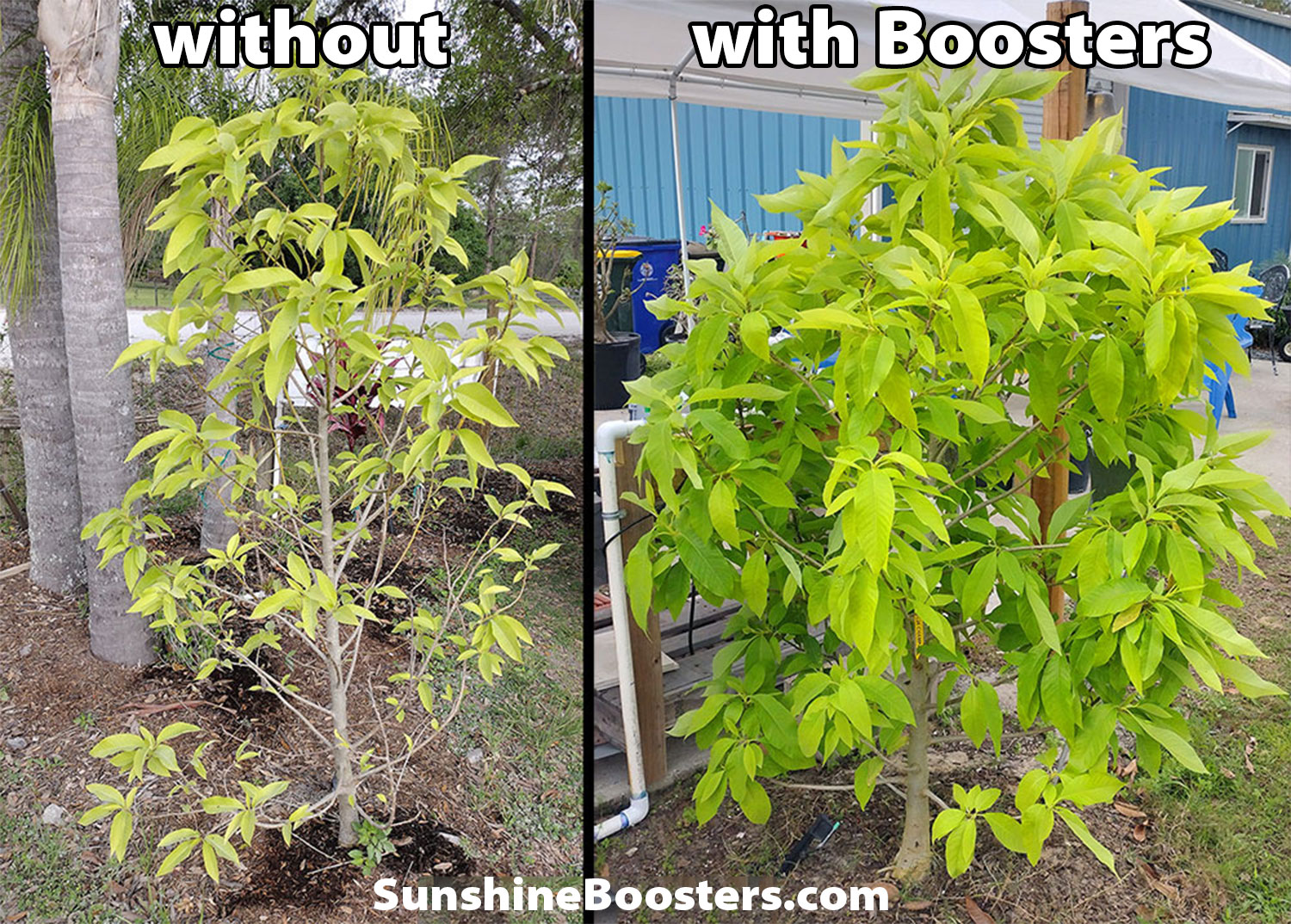
Champaka  trees  without  and  with  Sunshine  Boosters

Q: I have installed your Robuster unit to fertilize my fruit trees, but here in Florida, it is the rainy season and most of the time I do not need to irrigate during the summer. What do you recommend to keep up with fertilizing program?

A: This is what we recommend for fertilizing during rainy season:

For in the ground plants

If there are frequent rains, it's not necessary to use any fertilizers except for slowly soluble ones. During rainy periods, use a slow release fertilizer. Simply scatter 3 oz per 100 square ft. You can adjust the amount based on your specific area and number of plants.

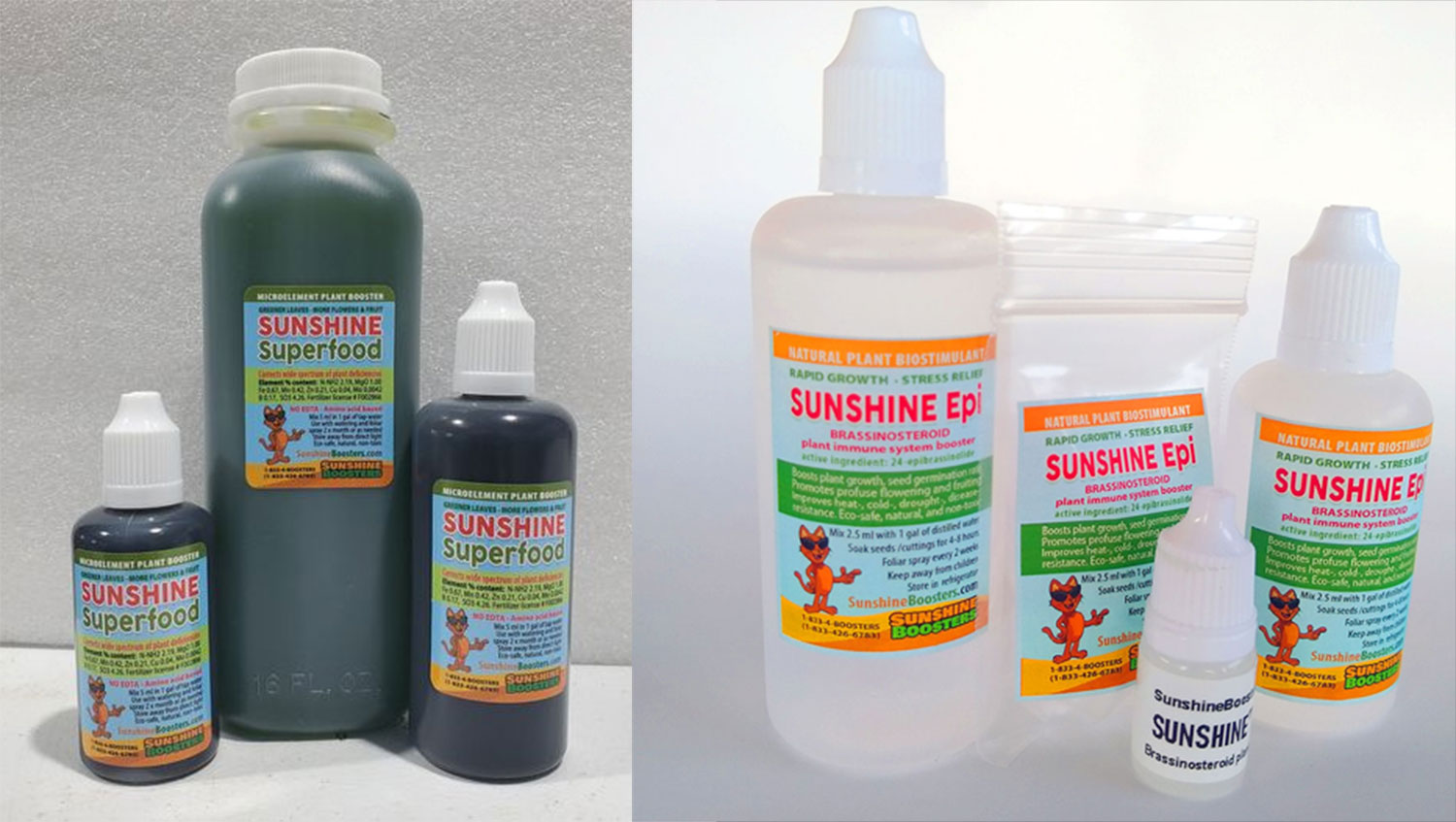
Additionally, for foliar treatments, use Sunshine SuperFood microelement supplement and Sunshine Epi biostimulator.
When you water next time, regardless of whether it rained or not, resume using liquid Sunshine Boosters.

Sunshine  Superfood  and  Epi

For potted plants

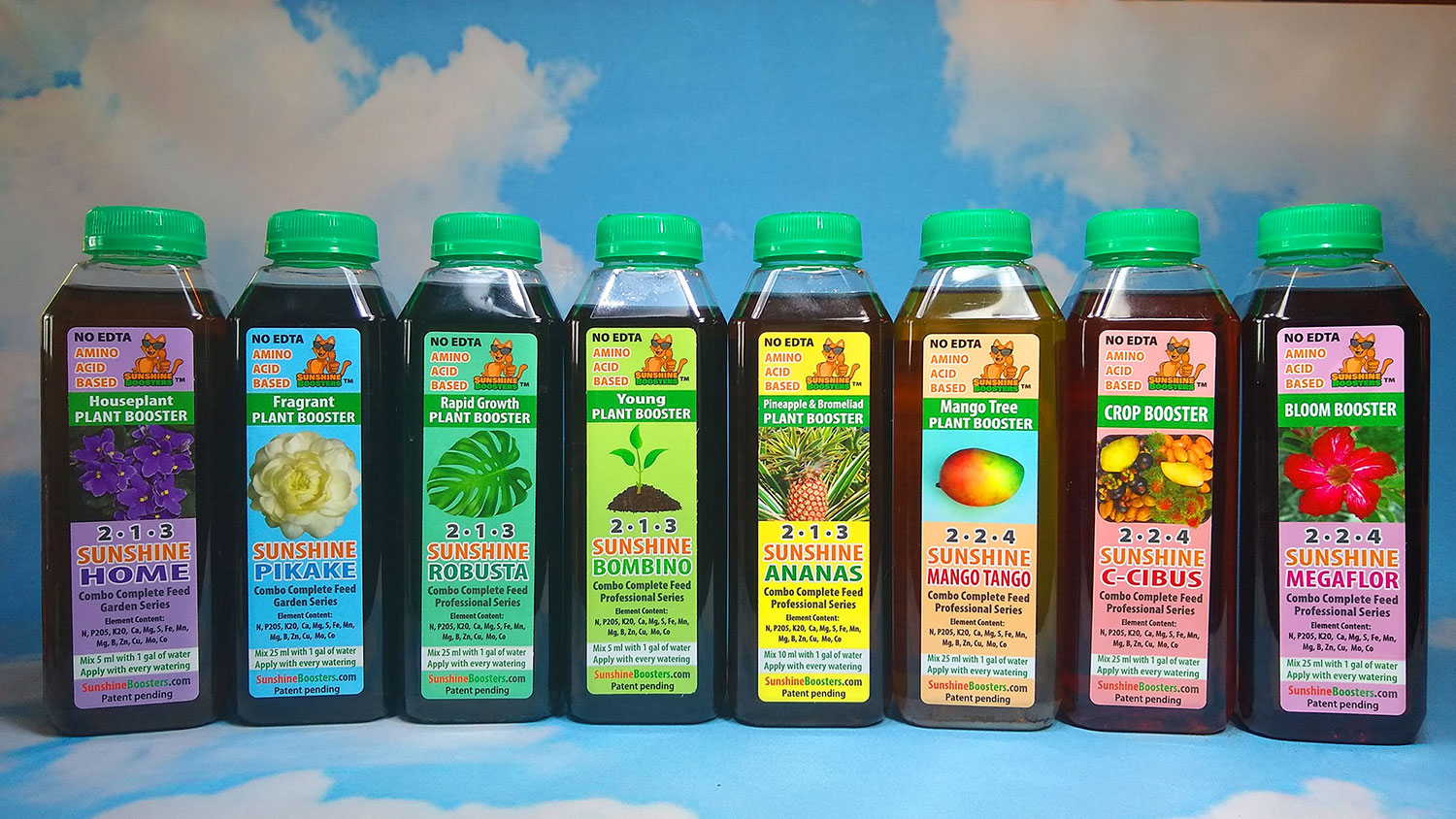
When you water your potted plants, use liquid Sunshine Boosters. Every 1 or 2 weeks (we recommend weekly), apply Sunshine Garden Series (the same type you are using when watering) for foliar treatment. Use the same dosage as you would for watering. By following these recommendations, you can ensure that your plants receive the appropriate nutrients during the rainy season.

Sunshine  Boosters  Garden  Series

the  Robuster

Date: 26 Apr 2023

The Benefits of Companion Planting

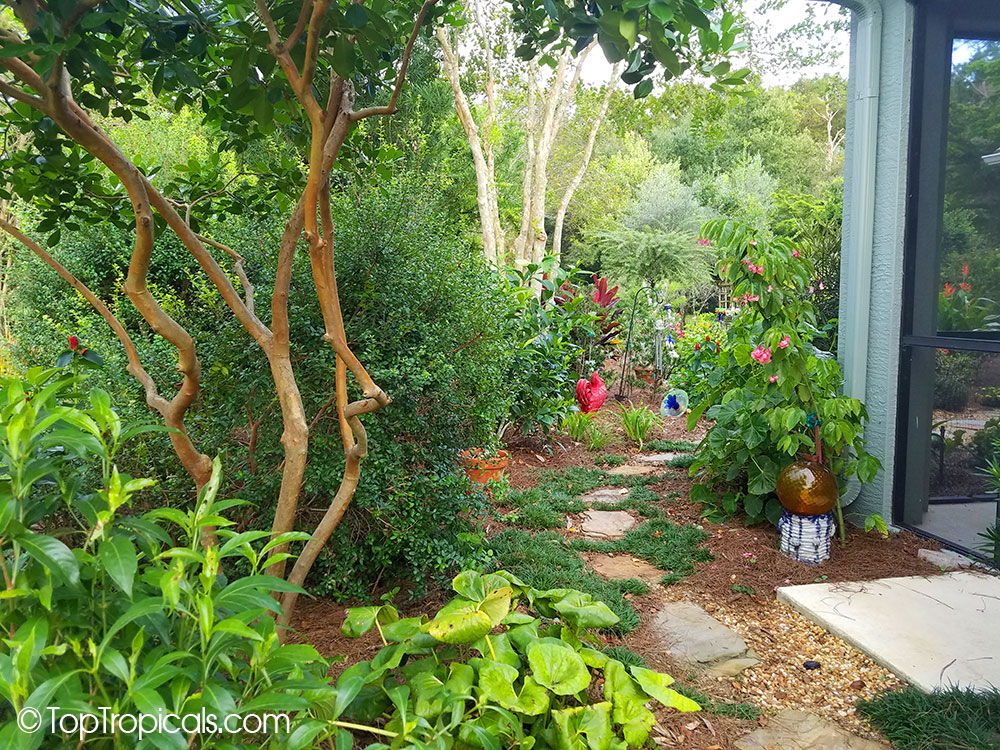
Landscaped  garden  with  companion  planting

Q: What is companion planting?

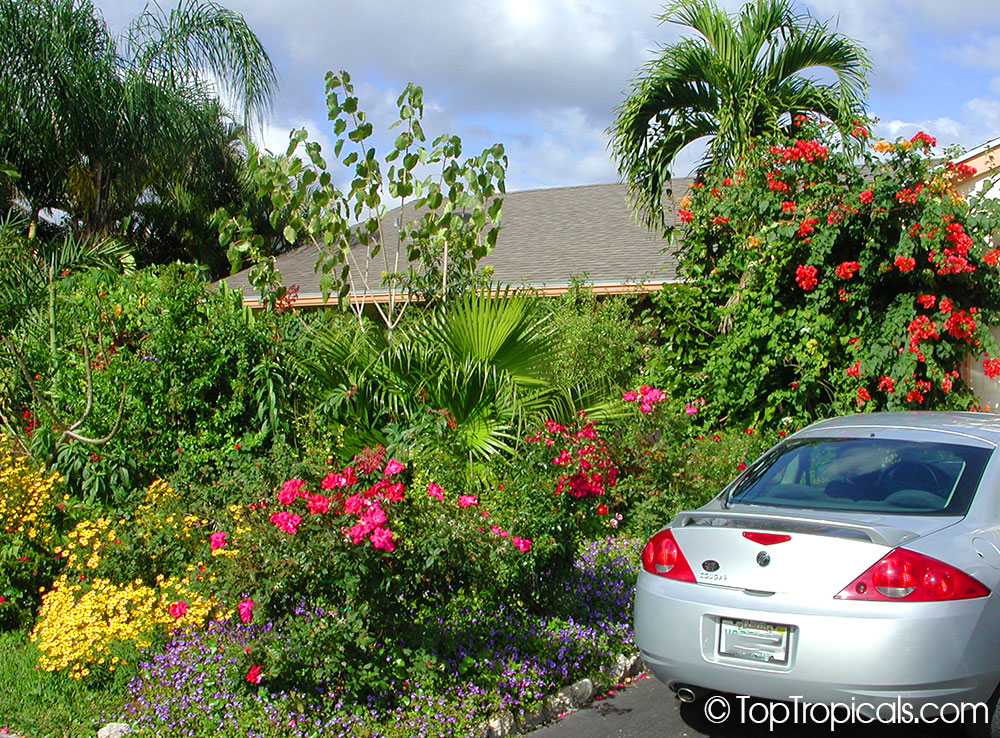
A: Companion planting is a gardening technique that involves planting different crops or types of plants together in a way that benefits all plants. This practice has been used for centuries, and it can be especially useful in tropical gardens where there is a diversity of plant life: trees, shrubs, vines and climbers, ground covers, fruit and edibles, and different flowering ornamentals. It is a great way to improve the health and yield of fruit tree crops while reducing the need for fertilizers and pesticides. By choosing the right companion plants and planning your garden layout carefully, you can create a vibrant and diverse ecosystem that will benefit both your plants and the environment.

Companion planting involves:

Planting different crops together to repel insects: adding such plants as Lemon grass, Patchouli leaf, or Moujean Tea near your vegetables can deter aphids and other pests.

Attracting pollinators - Butterfly plants. Many tropical crops, such as passion fruit, papaya, mango, and avocado, rely on pollinators to produce fruit. Companion planting can help to attract pollinators such as bees, butterflies, and hummingbirds to your garden.

Providing nutrients to the soil, adding mulch and low growing plants (ground covers) to preserve moisture.

Planting a variety of different types of plants together in order to create a more resilient ecosystem that is less susceptible to pests and diseases.

To get started, plan your garden layout and choose companion plants with similar water and light requirements.
For example, plant in the same group lush foliage plants, gingers, and flowering brunfelsias in shady areas; plant jasmines and gardenias in full sun and very well-drained spots.
Rotate annual crops regularly and experiment with combinations to find what works best. By doing this, you can create a thriving ecosystem that benefits both your plants and the environment, reducing the need for harmful chemicals.

Landscaped  front  yard  with  companion  planting

Buddah  and  flowers

Date: 27 Jan 2023

The Robuster: smart and simple
Automatic care-free plant feeder!

The  Robuster,  Smart  Fertilizer 


Injector

Affordable Smart Fertilizer Injector and Doser

Tired of mixing fertilizer in watering cans?
Struggling to keep up with the growth of your garden?
Need to adjust fertilizer schedules for different plants and weather conditions?
Professional injectors are expensive and complicated?
Look no further! Affordable and user-friendly solution for any gardener -

The Robuster.
Set up... Sit back...
...enjoy your garden!

The Robuster is a unique smart device for irrigation systems and is designed to help make fertilizing your garden easier. Simple to install, The Robuster utilizes a computerized controller that injects liquid fertilizer into your irrigation system based on your preset dosage. The Robuster will work in your yard, garden or farm, small or large. Designed to be used with Sunshine Boosters amino acid based liquid fertilizers, it also works with any liquid plant food that requires a dosage from 5 - 25 ml per gallon of water.
Let The Robuster do the feeding so you have more time to enjoy your garden! Your first gallon of Sunshine Boosters is available to you at a 50% discount with the purchase of this unit! Sunshine Boosters are also available at deep discounts with our subscription program (coming soon). Contact us for more information.

Developed in Ukraine. Manufactured in the USA.
Introductory low price! Only 4 units available at this time.
Contact us for installation availability
Learn more:

Blog: About The Robuster with pictures
Amazing video:

The  Robuster  in  the  gardens

Starter gardens at TopTropicals as well as container plants, are fertilized with the Robuster with every watering

container  plants  fertilized  with  The  Robuster